15 Best Brands of Luxury Watches for Collectors in 2026
A luxury watch is so much more than a device that tells time. It’s a statement of style, a piece of intricate engineering you can wear on your wrist, and a legacy that can be passed down through generations. For collectors and enthusiasts, exploring the different brands of luxury watches is an exciting journey into a world of history, craftsmanship, and incredible innovation. It’s about finding a timepiece that doesn’t just fit your wrist, but also fits your personality and story.
This is your ultimate guide to the names that define horology.
Whether you’re dreaming of your first significant timepiece or looking to add a grail watch to your collection, understanding the landscape of high-end watch brands is the first step. From the undisputed kings of Swiss watchmaking to the meticulous masters in Germany and Japan, each brand offers a unique philosophy and design language. We’re about to explore the icons, the innovators, and the investment-worthy titans of the industry.
What to Know
- The “Holy Trinity” Reigns Supreme: Patek Philippe, Audemars Piguet, and Vacheron Constantin are widely considered the pinnacle of traditional, high-horology watchmaking due to their history and complex craftsmanship.
- Swiss Made is the Gold Standard: While not the only source of quality, the “Swiss Made” label signifies a rigorous standard of manufacturing, quality, and technical performance that dominates the luxury market.
- Look for In-House Movements: The most respected luxury watch brands design and manufacture their own movements (the internal mechanism of the watch), which is a true mark of expertise and exclusivity.
- Investment Potential is Real: Certain brands, most notably Rolex and Patek Philippe, have a proven track record of not just holding their value but appreciating significantly over time, making them a tangible asset.
- Craftsmanship is Key: Beyond the brand name, true luxury is found in the details—hand-finished movements, premium materials like sapphire crystal and platinum, and flawless case polishing.
A Dazzling History of Luxury Watch Brands
The story of luxury watches is a captivating timeline of innovation and elegance. It began in the 16th century with portable clocks in Germany, but it was the Swiss who truly mastered the art of miniaturization. For centuries, the pinnacle of personal timekeeping was the pocket watch, an ornate and precious item reserved for the wealthy elite. Brands like Vacheron Constantin (founded in 1755) and Patek Philippe (1839) built their reputations on these intricate pocket timepieces.
The entire game changed in the early 20th century. Visionaries like Louis Cartier responded to the needs of aviators and sportsmen who required a hands-free way to tell time. The wristwatch was born not just as a tool, but as a piece of men’s jewelry. This shift cemented the watch as a personal statement, and brands like Rolex, founded in 1905, championed the robust and reliable wristwatch, earning the first chronometer certification for a wrist-worn device in 1910.
The mid-20th century was the golden age for mechanical watches, with the creation of iconic models like the Rolex Submariner, Omega Speedmaster, and Breitling Navitimer. However, the 1970s brought the “Quartz Crisis,” when cheap, accurate quartz movements from Asia threatened to make traditional watchmaking obsolete. Many historic brands folded, but the ones that survived did so by doubling down on what made them special: craftsmanship, heritage, and the perception of the mechanical watch as a luxury art form, not just a utility. This resilience is what defines the top luxury watches today.
The Unmistakable Influence of Swiss Watchmaking

When you think of high-end watch brands, you almost certainly think of Switzerland. There’s a reason for that. The “Swiss Made” designation on a watch dial is more than just a country of origin; it’s a globally recognized seal of quality, precision, and reliability. This reputation was built over centuries in the quiet valleys of the Jura Mountains, a region known as the cradle of watchmaking.
The legal requirements for a watch to bear the “Swiss Made” label are strict. The movement must be Swiss, it must be cased up in Switzerland, and the final inspection by the manufacturer must occur in Switzerland. This ensures that a significant portion of the watch’s value and craftsmanship is tied directly to the nation’s legendary standards. This commitment to quality is why Swiss brands have dominated the industry for so long.
Places like the Vallée de Joux are legendary in the watch world. This small valley is home to some of the most prestigious manufacturers, including Audemars Piguet and Jaeger-LeCoultre. The concentration of skill, tradition, and specialized suppliers in this region created an ecosystem of excellence that is impossible to replicate. This deep-rooted heritage, combined with a relentless pursuit of innovation, is why the heart of horology still beats strongest in Switzerland.
What Makes a Watch Truly Luxurious? Key Features to Look For
So, what separates a $500 watch from a $50,000 one? It comes down to a combination of artistry, engineering, and heritage. These are the core features that define top luxury watches.
In-House Movements: The Heart of the Timepiece
The movement, or calibre, is the internal engine that powers the watch. While many good brands use reliable movements from third-party specialists, the most prestigious brands design, manufacture, and assemble their own movements entirely in-house. This is an incredibly expensive and time-consuming process that requires immense technical expertise.
An in-house movement allows a brand to have complete control over the watch’s performance, features, and aesthetics. It’s a statement of true watchmaking prowess. When you look through the sapphire caseback of a watch from A. Lange & Söhne or Patek Philippe, you’re not just seeing gears and springs; you’re seeing a proprietary piece of mechanical art that was built from the ground up by that brand.
Premium Materials and Craftsmanship
Luxury watch brands use only the finest materials. Cases are typically crafted from 316L stainless steel, titanium, 18k gold, platinum, or high-tech ceramics. The “glass” covering the dial is almost always sapphire crystal, a synthetic material that is virtually scratch-proof, ensuring the watch face remains pristine for decades.
But the material is only half the story. The real magic is in the finishing. This refers to the meticulous polishing, brushing, and decorating of every single component, even parts of the movement you’ll never see. Techniques like Côtes de Genève (Geneva stripes), perlage (circular graining), and anglage (bevelling) are all done by hand by master artisans.
This obsessive attention to detail is a hallmark of high-end watch brands.
Complications: More Than Just Telling Time
In horology, a “complication” is any function on a watch that does more than tell the hours, minutes, and seconds. This can range from a simple date window to incredibly complex mechanisms.
Common complications include:
- Chronograph: A stopwatch function, typically with sub-dials to measure elapsed time. – GMT/Dual Time: Displays a second time zone, perfect for travelers. – Annual Calendar: Shows the day, date, and month, and only needs to be adjusted once a year. – Perpetual Calendar: Like an annual calendar, but it also accounts for leap years.
It won’t need adjusting for over a century. – Tourbillon: A highly complex and mesmerizing mechanism where the escapement and balance wheel rotate in a cage to counter the effects of gravity on accuracy. It’s considered a pinnacle of watchmaking skill.
Heritage and Brand Story
Finally, a huge part of a luxury watch’s appeal is its story. Brands that have been around for over a century have a rich heritage of innovation, famous patrons, and iconic moments in history. Omega’s connection to the moon landing, Cartier’s pioneering of the first pilot’s watch, and Rolex’s conquest of Mount Everest are more than just marketing—they are part of the brand’s identity.
When you buy a watch from one of these brands, you’re not just buying a product; you’re buying into a legacy. This intangible value is a powerful part of what makes these timepieces so desirable and special.
The 15 Top Luxury Watch Brands to Know in 2026
Ready to meet the titans of the industry? This list covers the most respected, innovative, and sought-after luxury watch brands on the planet. Each one brings something unique to the table, from timeless elegance to rugged performance.
1. Rolex

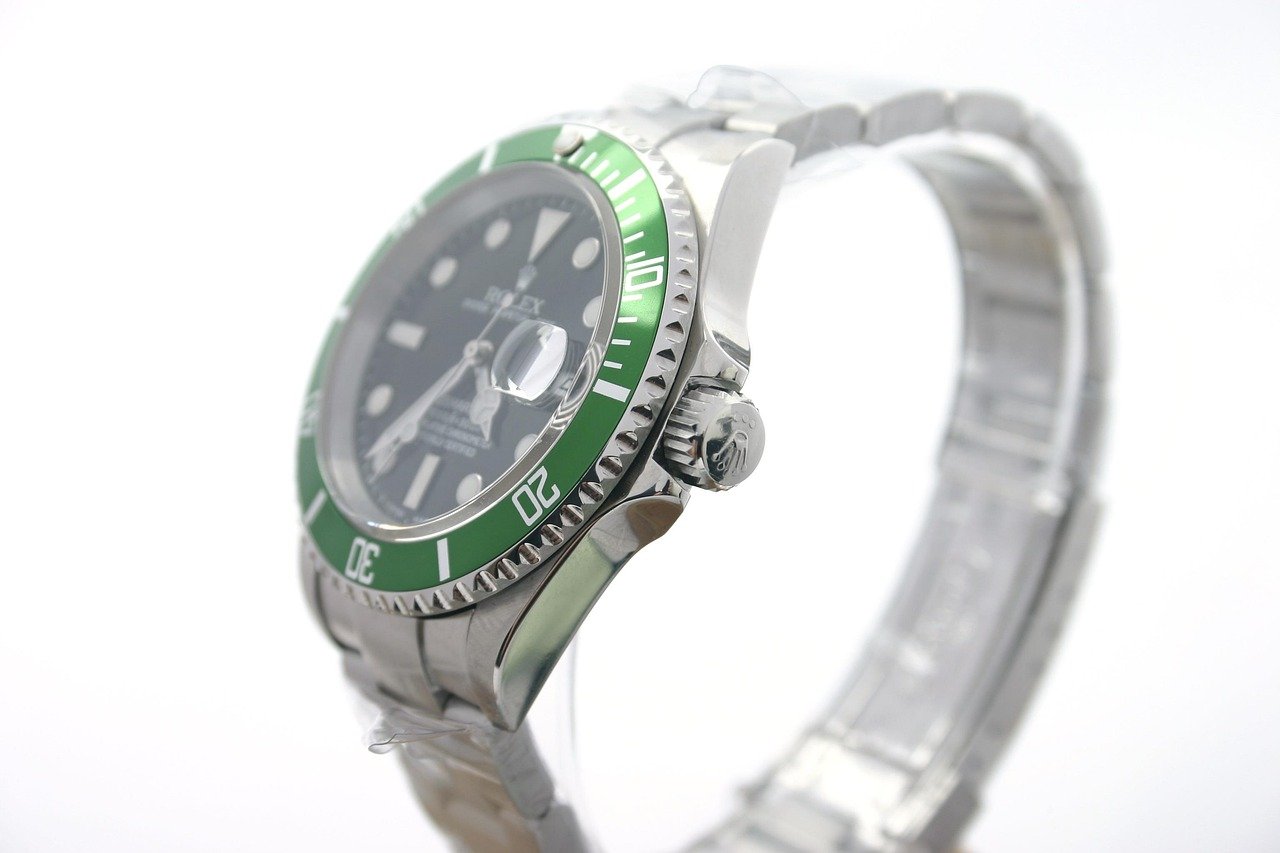
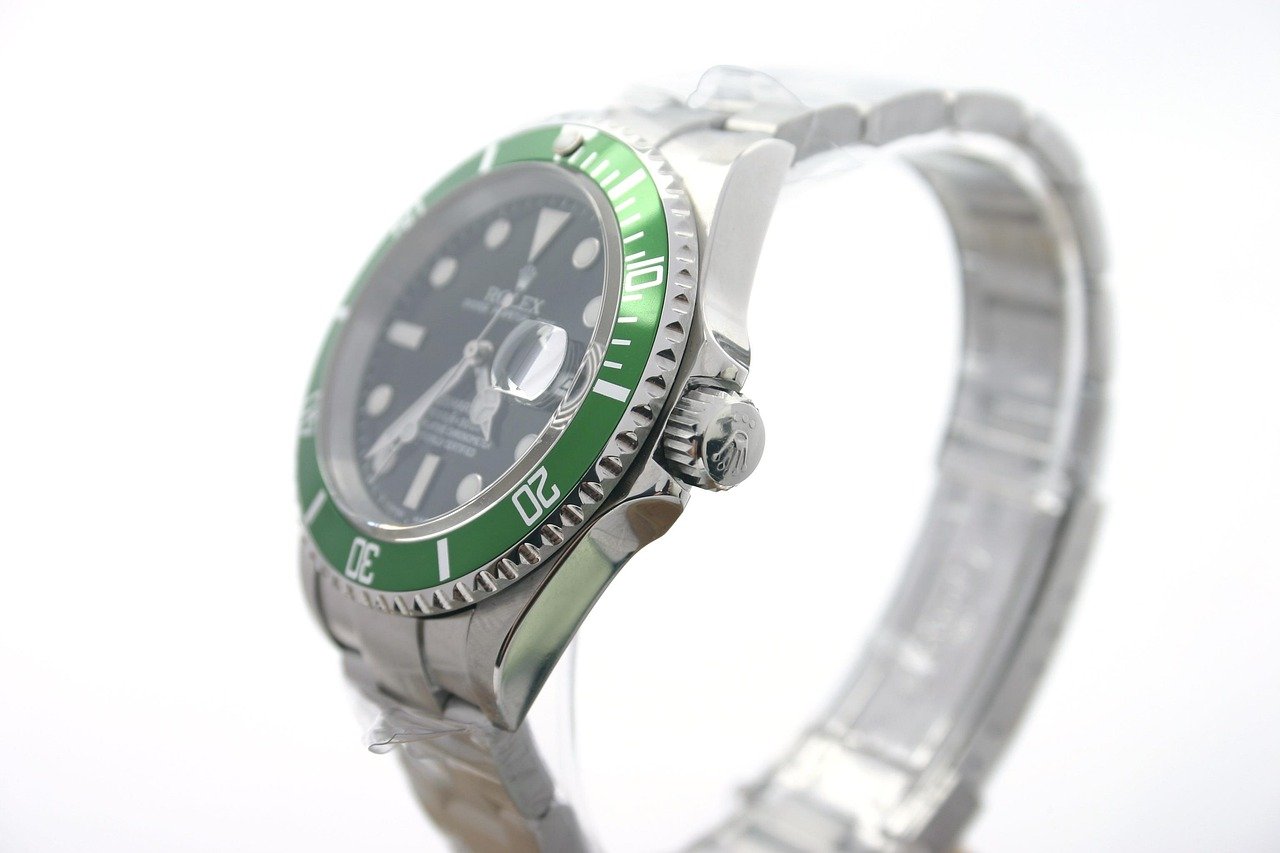
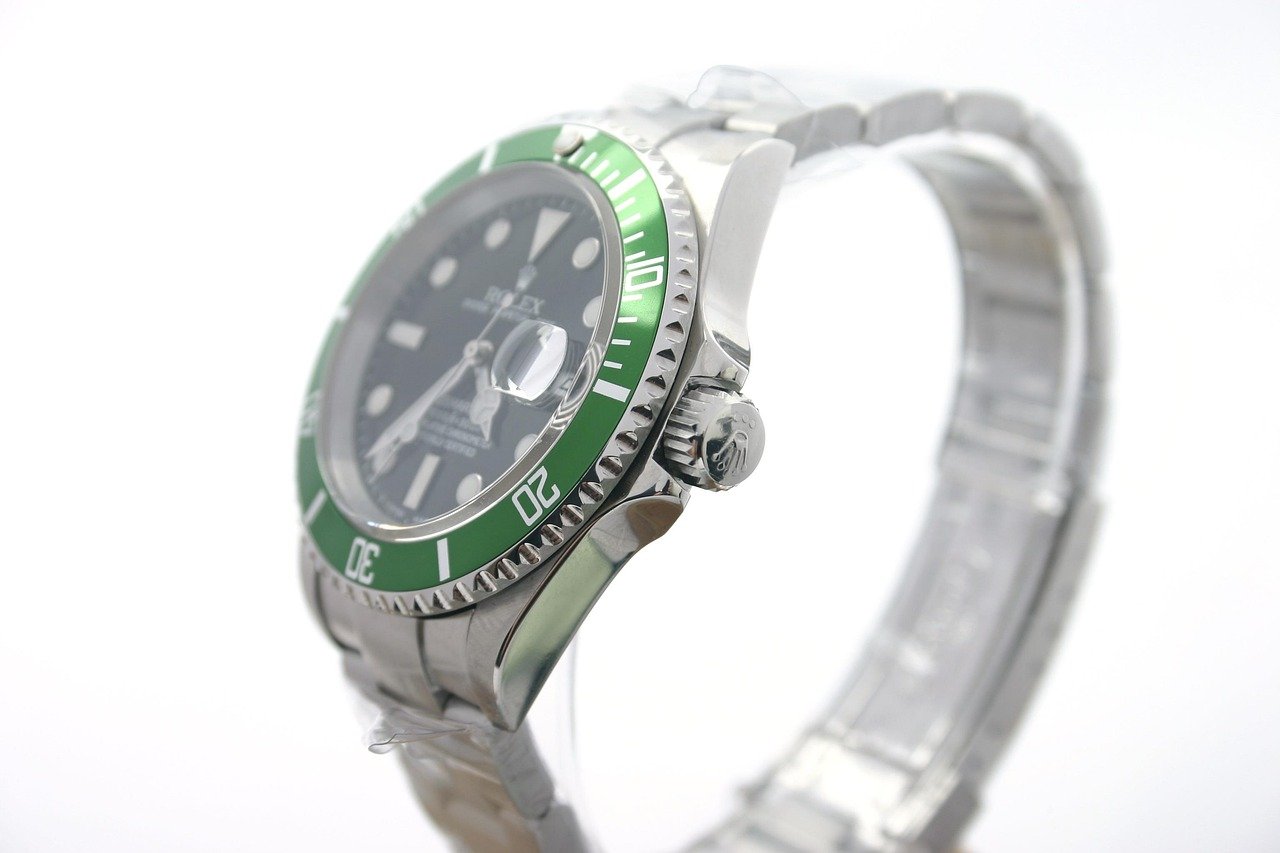
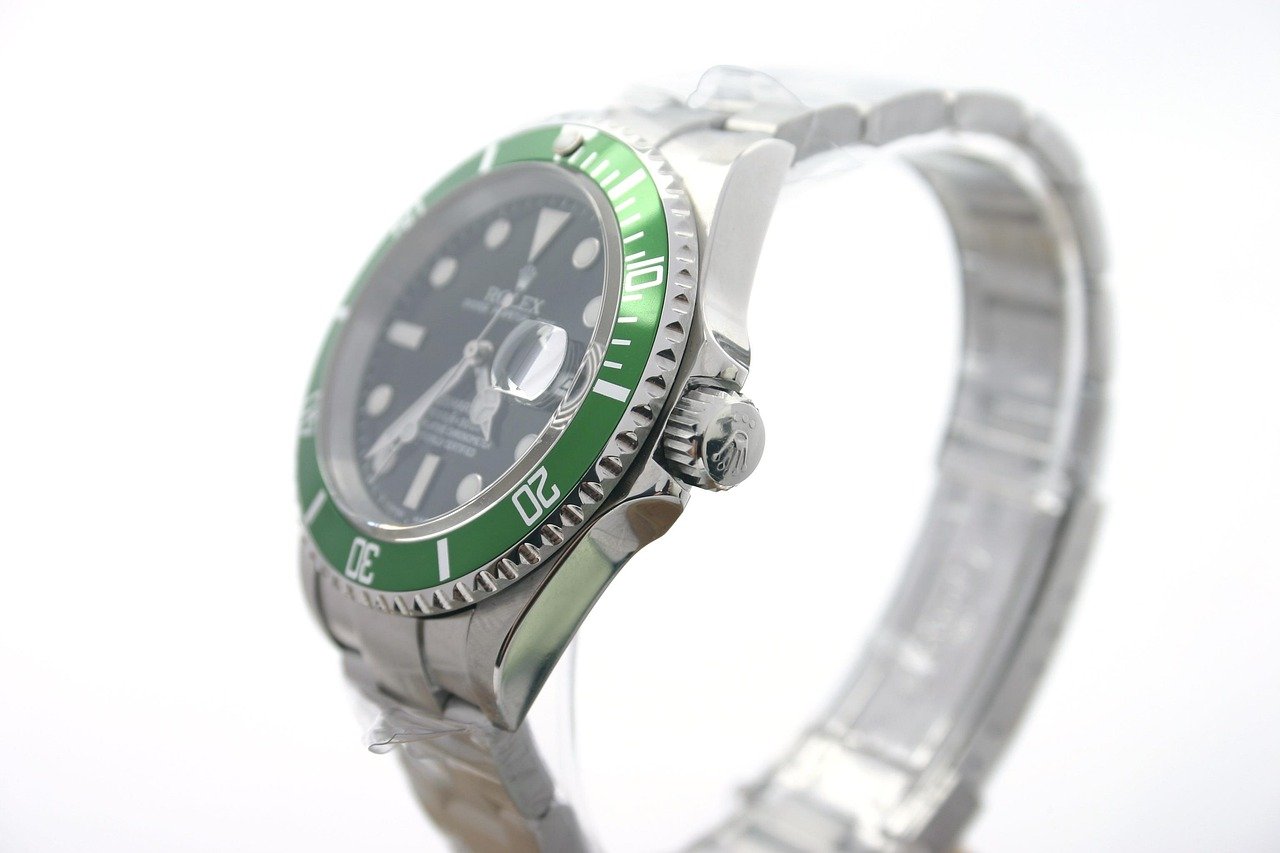
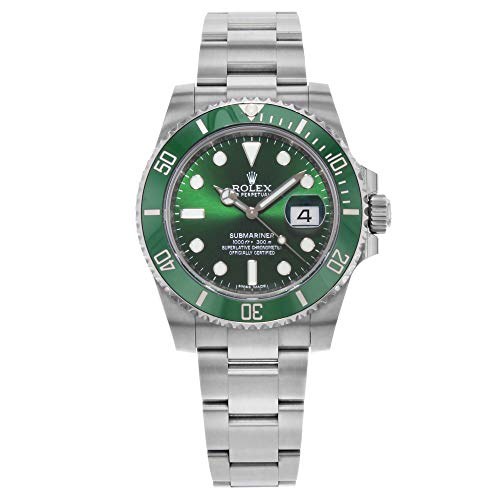
Rolex is, without a doubt, the most recognized luxury watch brand in the world. Known for its unwavering commitment to quality, precision, and durability, Rolex has built a reputation as the ultimate tool watch. They are famous for innovations like the first waterproof case (Oyster) and the self-winding perpetual rotor.
- Known For: Unmatched brand recognition, incredible resale value, and robust, functional designs.
- Iconic Models: Submariner, Daytona, GMT-Master II, Datejust.
2. Patek Philippe

Often considered the most prestigious watchmaker in the world, Patek Philippe is a family-owned Geneva institution. They are masters of high complications and elegant dress watches, operating under the slogan, “You never actually own a Patek Philippe. You merely look after it for the next generation.” Their finishing and craftsmanship are legendary.
- Known For: Exquisite finishing, highly complicated movements, and being the pinnacle of watch collecting.
- Iconic Models: Nautilus, Calatrava, Aquanaut, Grand Complications.
3. Audemars Piguet

Audemars Piguet (AP) is the brand that shocked the world in 1972 by introducing the Royal Oak—a stainless steel sports watch that cost more than many gold dress watches. This bold move created the entire category of luxury sports watches. AP is part of the “Holy Trinity” of watchmaking and is known for its avant-garde designs and impeccable hand-finishing.
- Known For: The iconic Royal Oak design, bold aesthetics, and exceptional movement decoration.
- Iconic Models: Royal Oak, Royal Oak Offshore, Code 11.59.
4. Vacheron Constantin

The oldest continuously operating watch manufacturer in the world, founded in 1755. Vacheron Constantin is the third member of the “Holy Trinity” and represents the height of classical, artistic watchmaking. Their timepieces are a blend of technical prowess and aesthetic beauty, often featuring stunning artistic crafts like enameling and gem-setting.
- Known For: Unbroken history, artistic crafts, and a perfect blend of classic and sporty designs.
- Iconic Models: Overseas, Patrimony, Traditionnelle.
5. Omega

Omega is Rolex’s biggest rival, and for good reason. The brand has an incredible history, being the official timekeeper of the Olympic Games and, most famously, the creator of the Speedmaster Professional—the first and only watch worn on the moon. Omega is also a leader in technical innovation, with its Co-Axial escapement and Master Chronometer certification.
- Known For: The Moonwatch legacy, anti-magnetic technology, and being the watch of James Bond.
- Iconic Models: Speedmaster, Seamaster Diver 300M, Constellation.
6. Cartier

While many know Cartier as a jeweler, they are also a horological powerhouse with a history of creating some of the most iconic watch designs ever. They created the first men’s wristwatch, the Santos-Dumont, in 1904. Cartier’s strength lies in its timeless, elegant, and instantly recognizable case shapes.
- Known For: Iconic design language, mastery of case shapes, and a blend of Parisian elegance with Swiss watchmaking.
- Iconic Models: Tank, Santos de Cartier, Panthère, Ballon Bleu.
7. Jaeger-LeCoultre

Known as the “watchmaker’s watchmaker,” Jaeger-LeCoultre (JLC) has produced over 1,200 different calibres and has supplied movements to many other top brands, including Patek Philippe and Audemars Piguet. They are masters of technical innovation, and their iconic Reverso, with its swiveling case, is a true Art Deco masterpiece.
- Known For: Movement innovation, the iconic Reverso, and offering incredible value in high horology.
- Iconic Models: Reverso, Master Ultra Thin, Polaris.
8. IWC Schaffhausen

Founded by an American in Switzerland, the International Watch Company (IWC) combines American engineering spirit with Swiss precision. They are famous for their oversized pilot’s watches, which feature clean, legible dials and robust construction. IWC is also a master of materials, working with titanium and ceramic long before they were mainstream.
- Known For: Pilot’s watches, engineering focus, and mastery of materials like ceramic and titanium.
- Iconic Models: Big Pilot’s Watch, Portugieser, Portofino.
9. Breitling

Breitling has an undisputed connection to aviation. The brand is the inventor of the modern chronograph and is famous for its Navitimer model, which features a slide rule bezel that allowed pilots to make critical flight calculations. Today’s Breitling offers a blend of modern-retro designs that are bold, functional, and stylish.
- Known For: Aviation heritage, chronograph expertise, and bold, masculine designs.
- Iconic Models: Navitimer, Chronomat, Superocean.
10. A. Lange & Söhne
The pinnacle of German watchmaking. A. Lange & Söhne was re-established in 1990 after the fall of the Berlin Wall and quickly rose to compete with the very best Swiss brands. Their movements are crafted from German silver and feature breathtakingly beautiful hand-engraving and finishing that is arguably second to none.
- Known For: Unbelievable movement finishing, German precision, and unique design elements like the outsize date.
- Iconic Models: Lange 1, Datograph, Zeitwerk.
11. Grand Seiko

Representing the best of Japanese watchmaking, Grand Seiko operates with a philosophy of pure, understated perfection. They are famous for their Zaratsu polishing, a technique that creates mirror-like, distortion-free surfaces. Grand Seiko is also an innovator in movement technology, producing high-beat mechanical, quartz, and the unique Spring Drive calibres.
- Known For: Flawless finishing, nature-inspired dials, and innovative Spring Drive technology.
- Iconic Models: “Snowflake” SBGA211, “White Birch” SLGH005, Elegance Collection.
12. TAG Heuer

TAG Heuer has a deep and authentic connection to motorsport. The brand has been at the forefront of timing technology for over a century. Their designs are sporty, often avant-garde, and appeal to those with a love for speed and precision. The square-cased Monaco, worn by Steve McQueen, is one of the most recognizable watches ever made.
- Known For: Motorsport heritage, chronograph innovation, and sporty, modern designs.
- Iconic Models: Carrera, Monaco, Aquaracer.
13. Tudor

Founded by the same visionary as Rolex, Hans Wilsdorf, Tudor was created to offer the reliability and quality of a Rolex at a more accessible price point. For decades, Tudor lived in its sibling’s shadow, but in the last ten years, it has emerged as a powerhouse brand in its own right with its fantastic Black Bay line of vintage-inspired dive watches.
- Known For: Incredible value, robust build quality, and vintage-inspired designs.
- Iconic Models: Black Bay, Pelagos, Ranger.
14. Panerai

With its Italian design flair and Swiss engineering, Panerai has a unique and bold aesthetic. Originally a supplier of dive watches to the Italian Navy, Panerai is known for its large cushion-shaped cases and patented crown-protecting device. It’s a brand that makes a statement on the wrist.
- Known For: Large, distinctive case design, military history, and excellent luminosity.
- Iconic Models: Luminor, Radiomir, Submersible.
15. Hublot

Hublot is one of the youngest brands on this list, but it has made a massive impact. Operating under the philosophy of “The Art of Fusion,” Hublot combines materials you wouldn’t expect to see together, like gold and rubber, or carbon fiber and titanium. Their designs are modern, aggressive, and incredibly popular with athletes and celebrities.
- Known For: Fusion of materials, bold and modern designs, and high-profile partnerships.
- Iconic Models: Big Bang, Classic Fusion, Spirit of Big Bang.
A Buyer’s Guide: Comparing High-End Watch Brands
Choosing a luxury watch can feel overwhelming with so many incredible options. A helpful way to navigate the market is to think about it in tiers and styles. This isn’t about one being “better” than another, but about finding the right fit for your taste, budget, and lifestyle.
| Category | Key Characteristics | Example Brands | Price Range (Approx. Entry) |
|---|---|---|---|
| The Holy Trinity | Pinnacle of craftsmanship, high complications, investment-grade | Patek Philippe, Audemars Piguet, Vacheron Constantin | $20,000+ |
| Top-Tier Luxury | Strong heritage, in-house movements, excellent resale value | Rolex, Omega, Cartier, Jaeger-LeCoultre | $5,000 – $10,000 |
| Entry-Level Luxury | Swiss Made, strong brand recognition, great quality for the price | Tudor, TAG Heuer, Breitling, Longines | $2,000 – $5,000 |
| Independent & Niche | Unique designs, smaller production, direct connection to the watchmaker | A. Lange & Söhne, Grand Seiko, Panerai | Varies Wildly |
The Rise of Independent and Microbrands
While the historic giants dominate the conversation, the last decade has seen an explosion of exciting independent and microbrands. These smaller companies often offer more daring designs and a direct-to-consumer model that can provide exceptional value. They cater to enthusiasts who want something unique and different from the mainstream.
These brands prove that you don’t need a six-figure budget to own a high-quality, beautifully crafted mechanical watch. For those who appreciate robust, modern design and Swiss-made quality, brands like LIV Swiss Watches are carving out an exciting niche. They focus on creating durable, often limited-edition timepieces with bold aesthetics, offering a fantastic entry point into the world of Swiss watch collecting without the astronomical price tag of the heritage brands.
The Star Power Effect: Celebrity Endorsements and Luxury Watches
Celebrity endorsements have been a cornerstone of luxury watch marketing for decades. These partnerships go far beyond a simple ad campaign; they help to build the brand’s identity and associate it with a certain lifestyle of success, adventure, or glamour. When a celebrity is a genuine fan of the brand, the connection feels authentic and powerful.
Think of Paul Newman and his Rolex Daytona. His name is so intertwined with the watch that the specific reference he wore is now known universally as the “Paul Newman Daytona” and is one of the most collectible watches in the world. Similarly, Omega’s partnership with James Bond since 1995 has cemented the Seamaster as the ultimate spy’s watch, blending sophistication with rugged capability.
These associations work because they tap into our aspirations. We see our heroes—be they actors, athletes, or explorers—wearing these timepieces in moments of triumph, and it imbues the watch with a story and an emotional connection. It transforms the watch from a luxury good into a cultural icon.
Beyond the Shine: Sustainability in High-End Watchmaking

In today’s world, luxury is about more than just price; it’s also about responsibility. Consumers are increasingly demanding that brands operate ethically and sustainably, and the watch industry is responding. Many high-end watch brands are now focusing on sustainable practices in their manufacturing.
This includes using recycled materials, such as Chopard’s commitment to using 100% ethical gold or Panerai’s eSteel™, which is made from recycled steel alloys. Brands are also investing in new, energy-efficient manufacturing facilities to reduce their carbon footprint. The push for transparency in the supply chain, particularly for diamonds and precious metals, is another key area of focus.
A mechanical watch is, by its very nature, a sustainable product. It’s powered by motion, not batteries, and is designed to last for generations, not to be thrown away after a few years. This inherent longevity is perhaps the greatest contribution to sustainability, and brands are now building upon that foundation with more conscious production methods.
Timeless or Trendy? How Fashion Influences Luxury Timepieces
While many luxury watches are designed to be timeless, the industry is not immune to fashion trends. These trends can influence everything from dial colors and case sizes to bracelet styles. Paying attention to these trends can be a fun way to engage with the hobby, whether you choose to follow them or stick to the classics.
Recent trends that have made a huge impact include:
- Green Dials: For a long time, watch dials were primarily black, white, or blue. In the last few years, green has become the hottest color in the industry, with nearly every major brand releasing a flagship model with a green dial.
- Integrated Bracelets: Spurred by the immense popularity of the Royal Oak and Nautilus, watches with bracelets that flow seamlessly from the case have become incredibly desirable.
- Smaller Case Sizes: After a decade of oversized watches, the pendulum is swinging back. Many brands are re-releasing classic models in more traditional, smaller case sizes (typically 36mm-39mm), which appeal to a wider range of wrist sizes and tastes.
More Than a Timepiece: The Investment Value of Luxury Watches
For many, a key consideration when buying a luxury watch is its potential to hold or even increase in value. While you should always buy a watch because you love it, the investment aspect is undeniably a major factor in the market today. Certain models from specific brands have proven to be incredible financial assets.
Rolex is the undisputed king of value retention. Due to high demand and controlled supply, most of their stainless steel sports models sell for significantly more on the secondary market than their retail price. Patek Philippe, particularly the Nautilus and Aquanaut lines, and certain Audemars Piguet Royal Oak models also perform exceptionally well.
The factors that drive this value include brand prestige, scarcity (limited editions or discontinued models), historical significance, and current market trends. It’s a complex market, but for those who choose wisely, a luxury watch can be an investment that you get to enjoy wearing every day.
Pro Tip: Don’t discard the box and papers that come with your luxury watch! Having the complete original set—the box, warranty card, manuals, and even the hang tags—can significantly increase the resale value of your timepiece, sometimes by as much as 15-20%. It proves the watch’s authenticity and provenance.
Choosing and Caring for Your First Timepiece
Whether you’ve just acquired your grail watch or are planning your first big purchase, proper care is essential to protect your investment and ensure it runs perfectly for a lifetime. Luxury watches are durable, but they are also precision instruments that require maintenance.
Here are some key steps for maintaining your watch:
- Regular Cleaning: Use a soft, microfiber cloth to wipe down the case and crystal regularly to remove fingerprints and dust. For a deeper clean on a water-resistant watch, you can use a soft brush and mild soapy water, then rinse with fresh water and dry thoroughly.
- Avoid Magnets: Strong magnetic fields (from speakers, laptops, or MRI machines) can affect the accuracy of a mechanical watch. If you suspect your watch has become magnetized, a watchmaker can easily demagnetize it for you.
- Know Your Water Resistance: Understand the water resistance rating of your watch. A rating of 30m is only splash-resistant. For swimming, you’ll want at least 100m. Also, always ensure the crown is screwed down tightly before exposing the watch to water.
- Regular Servicing: A mechanical watch has hundreds of tiny, moving parts that need lubrication. Most brands recommend a full service every 5-10 years, depending on the model. During a service, a watchmaker will completely disassemble, clean, lubricate, and reassemble the movement to ensure it’s running within specifications.
- Proper Storage: When you’re not wearing your watch, store it in its box or a watch case to protect it from dust and scratches. If you have multiple automatic watches, a watch winder can be a good investment to keep them running.
Frequently Asked Questions
What are the big 3 watch brands?
The “Big Three” or “Holy Trinity” of Swiss watchmaking refers to Patek Philippe, Audemars Piguet, and Vacheron Constantin. These brands are considered the pinnacle of high horology due to their long histories of uninterrupted production, mastery of complex complications, and the exceptional level of hand-finishing applied to every component of their timepieces.
What watch brand holds its value best?
Rolex is widely regarded as the brand that holds its value best across its entire catalog. Due to immense brand recognition, controlled supply, and consistent demand, most Rolex models, especially their stainless steel sports watches, retain their value exceptionally well and often appreciate significantly over time. Patek Philippe is another top performer, with certain models like the Nautilus commanding huge premiums on the secondary market.
What are entry-level luxury watch brands?
Entry-level luxury watch brands are those that offer Swiss-made quality, brand heritage, and in-house or high-quality third-party movements at a more accessible price point, typically in the $1,000 to $5,000 range. Excellent brands in this category include Tudor (Rolex’s sibling company), TAG Heuer, Longines, Oris, and Breitling. They provide a fantastic introduction to the world of luxury timepieces.
Who is Rolex’s biggest rival?
Omega is unequivocally Rolex’s biggest and most direct competitor. Both brands have rich histories, produce a wide range of high-quality watches, and have strong associations with exploration and professional use (Rolex with diving and mountaineering, Omega with space and sea exploration). They compete fiercely in terms of technical innovation, marketing, and brand prestige, offering consumers two distinct but equally compelling visions of the ultimate luxury tool watch.
Final Thoughts
The world of luxury watches is as deep as it is fascinating. From the technical marvel of an in-house movement to the timeless beauty of an iconic design, these timepieces represent a perfect fusion of art and science. Whether you’re drawn to the investment potential of a Rolex, the classic elegance of a Cartier, or the bold innovation of a Hublot, there is a brand that tells your story.
Remember that the “best” brand is ultimately a personal choice. It’s about the watch that excites you, the one you can’t stop looking at on your wrist. The journey of discovering these incredible machines is half the fun.
If you’re ready to start your journey with a modern, robust timepiece that blends Swiss quality with a powerful design, brands like LIV Swiss Watches offer an exciting and accessible entry into the world of serious watch collecting. Happy hunting!