

Best Omega Watch Investment: A 2026 Buyer’s Guide for Collectors
Are you ready to dive into the incredible world of luxury timepieces? Buying an Omega is more than just acquiring a watch; it’s owning a piece of history, engineering, and timeless style. But beyond the thrill of wearing one, many enthusiasts wonder about finding the best Omega watch for investment purposes. You’re not just buying a watch; you’re making a smart, passionate choice that could hold its value for years to come!
An Omega watch can be an amazing tangible asset that you get to enjoy every single day. Unlike stocks or digital assets, this is an investment you can see, touch, and wear with pride. From the iconic Speedmaster that went to the moon to the suave Seamaster on James Bond’s wrist, these watches carry stories that make them incredibly special and desirable.
This guide is your launchpad! We’ll explore the models that have historically performed well, what features drive value, and how you can make an informed decision. Let’s get you started on this exciting journey!
What to Know
- Iconic Models are Key: The Omega Speedmaster Professional “Moonwatch” and the Seamaster Diver 300M are consistently the top performers for value retention due to their rich history and high demand.
- Scarcity Drives Value: Limited editions, special anniversary models (like the “Snoopy” Speedmaster), and watches with unique provenance often see the highest appreciation over time.
- Condition is Non-Negotiable: To preserve your watch’s value, a full set—original box, papers, and warranty cards—is crucial. The physical condition, including an unpolished case and clean dial, is just as important.
- Investment Means Value Retention: For most watches, “investing” means buying a piece that won’t lose significant value and may slowly appreciate. Don’t expect stock market-like returns; the real dividend is the joy of ownership.
What Makes an Omega Watch a Great Investment?
When we talk about investing in Omega watches, it’s important to set the right expectations. For most models, this isn’t about flipping for a quick profit. It’s about acquiring a beautifully crafted machine that holds its value exceptionally well over time, and in some special cases, appreciates significantly. The real fun is that you get to wear and enjoy your asset!
Omega’s powerhouse reputation is built on a foundation of incredible heritage. This is the brand that timed the Olympics, explored the deepest oceans, and, most famously, became the first and only watch worn on the moon. This isn’t just marketing fluff; it’s a real, tangible history that collectors and enthusiasts are passionate about. This deep-rooted legacy is a primary driver of the long-term omega watch value.
Beyond its history, Omega is a leader in technical innovation. The development of the Co-Axial escapement by master watchmaker George Daniels, and its subsequent industrialization by Omega, was a massive leap forward in mechanical watchmaking. This technology offers better long-term accuracy and requires less frequent servicing, adding intrinsic value to modern Omega timepieces. When you combine this technical prowess with timeless designs, you get a recipe for a watch that people will want now and decades from now.
Key Factors to Consider Before Investing in Omega Watches

Choosing the right Omega is an exciting hunt! But to ensure you’re making a sound choice that will stand the test of time, you need to know what to look for. Think of yourself as a detective searching for clues that point to lasting value. Here’s your checklist for finding a top Omega watch investment.
Model & Reference Number
First and foremost, the model line is everything. The most sought-after Omegas come from their most legendary collections. The Speedmaster and Seamaster lines are the brand’s heavy hitters. Within these lines, specific reference numbers can make a world of difference. For example, a Speedmaster with the newer 3861 movement is a modern classic, while a vintage reference with a “dot over 90” bezel is a collector’s dream.
Rarity and Limited Editions
This is where the investment potential can really skyrocket! Omega is known for its fantastic special editions. Models like the Speedmaster “Snoopy Award” editions, which commemorate NASA’s safety award to Omega, often trade for many times their original retail price. Scarcity is a powerful force in the watch world. Limited production numbers mean not everyone who wants one can get one, creating intense demand on the secondary market.
Condition is Everything
I can’t stress this enough: condition is king. A vintage watch in pristine, all-original condition is far more valuable than a heavily polished or restored one. Collectors want originality. Look for sharp case lines, an untouched dial, and original hands. A watch that has been over-polished loses its original shape and character, which can drastically reduce its value.
Box and Papers: The Full Set
A watch that comes with its original box, warranty card, instruction manuals, and even the original sales receipt is known as a “full set.” A full set is proof of the watch’s authenticity and provenance. It tells the story of the watch from the day it was born. For modern and vintage pieces alike, having the complete package can add 20-30% to the watch’s value compared to a “naked” watch with no accessories.
Pro Tip: When examining a vintage watch, pay close attention to the lume (the glowing material on the dial and hands). Make sure the color and aging are consistent. Mismatched or re-lumed parts are a red flag for collectors and can hurt the
omega watch value.
Top Recommendations: The Best Omega Watch Investment Models
Ready for the fun part? Let’s look at the specific models that are widely considered the best bets for an Omega investment. While no one has a crystal ball, these watches have the history, demand, and timeless appeal that give them a powerful edge.

1. The Omega Speedmaster Professional “Moonwatch”

This is it. The legend. The icon. If you can only have one Omega, many would argue this is the one.
The Speedmaster Professional is famous for being flight-qualified by NASA and worn by astronauts during the Apollo missions. Its history is simply unmatched by any other watch in the world.
The classic Moonwatch design with its black dial, tachymeter bezel, and lyre lugs is timeless. It looks just as good today as it did in the 1960s. Omega has been smart to keep the core design consistent, which protects the value of all references, both new and old. The modern reference with the Co-Axial Calibre 3861 is a technical masterpiece, while vintage references like the 145.022 are becoming increasingly collectible.
- Pros: Unbeatable history and heritage, timeless design, strong and stable demand, excellent liquidity.
- Cons: The sheer number of variations and special editions can be overwhelming for a newcomer.
2. The Omega Seamaster Diver 300M
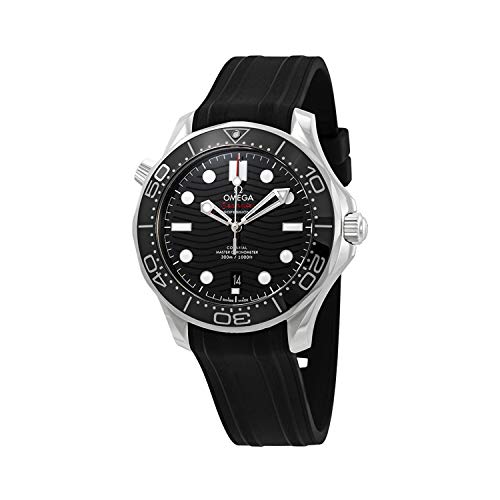
Thanks to its appearance on the wrist of James Bond since 1995, the Seamaster Diver 300M is a modern superstar. It’s a robust, handsome, and technically advanced dive watch that offers incredible bang for your buck. The distinctive wave dial, skeleton hands, and helium escape valve give it a unique personality.
Modern versions are equipped with a ceramic bezel and dial, plus the Master Chronometer Co-Axial movement, making them technically superior to many competitors at a similar price point. While produced in larger numbers than some Speedmasters, its immense popularity ensures that demand remains high, and it holds its value remarkably well after the initial purchase.
- Pros: Strong pop culture connection, technically superb for the price, very durable and practical for daily wear.
- Cons: Higher production numbers mean it’s less likely to see massive appreciation compared to limited editions.
3. Special Edition Speedmasters (The High-Growth Potential Picks)
This is the advanced level of investing in Omega watches. If you’re looking for true appreciation, the limited and special edition Speedmasters are where the action is. Models like the “Silver Snoopy Award” 50th Anniversary, the Apollo XI anniversary editions in steel or gold, or regional editions like the Japan-only “Panda” dial are blue-chip collectibles.
These pieces are often incredibly difficult to get from a boutique at retail price, leading to an immediate premium on the secondary market. Their combination of the classic Speedmaster story with a unique design and genuine scarcity makes them a target for serious collectors. As Peter Bevan noted for Esquire, discontinued Omega watches, especially special editions, are often the ones to watch for investment potential.
- Pros: The highest potential for significant financial appreciation.
- Cons: Extremely difficult to acquire at retail, requires a high budget to enter the secondary market.
4. The Omega Seamaster Planet Ocean

The Planet Ocean is the Seamaster’s bigger, tougher brother. It’s a professional-grade dive watch with a more modern and aggressive design, boasting impressive water resistance (often 600m) and a bold presence on the wrist. It represents the pinnacle of Omega’s modern dive watch technology.
While it doesn’t have the long history of the Moonwatch or the Bond connection of the Diver 300M, its quality and specs are undeniable. It holds its value well, particularly the models with more sought-after colorways like the orange bezel or the Liquidmetal editions. It’s a fantastic choice for someone who wants a top-tier modern diver with a bit more heft.
- Pros: Incredible build quality and technical specifications, great wrist presence.
- Cons: Its larger size isn’t for everyone, and its value retention is solid but generally a step behind the Moonwatch.
Understanding Omega Watch Value: Pricing and Cost Comparison
Navigating the price landscape is a key part of making a smart purchase. The price of an Omega can vary wildly based on whether you’re buying new from an authorized dealer (AD), from a grey market dealer, or pre-owned. A new watch from an AD will come with the full factory warranty, but you’ll pay the full retail price. Buying pre-owned can be a fantastic strategy, as you let the original owner absorb the initial depreciation, which is often steepest in the first year.
Here’s a general comparison to give you an idea of the market. Note that these are estimates and can change based on condition, year, and market demand. Always check current pricing on a marketplace like Chrono24 for real-time data.
| Model | Typical Price Range (New) | Typical Price Range (Pre-Owned) | Investment Potential |
|---|---|---|---|
| Speedmaster Professional Moonwatch | $7,000 – $8,500 | $4,500 – $7,000 | High |
| Seamaster Diver 300M | $5,900 – $7,000 | $3,800 – $5,500 | Medium-High |
| Seamaster Planet Ocean 600M | $7,000 – $8,000 | $4,000 – $6,000 | Medium |
| Speedmaster ‘Silver Snoopy Award’ 50th | $10,100 (Retail) | $25,000 – $35,000+ | Very High |
| Vintage Seamaster (1960s) | N/A | $500 – $2,500 | Medium (if pristine) |
The Pros and Cons of Investing in Omega Watches
Like any investment, putting your money into luxury watches has its upsides and potential pitfalls. It’s a journey fueled by passion, but it’s essential to go in with your eyes open. Here’s a balanced look at what to expect.
The Upsides (Pros)
- A Joyful, Tangible Asset: This is the biggest win! You get to wear and enjoy your investment every day. It’s a conversation starter and a personal statement, something a stock certificate can never be.
- Strong Brand & High Liquidity: Omega is one of the most recognized watch brands in the world. This means there’s always a market for their popular models, making them relatively easy to sell if you ever need to.
- Relative Stability: While the watch market has its ups and downs, iconic models from established brands like Omega tend to be less volatile than trend-driven luxury goods.
- Accessible Luxury: Compared to its main rival, Rolex, Omega often offers similar or even superior technology (like the Co-Axial movement) at a more accessible price point, making it a fantastic entry into the world of high-end watch collecting.
The Downsides (Cons)
- Not a Get-Rich-Quick Scheme: For standard production models, appreciation is typically slow and steady, if it happens at all. The primary goal should be value preservation, not rapid gains.
- Knowledge is Required: The pre-owned and vintage markets can be tricky. You need to be able to spot fakes, non-original parts (“Franken-watches”), and signs of poor maintenance.
- Maintenance Costs: A mechanical watch is a complex machine that needs regular servicing every 5-8 years. This can cost several hundred to over a thousand dollars, which needs to be factored into your total cost of ownership.
- Market Trends: The watch world is subject to hype and trends. While classics like the Speedmaster are always in style, the values of other models can fluctuate with changing tastes.
Expert Tips for Finding Your Top Omega Watch Investment
Alright, you’re armed with the knowledge of what to look for. Now, how do you go out and find the one? Here are some practical tips from seasoned collectors to help you on your quest.
Do Your Homework
Before you even think about spending money, spend time learning. Immerse yourself in the community! Websites like Fratello Watches (known for their “Speedy Tuesday” series) and forums like Omega Forums are goldmines of information. Watch video reviews and market analyses on YouTube to understand the nuances of different models.
Buy the Seller, Not Just the Watch
This is a classic piece of advice for a reason. Your best protection against a bad deal is buying from a reputable source. Whether it’s a trusted local jeweler, a well-known online dealer, or a private seller with tons of positive feedback, do your due diligence on who you’re buying from. A good seller will answer all your questions and provide a clear history of the watch.
Patience is Your Superpower
Never, ever rush into a purchase. The thrill of the hunt is part of the fun! There will always be another watch. Wait for the right example in the right condition and at the right price. Being patient will save you from buyer’s remorse and help you find a piece you’ll truly love for years.
Pro Tip: When buying pre-owned, always ask for recent, high-resolution photos taken in natural light. Ask for pictures of the case sides, the clasp, the case back, and the movement if possible. This helps you assess the true condition and spot any hidden flaws.
Frequently Asked Questions (FAQ)
Let’s tackle some of the most common questions aspiring Omega collectors have. These are the queries that pop up time and time again in forums and discussions.
Which Omega holds value best?
Unequivocally, the Omega Speedmaster Professional Moonwatch is the champion of value retention among standard production models. Its iconic status and incredible history create a constantly high demand. For appreciation potential, the limited edition Speedmasters, especially the “Snoopy” and major Apollo anniversary models, are in a league of their own and often trade for multiples of their retail price.
Is the Omega Moonwatch a good investment?
Yes, it is widely considered one of the safest and best investments in the entire watch world, not just within Omega. It’s a true icon with a story that can’t be replicated. It has a massive global following, ensuring it will always be desirable. While you may not see explosive growth, you can be confident that a well-maintained Moonwatch will hold its value exceptionally well and likely appreciate steadily over the long term.
What is the most collectible OMEGA watch?
The title of “most collectible” often goes to the ultra-rare and desirable special editions. The Omega Speedmaster “Silver Snoopy Award” watches are at the top of this list. Additionally, very early Speedmaster references from the pre-moon era (like the CK2915 or CK2998) are considered “grail” watches for serious collectors and command six-figure prices at auction.
Do Omega watches go up in value?
Some absolutely do, while most hold their value very well. Limited editions are the most likely candidates to increase in value, sometimes immediately after release. Standard models like the Seamaster 300M will typically experience some initial depreciation if bought new, but then stabilize and hold their value strongly on the pre-owned market. The key is to buy smart and hold for the long term.
Is Omega as good as Cartier?
This is like comparing apples and oranges. Both are fantastic luxury brands, but they excel in different areas. Omega is renowned for its robust, technically advanced movements and its tool-watch heritage (divers, chronographs). Cartier is a master of design, elegance, and iconic case shapes like the Tank and Santos.
From a pure watchmaking and movement technology perspective, many experts would give the edge to Omega. From a design and high-fashion perspective, Cartier is legendary.
Final Thoughts: Is an Omega Watch the Right Investment for You?
Embarking on the journey of buying a luxury watch is incredibly rewarding. An Omega is a fantastic choice, offering a rich history, superb quality, and a passionate community of fellow enthusiasts. When you approach it as an investment, you’re adding another layer of satisfaction—the knowledge that you’ve made a smart choice with a tangible asset.
The best Omega watch investment will always be a model that excites you. Whether it’s the history of the Moonwatch or the modern appeal of the Seamaster, the true return is the pride and joy you feel every time you look down at your wrist. The financial stability is the fantastic bonus.
So do your research, be patient, and choose the watch that speaks to you. You’re not just buying a timepiece; you’re becoming a custodian of a small piece of history. Happy hunting!