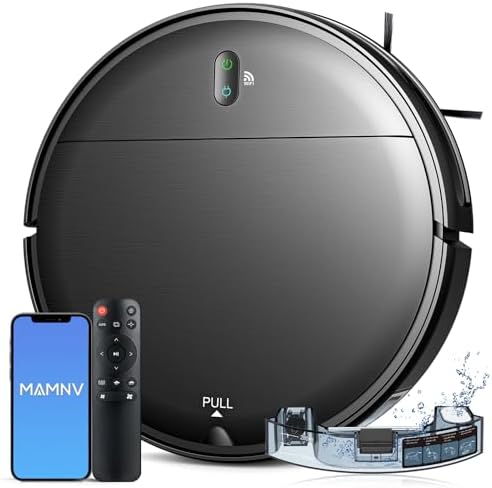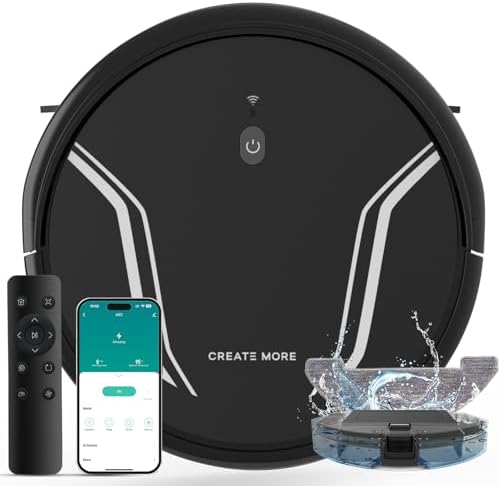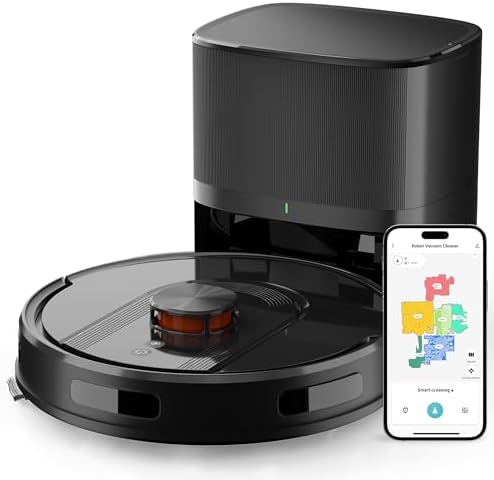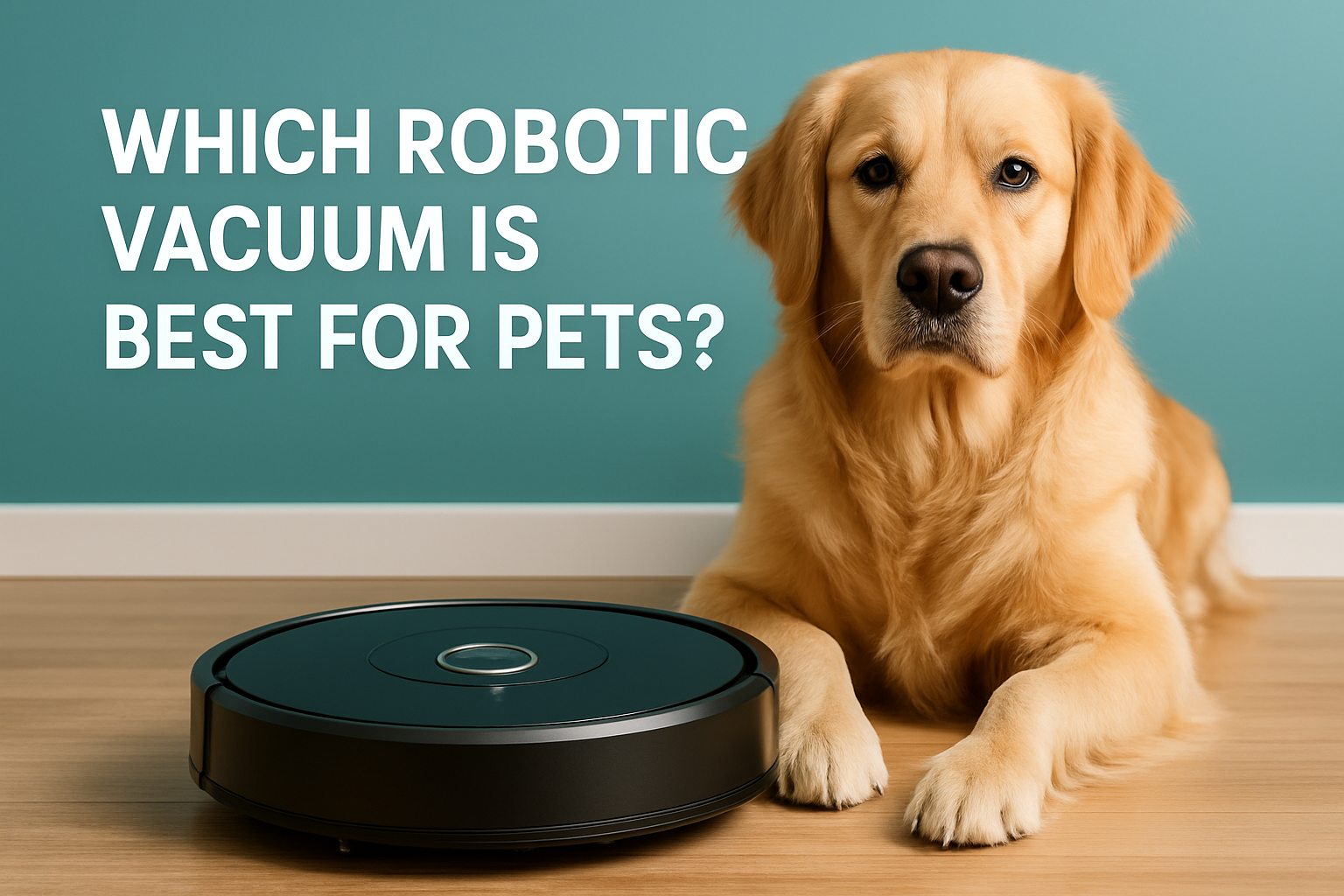
If you are asking which robotic vacuum is best for pets, the smartest answer is not a single model but a clear method that matches features to your floors, pets, and routine, because homes and animals shed differently and no one-size-fits-all device exists. This how-to guide explains how to choose a robot vacuum for homes with pets using a practical, testable framework that you can apply in a store, in a review, or at home during a trial period. At High Tech Reviews, we focus on in-depth gadget reviews and comparisons, expert commentary, and hands-on methodology, translating technical specifications into real cleanup gains so you can spend more time playing fetch and less time pulling hair from brushrolls. Ready to build a pet-proof cleaning plan that combines strong pickup, low fuss, and smart navigation without overwhelming you with jargon or marketing noise?
How to choose a robot vacuum for homes with pets: a practical framework
Start by defining your cleaning challenges in plain terms, because the best match comes from understanding your home rather than chasing the latest buzzword. List the number of pets, their coat types, and where shedding concentrates, then map your floor mix by percentage so you know whether hard floors, low pile carpet, or high pile carpet dominate the space that needs daily attention. Next, measure the obstacles that frustrate cleaning, including cables, pet toys, raised thresholds, and low furniture, because obstacle avoidance and brush design matter more in cluttered rooms and under sofas than on open floors. Finally, decide how much effort you want to invest in upkeep, since auto-empty bases and tangle-resistant brushes save time but add cost and height to the dock footprint you will need to accommodate.
From there, translate real needs into specifications you can verify, and think of suction, filtration, and navigation as the core triangle that determines daily satisfaction in a pet home. Suction pressure, often listed in Pa (pascal), indicates a robot’s maximum negative pressure and helps on carpet, while airflow and sealing matter for hard floors and edge pickup where hair skates along baseboards without a precise seal. Filter quality affects air you breathe; look for HEPA (high-efficiency particulate air) capability and a sealed path so dander and micro-dust do not leak back out, which allergy-sensitive families feel after only a few days. Navigation, particularly LiDAR (light detection and ranging) or camera-based systems enhanced by AI (artificial intelligence) object recognition, maps rooms, respects no-go zones, and reduces hair snowplows by approaching debris systematically instead of bouncing randomly.
- Define: pets, shedding zones, floor types, obstacles, and cleaning time you can commit each week.
- Match: suction, brush type, and filtration to floor mix and allergy sensitivity.
- Refine: navigation, app (application) tools, and noise to fit your schedule and home layout.
- Plan: maintenance budget, spare parts, and dock placement for reliable long-term performance.
| Feature | Pet-Home Benchmark | Why It Matters | Quick Check |
|---|---|---|---|
| Suction (Pa (pascal)) | 2,000 to 4,000 Pa (pascal) for mixed floors | Improves carpet hair lift and grout-line pickup | Scatter pet kibble and hair, run a pass, inspect edges |
| Brush System | Dual roller or rubberized, tangle-resistant | Reduces wrap with long hair and minimizes maintenance | Pull out brush and tug on strands; look for easy-release ends |
| Filtration | HEPA (high-efficiency particulate air) equivalent with sealed path | Traps dander and fine dust for allergy relief | Check gasket seals and filter rating; avoid loose-fit housings |
| Bin Capacity | At least 400 to 500 milliliters or auto-empty base | Prevents mid-clean interruptions in heavy-shed weeks | Open the bin; look for smooth corners that do not trap hair |
| Navigation | LiDAR (light detection and ranging) or AI (artificial intelligence) camera mapping | Room maps, no-go zones, and efficient coverage | Expect editable maps, naming, and room-by-room schedules |
| Obstacle Detection | Pet waste avoidance and cable recognition | Avoids messy incidents and hair-wrapped wheels | Look for labeled detection modes and preview photos in the app (application) |
| Noise | Under 62 dB (decibel) in standard mode | Less stress for anxious pets and remote workers | Run a demo at a quiet hour; compare to normal conversation |
| Battery Life | 120 to 180 minutes with recharge-and-resume | Finishes large areas without babysitting | Check listed area coverage in square feet per charge |
| App (application) Tools | No-go zones, carpet boost, multi-floor maps | Fine-grained control that adapts to pet habits | Preview map editor and scheduling options before buying |
Cleaning performance that conquers fur on carpet and hard floors
Performance starts at the floor, and pet hair behaves differently on wood, tile, and carpet, so a robot that excels on one surface can disappoint on another if you do not match the brush and suction profile to your mix. On hard floors, a strong seal and steady airflow sweep hair into the intake rather than blowing strands aside, which is why a well-designed front edge and side brush geometry matter more than raw pressure for crumbs and whisker-cuttings along baseboards. On carpet, suction pressure in Pa (pascal) and brush contact drive hair lift, and industry lab testing shows that moving from entry-level suction to midrange pressure can improve embedded hair pickup by 20 to 30 percent on low pile surfaces. Think of it like bicycle gears: with the right gear ratio and traction, you climb hills smoothly, and with the right brush and pressure, you pull hair without bulldozing it into a mat.
Brush design is the unsung hero in pet homes, because long strands from cats and double-coated dogs can strangle bristles and stall cleaning unless the rollers shed tangles easily. Rubberized or dual counter-rotating rollers tend to resist wrap and channel debris consistently into the intake, while quick-release end caps let you slide off bunched hair in seconds rather than minutes, which adds up over a year of weekly maintenance. A good test at home is to place a small mix of clippings, hair, and paper confetti across a one-meter lane, run a normal cleaning pass, and then lift the robot to inspect the roller ends and bearings for wrap. If you do not want to perform your own trials, High Tech Reviews publishes standardized pickup tests in our guides, so you can see how brush designs behave with real pet debris and decide with confidence without relying on guesswork.
Filtration, containment, and odor control for healthier living

Hair is visible, but dander and fine dust are the invisible part of the pet-cleaning equation, so filtration and a sealed air path make a noticeable difference in how your home feels a few hours after a run. Look for HEPA (high-efficiency particulate air) capable filters and a sealed body that prevents bypass leaks around the bin and motor housing, then replace filters on schedule because a clogged filter reduces airflow and undermines pickup even if suction numbers look impressive on a box. Auto-empty docks help here by removing dust from the robot’s small bin into a larger bag that traps particles for weeks, and households with shedding bursts during season changes often find that fewer bin trips means fewer dust puffs released in the kitchen or hall. As a practical routine, align filter changes with calendar reminders and consider running the robot once in the late morning and again near dinnertime during peak shed weeks if allergies flare, because frequency and fresh filtration beat occasional heavy cleaning for comfort.
- Choose sealed filtration first, then evaluate suction; airflow without containment just recirculates dust.
- Bagged auto-empty bases reduce exposure when emptying, helpful for sensitive noses and eyes.
- Rinseable pre-filters extend life, but always dry completely to protect the motor.
Smart navigation, mapping, and obstacle avoidance that fits real pet life
Navigation turns raw performance into consistent coverage, and modern systems with LiDAR (light detection and ranging) or camera-plus-AI (artificial intelligence) produce maps you can edit, label, and schedule room by room so you clean where fur accumulates without waking a napping dog. For multi-level homes, multi-map support remembers upstairs and downstairs layouts, while no-go zones protect water bowls, litter corners, and loose cable nests that would otherwise become tangles, which reduces both mess and stress. If your home is often cluttered with toys, look for object detection specifically tuned to cables and pet mess avoidance, because a robot that identifies hazards early avoids the dreaded smear event and will not drag plush squeakers across your dining room. Before buying, imagine a top-down map with colored zones: a high-shed corridor gets daily attention, bedrooms get a quiet schedule in the afternoon, and the home office is skipped during video calls to keep noise off the microphone.
App (application) control quality matters as much as hardware, because an intuitive map editor and reliable Wi-Fi (wireless fidelity) connection determine whether you actually use the power the robot offers or give up after a few frustrating taps. Seek software that makes it easy to draw virtual barriers with your finger, reorder room cleaning with drag-and-drop, and schedule different modes by zone, and then check whether the robot remembers settings between runs without losing its map. Voice-assistant integration is a convenience, but the must-have is dependable recharge-and-resume so large areas finish even if a battery runs low, with the robot remembering precisely where to restart instead of doubling over clean zones. At High Tech Reviews, our comprehensive guides show screen-by-screen walkthroughs so you can preview the app (application) experience, because in practice the right controls save more time than a marginal bump in suction that you never harness.
Maintenance, noise, and long-term costs you can plan for

Great robots become disappointing when upkeep surprises you, so plan maintenance and long-term costs the same way you would plan tire rotations and oil changes on a car, which keeps performance steady and costs predictable. Brushes and side sweepers typically last three to six months in multi-pet homes, filters last one to three months depending on dander levels and run frequency, and wheels or sensors may require annual attention if hair creeps into axles. Noise matters for pets and people, and many adults who work from home target robots that produce under 62 dB (decibel) in standard mode and reserve higher power for short deep-clean bursts, because a quiet hum blends into life better than a shop-vac sound. If you want near-zero fuss, auto-empty docks and tangle-resistant parts cost more upfront but pay back in time saved, and industry surveys suggest owners with docks run robots 30 percent more often, which correlates with floors that actually look clean every day.
Think in terms of TCO (total cost of ownership) that blends purchase price, consumables, and your time, and you will quickly see which features feel essential for your household rather than optional niceties. A reasonable annual maintenance budget for a midrange robot in a two-pet home lands around the cost of a few coffee-shop visits each month when spread out, and stocking spare filters and a brush set ensures you never postpone cleaning because a part wore out. For durability, look for easy-access screw points on the brush module and wheels, clear part numbers in the manual, and responsive support channels, because a device you can service extends its useful life well past the novelty period. High Tech Reviews favors products with strong parts ecosystems and transparent upkeep schedules, and we highlight those traits in our in-depth gadget reviews and comparisons so you know exactly what living with the device will be like next season and next year.
| Budget Tier | Typical Pet-Ready Features | Estimated Maintenance per Year | Best Fit |
|---|---|---|---|
| Essential | 2,000 to 2,500 Pa (pascal), rubber brush, sealed filter | Filters: 4 to 6, Brushes: 2 sets | Small apartments, one pet, mostly hard floors |
| Balanced | 3,000 to 4,000 Pa (pascal), dual rollers, LiDAR (light detection and ranging) maps | Filters: 6, Brushes: 2 sets, Dock bag: 6 | Mixed floors, two pets, light allergies |
| Premium Convenience | Auto-empty, AI (artificial intelligence) obstacle detection, multi-floor mapping | Filters: 6, Brushes: 2 sets, Dock bags: 8 | Busy schedules, high shedding, larger homes |
Step-by-step checklist to finalize your pet-ready choice
Decision fatigue fades when you follow a short, repeatable checklist, and this one distills dozens of lab tests and real-world trials into practical moves you can take before you click buy. You will survey your home, set performance targets, validate the app (application) experience, and ensure long-term support, which collectively determines whether the robot feels like a daily helper or another gadget that gathers dust in a closet. We recommend running through this list alongside our High Tech Reviews buyer’s guides, because seeing our standardized photos and test notes makes each step concrete and helps you imagine the robot moving through your own rooms. Use your smartphone to jot notes in each step so you can compare candidates by how they fit your life, not by brand hype or a single specification headline.
- Map your space: note square feet, floor types, thresholds, and clutter zones that challenge cleaning.
- Profile your pets: coat length, seasonal shedding, litter scatter, and food areas to protect.
- Set performance targets: suction range, brush type, and a noise ceiling you can live with.
- Choose filtration: prioritize HEPA (high-efficiency particulate air) and a sealed body if allergies matter.
- Pick navigation: LiDAR (light detection and ranging) or camera-plus-AI (artificial intelligence) with no-go zones and multi-map support.
- Validate the app (application): ensure easy map editing, room naming, schedules, and reliable Wi-Fi (wireless fidelity) connections.
- Plan maintenance: filters, brushes, dock bags, and the time you will allocate each week.
- Check support: parts availability, manuals, and warranty responsiveness for long-term assurance.
To make this feel real, consider two common scenarios and the spec profiles that usually deliver happy outcomes without overpaying. In a 900 square feet condo with two short-haired cats and 80 percent hard floors, owners often prefer a balanced robot with around 2,500 to 3,000 Pa (pascal) suction, a rubberized roller, sealed filtration, a quiet mode under 60 dB (decibel), and simple no-go control around a litter corner. In a 2,200 square feet house with a medium-shed dog and area rugs, the sweet spot tends to be stronger suction in the 3,500 to 4,000 Pa (pascal) range, dual rollers, carpet boost, an auto-empty dock for busy weeks, and LiDAR (light detection and ranging) mapping with multi-floor support. In both examples, the best robot is the one that meets the checklist, not a logo on the box, and High Tech Reviews brings clarity by translating features into the daily wins you will actually notice, from fewer hair tumbleweeds to cleaner air when the afternoon sun streams across your floors.
How High Tech Reviews helps you get this decision right
Consumers often struggle to find reliable information and detailed reviews to choose the most suitable high-tech gadgets and accessories that match their needs and lifestyle, which is why High Tech Reviews exists as a clear, trustworthy guide. We publish expert reviews, product highlights, and curated recommendations built on repeatable tests that measure hair pickup, edge cleaning, filtration integrity, noise, app (application) reliability, and obstacle avoidance in pet-specific scenarios that mirror your home. Our comprehensive guides for smart home and fitness devices go deep on the settings that matter, while our curated selection of travel and lifestyle accessories shows how thoughtful design can simplify life beyond the living room. When you are narrowing options for a pet-ready robot vacuum, our in-depth gadget reviews and comparisons will help you see exactly which feature sets align with your checklist and why, so your money buys performance you can feel each day.
The best answer to which robotic vacuum is best for pets is a method you can trust: identify your needs, translate them into verifiable features, and then confirm those features in credible tests before you buy. Imagine a home where your robot quietly tidies fur trails while you brew coffee, where litter scatter vanishes on schedule, and where air feels cleaner because filtration and containment are doing their silent work. In the next 12 months, robots will gain smarter obstacle detection and faster mapping, but the framework stays the same, so how will you shape your checklist to choose a robot vacuum for homes with pets that fits your life now and adapts as your needs evolve?
Additional Resources
Explore these authoritative resources to dive deeper into how to choose a robot vacuum for homes with pets.
Make Pet-Ready Robot Vacuum Choices With High Tech Reviews
Adults and smart-home enthusiasts rely on in-depth gadget reviews and comparisons, product highlights, and curated picks to make informed purchases and discover the best pet-friendly robot vacuum technology.