How to Choose a Lightweight Carry On Travel Bag: A Minimalist’s 2025 Guide

How to Choose a Lightweight Carry On Travel Bag: A Minimalist's 2025 Guide

The feeling is universal: dragging a heavy, cumbersome suitcase through a crowded airport, your shoulder aching and your stress levels rising. What if you could glide through security, find overhead bin space with ease, and start your vacation the moment you land? The secret isn't packing less—it's packing smarter with the right lightweight carry on travel bag. This isn't just about avoiding checked bag fees; it's about embracing a new level of travel freedom and efficiency that will completely change how you explore the world!

Choosing the perfect bag can feel overwhelming with so many options, materials, and features to consider. But don't worry, we're here to break it all down! This guide is your ultimate resource for finding a compact travel bag that fits your style, protects your gear, and makes every trip an absolute breeze. Get ready to become a travel pro!

What to Know

  • Weight is Your #1 Priority: A truly lightweight bag (under 6 lbs empty) is the foundation. This allows you to pack more of what you need without tipping the scales at the gate and facing surprise fees.
  • Features Define Function: Don't just look at a bag—look at its features. Smart organization, durable materials like ripstop nylon, and comfortable straps or smooth-rolling wheels are non-negotiable for a great travel experience.
  • Soft-Shell vs. Hard-Shell: This is a classic debate! Soft-sided bags offer flexibility and exterior pockets, making them great for over-packers. Hard-sided bags provide superior protection for fragile items and often have a sleek, modern look.
  • Size and Airline Rules are Crucial: The standard domestic carry-on size is around 22 x 14 x 9 inches, but this can vary, especially for international or budget airlines. Always double-check your airline's specific restrictions before you fly to avoid any last-minute issues.

The Amazing Freedom of a Lightweight Carry-On Travel Bag

Switching to a light travel bag is more than a practical choice; it's a mindset shift that unlocks a more joyful and efficient way to travel. The benefits go far beyond simply having less to carry. Imagine the pure bliss of stepping off the plane and heading straight for the exit, bypassing the chaotic baggage claim carousel entirely. That's just the beginning!

First and foremost, you'll save money. With most major airlines now charging for checked luggage, those fees can add up quickly, especially for a family or frequent traveler. A carry on bag eliminates this cost entirely, putting more money back in your pocket for experiences, food, and souvenirs. This financial saving is often the first motivator, but the practical benefits are what truly convert travelers for life.

Navigating busy airports, train stations, and city streets becomes incredibly easy. A lighter bag means you can move faster, lift your bag into overhead bins without assistance, and manage stairs or cobblestone streets without breaking a sweat. It reduces physical strain on your back, shoulders, and arms, leaving you with more energy to enjoy your destination. This newfound mobility is a powerful advantage, allowing you to be more spontaneous and adaptable on your journey.

Your Buying Checklist: Key Features of a Great Light Travel Bag

Finding the perfect bag means looking beyond the brand and focusing on the features that will serve you best on the road. A well-designed bag is a travel partner that anticipates your needs. Here’s what to look for when you're on the hunt.

The Weight Factor: What's Considered 'Lightweight'?

This might seem obvious, but the starting weight of your bag is critical. A bag that's heavy when empty will only become a burden once filled. Generally, a great lightweight carry-on should weigh under 6 pounds (about 2.7 kg). Some ultra-light models even come in under 4 pounds.

This low starting weight gives you maximum flexibility to pack what you need without worrying about airline weight limits, which typically hover around 22-40 pounds for carry-ons.

Organization is Everything: Pockets, Compartments, and Sleeves

A great bag isn't just an empty box; it's a smart organizational system. Look for bags with thoughtful compartments that help you separate your belongings. A dedicated, padded laptop sleeve is a must for digital nomads and business travelers. Interior mesh pockets are perfect for small items like socks and chargers, while exterior pockets provide quick access to essentials like your passport, phone, and boarding pass.

The goal is to have a place for everything, so you're not digging through a chaotic mess to find one small item.

Mobility Matters: Wheels vs. Backpack Straps

How you carry your bag is a major consideration. Spinner bags with four wheels offer incredible maneuverability, gliding effortlessly alongside you in any direction. Two-wheeled roller bags are often more durable on rough surfaces like cobblestones. On the other hand, a travel backpack keeps your hands free and is ideal for navigating stairs, public transport, and uneven terrain.

Some hybrid bags even offer both wheels and stowable backpack straps for ultimate versatility.

Handles and Straps: The Comfort Connection

Don't overlook the small details! Padded, comfortable handles (both top and side) make lifting your bag into overhead bins or car trunks much easier. If you're choosing a backpack, look for padded, adjustable shoulder straps and a sternum strap to distribute weight evenly and reduce strain on your back. A comfortable carry can make all the difference during a long travel day.

Top 5 Lightweight Carry-On Travel Bags for 2025

Ready to find your perfect match? We've sorted through the options to bring you our top picks for 2025. This list includes a mix of styles and price points to help you find the ideal bag for your travel needs.

1. Tortuga Travel Backpack: Best for Ultimate Organization

For the traveler who lives by the motto "a place for everything, and everything in its place," the Tortuga Travel Backpack is a dream come true. This bag is designed like a suitcase that you can carry on your back, opening flat for incredibly easy packing and unpacking. It’s packed with thoughtful compartments, including a padded laptop sleeve, multiple mesh pockets, and a front organization panel for all your small essentials.

Pros

  • Exceptional Organization: The clamshell design and numerous pockets make packing a breeze.
  • Comfortable Carry: Features a height-adjustable suspension system and padded hip belt to distribute weight, making it comfortable even when fully packed.
  • Durable Construction: Made from high-quality, weather-resistant materials to protect your gear.

Cons

  • Premium Price Point: It's an investment compared to other options on the market.
  • Heavier Than Some: The robust features add a bit of weight, so it's not the absolute lightest backpack available.

2. Bagsmart Toiletry Bag: Best for Organizing Essentials

While not a primary carry-on, no lightweight travel system is complete without brilliant organization, and that's where the Bagsmart Toiletry Bag shines. This incredibly versatile accessory is the key to keeping your toiletries, cosmetics, and electronics perfectly organized within your main bag. Its multiple compartments and hanging hook make it a traveler's best friend in any hotel bathroom.

Pros

  • Fantastic Organization: Multiple transparent compartments let you see everything at a glance.
  • Travel-Friendly Design: The built-in hook allows you to hang it anywhere, saving precious counter space.
  • Water-Resistant Material: Protects your other belongings from accidental spills.

Cons

  • Accessory, Not a Main Bag: This is designed to complement your primary carry-on, not replace it.
  • Can Get Bulky if Overpacked: While it holds a lot, overstuffing can make it hard to fit into a packed suitcase.

3. Monos Carry-On: Best Hard-Shell Option

For those who prefer the sleek look and protective qualities of a hard-shell bag, the Monos Carry-On is a top contender. It’s known for its minimalist aesthetic, whisper-quiet wheels, and incredibly durable polycarbonate shell. Inside, you'll find a well-designed interior with a compression pad and zippered dividers to keep your items secure.

Pros

  • Extremely Durable: The polycarbonate shell is tough yet flexible, resisting cracks and dents.
  • Beautiful Design: Comes in a range of stunning colors with a clean, modern look.
  • Smooth and Quiet Wheels: The 360° spinner wheels are a joy to navigate through airports.

Cons

  • Scuffs Can Be Visible: Like most hard-shell luggage, it can show scuffs over time.
  • No Exterior Pockets: You won't have quick-access pockets for items you need on the go.

4. Travelpro Maxlite 5 21" Expandable Carry-On Spinner: Best Soft-Sided Spinner

Travelpro is a brand beloved by flight crews, and for good reason. The Maxlite 5 is famously lightweight, durable, and functional. This soft-sided spinner offers the flexibility to squeeze in a little extra, thanks to its expandable main compartment and convenient exterior pockets for last-minute items. It’s a reliable workhorse that won’t let you down.

Pros

  • Incredibly Lightweight: One of the lightest spinners on the market, giving you more weight allowance for your belongings.
  • Durable and Reliable: Made with a water- and stain-resistant coating and high-quality zippers.
  • Convenient Exterior Pockets: Perfect for stashing a jacket, book, or travel documents.

Cons

  • Basic Aesthetics: The design is more functional than fashionable.
  • Two-Position Handle: Some taller travelers may wish for more handle height options.

5. Osprey Farpoint 40: Best for Adventure Travel

If your travels involve more than just city streets, the Osprey Farpoint 40 is the backpack for you. It's designed for adventure, with a comfortable and robust suspension system that can be stowed away for check-in or streamlined transport. The large main compartment offers plenty of space, and lockable zippers provide added security.

Pros

  • Excellent Carry System: The harness and hip belt are comfortable for carrying over long distances.
  • Versatile Design: Works as both a travel pack and a hiking pack for day trips.
  • Durable Construction: Built with tough fabrics to withstand the rigors of adventure travel.

Cons

  • Limited Internal Organization: Relies more on a large main compartment, so packing cubes are recommended.
  • Laptop Sleeve Placement: The laptop sleeve is in the front compartment, which isn't ideal for weight distribution.

Lightweight Carry-On Bag Comparison

Feature Tortuga Travel Backpack Monos Carry-On Travelpro Maxlite 5 Osprey Farpoint 40
Type Backpack Hard-Shell Spinner Soft-Sided Spinner Backpack
Best For Organization Style & Protection Lightweight Wheeling Adventure Travel
Weight ~4.5 lbs ~6.3 lbs ~5.4 lbs ~3.1 lbs
Exterior Pockets Yes No Yes Yes
Laptop Sleeve Yes (Padded) No Yes (Some models) Yes (Padded)
Price Range Premium Mid-to-High Mid-Range Mid-Range

The Great Debate: Soft-Sided vs. Hard-Sided Carry-On Bags

This is one of the biggest decisions you'll make when choosing a carry on bag. Both styles have passionate fans and distinct advantages. The right choice depends entirely on your packing style and travel priorities.

The Case for Soft-Sided Flexibility

Soft-sided bags, typically made from durable fabrics like nylon or polyester, are the traditional choice for many travelers. Their biggest advantage is flexibility. The fabric has some give, allowing you to squeeze in that one extra souvenir you bought at the last minute. They are also less prone to cracking under pressure and often absorb impacts better than their hard-sided counterparts.

Another major plus is the presence of exterior pockets. These are incredibly convenient for stashing items you need to access quickly without opening your entire suitcase, such as your liquids bag for security, a book, or a charging cable. Overall, if you tend to be an over-packer or value quick access to your belongings, a soft-sided bag is an excellent choice.

The Case for Hard-Sided Protection

Hard-sided luggage, usually crafted from polycarbonate or ABS plastic, offers superior protection for your belongings. If you're traveling with fragile items like cameras, electronics, or a bottle of wine, the rigid shell provides a protective barrier that soft bags can't match. They are also more water-resistant, keeping your clothes dry if you get caught in a downpour on the way to your hotel.

Hard-shell bags often feature a 50/50 split clamshell design, which can help with organization by allowing you to pack each half separately. Plus, they offer a sleek, modern aesthetic that many travelers love. If protecting your gear is your top priority and you prefer a more structured packing experience, a hard-sided bag is the way to go.

Pro Tip: Flight attendants often prefer soft-sided luggage because its flexibility makes it easier to fit into tight overhead compartments. However, the choice is personal—pick what best suits your packing habits!

Decoding Durability: Materials That Make a Difference

A lightweight bag is useless if it falls apart after a few trips. The material of your bag is the number one indicator of its long-term durability. Understanding the difference between fabrics can help you invest in a bag that will last for years of adventure.

Ballistic Nylon & Cordura: The Heavy-Duty Champions

If you see ballistic nylon or Cordura on a tag, you're looking at a top-tier material. Originally developed for military use, these fabrics are incredibly resistant to abrasion, tearing, and scuffs. They are the gold standard for high-quality soft-sided luggage and travel backpacks. While they can be slightly heavier and more expensive, their longevity is unmatched.

Ripstop Nylon & Polyester: The Lightweight Contenders

Ripstop nylon is a fantastic material for a light travel bag. It's engineered with a special grid pattern of reinforcement threads that prevent small tears from spreading into major rips. It offers an excellent balance of strength and low weight. Polyester is another common choice, particularly in more budget-friendly bags.

Look for a high denier (D) count—a measure of fabric thickness—like 600D or higher for better durability.

Polycarbonate & ABS: The Hard-Shell Heroes

For hard-sided luggage, polycarbonate is the premium choice. It's both strong and flexible, allowing it to absorb impact and pop back into shape without cracking. 100% polycarbonate shells are more durable than blends. ABS is a lighter and less expensive plastic, but it's also more rigid and can be more prone to cracking under stress.

A polycarbonate/ABS blend offers a good middle ground between price and durability.

Master Your Pack: Tips for Using a Compact Travel Bag

Having the right bag is only half the battle. Knowing how to pack it efficiently will maximize your space and keep you organized on the go. These tried-and-true techniques will turn you into a packing expert.

  1. The Rolling vs. Folding Method: For most clothing items like t-shirts, pants, and dresses, rolling them tightly is superior to folding. Rolling compresses the fabric, saving significant space and reducing wrinkles. For stiffer items like blazers or starched shirts, folding is still the best option.

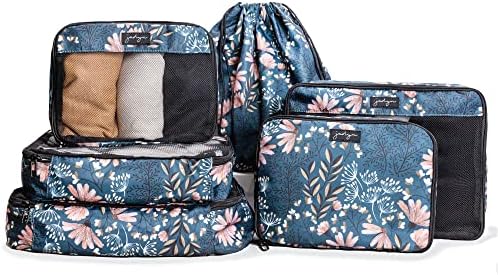
  2. Use Packing Cubes: These small, zippered bags are essential for organization. Use different cubes to separate your clothes by type (shirts, pants, underwear) or by outfit. They not only keep your bag tidy but also compress your clothes, creating even more space.

  3. The 3-1-1 Rule for Liquids: Remember the TSA's 3-1-1 rule for your carry-on. All liquids, aerosols, gels, creams, and pastes must be in containers of 3.4 ounces (100 milliliters) or less. All of these containers must fit into a single, clear, quart-sized, zip-top bag.

  4. Wear Your Heaviest Items: This is a classic travel hack for a reason. Wear your bulkiest items—like your hiking boots, heaviest jacket, and chunkiest sweater—on the plane. This frees up a massive amount of space and weight in your compact travel bag.

Size Matters: How to Choose the Right Carry-On Dimensions

Nothing is worse than arriving at the gate only to be told your carry-on is too big and must be checked. Understanding airline size restrictions is absolutely essential before you buy a bag.

Domestic vs. International Airline Rules

In the United States, the most common maximum carry-on size for major domestic airlines is 22 inches x 14 inches x 9 inches (56 x 36 x 23 cm), including wheels and handles. However, this is not universal. Budget airlines like Spirit or Frontier often have smaller, stricter size limits.

International airlines can be even more restrictive. Many European and Asian carriers have slightly smaller and lighter carry-on allowances. If you travel internationally frequently, it's wise to invest in a bag that meets the most common international standards (often closer to 21 inches tall) to ensure you're always compliant.

Pro Tip: Always check the specific carry-on allowance for the airline you're flying before you head to the airport. The rules can and do change. A quick visit to the airline's website can save you a lot of stress and money.

Measuring Your Bag Correctly

When you measure your bag, you must include everything that sticks out. This means wheels, handles (both carrying and telescoping), and exterior pockets. The airport sizer cage doesn't make exceptions, so your bag's total, true dimensions are what count. Be honest with your measurements to avoid any unpleasant surprises.

Pro Traveler Dos and Don'ts for Your Carry-On Bag

Traveling with just a carry-on is an art form. Follow these simple rules to ensure a smooth and stress-free journey every time.

  • DO weigh your bag at home. A simple luggage scale is an inexpensive investment that can save you from overweight fees. Know your airline's weight limit and stay under it.
  • DON'T overstuff exterior pockets. While convenient, bulging pockets are the number one reason a bag might not fit into the sizer. Pack them smartly with flat items.
  • DO keep essentials easily accessible. Your passport, phone, wallet, and a pen should be in a pocket you can reach without having to unpack half your bag in the security line.
  • DON'T forget a portable charger. A dead phone can be a major travel headache. Pack a fully charged power bank in your personal item or an easily accessible pocket of your carry-on.
  • DO attach a unique luggage tag. Even though you're not checking your bag, a tag with your name and phone number is crucial in case you get separated from your bag or it gets gate-checked.

Keeping Your Bag in Top Shape: Maintenance and Cleaning Guide

Your travel bag is an investment, and with a little care, it can last for many years. Keeping it clean and properly stored will ensure it's ready for your next adventure.

Spot Cleaning Techniques

For most minor scuffs and spills, spot cleaning is all you need. For soft-sided bags, use a cloth with a mixture of mild soap and water to gently scrub the affected area. For hard-sided bags, a magic eraser or a simple wipe-down with a damp cloth can remove most surface marks.

Deep Cleaning Your Bag

After a long trip, your bag might need a more thorough cleaning. Start by emptying all pockets and vacuuming out the interior to remove any dust, sand, or crumbs. For the exterior, use a soft brush and a gentle soap solution to clean the entire surface. Always allow your bag to air dry completely with all zippers open before storing it to prevent mildew.

Proper Storage Between Trips

How you store your bag matters. Keep it in a cool, dry place away from direct sunlight, which can fade and weaken the fabric over time. To help it keep its shape, you can stuff it lightly with old towels or packing paper. Storing it inside a larger suitcase or a protective dust bag can also prevent it from getting dusty.

Real Traveler Insights: What Users Say About Their Bags

Lab tests and product descriptions are helpful, but sometimes the best insights come from fellow travelers. Scouring online forums and reviews reveals what people truly love—and dislike—about their bags after putting them through real-world travel.

Many travelers rave about the freedom that comes with a lightweight backpack. As one user on a Reddit discussion noted about ultra-light luggage, it's often the simple, no-frills design that makes it so effective. The consensus is that a bag's empty weight is a critical starting point for a successful one-bag trip.

Common complaints often revolve around uncomfortable straps on backpacks, wobbly handles on roller bags, and wheels that don't stand up to rough terrain. This feedback highlights the importance of investing in quality construction. A bag might be light, but if the wheels break or the zipper fails mid-trip, it's a major problem. This is why trusted brands with solid warranties often provide the best long-term value.

Frequently Asked Questions

What is considered lightweight for carry-on luggage?

For a carry-on bag, anything under 6 pounds (2.7 kg) is generally considered lightweight. Many excellent soft-sided spinners and travel backpacks fall into the 4-6 pound range. Ultra-light options can even be found under 4 pounds, which gives you a significant advantage when dealing with strict airline weight limits.

What size is a TSA approved carry on bag?

The TSA (Transportation Security Administration) doesn't actually set size limits for carry-on bags; the individual airlines do. The most common size limit for major U.S. domestic airlines is 22 x 14 x 9 inches. However, you must always check with your specific airline, as budget and international carriers often have smaller restrictions.

Is it better to have 2 wheels or 4?

This depends on your travel style. Four-wheeled bags (spinners) are fantastic for smooth airport floors, as they glide effortlessly and can be pushed in any direction, reducing wrist strain. Two-wheeled bags (rollers) are typically more durable on rough surfaces like cobblestones or uneven sidewalks because the wheels are larger and often recessed into the bag's frame.

Can I bring a purse and a backpack and a carry-on?

Most airlines allow one carry-on bag and one personal item. Your carry-on bag must fit in the overhead bin, and your personal item (like a purse, small backpack, or laptop bag) must fit under the seat in front of you. You generally cannot bring three separate items, so you would need to consolidate your purse and backpack into a single personal item or place one inside your larger carry-on.

What to avoid when buying luggage?

Avoid bags with a very low denier count (for fabric) as they will be less durable. Be wary of flimsy zippers and wobbly telescoping handles, as these are often the first components to fail. Also, avoid buying a bag that is heavy when it's empty—it defeats the entire purpose of packing light and will eat into your precious weight allowance.

Final Thoughts: Your Journey to Lighter Travel Starts Now

Choosing the right lightweight carry on travel bag is your first step toward a more liberated, efficient, and enjoyable travel experience. By focusing on what truly matters—a low starting weight, smart features that fit your needs, durable materials, and the correct size—you can find a travel companion that will serve you for years to come.

Remember to weigh the pros and cons of soft-sided versus hard-sided bags and consider how you'll be moving through your destinations. Whether you're a hyper-organized packer or a minimalist adventurer, there is a perfect bag out there waiting for you.

If you're ready to master your packing game, the Tortuga Travel Backpack offers unparalleled organization for the serious traveler. And for keeping all your small essentials perfectly tidy within any bag, the Bagsmart Toiletry Bag is an indispensable tool. Happy travels!

Carry On Luggage Size Dimension: A Traveler’s 2025 Buying Guide

Carry On Luggage Size Dimension: A Traveler's 2025 Buying Guide

There's a universal moment of anxiety every traveler feels. You're in the boarding line, your perfectly packed carry-on in hand, and you spot it: the dreaded metal luggage sizer. Suddenly, your bag looks ten times bigger than it did at home. Will it fit.

Or are you about to face the walk of shame to the gate-check counter, wallet in hand. Understanding the correct carry on luggage size dimension isn't just about following rules; it's about starting your trip with confidence and excitement, not stress. This guide is your ticket to mastering the art of the carry-on, ensuring you breeze through the airport every single time.

We're going to break down everything from the standard dimensions across major airlines to the secret tips for maximizing every last inch of space. Forget guesswork and last-minute fees. By the end of this, you'll be a carry-on pro, ready to pack smarter, travel lighter, and make every adventure smoother than ever before. Let's get you ready for takeoff!

What to Know

  • The Golden Rule: For most domestic U.S. airlines, the standard carry-on luggage dimension is 22 x 14 x 9 inches (56 x 36 x 23 cm). This is the size that will fit in the overhead bins of most major carriers.
  • Measure Everything: When checking your bag's size, you must include the wheels, handles (both retracted and extended), and any exterior pockets. Airlines measure the absolute total volume your bag occupies.
  • International is Different: Don't assume your domestic carry-on will work for international flights. Many European and Asian airlines, especially budget carriers, have smaller and stricter carry on size limits.
  • Weight is a Factor: While many U.S. airlines don't have a strict weight limit for carry-ons, most international airlines do, typically ranging from 7 to 10 kg (15 to 22 lbs). Always check the weight policy!

Understanding Airline Carry-On Luggage Restrictions

Ever wonder why airlines are so strict about carry-on luggage dimensions. It's not just to make your life difficult, I promise. The primary reasons are safety and space. Overhead bin space is a finite resource, and standardized sizes ensure that there's a fair chance for everyone to store their bag.

More importantly, bags that are too large or heavy can become safety hazards during turbulence if they don't fit securely in the bins.

This is where the infamous luggage sizer at the gate comes into play. This metal cage is the airline's final word on whether your bag flies in the cabin with you. If your bag can't slide in and out of the sizer easily, the gate agent has every right to make you check it, often for a hefty fee. This is especially true on full flights where overhead space is at a premium.

It's also crucial to understand the difference between a "carry-on" and a "personal item." You are typically allowed one of each. Your carry-on bag goes in the overhead bin. Your personal item—like a purse, laptop bag, or small backpack—must be small enough to fit under the seat in front of you. The dimensions for personal items are much smaller, so don't try to pass off a second suitcase as a personal item!

Standard Dimensions for Carry-On Luggage Across Major Airlines

While there's a general consensus, the exact carry on luggage dimensions can vary slightly from one airline to another. Knowing the specifics for the airlines you fly most often can save you a world of trouble. The most common size you'll see for major U.S. carriers is 22 x 14 x 9 inches.

Here’s a quick breakdown of the standard luggage size for carry on for some of the biggest domestic airlines as of early 2025. Remember, these can change, so always double-check the airline's website before you fly!

Airline Carry-On Dimensions (Inches) Carry-On Dimensions (CM)
American Airlines 22 x 14 x 9 56 x 36 x 23
Delta Air Lines 22 x 14 x 9 56 x 36 x 23
United Airlines 22 x 14 x 9 56 x 36 x 23
Southwest Airlines 24 x 16 x 10 61 x 41 x 25
JetBlue 22 x 14 x 9 56 x 36 x 23
Alaska Airlines 22 x 14 x 9 56 x 36 x 23

As you can see, Southwest is the generous outlier, offering a significantly larger allowance. This makes them a fantastic option if you tend to be a heavy packer. However, relying on their larger size could get you in trouble if you have a connecting flight on a different airline with stricter rules. The safest bet is to purchase a bag that adheres to the more common 22 x 14 x 9 inch standard.

How to Measure Your Carry-On Luggage Correctly

Measuring your bag seems simple, but it's where many travelers make a critical mistake. You can't just measure the main compartment. You have to measure the entire bag, from the very bottom of the wheels to the very top of the handle, and from the back to the front of the most stuffed pocket. Here’s how to do it right:

  1. Get a Tape Measure: A simple retractable tape measure is your best friend here.
  2. Measure the Height: Place the bag upright. Measure from the floor to the highest point of the bag. If it's a roller bag, this means from the bottom of the wheels to the top of the handle when it's fully retracted. For a backpack, measure from the base to the very top.
  3. Measure the Width: Turn the bag to face you and measure from the widest point on the left to the widest point on the right. This includes any side handles or pockets.
  4. Measure the Depth: Turn the bag to its side and measure from the back to the front. Make sure to include the depth of any front pockets, even if they are empty. Soft-sided bags can bulge when packed, so it's wise to measure it after you've packed for a trip to get a realistic dimension.

Pro Tip: After packing your soft-sided carry-on, try to press it into a corner or against a wall to simulate the luggage sizer. If it bulges significantly beyond its empty dimensions, you may need to repack or remove a few items. That extra inch from an overstuffed front pocket is often what causes a bag to fail the sizer test.

Differences Between Domestic and International Carry-On Size Limits

This is a huge one! The carry-on that served you perfectly for years of domestic travel might suddenly become a checked bag on your first trip abroad. Many international airlines, particularly budget carriers in Europe (like Ryanair or EasyJet) and Asia, have noticeably smaller carry on size limits.

Why the difference. Planes used for shorter international hops are often smaller, with less overhead bin space. Additionally, these airlines often have stricter weight limits to manage fuel costs and aircraft balance. It’s common to see international limits closer to 21.5 x 15.5 x 9 inches (55 x 40 x 23 cm), and sometimes even smaller.

The weight limit is also more heavily enforced, with many capping carry-ons at 7 kg (about 15.4 lbs) or 10 kg (22 lbs).

This is where checking the airline's policy is non-negotiable. If your itinerary involves multiple airlines, you must adhere to the rules of the strictest one. For example, if you fly Delta to Paris and then connect on Air France to Nice, you need a bag that meets Air France's potentially smaller requirements. Many seasoned international travelers opt for a slightly smaller "international-sized" carry-on to ensure they are compliant no matter where their travels take them.

Tips for Maximizing Space in Your Carry-On Bag

Getting a compliant bag is half the battle; packing it efficiently is the other half. Every inch counts when you're trying to fit a week's worth of outfits into a 22-inch frame. Here are some incredible tips to become a packing master!

First, embrace packing cubes. These fabric organizers are more than just hype; they compress your clothes, allowing you to fit more while keeping everything incredibly organized. You can designate cubes for shirts, pants, and underwear, so you're not digging through your entire bag for a pair of socks.

Second, learn the art of rolling your clothes. For most items like t-shirts, pants, and dresses, rolling them tightly instead of folding them flat saves a surprising amount of space and can help reduce wrinkles. For bulkier items like blazers, a careful fold is still best. Many travelers swear by the 1-2-3-4-5-6 packing rule for a week-long trip: 1 hat, 2 pairs of shoes, 3 pairs of pants/skirts, 4 shirts, 5 pairs of socks, and 6 pairs of underwear.

It's a great starting point for minimalist packing.

Finally, think strategically about what goes in the bag versus what you wear on the plane. Always wear your bulkiest items—your hiking boots, your heaviest jacket, your thickest sweater. This frees up a massive amount of real estate inside your luggage. To keep all your smaller items like chargers, toiletries, and documents in order, a dedicated organizer like the Bagsmart Toiletry Bag can be a lifesaver, preventing a tangled mess of cables and leaky shampoo bottles.

Popular Carry-On Luggage Brands and Their Specifications

When you're ready to invest in a new carry-on, the options can be overwhelming. You have traditional hardshell and softshell roller bags, and then you have a whole world of travel backpacks designed for maximum efficiency. The key is to find one that fits your travel style and, most importantly, the airline sizer.

Brands like Samsonite, Away, and Monos are famous for their sleek hardshell roller bags that typically come in standard domestic (22x14x9) and international sizes. They offer great protection for your belongings but can be rigid and unforgiving if you overpack.

However, there's a growing movement of travelers who swear by travel backpacks, and for good reason! A bag like the Tortuga Travel Backpack is specifically designed to maximize every cubic inch of the carry-on allowance. It's built to the peak dimensions, giving you a massive amount of packing space in a soft-sided, flexible design. This flexibility means you can often squeeze it into a tight sizer where a rigid hardshell might fail.

Why Consider a Travel Backpack like Tortuga?

  • Maximum Space: Its rectangular shape is more efficient than the curved designs of many traditional suitcases, eliminating wasted space.
  • Hands-Free Travel: Navigating crowded airports, train stations, or cobblestone streets is infinitely easier with a backpack than with a roller bag.
  • Organization: It opens like a suitcase (clamshell style), so you can see and access everything without digging from the top down. It's packed with pockets and compartments for laptops, documents, and accessories.

Pros

  • Conforms to most major airline carry-on size limits.
  • Huge, organized main compartment with easy access.
  • Padded laptop sleeve and comfortable, adjustable straps.

Cons

  • Can get heavy if you pack it to full capacity.
  • The aesthetic might not be for travelers who prefer a traditional suitcase look.

A travel backpack isn't for everyone, but if your goal is to carry the most possible stuff without checking a bag, it's an option you absolutely have to consider. As one user on Reddit's r/onebag community mentioned, "Switching to a travel backpack was the best decision I ever made. No more dragging a suitcase over curbs or worrying about broken wheels."

The Importance of Weight Restrictions for Carry-On Luggage

While travelers in the U.S. are often obsessed with dimensions, frequent international flyers know that weight is just as important. Many domestic carriers like Delta and American don't publish a specific weight limit for carry-on bags, simply stating they must be light enough for you to lift into the overhead bin yourself. This is not the case elsewhere in the world.

Step up to a check-in counter for British Airways, Lufthansa, or Qantas, and there's a good chance they'll ask you to place your carry-on on the scale. The limits are often strict, commonly set at 7 kg (15 lbs), 8 kg (17 lbs), or 10 kg (~22 lbs). If your bag is even slightly over, you'll be forced to check it, which can come with unexpected fees, especially on budget airlines.

Why the strictness. It comes down to aircraft weight and balance calculations, which are critical for flight safety and fuel efficiency. To avoid getting caught, it's essential to invest in a lightweight suitcase to begin with. Some heavy, feature-rich bags can eat up 8-10 lbs of your allowance before you've even packed a single sock.

Also, a small, portable digital luggage scale is one of the best travel accessories you can buy. Weighing your bag at your hotel before heading to the airport can save you from a stressful and expensive surprise at check-in.

Common Misconceptions About Carry-On Size Regulations

Navigating the world of carry-on rules can be confusing, and there are a few common myths that trip up even experienced travelers. Let's bust some of the biggest ones so you can fly with total confidence.

Myth 1: "If it looks about the right size, it's probably fine."
This is a dangerous gamble. A gate agent's perception of your bag can be influenced by how full the flight is or how their day is going. The only thing that matters is whether it fits in the sizer. A bag that is just one inch too tall or too wide will not fit, period.

Myth 2: "The rules are the same for all tickets on the same airline."
Not anymore! With the rise of "Basic Economy" fares, the rules have become more complex. On many major airlines, a Basic Economy ticket only allows you to bring a personal item that fits under the seat. If you show up with a full-sized carry-on for the overhead bin, you'll be forced to check it and pay both the checked bag fee and an additional gate handling charge.

Myth 3: "Soft-sided bags are always a safe bet because they can squish down."
While they offer more flexibility than hardshell bags, this is not a guarantee. The main culprit is the overstuffed front pocket. Even if the main compartment of your bag is compliant, a bulging front pocket can add inches to the depth, causing it to fail the sizer test. It's a common sight to see travelers frantically trying to rearrange items at the gate to make their bag fit.

Future Trends in Carry-On Luggage Design and Size Standards

What does the future hold for the humble carry-on? The industry is constantly evolving, driven by new materials, technology, and changing airline policies. One of the biggest trends is the focus on ultra-lightweight materials. Brands are using advanced polycarbonates and durable fabrics to create bags that are incredibly strong yet weigh a fraction of their older counterparts, preserving more of your precious weight allowance for your actual belongings.

Smart luggage was a major trend a few years ago, featuring built-in batteries for charging devices, GPS trackers, and digital scales. However, airline restrictions on lithium-ion batteries in checked baggage have cooled this trend. The future of smart luggage will likely focus on removable battery packs and other TSA-compliant features.

Another major shift is the rise of the under-seat carry-on. As overhead bin space becomes more contested and airlines push Basic Economy fares, more travelers are opting for smaller bags that are guaranteed to stay with them, fitting neatly under the seat. These bags are perfect for minimalist travelers on short trips. Will airlines continue to shrink the standard carry-on size.

It's possible. As airlines look for more ways to generate ancillary revenue, some industry experts speculate that we could see a future where only the smallest bags are free, but for now, the 22x14x9 standard remains the benchmark for most travelers.

Frequently Asked Questions About Carry-On Luggage Size

What is the TSA approved carry-on luggage size?

This is a common point of confusion. The Transportation Security Administration (TSA) does not set size or weight limits for carry-on luggage. The TSA is focused on security screening—what you can and cannot bring in your bag (like the 3-1-1 liquids rule). The size and weight restrictions are set by the individual airlines, which is why they can vary.

Is a 24 inch suitcase too big for carry-on?

Yes, for almost all major airlines, a 24-inch suitcase is too tall to be used as a carry-on. The standard height limit is 22 inches. The only notable exception in the U.S. is Southwest Airlines, which allows bags up to 24 inches tall. If you try to bring a 24-inch bag on an American, Delta, or United flight, you will be required to check it.

Can a 22 inch luggage be a carry-on?

Absolutely! A suitcase that is 22 inches tall is the standard, most widely accepted size for carry-on luggage for domestic U.S. travel. As long as its other dimensions (width and depth) are also within the typical 14 x 9-inch limits, you should have no problem on most major carriers.

Can I bring a purse and a backpack and a carry-on?

No. The standard rule for most airlines is two items total: one carry-on bag to go in the overhead bin and one smaller personal item to go under the seat in front of you. You cannot bring three items. You would need to consolidate so that you have only one carry-on and one personal item. For example, you could put your purse inside your backpack to count as one personal item.

How do I tell if my suitcase is carry-on size?

The only way to know for sure is to measure it with a tape measure. As detailed above, you must measure the height (including wheels and handles), width, and depth. Compare these measurements to the stated limits on your airline's website. Don't rely on the manufacturer's tag, as they sometimes list the interior dimensions, not the true exterior size that the airline will measure.

Which airline has the strictest carry-on policy?

Among major international carriers, budget airlines like Ryanair and EasyJet are famously strict, with very small size allowances and low weight limits that are rigorously enforced. For domestic U.S. travel, Spirit and Frontier have some of the smallest personal item allowances and charge for full-sized carry-ons. Always read the fine print when flying a budget airline.

Final Thoughts: Choosing the Perfect Carry-On for Your Adventures

Navigating the world of carry on luggage size dimensions doesn't have to be a source of travel stress. By understanding the standard sizes, knowing how to measure your bag correctly, and always checking your specific airline's rules, you can walk onto every flight with peace of mind. The key is preparation. A few minutes of research before you fly can save you from hefty fees and a frustrating start to your trip.

Remember to consider your personal travel style. Are you a weekend warrior who needs something small and efficient, or a long-term traveler trying to maximize every inch? Whether you choose a classic roller bag or a modern travel backpack, the perfect piece of luggage is out there waiting for you.

If you're looking for a bag that's built from the ground up to maximize space while staying compliant, a travel backpack is an incredible option. For travelers who want ultimate flexibility and capacity, the Tortuga Travel Backpack is worth a serious look. And to keep that spacious interior perfectly organized, pairing it with smart accessories from a brand like Bagsmart creates a truly unbeatable travel system. Happy travels!

Carry On Size Luggage Dimensions: The Savvy Traveler’s Guide to Avoiding Fees

Carry On Size Luggage Dimensions: The Savvy Traveler's Guide to Avoiding Fees

There's a universal moment of anxiety every traveler knows: that slow walk up to the boarding gate, eyes darting between your carry-on bag and the unforgiving metal sizer. Will it fit. Or are you about to get hit with a surprise gate-check fee. Understanding the nuances of carry on size luggage dimensions isn't just about following rules; it's about starting your trip with confidence, saving money, and keeping your essential items with you.

This guide is your ultimate ticket to mastering the world of carry-on luggage, so you can breeze through the airport like a seasoned pro.

Getting the right carry on bag size is one of the biggest travel hacks you can learn. It eliminates stress and ensures your journey is as smooth as possible from the moment you leave your house. We're going to break down everything you need to know, from the standard measurements to the sneaky differences between airlines that can catch you off guard. Get ready to pack smarter and travel better!

What to Know

  • The Unofficial Standard: While it varies, the most common domestic carry-on luggage size is approximately 22 x 14 x 9 inches (56 x 36 x 23 cm). However, you must always check your specific airline's rules before you fly.
  • Measure Everything: Airlines count wheels, handles, and exterior pockets in the total luggage dimensions for carry on. A bag that's 22 inches tall without its wheels might be 23.5 inches with them, making it too large.
  • International vs. Domestic: International and budget airlines often have stricter and smaller size and weight restrictions than major domestic carriers. Never assume the rules are the same.
  • Weight Matters Too: Many airlines, especially international ones, enforce carry-on weight limits, typically ranging from 15 to 22 pounds (7 to 10 kg). An oversized bag is an obvious target, but an overweight one can also lead to forced checking.
  • Personal Items Are Different: Your carry-on bag is separate from your personal item (like a purse or laptop bag). Understanding the difference can double your packing space without breaking the rules.

Decoding the Numbers: Common Carry-On Dimensions for Major Airlines

The single most important step before packing is checking your airline's specific carry-on policy. These rules can and do change, and what was acceptable on your last flight might not be on your next. Budget airlines, in particular, are known for having smaller allowances to encourage passengers to pay for checked bags.

To give you a head start, here’s a quick-reference chart of the current carry-on size luggage dimensions for some of the world's most popular airlines. Remember, these are the maximum dimensions and include all parts of the bag—wheels and handles included! Always double-check the airline's website for the most up-to-date information before you travel.

Airline Dimensions (Inches) Dimensions (Centimeters) Weight Limit Notes
American Airlines 22 x 14 x 9 in 56 x 36 x 23 cm Not specified Personal item also allowed
Delta Air Lines 22 x 14 x 9 in 56 x 36 x 23 cm Not specified For some international routes
United Airlines 22 x 14 x 9 in 56 x 35 x 23 cm Not specified Basic Economy has stricter rules
Southwest Airlines 24 x 16 x 10 in 61 x 41 x 25 cm Not specified One of the most generous policies
JetBlue 22 x 14 x 9 in 55.88 x 35.56 x 22.86 cm Not specified Blue Basic fares do not include a carry-on
Spirit Airlines 22 x 18 x 10 in 56 x 46 x 25 cm Not specified Paid carry-on only. Personal item is free but tiny.
British Airways 22 x 18 x 10 in 56 x 45 x 25 cm 51 lbs (23 kg) Very generous weight limit
Lufthansa 21.6 x 15.7 x 9 in 55 x 40 x 23 cm 17.6 lbs (8 kg) Strict on weight
Ryanair 15.7 x 9.8 x 7.8 in 40 x 25 x 20 cm Not specified This is for the free small bag. Larger carry-ons must be paid for.
Air Canada 21.5 x 15.5 x 9 in 55 x 40 x 23 cm Not specified Must be light enough to lift into bin unassisted

As you can see, there's no single universal size. The difference of an inch or two might seem small, but it can be the difference between boarding smoothly and paying a hefty fee at the gate. As one user on a Reddit travel forum pointed out, the fear of getting a strict gate agent is real, and it's always better to be safely within the limits than to risk it.

How to Measure Your Carry-On Luggage Like a Pro (And Avoid Gate-Check Fees!)

Measuring your bag seems simple, but it's easy to get wrong. Airlines measure the total exterior dimensions, and that’s where many travelers get tripped up. Here’s a foolproof, step-by-step guide to measuring your carry-on luggage size correctly.

Step-by-Step Measurement Guide

  1. Empty the Bag: For the most accurate measurement, especially with soft-sided luggage, make sure the bag is empty. Over-stuffing can cause it to bulge and exceed the limits.

  2. Measure the Height: Place the bag upright. Using a tape measure, measure from the very bottom of the wheels to the very top of the handle in its most compressed position. Don't just measure the case itself; the wheels and handles absolutely count!

  3. Measure the Width: Turn the bag to face you. Measure from the widest point on the left to the widest point on the right. This includes any side handles, pockets, or feet that stick out.

  4. Measure the Depth: Turn the bag to its side. Measure from the back of the bag to the most forward-protruding part on the front, which is often an exterior pocket. Be honest here—if a pocket is bulging with items, that counts.

Write down these three numbers (Height x Width x Depth) and compare them directly to your airline's policy. If any single dimension is over the limit, your bag is technically too large.

Pro Tip: Create your own luggage sizer at home. Find a cardboard box and cut out a rectangle with your airline's maximum dimensions (e.g., 22×14 inches). If you can pass your bag through that opening without forcing it, you're good to go on height and width. Use the 9-inch depth as a guide for the third dimension.

Domestic vs. International Flights: Navigating Different Carry-On Rules

A common mistake is assuming the carry-on bag that was fine for your flight from New York to Los Angeles will also be fine for your trip to Paris. Unfortunately, that's often not the case. There are significant differences in luggage dimensions for carry on between domestic (especially in the U.S.) and international carriers.

Generally, major U.S. airlines like American, Delta, and United have settled around the 22 x 14 x 9 inch standard. This size is widely accepted for domestic travel within the United States. However, once you fly internationally, the rules often get stricter.

Many European and Asian airlines have slightly smaller and lighter restrictions. For example, Lufthansa's limit is 21.6 x 15.7 x 9 inches, and they are notoriously strict about their 8 kg (17.6 lb) weight limit. Budget international carriers like Ryanair have even smaller free allowances, essentially limiting you to a small backpack that must fit under the seat in front of you unless you pay extra for a larger carry-on.

Why the difference. International flights are often on different types of aircraft with varying overhead bin sizes. Furthermore, international budget airlines build their business model on ancillary fees, and charging for baggage—both checked and carry-on—is a primary source of revenue. They are highly motivated to enforce their rules strictly.

So, if your itinerary includes an international leg, always pack according to the rules of the most restrictive airline on your ticket.

Beyond Dimensions: Understanding Carry-On Weight Restrictions

While U.S. domestic carriers rarely weigh carry-on bags, it's a completely different story internationally. A bag that fits perfectly in the sizer can still be rejected if it's too heavy. This is a crucial part of the carry on luggage size equation that many travelers overlook until it's too late.

Weight restrictions are primarily in place for safety reasons—flight attendants and passengers need to be able to lift bags into the overhead bins safely. They also help manage the overall weight and balance of the aircraft. International airlines and budget carriers are far more likely to have scales at the check-in counter and even at the gate to enforce these limits.

Here are some common weight limits to be aware of:

  • Qantas: 7 kg (15 lbs)
  • Singapore Airlines: 7 kg (15 lbs)
  • Lufthansa: 8 kg (17.6 lbs)
  • KLM: 12 kg (26 lbs) total for carry-on and personal item
  • British Airways: 23 kg (51 lbs) – extremely generous!

If you're a heavy packer, this is critical information. To stay under the limit, consider wearing your heaviest clothing items (like boots and jackets) on the plane. Pack travel-sized toiletries, and think critically about whether you truly need that extra pair of shoes. A portable luggage scale is a fantastic investment to avoid any surprises at the airport.

Personal Item vs. Carry-On: What’s the Real Difference?

This is one of the most common areas of confusion for travelers. The good news is that on most major airlines (excluding some basic economy fares), you are allowed one carry-on bag AND one personal item. Used strategically, this can nearly double your packing capacity!

So, what's the difference?

  • The Carry-On Bag: This is the larger of the two items, typically a small roller suitcase or a large travel backpack. It must fit within the airline's specified carry on size luggage dimensions (e.g., 22x14x9 inches) and is meant to be stored in the overhead bin.

  • The Personal Item: This is a much smaller item that must fit completely under the seat in front of you. There are no wheels allowed. Think of items like a purse, a laptop bag, a small backpack, a briefcase, or a camera bag. While some airlines list maximum dimensions (e.g., 17 x 10 x 9 inches on United), the primary rule is that it must fit under the seat.

Your personal item is the perfect place to store things you need to access during the flight: your book, headphones, snacks, medications, and important documents. It's also a great spot for your electronics, as you'll want to keep those fragile and valuable items with you. By packing your bulkiest items (clothes, shoes) in your overhead carry-on and your essentials in your under-seat personal item, you can travel efficiently and comfortably.

Master Your Pack: Tips for Maximizing Every Inch of Your Carry-On

Knowing the rules is half the battle; the other half is packing efficiently to make the most of the space you have. A well-packed bag can feel twice as big. Here are some pro-level tips to help you fit everything you need without checking a bag.

  1. Use Packing Cubes: These are non-negotiable for organized travel. Packing cubes compress your clothes and group them by category (shirts in one, pants in another). This not only saves a surprising amount of space but also makes it incredibly easy to find what you need without tearing your entire bag apart.

  2. Roll, Don't Fold: For most clothing items like t-shirts, pants, and dresses, rolling them tightly is far more space-efficient than folding them flat. It also helps to minimize wrinkles. For bulkier items like blazers or sweaters, a neat fold might work better.

  3. Follow the 1-2-3-4-5-6 Rule: This is a fun packing mnemonic mentioned in travel forums to avoid overpacking for a week-long trip. It stands for: 1 hat, 2 pairs of shoes, 3 pairs of pants/skirts, 4 shirts, 5 pairs of socks, 6 pairs of underwear. You can adjust it to your needs, but it's a great starting point to ensure you only pack essentials.

  4. Utilize Every Nook and Cranny: Think in three dimensions. Stuff socks, underwear, or charging cables inside your shoes. Fill any empty gaps with small, soft items. The goal is to have a densely packed bag with no wasted space.

  5. Decant Your Liquids: Don't bring full-size bottles of shampoo or lotion. Purchase a set of reusable, travel-sized (3.4 oz / 100 ml) bottles and fill them with your favorite products. This saves a massive amount of space and weight and keeps you compliant with TSA liquid rules.

The Modern Traveler's Toolkit: Trends in Carry-On Design

Luggage is no longer just a box on wheels. The industry has seen incredible innovation, with new designs and features focused on making carry-on travel more convenient, organized, and efficient. Understanding these trends can help you choose a bag that truly enhances your travel experience.

One of the biggest trends is the rise of the maximum-size travel backpack. For travelers who want to maximize every single cubic inch allowed, brands like Tortuga design their travel backpacks to fit the maximum legal carry-on dimensions perfectly. This means you get the space of a small roller bag but with the hands-free convenience and comfort of a backpack, which is amazing for navigating cobblestone streets or busy train stations.

Organization is another huge trend. We're seeing bags with dedicated, padded compartments for laptops and tablets, easy-access pockets for passports and phones, and even separate sections for shoes or dirty laundry. A great example is the range from Bagsmart, which often includes these smart organizational features at a really accessible price point. Their designs focus on making sure there's a logical place for everything, which takes the stress out of packing and unpacking.

Other key features to look for in a modern carry-on include:

  • USB Charging Ports: Many hard-shell suitcases now include an external USB port connected to an internal pocket for your own power bank, allowing you to charge your phone on the go.
  • Durable, Lightweight Materials: Advances in polycarbonate and ballistic nylon mean that today's bags are tougher and lighter than ever before.
  • 360-Degree Spinner Wheels: Four spinner wheels (as opposed to two fixed wheels) allow you to glide your bag alongside you effortlessly, which is a lifesaver during long walks through the airport.

The Business Traveler's Edge: Best Carry-On Luggage Options

For business travelers, a carry-on isn't just a bag—it's a mobile office. The right luggage needs to be professional, hyper-organized, and durable enough to handle a demanding travel schedule. The carry on bag size must be compliant to avoid any delays or issues that could impact a tight schedule.

When choosing a carry-on for business travel, look for these key features:

  • Professional Aesthetics: A sleek, understated design in a neutral color like black, gray, or navy blue always looks sharp.
  • Laptop Protection: A dedicated, well-padded, and easily accessible laptop compartment is essential. This allows you to quickly remove your computer for security screening without disturbing the rest of your packed items.
  • Wrinkle-Free Packing: Some bags include suiter compartments or garment folders designed to keep a suit or dress shirt looking crisp.
  • Smart Organization: Pockets for business cards, pens, documents, and chargers are crucial for staying organized on the road.

For the ultimate one-bag business trip, the Tortuga travel backpack is an outstanding choice. It's designed to hold a surprising amount of gear while keeping it all neatly organized, and its clamshell opening functions just like a suitcase. Its professional look doesn't scream "backpacker," making it suitable for business environments.

For those who prefer a more traditional look or need a companion to a roller bag, the versatile and stylish options from Bagsmart are perfect. Their laptop bags and travel backpacks offer excellent protection and organization, ensuring you arrive at your meeting prepared and polished. Check the current price on Amazon for these great options.

Frequently Asked Questions About Carry-On Luggage Sizes

Navigating the world of carry-on rules can bring up a lot of questions. Here are detailed answers to some of the most common ones.

What size is TSA approved carry-on luggage?

This is a common misconception. The TSA (Transportation Security Administration) does not approve or regulate the size of carry-on luggage. Their role is to screen bags for security threats. They are concerned with what is inside your bag (like the 3-1-1 liquids rule), not the size of the bag itself.

The size and weight restrictions are set and enforced by the individual airlines.

Can a 22 inch luggage be a carry-on?

Yes, in most cases, a suitcase that is advertised as 22 inches tall is designed to be a carry-on. The most common maximum height for U.S. domestic airlines is 22 inches. However, you must measure it yourself, including the wheels and handles, to ensure the total height doesn't exceed the airline's limit.

Some brands' "22-inch" bags are actually 23 inches or more when fully measured.

What if my carry-on is 1 inch too big?

This is the gray area where your fate often depends on the airline, the fullness of the flight, and the mood of the gate agent. If the flight isn't full, they may not even check. However, on a full flight, agents are often instructed to enforce the rules strictly to make space in the overhead bins. If your bag is soft-sided, you might be able to squish it into the sizer.

If it's hard-sided, you're out of luck. The best advice is to not risk it. That one inch could cost you $60+ in gate-check fees.

Is a 24 or 25 inch suitcase too big for carry-on?

Yes, absolutely. A 24 or 25-inch suitcase is considered a checked bag on virtually every airline. While Southwest has a slightly more generous 24-inch height limit, most other airlines cap it at 22 inches. Attempting to bring a 24 or 25-inch bag as a carry-on will almost certainly result in it being gate-checked, and you will be charged the associated fee.

Do airlines actually measure luggage dimensions?

Yes, they do, but not for every passenger on every flight. They are most likely to check if the flight is full, if your bag looks visibly oversized, or if you're flying on a budget airline known for strict enforcement. The metal luggage sizers located at check-in counters and at the gate are the official measurement tool. If your bag doesn't fit, you'll have to check it.

What is the most strict carry-on size?

Generally, international budget airlines like Ryanair and Wizz Air are the most strict. Their free allowance is often limited to a very small personal item that must fit under the seat. Any larger bag, even if it would be considered a standard carry-on elsewhere, requires a fee. Always read the fine print carefully when flying these carriers.

Final Thoughts: Traveling Smarter, Not Harder

Mastering carry-on size luggage dimensions is your passport to a less stressful, more affordable, and more efficient travel experience. It all comes down to three simple steps: know your airline's rules, measure your bag correctly (all of it!), and pack with intention. By doing your homework before you leave, you can walk through the airport with the calm confidence of a traveler who knows they won't face any unwelcome surprises at the gate.

Traveling light and smart is an incredible feeling of freedom. You can skip the baggage claim carousel, navigate public transport with ease, and keep all your important belongings securely with you. It transforms your entire journey from start to finish.

If you're ready to upgrade to a bag that takes the guesswork out of packing, consider the maximum-capacity Tortuga for one-bag travel or the brilliantly organized options from Bagsmart to start your next trip with total peace of mind.

11 Best Travel Backpacks for Air Travel in 2025 (Carry-On Approved!)

11 Best Travel Backpacks for Air Travel in 2025 (Carry-On Approved!)

Finding the perfect travel companion can feel like a quest. You need something that’s tough, organized, comfortable, and—most importantly—won't get you stopped at the gate. The search for the best travel backpacks for air travel is all about maximizing space and minimizing hassle, letting you breeze through the airport like a seasoned pro. Forget clumsy roller bags and stressful baggage claims; the right backpack is your ticket to freedom and flexibility on any trip.

Whether you're a digital nomad, a weekend adventurer, or a business traveler, the right backpack makes all the difference. It’s not just about carrying your stuff; it’s about carrying it smartly. From TSA-friendly laptop compartments to hidden pockets for your passport, modern travel backpacks are designed with the flyer in mind. Get ready to upgrade your journey, because we're about to find the perfect pack for you!

What You'll Learn

  • Carry-On Sizing is Key: The most crucial factor is choosing a backpack that meets airline carry-on and personal item size restrictions to avoid checked bag fees. Most airlines cap carry-ons around 45 linear inches (22 x 14 x 9 in).
  • Organization Over Everything: Look for backpacks with multiple compartments, including a dedicated, padded laptop sleeve and easy-access pockets for essentials like passports and boarding passes. Clamshell openings are a huge plus.
  • Comfort is Non-Negotiable: Padded shoulder straps, a supportive back panel, and a sternum strap are essential for carrying your load comfortably through long airport corridors and new cities.
  • Durability Matters: High-denier fabrics like nylon or recycled polyester, paired with quality zippers (like YKK), ensure your backpack can withstand the rigors of travel.
  • Backpack vs. Suitcase: For mobility, flexibility, and avoiding checked bag fees, a travel backpack often wins. It's easier to navigate crowds, stairs, and public transport.

Backpack vs. Suitcase: Why a Backpack Wins for Air Travel

For decades, the rolling suitcase has been the symbol of travel. But a shift is happening, and savvy travelers are increasingly choosing backpacks. Why the change. It boils down to one word: freedom.

The best backpacks for flying offer a level of mobility that suitcases simply can't match.

Imagine this: you've just landed, and you're navigating a crowded airport terminal, a bustling city street with cobblestones, or a train station with endless flights of stairs. With a rolling suitcase, every obstacle is a challenge. With a backpack, you're nimble and hands-free, moving through the environment with ease. This is especially true for trips involving multiple destinations or public transportation.

Furthermore, travel backpacks for flights are masters of space efficiency. Their soft-sided construction allows them to be squeezed into tight overhead bins or under seats where a rigid suitcase wouldn't fit. This flexibility can be the difference between carrying on your bag and being forced to gate-check it. Plus, many are designed specifically to meet the strictest carry-on dimension requirements, taking the guesswork out of packing.

How to Choose the Right Size Backpack for Air Travel

Choosing the right size is the most critical decision you'll make. Get it wrong, and you could be facing unexpected fees at the gate. Backpack capacity is measured in liters (L), and here’s a simple guide for air travel:

  • 15-30 Liters (Personal Item): These smaller packs are designed to fit under the seat in front of you. They are perfect for short weekend trips (1-3 days) or as a secondary bag to complement a larger carry-on. They'll hold a laptop, a change of clothes, toiletries, and your essential in-flight items.
  • 30-45 Liters (Maximum Carry-On): This is the sweet spot for one-bag travel. A backpack in this range is typically the largest size you can bring as a standard carry-on for most major airlines. It offers enough space for a week-long trip (or longer for minimalist packers) while still fitting in the overhead bin. Always double-check your airline's specific dimensions, but a 40L pack is usually a safe bet.
  • 50+ Liters (Must Be Checked): Once you go above 45-50 liters, you're firmly in checked luggage territory. These larger packs are great for long-term backpacking or trips where you need to carry specialized gear, but they are not suitable for carry-on air travel.

When checking dimensions, pay close attention to the depth of the bag. This is often where travelers get into trouble. A bag that is overstuffed can easily exceed the 9-inch depth limit for many airlines. Look for backpacks with compression straps, which can help you cinch down your gear and stay within the limits.

The Non-Negotiable Features for Top Air Travel Backpacks

Beyond size, a few key features separate the good from the great. When you're looking for the best travel backpacks for air travel, these are the details that make your journey smoother, more organized, and way more enjoyable.

First up is the opening style. Traditional top-loading backpacks are great for hiking, but for travel, you want a clamshell (or suitcase-style) opening. This allows the main compartment to unzip fully, laying flat like a suitcase. You can see all your gear at once, making packing and unpacking a breeze.

No more digging blindly from the top for a pair of socks.

Next, a TSA-friendly laptop compartment is a must-have for anyone traveling with tech. This is a separate, padded section that unzips to lie flat on the security scanner belt, so you don't have to remove your laptop from the bag. It's a small feature that saves a surprising amount of time and hassle in the security line. Also, look for quick-access pockets on the exterior for your passport, phone, and boarding pass.

Fumbling for documents while a line of impatient travelers waits behind you is a stress you don't need.

Finally, don't overlook the harness system. Padded, adjustable shoulder straps are a given, but a sternum strap and a hip belt are crucial for distributing weight. A sternum strap prevents the shoulder straps from slipping and helps stabilize the load. A padded hip belt, especially on larger 40-45L packs, transfers the majority of the bag's weight from your shoulders to your hips, which can carry heavy loads much more comfortably.

Many travel packs even have stowable harnesses that can be zipped away, which is great for checking the bag or preventing straps from snagging on conveyor belts.

Built to Last: Decoding Backpack Materials and Durability

Your travel backpack is going to take a beating. It will be shoved into overhead bins, tossed onto luggage racks, and exposed to the elements. Investing in a bag made from durable materials is essential for protecting your belongings and ensuring your pack lasts for years of adventures.

The most common materials for high-quality travel backpacks are Nylon and Polyester. Look for the "denier" (D) rating, which indicates the thickness of the fabric's fibers. A higher denier count, like 400D to 900D, generally means a more durable and abrasion-resistant material. Many premium bags use special types of nylon like Ballistic Nylon or Ripstop Nylon, which offer exceptional tear resistance.

Another fantastic material gaining popularity is X-Pac™ Sailcloth. It's a laminated fabric that is incredibly lightweight, waterproof, and tear-resistant, making it a top choice for high-end travel and outdoor gear. While often more expensive, its performance is unmatched.

Don't forget the zippers. A failed zipper can render a bag useless. Look for backpacks that use zippers from trusted brands like YKK or Zoom. These are the industry standard for reliability and durability.

Water-resistant zippers are also a great feature, adding an extra layer of protection against rain. Finally, check that the main compartment zippers are lockable, allowing you to secure your belongings with a small travel lock for added peace of mind.

Our Top 11 Picks: The Best Travel Backpacks for Flying in 2025

Alright, let's get to the good stuff! We've researched, compared, and analyzed countless bags to bring you the definitive list of the best travel backpacks for air travel. Whether you're on a tight budget or looking for a premium investment, there's a perfect pack here for you.

1. Tortuga Travel Backpack 40L: Best Overall for One-Bag Travel

The Tortuga Travel Backpack is legendary in the one-bag travel community, and for good reason. It’s designed from the ground up to be the perfect carry-on, maximizing every inch of space allowed by airlines. The 40L version is a packing powerhouse with a simple, brilliant layout.

The main compartment is a massive, suitcase-style space that swallows packing cubes whole. On the other side, you get a suite of organizational pockets for smaller items. The real standout feature is the height-adjustable harness system, which lets you dial in a perfect fit for your torso length—a feature rarely seen outside of high-end hiking packs. This makes it exceptionally comfortable to carry, even when fully loaded.

Pros

  • Maximum Carry-On Space: Sized perfectly to get the most out of airline carry-on limits.
  • Exceptional Comfort: Height-adjustable harness and padded hip belt make carrying heavy loads easy.
  • Fantastic Organization: Clamshell opening and thoughtful pockets keep everything in its place.
  • Durable & Weather-Resistant: Made from tough, waterproof sailcloth to protect your gear.

Cons

  • Premium Price: It's an investment, but one that pays off in quality and comfort.
  • Boxy Aesthetic: The shape is designed for maximum space, which some may find less stylish.

If you're serious about one-bag travel and want a backpack that combines massive capacity with incredible comfort, the Tortuga Travel Backpack 40L is tough to beat.

2. Bagsmart Travel Laptop Backpack: Best Budget-Friendly Option

Proving you don't have to spend a fortune for a great travel bag, the Bagsmart Travel Backpack delivers incredible functionality at an amazing price point. This bag is an organizational dream, packed with pockets and compartments for all your tech and travel essentials.

It features a TSA-friendly laptop compartment, a roomy main section for clothes, and multiple front pockets for quick-access items. One of its clever features is a dedicated compartment for a power bank with a built-in USB port on the outside, allowing you to charge your phone on the go. It’s comfortable, practical, and has a sleek look that works for both vacation and business trips.

Pros

  • Excellent Value: Offers premium features at a fraction of the cost of competitor bags.
  • Superb Organization: Tons of pockets and a dedicated tech compartment.
  • TSA-Friendly Design: Makes getting through airport security a breeze.
  • Built-in USB Port: A convenient feature for staying charged on the move.

Cons

  • Less Robust Harness: Lacks a hip belt, making it less ideal for very heavy loads.
  • Material Durability: While good for the price, the materials may not be as long-lasting as premium options.

For travelers who want maximum organization without breaking the bank, the Bagsmart Travel Laptop Backpack is an unbeatable choice.

3. Osprey Farpoint/Fairview 40: Best for Comfort and Versatility

Osprey brings its legendary hiking pack expertise to the travel world with the Farpoint (men's fit) and Fairview (women's fit) 40. This backpack is renowned for having one of the most comfortable and supportive harness systems on the market. If you anticipate walking long distances with your pack, this is the one to get.

The large main compartment opens like a suitcase, and internal compression straps help you pack more in. The harness system is the star, with a sturdy hip belt and padded straps that make you forget you're carrying 30 pounds on your back. Plus, the entire harness can be zipped away behind a panel, creating a sleek, snag-free profile for checking the bag or storing it in tight spaces.

Pros

  • Unmatched Carrying Comfort: Superior harness system adapted from hiking packs.
  • Stowable Harness: Protects straps during transit.
  • Durable Construction: Built with Osprey's reputation for quality and backed by their All Mighty Guarantee.
  • Gender-Specific Fit: Available in Farpoint (men's) and Fairview (women's) versions for a tailored fit.

Cons

  • Laptop Sleeve Placement: The laptop sleeve is in the front of the main compartment, which can affect weight distribution.
  • Water Bottle Pockets: Can be difficult to access when the pack is full.

4. Nomatic Travel Pack: Best for Tech and Business Travelers

Sleek, minimalist, and incredibly innovative, the Nomatic Travel Pack is designed for the modern traveler who lives out of their bag. It cleverly expands from a 20L daypack to a 30L travel bag, offering amazing versatility.

Its organization is second to none, with designated pockets for everything from your laptop and tablet to your sunglasses and water bottle. The tech compartment is robust, and the main clothing area is separate and spacious. It's made from durable, water-resistant materials and has a clean aesthetic that looks professional in any setting. As noted by reviewers on platforms like Forbes, its thoughtful design makes it a favorite among digital nomads.

Pros

  • Expandable Design: Converts from a 20L daypack to a 30L travel bag.
  • Insane Organization: A specific pocket for literally everything.
  • Durable and Weatherproof: Built to protect your expensive electronics.
  • Professional Look: Perfect for business travel.

Cons

  • Heavier Than Competitors: The robust build and features add some weight.
  • Complex Design: Can feel like there are almost too many pockets for some users.

Pro Tip: When packing your backpack, always place the heaviest items (like a laptop or packing cubes with jeans) closest to your back and in the middle of the pack. This keeps the center of gravity close to your body, making the load feel lighter and more stable.

5. Cotopaxi Allpa 35L Travel Pack: Best for Style and Sustainability

Instantly recognizable by its vibrant, often one-of-a-kind colorways, the Cotopaxi Allpa is as functional as it is stylish. This pack is a traveler's favorite, combining a rugged build with a super-smart internal layout.

The Allpa opens clamshell-style to reveal a brilliantly organized interior with zippered mesh compartments on both sides. This keeps your gear perfectly separated and secure—no more messy piles of clothes. The harness system is comfortable and stowable, and the bag is made from a tough, TPU-coated polyester that can handle abuse and bad weather. Plus, Cotopaxi is a B Corp known for its commitment to sustainability and ethical production.

Pros

  • Eye-Catching Design: Unique colorways that stand out from the crowd.
  • Brilliant Internal Organization: Zippered mesh dividers make packing a joy.
  • Rugged and Weather-Resistant: Tough materials protect your belongings.
  • Ethically Made: A purchase you can feel good about.

Cons

  • Limited External Pockets: Most of the organization is on the inside.
  • Can Feel a Bit Stiff: The durable materials take some time to break in.

More Top Air Travel Backpacks to Consider

  1. Peak Design Travel Backpack 45L: An incredibly versatile and beautifully designed bag that can expand or compress to fit your trip. Its system of optional packing tools is genius.
  2. Aer Travel Pack 3: A sleek, urban-focused pack with amazing organization and a professional look. Perfect for city hopping and business trips.
  3. Thule Subterra 34L: A durable and well-organized pack with a clever roll-top clothing cube inside, blending travel features with everyday usability.
  4. Bellroy Transit Backpack: Known for its minimalist aesthetic and premium materials, this bag offers a sophisticated way to carry your gear for short trips.
  5. Matador GLOBE RIDER45: A performance-focused travel backpack built with advanced, lightweight outdoor materials. It's designed for adventurers who demand durability without the weight.
  6. Tortuga Outbreaker Laptop Backpack: For those who need a smaller, personal-item-sized bag, this one offers the same durable, waterproof sailcloth and obsessive organization as its larger siblings. A great companion to a roller bag or for ultra-minimalist trips. You can check it out here.

For the Conscious Traveler: Eco-Friendly Backpacks

Sustainable travel is about more than just offsetting carbon emissions; it's also about the gear you choose. Thankfully, many of the best backpack brands are leading the charge with eco-friendly materials and ethical manufacturing processes. Choosing a sustainable backpack means you can explore the world while helping to protect it.

Brands like Cotopaxi are famous for their (Re)Purpose™ Collection, which uses leftover fabric from other companies' production runs to create one-of-a-kind bags, preventing that material from ending up in a landfill. Patagonia, a long-time leader in environmental advocacy, builds many of its Black Hole bags with 100% recycled body fabric, lining, and webbing. Osprey is also making huge strides, using bluesign®-approved and recycled fabrics in many of their new products, ensuring they meet strict environmental and consumer safety standards.

When shopping, look for certifications like bluesign® (which guarantees sustainable textile production) and Fair Trade Certified™ (which ensures ethical labor practices). Also, check if the brand uses recycled materials, such as polyester made from plastic bottles, and PFC-free durable water repellent (DWR) coatings, which are less harmful to the environment.

FAQ: Your Top Air Travel Backpack Questions Answered

We've covered a lot, but you probably still have some questions. Here are answers to the most common queries about finding the best backpacks for flying.

What is a TSA-friendly backpack?

A TSA-friendly backpack has a dedicated laptop compartment that can unzip and lay completely flat on the X-ray scanner belt. This design, often called a "checkpoint-friendly" feature, allows the Transportation Security Administration (TSA) to get a clear image of your laptop without you needing to physically remove it from the bag. This saves time and reduces the risk of you accidentally leaving your laptop behind at the security checkpoint.

What size backpack is good for air travel?

The ideal size depends on whether you want it to be a personal item or a full carry-on. For a personal item that fits under the seat, look for backpacks between 15-30 liters. For a standard carry-on that goes in the overhead bin, the sweet spot is 30-45 liters. A 40-liter backpack is generally the most versatile option for maximizing space while still complying with most airline carry-on rules.

What size backpack fits under most airline seats?

To be confident your backpack will fit under the seat, you should aim for dimensions around 18 x 14 x 8 inches. This generally corresponds to backpacks in the 20-30 liter range. However, under-seat space can vary by airline and even by the specific aircraft, so it's always a good idea to check your airline's personal item size restrictions before you fly. Budget airlines are often the most strict.

Can you bring a purse and a backpack on a plane?

This depends entirely on the airline's policy. Most major airlines allow one carry-on bag (to go in the overhead bin) and one personal item (to go under the seat). In this case, your backpack could be your carry-on and your purse could be your personal item, or vice versa, as long as they both meet the size requirements. However, some budget airlines only allow one personal item unless you pay extra, so you would have to fit your purse inside your backpack.

What is the best carry-on bag for international travel?

For international travel, the best carry-on bag is one that is both durable and compliant with the often stricter size and weight limits of international carriers. A backpack between 35-40 liters is usually a safe bet. Look for features like lockable zippers for security, a comfortable harness for navigating large airports and cities, and a discreet design that doesn't scream "tourist." The Tortuga Travel Backpack and Osprey Farpoint/Fairview 40 are excellent choices for international trips.

Final Thoughts

Choosing the best travel backpack for air travel is a game-changer. It streamlines your airport experience, gives you the freedom to explore without being weighed down, and saves you money on checked bag fees. The perfect pack is a blend of smart sizing, thoughtful organization, and durable, comfortable construction.

For the ultimate in one-bag travel, the Tortuga Travel Backpack 40L is an incredible investment in comfort and capacity. If you're looking for fantastic features on a budget, the Bagsmart Travel Laptop Backpack offers unbeatable value. And for those who prioritize carrying comfort above all else, the Osprey Farpoint/Fairview is a clear winner.

No matter which you choose, you're taking a step towards smarter, lighter, and more flexible travel. Now go pack your bag and get ready for your next adventure!

Size Dimensions of Carry On Luggage: A Buyer’s Guide for Savvy Travelers

Size Dimensions of Carry On Luggage: A Buyer's Guide for Savvy Travelers

Walking up to the airline check-in desk or the boarding gate can feel like a high-stakes game. Will your bag fit. Did you measure it right. The stress of navigating the complex world of the size dimensions of carry on luggage is real, but it doesn't have to be.

Getting this right is your ticket to a smoother, cheaper, and way more enjoyable travel experience. Forget the gate-check fees and the frantic repacking on the airport floor. You're about to become an absolute pro at this.

This guide is your ultimate co-pilot for understanding everything about carry-on luggage size. We're going to break down airline rules, show you how to measure your bag perfectly, and even share some incredible packing tips that will make you feel like a travel wizard. Get ready to pack your bags with confidence and breeze through the airport like you own the place!

What to Know

  • The Magic Number: The most common carry-on luggage size for major U.S. airlines is 22 x 14 x 9 inches (56 x 36 x 23 cm). This measurement almost always includes wheels and handles.
  • Airlines Make the Rules: There is no single, universal standard. Each airline sets its own dimensions for carry on bags, with budget and international carriers often being much stricter.
  • Measure Everything: When checking your carry on bag measurements, you must include every part of the bag—wheels, handles (both retracted and extended), and side pockets. The airport sizer doesn't make exceptions!
  • Personal Items Are a Bonus: Most airlines allow one carry-on bag for the overhead bin and one smaller personal item (like a backpack or purse) that must fit under the seat in front of you.
  • Check, Double-Check, and Triple-Check: Always verify the specific carry-on size restrictions on your airline's website before you fly. Rules can and do change, and a quick check can save you a huge headache and hefty fees.

The "Magic Number": Understanding Standard Carry-On Luggage Dimensions

Let's start with the basics. If there's one set of numbers to memorize, it's 22 x 14 x 9 inches (or 56 x 35 x 23 cm). This has become the unofficial standard for carry on luggage size across most major domestic airlines in the United States, including American, Delta, and United. Why these specific numbers.

It's all about geometry and engineering. These dimensions are designed to ensure a bag can fit wheels-first or handle-first into the majority of overhead bins on modern aircraft.

Think of it as a puzzle. Airlines want to maximize the number of bags that can fit in the overhead compartments to speed up boarding and accommodate as many passengers as possible. This size is the sweet spot that works for planes like the Boeing 737 and Airbus A320, which are the workhorses of domestic travel. Anything larger, and you risk the bag not fitting, causing delays for everyone.

Some airlines also mention a "linear inches" measurement. This is simply the sum of the height, width, and depth of the bag. For the standard 22x14x9 size, the total is 45 linear inches. While less common, if you see this requirement, just add up your bag's three dimensions to see if you comply.

Knowing this standard is your first step to becoming a carry-on champion.

Don't Get Caught at the Gate: An Airline-Specific Carry-On Size Chart

While the 22 x 14 x 9 inch rule is a fantastic starting point, it's not the law of the skies. The single most important rule of carry-on travel is that the airline you're flying has the final say. Budget carriers and international airlines are famously stricter, often using smaller dimensions to encourage passengers to pay for checked bags. Getting this wrong can lead to surprise fees of $50, $75, or even more at the gate!

To help you avoid that nightmare scenario, we've compiled a handy chart of the current carry on bag measurements for some of the most popular airlines. Remember, these can change, so a final check on the airline's official website before you pack is always a brilliant idea.

Airline Carry-On Dimensions (Inches) Carry-On Dimensions (CM) Max Weight Personal Item Dimensions (Inches)
American Airlines 22 x 14 x 9 in 56 x 36 x 23 cm Varies by route 18 x 14 x 8 in
Delta Air Lines 22 x 14 x 9 in 56 x 36 x 23 cm No specific limit Must fit under seat
United Airlines 22 x 14 x 9 in 56 x 35 x 23 cm No specific limit 17 x 10 x 9 in
Southwest Airlines 24 x 16 x 10 in 61 x 41 x 28 cm No specific limit 16.25 x 13.5 x 8 in
JetBlue 22 x 14 x 9 in 56 x 36 x 23 cm No specific limit 17 x 13 x 8 in
Spirit Airlines 22 x 18 x 10 in 56 x 46 x 25 cm Paid Item 18 x 14 x 8 in (Free)
Ryanair (Europe) 15.7 x 9.8 x 7.9 in 40 x 25 x 20 cm 22 lbs / 10 kg Included as Carry-On
EasyJet (Europe) 17.7 x 14.2 x 7.9 in 45 x 36 x 20 cm 33 lbs / 15 kg Included as Carry-On
Air Canada 21.5 x 15.5 x 9 in 55 x 40 x 23 cm No specific limit 17 x 13 x 6 in

Notice the huge differences? Southwest is famously generous, while budget European carriers like Ryanair have incredibly small allowances that often catch travelers off guard. This is why just buying a bag labeled "carry-on" isn't enough; you have to know the rules for where you're flying.

How to Measure Your Carry-On Bag Measurements Like a Pro

So, you have your bag and you have your airline's rules. Now comes the moment of truth: the measurement. This seems simple, but it's where so many travelers make critical mistakes. The metal sizers at the airport are unforgiving, so you need to measure your bag the same way an airline agent would.

Here’s a step-by-step guide to getting it right every time:

  1. Empty the Bag: For the most accurate measurement, make sure your bag is empty. Overstuffing can cause soft-sided bags to bulge and exceed the limits.
  2. Grab a Tape Measure: A rigid retractable tape measure works best. Fabric ones can be less accurate.
  3. Measure the Height: Place the bag upright. Measure from the very bottom of the wheels to the very top of the handle when it's fully collapsed. Don't press the handle down; let it rest naturally.
  4. Measure the Width: Turn the bag to its widest side. Measure from the furthest point on one side to the furthest point on the other. This includes any side handles, pockets, or decorative elements that stick out.
  5. Measure the Depth: Finally, measure from the back of the bag to the front. Make sure to include the front pockets, even if they're empty. Also, include the small plastic feet or stands on the back that keep the bag stable.

Pro Tip: When you're shopping for a new carry-on, bring a small tape measure with you to the store. Manufacturer tags often list the interior packing dimensions, not the true exterior dimensions including all the hardware. Measuring it yourself is the only way to be 100% sure.

Getting an accurate reading is everything. That extra half-inch on a wheel or a bulging front pocket is often what makes the difference between breezing onto the plane and being pulled aside to pay a fee.

Domestic vs. International: The Tale of Two Carry-On Sizes

If you plan on traveling abroad, the carry-on game changes significantly. While domestic US airlines have settled on a relatively consistent standard, international airlines are a different story. Generally, international carry-on size limits are smaller and have stricter weight restrictions.

Why the difference. It comes down to a few key factors. First, international routes often use a wider variety of aircraft, including smaller planes where overhead bin space is at a premium. Second, many international carriers, especially budget airlines in Europe and Asia, use baggage fees as a major source of revenue.

By setting smaller carry-on limits, they increase the likelihood that passengers will need to pay to check a bag.

For example, while a 22-inch bag is standard in the US, many European airlines cap the height at 21.5 inches (55 cm) or even less. Weight is also a huge factor. While most US carriers don't have a specific weight limit for carry-ons, international airlines frequently enforce a strict limit, often as low as 15-22 pounds (7-10 kg). A gate agent in Frankfurt or Tokyo is far more likely to ask you to weigh your bag than one in Dallas.

So what's a global traveler to do? The smartest strategy is to invest in a carry-on that is specifically designed to meet these stricter international requirements. Look for bags that are 21 inches or smaller. This gives you the ultimate flexibility, ensuring your bag will be accepted on virtually any airline in the world, saving you from having to own multiple bags for different types of trips.

The Unsung Hero: Your Personal Item Allowance

Let's talk about your trusty sidekick: the personal item! This is the second bag you're allowed to bring on board, and it's an incredibly valuable piece of travel real estate. Most airlines define a personal item as a purse, laptop bag, small backpack, or briefcase that must fit completely under the seat in front of you.

This is a critical distinction. While your main carry-on goes in the overhead bin, your personal item lives at your feet. This means its dimensions are dictated by the space under an airplane seat, which is typically around 18 x 14 x 8 inches. There's no metal sizer for personal items, but if a flight attendant sees a bag that clearly won't fit, they can still make you gate-check it.

One of the most common questions travelers ask is, "Can I bring a purse, a backpack, AND a carry-on?" The answer is almost always no. The rule is one of each: one larger carry-on for the bin, and one smaller personal item for under the seat. Trying to bring a third bag is a fast track to being asked to consolidate your items or pay to check one.

Your personal item is perfect for keeping your essentials close. This is where you should pack your travel documents, medications, electronics, a book, a change of clothes, and anything else you'd need if your main carry-on had to be checked for any reason. A well-packed personal item is the secret weapon of every savvy traveler.

Master Packer: Tips for Maximizing Your Carry-On Space

Having the right size bag is only half the battle; knowing how to pack it is where the real magic happens! Efficient packing allows you to bring everything you need without exceeding size or weight limits. It's an art form, and with these tips, you'll be a masterpiece painter.

1. Use Packing Cubes: These are non-negotiable. Packing cubes are small, zippered fabric containers that compress your clothes and keep your bag incredibly organized. You can separate tops, bottoms, and underwear, making it easy to find what you need without destroying your perfectly packed suitcase.

2. Roll, Don't Fold: For most clothing items like t-shirts, pants, and dresses, rolling them tightly is far more space-efficient than folding. It also helps to minimize wrinkles. For bulkier items like blazers, folding may be better, but for everything else, become a roller!

3. The 3-1-1 Liquids Rule: Remember the TSA rule for liquids in your carry-on. All liquids, gels, and aerosols must be in containers of 3.4 ounces (100 milliliters) or less, and all containers must fit inside one single, clear, quart-sized zip-top bag. Plan ahead by buying travel-sized toiletries or decanting your favorite products into smaller reusable bottles.

4. Wear Your Heaviest Items: Are you bringing hiking boots or a bulky winter coat. Wear them on the plane. This frees up an enormous amount of space and weight in your bag.

You can always take the coat off once you're on board.

5. Use Every Inch of Space: Think creatively. Stuff socks, underwear, or charging cables inside your shoes. Use the small gaps and crevices in your bag to tuck away small items.

A well-designed bag like the Bagsmart travel backpack can make this even easier with its smart compartments and dedicated pockets that help you use every available space.

Top Brands and Their Carry-On Dimensions for Carry On Bags

Choosing the right brand is just as important as choosing the right size. A great carry-on is an investment that can last for years of adventures. Here's a look at a few popular options and how their dimensions stack up, including some fantastic choices for one-bag travel.

Tortuga Travel Backpack

The Tortuga is a legend in the one-bag travel community, and for good reason. It's designed from the ground up to be the perfect carry-on, maximizing every inch of space allowed by airlines while remaining comfortable and organized. It opens like a suitcase for easy packing but carries like a backpack for comfort.

  • Dimensions: Typically around 21.5 x 13.5 x 7.5 inches, making it compliant with even strict international standards.
  • Best For: Digital nomads, backpackers, and anyone who wants the freedom of one-bag travel without sacrificing organization.

Pros:

  • Excellent organization with tons of pockets and a dedicated laptop sleeve.
  • Padded, comfortable harness system makes it easy to carry.
  • Sized to be compliant on almost any airline worldwide.

Cons:

  • Can be on the heavier side even when empty due to its robust construction.
  • The boxy design is functional but may not appeal to everyone's style.

Bagsmart Travel Backpack

For those who need a versatile bag that can serve as a large personal item or a main carry-on for a weekend trip, the Bagsmart backpack is a phenomenal choice. It's intelligently designed with compartments for everything from your laptop to your clothes, making it a packing dream.

  • Dimensions: Varies by model, but many are around 18.5 x 12.6 x 7 inches, fitting perfectly as a personal item or a compact carry-on.
  • Best For: Weekend trips, business travel, or as a spacious personal item to complement a roller bag.

Pros:

  • Incredibly affordable for the quality and features offered.
  • Smart features like a built-in USB charging port and multiple organizational pockets.
  • Stylish design that works well in both casual and professional settings.

Cons:

  • May not be large enough to serve as the sole carry-on for trips longer than a few days.
  • The backpack straps may be less substantial than those on dedicated hiking or travel packs.

Buyer's Beware: Common Mistakes When Choosing a Carry-On

Navigating the world of carry-on luggage can be tricky, and a few common mistakes can lead to frustration and unexpected fees. By knowing what to watch out for, you can make a purchase you'll be happy with for years to come. Let's break down the pitfalls to avoid.

Mistake 1: Trusting the Tag, Not the Tape Measure
This is the biggest one. Luggage manufacturers often list the interior dimensions of the packing case, conveniently forgetting to include the 2-3 inches that wheels and handles add. A bag labeled "21 inches" can easily be 23 inches tall in reality. As one user on a Reddit travel forum noted, "The sizer doesn't care what the tag says." Always measure it yourself.

Mistake 2: Buying a "Domestic Only" Bag
If there's even a small chance you'll travel internationally, buying a larger, domestic-sized carry-on can be a mistake. You'll either have to check it on international flights (defeating the purpose) or buy a second, smaller bag. Opting for an international-compliant size from the start is a much smarter, more versatile investment.

Mistake 3: Forgetting About "Soft" Dimensions
This applies to soft-sided luggage and backpacks. The empty measurements might be perfect, but what happens when you stuff the front pockets full? The depth of your bag can easily expand by an inch or two, making it too thick for the sizer. Always pack mindfully and avoid overstuffing exterior pockets.

Mistake 4: Ignoring the Weight
A lightweight carry-on is a huge advantage, especially on international airlines with strict weight limits. A heavy bag can eat up 8-10 pounds of your allowance before you've even packed a single sock. Look for bags made from modern, lightweight materials like polycarbonate or durable nylon to maximize how much you can actually pack.

Global Trotter's Guide: Carry-On Regulations by Region

Travel is a global adventure, and carry-on rules reflect the diversity of the world. While we've discussed the domestic vs. international split, it's helpful to understand the specific nuances you might encounter in different regions. Being prepared for these regional differences can make your journey infinitely smoother.

North America (USA, Canada, Mexico): This region is generally the most lenient. The 22 x 14 x 9 inch standard is widely accepted, and weight limits are rarely enforced on major carriers. However, be aware of Basic Economy fares, which on some airlines like United, may not include a full-sized carry-on bag.

Europe: This is the land of strict budget airlines. Carriers like Ryanair, EasyJet, and Wizz Air have some of the smallest and most rigorously enforced carry-on allowances in the world. Their business model depends on ancillary fees, and baggage is a primary source. Even major carriers like British Airways and Lufthansa can be stricter than their US counterparts, especially regarding weight.

Asia: Asian airlines are often very focused on weight. While their size dimensions might be similar to European standards, they are much more likely to weigh your carry-on at check-in or the gate. Carriers in Japan, Singapore, and Korea are known for their efficiency and adherence to rules, so don't expect much leniency. As a traveler on a Japan Travel Planning Facebook group asked, "How strict is ANA with carry on bag size?" The consensus was: very.

It pays to be precise.

Australia & New Zealand: Similar to Asia, airlines like Qantas and Air New Zealand are known for enforcing weight limits, typically around 7 kg (15 lbs). Their domestic aircraft can be smaller, making overhead bin space a competitive resource.

The Future of Flight: Trends in Carry-On Luggage Design

The humble suitcase is evolving! Luggage design is constantly changing to meet the needs of modern travelers and adapt to shifting airline policies. Staying on top of these trends can help you choose a bag that's not just compliant, but also incredibly functional and future-proof.

One of the biggest trends is the move towards soft-sided, flexible luggage. While hard-shell cases look sleek, travel backpacks and soft-sided rollers offer more versatility. They can often be compressed slightly to fit into tight sizers and usually feature convenient exterior pockets for quick access to items like laptops and passports.

Smart features are also becoming more common. Many bags now include built-in USB ports connected to a pocket for your own power bank, allowing you to charge your devices on the go. Some higher-end models even incorporate GPS trackers, though you should always check airline rules regarding batteries in luggage.

Finally, the concept of the under-seat carry-on is gaining popularity. These are compact, wheeled bags specifically designed to meet the "personal item" dimensions and fit under the seat. For minimalist travelers or those on restrictive Basic Economy fares, these bags allow you to bring a surprising amount of stuff without needing overhead bin space at all. It's all about maximizing efficiency and adapting to the ever-changing landscape of air travel.

Frequently Asked Questions (FAQ)

Let's tackle some of the most common questions travelers have about the size dimensions of carry on luggage. Getting clear answers to these can boost your travel confidence!

What size is TSA approved carry-on luggage?

This is a common point of confusion. The Transportation Security Administration (TSA) does not set size or weight limits for carry-on luggage. Their role is to screen bags for security threats. The size and weight restrictions are set exclusively by the individual airlines.

So, while your bag needs to pass through the TSA scanner, it's your airline that decides if it's small enough to bring on board.

Can a 24 inch suitcase be a carry-on?

In almost all cases, no. A 24-inch suitcase is firmly in the checked baggage category for nearly every airline. The one major exception is Southwest Airlines, which has an unusually generous carry-on policy allowing bags up to 24 x 16 x 10 inches. For any other airline, a 24-inch bag will have to be checked.

When measuring carry-on luggage, do you count the wheels?

Yes, absolutely! This is one of the most critical rules. When you measure the height of your bag, the measurement must start at the very bottom of the wheels and go to the very top of the handle. The airport sizer is a fixed box, and if the wheels prevent your bag from fitting inside, it will be rejected, no matter how nice you are to the gate agent.

Are backpacks considered carry-on luggage?

Yes, backpacks can be either your main carry-on item or your personal item, depending entirely on their size. A large travel backpack (around 40L) would count as your main carry-on and needs to fit in the overhead bin. A smaller, school-sized backpack would typically qualify as your personal item and must fit under the seat in front of you.

What if my carry-on is 1 inch too long?

This is a gamble. Whether you get away with it depends on the airline, the specific gate agent, how full the flight is, and the type of aircraft. On a major US carrier with a half-empty flight, you might slide by. On a strict European budget airline, you will almost certainly be stopped and forced to pay to check the bag.

Our advice. It's not worth the stress or the potential cost. Stick to the rules.

Final Thoughts

Mastering the size dimensions of carry on luggage is a true travel superpower. It empowers you to walk through the airport with ease, avoid frustrating and expensive fees, and start your trip on a positive, stress-free note. It all comes down to three simple steps: know your airline's rules, measure your bag accurately (including every wheel and handle!), and pack smart.

Investing in a high-quality, compliant carry-on is one of the best decisions a frequent traveler can make. It pays for itself by saving you from checked bag fees and giving you the flexibility to navigate airports and destinations with freedom. You've got the knowledge, you've got the tools, and now you're ready for takeoff.

If you're ready to find a bag that takes the guesswork out of packing, options like the versatile Bagsmart backpack or the travel-optimized Tortuga are fantastic places to start your search. Happy travels!

Your Ultimate Travel Packing Checklist for Women: Stress-Free Trips!

Your Ultimate Travel Packing Checklist for Women: Stress-Free Trips!

Let's be real: the excitement of an upcoming trip can quickly get overshadowed by the sheer panic of packing. Staring into an empty suitcase, wondering what to bring, what to leave, and how to make it all fit is a universal travel stressor. But it doesn't have to be. A well-thought-out travel packing checklist for women is the secret weapon to a seamless, stress-free start to any adventure.

This isn't just a list; it's your roadmap to packing smarter, lighter, and with total confidence, no matter where you're headed.

This guide is designed to be the only women's packing list you'll ever need. Whether you're planning a tropical beach getaway, a European city tour, or a rugged outdoor adventure, we've got you covered. Get ready to transform your packing process from a chore into an exciting first step of your journey!

Quick Summary

  • Build a Capsule Wardrobe: Focus on versatile, mix-and-match clothing items in a neutral color palette to create dozens of outfits from just a few key pieces.
  • Organize Like a Pro: Use packing cubes for clothes and a dedicated toiletry bag for personal items to keep your suitcase tidy and everything easy to find.
  • Prioritize Footwear: Limit yourself to three pairs of shoes: comfortable walkers for daytime, stylish flats or sandals, and one dressier option for evenings.
  • Don't Forget the Essentials: Always double-check for your passport, necessary visas, travel documents, medications, and chargers before you leave the house.
  • Pack for Your Destination: Tailor your list based on the climate and planned activities, whether it's adding a swimsuit for the beach or thermal layers for a winter trip.

The Foundation: Essential Clothing for Any Trip

Creating the perfect travel wardrobe is an art, and the masterpiece is a suitcase filled with versatile pieces that can be mixed and matched effortlessly. The goal isn't to bring your entire closet, but to curate a small collection of items that work hard for you. This approach, often called a capsule wardrobe, is the key to packing light without sacrificing style.

Building a Versatile Travel Wardrobe

Start with the basics. For a one-week trip, a good rule of thumb is to pack:

  • Tops: 5-7 versatile tops. Include a mix of neutral t-shirts or tank tops, a couple of blouses or nicer tops for evenings, and at least one long-sleeved shirt for layering.
  • Bottoms: 3 bottoms that pair with all your tops. This could be a pair of well-fitting jeans, comfortable travel pants, and a skirt or a pair of tailored shorts depending on your destination.
  • Dresses/Jumpsuits: 1-2 one-piece outfits. A simple black dress can be dressed down with sneakers for a day of exploring or dressed up with accessories for dinner. A comfortable jumpsuit is another fantastic all-in-one option.
  • Outerwear: 1-2 layering pieces. A lightweight jacket (like a denim or leather jacket) and a neutral cardigan or sweater are perfect. They can be worn over any outfit and are easy to carry if the weather changes.

The Magic of a Neutral Color Palette

Choosing a core color palette is a packing game-changer. Stick to 2-3 neutral colors for your main pieces—think black, navy, beige, white, or grey. These colors all go with each other, making it impossible to create a clashing outfit.

Then, add 1-2 accent colors through your accessories like scarves, jewelry, or a fun top. This strategy ensures maximum outfit combinations from a minimal number of items. You'll be amazed at how many different looks you can create!

Don't Forget Undergarments and Sleepwear

This seems obvious, but it's easy to miscalculate. Pack one pair of underwear for each day of your trip, plus two extras just in case. For bras, 2-3 should be sufficient (a mix of neutral, sports, and strapless, depending on your outfits). Pack 3-4 pairs of socks if you'll be wearing closed-toe shoes.

Finally, choose comfortable sleepwear that is appropriate for your accommodation's environment.

Your Home Away From Home: Toiletries & Personal Care

Navigating airport security rules and minimizing spills requires a smart approach to packing toiletries. The key is to downsize everything. Never pack full-size bottles unless you're checking a bag for a very long trip. Instead, invest in a set of reusable, travel-sized bottles and pots for your favorite products.

The Ultimate Skincare & Makeup List (Travel-Sized!)

Your skin still needs love on the road! Decant your must-have products into smaller containers.

  • Skincare: Face wash, moisturizer with SPF, serum, eye cream, and makeup remover wipes or a travel-sized cleansing balm.
  • Makeup: Stick to the essentials. A good concealer, tinted moisturizer or foundation, mascara, blush, and a versatile lip color are often all you need. A small, neutral eyeshadow palette can cover both day and night looks.
  • Don't Forget: Sunscreen for both face and body is non-negotiable!

Hair Care on the Go

Unless you're very particular, consider using the hotel-provided shampoo and conditioner to save space. If you have specific hair needs, solid shampoo and conditioner bars are a fantastic, leak-proof alternative. Also pack a travel-sized dry shampoo, a small hairbrush or comb, and a few hair ties or clips.

Health & Hygiene Essentials

This category is crucial for comfort and well-being. Your list should include a toothbrush, toothpaste, deodorant, and any menstrual products you might need (it's always better to bring your preferred brand from home). Hand sanitizer and a small pack of tissues are also travel lifesavers.

Organizing It All: The Power of a Good Toiletry Bag

Throwing everything into a plastic bag is a recipe for disaster. A high-quality, well-designed toiletry bag keeps everything organized, prevents leaks, and makes your daily routine so much easier. Look for one with multiple compartments and a waterproof lining.

The Bagsmart Toiletry Bag is a fantastic option because it hangs, giving you easy access to everything without cluttering up a tiny hotel bathroom counter. Its multiple transparent compartments let you see everything at a glance, so you're not digging around for your lip balm. It’s the perfect way to keep your liquids, makeup, and other essentials perfectly organized.

Step Smarter: Choosing the Right Footwear

Shoes are often the bulkiest and heaviest items in a suitcase, so choosing wisely is critical. The goal is to cover all your bases—comfort, style, and activity—with the fewest pairs possible. For most trips, three pairs are all you need.

The Holy Trinity of Travel Shoes

  1. Comfortable Walking Shoes: This is your most important pair. You'll likely be on your feet exploring for hours, so prioritize comfort above all else. This could be a pair of stylish sneakers, supportive flats, or comfortable walking sandals. Wear this pair on the plane to save space in your luggage.
  2. Versatile Flats or Sandals: Pack a pair of shoes that can transition from day to night. A pair of chic leather sandals, ballet flats, or loafers can be worn for sightseeing during the day and still look appropriate for a nice dinner in the evening.
  3. One Dressier Option: Depending on your itinerary, you might want something a little more elevated. This could be a pair of block heels, wedges, or elegant heeled sandals. Choose something that is still relatively comfortable to walk in and pairs with your dressier outfits.

How to Pack Shoes Without Getting Everything Dirty

Never just toss your shoes into your suitcase. The soles are dirty and can stain your clean clothes. Use shoe bags, disposable shower caps, or simple plastic grocery bags to cover each pair before packing them. Place them along the edges of your suitcase, heel to toe, to maximize space.

Pro Tip: Stuff your shoes with small items like socks, underwear, or chargers. This not only saves space but also helps your shoes keep their shape during transit.

The Game-Changers: Must-Have Travel Accessories

While clothing and toiletries form the core of your packing list, the right accessories can elevate your travel experience from good to great. These are the items that provide comfort, organization, and peace of mind on the road.

Organization is Everything: Packing Cubes and Organizers

If you're not using packing cubes, you're missing out! These small fabric cubes are revolutionary for organization. Use them to compartmentalize your clothing—one for tops, one for bottoms, one for underwear, etc. They not only keep your suitcase incredibly neat but also compress your clothes, saving a surprising amount of space.

Beyond clothes, consider an electronics organizer. A dedicated case for your chargers, cables, and adapters prevents a tangled mess at the bottom of your bag. The Bagsmart Electronic Organizer is perfect for this, with dedicated loops and pockets for all your tech gear.

Comfort in Transit

Long flights or train rides can be tough. A few key items can make a world of difference. A supportive travel pillow (inflatable or memory foam), a quality eye mask to block out light, and a pair of noise-canceling headphones or earplugs are essential for getting some rest while on the move.

Security and Peace of Mind

Feeling secure allows you to relax and enjoy your trip. A small TSA-approved lock for your luggage can deter opportunistic theft. For crowded areas, a money belt or anti-theft bag can keep your passport, cash, and cards safe and out of sight.

Staying Hydrated and Eco-Friendly

A collapsible or reusable water bottle is a must. It saves you money on buying overpriced water at the airport and is much better for the environment. Most airports have water filling stations past security, so you can stay hydrated throughout your flight.

Packing for the Elements: A Seasonal Travel Guide

Your destination's climate is the single biggest factor that should influence your packing list. A travel checklist for women heading to Thailand in July will look very different from one for a trip to Iceland in December. Here’s how to adjust for the seasons.

Sun-Kissed Summer Trips: What to Pack for Warm Weather

For tropical, beach, or summer city destinations, focus on lightweight, breathable fabrics like cotton, linen, and rayon.

  • Clothing: Pack extra shorts, skirts, sundresses, and tank tops. Include at least two swimsuits so one can dry while you wear the other. A wide-brimmed hat and sunglasses are crucial for sun protection.
  • Footwear: Focus on open-toed shoes like sandals and espadrilles, but still bring one pair of closed-toe sneakers for more active days.
  • Extras: Don't forget after-sun lotion or aloe vera, insect repellent (especially for tropical locations), and a lightweight beach cover-up or sarong.

Cozy Winter Escapes: Layering for the Cold

For cold-weather trips, layering is your best friend. It allows you to adapt to changing temperatures as you move from the frigid outdoors to heated indoor spaces.

  • Clothing: Start with a base layer of thermal underwear (tops and bottoms). Add a mid-layer of fleece or wool sweaters. Your outer layer should be a waterproof and windproof coat. Pack warm pants like fleece-lined leggings or wool trousers instead of standard jeans.
  • Accessories: These are non-negotiable. Pack a warm hat, gloves or mittens, a scarf, and thick wool socks. These small items make a huge difference in your overall warmth and comfort.
  • Footwear: You'll need waterproof, insulated boots with good traction to handle snow or ice.

Stay Connected: Your Essential Tech & Electronics Checklist

In our connected world, forgetting a key piece of tech can be a major headache. Create a dedicated spot in your carry-on for all your electronics and double-check this list before you walk out the door.

The Non-Negotiables: Phone, Chargers, and Power Bank

Your smartphone is your camera, map, translator, and lifeline. Make sure it's fully charged before you leave. Pack its corresponding wall charger and cable. A portable power bank is one of the most important travel items you can own; it’s a lifesaver for long travel days when you don't have access to an outlet.

Adapters and Converters: A Global Traveler's Best Friend

Outlet shapes and voltage vary around the world. Research your destination's requirements before you go. A universal travel adapter is a great investment, as it will work in most countries. Remember that an adapter only changes the plug shape; a converter changes the electrical voltage.

Most modern electronics (like phones and laptops) are dual-voltage and don't need a converter, but always check the fine print on your device's charger.

Entertainment for the Journey

Download movies, podcasts, music, and books to your devices before you leave home, as Wi-Fi can be spotty or expensive. A pair of noise-canceling headphones is fantastic for blocking out engine noise on a plane. An e-reader like a Kindle is perfect for book lovers, as it holds thousands of books in one lightweight device.

Health First: Building Your Travel First-Aid Kit

While you can often find pharmacies abroad, it's always wise to carry a small, personalized first-aid kit with familiar remedies for minor issues. This way, you're prepared and don't have to navigate a foreign pharmacy when you're feeling unwell.

Basic Medications and Pain Relievers

Pack a small supply of over-the-counter medications you use at home. This should include:

  • Pain and fever relievers (ibuprofen or acetaminophen)
  • Antihistamines for allergic reactions
  • Motion sickness medication if you're prone to it
  • Medication for stomach upset (antacids, anti-diarrhea pills)
  • Cold and flu medicine

Blister Care and Minor Injury Supplies

A day of heavy walking can easily lead to blisters. Pack moleskin or blister bandages—they are far more effective than regular bandages. Also include a few assorted bandages, antiseptic wipes, and a small tube of antibiotic ointment for minor cuts and scrapes.

Prescription Medications and Personal Health Items

This is the most critical part of your health kit. Always pack your prescription medications in your carry-on bag, never in your checked luggage. Bring enough for your entire trip, plus a few extra days' worth in case of delays. Keep them in their original prescription bottles to avoid issues at customs, and carry a copy of your prescription if possible.

The Lifeline: Documents, Money, and Important Papers

This is the stuff you absolutely cannot forget. Keep all these items together in a secure, easily accessible part of your carry-on bag. Losing any of these can turn a dream vacation into a nightmare.

Your Passport, Visas, and IDs

Your passport is your golden ticket. Check its expiration date well in advance of your trip—many countries require it to be valid for at least six months beyond your planned departure date. Make sure you have any necessary visas for your destination. Also, carry another form of photo ID, like your driver's license.

Tickets, Boarding Passes, and Reservations

While most of this is digital now, it's a good idea to have screenshots or offline copies available in case you can't get Wi-Fi. This includes your flight boarding passes, train tickets, hotel confirmations, and any tour or event reservations. A printed copy of your itinerary can also be helpful.

Managing Money Abroad

Notify your bank and credit card companies of your travel dates to prevent them from freezing your accounts for suspicious activity. Carry a mix of payment methods: two different credit cards (in case one is lost or doesn't work), one debit card for ATM withdrawals, and a small amount of local currency for immediate expenses like a taxi from the airport.

Pro Tip: Before you leave, take photos of your passport, driver's license, and credit cards (front and back). Email them to yourself or save them in a secure cloud storage service. If they are lost or stolen, having this information readily available will be incredibly helpful.

Tailored for Your Adventure: Packing for Specific Activities

A generic packing guide for female travelers is a great start, but the best checklists are customized to the trip's specific activities. Here’s how to tweak your list for three common vacation types.

For the Beach Babe: Sun, Sand, and Swimwear

  • Must-Haves: At least two swimsuits, a quick-dry towel, a stylish beach cover-up, a waterproof phone case, and a beach bag to carry it all.
  • Sun Protection: High-SPF reef-safe sunscreen, a wide-brimmed hat, UV-protective sunglasses, and lip balm with SPF.
  • Footwear: Flip-flops for the sand and a pair of nicer sandals for beachside bars or restaurants.

For the Trailblazer: Hiking and Outdoor Gear

  • Clothing: Moisture-wicking shirts, hiking pants or shorts, and a waterproof rain jacket. Avoid cotton, as it retains moisture.
  • Footwear: Broken-in hiking boots with good ankle support are essential. Pack moisture-wicking wool socks to prevent blisters.
  • Gear: A small daypack to carry water, snacks, a map, and your first-aid kit. Don't forget insect repellent and a portable charger.

For the Business Pro: Polished and Professional Attire

  • Clothing: Pack wrinkle-resistant pieces like knit blazers, tailored trousers, and simple blouses. A versatile sheath dress can work for meetings and client dinners.
  • Accessories: A structured tote bag that can fit a laptop and other essentials. Keep jewelry simple and professional.
  • Extras: A portable steamer or wrinkle-release spray is a lifesaver for keeping your outfits looking crisp.

Pack Like a Pro: Genius Tips for Lighter, Smarter Luggage

Having the right items is only half the battle; how you pack them makes all the difference. These tried-and-true strategies will help you maximize space, minimize weight, and keep everything organized. This is where a great piece of luggage can make all the difference.

The Great Debate: Rolling vs. Folding Clothes

For most clothing items, rolling is superior. Tightly rolled clothes take up less space than folded ones and are less prone to hard creases. For more structured items like blazers, folding is better. The best method is often a combination of both.

The Magic of a Great Carry-On

Traveling with only a carry-on is the ultimate freedom. You can skip the baggage claim, avoid lost luggage, and navigate airports with ease. To do this successfully, you need a carry-on that is designed for maximum organization and capacity.

The Tortuga Travel Backpack is specifically designed for this purpose. It opens like a suitcase for easy packing and access, has dedicated compartments for your laptop and other essentials, and its size is optimized to meet carry-on restrictions for most airlines. It's the perfect foundation for a light and efficient packing system.

Understanding Packing Rules: The 5-4-3-2-1 and 333 Methods Explained

These minimalist packing challenges can be a fun way to force yourself to pack less. The rules vary, but the principle is the same: limit the number of items you bring.

  • The 333 Method: For a set period (like 3 months), you live with only 33 items in your wardrobe, including clothes, shoes, and accessories.
  • The 5-4-3-2-1 Rule: This is a popular one-week carry-on method: 5 tops, 4 bottoms, 3 accessories (including shoes), 2 pairs of shoes (often a typo, should be 3), and 1 swimsuit. You can adapt the numbers to fit your trip!

A Minimalist Approach to Packing

Want to see how little you can truly get away with? Sometimes seeing it in action is the best inspiration. This video from Aly Smalls breaks down how to pack for any trip with just a handful of essential items.

Frequently Asked Packing Questions

Even with a great list, questions always pop up. Here are answers to some of the most common packing queries.

What is the 5-4-3-2-1 rule for packing?

The 5-4-3-2-1 rule is a simple guideline for packing light for a week-long trip, typically in a carry-on. It stands for packing five tops, four bottoms, three pairs of shoes, two dresses or one-piece outfits, and one of each key accessory like a swimsuit, jacket, or handbag. The numbers can be adjusted, but the core idea is to provide a simple structure to prevent overpacking.

What is the most forgotten item when packing for vacation?

It's amazing how often the most common items are forgotten! According to numerous travel surveys and experts, the most frequently forgotten items include phone chargers, toothbrushes, sunglasses, sunscreen, and swimsuits. A physical checklist is the best way to combat this; check off each item as it goes into your bag.

What are the 5 biggest packing mistakes to avoid?

  1. Overpacking: Bringing too many "just in case" outfits that never get worn.
  2. Forgetting to Check the Weather: Packing for the wrong climate leads to discomfort and unnecessary purchases.
  3. Packing Full-Sized Toiletries: They take up too much space and often violate carry-on liquid rules.
  4. Waiting Until the Last Minute: This causes stress and leads to forgetting important items.
  5. Not Leaving Room for Souvenirs: Always leave a little extra space in your suitcase for things you might buy on your trip.

Is it better to roll or lay clothes flat when packing?

For most fabrics like cotton, synthetics, and knits, rolling is generally better. It compresses the clothing, saves significant space, and helps prevent major wrinkles. For delicate fabrics like silk or structured items like blazers and dress pants, carefully folding them is a better option to maintain their shape.

How to pack clothes for travel without wrinkling them?

While some wrinkling is inevitable, you can minimize it. Rolling clothes instead of folding them is a great start. Packing cubes also help by keeping clothes snugly in place, preventing them from shifting and wrinkling. For very delicate items, you can use tissue paper between folds.

Unpacking and hanging your clothes as soon as you arrive at your destination is also crucial.

Final Thoughts: Your Adventure Awaits!

Packing doesn't have to be a source of anxiety. With this comprehensive travel checklist for women, you have all the tools you need to pack efficiently, intelligently, and confidently for any trip on your horizon. Remember that preparation is the key to freedom. When you know you have everything you need, you can stop worrying about your luggage and start focusing on the incredible experiences that await you.

So, use this guide, adapt it to your personal style and destination, and get excited! A well-packed bag is the first step toward a fantastic adventure. For a truly seamless experience, investing in smart travel gear like the organizational powerhouse Bagsmart Toiletry Bag and the perfectly designed Tortuga Travel Backpack can make all the difference. Happy travels!

Exit mobile version