15+ Best Travel Gear for Infants: A New Parent’s 2025 Checklist

15+ Best Travel Gear for Infants: A New Parent’s 2025 Checklist

Traveling with your baby for the first time is an incredible milestone. It’s a chance to make lifelong memories and show your little one the world. But let’s be honest, the thought of packing can feel a little overwhelming. Finding the best travel gear for infants is the key to transforming a potentially stressful trip into a smooth, joyful adventure.

With the right equipment, you can navigate airports, explore new cities, and settle into your home-away-from-home with confidence and ease. This guide is your ultimate checklist for all the infant travel essentials you’ll need for a fantastic trip.

We’re diving into everything from the most compact strollers to the smartest diaper bags and coziest travel beds. Think of this as your friendly, expert-backed roadmap to stress-free family travel. Get ready to pack like a pro and make that first vacation with your baby absolutely unforgettable!

What to Know

  • Portability is Paramount: The best baby gear for travel is always lightweight, compact, and easy to fold or pack. Look for items designed specifically for travel to save space and hassle.
  • Multi-Use Items are Your Best Friend: Gear that serves more than one purpose, like a car seat that clicks into a stroller or a diaper bag that works as a backpack, is a massive space-saver.
  • Prioritize Sleep and Safety: A comfortable and safe place for your baby to sleep is non-negotiable. A portable crib and a travel-friendly car seat should be at the top of your list.
  • Organization is Key: A well-organized diaper bag with dedicated compartments for diapers, wipes, bottles, and personal items will make on-the-go changes and feedings so much easier.
  • Don’t Forget Comfort and Entertainment: Happy baby, happy parents! Pack familiar toys, a portable sound machine, and comfortable carriers to keep your infant content during transit and downtime.

On the Move: Top Travel Strollers for Infants

Your stroller is your travel workhorse. It’s a nap spot, a gear hauler, and your ticket to exploring new places without wearing out your arms. When it comes to travel, your bulky, everyday stroller might not make the cut. You need something nimble, lightweight, and incredibly easy to manage on your own.

Look for a stroller with a one-hand, compact fold. This feature is a lifesaver when you’re trying to collapse it while holding your baby before boarding a plane or hopping into a taxi. Many travel strollers are so compact they can even fit in an airplane’s overhead bin, saving you from the dreaded gate-check process and potential damage. Weight is another huge factor; aim for a stroller under 15 pounds to make lifting it a breeze.

Consider a travel system if you’re flying or doing a road trip. These systems allow your infant car seat to click directly into the stroller frame, making transitions from the car to the sidewalk seamless. For infants who can’t sit up yet, ensure the stroller has a full recline feature or is compatible with an infant bassinet attachment for safe and comfortable napping on the go.

The Command Center: Essential Diaper Bags for Traveling Parents

Think of your diaper bag as mission control for your entire trip. It holds everything you need for changes, feedings, and minor emergencies. The right bag keeps you organized and sane, while the wrong one can lead to frantic digging for a pacifier while your baby is having a meltdown. For travel, a backpack-style diaper bag is often the best choice, as it keeps your hands completely free to handle your baby, luggage, and tickets.

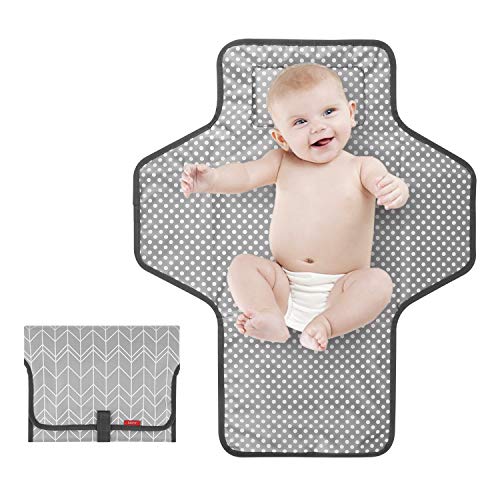
Look for a bag with smart organizational features. Insulated pockets are perfect for keeping bottles warm or cold, a built-in or separate changing pad is a must for clean diaper changes anywhere, and multiple compartments help you separate diapers from snacks and your keys from their toys. A wipe-clean interior is also a fantastic feature for inevitable spills.

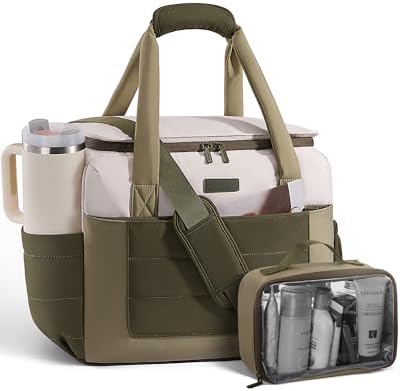
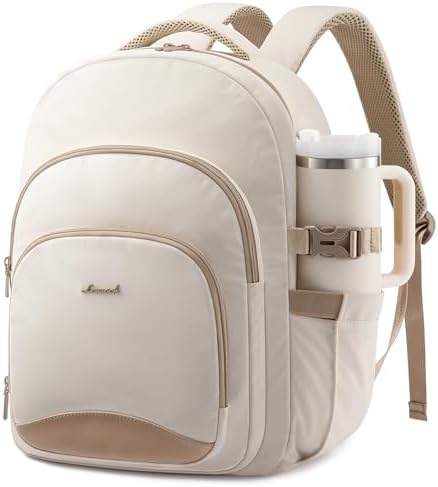
For parents who need serious organization, the Bagsmart Backpack is an amazing option. It’s designed with tons of pockets, including insulated ones, and has a wide-mouth opening so you can see everything inside at a glance. It’s stylish enough that you’ll want to use it even when you’re not with the baby. While the diaper bag holds the baby’s essentials, parents need their own space.

A dedicated travel backpack like the Tortuga Travel Backpack is perfect for your laptop, clothes, and other personal items, ensuring you don’t have to mix your gear with the baby’s.

Shop On Amazon Now

Pro Tip: Pack your diaper bag using small pouches or packing cubes. Dedicate one for feeding supplies, one for diapering, and one for a spare change of clothes. This way, you can grab exactly what you need without pulling everything out.

Sweet Dreams Anywhere: Portable Cribs and Travel Beds

Consistent sleep is the holy grail of traveling with an infant. A familiar, safe, and comfortable sleep space can make a huge difference in helping your baby adjust to a new environment. While some hotels offer cribs, their availability and cleanliness can be unpredictable. Bringing your own portable crib gives you peace of mind and helps maintain your baby’s sleep routine.

Modern travel cribs are incredibly lightweight and set up in seconds. Look for models like the BabyBjörn Travel Crib Light or the Guava Family Lotus Travel Crib, which are known for their portability and ease of use. They typically weigh between 11-15 pounds and pack down into a compact travel bag that you can carry over your shoulder or check as luggage.

Safety is the top priority. Ensure any travel crib you choose has breathable mesh sides for airflow and visibility. The mattress should be firm and fit snugly within the crib’s frame, with no gaps. For an extra layer of darkness and distraction-free sleep, consider a product like the SlumberPod, a breathable blackout canopy that fits over most travel cribs and playards.

It creates a dark, cozy nook for your baby, even in a brightly lit hotel room.

Shop On Amazon Now

Safety First: Best Infant Car Seats for Travel

Your infant’s car seat is the most important piece of safety gear, and traveling doesn’t change that. Whether you’re flying, taking a road trip, or just grabbing a taxi from the airport, having a car seat you know and trust is essential. While renting a car seat at your destination is an option, you can’t be sure of its history, cleanliness, or expiration date. Bringing your own is almost always the safer bet.

When flying, look for a car seat that is FAA-approved (it will have a sticker that says “For Use in Motor Vehicles and Aircraft”). Using a car seat on the plane is the safest way for your baby to fly. It also means your car seat is protected from being damaged as checked baggage. To make navigating the airport easier, consider a lightweight model or a car seat caddy—a simple frame with wheels that turns your car seat into a stroller.

Some of the best baby gear for travel includes innovative products like the Doona, which is a car seat and stroller in one. With the click of a button, the wheels fold down from the base of the car seat, allowing you to go from car to sidewalk in seconds. While it’s heavier than a standard infant car seat, its convenience is unmatched for city travel and quick trips.

Shop On Amazon Now

Hands-Free Exploring: Travel-Friendly Baby Carriers & Wraps

A baby carrier is an absolute must-have for any traveling parent. It allows you to keep your baby close and secure while leaving your hands free to pull a suitcase, show your boarding pass, or sip a much-needed coffee. Carriers are also perfect for navigating crowded airports, busy markets, or hiking trails where a stroller just isn’t practical.

There are several types to choose from, each with its own benefits. Soft-structured carriers (SSCs) like those from Ergobaby or Tula are popular for their ease of use, ergonomic support, and durability. They have padded shoulder straps and a supportive waistband to distribute the baby’s weight evenly, making them comfortable for long periods of wear. Look for models made from breathable mesh fabric if you’re traveling to a warm climate.

Wraps (like the Moby or Solly Baby) are made of a long piece of soft, stretchy fabric that you tie around your body. They are incredibly cozy and perfect for newborns, but they can have a bit of a learning curve. Slings are worn over one shoulder and are great for quick trips and easy in-and-out. Whichever style you choose, practice using it at home before your trip so you feel confident putting it on quickly and securely.

Taking Flight: Your Ultimate Gear Checklist for Flying with an Infant

Flying with a baby for the first time can feel intimidating, but with the right preparation and gear, it can be a total breeze. The key is to have a well-packed carry-on with everything you need at your fingertips. Here’s a checklist to ensure you’re ready for takeoff.

Your Carry-On Diaper Bag Checklist:

  1. Diapering Supplies: Pack more diapers and wipes than you think you’ll need—at least one for every hour of travel, plus extras for delays. Don’t forget diaper cream and a portable changing pad.
  2. Feeding Supplies: If you’re formula-feeding, bring pre-measured powder in a dispenser. If you’re breastfeeding, a nursing cover can offer privacy. Pack bottles, and remember that formula, breast milk, and baby food are exempt from the 3.4oz liquid rule. According to the Transportation Security Administration (TSA), these are considered medically necessary liquids.
  3. Changes of Clothes: Pack at least two full outfits for the baby and a spare shirt for yourself. Blowouts happen at the most inconvenient times!
  4. Soothing Items: Bring pacifiers (with a clip so they don’t get lost), a favorite teether, and a familiar lovey or small blanket to provide comfort.
  5. Entertainment: A few small, new, or favorite toys can work wonders. Soft books, sensory toys, or a rattle are great non-noisy options.
  6. Health Items: Pack any necessary medications, baby pain reliever, a nasal aspirator, and saline drops. The cabin air can be very dry.
  7. Plastic Bags: Bring a few gallon-sized zip-top bags or wet bags for storing soiled clothes, dirty diapers, or trash.

Pro Tip: During takeoff and landing, encourage your baby to nurse, take a bottle, or suck on a pacifier. The swallowing motion helps equalize the pressure in their ears and reduces discomfort.

Pack Smart: Compact and Lightweight Baby Items for Travel

Beyond the big-ticket items like strollers and cribs, there’s a whole world of compact and lightweight baby items designed to make travel easier. These clever gadgets solve common travel problems without weighing you down. They are the supporting cast that makes your trip run smoothly.

One of the top baby travel gear items is a portable high chair or booster seat. Many restaurant high chairs are grimy or too big for small infants. A clip-on high chair attaches directly to most tables, while a fabric travel harness can secure your baby to a regular chair. Both pack down small and ensure your baby has a safe, clean spot to eat.

Other brilliant items include a portable baby food maker for whipping up fresh meals, a travel bottle drying rack, and silicone bibs that can be rolled up and wiped clean after each meal. For bath time, an inflatable or collapsible baby bathtub is a fantastic solution for hotels that only have a shower or for parents who prefer not to use the main tub.

Keeping Them Happy: Travel-Friendly Toys and Entertainment

Entertaining an infant during long stretches of travel is all about novelty and simplicity. You don’t need to pack a whole toy chest; a few carefully chosen items will do the trick. The key is to select toys that are engaging but also quiet, easy to clean, and hard to lose.

New toys are often the most effective because they hold a baby’s attention longer. Wrap a few small, inexpensive toys in tissue paper—the act of unwrapping is part of the fun! Suction cup toys that stick to airplane tray tables or car windows are fantastic for keeping little hands busy. Soft, crinkly books with different textures, colors, and sounds are another great option that won’t disturb fellow travelers.

For older infants, a tablet loaded with their favorite shows or simple apps can be a lifesaver, but don’t forget the kid-friendly headphones! It’s also a good idea to have a few non-toy items on hand. A simple cup, a plastic spoon, or even the in-flight magazine can provide endless fascination for a curious baby. The goal is to rotate through different activities to prevent boredom from setting in.

Health & Safety on the Go: Essential Gear for Peace of Mind

Keeping your baby healthy and safe is your top priority at home, and it’s just as important when you travel. Packing a small but well-stocked health and safety kit can help you handle minor issues with confidence and avoid a frantic search for a pharmacy in an unfamiliar place.

Your kit should include a digital thermometer, baby-specific pain and fever reducer (acetaminophen or ibuprofen, depending on age), antiseptic wipes, adhesive bandages, and any prescription medications your baby takes. A nasal aspirator and saline spray are essential for stuffy noses caused by dry airplane air or new allergens. Also, pack a baby-safe sunscreen (for babies over 6 months) and a sun hat for any sunny destinations.

Beyond a first-aid kit, a portable white noise machine is one of the most recommended infant travel essentials. It helps drown out unfamiliar noises in a hotel or rental home, signaling to your baby that it’s time to sleep. Finally, if you’re staying somewhere that isn’t baby-proofed, a small kit with outlet covers and cabinet locks can provide an extra layer of safety and peace of mind.

The Nitty-Gritty: Packing Clothing and Toiletries for Your Baby

When it comes to packing your baby’s clothes, the mantra is layers, layers, layers! Weather can be unpredictable, and moving between air-conditioned interiors and warm exteriors requires flexibility. Pack versatile pieces like bodysuits, pants, sweaters, and jackets that can be easily added or removed.

Plan for at least two outfits per day, plus a few extra just in case. Spit-up, spills, and diaper blowouts are a fact of life. Using packing cubes can be a fantastic way to keep everything organized. You can use one for daytime outfits, one for pajamas, and one for outerwear.

This makes it easy to find what you need without rummaging through your entire suitcase.

For toiletries, look for travel-sized versions of your favorite baby wash, lotion, and diaper cream. You can also buy reusable silicone travel bottles and fill them from your larger containers at home. Don’t forget baby nail clippers, a soft brush, and any other grooming items you use regularly. Packing these small comforts from home can make your routine feel more normal, which is comforting for both you and your baby.

Frequently Asked Questions

What travel gear do I really need for a baby?

The absolute essentials are a safe place for them to sleep (a portable crib), a safe way to travel in a vehicle (an FAA-approved car seat), and a way to carry them (a stroller or baby carrier). Beyond that, a well-stocked diaper bag with feeding and changing supplies is non-negotiable. The other items, like portable high chairs or blackout pods, are fantastic additions that add convenience and comfort but depend on your specific travel style and destination.

Can I bring a car seat and stroller on a plane for free?

Yes, in almost all cases. Most airlines allow you to check a car seat and a stroller at the ticket counter or the gate, free of charge, as they are considered essential baby equipment. This does not count against your regular baggage allowance. We highly recommend checking your specific airline’s policy before you fly, but this is a standard practice across the industry.

Gate-checking is often preferred as it reduces the risk of damage.

How do you travel light with an infant?

Traveling light with a baby is about being smart, not sparse. First, choose multi-functional gear, like a car seat that converts to a stroller. Second, pack versatile clothing in layers instead of bulky single items. Third, consider shipping bulky items like diapers and wipes to your destination ahead of time or buying them upon arrival.

Finally, remember that you don’t need every single gadget from home—focus on the core essentials for safety, sleep, and feeding.

What are the top 3 infant travel essentials I shouldn’t forget?

If you could only pack three things, they should be: 1. A lightweight, easy-to-fold stroller or a comfortable baby carrier for getting around. 2. A portable white noise machine to help your baby sleep soundly in unfamiliar environments.

  1. A fully-stocked diaper bag backpack that keeps your hands free and all your essentials organized and within easy reach.

Final Thoughts

Embarking on your first trip with your baby is an exciting new chapter, and having the best baby gear for travel is your secret to success. By focusing on items that are portable, safe, and convenient, you can eliminate much of the stress and focus on what truly matters: making incredible memories with your growing family.

From a compact stroller that glides through airports to a perfectly organized diaper bag that makes you feel like a superhero, the right equipment empowers you to explore the world with confidence. Remember to plan ahead, pack smart, and most importantly, embrace the adventure. Happy travels!

If you’re looking for that perfect diaper bag or a parent’s carry-on, options like the Bagsmart Backpack for baby’s things and the Tortuga Travel Backpack for your own gear can make a world of difference in staying organized and stress-free.


Bagsmart Toiletry Bag for Women Review: The Ultimate Travel Organizer?

Bagsmart Toiletry Bag for Women Review: The Ultimate Travel Organizer?

Traveling should be about adventure and relaxation, not digging through a bottomless pit of a suitcase for your shampoo. We’ve all been there: leaky bottles, tangled makeup brushes, and the frantic search for that one tiny tube of lip balm. A fantastic solution to this travel chaos is the Bagsmart toiletry bag for women. This isn’t just another pouch; it’s a meticulously designed system that brings order, style, and sanity to your packing routine.

If you’re tired of travel-sized messes and want to feel perfectly organized on your next trip, you’re in the right place.

This review will break down everything you need to know about this popular travel accessory. We’ll explore its features, durability, different sizes, and why so many travelers, including those cited by Oprah Daily, swear by it. Get ready to transform your packing experience for good!

Quick Summary

  • Unmatched Organization: The bag features multiple compartments, including clear zippered pockets and elastic straps, to keep all your toiletries, cosmetics, and accessories neatly separated and visible.
  • Premium, Durable Materials: Crafted from water-resistant polyester with supple padding, this bag protects your items from spills and bumps. The sturdy zippers ensure long-lasting use trip after trip.
  • Designed for Travelers: Its lightweight construction, convenient carrying handle, and a 360-degree swivel hanging hook make it incredibly practical for any travel situation, from tiny hotel bathrooms to cruise ship cabins.
  • Incredible Value for Money: For a surprisingly affordable price, the Bagsmart bag offers features and quality often found in much more expensive travel gear, making it a smart investment for any traveler.

An Overview of Bagsmart Toiletry Bag Features

The buzz around the Bagsmart toiletry bag isn’t just hype; it’s built on a foundation of genuinely thoughtful features that solve real travel problems. At its core, this bag is designed to be the ultimate toiletry organizer for women, combining massive storage capacity with intuitive compartmentalization. It’s a system designed to make your life easier on the road.

Shop On Amazon Now

The most celebrated feature is its hanging capability. A sturdy, 360-degree swivel metal hook allows you to hang the bag on a towel rack, shower rod, or doorknob. This simple yet brilliant design element gives you full, easy access to all your products without taking up precious counter space—a true lifesaver in small hotel bathrooms or shared spaces.

Inside, you’ll find a variety of storage options. Multiple compartments cater to different needs: large main sections for full-sized bottles, transparent waterproof pockets for items prone to leaking, and smaller zippered areas for makeup or jewelry. This isn’t just a bag; it’s a portable vanity that keeps everything in its place.

Built to Last: Material and Durability Deep Dive

A travel bag is only as good as the materials it’s made from, and this is where the Bagsmart travel bag truly shines. The exterior is constructed from a high-quality, water-resistant polyester fabric. This is a critical feature for a toiletry bag, as it protects your belongings inside the bag from splashes and spills in the bathroom, and just as importantly, it protects the clothes in your suitcase from any potential leaks from your toiletries.

The material feels both soft and durable, with a supple padded design that adds a layer of protection for your fragile items like glass perfume bottles or foundation. It prevents your products from getting crushed or damaged in a packed suitcase. The stitching is clean and reinforced at stress points, like the handle and where the hook is attached, indicating a high level of craftsmanship designed to withstand the rigors of frequent travel.

Let’s talk about the zippers, because we all know a bad zipper can ruin an otherwise great bag. Bagsmart uses smooth, reliable zippers that glide open and shut without snagging. The two-way zipper on the main compartment is particularly convenient, allowing you to open the bag from either side for quick access. These small details collectively contribute to a product that feels premium and is built to be a long-term travel companion, not a disposable accessory you’ll replace after one or two trips.

Finding Your Perfect Fit: A Comparison of Bagsmart Toiletry Bag Sizes

Shop On Amazon Now

Bagsmart understands that one size doesn’t fit all when it comes to travel needs. That’s why their popular hanging toiletry bag comes in several sizes, typically small, medium, and large, allowing you to choose the perfect one for your packing style and trip duration. Choosing the right size is key to maximizing the bag’s utility.

The Small size is ideal for minimalists or for short weekend getaways. It’s compact enough to fit into a carry-on or duffel bag without taking up much space, yet it still offers excellent organization for essential travel-sized toiletries. If you’re a light packer, this is your go-to.

The Medium size hits the sweet spot for most travelers. It offers a significant increase in capacity, comfortably holding a mix of travel-sized and some full-sized items. This is the perfect choice for a week-long vacation, offering ample room for skincare, makeup, and hair products without feeling overly bulky.

For the ultimate packer or for long-term travel, the Large size is a dream come true. This version is incredibly spacious and can easily accommodate multiple full-sized bottles of shampoo, conditioner, and lotion, alongside an extensive makeup collection. It’s the ideal choice for family vacations, cruises, or for anyone who simply doesn’t want to compromise on their routine while away from home.

Feature Small Size Medium Size Large Size
Best For Weekend trips, minimalists 1-2 week vacations Long-term travel, families
Capacity Essentials, travel sizes Mix of travel & full sizes Multiple full-sized items
Typical Use Carry-on, gym bag Checked luggage, weekender Extended trips, cruises

Pro Tip: When choosing a size, consider how you pack. If you tend to overpack, sizing up to the large might be worth it even for shorter trips. The extra space prevents you from cramming items in, which can cause spills and damage.

More Than Just Functional: Style and Design Aesthetics

While functionality is paramount for a travel accessory, there’s no reason it can’t also be stylish. Bagsmart excels at creating products that are as beautiful as they are practical. The women’s toiletry bag from Bagsmart is a perfect example of this philosophy, offered in a wide array of colors and patterns to suit any personal style.

You can find options ranging from classic black and sophisticated gray to vibrant pink, serene baby blue, and trendy teal. Many of the designs feature a chic, quilted pattern that gives the bag a puffy, modern look. This aesthetic is not only visually appealing but also adds to the bag’s padded, protective quality.

The thoughtful design extends to the interior, which often features a contrasting color lining that makes it easier to see and find your items. The gold or silver-toned hardware on the zippers adds a touch of elegance, elevating the bag from a simple utility item to a fashionable travel accessory. It’s a bag you’ll be proud to hang in any bathroom, proving that you don’t have to sacrifice style for organization.

A Place for Everything: Unpacking the Organizational Genius

The true magic of the Bagsmart toiletry bag lies in its incredible organizational system. It’s clear that every pocket and compartment was designed with a specific purpose in mind, creating a logical and intuitive layout that eliminates clutter. Let’s break down the different sections that make this toiletry organizer for women so effective.

The Main Compartments

Depending on the size you choose, you’ll have one or two large main compartments. These are the workhorses of the bag, designed to hold your bulkier items. The large size can comfortably fit full-sized shampoo, conditioner, and body wash bottles standing upright. This is a huge advantage for those who don’t want to decant their favorite products into tiny travel bottles.

Clear Zippered Pockets

One of the most brilliant features is the inclusion of transparent, waterproof pockets. These are typically located on the inner flaps of the bag. The see-through design allows you to quickly identify what’s inside without having to rummage through everything. They are also waterproof, making them the perfect spot to store items that might leak, like lotions or makeup removers, containing any potential mess.

Elastic Straps

Inside the main compartments, you’ll often find sturdy elastic straps stitched into the back wall. These are designed to hold bottles, tubes, and brushes securely in place, keeping them upright to prevent spills. This feature is fantastic for maintaining order; no more items tumbling around and creating a jumbled mess during transit.

Side and Front Pockets

Most models include external zippered pockets on the sides or front. These are perfect for storing items you need to access quickly, such as makeup wipes, cotton pads, or your toothbrush. By having dedicated quick-access zones, you can grab what you need without having to fully open and unpack the entire bag.

Your Ultimate Travel Companion: Portability and Convenience

Shop On Amazon Now

Beyond its organizational prowess, the Bagsmart toiletry bag is engineered for maximum travel convenience. Every aspect of its design considers the realities of being on the move. It’s lightweight, even in the larger sizes, which is a crucial factor when you’re trying to avoid excess baggage fees. The soft-sided construction allows it to be slightly compressed to fit into tight spaces in your luggage.

A sturdy, reinforced handle on the top of the bag makes it easy to grab and carry on its own. Whether you’re moving it from your suitcase to the hotel bathroom or carrying it through an airport, the handle is comfortable and reliable. This makes it much more practical than a simple pouch that has to be cradled in your arms.

However, the star of the show for convenience is the non-slip, 360-degree swivel hook. This isn’t a flimsy plastic hook; it’s a robust metal hook that can support the weight of a fully packed bag. The ability to hang it anywhere frees up valuable counter space, which is often in short supply in hotels, cruise cabins, or hostels. It keeps your toiletries clean, dry, and perfectly accessible right at eye level.

What Real Travelers Are Saying: User Reviews and Testimonials

You don’t have to take our word for it; the Bagsmart toiletry bag has earned rave reviews from travelers all over the world. It was even featured on Oprah Daily, where Jessie Van Amburg highlighted its popularity and smart design. Similarly, publications like Condé Nast Traveler have recognized bags like these as essential for staying organized on the go.

Social media is filled with glowing testimonials. On TikTok, user Keri S calls it the “best hanging toiletry bag I’ve ever seen,” praising its massive capacity and waterproof sections. Another user, gracefullyglamblog, notes that the “amount of product you can fit in it is crazy!” This sentiment is echoed across countless reviews, with users consistently amazed by how much the bag can hold while keeping everything perfectly organized.

Of course, no product is perfect for everyone. To provide a balanced view, here’s a breakdown of the common pros and cons mentioned by users.

Pros

  • Massive Storage Capacity: Users are consistently shocked by how much they can fit inside, especially in the large model.
  • Superior Organization: The multiple compartments, clear pockets, and elastic straps receive constant praise for keeping everything neat and easy to find.
  • Durable and High-Quality: Many reviewers mention they’ve used their Bagsmart bag for years and it still looks new, highlighting its excellent construction.
  • Travel-Friendly Design: The hanging hook is universally loved and often cited as the bag’s best feature.
  • Great Value: The affordable price point for such a high-quality, feature-rich bag is a major selling point.

Cons

  • Can Become Bulky: When packed to full capacity, the large bag can be quite thick and take up significant space in a suitcase.
  • Lighter Colors May Stain: Some users note that the lighter color options can show dirt or makeup stains more easily, though they are generally easy to spot-clean.

Keeping Your Bagsmart Bag Like New: Care and Maintenance Tips

To ensure your Bagsmart travel bag lasts for years to come, a little bit of care and maintenance goes a long way. Thanks to its durable, water-resistant material, cleaning is incredibly simple. You don’t need any special products or complicated routines.

For general upkeep and minor dirt on the exterior, simply use a damp cloth with a small amount of mild soap or detergent to spot-clean the affected area. Gently wipe the surface and then use a clean, damp cloth to rinse away any soap residue. This is usually all that’s needed to keep it looking fresh.

If a spill happens inside one of the compartments, act quickly. Empty the pocket, and use a cloth or paper towel to absorb as much of the spill as possible. You can then wipe the interior lining with a damp, soapy cloth. Since many of the pockets are waterproof, the mess should be well-contained.

After cleaning, always leave the bag wide open to air dry completely before zipping it up and storing it. Never put your Bagsmart bag in a washing machine or dryer, as this can damage the internal structure, padding, and hardware.

Is It Worth the Money? Price Point and Value Analysis

When it comes to travel gear, you often get what you pay for. However, the Bagsmart toiletry bag for women represents a fantastic exception to that rule, offering premium features and durability at a price point that is accessible to almost every traveler. It delivers exceptional value for money.

While prices can fluctuate based on size, color, and the retailer, these bags are consistently affordable. To see the most current pricing, it’s best to check on Amazon. When you consider the cost of replacing cheaper, poorly made toiletry bags that fall apart after a few trips, the Bagsmart bag is a wise investment. Its robust construction means it will be your trusted travel companion for years.

Think about the “cost” of disorganization, too: the stress of searching for items, the mess from spills, and the time wasted packing and unpacking. This bag solves all those problems, effectively buying you peace of mind and a more enjoyable travel experience. For what it offers, the value is simply outstanding.

Where to Get Your Own Bagsmart Travel Bag

Ready to upgrade your travel organization? Getting your hands on a Bagsmart toiletry bag is easy. The most popular and convenient place to purchase one is on Amazon. There, you can browse the full range of sizes and colors, read thousands of customer reviews, and often take advantage of fast Prime shipping.

Buying from a major online retailer like Amazon gives you the confidence of a reliable return policy and customer service. You can compare different models side-by-side and see user-submitted photos to get a real-world sense of the bag’s size and color.

You can also purchase directly from the official Bagsmart website. This can be a good option to see the brand’s entire product line, which includes other travel organizers like jewelry cases and electronics bags. Whichever option you choose, you’re just a few clicks away from revolutionizing the way you pack.

Pro Tip: When buying on Amazon, add the bag to your cart and watch it for a few days. Prices can sometimes fluctuate, and you might catch a limited-time deal or coupon, making an already great value even better.

Frequently Asked Questions about the Bagsmart Toiletry Bag

Is the Bagsmart toiletry bag waterproof?

The bag is made from water-resistant material, which means it will effectively repel splashes, spills, and light rain. It protects the contents from moisture and prevents leaks from inside the bag from getting out into your suitcase. However, it is not fully waterproof, so you should not submerge it in water.

Can the Bagsmart bag fit full-size shampoo bottles?

Yes! The large-sized Bagsmart toiletry bag is specifically designed to accommodate several full-sized bottles (like shampoo, conditioner, and lotion) standing upright in its main compartment. The medium size can also fit one or two, but the large is the best choice if you plan to carry multiple full-sized products.

Is the Bagsmart toiletry bag TSA-approved?

The term “TSA-approved” can be a bit misleading for toiletry bags. The bag itself doesn’t require approval. What matters are the liquids inside. You must still adhere to the TSA’s 3-1-1 rule for liquids in your carry-on (3.4 ounces or 100 milliliters per container, in a 1-quart size clear bag).

This toiletry bag is fantastic for checked luggage, and its organization can make security screening smoother even with a carry-on, as you can easily pull out your clear liquids bag.

How do I clean my Bagsmart bag?

Cleaning is very easy. For most dirt or small spills, you can spot-clean the bag with a damp cloth and a bit of mild soap. Wipe the area gently and then rinse with a clean, damp cloth. Always let the bag air dry completely with the zippers open before storing it.

Final Thoughts: Is This the Best Toiletry Organizer for Women?

After a thorough review of its features, materials, and user feedback, the verdict is clear: the Bagsmart toiletry bag for women is an absolutely phenomenal travel accessory. It masterfully combines style, durability, and an almost unbelievable level of organization into one affordable package. It addresses every common pain point of packing toiletries and transforms a chaotic chore into a simple, satisfying process.

This bag is perfect for frequent flyers, road trippers, cruise lovers, gym-goers, and anyone who craves order in their life. Whether you’re a minimalist packer or someone who brings their entire bathroom cabinet along, there’s a size that will perfectly suit your needs. The convenience of the hanging hook alone is enough to make it a worthy purchase.

If you’re ready to say goodbye to travel messes and hello to effortless organization, this is the bag for you. It’s a small investment that pays huge dividends in stress-free travel. You can grab your own Bagsmart Toiletry Bag on Amazon and see for yourself why it’s a traveler’s best friend.

11 Good Travel Backpacks for Women (2025): Tested & Ranked

Bestseller #1
  • 【Versatile & Airline-Approved】Sized at 18 × 14 × 8 inches, this carry-on backpack fits perfectly under the seat or in th…
  • 【Spacious & Organized】With 40L a capacity, 4 compartments, and a lot of pockets, designed to allow you to easily separat…
  • 【3 Extra Packing Cubes & Wet Pockets】This carry-on bag includes 3 extra packing cubes – 2 storage bags and a shoe bag – …
Bestseller #2
  • 【3 Compartments & 15 Pockets】The laptop backpack features a dedicated 15.6″ laptop compartment and multiple pockets for …
  • 【Anti-Theft Pocket & Luggage Strap】This work backpack features a hidden rear zipper pocket for valuables and a luggage s…
  • 【Comfort & Durability】The college backpack combines breathable padded straps for comfort with reinforced stress points f…
Bestseller #3
  • Fashion Backpack Purse for Women : The bottom of the laptop backpack is padded and the inside where the laptop and table…
  • Plenty of Pockets & Storage : The laptop backpack for women has plenty of pockets for different types of items. The lapt…
  • Stylish & Practical Travel Backpack : The backpack has a front pocket with button fasteners and two side pockets. The si…

11 Good Travel Backpacks for Women (2025): Tested & Ranked

There’s an incredible feeling of freedom that comes with one-bag travel. No checked luggage fees, no waiting at the carousel, just you, your backpack, and an open itinerary. But finding the right travel partner—your backpack—can be the difference between a joyful adventure and a literal pain in the neck. The search for good travel backpacks for women is about more than just finding something to hold your stuff; it’s about finding a bag that fits your body, organizes your life, and empowers you to explore the world with confidence and style.

You need a pack that’s designed with a woman’s frame in mind, offering comfort for long travel days and smart features that make life on the road so much easier. Let’s find your perfect match.

What to Know

  • Fit is Everything: The best women’s travel backpacks are specifically designed for a woman’s torso length and shoulder width. Adjustable straps and a supportive hip belt are non-negotiable for comfort.
  • Size Sweet Spot: For carry-on only travel, a backpack between 30 and 45 liters is the ideal capacity. This gives you enough space for a week or more without forcing you to check a bag.
  • Clamshell is Key: Look for backpacks that open like a suitcase (clamshell style). This design gives you full access to your belongings, so you don’t have to dig through everything to find one item.
  • Organization Matters: Smart compartments, including a padded laptop sleeve, quick-access pockets, and internal dividers, are essential for keeping your gear tidy and accessible on the move.

What Makes a Great Women’s Travel Backpack?

Choosing a travel backpack isn’t like picking out a handbag. This is your mobile command center, your closet, and your office all rolled into one. The difference between a good backpack and a great one lies in the details—thoughtful design choices that cater specifically to the needs of a female traveler.

Ergonomics Designed for Women

This is the single most important factor. Women’s bodies are anatomically different from men’s. The best women’s travel backpacks account for this with shorter torso lengths, narrower shoulder straps that are curved to accommodate a chest, and hip belts shaped to sit comfortably on the iliac crest. A poorly fitting backpack will put immense strain on your shoulders and back, but a well-designed one distributes weight to your hips, allowing you to carry it for hours without discomfort.

When you try on a pack, it should feel like it’s hugging you, not fighting you.

The Magic of a Clamshell Opening

Forget the old-school, top-loading hiking packs of the past. For travel, a clamshell (or suitcase-style) opening is a must-have. This design allows the backpack to unzip completely and lay flat, giving you a full view of everything inside, just like a traditional suitcase. No more blindly rummaging through a dark cavern of clothes to find your toothbrush at the bottom.

This feature makes packing, unpacking, and staying organized in a tight hostel room or hotel an absolute breeze. It’s a simple feature that dramatically improves the travel experience.

Smart Organization is Non-Negotiable

A great travel bag anticipates your needs. This means more than just one big compartment. Look for a dedicated, padded laptop sleeve that’s easily accessible for airport security. Quick-access pockets on the top or front are perfect for stashing your passport, phone, and boarding pass.

Internal mesh pockets help separate clean clothes from dirty laundry, and a water bottle holder is essential for staying hydrated. The goal is to have a designated spot for everything, so you can find what you need, when you need it, without a frantic search.

Size Matters: How to Choose the Right Backpack Capacity

Backpack size is measured in liters, which indicates the volume of gear it can hold. Picking the right size is a delicate balance between having enough space for your essentials and avoiding the temptation to overpack. For women’s travel bags, finding that sweet spot is crucial for maintaining comfort and mobility.

The Sweet Spot: 30-45 Liters

For the vast majority of trips, from a long weekend to a multi-week European adventure, a backpack in the 30 to 45-liter range is perfect. This size is almost always compliant with airline carry-on restrictions, saving you time and money at the airport. A 40L pack, for example, can easily hold a week’s worth of clothing (if you pack smart!), a laptop, toiletries, and other essentials. This capacity forces you to be intentional with your packing, which is the cornerstone of successful one-bag travel.

Weekend Warrior (Under 30L)

If your travels are mostly short weekend getaways, a smaller pack under 30 liters might be all you need. These bags are incredibly lightweight and nimble, perfect for navigating crowded city streets or hopping on a train. They are essentially a super-powered daypack, with enough room for a couple of outfits, a tablet, and your basic necessities. They often double as a great personal item for longer trips when paired with a larger carry-on.

Long-Term Traveler (45L+)

If you’re embarking on a months-long backpacking trip through varied climates or need to carry specialized gear (like camera equipment or cold-weather clothing), you might consider a pack larger than 45 liters. However, be aware that these larger bags will almost certainly need to be checked. While they offer more space, they also come with the burden of extra weight and the hassle of checked luggage. For most travelers, learning to pack efficiently in a 40L bag is a more liberating experience.

Lightweight vs. Durable: Finding the Perfect Material Balance

The fabric of your backpack plays a huge role in its weight, weather resistance, and overall longevity. The choice often comes down to a trade-off between a lighter pack and one that can withstand more abuse. Modern materials, however, are making it easier than ever to get the best of both worlds.

The Case for Lightweight Fabrics

Every ounce counts when it’s on your back. Backpacks made from materials like ripstop nylon offer excellent strength-to-weight ratios. This means they can be surprisingly tough without adding unnecessary bulk before you’ve even packed a single sock. A lighter empty weight gives you more capacity for your actual gear while staying under strict airline weight limits.

These fabrics are often treated with a Durable Water Repellent (DWR) coating to shed light rain, keeping your belongings dry in a sudden shower.

The Power of Durability

For travelers who are hard on their gear, investing in a backpack made from ultra-durable materials is a wise choice. Fabrics like X-Pac or high-denier Cordura are known for their exceptional abrasion and tear resistance. They are built to be thrown in the back of a bus, scraped against walls, and endure the rigors of constant travel. While these materials can add a bit more weight, they provide peace of mind that your bag won’t fail you in the middle of nowhere.

Many of these premium fabrics are also inherently waterproof, offering superior protection against the elements.

Top 7 Good Travel Backpacks for Women in 2025

Alright, let’s get to the fun part! We’ve reviewed dozens of bags, focusing on comfort, organization, style, and durability to find the absolute best women’s travel backpacks. Here are our top picks for 2025.

1. Tortuga Travel Backpack 40L

The Tortuga is a legend in the one-bag travel community, and for good reason. It’s designed from the ground up to be the ultimate carry-on, replacing your suitcase with a system that’s infinitely more comfortable and organized. The women’s specific fit and height-adjustable suspension system make it a dream to carry, even when fully packed.

Its main strength is its cavernous, suitcase-style main compartment that opens flat for incredibly easy packing. The internal organization is brilliant, with enough pockets and dividers to keep everything in its place. The easily accessible laptop sleeve at the back is padded and secure, making airport security a breeze. This is the bag for the serious traveler who wants maximum organization and comfort.

Pros

  • Exceptional Organization: Thoughtful pockets and compartments for everything.
  • Superior Comfort: Height-adjustable harness and padded hip belt designed for women.
  • Maximum Carry-On Size: Sized perfectly to fit as much as possible within airline limits.

Cons

  • Heavier Frame: The robust suspension system adds a bit of weight compared to simpler bags.
  • Boxy Aesthetic: Its function-first design is more practical than stylish.

If organization and a comfortable carry are your top priorities, the Tortuga Travel Backpack is one of the best investments you can make for your travels.

2. Osprey Fairview 40

Osprey brings its legendary hiking pack expertise to the travel world with the Fairview 40. This pack is consistently rated as one of the top backpacks for women because of its incredible comfort and women-specific fit. The suspension system is second to none in this category, making it feel lighter than it is.

The Fairview features a large, lockable U-zip opening to the main compartment, giving you easy access to your gear. It also has a stowaway harness and hip belt, which is a fantastic feature for checking the bag or storing it in tight overhead compartments. Dual front compression straps help cinch down your load for a more stable carry. It’s a workhorse of a bag that’s ready for any adventure.

Pros

  • Unbeatable Comfort: The suspension system is borrowed from their award-winning hiking packs.
  • Stowaway Harness: Protects the straps during transit.
  • Durable Construction: Built to last with high-quality materials and Osprey’s lifetime guarantee.

Cons

  • Laptop Sleeve Placement: The laptop sleeve is in the front compartment, which can affect weight distribution.
  • Less Internal Organization: Relies more on packing cubes for organization.

3. Bagsmart Travel Backpack

Who says a functional travel backpack can’t be stylish and affordable? The Bagsmart Travel Backpack proves you can have it all. This bag is an organizational powerhouse, packed with clever compartments, including a dedicated section for tech, a spacious main area for clothes, and even a waterproof pocket for toiletries.

It opens a full 180 degrees for easy packing and is made from a durable, water-resistant material. What really sets it apart is its sleek, modern aesthetic that looks just as good in a business meeting as it does in a hostel. It comes in a variety of colors and offers incredible value for its price point, making it a fantastic choice for students, digital nomads, and weekend travelers.

Pros

  • Amazing Value: Premium features at a budget-friendly price.
  • Incredible Organization: Pockets and compartments for absolutely everything.
  • Stylish Design: A sleek, minimalist look that doesn’t scream “backpacker.”

Cons

  • Simpler Harness System: Lacks a hip belt, making it better for lighter loads or shorter durations.
  • Durability: While good for the price, it may not withstand the same level of abuse as premium packs.

For the traveler who wants style and organization without breaking the bank, the Bagsmart Travel Backpack is an unbeatable option.

4. Cotopaxi Allpa 35L

Instantly recognizable by its vibrant, unique colorways, the Cotopaxi Allpa is as functional as it is fun. This rugged pack is built with a durable, TPU-coated polyester that can handle any weather. Its standout feature is the full-wrap zipper that opens into a suitcase-style interior with mesh compartments on both sides.

This layout is fantastic for keeping your gear separated and organized. The Allpa comes with a stowable harness system, a padded hip belt, and a quick-access padded laptop sleeve. Cotopaxi is also a B-Corporation, so you can feel good about supporting a company committed to sustainability and ethical practices.

Pros

  • Brilliant Internal Layout: Suitcase-style mesh dividers make organization simple.
  • Extremely Durable: Tough, weather-resistant materials.
  • Unique Style: Each Del Dia pack is one-of-a-kind.

Cons

  • A Bit Heavy: The rugged materials add to the overall weight.
  • Hip Belt is Minimal: Offers some support but isn’t as robust as Osprey’s or Tortuga’s.

5. Aer Travel Pack 3 Small

For the minimalist, tech-focused traveler, Aer is king. The Travel Pack 3 Small is a masterclass in sleek, urban design and intelligent organization. It’s crafted with high-quality Cordura ballistic nylon for incredible durability and a professional look. The bag is structured to stand on its own, which is a small but appreciated feature.

The organization is meticulous, with a lay-flat main compartment, a comprehensive admin panel for all your tech accessories, and a suspended, heavily padded laptop pocket for ultimate protection. Load lifters and a comfortable harness system make it comfortable to carry, and its compact size ensures it will fit under the seat of most airplanes.

Pros

  • Sleek, Professional Look: Perfect for business or city travel.
  • Exceptional Tech Organization: The best admin panel on the market.
  • Premium Materials: Built to last with top-of-the-line fabrics and zippers.

Cons

  • Higher Price Point: It’s a premium bag with a premium price tag.
  • Smaller Capacity: At 28L, it requires very efficient packing for longer trips.

6. Peak Design Travel Backpack 30L

Peak Design’s Travel Backpack is a chameleon. It’s a beautifully designed, minimalist bag that can expand, compress, and adapt to any travel scenario. Made from a 100% recycled, weatherproof 400D nylon canvas shell, it’s both sustainable and tough. The bag features full back-panel access to the main compartment, as well as dual side-access zippers for grabbing gear on the go.

Its real genius lies in its compatibility with Peak Design’s ecosystem of packing cubes and camera cubes, allowing for near-infinite customization. The stowable straps and grab handles on all sides make it incredibly easy to handle. It’s the perfect choice for photographers or any traveler who values versatility and elegant design.

Pros

  • Incredibly Versatile: Expands from 27L to 33L.
  • Thoughtful Access Points: Access your gear from the back or sides.
  • Sustainable and Stylish: Made from recycled materials with a clean aesthetic.

Cons

  • Expensive: The bag and its accessories are a significant investment.
  • Harness is Good, Not Great: Comfortable, but not as robust as dedicated travel packs for heavy loads.

7. Pacsafe Venturesafe EXP45

For travelers whose primary concern is security, Pacsafe is the undisputed leader. The Venturesafe EXP45 is a carry-on sized backpack packed with anti-theft technology. This includes the eXomesh slashguard (a hidden steel mesh), puncture-resistant ToughZip zippers, and the Roobar Deluxe locking system that lets you secure all the zippers with a single padlock.

Despite its security focus, it’s still a highly functional travel bag. It opens like a suitcase, has internal compression straps, and a comfortable harness system. If you’re traveling through areas known for pickpocketing or just want ultimate peace of mind, this bag is an excellent choice.

Pros

  • Unmatched Security Features: The safest travel backpack you can buy.
  • Functional Travel Design: Clamshell opening and good internal space.
  • Durable Build: Designed to resist both theft and wear-and-tear.

Cons

  • Heavy: All the security features add significant weight.
  • Overkill for Some: The high-level security might be unnecessary for many destinations.

Style Meets Function: Chic Backpacks That Don’t Scream “Tourist”

Let’s be honest: you want a backpack that works well, but you also want to look good carrying it. The days of bulky, brightly colored packs being the only option are long gone. Today, many of the best women’s travel bags feature sleek, minimalist designs that blend in seamlessly in a stylish city like Paris or Tokyo.

Brands like Aer and Peak Design lead the charge with their urban-inspired aesthetics, using high-quality, structured fabrics in muted colors like black, gray, and navy. These bags look more like a professional briefcase than a traditional backpack. The Bagsmart Travel Backpack also excels here, offering a chic and modern look at a much more accessible price point. These designs allow you to go straight from the airport to a nice restaurant or a business meeting without feeling out of place.

They prove that you don’t have to sacrifice style for the sake of function.

Pro Tip: Choose a backpack in a neutral color like black, charcoal, or olive green. It will match all your outfits, look more sophisticated, and draw less attention than a brightly colored bag, which can be a plus for security.

The Rise of Sustainable Travel Bags

As travelers, we have a responsibility to protect the beautiful world we explore. Thankfully, many backpack brands are making it easier to make eco-conscious choices. Sustainability in travel gear is a growing trend, and it’s one we can all get behind.

Look for brands that use recycled materials, such as Peak Design, which uses 100% recycled nylon for its shells, or Cotopaxi’s (Re)Purpose™ Collection, which uses remnant fabric from other companies’ production runs. This not only reduces waste but also gives each bag a unique look. Additionally, look for certifications like B-Corporation (like Cotopaxi), which means the company meets high standards of social and environmental performance, accountability, and transparency. Choosing a sustainable bag is a small way to make a big impact.

Pro Packing Tips: How to Maximize Your Backpack Space

Owning the perfect backpack is only half the battle; knowing how to pack it efficiently is the other. Smart packing is a skill that will transform your travel experience, making your bag feel lighter and your life more organized. Ready to become a packing pro?

The Magic of Packing Cubes

If you’re not using packing cubes, you’re missing out. These small, zippered fabric containers are the number one tool for organization and compression. Use different colored cubes for different types of clothing (one for tops, one for bottoms, one for underwear) to find what you need instantly. Compression cubes, which have an extra zipper to squeeze out air, can reduce the volume of your clothes by up to 50%.

They are an absolute must for one-bag travel.

The Rolling vs. Folding Debate

For most clothing items, rolling is superior to folding. Tightly rolling your clothes minimizes wrinkles and allows you to pack them more densely, filling every nook and cranny of your backpack. For items that don’t roll well, like blazers or bulky sweaters, a neat, flat fold is still best. The key is to be consistent and create tight, uniform shapes that fit together like a puzzle.

The 3-Layer Packing Method

Think of packing your backpack in three layers. The bottom layer (closest to your back) should be for your heaviest items, like shoes or a toiletry bag. This keeps the center of gravity high and close to your body, making the load more stable and comfortable to carry. The middle layer is for your rolled clothes and packing cubes.

The top layer should be for items you might need to access quickly, like a rain jacket or a sweater.

FAQ: Your Top Backpack Questions Answered

What is a good size backpack for a woman traveling?

For carry-on travel, the ideal size is between 30 and 45 liters. A 40-liter backpack is often considered the sweet spot, as it provides ample space for a week or more of travel while still complying with most airline carry-on size restrictions. This size encourages efficient packing without being too restrictive.

Is a 40L backpack too big for a woman?

Not at all! A 40L backpack is not about its physical size but its volume. A well-designed 40L women’s travel backpack will have a shorter torso length and ergonomic straps that make it fit a woman’s frame comfortably. As long as the suspension system is properly adjusted, a 40L pack can be carried comfortably for long periods.

What is the difference between a men’s and women’s backpack?

Women-specific backpacks are engineered differently to fit the female anatomy. They typically feature a shorter torso length, narrower shoulder straps that are S-curved to avoid pressing on the chest, and a hip belt that is angled and padded differently to sit comfortably on wider hips. These small adjustments make a huge difference in comfort and weight distribution.

How do I pack a travel backpack to save space?

The best techniques are using compression packing cubes, tightly rolling your clothes instead of folding them, and wearing your bulkiest items (like hiking boots and your heaviest jacket) on the plane. Also, be ruthless in your packing choices—lay out everything you think you need, then put half of it back. You’ll be surprised by how little you actually need to have an amazing trip.

Final Thoughts

Finding the perfect travel backpack is a journey in itself, but it’s one of the most rewarding investments you can make in your future adventures. The right bag feels less like luggage and more like a trusted companion, ready to follow you anywhere. Remember to prioritize a women-specific fit for comfort, choose a size that matches your travel style (usually 30-45L), and never underestimate the power of smart organization.

Whether you need the supreme organization of the Tortuga Travel Backpack or the stylish, budget-friendly design of the Bagsmart Travel Backpack, there is a perfect pack out there waiting for you. Now go find it and start planning your next escape!

Carry On Travel Bags for Women: 2025 Buyer’s Guide to Finding Your Perfect Match

Bestseller #1
  • 【Versatile & Airline-Approved】Sized at 18 × 14 × 8 inches, this carry-on backpack fits perfectly under the seat or in th…
  • 【Spacious & Organized】With 40L a capacity, 4 compartments, and a lot of pockets, designed to allow you to easily separat…
  • 【3 Extra Packing Cubes & Wet Pockets】This carry-on bag includes 3 extra packing cubes – 2 storage bags and a shoe bag – …
Bestseller #2
  • Airline Approved & TSA Friendly : Experience stress-free air travel with our carry on backpack. Measuring 14″ x 8.3″ x 1…
  • Large Capacity With Great Organization : This travel backpack boasts a generous 40L capacity, perfect for 3-5 days of tr…
  • Sturdy & Comfortable : Upgraded with explosion-proof zippers and water-resistant fabric, this backpack is built for long…
Bestseller #3
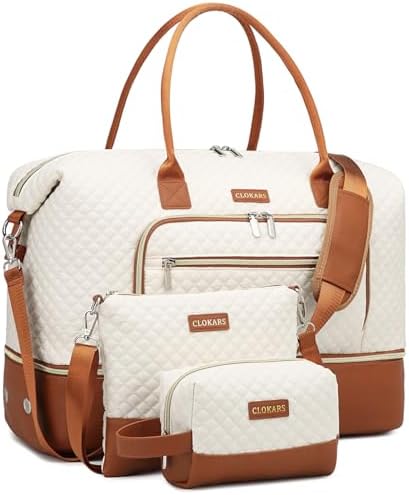
  • Stylish Design Complements Your Travel Ensemble: 3Pcs duffel bag set are featuring a sleek and modern design, coming wit…
  • Double Handles and Detachable Shoulder Strap: This duffel bag includes a 48 inch removable adjustable strap for versatil…
  • Ventilated Separate Shoe Compartment: Additional zippered bottom compartment can hold your shoes or separate clothing. I…

Carry On Travel Bags for Women: 2025 Buyer’s Guide to Finding Your Perfect Match

Finding the perfect travel companion is a huge deal, and I’m not talking about your vacation buddy. I’m talking about the one thing that holds all your essentials: your luggage. The quest for the best carry on travel bags for women can feel endless, with a sea of options in every shape, size, and color imaginable. You need something that’s not just stylish but also functional, durable, and ready to handle whatever your adventure throws at it.

Get excited, because we’re about to make that search so much easier.

This guide is your ultimate resource for navigating the world of women’s travel carry ons. We’ll break down everything from the best materials that withstand the rigors of travel to the smartest organizational features that make packing a breeze. Whether you’re a weekend warrior, a business traveler, or a globetrotting adventurer, your perfect bag is out there, and we’re going to help you find it!

What to Know

  • Size and Airline Rules are Key: Always check your airline’s specific carry-on dimensions before you buy. A standard domestic size is around 22 x 14 x 9 inches, but this can vary, especially for international flights.
  • Material Matters for Durability and Weight: Your bag’s material impacts its lifespan and how easy it is to carry. Polycarbonate is lightweight and durable for hard-shells, while ballistic nylon is a top choice for soft-shell bags.
  • Organization is a Lifesaver: Look for bags with smart compartments, like padded laptop sleeves, shoe pockets, and easy-access external pockets. Great organization saves you time and stress at the airport.
  • Wheels vs. Straps Defines Your Mobility: Rolling bags are great for smooth airport floors and saving your back, while duffels or backpacks offer more versatility for navigating stairs, cobblestone streets, and crowded spaces.

How to Choose the Right Size Carry-On Bag

Choosing the right size for your carry-on is the first and most critical step. Get it wrong, and you could be facing frustrating gate-check situations and unexpected fees. The goal is to maximize your packing space while staying within airline limits. So, what do you need to know?

First, there’s no single universal carry-on size. While many U.S. domestic airlines accept bags up to 22 x 14 x 9 inches (including wheels and handles), this isn’t a global standard. Budget airlines and international carriers often have smaller and stricter size and weight limits.

Before you even start shopping, make a list of the airlines you fly with most frequently and look up their current carry-on restrictions. This simple step can save you a world of trouble.

Next, think about your travel style. Are you a minimalist who packs light for a weekend trip, or do you need space for multiple outfits, shoes, and gear for a week-long journey. The capacity of a bag is usually measured in liters. A bag around 35-45 liters is typically a safe bet for most carry-on bins and provides ample space for a 3-7 day trip if you pack efficiently.

Don’t just look at the external dimensions; consider the interior packing space and how it’s configured.

Finally, remember that how you measure matters. Airlines include everything—wheels, handles (both retracted and extended), and exterior pockets—in their measurements. When you’re looking at a bag’s specifications, ensure those numbers are for the total exterior dimensions. A soft-shell bag might have a little more give if you over-stuff it, but a hard-shell bag is unforgiving.

Always measure a bag yourself if you’re unsure, or stick to reputable brands that list accurate, all-inclusive dimensions.

The Best Materials for Women’s Carry-On Bags

The material of your carry-on bag is the foundation of its performance. It determines the bag’s weight, durability, weather resistance, and overall look. Let’s break down the most common materials so you can choose the one that best fits your travel needs. It’s time to get nerdy about fabrics and shells!

Hard-Shell Luggage Materials

Hard-shell bags offer superior protection for fragile items and often come in a stunning array of colors and finishes. The two most popular materials are:

  • Polycarbonate: This is the gold standard for modern hard-shell luggage. It’s incredibly impact-resistant, flexible (it can bend without cracking), and extremely lightweight. It’s a fantastic choice if you want maximum protection without being weighed down. Its only minor downside is that it can be more prone to scuffs and scratches than some soft-shell materials, but many high-end options have textured finishes to hide wear and tear.
  • ABS: A more budget-friendly alternative to polycarbonate, ABS (Acrylonitrile Butadiene Styrene) is also lightweight but more rigid. While it’s still durable, it’s not as flexible under pressure, which can make it more susceptible to cracking with rough handling. Many bags use an ABS/polycarbonate blend to get the best of both worlds: the strength of polycarbonate with the lower cost of ABS.

Soft-Shell Luggage Materials

Soft-shell bags are prized for their flexibility, exterior pockets, and ability to squeeze into tight overhead compartments.

  • Ballistic Nylon: Originally developed for military flak jackets, this is one of the toughest fabrics you can find. It has exceptional abrasion and tear resistance, making it a favorite for high-quality, long-lasting luggage. It’s a bit heavier than other nylons but is built to endure years of travel.
  • Cordura Nylon: Similar to ballistic nylon, Cordura is another high-performance fabric known for its rugged durability and resistance to scuffs and tears. It’s often used in high-end backpacks and travel gear and has a slightly softer feel than the slick surface of ballistic nylon.
  • Polyester: This is the most common material found in budget-friendly soft-shell luggage. It’s lightweight and comes in a wide variety of colors and patterns. However, it’s generally less durable and abrasion-resistant than nylon. Look for a higher denier (D) rating—like 600D or higher—for better quality.

The Importance of Compartments and Organization

A great carry-on isn’t just a box to dump your things into; it’s a mobile closet designed to keep your life in order while you’re on the move. The right compartments and organizational features can transform your travel experience from chaotic to calm. A well-organized bag means you can find your laptop, liquids, or passport in seconds without having to unpack everything in the middle of the airport. It’s a total sanity-saver!

What should you look for. A padded laptop sleeve is non-negotiable for most travelers today. Ensure it’s appropriately sized for your device and offers enough cushioning to protect it from bumps. Many modern bags place this compartment for easy access at TSA security checkpoints, which is a huge plus.

Some travel backpacks even feature a lay-flat design that is TSA-friendly, meaning you don’t have to remove your laptop at all.

Beyond the tech, think about your other items. A separate compartment for shoes or dirty laundry is fantastic for keeping your clean clothes fresh. Interior mesh pockets are perfect for organizing smaller items like socks, underwear, or chargers. Easy-access exterior pockets are essential for stashing things you need to grab quickly, like your phone, boarding pass, wallet, or a water bottle.

Some bags even include specialized features like a waterproof pocket for toiletries or a wet swimsuit, which is incredibly useful.

Pro Tip: Don’t underestimate the power of a key leash! This small feature, often found inside an external pocket, saves you from the frantic search for your keys when you get home after a long trip. It’s a tiny detail that makes a huge difference.

Duffel Bags vs. Rolling Bags: Which is Right for You?

The great debate: wheels or no wheels? Both rolling carry-ons and travel duffels have their die-hard fans, and the best choice really comes down to your personal travel style and the destinations you frequent. Let’s compare these two popular types of women’s carry on bags.

The Case for Rolling Bags

Rolling suitcases are the champions of the airport terminal. They glide effortlessly down long concourses, saving your back and shoulders from carrying a heavy load. They are ideal for travelers who primarily move through airports, hotels, and paved city streets. Their structured, hard-sided or soft-sided frames also provide excellent protection for your belongings.

  • Pros: Easy to maneuver in airports, reduces physical strain, offers great protection for contents.
  • Cons: Wheels can struggle on uneven surfaces like cobblestones or stairs, and the wheel-and-handle system takes up some interior packing space.

The Case for Duffel Bags and Travel Backpacks

Duffel bags and their more structured cousins, travel backpacks, offer ultimate versatility. Without wheels, they are often lighter and can offer more packing capacity for their size. They are the perfect choice for adventurous travelers, those taking multi-stop trips with varied terrain, or anyone who needs to navigate public transportation, walk-up apartments, or crowded spaces with ease. You can throw it over your shoulder or on your back and go!

  • Pros: Lightweight, versatile for all terrains, no lost packing space to wheels, easy to store.
  • Cons: All the weight is on your body, which can be tiring over long distances if the bag isn’t ergonomically designed.
Feature Rolling Carry-On Duffel / Travel Backpack
Mobility Excellent on smooth surfaces Excellent on varied terrain (stairs, cobblestones)
Physical Strain Minimal All weight is on shoulders/back
Capacity Good, but loses some space to hardware Excellent, often maximizes interior space
Best For Business trips, city breaks, resort vacations Adventure travel, multi-destination trips, one-bag travel

Ultimately, the choice is yours! If your trips are mostly from airport to taxi to hotel, a roller is a fantastic, convenient option. If you’re a digital nomad hopping between cities in Europe or a weekend adventurer, a high-quality travel backpack might be your new best friend.

Top Stylish Carry-On Bags for Every Type of Traveler

Now for the fun part! Let’s look at some of the best and most stylish carry on travel bags for women on the market. We’ve selected a few standouts that excel in design, function, and durability, including some fantastic options you can check out right now.

For the Ultra-Organized Traveler: Bagsmart Weekender Bag

If you believe everything has its place, the Bagsmart Weekender Bag will feel like it was designed just for you. This bag is a masterclass in organization. It’s a soft-sided duffel-style bag that’s packed with thoughtful compartments to keep your travel life in perfect order.

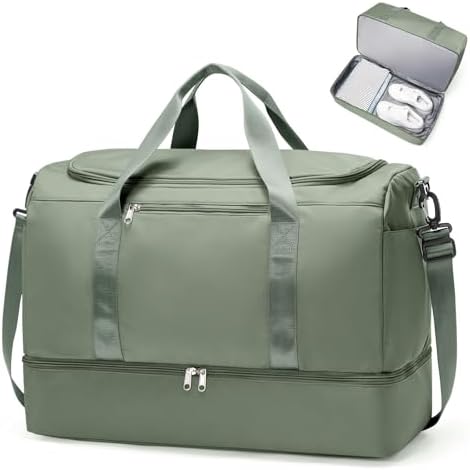
It features a dedicated, padded laptop compartment, multiple interior pockets for smaller items, and a brilliant separate shoe compartment on the bottom. This means your shoes or dirty clothes never have to touch your clean outfits! It also has a wet pocket for toiletries or damp items. The trolley sleeve on the back is a fantastic feature, allowing you to slide it securely over the handle of a rolling suitcase for easy transport.

  • Pros: Exceptional organization with dedicated compartments for shoes, laptops, and wet items. Lightweight and stylish design. The trolley sleeve is a huge convenience.
  • Cons: As a soft duffel, it offers less protection for fragile items than a hard-shell case.

For the One-Bag Globetrotter: Tortuga Travel Backpack

For those who embrace the one-bag travel lifestyle, the Tortuga Travel Backpack is a top-tier choice. This isn’t your old school backpack; it’s a highly engineered piece of luggage designed for maximum comfort and capacity while still meeting carry-on size requirements. It’s perfect for digital nomads, backpackers, and anyone who wants to stay mobile and hands-free.

The Tortuga opens like a suitcase (clamshell style), making it incredibly easy to pack and access your belongings without digging through everything from the top. It features a height-adjustable suspension system and a padded hip belt to distribute weight properly, making it comfortable to carry even when fully packed. It also includes a padded, lockable laptop sleeve and plenty of internal and external organization pockets.

  • Pros: Ergonomic, comfortable design for carrying heavy loads. Clamshell opening makes packing easy. Maximum carry-on capacity and excellent durability.
  • Cons: It’s a premium product with a higher price point. The style is more functional than high-fashion.

If you’re ready to invest in a bag that will last for years of adventure, the Tortuga Travel Backpack is an outstanding option worth considering.

Trendy Colors and Patterns for Women’s Travel Bags

Your luggage is an extension of your personal style, so why settle for boring black? Today, women’s carry on bags come in a dazzling array of colors and patterns that let you express yourself while you travel. A distinctive bag is not only fun but also much easier to spot on a crowded luggage carousel if you ever decide to check it.

Classic neutral colors are always in style and offer a sophisticated, timeless look. Think chic shades like olive green, navy blue, slate gray, and warm taupe. These colors are versatile and do a great job of hiding minor scuffs and dirt that accumulate during travel. For a touch of modern elegance, metallic finishes like rose gold, champagne, and silver on hard-shell cases are incredibly popular and look super polished.

If you love a pop of color, you’re in luck. Bold jewel tones like emerald green, sapphire blue, and deep burgundy are making a huge statement. So are soft, muted pastels like lilac, sage green, and dusty rose, which offer a feminine and trendy vibe. And of course, patterns are a fantastic way to show off your personality.

Timeless options include classic stripes and subtle florals, while more modern geometric prints and abstract designs are perfect for the fashion-forward traveler. Don’t be afraid to choose a bag that makes you smile every time you see it.

Tips for Packing Efficiently in a Carry-On Bag

Packing everything you need into a single carry-on bag is an art form. Mastering it not only saves you from checked bag fees but also makes you a more nimble and flexible traveler. Here are some tried-and-true tips to help you pack like a pro.

  1. Use Packing Cubes: These are non-negotiable for carry-on travel. Packing cubes are small zippered bags that help you compress and compartmentalize your clothing. You can use different cubes for tops, bottoms, underwear, and electronics. They keep your bag incredibly neat and make it easy to find what you need without causing a suitcase explosion.

  2. Roll, Don’t Fold: Rolling your clothes is a classic space-saving technique. It tightly compresses items and helps prevent deep-set wrinkles. For more structured items like blazers, a careful fold is better, but for most t-shirts, pants, and dresses, rolling is the way to go.

  3. Plan Your Outfits: Instead of packing individual items you might wear, plan specific outfits for each day. Choose a versatile color palette where most pieces can be mixed and matched. A few neutral bottoms (jeans, black pants) can be paired with several different tops to create multiple looks. Limit your shoes to three pairs at most: one for walking, one for dressing up, and one casual option like sandals or flats.

  4. Master the 3-1-1 Rule: For liquids, remember the TSA’s 3-1-1 rule: containers must be 3.4 ounces (100 milliliters) or less, all containers must fit in one clear, quart-sized bag, and each passenger is allowed only one bag. Invest in a set of reusable travel-sized bottles for your favorite shampoo, conditioner, and lotion.

Essential Accessories for Women’s Carry-On Bags

Once you’ve chosen the perfect bag, the right accessories can elevate your travel game even further. These small additions help you stay organized, comfortable, and prepared for anything.

  • A High-Quality Toiletry Bag: Look for one with multiple compartments, waterproof lining, and a hook for hanging. This keeps your liquids and cosmetics contained and easily accessible in tight hotel bathrooms.
  • An Electronics Organizer: Keep your charging cables, power bank, adapters, and headphones from becoming a tangled mess. A small tech pouch with elastic loops and zippered pockets is a lifesaver.
  • A Reusable Water Bottle: Stay hydrated and reduce plastic waste. Just make sure it’s empty when you go through security, and then you can fill it up at a fountain on the other side.
  • A Portable Power Bank: Don’t get caught with a dead phone. A compact power bank ensures you can stay connected, navigate to your hotel, and access your digital boarding pass.
  • A Scarf or Shawl: This is one of the most versatile travel accessories. It can be used as a blanket on a chilly plane, a fashion accessory to dress up an outfit, or a head covering when visiting religious sites.

Sustainable Options for Eco-Conscious Travelers

As we become more aware of our environmental impact, many travelers are seeking out sustainable travel gear. The luggage industry has taken notice, and there are now more eco-friendly options than ever before. Choosing a sustainable carry-on is a great way to invest in a product that aligns with your values.

One of the biggest trends in sustainable luggage is the use of recycled materials. Many brands are now creating durable and stylish bags from fabrics made of recycled plastic bottles (rPET) or recycled nylon. These materials divert waste from landfills and oceans and require less energy and water to produce than virgin materials. Look for certifications like the Global Recycled Standard (GRS) to ensure the materials are legitimately sourced.

Another key aspect of sustainability is durability. The most sustainable bag is the one you don’t have to replace for a decade or more. Investing in a high-quality, well-made bag from a brand that offers a lifetime warranty is an inherently eco-conscious choice. Brands that stand behind their products with robust repair programs help keep luggage in use and out of the trash.

Finally, consider the brand’s overall ethics. Look for companies that are transparent about their supply chain, use environmentally friendly dyes and manufacturing processes, and are committed to fair labor practices. Certifications like B Corp status or Climate Neutral certification are strong indicators that a company is serious about its social and environmental responsibilities.

FAQ: Your Carry-On Questions Answered

Navigating the rules and options for carry-on luggage can be confusing. Here are answers to some of the most frequently asked questions.

What is the best size for a women’s carry-on bag?

The best and safest size for a women’s carry-on bag is typically 22 x 14 x 9 inches (or 55 x 35 x 23 cm). This size is accepted by most major domestic airlines in the United States. However, it’s always best to check the specific restrictions of the airline you’re flying, as budget and international carriers can have smaller limits.

Is a hard-shell or soft-shell carry-on better?

This depends on your priorities. Hard-shell luggage offers better protection for fragile items and is more water-resistant. Soft-shell luggage is more flexible, often lighter, and usually features convenient external pockets for easy access to items. If you prioritize protection, go with hard-shell.

If you value flexibility and external pockets, soft-shell is a great choice.

How do I pack toiletries in a carry-on?

You must follow the TSA’s 3-1-1 rule for liquids. All liquids, aerosols, gels, creams, and pastes must be in containers of 3.4 ounces (100 milliliters) or less. All of these containers must fit into a single, clear, quart-sized zippered bag. Solid toiletries, like shampoo bars, conditioner bars, and solid perfume, are a great way to bypass this rule and save space.

Can a backpack be a carry-on item?

Yes, absolutely! A backpack can be used as your personal item (if it fits under the seat in front of you) or as your main carry-on bag (if it meets the airline’s size requirements for the overhead bin). Many travelers prefer a travel backpack as their primary carry-on for its versatility and hands-free convenience.

Final Thoughts

Choosing the right carry on travel bag is an investment in smoother, more enjoyable travels. By focusing on the right size for your airlines, a durable material that fits your style, and organizational features that simplify your life, you can find a bag that you’ll love for years to come. Whether you’re a fan of the effortless glide of a rolling bag or the go-anywhere versatility of a travel backpack, there’s a perfect match waiting for you.

Remember to consider options that cater to your specific needs. For those who thrive on order, a bag with smart compartments like the Bagsmart Weekender Bag can be a fantastic choice. And for the serious one-bag traveler who needs ergonomic support and maximum space, investing in a high-performance pack like the Tortuga Travel Backpack will pay off on every single trip.

Happy travels, and may your new carry-on be the start of many amazing adventures!

Men’s Carry On Travel Bag Buying Guide: Find Your Perfect Bag

Bestseller #1
  • 🧳【40L LARGE CAPACITY】Our travel backpacks enable you to pack all your travel essentials for a 3-5 day travel, which can …
  • ✈️【BACKPACK FOR TRAVELING ON AIRPLANES】With an 18*14*8 inches size, this travel backpack meets the standard of personal …
  • 👔【WELL-DESIGNED COMPARTMENTS】This travel backpack has 4 main compartments and 3 packing cubes supplied, which enable you…
Bestseller #3
  • 【Versatile & Airline-Approved】Sized at 18 × 14 × 8 inches, this carry-on backpack fits perfectly under the seat or in th…
  • 【Spacious 【Spacious & Organized】With a 40L, 4 compartments, and a lot of pockets, designed to allow you to easily separa…
  • 【3 Extra Packing Cubes & Wet Pockets】This carry-on bag includes 3 extra packing cubes – 2 storage bags and a shoe bag – …

Men's Carry On Travel Bag Buying Guide: Find Your Perfect Bag

Traveling should be about adventure and freedom, not about wrestling with clunky, inefficient luggage. The right men's carry on travel bag isn't just a container for your clothes; it's your mobile command center, your style statement, and your ticket to skipping those dreaded baggage claim carousels. It's the difference between a stressful sprint through the terminal and a smooth, confident glide to your gate. If you're ready to transform your travel experience, you've come to the right place.

This is your definitive guide to finding the perfect carry on bag for men that matches your style, needs, and destination.

Choosing the perfect travel companion can feel overwhelming with so many options out there. From rugged backpacks to sleek rollers, the world of men's luggage is vast. But don't worry. We're going to break down everything you need to know, from the must-have features and most durable materials to pro packing tips that will make you feel like a travel genius.

Let's get you packed and ready for your next journey.

What You'll Learn

  • Key Features are Non-Negotiable: The best carry on bags for men blend smart organization, like padded laptop sleeves and quick-access pockets, with travel-centric features like compression straps and durable, water-resistant zippers.
  • Material Makes the Bag: Your bag's longevity depends on its material. Ballistic nylon and Cordura offer incredible durability for frequent flyers, while full-grain leather provides timeless style, and polycarbonate offers rigid protection.
  • Size and Compliance are Crucial: While the standard US domestic carry on size is around 22" x 14" x 9", this can vary. Always check your airline's specific restrictions before you fly to avoid gate-check surprises.
  • Packing Strategy is Everything: Using packing cubes and a smart packing method can dramatically increase how much you can fit, turning your carry on into a surprisingly spacious travel tool.
  • Your Bag Should Match Your Travel Style: The ideal bag for a business trip is different from one for a weekend adventure. We'll help you identify which style and features best suit your typical journey.

Why a Dedicated Men's Carry On Travel Bag is a Must-Have

Let's be honest, you could probably stuff your things into any old bag and call it a day. But the modern traveler knows better. Investing in a high-quality men's carry on travel bag is one of the smartest moves you can make. Why.

It's all about efficiency, savings, and sanity.

First and foremost, you get to bypass the check-in counter and the baggage claim chaos. Imagine striding off the plane, bag in hand, and heading straight for your ride while everyone else is just starting their long wait. This alone can save you anywhere from 30 to 60 minutes per flight. Over a year of travel, that's hours of your life back!

Then there's the financial benefit. With most airlines charging $30-$40 each way for a checked bag, a single round trip could cost you up to $80 in fees. A quality carry on pays for itself after just a couple of trips. Plus, the risk of the airline losing your luggage drops to zero.

Your essentials—your tech, your change of clothes, your important documents—are always with you, safe and sound.

The Anatomy of the Perfect Carry On: Top Features to Demand

A great carry on bag for men is more than just an empty box. It's a thoughtfully designed system of compartments and features working in harmony. When you're shopping, keep an eye out for these critical elements that separate the good from the truly exceptional.

Essential Laptop & Tech Compartments

In 2024, traveling without tech is almost unthinkable. Your carry on needs a dedicated, padded laptop sleeve, preferably one that's easily accessible for quick removal at TSA checkpoints. Look for a compartment that is separate from the main clothing area to protect your electronics from bumps and spills. Bonus points for extra pockets within this section for your tablet, chargers, power bank, and cables. This keeps all your expensive gear in one secure, organized spot.

Clamshell Opening vs. Top-Loading: A Traveler's Dilemma

This is a major design difference that impacts how you pack and access your gear. Top-loading bags, like traditional backpacks, are great for unstructured packing. However, clamshell-style bags, which open flat like a suitcase, are a traveler's dream. They allow you to see and organize everything at once, using both halves of the bag efficiently. For organized packing, especially with packing cubes, a full-clamshell opening is unbeatable.

The Power of Internal Compression Straps

These simple straps are one of the most underrated features in men's luggage. Located in the main compartment, they allow you to cinch down your clothes, squeezing out excess air and creating more space. This not only lets you pack more but also keeps your items from shifting and wrinkling during transit. It's a simple feature that makes a massive difference.

Quick-Access Pockets: Your Lifeline in the Airport

Think about all the small items you need to grab in a hurry: your passport, boarding pass, phone, wallet, and keys. A well-designed carry on has strategically placed external pockets for these essentials. A pocket on the top or front of the bag means you won't have to dig through your entire pack to find your ID. Some bags even include hidden security pockets on the back panel, perfect for stashing your passport and cash securely against your body.

Built to Last: Choosing the Best Materials for Your Travel Bag

The material of your men's travel bag dictates its durability, weight, weather resistance, and overall look. This isn't just an aesthetic choice; it's a practical one that will determine how well your bag holds up to the rigors of travel.

Ballistic Nylon: The Road Warrior's Choice

Originally developed for military flak jackets, ballistic nylon is the gold standard for durable, soft-sided luggage. It has exceptional abrasion and tear resistance, making it perfect for travelers who are tough on their gear. While it's one of the heavier fabrics, its near-indestructible nature means your investment will last for years, if not decades.

Cordura Fabric: Lightweight and Tough

Cordura is another high-performance synthetic fabric known for its durability, but it's generally lighter than ballistic nylon. It offers a fantastic balance of strength and weight, making it a popular choice for travel backpacks. It's also highly resistant to scuffs and tears, ensuring it looks good trip after trip.

Full-Grain Leather: Timeless Style and Durability

For a bag that makes a statement, nothing beats full-grain leather. It's incredibly tough and develops a beautiful, unique patina over time. A leather duffel or weekender bag is a classic piece of men's luggage that exudes sophistication. The main downsides are weight and cost, and it requires more care than synthetic fabrics, but its longevity and style are undeniable.

Polycarbonate: The Hard-Shell Contender

If you're considering a hard-shell suitcase, look for 100% polycarbonate. It's a flexible and lightweight plastic that can absorb impact by flexing and then popping back into shape. This makes it incredibly durable and resistant to cracking, unlike cheaper ABS plastic. Hard-shell bags offer superior protection for fragile items but are more prone to showing scuffs and scratches.

Pro Tip: When choosing between hard-shell and soft-shell luggage, consider your packing style. Soft-shell bags offer exterior pockets and a little extra give for over-packers. Hard-shell bags provide better protection and often come in lighter-weight options.

Style Meets Function: Finding a Carry On That Looks as Good as It Performs

Your travel bag is an extension of your personal style. The good news is that you no longer have to choose between aesthetics and functionality. The latest trends in men's carry on travel bags for 2024 prove you can have both.

Minimalist and urban designs are incredibly popular. These bags feature clean lines, neutral colors like black, gray, and navy, and a distinct lack of excessive straps or logos. They are designed to transition effortlessly from the airport to the boardroom, making them perfect for business travelers. Brands like Aer and Peak Design excel in this category.

On the other end of the spectrum is the heritage or adventurer look. These bags often use materials like waxed canvas and leather, with brass hardware and a more rugged, timeless appeal. They're perfect for the traveler who values craftsmanship and a classic aesthetic. This style is all about telling a story and getting better with age.

Finally, tech integration is a growing trend. This includes bags with built-in USB charging ports (you still need your own power bank), RFID-blocking pockets to protect your credit cards, and smart, TSA-friendly layouts that make getting through security a breeze. These features are designed for the modern, connected traveler who values convenience and security.

Master Your Pack: Pro Tips for Maximizing Carry On Space

Owning the perfect carry on is only half the battle; knowing how to pack it is the other. With a few simple techniques, you can fit more than you ever thought possible into a standard-sized carry on, allowing you to travel for a week or even longer without checking a bag.

The Magic of Packing Cubes

If you're not using packing cubes, you're missing out. These small, zippered fabric containers are essential for organization and compression. They allow you to compartmentalize your clothing—one for shirts, one for underwear, one for pants. By rolling your clothes tightly and placing them in cubes, you can compress them down, saving a significant amount of space and preventing wrinkles.

The 5-4-3-2-1 Packing Method

For a week-long trip, try this simple rule to avoid overpacking. Pack no more than:

  • 5 sets of socks and underwear
  • 4 tops (t-shirts, dress shirts, etc.)
  • 3 bottoms (pants, shorts)
  • 2 pairs of shoes
  • 1 suit or jacket

This provides enough variety for a week while ensuring everything fits. Adjust the numbers based on your trip's length and activities, but use it as a starting point to curb the impulse to pack your entire closet.

Understanding the TSA 3-1-1 Liquids Rule

This is a big one that trips up many travelers. The rule is simple: all liquids, aerosols, gels, creams, and pastes must be in containers of 3.4 ounces (100 milliliters) or less. All of these containers must fit inside a single, clear, 1-quart-sized zip-top bag. And you are limited to 1 such bag per passenger. Pull this bag out of your carry on and place it in a separate bin for screening to speed up your time in the security line.

Top Men's Carry On Travel Bags: A Comparative Review

Choosing the right brand and model can be tough. We've reviewed some of the most popular options to help you decide. Here’s a look at a few top contenders that excel in different areas.

1. Tortuga Travel Backpack: The Organization King

The Tortuga Travel Backpack is designed for the serious traveler who values organization above all else. It opens like a suitcase (clamshell style) for easy packing and has a dizzying array of pockets and compartments for every piece of gear you can imagine. Its main selling point is its height-adjustable suspension system, which provides a comfortable, customized fit more akin to a hiking backpack than a travel bag.

Pros

  • Exceptional organization with numerous dedicated pockets.
  • Padded, lockable laptop and tablet sleeves.
  • Comfortable, adjustable harness system for carrying heavy loads.
  • Durable, weather-resistant sailcloth material.

Cons

  • Can be heavier and bulkier than more minimalist options.
  • The sheer number of pockets might be overkill for some users.

2. Bagsmart Carry On Backpack: The Budget-Friendly Powerhouse

For travelers who want premium features without the premium price tag, the Bagsmart Carry On Backpack is an incredible find. This bag often includes features found in much more expensive models, like multiple compartments, a dedicated laptop sleeve, and even packing cubes. It's designed to be airplane-approved and offers a surprising amount of space and organization for its price point.

Pros

  • Excellent value for the money.
  • Smart organizational features, including hideaway straps.
  • Often expandable to provide extra packing capacity.
  • Lightweight design makes it easy to carry.

Cons

  • Materials may not be as robust as premium-priced competitors.
  • The harness system is typically less sophisticated than higher-end bags.

3. Aer Travel Pack 3: The Sleek Urban Commuter

Aer has built a cult following for its minimalist aesthetic and incredibly thoughtful design. The Travel Pack 3 is the perfect example of this philosophy. It’s a sleek, stylish bag that looks right at home in a city environment but is packed with travel-ready features. It has a separate compartment for your shoes or dirty laundry, a quick-access valet pocket on top, and a lay-flat main compartment for easy packing.

It's the go-to choice for the modern professional who travels.

Pros

  • Sophisticated, minimalist design suitable for business travel.
  • Excellent build quality with ballistic nylon and YKK zippers.
  • Smart, intuitive organization and a separate shoe compartment.

Cons

  • Higher price point.
  • Its structured design can feel a bit rigid compared to other backpacks.
Feature Tortuga Travel Backpack Bagsmart Carry On Backpack Aer Travel Pack 3
Best For Maximum Organization Budget-Conscious Travelers Urban & Business Travel
Opening Style Full Clamshell Full Clamshell Full Clamshell
Laptop Sleeve Yes, Padded & Lockable Yes, Padded Yes, Padded & Suspended
Material Weather-Resistant Sailcloth Polyester 1680D Cordura Ballistic Nylon
Price Point Premium Budget Premium

Size Matters: How to Choose the Right Carry On Dimensions

This is one of the most critical factors in choosing a men's carry on travel bag. A bag that's too large will be forced into the checked luggage hold (often with a hefty fee), while one that's too small might not hold everything you need. The most common carry on size limit for domestic airlines in the United States is 22 inches x 14 inches x 9 inches (56 x 36 x 23 cm), including wheels and handles.

However, this is not universal. Budget airlines and international carriers often have smaller and stricter size and weight limits. Before you buy any piece of men's luggage, your first step should be to check the carry on restrictions for the airlines you fly most frequently. Many bag manufacturers now label their bags as "carry on compliant," but it's always your responsibility to verify.

What about a 24-inch suitcase? Generally, a 24-inch bag is considered checked luggage and will not be allowed as a carry on for most major airlines. Stick to bags marketed as 22 inches or smaller to be safe.

Navigating the Airport: Carry On Bag Etiquette and Guidelines

Having the right bag also means knowing how to use it courteously and efficiently. Good travel etiquette makes the journey smoother for you and everyone around you.

At the security checkpoint, be prepared. Have your liquids bag and large electronics (like your laptop) out of your bag before you get to the front of the line. This is where a bag with an easily accessible laptop compartment really shines.

When boarding the plane, be mindful of how you handle your bag. Don't swing it around in the narrow aisle. Place your bag in the overhead bin wheels-first or lengthwise. If your bag is a smaller backpack, the best practice is to store it under the seat in front of you.

This saves precious overhead bin space for those with larger roller bags and ensures you have easy access to your belongings during the flight.

For the most up-to-date travel rules, especially regarding prohibited items, it's always a good idea to check the official Transportation Security Administration (TSA) website before you pack.

Frequently Asked Questions About Men's Travel Bags

What is the best carry-on luggage for men?

The "best" bag is highly subjective and depends on your travel style. For business travelers, a sleek backpack like the Aer Travel Pack 3 is ideal. For long-term travelers needing maximum organization, the Tortuga Travel Backpack is a top choice. For those on a budget, the Bagsmart Carry On offers fantastic features for the price.

The key is to match the bag's features to your personal needs.

What size is a TSA approved carry-on bag?

The TSA itself does not approve specific bag sizes; individual airlines set the limits. However, the most commonly accepted size for major US airlines is 22 x 14 x 9 inches. Always confirm with your specific airline before flying, as international and budget carriers often have smaller restrictions.

Is it better to get a hard or soft carry-on?

This depends on your priorities. Soft-shell bags (made of fabric like nylon) are more flexible, can squeeze into tight spaces, and often have convenient exterior pockets. Hard-shell bags (made of polycarbonate) offer better protection for fragile contents and are often lighter. If you tend to overpack, a soft-shell bag's flexibility is a plus.

If you're carrying delicate items, a hard-shell might be better.

What is the 3-1-1 rule for carry-on?

The 3-1-1 rule is a TSA guideline for liquids. It means you can carry on liquids in containers of 3.4 ounces (100ml) or less, that all fit inside one clear, 1-quart size bag, and you are limited to 1 such bag per passenger. This includes everything from toothpaste and shampoo to lotions and gels.

Can I bring medication in my carry-on?

Yes, absolutely. In fact, it's highly recommended that you keep all prescription medications in your carry-on bag, not your checked luggage. TSA allows for medically necessary liquids in reasonable quantities exceeding 3.4 ounces. You must declare these to a TSA officer at the checkpoint for inspection.

What should I avoid when buying luggage?

Avoid buying luggage based on brand name alone; focus on features and materials. Steer clear of bags with cheap, flimsy zippers and wheels, as these are often the first parts to fail. Also, be wary of bags that are excessively heavy when empty, as this will eat into your precious weight allowance.

Final Thoughts

Your carry on is more than just luggage; it's an investment in a better travel experience. By focusing on quality materials, smart features, and the right size for your needs, you can find a men's carry on travel bag that will serve you faithfully on countless adventures to come. The freedom of traveling light, skipping lines, and having everything you need right with you is an incredible feeling.

Whether you need the supreme organization of the Tortuga Travel Backpack for a multi-week journey or the amazing value of the Bagsmart Carry On Backpack for weekend getaways, the perfect bag is out there. Now go find it, pack it up, and get ready for your next destination!

How to Choose a Lightweight Carry On Travel Bag: A Minimalist’s 2025 Guide

Bestseller #1
  • 【Versatile & Airline-Approved】Sized at 18 × 14 × 8 inches, this carry-on backpack fits perfectly under the seat or in th…
  • 【Spacious & Organized】With 40L a capacity, 4 compartments, and a lot of pockets, designed to allow you to easily separat…
  • 【3 Extra Packing Cubes & Wet Pockets】This carry-on bag includes 3 extra packing cubes – 2 storage bags and a shoe bag – …
Bestseller #2
  • Airplane Friendly Carry on Bag: The weekender bags for women size is 21.25 x 10 x 14.5 inch and meets most international…
  • Large Capacity & Multi Pockets: This 55L large capacity travel duffle bag easily packs all essentials for week-long geta…
  • Weekender Bag With Shoe Compartment: This womens travel bag features a dedicated shoe compartment at the bottom that kee…
Bestseller #3
  • Travel Backpack Carry on Flight Approved: Precisely designed at 14″x8″x18″ (40L) and 14″x8″x19.5″ (50L) to meet the stri…
  • Wet-Dry Separation for Smart Packing: Stay Organized On the Go. Meet your new favorite personal item travel bag. This ba…
  • Stay Organized & Travel Stress-Free:Meet the carry on backpack for airplanes that simplifies travel. As a travel backpac…

How to Choose a Lightweight Carry On Travel Bag: A Minimalist’s 2025 Guide

The feeling is universal: dragging a heavy, cumbersome suitcase through a crowded airport, your shoulder aching and your stress levels rising. What if you could glide through security, find overhead bin space with ease, and start your vacation the moment you land? The secret isn’t packing less—it’s packing smarter with the right lightweight carry on travel bag. This isn’t just about avoiding checked bag fees; it’s about embracing a new level of travel freedom and efficiency that will completely change how you explore the world!

Choosing the perfect bag can feel overwhelming with so many options, materials, and features to consider. But don’t worry, we’re here to break it all down! This guide is your ultimate resource for finding a compact travel bag that fits your style, protects your gear, and makes every trip an absolute breeze. Get ready to become a travel pro!

What to Know

  • Weight is Your #1 Priority: A truly lightweight bag (under 6 lbs empty) is the foundation. This allows you to pack more of what you need without tipping the scales at the gate and facing surprise fees.
  • Features Define Function: Don’t just look at a bag—look at its features. Smart organization, durable materials like ripstop nylon, and comfortable straps or smooth-rolling wheels are non-negotiable for a great travel experience.
  • Soft-Shell vs. Hard-Shell: This is a classic debate! Soft-sided bags offer flexibility and exterior pockets, making them great for over-packers. Hard-sided bags provide superior protection for fragile items and often have a sleek, modern look.
  • Size and Airline Rules are Crucial: The standard domestic carry-on size is around 22 x 14 x 9 inches, but this can vary, especially for international or budget airlines. Always double-check your airline’s specific restrictions before you fly to avoid any last-minute issues.

The Amazing Freedom of a Lightweight Carry-On Travel Bag

Switching to a light travel bag is more than a practical choice; it’s a mindset shift that unlocks a more joyful and efficient way to travel. The benefits go far beyond simply having less to carry. Imagine the pure bliss of stepping off the plane and heading straight for the exit, bypassing the chaotic baggage claim carousel entirely. That’s just the beginning!

First and foremost, you’ll save money. With most major airlines now charging for checked luggage, those fees can add up quickly, especially for a family or frequent traveler. A carry on bag eliminates this cost entirely, putting more money back in your pocket for experiences, food, and souvenirs. This financial saving is often the first motivator, but the practical benefits are what truly convert travelers for life.

Navigating busy airports, train stations, and city streets becomes incredibly easy. A lighter bag means you can move faster, lift your bag into overhead bins without assistance, and manage stairs or cobblestone streets without breaking a sweat. It reduces physical strain on your back, shoulders, and arms, leaving you with more energy to enjoy your destination. This newfound mobility is a powerful advantage, allowing you to be more spontaneous and adaptable on your journey.

Your Buying Checklist: Key Features of a Great Light Travel Bag

Finding the perfect bag means looking beyond the brand and focusing on the features that will serve you best on the road. A well-designed bag is a travel partner that anticipates your needs. Here’s what to look for when you’re on the hunt.

The Weight Factor: What’s Considered ‘Lightweight’?

This might seem obvious, but the starting weight of your bag is critical. A bag that’s heavy when empty will only become a burden once filled. Generally, a great lightweight carry-on should weigh under 6 pounds (about 2.7 kg). Some ultra-light models even come in under 4 pounds.

This low starting weight gives you maximum flexibility to pack what you need without worrying about airline weight limits, which typically hover around 22-40 pounds for carry-ons.

Organization is Everything: Pockets, Compartments, and Sleeves

A great bag isn’t just an empty box; it’s a smart organizational system. Look for bags with thoughtful compartments that help you separate your belongings. A dedicated, padded laptop sleeve is a must for digital nomads and business travelers. Interior mesh pockets are perfect for small items like socks and chargers, while exterior pockets provide quick access to essentials like your passport, phone, and boarding pass.

The goal is to have a place for everything, so you’re not digging through a chaotic mess to find one small item.

Mobility Matters: Wheels vs. Backpack Straps

How you carry your bag is a major consideration. Spinner bags with four wheels offer incredible maneuverability, gliding effortlessly alongside you in any direction. Two-wheeled roller bags are often more durable on rough surfaces like cobblestones. On the other hand, a travel backpack keeps your hands free and is ideal for navigating stairs, public transport, and uneven terrain.

Some hybrid bags even offer both wheels and stowable backpack straps for ultimate versatility.

Handles and Straps: The Comfort Connection

Don’t overlook the small details! Padded, comfortable handles (both top and side) make lifting your bag into overhead bins or car trunks much easier. If you’re choosing a backpack, look for padded, adjustable shoulder straps and a sternum strap to distribute weight evenly and reduce strain on your back. A comfortable carry can make all the difference during a long travel day.

Top 5 Lightweight Carry-On Travel Bags for 2025

Ready to find your perfect match? We’ve sorted through the options to bring you our top picks for 2025. This list includes a mix of styles and price points to help you find the ideal bag for your travel needs.

1. Tortuga Travel Backpack: Best for Ultimate Organization

For the traveler who lives by the motto “a place for everything, and everything in its place,” the Tortuga Travel Backpack is a dream come true. This bag is designed like a suitcase that you can carry on your back, opening flat for incredibly easy packing and unpacking. It’s packed with thoughtful compartments, including a padded laptop sleeve, multiple mesh pockets, and a front organization panel for all your small essentials.

Pros

  • Exceptional Organization: The clamshell design and numerous pockets make packing a breeze.
  • Comfortable Carry: Features a height-adjustable suspension system and padded hip belt to distribute weight, making it comfortable even when fully packed.
  • Durable Construction: Made from high-quality, weather-resistant materials to protect your gear.

Cons

  • Premium Price Point: It’s an investment compared to other options on the market.
  • Heavier Than Some: The robust features add a bit of weight, so it’s not the absolute lightest backpack available.

2. Bagsmart Toiletry Bag: Best for Organizing Essentials

While not a primary carry-on, no lightweight travel system is complete without brilliant organization, and that’s where the Bagsmart Toiletry Bag shines. This incredibly versatile accessory is the key to keeping your toiletries, cosmetics, and electronics perfectly organized within your main bag. Its multiple compartments and hanging hook make it a traveler’s best friend in any hotel bathroom.

Pros

  • Fantastic Organization: Multiple transparent compartments let you see everything at a glance.
  • Travel-Friendly Design: The built-in hook allows you to hang it anywhere, saving precious counter space.
  • Water-Resistant Material: Protects your other belongings from accidental spills.

Cons

  • Accessory, Not a Main Bag: This is designed to complement your primary carry-on, not replace it.
  • Can Get Bulky if Overpacked: While it holds a lot, overstuffing can make it hard to fit into a packed suitcase.

3. Monos Carry-On: Best Hard-Shell Option

For those who prefer the sleek look and protective qualities of a hard-shell bag, the Monos Carry-On is a top contender. It’s known for its minimalist aesthetic, whisper-quiet wheels, and incredibly durable polycarbonate shell. Inside, you’ll find a well-designed interior with a compression pad and zippered dividers to keep your items secure.

Pros

  • Extremely Durable: The polycarbonate shell is tough yet flexible, resisting cracks and dents.
  • Beautiful Design: Comes in a range of stunning colors with a clean, modern look.
  • Smooth and Quiet Wheels: The 360° spinner wheels are a joy to navigate through airports.

Cons

  • Scuffs Can Be Visible: Like most hard-shell luggage, it can show scuffs over time.
  • No Exterior Pockets: You won’t have quick-access pockets for items you need on the go.

4. Travelpro Maxlite 5 21″ Expandable Carry-On Spinner: Best Soft-Sided Spinner

Travelpro is a brand beloved by flight crews, and for good reason. The Maxlite 5 is famously lightweight, durable, and functional. This soft-sided spinner offers the flexibility to squeeze in a little extra, thanks to its expandable main compartment and convenient exterior pockets for last-minute items. It’s a reliable workhorse that won’t let you down.

Pros

  • Incredibly Lightweight: One of the lightest spinners on the market, giving you more weight allowance for your belongings.
  • Durable and Reliable: Made with a water- and stain-resistant coating and high-quality zippers.
  • Convenient Exterior Pockets: Perfect for stashing a jacket, book, or travel documents.

Cons

  • Basic Aesthetics: The design is more functional than fashionable.
  • Two-Position Handle: Some taller travelers may wish for more handle height options.

5. Osprey Farpoint 40: Best for Adventure Travel

If your travels involve more than just city streets, the Osprey Farpoint 40 is the backpack for you. It’s designed for adventure, with a comfortable and robust suspension system that can be stowed away for check-in or streamlined transport. The large main compartment offers plenty of space, and lockable zippers provide added security.

Pros

  • Excellent Carry System: The harness and hip belt are comfortable for carrying over long distances.
  • Versatile Design: Works as both a travel pack and a hiking pack for day trips.
  • Durable Construction: Built with tough fabrics to withstand the rigors of adventure travel.

Cons

  • Limited Internal Organization: Relies more on a large main compartment, so packing cubes are recommended.
  • Laptop Sleeve Placement: The laptop sleeve is in the front compartment, which isn’t ideal for weight distribution.

Lightweight Carry-On Bag Comparison

Feature Tortuga Travel Backpack Monos Carry-On Travelpro Maxlite 5 Osprey Farpoint 40
Type Backpack Hard-Shell Spinner Soft-Sided Spinner Backpack
Best For Organization Style & Protection Lightweight Wheeling Adventure Travel
Weight ~4.5 lbs ~6.3 lbs ~5.4 lbs ~3.1 lbs
Exterior Pockets Yes No Yes Yes
Laptop Sleeve Yes (Padded) No Yes (Some models) Yes (Padded)
Price Range Premium Mid-to-High Mid-Range Mid-Range

The Great Debate: Soft-Sided vs. Hard-Sided Carry-On Bags

This is one of the biggest decisions you’ll make when choosing a carry on bag. Both styles have passionate fans and distinct advantages. The right choice depends entirely on your packing style and travel priorities.

The Case for Soft-Sided Flexibility

Soft-sided bags, typically made from durable fabrics like nylon or polyester, are the traditional choice for many travelers. Their biggest advantage is flexibility. The fabric has some give, allowing you to squeeze in that one extra souvenir you bought at the last minute. They are also less prone to cracking under pressure and often absorb impacts better than their hard-sided counterparts.

Another major plus is the presence of exterior pockets. These are incredibly convenient for stashing items you need to access quickly without opening your entire suitcase, such as your liquids bag for security, a book, or a charging cable. Overall, if you tend to be an over-packer or value quick access to your belongings, a soft-sided bag is an excellent choice.

The Case for Hard-Sided Protection

Hard-sided luggage, usually crafted from polycarbonate or ABS plastic, offers superior protection for your belongings. If you’re traveling with fragile items like cameras, electronics, or a bottle of wine, the rigid shell provides a protective barrier that soft bags can’t match. They are also more water-resistant, keeping your clothes dry if you get caught in a downpour on the way to your hotel.

Hard-shell bags often feature a 50/50 split clamshell design, which can help with organization by allowing you to pack each half separately. Plus, they offer a sleek, modern aesthetic that many travelers love. If protecting your gear is your top priority and you prefer a more structured packing experience, a hard-sided bag is the way to go.

Pro Tip: Flight attendants often prefer soft-sided luggage because its flexibility makes it easier to fit into tight overhead compartments. However, the choice is personal—pick what best suits your packing habits!

Decoding Durability: Materials That Make a Difference

A lightweight bag is useless if it falls apart after a few trips. The material of your bag is the number one indicator of its long-term durability. Understanding the difference between fabrics can help you invest in a bag that will last for years of adventure.

Ballistic Nylon & Cordura: The Heavy-Duty Champions

If you see ballistic nylon or Cordura on a tag, you’re looking at a top-tier material. Originally developed for military use, these fabrics are incredibly resistant to abrasion, tearing, and scuffs. They are the gold standard for high-quality soft-sided luggage and travel backpacks. While they can be slightly heavier and more expensive, their longevity is unmatched.

Ripstop Nylon & Polyester: The Lightweight Contenders

Ripstop nylon is a fantastic material for a light travel bag. It’s engineered with a special grid pattern of reinforcement threads that prevent small tears from spreading into major rips. It offers an excellent balance of strength and low weight. Polyester is another common choice, particularly in more budget-friendly bags.

Look for a high denier (D) count—a measure of fabric thickness—like 600D or higher for better durability.

Polycarbonate & ABS: The Hard-Shell Heroes

For hard-sided luggage, polycarbonate is the premium choice. It’s both strong and flexible, allowing it to absorb impact and pop back into shape without cracking. 100% polycarbonate shells are more durable than blends. ABS is a lighter and less expensive plastic, but it’s also more rigid and can be more prone to cracking under stress.

A polycarbonate/ABS blend offers a good middle ground between price and durability.

Master Your Pack: Tips for Using a Compact Travel Bag

Having the right bag is only half the battle. Knowing how to pack it efficiently will maximize your space and keep you organized on the go. These tried-and-true techniques will turn you into a packing expert.

  1. The Rolling vs. Folding Method: For most clothing items like t-shirts, pants, and dresses, rolling them tightly is superior to folding. Rolling compresses the fabric, saving significant space and reducing wrinkles. For stiffer items like blazers or starched shirts, folding is still the best option.

  2. Use Packing Cubes: These small, zippered bags are essential for organization. Use different cubes to separate your clothes by type (shirts, pants, underwear) or by outfit. They not only keep your bag tidy but also compress your clothes, creating even more space.

  3. The 3-1-1 Rule for Liquids: Remember the TSA’s 3-1-1 rule for your carry-on. All liquids, aerosols, gels, creams, and pastes must be in containers of 3.4 ounces (100 milliliters) or less. All of these containers must fit into a single, clear, quart-sized, zip-top bag.

  4. Wear Your Heaviest Items: This is a classic travel hack for a reason. Wear your bulkiest items—like your hiking boots, heaviest jacket, and chunkiest sweater—on the plane. This frees up a massive amount of space and weight in your compact travel bag.

Size Matters: How to Choose the Right Carry-On Dimensions

Nothing is worse than arriving at the gate only to be told your carry-on is too big and must be checked. Understanding airline size restrictions is absolutely essential before you buy a bag.

Domestic vs. International Airline Rules

In the United States, the most common maximum carry-on size for major domestic airlines is 22 inches x 14 inches x 9 inches (56 x 36 x 23 cm), including wheels and handles. However, this is not universal. Budget airlines like Spirit or Frontier often have smaller, stricter size limits.

International airlines can be even more restrictive. Many European and Asian carriers have slightly smaller and lighter carry-on allowances. If you travel internationally frequently, it’s wise to invest in a bag that meets the most common international standards (often closer to 21 inches tall) to ensure you’re always compliant.

Pro Tip: Always check the specific carry-on allowance for the airline you’re flying before you head to the airport. The rules can and do change. A quick visit to the airline’s website can save you a lot of stress and money.

Measuring Your Bag Correctly

When you measure your bag, you must include everything that sticks out. This means wheels, handles (both carrying and telescoping), and exterior pockets. The airport sizer cage doesn’t make exceptions, so your bag’s total, true dimensions are what count. Be honest with your measurements to avoid any unpleasant surprises.

Pro Traveler Dos and Don’ts for Your Carry-On Bag

Traveling with just a carry-on is an art form. Follow these simple rules to ensure a smooth and stress-free journey every time.

  • DO weigh your bag at home. A simple luggage scale is an inexpensive investment that can save you from overweight fees. Know your airline’s weight limit and stay under it.
  • DON’T overstuff exterior pockets. While convenient, bulging pockets are the number one reason a bag might not fit into the sizer. Pack them smartly with flat items.
  • DO keep essentials easily accessible. Your passport, phone, wallet, and a pen should be in a pocket you can reach without having to unpack half your bag in the security line.
  • DON’T forget a portable charger. A dead phone can be a major travel headache. Pack a fully charged power bank in your personal item or an easily accessible pocket of your carry-on.
  • DO attach a unique luggage tag. Even though you’re not checking your bag, a tag with your name and phone number is crucial in case you get separated from your bag or it gets gate-checked.

Keeping Your Bag in Top Shape: Maintenance and Cleaning Guide

Your travel bag is an investment, and with a little care, it can last for many years. Keeping it clean and properly stored will ensure it’s ready for your next adventure.

Spot Cleaning Techniques

For most minor scuffs and spills, spot cleaning is all you need. For soft-sided bags, use a cloth with a mixture of mild soap and water to gently scrub the affected area. For hard-sided bags, a magic eraser or a simple wipe-down with a damp cloth can remove most surface marks.

Deep Cleaning Your Bag

After a long trip, your bag might need a more thorough cleaning. Start by emptying all pockets and vacuuming out the interior to remove any dust, sand, or crumbs. For the exterior, use a soft brush and a gentle soap solution to clean the entire surface. Always allow your bag to air dry completely with all zippers open before storing it to prevent mildew.

Proper Storage Between Trips

How you store your bag matters. Keep it in a cool, dry place away from direct sunlight, which can fade and weaken the fabric over time. To help it keep its shape, you can stuff it lightly with old towels or packing paper. Storing it inside a larger suitcase or a protective dust bag can also prevent it from getting dusty.

Real Traveler Insights: What Users Say About Their Bags

Lab tests and product descriptions are helpful, but sometimes the best insights come from fellow travelers. Scouring online forums and reviews reveals what people truly love—and dislike—about their bags after putting them through real-world travel.

Many travelers rave about the freedom that comes with a lightweight backpack. As one user on a Reddit discussion noted about ultra-light luggage, it’s often the simple, no-frills design that makes it so effective. The consensus is that a bag’s empty weight is a critical starting point for a successful one-bag trip.

Common complaints often revolve around uncomfortable straps on backpacks, wobbly handles on roller bags, and wheels that don’t stand up to rough terrain. This feedback highlights the importance of investing in quality construction. A bag might be light, but if the wheels break or the zipper fails mid-trip, it’s a major problem. This is why trusted brands with solid warranties often provide the best long-term value.

Frequently Asked Questions

What is considered lightweight for carry-on luggage?

For a carry-on bag, anything under 6 pounds (2.7 kg) is generally considered lightweight. Many excellent soft-sided spinners and travel backpacks fall into the 4-6 pound range. Ultra-light options can even be found under 4 pounds, which gives you a significant advantage when dealing with strict airline weight limits.

What size is a TSA approved carry on bag?

The TSA (Transportation Security Administration) doesn’t actually set size limits for carry-on bags; the individual airlines do. The most common size limit for major U.S. domestic airlines is 22 x 14 x 9 inches. However, you must always check with your specific airline, as budget and international carriers often have smaller restrictions.

Is it better to have 2 wheels or 4?

This depends on your travel style. Four-wheeled bags (spinners) are fantastic for smooth airport floors, as they glide effortlessly and can be pushed in any direction, reducing wrist strain. Two-wheeled bags (rollers) are typically more durable on rough surfaces like cobblestones or uneven sidewalks because the wheels are larger and often recessed into the bag’s frame.

Can I bring a purse and a backpack and a carry-on?

Most airlines allow one carry-on bag and one personal item. Your carry-on bag must fit in the overhead bin, and your personal item (like a purse, small backpack, or laptop bag) must fit under the seat in front of you. You generally cannot bring three separate items, so you would need to consolidate your purse and backpack into a single personal item or place one inside your larger carry-on.

What to avoid when buying luggage?

Avoid bags with a very low denier count (for fabric) as they will be less durable. Be wary of flimsy zippers and wobbly telescoping handles, as these are often the first components to fail. Also, avoid buying a bag that is heavy when it’s empty—it defeats the entire purpose of packing light and will eat into your precious weight allowance.

Final Thoughts: Your Journey to Lighter Travel Starts Now

Choosing the right lightweight carry on travel bag is your first step toward a more liberated, efficient, and enjoyable travel experience. By focusing on what truly matters—a low starting weight, smart features that fit your needs, durable materials, and the correct size—you can find a travel companion that will serve you for years to come.

Remember to weigh the pros and cons of soft-sided versus hard-sided bags and consider how you’ll be moving through your destinations. Whether you’re a hyper-organized packer or a minimalist adventurer, there is a perfect bag out there waiting for you.

If you’re ready to master your packing game, the Tortuga Travel Backpack offers unparalleled organization for the serious traveler. And for keeping all your small essentials perfectly tidy within any bag, the Bagsmart Toiletry Bag is an indispensable tool. Happy travels!
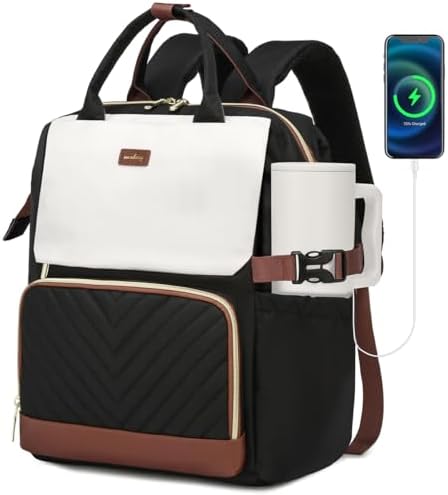
Carry On Luggage Size Dimension: A Traveler’s 2025 Buying Guide

Bestseller #1
  • waxed P600 polyester canvas| DWR coating
  • Imported
  • Made with bluesign approved, 100% recycled polyester fabrics, a waxed canvas with a PFC free durable water-resistant coa…
Bestseller #2
  • 【Effortless 360° Mobility】Glide through airports with ease. The carry-on luggage features dual 360° spinner wheels for u…
  • 【Smartly Organized Spacious Interior】Stay organized wherever you go. This hardside suitcase includes large compartments,…
  • 【Lightweight Yet Impact-Resistant】Crafted from premium ABS material, this suitcase strikes the perfect balance between s…
Bestseller #3
  • 【Effortless Mobility with Dual-Wheel Design】Travel with ease using Sweetcrispy carry-on luggage, featuring a dual-wheel …
  • 【Spacious & Organized Storage】Designed with travel convenience in mind, this suitcase offers ample storage with dedicate…
  • 【Lightweight Yet Durable Construction】Made with a sturdy ABS exterior, this luggage is lightweight for easy handling whi…

Carry On Luggage Size Dimension: A Traveler’s 2025 Buying Guide

There’s a universal moment of anxiety every traveler feels. You’re in the boarding line, your perfectly packed carry-on in hand, and you spot it: the dreaded metal luggage sizer. Suddenly, your bag looks ten times bigger than it did at home. Will it fit.

Or are you about to face the walk of shame to the gate-check counter, wallet in hand. Understanding the correct carry on luggage size dimension isn’t just about following rules; it’s about starting your trip with confidence and excitement, not stress. This guide is your ticket to mastering the art of the carry-on, ensuring you breeze through the airport every single time.

We’re going to break down everything from the standard dimensions across major airlines to the secret tips for maximizing every last inch of space. Forget guesswork and last-minute fees. By the end of this, you’ll be a carry-on pro, ready to pack smarter, travel lighter, and make every adventure smoother than ever before. Let’s get you ready for takeoff!

What to Know

  • The Golden Rule: For most domestic U.S. airlines, the standard carry-on luggage dimension is 22 x 14 x 9 inches (56 x 36 x 23 cm). This is the size that will fit in the overhead bins of most major carriers.
  • Measure Everything: When checking your bag’s size, you must include the wheels, handles (both retracted and extended), and any exterior pockets. Airlines measure the absolute total volume your bag occupies.
  • International is Different: Don’t assume your domestic carry-on will work for international flights. Many European and Asian airlines, especially budget carriers, have smaller and stricter carry on size limits.
  • Weight is a Factor: While many U.S. airlines don’t have a strict weight limit for carry-ons, most international airlines do, typically ranging from 7 to 10 kg (15 to 22 lbs). Always check the weight policy!

Understanding Airline Carry-On Luggage Restrictions

Ever wonder why airlines are so strict about carry-on luggage dimensions. It’s not just to make your life difficult, I promise. The primary reasons are safety and space. Overhead bin space is a finite resource, and standardized sizes ensure that there’s a fair chance for everyone to store their bag.

More importantly, bags that are too large or heavy can become safety hazards during turbulence if they don’t fit securely in the bins.

This is where the infamous luggage sizer at the gate comes into play. This metal cage is the airline’s final word on whether your bag flies in the cabin with you. If your bag can’t slide in and out of the sizer easily, the gate agent has every right to make you check it, often for a hefty fee. This is especially true on full flights where overhead space is at a premium.

It’s also crucial to understand the difference between a “carry-on” and a “personal item.” You are typically allowed one of each. Your carry-on bag goes in the overhead bin. Your personal item—like a purse, laptop bag, or small backpack—must be small enough to fit under the seat in front of you. The dimensions for personal items are much smaller, so don’t try to pass off a second suitcase as a personal item!

Standard Dimensions for Carry-On Luggage Across Major Airlines

While there’s a general consensus, the exact carry on luggage dimensions can vary slightly from one airline to another. Knowing the specifics for the airlines you fly most often can save you a world of trouble. The most common size you’ll see for major U.S. carriers is 22 x 14 x 9 inches.

Here’s a quick breakdown of the standard luggage size for carry on for some of the biggest domestic airlines as of early 2025. Remember, these can change, so always double-check the airline’s website before you fly!

Airline Carry-On Dimensions (Inches) Carry-On Dimensions (CM)
American Airlines 22 x 14 x 9 56 x 36 x 23
Delta Air Lines 22 x 14 x 9 56 x 36 x 23
United Airlines 22 x 14 x 9 56 x 36 x 23
Southwest Airlines 24 x 16 x 10 61 x 41 x 25
JetBlue 22 x 14 x 9 56 x 36 x 23
Alaska Airlines 22 x 14 x 9 56 x 36 x 23

As you can see, Southwest is the generous outlier, offering a significantly larger allowance. This makes them a fantastic option if you tend to be a heavy packer. However, relying on their larger size could get you in trouble if you have a connecting flight on a different airline with stricter rules. The safest bet is to purchase a bag that adheres to the more common 22 x 14 x 9 inch standard.

How to Measure Your Carry-On Luggage Correctly

Measuring your bag seems simple, but it’s where many travelers make a critical mistake. You can’t just measure the main compartment. You have to measure the entire bag, from the very bottom of the wheels to the very top of the handle, and from the back to the front of the most stuffed pocket. Here’s how to do it right:

  1. Get a Tape Measure: A simple retractable tape measure is your best friend here.
  2. Measure the Height: Place the bag upright. Measure from the floor to the highest point of the bag. If it’s a roller bag, this means from the bottom of the wheels to the top of the handle when it’s fully retracted. For a backpack, measure from the base to the very top.
  3. Measure the Width: Turn the bag to face you and measure from the widest point on the left to the widest point on the right. This includes any side handles or pockets.
  4. Measure the Depth: Turn the bag to its side and measure from the back to the front. Make sure to include the depth of any front pockets, even if they are empty. Soft-sided bags can bulge when packed, so it’s wise to measure it after you’ve packed for a trip to get a realistic dimension.

Pro Tip: After packing your soft-sided carry-on, try to press it into a corner or against a wall to simulate the luggage sizer. If it bulges significantly beyond its empty dimensions, you may need to repack or remove a few items. That extra inch from an overstuffed front pocket is often what causes a bag to fail the sizer test.

Differences Between Domestic and International Carry-On Size Limits

This is a huge one! The carry-on that served you perfectly for years of domestic travel might suddenly become a checked bag on your first trip abroad. Many international airlines, particularly budget carriers in Europe (like Ryanair or EasyJet) and Asia, have noticeably smaller carry on size limits.

Why the difference. Planes used for shorter international hops are often smaller, with less overhead bin space. Additionally, these airlines often have stricter weight limits to manage fuel costs and aircraft balance. It’s common to see international limits closer to 21.5 x 15.5 x 9 inches (55 x 40 x 23 cm), and sometimes even smaller.

The weight limit is also more heavily enforced, with many capping carry-ons at 7 kg (about 15.4 lbs) or 10 kg (22 lbs).

This is where checking the airline’s policy is non-negotiable. If your itinerary involves multiple airlines, you must adhere to the rules of the strictest one. For example, if you fly Delta to Paris and then connect on Air France to Nice, you need a bag that meets Air France’s potentially smaller requirements. Many seasoned international travelers opt for a slightly smaller “international-sized” carry-on to ensure they are compliant no matter where their travels take them.

Tips for Maximizing Space in Your Carry-On Bag

Getting a compliant bag is half the battle; packing it efficiently is the other half. Every inch counts when you’re trying to fit a week’s worth of outfits into a 22-inch frame. Here are some incredible tips to become a packing master!

First, embrace packing cubes. These fabric organizers are more than just hype; they compress your clothes, allowing you to fit more while keeping everything incredibly organized. You can designate cubes for shirts, pants, and underwear, so you’re not digging through your entire bag for a pair of socks.

Second, learn the art of rolling your clothes. For most items like t-shirts, pants, and dresses, rolling them tightly instead of folding them flat saves a surprising amount of space and can help reduce wrinkles. For bulkier items like blazers, a careful fold is still best. Many travelers swear by the 1-2-3-4-5-6 packing rule for a week-long trip: 1 hat, 2 pairs of shoes, 3 pairs of pants/skirts, 4 shirts, 5 pairs of socks, and 6 pairs of underwear.

It’s a great starting point for minimalist packing.

Finally, think strategically about what goes in the bag versus what you wear on the plane. Always wear your bulkiest items—your hiking boots, your heaviest jacket, your thickest sweater. This frees up a massive amount of real estate inside your luggage. To keep all your smaller items like chargers, toiletries, and documents in order, a dedicated organizer like the Bagsmart Toiletry Bag can be a lifesaver, preventing a tangled mess of cables and leaky shampoo bottles.

Popular Carry-On Luggage Brands and Their Specifications

When you’re ready to invest in a new carry-on, the options can be overwhelming. You have traditional hardshell and softshell roller bags, and then you have a whole world of travel backpacks designed for maximum efficiency. The key is to find one that fits your travel style and, most importantly, the airline sizer.

Brands like Samsonite, Away, and Monos are famous for their sleek hardshell roller bags that typically come in standard domestic (22x14x9) and international sizes. They offer great protection for your belongings but can be rigid and unforgiving if you overpack.

However, there’s a growing movement of travelers who swear by travel backpacks, and for good reason! A bag like the Tortuga Travel Backpack is specifically designed to maximize every cubic inch of the carry-on allowance. It’s built to the peak dimensions, giving you a massive amount of packing space in a soft-sided, flexible design. This flexibility means you can often squeeze it into a tight sizer where a rigid hardshell might fail.

Why Consider a Travel Backpack like Tortuga?

  • Maximum Space: Its rectangular shape is more efficient than the curved designs of many traditional suitcases, eliminating wasted space.
  • Hands-Free Travel: Navigating crowded airports, train stations, or cobblestone streets is infinitely easier with a backpack than with a roller bag.
  • Organization: It opens like a suitcase (clamshell style), so you can see and access everything without digging from the top down. It’s packed with pockets and compartments for laptops, documents, and accessories.

Pros

  • Conforms to most major airline carry-on size limits.
  • Huge, organized main compartment with easy access.
  • Padded laptop sleeve and comfortable, adjustable straps.

Cons

  • Can get heavy if you pack it to full capacity.
  • The aesthetic might not be for travelers who prefer a traditional suitcase look.

A travel backpack isn’t for everyone, but if your goal is to carry the most possible stuff without checking a bag, it’s an option you absolutely have to consider. As one user on Reddit’s r/onebag community mentioned, “Switching to a travel backpack was the best decision I ever made. No more dragging a suitcase over curbs or worrying about broken wheels.”

The Importance of Weight Restrictions for Carry-On Luggage

While travelers in the U.S. are often obsessed with dimensions, frequent international flyers know that weight is just as important. Many domestic carriers like Delta and American don’t publish a specific weight limit for carry-on bags, simply stating they must be light enough for you to lift into the overhead bin yourself. This is not the case elsewhere in the world.

Step up to a check-in counter for British Airways, Lufthansa, or Qantas, and there’s a good chance they’ll ask you to place your carry-on on the scale. The limits are often strict, commonly set at 7 kg (15 lbs), 8 kg (17 lbs), or 10 kg (~22 lbs). If your bag is even slightly over, you’ll be forced to check it, which can come with unexpected fees, especially on budget airlines.

Why the strictness. It comes down to aircraft weight and balance calculations, which are critical for flight safety and fuel efficiency. To avoid getting caught, it’s essential to invest in a lightweight suitcase to begin with. Some heavy, feature-rich bags can eat up 8-10 lbs of your allowance before you’ve even packed a single sock.

Also, a small, portable digital luggage scale is one of the best travel accessories you can buy. Weighing your bag at your hotel before heading to the airport can save you from a stressful and expensive surprise at check-in.

Common Misconceptions About Carry-On Size Regulations

Navigating the world of carry-on rules can be confusing, and there are a few common myths that trip up even experienced travelers. Let’s bust some of the biggest ones so you can fly with total confidence.

Myth 1: “If it looks about the right size, it’s probably fine.”
This is a dangerous gamble. A gate agent’s perception of your bag can be influenced by how full the flight is or how their day is going. The only thing that matters is whether it fits in the sizer. A bag that is just one inch too tall or too wide will not fit, period.

Myth 2: “The rules are the same for all tickets on the same airline.”
Not anymore! With the rise of “Basic Economy” fares, the rules have become more complex. On many major airlines, a Basic Economy ticket only allows you to bring a personal item that fits under the seat. If you show up with a full-sized carry-on for the overhead bin, you’ll be forced to check it and pay both the checked bag fee and an additional gate handling charge.

Myth 3: “Soft-sided bags are always a safe bet because they can squish down.”
While they offer more flexibility than hardshell bags, this is not a guarantee. The main culprit is the overstuffed front pocket. Even if the main compartment of your bag is compliant, a bulging front pocket can add inches to the depth, causing it to fail the sizer test. It’s a common sight to see travelers frantically trying to rearrange items at the gate to make their bag fit.

Future Trends in Carry-On Luggage Design and Size Standards

What does the future hold for the humble carry-on? The industry is constantly evolving, driven by new materials, technology, and changing airline policies. One of the biggest trends is the focus on ultra-lightweight materials. Brands are using advanced polycarbonates and durable fabrics to create bags that are incredibly strong yet weigh a fraction of their older counterparts, preserving more of your precious weight allowance for your actual belongings.

Smart luggage was a major trend a few years ago, featuring built-in batteries for charging devices, GPS trackers, and digital scales. However, airline restrictions on lithium-ion batteries in checked baggage have cooled this trend. The future of smart luggage will likely focus on removable battery packs and other TSA-compliant features.

Another major shift is the rise of the under-seat carry-on. As overhead bin space becomes more contested and airlines push Basic Economy fares, more travelers are opting for smaller bags that are guaranteed to stay with them, fitting neatly under the seat. These bags are perfect for minimalist travelers on short trips. Will airlines continue to shrink the standard carry-on size.

It’s possible. As airlines look for more ways to generate ancillary revenue, some industry experts speculate that we could see a future where only the smallest bags are free, but for now, the 22x14x9 standard remains the benchmark for most travelers.

Frequently Asked Questions About Carry-On Luggage Size

What is the TSA approved carry-on luggage size?

This is a common point of confusion. The Transportation Security Administration (TSA) does not set size or weight limits for carry-on luggage. The TSA is focused on security screening—what you can and cannot bring in your bag (like the 3-1-1 liquids rule). The size and weight restrictions are set by the individual airlines, which is why they can vary.

Is a 24 inch suitcase too big for carry-on?

Yes, for almost all major airlines, a 24-inch suitcase is too tall to be used as a carry-on. The standard height limit is 22 inches. The only notable exception in the U.S. is Southwest Airlines, which allows bags up to 24 inches tall. If you try to bring a 24-inch bag on an American, Delta, or United flight, you will be required to check it.

Can a 22 inch luggage be a carry-on?

Absolutely! A suitcase that is 22 inches tall is the standard, most widely accepted size for carry-on luggage for domestic U.S. travel. As long as its other dimensions (width and depth) are also within the typical 14 x 9-inch limits, you should have no problem on most major carriers.

Can I bring a purse and a backpack and a carry-on?

No. The standard rule for most airlines is two items total: one carry-on bag to go in the overhead bin and one smaller personal item to go under the seat in front of you. You cannot bring three items. You would need to consolidate so that you have only one carry-on and one personal item. For example, you could put your purse inside your backpack to count as one personal item.

How do I tell if my suitcase is carry-on size?

The only way to know for sure is to measure it with a tape measure. As detailed above, you must measure the height (including wheels and handles), width, and depth. Compare these measurements to the stated limits on your airline’s website. Don’t rely on the manufacturer’s tag, as they sometimes list the interior dimensions, not the true exterior size that the airline will measure.

Which airline has the strictest carry-on policy?

Among major international carriers, budget airlines like Ryanair and EasyJet are famously strict, with very small size allowances and low weight limits that are rigorously enforced. For domestic U.S. travel, Spirit and Frontier have some of the smallest personal item allowances and charge for full-sized carry-ons. Always read the fine print when flying a budget airline.

Final Thoughts: Choosing the Perfect Carry-On for Your Adventures

Navigating the world of carry on luggage size dimensions doesn’t have to be a source of travel stress. By understanding the standard sizes, knowing how to measure your bag correctly, and always checking your specific airline’s rules, you can walk onto every flight with peace of mind. The key is preparation. A few minutes of research before you fly can save you from hefty fees and a frustrating start to your trip.

Remember to consider your personal travel style. Are you a weekend warrior who needs something small and efficient, or a long-term traveler trying to maximize every inch? Whether you choose a classic roller bag or a modern travel backpack, the perfect piece of luggage is out there waiting for you.

If you’re looking for a bag that’s built from the ground up to maximize space while staying compliant, a travel backpack is an incredible option. For travelers who want ultimate flexibility and capacity, the Tortuga Travel Backpack is worth a serious look. And to keep that spacious interior perfectly organized, pairing it with smart accessories from a brand like Bagsmart creates a truly unbeatable travel system. Happy travels!

Carry On Size Luggage Dimensions: The Savvy Traveler’s Guide to Avoiding Fees

Bestseller #1
  • 【Effortless 360° Mobility】Glide through airports with ease. The carry-on luggage features dual 360° spinner wheels for u…
  • 【Smartly Organized Spacious Interior】Stay organized wherever you go. This hardside suitcase includes large compartments,…
  • 【Lightweight Yet Impact-Resistant】Crafted from premium ABS material, this suitcase strikes the perfect balance between s…
Bestseller #2
  • External Dimensions(including wheels and handles): 22×14.5×9.8 IN(Expanded: 22×14.5×10.8 IN), Internal Dimensions: 19.2*…
  • Maximize Packing Capacity: Our carry on suitcase 22 x 14 x 9 airline approved features a zipper expansion, adding 10% ex…
  • Convenient Front Pocket Design: This carry-on luggage with laptop compartment features a 15.6″ laptop sleeve, mesh organ…
Bestseller #3
  • Enhanced Travel Experience: Stay organized and connected on the go with the built-in 3-in-1 cup holder, phone holder, an…
  • Effortless Maneuverability: Enjoy smooth and easy navigation with the 360-degree 4-wheel system, allowing you to effortl…
  • Convenient Accessibility: The top and side carry handles provide multiple carrying options, making it convenient to lift…

Carry On Size Luggage Dimensions: The Savvy Traveler’s Guide to Avoiding Fees

There’s a universal moment of anxiety every traveler knows: that slow walk up to the boarding gate, eyes darting between your carry-on bag and the unforgiving metal sizer. Will it fit. Or are you about to get hit with a surprise gate-check fee. Understanding the nuances of carry on size luggage dimensions isn’t just about following rules; it’s about starting your trip with confidence, saving money, and keeping your essential items with you.

This guide is your ultimate ticket to mastering the world of carry-on luggage, so you can breeze through the airport like a seasoned pro.

Getting the right carry on bag size is one of the biggest travel hacks you can learn. It eliminates stress and ensures your journey is as smooth as possible from the moment you leave your house. We’re going to break down everything you need to know, from the standard measurements to the sneaky differences between airlines that can catch you off guard. Get ready to pack smarter and travel better!

What to Know

  • The Unofficial Standard: While it varies, the most common domestic carry-on luggage size is approximately 22 x 14 x 9 inches (56 x 36 x 23 cm). However, you must always check your specific airline’s rules before you fly.
  • Measure Everything: Airlines count wheels, handles, and exterior pockets in the total luggage dimensions for carry on. A bag that’s 22 inches tall without its wheels might be 23.5 inches with them, making it too large.
  • International vs. Domestic: International and budget airlines often have stricter and smaller size and weight restrictions than major domestic carriers. Never assume the rules are the same.
  • Weight Matters Too: Many airlines, especially international ones, enforce carry-on weight limits, typically ranging from 15 to 22 pounds (7 to 10 kg). An oversized bag is an obvious target, but an overweight one can also lead to forced checking.
  • Personal Items Are Different: Your carry-on bag is separate from your personal item (like a purse or laptop bag). Understanding the difference can double your packing space without breaking the rules.

Decoding the Numbers: Common Carry-On Dimensions for Major Airlines

The single most important step before packing is checking your airline’s specific carry-on policy. These rules can and do change, and what was acceptable on your last flight might not be on your next. Budget airlines, in particular, are known for having smaller allowances to encourage passengers to pay for checked bags.

To give you a head start, here’s a quick-reference chart of the current carry-on size luggage dimensions for some of the world’s most popular airlines. Remember, these are the maximum dimensions and include all parts of the bag—wheels and handles included! Always double-check the airline’s website for the most up-to-date information before you travel.

Airline Dimensions (Inches) Dimensions (Centimeters) Weight Limit Notes
American Airlines 22 x 14 x 9 in 56 x 36 x 23 cm Not specified Personal item also allowed
Delta Air Lines 22 x 14 x 9 in 56 x 36 x 23 cm Not specified For some international routes
United Airlines 22 x 14 x 9 in 56 x 35 x 23 cm Not specified Basic Economy has stricter rules
Southwest Airlines 24 x 16 x 10 in 61 x 41 x 25 cm Not specified One of the most generous policies
JetBlue 22 x 14 x 9 in 55.88 x 35.56 x 22.86 cm Not specified Blue Basic fares do not include a carry-on
Spirit Airlines 22 x 18 x 10 in 56 x 46 x 25 cm Not specified Paid carry-on only. Personal item is free but tiny.
British Airways 22 x 18 x 10 in 56 x 45 x 25 cm 51 lbs (23 kg) Very generous weight limit
Lufthansa 21.6 x 15.7 x 9 in 55 x 40 x 23 cm 17.6 lbs (8 kg) Strict on weight
Ryanair 15.7 x 9.8 x 7.8 in 40 x 25 x 20 cm Not specified This is for the free small bag. Larger carry-ons must be paid for.
Air Canada 21.5 x 15.5 x 9 in 55 x 40 x 23 cm Not specified Must be light enough to lift into bin unassisted

As you can see, there’s no single universal size. The difference of an inch or two might seem small, but it can be the difference between boarding smoothly and paying a hefty fee at the gate. As one user on a Reddit travel forum pointed out, the fear of getting a strict gate agent is real, and it’s always better to be safely within the limits than to risk it.

How to Measure Your Carry-On Luggage Like a Pro (And Avoid Gate-Check Fees!)

Measuring your bag seems simple, but it’s easy to get wrong. Airlines measure the total exterior dimensions, and that’s where many travelers get tripped up. Here’s a foolproof, step-by-step guide to measuring your carry-on luggage size correctly.

Step-by-Step Measurement Guide

  1. Empty the Bag: For the most accurate measurement, especially with soft-sided luggage, make sure the bag is empty. Over-stuffing can cause it to bulge and exceed the limits.

  2. Measure the Height: Place the bag upright. Using a tape measure, measure from the very bottom of the wheels to the very top of the handle in its most compressed position. Don’t just measure the case itself; the wheels and handles absolutely count!

  3. Measure the Width: Turn the bag to face you. Measure from the widest point on the left to the widest point on the right. This includes any side handles, pockets, or feet that stick out.

  4. Measure the Depth: Turn the bag to its side. Measure from the back of the bag to the most forward-protruding part on the front, which is often an exterior pocket. Be honest here—if a pocket is bulging with items, that counts.

Write down these three numbers (Height x Width x Depth) and compare them directly to your airline’s policy. If any single dimension is over the limit, your bag is technically too large.

Pro Tip: Create your own luggage sizer at home. Find a cardboard box and cut out a rectangle with your airline’s maximum dimensions (e.g., 22×14 inches). If you can pass your bag through that opening without forcing it, you’re good to go on height and width. Use the 9-inch depth as a guide for the third dimension.

Domestic vs. International Flights: Navigating Different Carry-On Rules

A common mistake is assuming the carry-on bag that was fine for your flight from New York to Los Angeles will also be fine for your trip to Paris. Unfortunately, that’s often not the case. There are significant differences in luggage dimensions for carry on between domestic (especially in the U.S.) and international carriers.

Generally, major U.S. airlines like American, Delta, and United have settled around the 22 x 14 x 9 inch standard. This size is widely accepted for domestic travel within the United States. However, once you fly internationally, the rules often get stricter.

Many European and Asian airlines have slightly smaller and lighter restrictions. For example, Lufthansa’s limit is 21.6 x 15.7 x 9 inches, and they are notoriously strict about their 8 kg (17.6 lb) weight limit. Budget international carriers like Ryanair have even smaller free allowances, essentially limiting you to a small backpack that must fit under the seat in front of you unless you pay extra for a larger carry-on.

Why the difference. International flights are often on different types of aircraft with varying overhead bin sizes. Furthermore, international budget airlines build their business model on ancillary fees, and charging for baggage—both checked and carry-on—is a primary source of revenue. They are highly motivated to enforce their rules strictly.

So, if your itinerary includes an international leg, always pack according to the rules of the most restrictive airline on your ticket.

Beyond Dimensions: Understanding Carry-On Weight Restrictions

While U.S. domestic carriers rarely weigh carry-on bags, it’s a completely different story internationally. A bag that fits perfectly in the sizer can still be rejected if it’s too heavy. This is a crucial part of the carry on luggage size equation that many travelers overlook until it’s too late.

Weight restrictions are primarily in place for safety reasons—flight attendants and passengers need to be able to lift bags into the overhead bins safely. They also help manage the overall weight and balance of the aircraft. International airlines and budget carriers are far more likely to have scales at the check-in counter and even at the gate to enforce these limits.

Here are some common weight limits to be aware of:

  • Qantas: 7 kg (15 lbs)
  • Singapore Airlines: 7 kg (15 lbs)
  • Lufthansa: 8 kg (17.6 lbs)
  • KLM: 12 kg (26 lbs) total for carry-on and personal item
  • British Airways: 23 kg (51 lbs) – extremely generous!

If you’re a heavy packer, this is critical information. To stay under the limit, consider wearing your heaviest clothing items (like boots and jackets) on the plane. Pack travel-sized toiletries, and think critically about whether you truly need that extra pair of shoes. A portable luggage scale is a fantastic investment to avoid any surprises at the airport.

Personal Item vs. Carry-On: What’s the Real Difference?

This is one of the most common areas of confusion for travelers. The good news is that on most major airlines (excluding some basic economy fares), you are allowed one carry-on bag AND one personal item. Used strategically, this can nearly double your packing capacity!

So, what’s the difference?

  • The Carry-On Bag: This is the larger of the two items, typically a small roller suitcase or a large travel backpack. It must fit within the airline’s specified carry on size luggage dimensions (e.g., 22x14x9 inches) and is meant to be stored in the overhead bin.

  • The Personal Item: This is a much smaller item that must fit completely under the seat in front of you. There are no wheels allowed. Think of items like a purse, a laptop bag, a small backpack, a briefcase, or a camera bag. While some airlines list maximum dimensions (e.g., 17 x 10 x 9 inches on United), the primary rule is that it must fit under the seat.

Your personal item is the perfect place to store things you need to access during the flight: your book, headphones, snacks, medications, and important documents. It’s also a great spot for your electronics, as you’ll want to keep those fragile and valuable items with you. By packing your bulkiest items (clothes, shoes) in your overhead carry-on and your essentials in your under-seat personal item, you can travel efficiently and comfortably.

Master Your Pack: Tips for Maximizing Every Inch of Your Carry-On

Knowing the rules is half the battle; the other half is packing efficiently to make the most of the space you have. A well-packed bag can feel twice as big. Here are some pro-level tips to help you fit everything you need without checking a bag.

  1. Use Packing Cubes: These are non-negotiable for organized travel. Packing cubes compress your clothes and group them by category (shirts in one, pants in another). This not only saves a surprising amount of space but also makes it incredibly easy to find what you need without tearing your entire bag apart.

  2. Roll, Don’t Fold: For most clothing items like t-shirts, pants, and dresses, rolling them tightly is far more space-efficient than folding them flat. It also helps to minimize wrinkles. For bulkier items like blazers or sweaters, a neat fold might work better.

  3. Follow the 1-2-3-4-5-6 Rule: This is a fun packing mnemonic mentioned in travel forums to avoid overpacking for a week-long trip. It stands for: 1 hat, 2 pairs of shoes, 3 pairs of pants/skirts, 4 shirts, 5 pairs of socks, 6 pairs of underwear. You can adjust it to your needs, but it’s a great starting point to ensure you only pack essentials.

  4. Utilize Every Nook and Cranny: Think in three dimensions. Stuff socks, underwear, or charging cables inside your shoes. Fill any empty gaps with small, soft items. The goal is to have a densely packed bag with no wasted space.

  5. Decant Your Liquids: Don’t bring full-size bottles of shampoo or lotion. Purchase a set of reusable, travel-sized (3.4 oz / 100 ml) bottles and fill them with your favorite products. This saves a massive amount of space and weight and keeps you compliant with TSA liquid rules.

The Modern Traveler’s Toolkit: Trends in Carry-On Design

Luggage is no longer just a box on wheels. The industry has seen incredible innovation, with new designs and features focused on making carry-on travel more convenient, organized, and efficient. Understanding these trends can help you choose a bag that truly enhances your travel experience.

One of the biggest trends is the rise of the maximum-size travel backpack. For travelers who want to maximize every single cubic inch allowed, brands like Tortuga design their travel backpacks to fit the maximum legal carry-on dimensions perfectly. This means you get the space of a small roller bag but with the hands-free convenience and comfort of a backpack, which is amazing for navigating cobblestone streets or busy train stations.

Organization is another huge trend. We’re seeing bags with dedicated, padded compartments for laptops and tablets, easy-access pockets for passports and phones, and even separate sections for shoes or dirty laundry. A great example is the range from Bagsmart, which often includes these smart organizational features at a really accessible price point. Their designs focus on making sure there’s a logical place for everything, which takes the stress out of packing and unpacking.

Other key features to look for in a modern carry-on include:

  • USB Charging Ports: Many hard-shell suitcases now include an external USB port connected to an internal pocket for your own power bank, allowing you to charge your phone on the go.
  • Durable, Lightweight Materials: Advances in polycarbonate and ballistic nylon mean that today’s bags are tougher and lighter than ever before.
  • 360-Degree Spinner Wheels: Four spinner wheels (as opposed to two fixed wheels) allow you to glide your bag alongside you effortlessly, which is a lifesaver during long walks through the airport.

The Business Traveler’s Edge: Best Carry-On Luggage Options

For business travelers, a carry-on isn’t just a bag—it’s a mobile office. The right luggage needs to be professional, hyper-organized, and durable enough to handle a demanding travel schedule. The carry on bag size must be compliant to avoid any delays or issues that could impact a tight schedule.

When choosing a carry-on for business travel, look for these key features:

  • Professional Aesthetics: A sleek, understated design in a neutral color like black, gray, or navy blue always looks sharp.
  • Laptop Protection: A dedicated, well-padded, and easily accessible laptop compartment is essential. This allows you to quickly remove your computer for security screening without disturbing the rest of your packed items.
  • Wrinkle-Free Packing: Some bags include suiter compartments or garment folders designed to keep a suit or dress shirt looking crisp.
  • Smart Organization: Pockets for business cards, pens, documents, and chargers are crucial for staying organized on the road.

For the ultimate one-bag business trip, the Tortuga travel backpack is an outstanding choice. It’s designed to hold a surprising amount of gear while keeping it all neatly organized, and its clamshell opening functions just like a suitcase. Its professional look doesn’t scream “backpacker,” making it suitable for business environments.

For those who prefer a more traditional look or need a companion to a roller bag, the versatile and stylish options from Bagsmart are perfect. Their laptop bags and travel backpacks offer excellent protection and organization, ensuring you arrive at your meeting prepared and polished. Check the current price on Amazon for these great options.

Frequently Asked Questions About Carry-On Luggage Sizes

Navigating the world of carry-on rules can bring up a lot of questions. Here are detailed answers to some of the most common ones.

What size is TSA approved carry-on luggage?

This is a common misconception. The TSA (Transportation Security Administration) does not approve or regulate the size of carry-on luggage. Their role is to screen bags for security threats. They are concerned with what is inside your bag (like the 3-1-1 liquids rule), not the size of the bag itself.

The size and weight restrictions are set and enforced by the individual airlines.

Can a 22 inch luggage be a carry-on?

Yes, in most cases, a suitcase that is advertised as 22 inches tall is designed to be a carry-on. The most common maximum height for U.S. domestic airlines is 22 inches. However, you must measure it yourself, including the wheels and handles, to ensure the total height doesn’t exceed the airline’s limit.

Some brands’ “22-inch” bags are actually 23 inches or more when fully measured.

What if my carry-on is 1 inch too big?

This is the gray area where your fate often depends on the airline, the fullness of the flight, and the mood of the gate agent. If the flight isn’t full, they may not even check. However, on a full flight, agents are often instructed to enforce the rules strictly to make space in the overhead bins. If your bag is soft-sided, you might be able to squish it into the sizer.

If it’s hard-sided, you’re out of luck. The best advice is to not risk it. That one inch could cost you $60+ in gate-check fees.

Is a 24 or 25 inch suitcase too big for carry-on?

Yes, absolutely. A 24 or 25-inch suitcase is considered a checked bag on virtually every airline. While Southwest has a slightly more generous 24-inch height limit, most other airlines cap it at 22 inches. Attempting to bring a 24 or 25-inch bag as a carry-on will almost certainly result in it being gate-checked, and you will be charged the associated fee.

Do airlines actually measure luggage dimensions?

Yes, they do, but not for every passenger on every flight. They are most likely to check if the flight is full, if your bag looks visibly oversized, or if you’re flying on a budget airline known for strict enforcement. The metal luggage sizers located at check-in counters and at the gate are the official measurement tool. If your bag doesn’t fit, you’ll have to check it.

What is the most strict carry-on size?

Generally, international budget airlines like Ryanair and Wizz Air are the most strict. Their free allowance is often limited to a very small personal item that must fit under the seat. Any larger bag, even if it would be considered a standard carry-on elsewhere, requires a fee. Always read the fine print carefully when flying these carriers.

Final Thoughts: Traveling Smarter, Not Harder

Mastering carry-on size luggage dimensions is your passport to a less stressful, more affordable, and more efficient travel experience. It all comes down to three simple steps: know your airline’s rules, measure your bag correctly (all of it!), and pack with intention. By doing your homework before you leave, you can walk through the airport with the calm confidence of a traveler who knows they won’t face any unwelcome surprises at the gate.

Traveling light and smart is an incredible feeling of freedom. You can skip the baggage claim carousel, navigate public transport with ease, and keep all your important belongings securely with you. It transforms your entire journey from start to finish.

If you’re ready to upgrade to a bag that takes the guesswork out of packing, consider the maximum-capacity Tortuga for one-bag travel or the brilliantly organized options from Bagsmart to start your next trip with total peace of mind.

11 Best Travel Backpacks for Air Travel in 2025 (Carry-On Approved!)

Bestseller #1
  • 【Versatile & Airline-Approved】Sized at 18 × 14 × 8 inches, this carry-on backpack fits perfectly under the seat or in th…
  • 【Spacious & Organized】With 40L a capacity, 4 compartments, and a lot of pockets, designed to allow you to easily separat…
  • 【3 Extra Packing Cubes & Wet Pockets】This carry-on bag includes 3 extra packing cubes – 2 storage bags and a shoe bag – …
Bestseller #2
  • 🧳【40L LARGE CAPACITY】Our travel backpacks enable you to pack all your travel essentials for a 3-5 day travel, which can …
  • ✈️【BACKPACK FOR TRAVELING ON AIRPLANES】With an 18*14*8 inches size, this travel backpack meets the standard of personal …
  • 👔【WELL-DESIGNED COMPARTMENTS】This travel backpack has 4 main compartments and 3 packing cubes supplied, which enable you…
Bestseller #3
  • Convenient USB Port: Mens travel backpack with built in USB charger outside and built in charging cable inside, carry on…
  • Roomy Capacity & Multi-Pocket: Dimensions 16.8*11*7 inch, Light Weight 0.79 kg(1.74 lb), Womens travel backpack has 3 ma…
  • Flight Approved Laptop Black Travel Backpack: 180 degree zipper closure helps you pass through the security check quickl…

11 Best Travel Backpacks for Air Travel in 2025 (Carry-On Approved!)

Finding the perfect travel companion can feel like a quest. You need something that’s tough, organized, comfortable, and—most importantly—won’t get you stopped at the gate. The search for the best travel backpacks for air travel is all about maximizing space and minimizing hassle, letting you breeze through the airport like a seasoned pro. Forget clumsy roller bags and stressful baggage claims; the right backpack is your ticket to freedom and flexibility on any trip.

Whether you’re a digital nomad, a weekend adventurer, or a business traveler, the right backpack makes all the difference. It’s not just about carrying your stuff; it’s about carrying it smartly. From TSA-friendly laptop compartments to hidden pockets for your passport, modern travel backpacks are designed with the flyer in mind. Get ready to upgrade your journey, because we’re about to find the perfect pack for you!

What You’ll Learn

  • Carry-On Sizing is Key: The most crucial factor is choosing a backpack that meets airline carry-on and personal item size restrictions to avoid checked bag fees. Most airlines cap carry-ons around 45 linear inches (22 x 14 x 9 in).
  • Organization Over Everything: Look for backpacks with multiple compartments, including a dedicated, padded laptop sleeve and easy-access pockets for essentials like passports and boarding passes. Clamshell openings are a huge plus.
  • Comfort is Non-Negotiable: Padded shoulder straps, a supportive back panel, and a sternum strap are essential for carrying your load comfortably through long airport corridors and new cities.
  • Durability Matters: High-denier fabrics like nylon or recycled polyester, paired with quality zippers (like YKK), ensure your backpack can withstand the rigors of travel.
  • Backpack vs. Suitcase: For mobility, flexibility, and avoiding checked bag fees, a travel backpack often wins. It’s easier to navigate crowds, stairs, and public transport.

Backpack vs. Suitcase: Why a Backpack Wins for Air Travel

For decades, the rolling suitcase has been the symbol of travel. But a shift is happening, and savvy travelers are increasingly choosing backpacks. Why the change. It boils down to one word: freedom.

The best backpacks for flying offer a level of mobility that suitcases simply can’t match.

Imagine this: you’ve just landed, and you’re navigating a crowded airport terminal, a bustling city street with cobblestones, or a train station with endless flights of stairs. With a rolling suitcase, every obstacle is a challenge. With a backpack, you’re nimble and hands-free, moving through the environment with ease. This is especially true for trips involving multiple destinations or public transportation.

Furthermore, travel backpacks for flights are masters of space efficiency. Their soft-sided construction allows them to be squeezed into tight overhead bins or under seats where a rigid suitcase wouldn’t fit. This flexibility can be the difference between carrying on your bag and being forced to gate-check it. Plus, many are designed specifically to meet the strictest carry-on dimension requirements, taking the guesswork out of packing.

How to Choose the Right Size Backpack for Air Travel

Choosing the right size is the most critical decision you’ll make. Get it wrong, and you could be facing unexpected fees at the gate. Backpack capacity is measured in liters (L), and here’s a simple guide for air travel:

  • 15-30 Liters (Personal Item): These smaller packs are designed to fit under the seat in front of you. They are perfect for short weekend trips (1-3 days) or as a secondary bag to complement a larger carry-on. They’ll hold a laptop, a change of clothes, toiletries, and your essential in-flight items.
  • 30-45 Liters (Maximum Carry-On): This is the sweet spot for one-bag travel. A backpack in this range is typically the largest size you can bring as a standard carry-on for most major airlines. It offers enough space for a week-long trip (or longer for minimalist packers) while still fitting in the overhead bin. Always double-check your airline’s specific dimensions, but a 40L pack is usually a safe bet.
  • 50+ Liters (Must Be Checked): Once you go above 45-50 liters, you’re firmly in checked luggage territory. These larger packs are great for long-term backpacking or trips where you need to carry specialized gear, but they are not suitable for carry-on air travel.

When checking dimensions, pay close attention to the depth of the bag. This is often where travelers get into trouble. A bag that is overstuffed can easily exceed the 9-inch depth limit for many airlines. Look for backpacks with compression straps, which can help you cinch down your gear and stay within the limits.

The Non-Negotiable Features for Top Air Travel Backpacks

Beyond size, a few key features separate the good from the great. When you’re looking for the best travel backpacks for air travel, these are the details that make your journey smoother, more organized, and way more enjoyable.

First up is the opening style. Traditional top-loading backpacks are great for hiking, but for travel, you want a clamshell (or suitcase-style) opening. This allows the main compartment to unzip fully, laying flat like a suitcase. You can see all your gear at once, making packing and unpacking a breeze.

No more digging blindly from the top for a pair of socks.

Next, a TSA-friendly laptop compartment is a must-have for anyone traveling with tech. This is a separate, padded section that unzips to lie flat on the security scanner belt, so you don’t have to remove your laptop from the bag. It’s a small feature that saves a surprising amount of time and hassle in the security line. Also, look for quick-access pockets on the exterior for your passport, phone, and boarding pass.

Fumbling for documents while a line of impatient travelers waits behind you is a stress you don’t need.

Finally, don’t overlook the harness system. Padded, adjustable shoulder straps are a given, but a sternum strap and a hip belt are crucial for distributing weight. A sternum strap prevents the shoulder straps from slipping and helps stabilize the load. A padded hip belt, especially on larger 40-45L packs, transfers the majority of the bag’s weight from your shoulders to your hips, which can carry heavy loads much more comfortably.

Many travel packs even have stowable harnesses that can be zipped away, which is great for checking the bag or preventing straps from snagging on conveyor belts.

Built to Last: Decoding Backpack Materials and Durability

Your travel backpack is going to take a beating. It will be shoved into overhead bins, tossed onto luggage racks, and exposed to the elements. Investing in a bag made from durable materials is essential for protecting your belongings and ensuring your pack lasts for years of adventures.

The most common materials for high-quality travel backpacks are Nylon and Polyester. Look for the “denier” (D) rating, which indicates the thickness of the fabric’s fibers. A higher denier count, like 400D to 900D, generally means a more durable and abrasion-resistant material. Many premium bags use special types of nylon like Ballistic Nylon or Ripstop Nylon, which offer exceptional tear resistance.

Another fantastic material gaining popularity is X-Pac™ Sailcloth. It’s a laminated fabric that is incredibly lightweight, waterproof, and tear-resistant, making it a top choice for high-end travel and outdoor gear. While often more expensive, its performance is unmatched.

Don’t forget the zippers. A failed zipper can render a bag useless. Look for backpacks that use zippers from trusted brands like YKK or Zoom. These are the industry standard for reliability and durability.

Water-resistant zippers are also a great feature, adding an extra layer of protection against rain. Finally, check that the main compartment zippers are lockable, allowing you to secure your belongings with a small travel lock for added peace of mind.

Our Top 11 Picks: The Best Travel Backpacks for Flying in 2025

Alright, let’s get to the good stuff! We’ve researched, compared, and analyzed countless bags to bring you the definitive list of the best travel backpacks for air travel. Whether you’re on a tight budget or looking for a premium investment, there’s a perfect pack here for you.

1. Tortuga Travel Backpack 40L: Best Overall for One-Bag Travel

The Tortuga Travel Backpack is legendary in the one-bag travel community, and for good reason. It’s designed from the ground up to be the perfect carry-on, maximizing every inch of space allowed by airlines. The 40L version is a packing powerhouse with a simple, brilliant layout.

The main compartment is a massive, suitcase-style space that swallows packing cubes whole. On the other side, you get a suite of organizational pockets for smaller items. The real standout feature is the height-adjustable harness system, which lets you dial in a perfect fit for your torso length—a feature rarely seen outside of high-end hiking packs. This makes it exceptionally comfortable to carry, even when fully loaded.

Pros

  • Maximum Carry-On Space: Sized perfectly to get the most out of airline carry-on limits.
  • Exceptional Comfort: Height-adjustable harness and padded hip belt make carrying heavy loads easy.
  • Fantastic Organization: Clamshell opening and thoughtful pockets keep everything in its place.
  • Durable & Weather-Resistant: Made from tough, waterproof sailcloth to protect your gear.

Cons

  • Premium Price: It’s an investment, but one that pays off in quality and comfort.
  • Boxy Aesthetic: The shape is designed for maximum space, which some may find less stylish.

If you’re serious about one-bag travel and want a backpack that combines massive capacity with incredible comfort, the Tortuga Travel Backpack 40L is tough to beat.

2. Bagsmart Travel Laptop Backpack: Best Budget-Friendly Option

Proving you don’t have to spend a fortune for a great travel bag, the Bagsmart Travel Backpack delivers incredible functionality at an amazing price point. This bag is an organizational dream, packed with pockets and compartments for all your tech and travel essentials.

It features a TSA-friendly laptop compartment, a roomy main section for clothes, and multiple front pockets for quick-access items. One of its clever features is a dedicated compartment for a power bank with a built-in USB port on the outside, allowing you to charge your phone on the go. It’s comfortable, practical, and has a sleek look that works for both vacation and business trips.

Pros

  • Excellent Value: Offers premium features at a fraction of the cost of competitor bags.
  • Superb Organization: Tons of pockets and a dedicated tech compartment.
  • TSA-Friendly Design: Makes getting through airport security a breeze.
  • Built-in USB Port: A convenient feature for staying charged on the move.

Cons

  • Less Robust Harness: Lacks a hip belt, making it less ideal for very heavy loads.
  • Material Durability: While good for the price, the materials may not be as long-lasting as premium options.

For travelers who want maximum organization without breaking the bank, the Bagsmart Travel Laptop Backpack is an unbeatable choice.

3. Osprey Farpoint/Fairview 40: Best for Comfort and Versatility

Osprey brings its legendary hiking pack expertise to the travel world with the Farpoint (men’s fit) and Fairview (women’s fit) 40. This backpack is renowned for having one of the most comfortable and supportive harness systems on the market. If you anticipate walking long distances with your pack, this is the one to get.

The large main compartment opens like a suitcase, and internal compression straps help you pack more in. The harness system is the star, with a sturdy hip belt and padded straps that make you forget you’re carrying 30 pounds on your back. Plus, the entire harness can be zipped away behind a panel, creating a sleek, snag-free profile for checking the bag or storing it in tight spaces.

Pros

  • Unmatched Carrying Comfort: Superior harness system adapted from hiking packs.
  • Stowable Harness: Protects straps during transit.
  • Durable Construction: Built with Osprey’s reputation for quality and backed by their All Mighty Guarantee.
  • Gender-Specific Fit: Available in Farpoint (men’s) and Fairview (women’s) versions for a tailored fit.

Cons

  • Laptop Sleeve Placement: The laptop sleeve is in the front of the main compartment, which can affect weight distribution.
  • Water Bottle Pockets: Can be difficult to access when the pack is full.

4. Nomatic Travel Pack: Best for Tech and Business Travelers

Sleek, minimalist, and incredibly innovative, the Nomatic Travel Pack is designed for the modern traveler who lives out of their bag. It cleverly expands from a 20L daypack to a 30L travel bag, offering amazing versatility.

Its organization is second to none, with designated pockets for everything from your laptop and tablet to your sunglasses and water bottle. The tech compartment is robust, and the main clothing area is separate and spacious. It’s made from durable, water-resistant materials and has a clean aesthetic that looks professional in any setting. As noted by reviewers on platforms like Forbes, its thoughtful design makes it a favorite among digital nomads.

Pros

  • Expandable Design: Converts from a 20L daypack to a 30L travel bag.
  • Insane Organization: A specific pocket for literally everything.
  • Durable and Weatherproof: Built to protect your expensive electronics.
  • Professional Look: Perfect for business travel.

Cons

  • Heavier Than Competitors: The robust build and features add some weight.
  • Complex Design: Can feel like there are almost too many pockets for some users.

Pro Tip: When packing your backpack, always place the heaviest items (like a laptop or packing cubes with jeans) closest to your back and in the middle of the pack. This keeps the center of gravity close to your body, making the load feel lighter and more stable.

5. Cotopaxi Allpa 35L Travel Pack: Best for Style and Sustainability

Instantly recognizable by its vibrant, often one-of-a-kind colorways, the Cotopaxi Allpa is as functional as it is stylish. This pack is a traveler’s favorite, combining a rugged build with a super-smart internal layout.

The Allpa opens clamshell-style to reveal a brilliantly organized interior with zippered mesh compartments on both sides. This keeps your gear perfectly separated and secure—no more messy piles of clothes. The harness system is comfortable and stowable, and the bag is made from a tough, TPU-coated polyester that can handle abuse and bad weather. Plus, Cotopaxi is a B Corp known for its commitment to sustainability and ethical production.

Pros

  • Eye-Catching Design: Unique colorways that stand out from the crowd.
  • Brilliant Internal Organization: Zippered mesh dividers make packing a joy.
  • Rugged and Weather-Resistant: Tough materials protect your belongings.
  • Ethically Made: A purchase you can feel good about.

Cons

  • Limited External Pockets: Most of the organization is on the inside.
  • Can Feel a Bit Stiff: The durable materials take some time to break in.

More Top Air Travel Backpacks to Consider

  1. Peak Design Travel Backpack 45L: An incredibly versatile and beautifully designed bag that can expand or compress to fit your trip. Its system of optional packing tools is genius.
  2. Aer Travel Pack 3: A sleek, urban-focused pack with amazing organization and a professional look. Perfect for city hopping and business trips.
  3. Thule Subterra 34L: A durable and well-organized pack with a clever roll-top clothing cube inside, blending travel features with everyday usability.
  4. Bellroy Transit Backpack: Known for its minimalist aesthetic and premium materials, this bag offers a sophisticated way to carry your gear for short trips.
  5. Matador GLOBE RIDER45: A performance-focused travel backpack built with advanced, lightweight outdoor materials. It’s designed for adventurers who demand durability without the weight.
  6. Tortuga Outbreaker Laptop Backpack: For those who need a smaller, personal-item-sized bag, this one offers the same durable, waterproof sailcloth and obsessive organization as its larger siblings. A great companion to a roller bag or for ultra-minimalist trips. You can check it out here.

For the Conscious Traveler: Eco-Friendly Backpacks

Sustainable travel is about more than just offsetting carbon emissions; it’s also about the gear you choose. Thankfully, many of the best backpack brands are leading the charge with eco-friendly materials and ethical manufacturing processes. Choosing a sustainable backpack means you can explore the world while helping to protect it.

Brands like Cotopaxi are famous for their (Re)Purpose™ Collection, which uses leftover fabric from other companies’ production runs to create one-of-a-kind bags, preventing that material from ending up in a landfill. Patagonia, a long-time leader in environmental advocacy, builds many of its Black Hole bags with 100% recycled body fabric, lining, and webbing. Osprey is also making huge strides, using bluesign®-approved and recycled fabrics in many of their new products, ensuring they meet strict environmental and consumer safety standards.

When shopping, look for certifications like bluesign® (which guarantees sustainable textile production) and Fair Trade Certified™ (which ensures ethical labor practices). Also, check if the brand uses recycled materials, such as polyester made from plastic bottles, and PFC-free durable water repellent (DWR) coatings, which are less harmful to the environment.

FAQ: Your Top Air Travel Backpack Questions Answered

We’ve covered a lot, but you probably still have some questions. Here are answers to the most common queries about finding the best backpacks for flying.

What is a TSA-friendly backpack?

A TSA-friendly backpack has a dedicated laptop compartment that can unzip and lay completely flat on the X-ray scanner belt. This design, often called a “checkpoint-friendly” feature, allows the Transportation Security Administration (TSA) to get a clear image of your laptop without you needing to physically remove it from the bag. This saves time and reduces the risk of you accidentally leaving your laptop behind at the security checkpoint.

What size backpack is good for air travel?

The ideal size depends on whether you want it to be a personal item or a full carry-on. For a personal item that fits under the seat, look for backpacks between 15-30 liters. For a standard carry-on that goes in the overhead bin, the sweet spot is 30-45 liters. A 40-liter backpack is generally the most versatile option for maximizing space while still complying with most airline carry-on rules.

What size backpack fits under most airline seats?

To be confident your backpack will fit under the seat, you should aim for dimensions around 18 x 14 x 8 inches. This generally corresponds to backpacks in the 20-30 liter range. However, under-seat space can vary by airline and even by the specific aircraft, so it’s always a good idea to check your airline’s personal item size restrictions before you fly. Budget airlines are often the most strict.

Can you bring a purse and a backpack on a plane?

This depends entirely on the airline’s policy. Most major airlines allow one carry-on bag (to go in the overhead bin) and one personal item (to go under the seat). In this case, your backpack could be your carry-on and your purse could be your personal item, or vice versa, as long as they both meet the size requirements. However, some budget airlines only allow one personal item unless you pay extra, so you would have to fit your purse inside your backpack.

What is the best carry-on bag for international travel?

For international travel, the best carry-on bag is one that is both durable and compliant with the often stricter size and weight limits of international carriers. A backpack between 35-40 liters is usually a safe bet. Look for features like lockable zippers for security, a comfortable harness for navigating large airports and cities, and a discreet design that doesn’t scream “tourist.” The Tortuga Travel Backpack and Osprey Farpoint/Fairview 40 are excellent choices for international trips.

Final Thoughts

Choosing the best travel backpack for air travel is a game-changer. It streamlines your airport experience, gives you the freedom to explore without being weighed down, and saves you money on checked bag fees. The perfect pack is a blend of smart sizing, thoughtful organization, and durable, comfortable construction.

For the ultimate in one-bag travel, the Tortuga Travel Backpack 40L is an incredible investment in comfort and capacity. If you’re looking for fantastic features on a budget, the Bagsmart Travel Laptop Backpack offers unbeatable value. And for those who prioritize carrying comfort above all else, the Osprey Farpoint/Fairview is a clear winner.

No matter which you choose, you’re taking a step towards smarter, lighter, and more flexible travel. Now go pack your bag and get ready for your next adventure!

Size Dimensions of Carry On Luggage: A Buyer’s Guide for Savvy Travelers

Bestseller #1
  • waxed P600 polyester canvas| DWR coating
  • Imported
  • Made with bluesign approved, 100% recycled polyester fabrics, a waxed canvas with a PFC free durable water-resistant coa…
Bestseller #2
  • 【Effortless 360° Mobility】Glide through airports with ease. The carry-on luggage features dual 360° spinner wheels for u…
  • 【Smartly Organized Spacious Interior】Stay organized wherever you go. This hardside suitcase includes large compartments,…
  • 【Lightweight Yet Impact-Resistant】Crafted from premium ABS material, this suitcase strikes the perfect balance between s…
Bestseller #3
  • 【Effortless Mobility with Dual-Wheel Design】Travel with ease using Sweetcrispy carry-on luggage, featuring a dual-wheel …
  • 【Spacious & Organized Storage】Designed with travel convenience in mind, this suitcase offers ample storage with dedicate…
  • 【Lightweight Yet Durable Construction】Made with a sturdy ABS exterior, this luggage is lightweight for easy handling whi…

Size Dimensions of Carry On Luggage: A Buyer’s Guide for Savvy Travelers

Walking up to the airline check-in desk or the boarding gate can feel like a high-stakes game. Will your bag fit. Did you measure it right. The stress of navigating the complex world of the size dimensions of carry on luggage is real, but it doesn’t have to be.

Getting this right is your ticket to a smoother, cheaper, and way more enjoyable travel experience. Forget the gate-check fees and the frantic repacking on the airport floor. You’re about to become an absolute pro at this.

This guide is your ultimate co-pilot for understanding everything about carry-on luggage size. We’re going to break down airline rules, show you how to measure your bag perfectly, and even share some incredible packing tips that will make you feel like a travel wizard. Get ready to pack your bags with confidence and breeze through the airport like you own the place!

What to Know

  • The Magic Number: The most common carry-on luggage size for major U.S. airlines is 22 x 14 x 9 inches (56 x 36 x 23 cm). This measurement almost always includes wheels and handles.
  • Airlines Make the Rules: There is no single, universal standard. Each airline sets its own dimensions for carry on bags, with budget and international carriers often being much stricter.
  • Measure Everything: When checking your carry on bag measurements, you must include every part of the bag—wheels, handles (both retracted and extended), and side pockets. The airport sizer doesn’t make exceptions!
  • Personal Items Are a Bonus: Most airlines allow one carry-on bag for the overhead bin and one smaller personal item (like a backpack or purse) that must fit under the seat in front of you.
  • Check, Double-Check, and Triple-Check: Always verify the specific carry-on size restrictions on your airline’s website before you fly. Rules can and do change, and a quick check can save you a huge headache and hefty fees.

The “Magic Number”: Understanding Standard Carry-On Luggage Dimensions

Let’s start with the basics. If there’s one set of numbers to memorize, it’s 22 x 14 x 9 inches (or 56 x 35 x 23 cm). This has become the unofficial standard for carry on luggage size across most major domestic airlines in the United States, including American, Delta, and United. Why these specific numbers.

It’s all about geometry and engineering. These dimensions are designed to ensure a bag can fit wheels-first or handle-first into the majority of overhead bins on modern aircraft.

Think of it as a puzzle. Airlines want to maximize the number of bags that can fit in the overhead compartments to speed up boarding and accommodate as many passengers as possible. This size is the sweet spot that works for planes like the Boeing 737 and Airbus A320, which are the workhorses of domestic travel. Anything larger, and you risk the bag not fitting, causing delays for everyone.

Some airlines also mention a “linear inches” measurement. This is simply the sum of the height, width, and depth of the bag. For the standard 22x14x9 size, the total is 45 linear inches. While less common, if you see this requirement, just add up your bag’s three dimensions to see if you comply.

Knowing this standard is your first step to becoming a carry-on champion.

Don’t Get Caught at the Gate: An Airline-Specific Carry-On Size Chart

While the 22 x 14 x 9 inch rule is a fantastic starting point, it’s not the law of the skies. The single most important rule of carry-on travel is that the airline you’re flying has the final say. Budget carriers and international airlines are famously stricter, often using smaller dimensions to encourage passengers to pay for checked bags. Getting this wrong can lead to surprise fees of $50, $75, or even more at the gate!

To help you avoid that nightmare scenario, we’ve compiled a handy chart of the current carry on bag measurements for some of the most popular airlines. Remember, these can change, so a final check on the airline’s official website before you pack is always a brilliant idea.

Airline Carry-On Dimensions (Inches) Carry-On Dimensions (CM) Max Weight Personal Item Dimensions (Inches)
American Airlines 22 x 14 x 9 in 56 x 36 x 23 cm Varies by route 18 x 14 x 8 in
Delta Air Lines 22 x 14 x 9 in 56 x 36 x 23 cm No specific limit Must fit under seat
United Airlines 22 x 14 x 9 in 56 x 35 x 23 cm No specific limit 17 x 10 x 9 in
Southwest Airlines 24 x 16 x 10 in 61 x 41 x 28 cm No specific limit 16.25 x 13.5 x 8 in
JetBlue 22 x 14 x 9 in 56 x 36 x 23 cm No specific limit 17 x 13 x 8 in
Spirit Airlines 22 x 18 x 10 in 56 x 46 x 25 cm Paid Item 18 x 14 x 8 in (Free)
Ryanair (Europe) 15.7 x 9.8 x 7.9 in 40 x 25 x 20 cm 22 lbs / 10 kg Included as Carry-On
EasyJet (Europe) 17.7 x 14.2 x 7.9 in 45 x 36 x 20 cm 33 lbs / 15 kg Included as Carry-On
Air Canada 21.5 x 15.5 x 9 in 55 x 40 x 23 cm No specific limit 17 x 13 x 6 in

Notice the huge differences? Southwest is famously generous, while budget European carriers like Ryanair have incredibly small allowances that often catch travelers off guard. This is why just buying a bag labeled “carry-on” isn’t enough; you have to know the rules for where you’re flying.

How to Measure Your Carry-On Bag Measurements Like a Pro

So, you have your bag and you have your airline’s rules. Now comes the moment of truth: the measurement. This seems simple, but it’s where so many travelers make critical mistakes. The metal sizers at the airport are unforgiving, so you need to measure your bag the same way an airline agent would.

Here’s a step-by-step guide to getting it right every time:

  1. Empty the Bag: For the most accurate measurement, make sure your bag is empty. Overstuffing can cause soft-sided bags to bulge and exceed the limits.
  2. Grab a Tape Measure: A rigid retractable tape measure works best. Fabric ones can be less accurate.
  3. Measure the Height: Place the bag upright. Measure from the very bottom of the wheels to the very top of the handle when it’s fully collapsed. Don’t press the handle down; let it rest naturally.
  4. Measure the Width: Turn the bag to its widest side. Measure from the furthest point on one side to the furthest point on the other. This includes any side handles, pockets, or decorative elements that stick out.
  5. Measure the Depth: Finally, measure from the back of the bag to the front. Make sure to include the front pockets, even if they’re empty. Also, include the small plastic feet or stands on the back that keep the bag stable.

Pro Tip: When you’re shopping for a new carry-on, bring a small tape measure with you to the store. Manufacturer tags often list the interior packing dimensions, not the true exterior dimensions including all the hardware. Measuring it yourself is the only way to be 100% sure.

Getting an accurate reading is everything. That extra half-inch on a wheel or a bulging front pocket is often what makes the difference between breezing onto the plane and being pulled aside to pay a fee.

Domestic vs. International: The Tale of Two Carry-On Sizes

If you plan on traveling abroad, the carry-on game changes significantly. While domestic US airlines have settled on a relatively consistent standard, international airlines are a different story. Generally, international carry-on size limits are smaller and have stricter weight restrictions.

Why the difference. It comes down to a few key factors. First, international routes often use a wider variety of aircraft, including smaller planes where overhead bin space is at a premium. Second, many international carriers, especially budget airlines in Europe and Asia, use baggage fees as a major source of revenue.

By setting smaller carry-on limits, they increase the likelihood that passengers will need to pay to check a bag.

For example, while a 22-inch bag is standard in the US, many European airlines cap the height at 21.5 inches (55 cm) or even less. Weight is also a huge factor. While most US carriers don’t have a specific weight limit for carry-ons, international airlines frequently enforce a strict limit, often as low as 15-22 pounds (7-10 kg). A gate agent in Frankfurt or Tokyo is far more likely to ask you to weigh your bag than one in Dallas.

So what’s a global traveler to do? The smartest strategy is to invest in a carry-on that is specifically designed to meet these stricter international requirements. Look for bags that are 21 inches or smaller. This gives you the ultimate flexibility, ensuring your bag will be accepted on virtually any airline in the world, saving you from having to own multiple bags for different types of trips.

The Unsung Hero: Your Personal Item Allowance

Let’s talk about your trusty sidekick: the personal item! This is the second bag you’re allowed to bring on board, and it’s an incredibly valuable piece of travel real estate. Most airlines define a personal item as a purse, laptop bag, small backpack, or briefcase that must fit completely under the seat in front of you.

This is a critical distinction. While your main carry-on goes in the overhead bin, your personal item lives at your feet. This means its dimensions are dictated by the space under an airplane seat, which is typically around 18 x 14 x 8 inches. There’s no metal sizer for personal items, but if a flight attendant sees a bag that clearly won’t fit, they can still make you gate-check it.

One of the most common questions travelers ask is, “Can I bring a purse, a backpack, AND a carry-on?” The answer is almost always no. The rule is one of each: one larger carry-on for the bin, and one smaller personal item for under the seat. Trying to bring a third bag is a fast track to being asked to consolidate your items or pay to check one.

Your personal item is perfect for keeping your essentials close. This is where you should pack your travel documents, medications, electronics, a book, a change of clothes, and anything else you’d need if your main carry-on had to be checked for any reason. A well-packed personal item is the secret weapon of every savvy traveler.

Master Packer: Tips for Maximizing Your Carry-On Space

Having the right size bag is only half the battle; knowing how to pack it is where the real magic happens! Efficient packing allows you to bring everything you need without exceeding size or weight limits. It’s an art form, and with these tips, you’ll be a masterpiece painter.

1. Use Packing Cubes: These are non-negotiable. Packing cubes are small, zippered fabric containers that compress your clothes and keep your bag incredibly organized. You can separate tops, bottoms, and underwear, making it easy to find what you need without destroying your perfectly packed suitcase.

2. Roll, Don’t Fold: For most clothing items like t-shirts, pants, and dresses, rolling them tightly is far more space-efficient than folding. It also helps to minimize wrinkles. For bulkier items like blazers, folding may be better, but for everything else, become a roller!

3. The 3-1-1 Liquids Rule: Remember the TSA rule for liquids in your carry-on. All liquids, gels, and aerosols must be in containers of 3.4 ounces (100 milliliters) or less, and all containers must fit inside one single, clear, quart-sized zip-top bag. Plan ahead by buying travel-sized toiletries or decanting your favorite products into smaller reusable bottles.

4. Wear Your Heaviest Items: Are you bringing hiking boots or a bulky winter coat. Wear them on the plane. This frees up an enormous amount of space and weight in your bag.

You can always take the coat off once you’re on board.

5. Use Every Inch of Space: Think creatively. Stuff socks, underwear, or charging cables inside your shoes. Use the small gaps and crevices in your bag to tuck away small items.

A well-designed bag like the Bagsmart travel backpack can make this even easier with its smart compartments and dedicated pockets that help you use every available space.

Top Brands and Their Carry-On Dimensions for Carry On Bags

Choosing the right brand is just as important as choosing the right size. A great carry-on is an investment that can last for years of adventures. Here’s a look at a few popular options and how their dimensions stack up, including some fantastic choices for one-bag travel.

Tortuga Travel Backpack

The Tortuga is a legend in the one-bag travel community, and for good reason. It’s designed from the ground up to be the perfect carry-on, maximizing every inch of space allowed by airlines while remaining comfortable and organized. It opens like a suitcase for easy packing but carries like a backpack for comfort.

  • Dimensions: Typically around 21.5 x 13.5 x 7.5 inches, making it compliant with even strict international standards.
  • Best For: Digital nomads, backpackers, and anyone who wants the freedom of one-bag travel without sacrificing organization.

Pros:

  • Excellent organization with tons of pockets and a dedicated laptop sleeve.
  • Padded, comfortable harness system makes it easy to carry.
  • Sized to be compliant on almost any airline worldwide.

Cons:

  • Can be on the heavier side even when empty due to its robust construction.
  • The boxy design is functional but may not appeal to everyone’s style.

Bagsmart Travel Backpack

For those who need a versatile bag that can serve as a large personal item or a main carry-on for a weekend trip, the Bagsmart backpack is a phenomenal choice. It’s intelligently designed with compartments for everything from your laptop to your clothes, making it a packing dream.

  • Dimensions: Varies by model, but many are around 18.5 x 12.6 x 7 inches, fitting perfectly as a personal item or a compact carry-on.
  • Best For: Weekend trips, business travel, or as a spacious personal item to complement a roller bag.

Pros:

  • Incredibly affordable for the quality and features offered.
  • Smart features like a built-in USB charging port and multiple organizational pockets.
  • Stylish design that works well in both casual and professional settings.

Cons:

  • May not be large enough to serve as the sole carry-on for trips longer than a few days.
  • The backpack straps may be less substantial than those on dedicated hiking or travel packs.

Buyer’s Beware: Common Mistakes When Choosing a Carry-On

Navigating the world of carry-on luggage can be tricky, and a few common mistakes can lead to frustration and unexpected fees. By knowing what to watch out for, you can make a purchase you’ll be happy with for years to come. Let’s break down the pitfalls to avoid.

Mistake 1: Trusting the Tag, Not the Tape Measure
This is the biggest one. Luggage manufacturers often list the interior dimensions of the packing case, conveniently forgetting to include the 2-3 inches that wheels and handles add. A bag labeled “21 inches” can easily be 23 inches tall in reality. As one user on a Reddit travel forum noted, “The sizer doesn’t care what the tag says.” Always measure it yourself.

Mistake 2: Buying a “Domestic Only” Bag
If there’s even a small chance you’ll travel internationally, buying a larger, domestic-sized carry-on can be a mistake. You’ll either have to check it on international flights (defeating the purpose) or buy a second, smaller bag. Opting for an international-compliant size from the start is a much smarter, more versatile investment.

Mistake 3: Forgetting About “Soft” Dimensions
This applies to soft-sided luggage and backpacks. The empty measurements might be perfect, but what happens when you stuff the front pockets full? The depth of your bag can easily expand by an inch or two, making it too thick for the sizer. Always pack mindfully and avoid overstuffing exterior pockets.

Mistake 4: Ignoring the Weight
A lightweight carry-on is a huge advantage, especially on international airlines with strict weight limits. A heavy bag can eat up 8-10 pounds of your allowance before you’ve even packed a single sock. Look for bags made from modern, lightweight materials like polycarbonate or durable nylon to maximize how much you can actually pack.

Global Trotter’s Guide: Carry-On Regulations by Region

Travel is a global adventure, and carry-on rules reflect the diversity of the world. While we’ve discussed the domestic vs. international split, it’s helpful to understand the specific nuances you might encounter in different regions. Being prepared for these regional differences can make your journey infinitely smoother.

North America (USA, Canada, Mexico): This region is generally the most lenient. The 22 x 14 x 9 inch standard is widely accepted, and weight limits are rarely enforced on major carriers. However, be aware of Basic Economy fares, which on some airlines like United, may not include a full-sized carry-on bag.

Europe: This is the land of strict budget airlines. Carriers like Ryanair, EasyJet, and Wizz Air have some of the smallest and most rigorously enforced carry-on allowances in the world. Their business model depends on ancillary fees, and baggage is a primary source. Even major carriers like British Airways and Lufthansa can be stricter than their US counterparts, especially regarding weight.

Asia: Asian airlines are often very focused on weight. While their size dimensions might be similar to European standards, they are much more likely to weigh your carry-on at check-in or the gate. Carriers in Japan, Singapore, and Korea are known for their efficiency and adherence to rules, so don’t expect much leniency. As a traveler on a Japan Travel Planning Facebook group asked, “How strict is ANA with carry on bag size?” The consensus was: very.

It pays to be precise.

Australia & New Zealand: Similar to Asia, airlines like Qantas and Air New Zealand are known for enforcing weight limits, typically around 7 kg (15 lbs). Their domestic aircraft can be smaller, making overhead bin space a competitive resource.

The Future of Flight: Trends in Carry-On Luggage Design

The humble suitcase is evolving! Luggage design is constantly changing to meet the needs of modern travelers and adapt to shifting airline policies. Staying on top of these trends can help you choose a bag that’s not just compliant, but also incredibly functional and future-proof.

One of the biggest trends is the move towards soft-sided, flexible luggage. While hard-shell cases look sleek, travel backpacks and soft-sided rollers offer more versatility. They can often be compressed slightly to fit into tight sizers and usually feature convenient exterior pockets for quick access to items like laptops and passports.

Smart features are also becoming more common. Many bags now include built-in USB ports connected to a pocket for your own power bank, allowing you to charge your devices on the go. Some higher-end models even incorporate GPS trackers, though you should always check airline rules regarding batteries in luggage.

Finally, the concept of the under-seat carry-on is gaining popularity. These are compact, wheeled bags specifically designed to meet the “personal item” dimensions and fit under the seat. For minimalist travelers or those on restrictive Basic Economy fares, these bags allow you to bring a surprising amount of stuff without needing overhead bin space at all. It’s all about maximizing efficiency and adapting to the ever-changing landscape of air travel.

Frequently Asked Questions (FAQ)

Let’s tackle some of the most common questions travelers have about the size dimensions of carry on luggage. Getting clear answers to these can boost your travel confidence!

What size is TSA approved carry-on luggage?

This is a common point of confusion. The Transportation Security Administration (TSA) does not set size or weight limits for carry-on luggage. Their role is to screen bags for security threats. The size and weight restrictions are set exclusively by the individual airlines.

So, while your bag needs to pass through the TSA scanner, it’s your airline that decides if it’s small enough to bring on board.

Can a 24 inch suitcase be a carry-on?

In almost all cases, no. A 24-inch suitcase is firmly in the checked baggage category for nearly every airline. The one major exception is Southwest Airlines, which has an unusually generous carry-on policy allowing bags up to 24 x 16 x 10 inches. For any other airline, a 24-inch bag will have to be checked.

When measuring carry-on luggage, do you count the wheels?

Yes, absolutely! This is one of the most critical rules. When you measure the height of your bag, the measurement must start at the very bottom of the wheels and go to the very top of the handle. The airport sizer is a fixed box, and if the wheels prevent your bag from fitting inside, it will be rejected, no matter how nice you are to the gate agent.

Are backpacks considered carry-on luggage?

Yes, backpacks can be either your main carry-on item or your personal item, depending entirely on their size. A large travel backpack (around 40L) would count as your main carry-on and needs to fit in the overhead bin. A smaller, school-sized backpack would typically qualify as your personal item and must fit under the seat in front of you.

What if my carry-on is 1 inch too long?

This is a gamble. Whether you get away with it depends on the airline, the specific gate agent, how full the flight is, and the type of aircraft. On a major US carrier with a half-empty flight, you might slide by. On a strict European budget airline, you will almost certainly be stopped and forced to pay to check the bag.

Our advice. It’s not worth the stress or the potential cost. Stick to the rules.

Final Thoughts

Mastering the size dimensions of carry on luggage is a true travel superpower. It empowers you to walk through the airport with ease, avoid frustrating and expensive fees, and start your trip on a positive, stress-free note. It all comes down to three simple steps: know your airline’s rules, measure your bag accurately (including every wheel and handle!), and pack smart.

Investing in a high-quality, compliant carry-on is one of the best decisions a frequent traveler can make. It pays for itself by saving you from checked bag fees and giving you the flexibility to navigate airports and destinations with freedom. You’ve got the knowledge, you’ve got the tools, and now you’re ready for takeoff.

If you’re ready to find a bag that takes the guesswork out of packing, options like the versatile Bagsmart backpack or the travel-optimized Tortuga are fantastic places to start your search. Happy travels!

Exit mobile version