
Cycling Training for Endurance: A Beginner’s Guide to Riding Farther
Have you ever dreamed of gliding down an open road for hours, feeling strong and capable, with the landscape unfolding before you. That feeling of conquering a long-distance ride is absolutely incredible, and it’s more achievable than you think. The key isn’t just about having a fancy bike; it’s about smart, consistent cycling training for endurance. This guide is your roadmap to transforming from a casual rider into someone who can confidently tackle those epic distances you’ve been dreaming of.
Let’s get you ready to ride farther and feel amazing doing it.
This isn’t about punishing yourself with brutal workouts every day. It’s about understanding how your body builds stamina and applying proven principles to your riding. We’ll break down everything you need to know, from the foundational workouts to the fuel that powers your engine, so you can build a powerful aerobic base and enjoy every mile of your journey.
What You’ll Learn
- The Foundation is Key: The majority of your training should be easy, conversational-pace riding (known as Zone 2) to build a massive aerobic engine.
- Consistency Over Intensity: Riding regularly, even for shorter durations, is far more effective for building endurance than one massive, exhausting ride per week.
- Fuel is Not Optional: Proper nutrition and hydration before, during, and after your rides are just as crucial as the training itself for preventing burnout and promoting recovery.
- Structure is Your Friend: Following a simple, progressive plan that balances training stress with recovery is the fastest way to see real, lasting improvements in your stamina.
- Recovery is When You Get Stronger: Your body adapts and builds endurance during rest periods, not during the ride. Prioritizing sleep and recovery days is non-negotiable.
What Exactly is Endurance in Cycling?

Before we jump into workouts, let’s clarify what we mean by “endurance.” It’s not just about gritting your teeth and suffering for hours. True cycling endurance is about physiological efficiency. It’s your body’s ability to sustain a specific effort for a prolonged period, powered primarily by your aerobic system.
Think of your body as having two main energy systems. The first is the anaerobic system, which provides quick, powerful bursts of energy for sprints but burns out fast. The second is the aerobic system, which uses oxygen to convert fat and carbohydrates into energy. This system is your long-haul engine, capable of powering you for hours on end.
Effective cycling endurance training is all about making this aerobic engine bigger, stronger, and more efficient.
A well-developed aerobic system allows you to ride at a faster pace while keeping your heart rate lower. It teaches your body to become better at using fat for fuel, preserving your limited carbohydrate stores for when you really need them, like on a steep climb. This is why you see professional cyclists making long rides look so effortless—their aerobic engines are incredibly well-developed.
The Core Principles: Essential Training Techniques for Endurance
Building endurance isn’t random; it’s based on a few simple but powerful principles. Internalize these, and you’ll be on the fast track to success.
The 80/20 Rule: The Foundation of Smart Training
One of the most effective concepts in endurance sports is the 80/20 rule, or polarized training. It suggests that about 80% of your weekly riding time should be at a low intensity (easy, conversational pace), while only 20% should be at a moderate to high intensity.
This might sound counterintuitive. Shouldn’t you be pushing hard all the time to get better. The answer is a resounding no. Those long, easy rides are where the magic happens.
They build mitochondrial density, improve your body’s ability to use fat for fuel, and strengthen your heart without causing excessive stress. The 20% of high-intensity work then provides the stimulus to raise your fitness ceiling. This balance prevents burnout and builds a deep, resilient aerobic base.
Progressive Overload: The Secret to Getting Stronger
Your body is an amazing adaptation machine. To improve, you need to give it a slightly greater challenge than it’s used to, and then allow it to recover and adapt. This is the principle of progressive overload.
In bike training for stamina, this usually means gradually increasing the duration of your long ride. A good rule of thumb for beginners is the 10% rule: don’t increase your total weekly riding time or the length of your long ride by more than 10% from one week to the next. For example, if your longest ride this week is 2 hours, aim for around 2 hours and 12 minutes next week. This slow, steady progression minimizes injury risk while ensuring continuous improvement.
Consistency is Everything
If there’s one secret ingredient, this is it. Riding for 45 minutes three times during the week and doing one longer ride on the weekend is infinitely more effective than doing a single, massive 5-hour ride every Sunday and nothing else. Consistency sends a regular signal to your body to adapt.
Regular riding builds fitness, reinforces good habits, and makes training a natural part of your routine. It’s the cumulative effect of these consistent efforts that builds incredible endurance over time. Don’t worry if you miss a day; just get back on track with your next planned ride. The goal is long-term consistency, not short-term perfection.
Fueling the Engine: The Critical Role of Nutrition
You wouldn’t start a long road trip with an empty gas tank, and you shouldn’t start a long ride without proper fuel. Nutrition is a cornerstone of endurance performance, and getting it right can be the difference between a fantastic ride and a miserable one.
What to Eat Before Your Ride
For any ride lasting longer than 90 minutes, you’ll want to start with your energy stores topped up. Aim to eat a meal rich in complex carbohydrates 2-3 hours before you head out. This gives your body time to digest.
Good pre-ride meals include oatmeal with fruit, a bagel with peanut butter, or pasta. Avoid high-fat, high-fiber, or excessively spicy foods, as they can cause digestive distress once you start exercising. The goal is to provide your muscles with easily accessible glycogen (stored carbohydrate) to burn.
Fueling During Long Rides
This is where many beginners go wrong. For rides over 90 minutes, you must eat and drink on the bike. Your body’s glycogen stores are limited, and once they run out, you’ll experience the dreaded “bonk”—a sudden crash in energy that can stop you in your tracks.
To avoid this, aim to consume 30-60 grams of carbohydrates per hour. This can come from energy gels, chews, bars, or even real food like bananas or small sandwiches. It’s also vital to stay hydrated. Sip from your water bottle every 10-15 minutes, and consider using an electrolyte drink mix to replace the salts you lose through sweat, especially on hot days.
Pro Tip: Practice your fueling strategy on shorter training rides. Don’t wait until your big event day to try a new energy gel or bar. Figure out what works for your stomach and what you enjoy eating while on the move.
Post-Ride Nutrition for Recovery
What you eat after your ride is just as important. Consuming a mix of carbohydrates and protein within 30-60 minutes of finishing your workout kickstarts the recovery process. The carbs replenish your depleted glycogen stores, while the protein helps repair and rebuild your muscle fibers.
A great recovery meal could be a smoothie with protein powder and fruit, chocolate milk, or a chicken and rice bowl. This simple step will reduce muscle soreness and ensure you’re ready for your next training session.
Your Roadmap to Success: Building a Training Plan
A goal without a plan is just a wish. A structured training plan takes the guesswork out of your training and ensures you’re doing the right things at the right time to build endurance effectively.
Step 1: Set a Clear Goal
What are you training for? Your plan will look different if you’re aiming to complete your first 50-mile ride versus preparing for a multi-day bike tour. Your goal should be specific, measurable, and have a deadline. For example, “I want to complete a 100-mile (century) ride in 16 weeks.”
Step 2: Establish Your Baseline
Before you start, you need to know your starting point. Go for a ride and see how long you can comfortably cycle. This gives you a baseline to build from. It’s also helpful to understand your training zones, which are typically based on heart rate or power output.
A simple way to estimate your zones is by using the “talk test” for Zone 2: you should be able to hold a full conversation without gasping for breath.
Step 3: Structure Your Week
A typical beginner’s week should include a mix of rides to balance training and recovery. A great starting point is 3-4 rides per week:
- 2-3 Shorter Mid-Week Rides: These could be 45-90 minutes long. One can be focused on some intensity (intervals), while the others are easy recovery or endurance rides.
- 1 Long Weekend Ride: This is your key endurance-building ride. Start with a duration you’re comfortable with and gradually increase it each week.
- Rest Days: Schedule at least 2-3 rest days per week to allow your body to recover.
A Sample 12-Week Beginner Plan Outline
Here’s a basic framework you can adapt:
- Weeks 1-4: Base Building. The focus here is purely on time in the saddle. All your rides should be at an easy, Zone 2 pace. The goal is to build your aerobic foundation and get your body used to spending time on the bike. Gradually increase the length of your long weekend ride.
- Weeks 5-8: Build Phase. Continue to increase the duration of your long ride. You can now introduce some intensity into one of your mid-week rides. This is a great time to start adding the Tempo or Sweet Spot workouts we’ll discuss next.
- Weeks 9-11: Peak Phase. This is where your training volume will be at its highest. Your long ride should be getting close to your target distance or duration. Maintain your one mid-week intensity session to keep your fitness sharp.
- Week 12: Taper. In the final week before your goal event, you’ll significantly reduce your training volume. This allows your body to fully recover, repair, and adapt, so you arrive at the start line feeling fresh and strong.
The Workouts That Work: Specific Endurance Cycling Workouts
While consistency is king, incorporating specific types of workouts into your plan will accelerate your progress. These endurance cycling workouts are designed to target different aspects of your fitness.
The Cornerstone: Long Slow Distance (LSD) Rides (Zone 2)
This is the bread and butter of your training. The LSD ride is your long weekend ride, done entirely at a Zone 2, conversational pace. It might not feel hard, but it’s triggering powerful adaptations. These rides improve your cardiovascular efficiency, increase the number of mitochondria (the powerhouses of your cells), and teach your body to become a fat-burning machine.
This is the single most important workout for building deep endurance.
Building Power: Tempo and Sweet Spot Intervals
Once you have a solid base, adding intervals at a “comfortably hard” pace can provide a huge boost to your aerobic fitness. These are not all-out sprints.
- Tempo (Zone 3): This feels like a steady, strong effort you could hold for an hour or so. A great workout is to include 2 blocks of 15-20 minutes at Tempo pace within a longer ride, with 10 minutes of easy spinning in between.
- Sweet Spot (Upper Zone 3/Lower Zone 4): This is a slightly harder effort, right below your threshold. It provides a fantastic training stimulus in a shorter amount of time. A classic Sweet Spot workout is 2×20 minutes at this intensity with 5 minutes of recovery.
Adding a Punch: High-Intensity Interval Training (HIIT)
While most of your training should be easy, short bursts of very hard effort can raise your overall fitness ceiling (your VO2 max). A higher ceiling means your easy and moderate paces will feel even easier. A simple HIIT workout is 4-6 repeats of a 4-minute hard effort, followed by 4 minutes of easy recovery spinning.
Strength Training Off the Bike
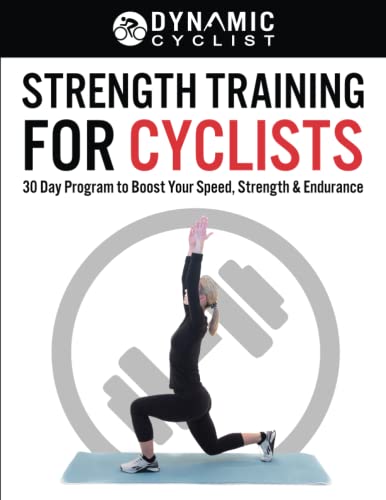
Don’t forget to work on your body off the bike! A strong core, glutes, and legs will improve your power on the bike and help prevent injuries. Incorporating 1-2 days of simple strength training per week can make a huge difference. Focus on compound movements like squats, lunges, deadlifts, and planks.
Rest is Training: The Overlooked Importance of Recovery

It’s a common mistake to think that you get stronger during your workouts. In reality, training is the stimulus that breaks your body down. You get stronger during the recovery period that follows, as your body repairs and rebuilds itself to be more resilient than before.
Ignoring recovery is the fastest way to hit a plateau or get injured. The most powerful recovery tool is sleep. Aim for 7-9 hours of quality sleep per night, as this is when your body releases growth hormone and does most of its repair work. Active recovery, like a very gentle 30-minute spin or a walk, can also help flush out metabolic waste and reduce muscle soreness.
Most importantly, listen to your body. If you feel unusually tired or sore, don’t be afraid to take an extra rest day.
Gearing Up for the Long Haul: Essential Cycling Equipment
While you don’t need the most expensive gear to build endurance, a few key items can dramatically improve your comfort and performance on long rides.
The Bike and Bike Fit
Any well-maintained road, gravel, or hybrid bike can be used for endurance training. The most important thing isn’t the brand, but how the bike fits you. An improper bike fit can lead to discomfort, pain, and inefficiency. Investing in a professional bike fit is one of the best things you can do to ensure you can ride comfortably for hours.
Essential Kit
Comfort is paramount on long rides. A good pair of padded cycling shorts (or bib shorts, which are even better as they stay in place) is non-negotiable. They reduce chafing and provide cushioning where you need it most. A moisture-wicking jersey will keep you dry and comfortable, and cycling gloves can help absorb road vibrations and protect your hands.
Tools for the Ride
Always be prepared for the unexpected. Your on-bike toolkit should include a spare inner tube, tire levers, and a mini-pump or CO2 inflator. Knowing how to fix a flat tire is an essential skill for any cyclist looking to tackle longer distances and will give you the confidence to venture further from home.
Know Where You’re Going: Tracking Your Progress

Tracking your rides is not just for data geeks; it’s a powerful tool for motivation and ensuring your training is on the right track. Seeing your progress over time—riding longer, feeling stronger at the same heart rate—is incredibly rewarding.
Key Metrics to Watch
For a beginner, the most important metrics are simple: duration (time in the saddle) and distance. As you advance, you might start tracking your heart rate to ensure you’re staying in the correct training zones (especially Zone 2). If you get more serious, a power meter can provide the most accurate measure of your effort.
The Power of a GPS Bike Computer
A dedicated GPS bike computer is a fantastic investment for any aspiring endurance cyclist. These devices mount on your handlebars and display all your key metrics in real-time. They also record your ride data so you can upload it to apps like Strava or TrainingPeaks to analyze your progress over time. Plus, their navigation features can give you the confidence to explore new roads without getting lost.
Why We Recommend a Wahoo ELEMNT
When it comes to tracking your training, a user-friendly device makes all the difference. A GPS computer like the Wahoo Fitness ELEMNT series is brilliant for its simplicity and powerful features. The setup is incredibly easy using a smartphone app, and the high-contrast screen is easy to read in any light. It seamlessly connects to heart rate monitors and other sensors, making it a central hub for all your training data.
It takes the guesswork out of tracking, so you can focus on your ride.
The Mental Game: Strategies for Pushing Through
Endurance cycling is as much a mental challenge as it is a physical one. There will be times on a long ride when your legs are screaming and your mind is telling you to stop. Developing mental strategies is key to pushing through these tough moments.
One of the most effective techniques is to break the ride down into smaller, manageable segments. Instead of thinking about the entire 50 miles you have left, just focus on getting to the next town, the top of the next hill, or even just the next mile. Celebrate these small victories along the way. Positive self-talk is also incredibly powerful.
Instead of focusing on how tired you are, remind yourself of how strong you are and how far you’ve come. Visualize yourself finishing the ride feeling accomplished and proud.
Sidestep the Setbacks: Common Endurance Training Mistakes to Avoid
Learning from others’ mistakes can save you a lot of time and frustration. Here are some of the most common pitfalls to watch out for in your cycling endurance training.
- Too Much, Too Soon: Enthusiasm is great, but dramatically increasing your ride distance or intensity overnight is a recipe for injury or burnout. Stick to a gradual progression.
- Ignoring Nutrition and Hydration: Thinking you can survive a 3-hour ride on just a bottle of water is a classic beginner error. Practice your fueling strategy on every long ride.
- Riding Too Hard on Easy Days: Your easy days are for recovery. Pushing the pace on these rides compromises your recovery and means you won’t be fresh enough for your key hard workouts.
- Forgetting to Rest: Remember, rest is when you adapt and get stronger. Skipping rest days will eventually lead to a decline in performance.
- Inconsistency: Life gets in the way, but try to stick to your planned schedule as much as possible. A few consistent rides each week will always be better than sporadic, heroic efforts.
Frequently Asked Questions About Bike Training for Stamina
Here are answers to some of the most common questions beginners have about building cycling endurance.
How do you train for cycling endurance?
The best way to train is through a combination of consistent riding and a structured plan. The core of your training should be long, steady rides at a conversational pace (Zone 2) to build your aerobic base. Supplement this with one or two shorter, higher-intensity workouts per week to raise your fitness ceiling, and always prioritize proper nutrition and recovery.
What is the 80/20 rule in cycling?
The 80/20 rule, also known as polarized training, is a principle that suggests 80% of your training time should be spent at low intensity (easy, Zone 2) and 20% at high intensity. This approach builds a massive aerobic base while preventing burnout, and is proven to be highly effective for endurance athletes.
How long should I cycle for endurance?
For beginners, the key is to start with a duration you can comfortably manage and build from there. A good starting point for your main endurance ride might be 60-90 minutes. Gradually increase this by about 10-15% each week. The ideal length depends on your goals, but consistency is more important than the length of any single ride.
How to increase your stamina for biking?
To increase your stamina, focus on consistency, progressive overload, and smart training. Ride 3-4 times per week, with one ride being your dedicated long, slow distance ride. Gradually make this ride longer each week. Ensure you are fueling properly during long rides and getting enough rest to allow your body to adapt and get stronger.
What is the best training for cycling endurance?
The best training is a balanced, polarized approach. It combines a high volume of low-intensity (Zone 2) riding to build your aerobic engine with small, targeted doses of higher-intensity work (like Tempo or Sweet Spot intervals) to increase your power and speed. This method builds deep, lasting endurance without leading to overtraining.
Final Thoughts: Your Journey to Epic Rides Starts Now
Building cycling endurance is a journey, not a destination. It’s about the simple joy of pedaling, the satisfaction of pushing your limits, and the freedom of exploring the world on two wheels. By embracing the core principles of consistency, structured training, proper fueling, and smart recovery, you have everything you need to unlock your potential.
Don’t be intimidated by the long road ahead. Start small, stay consistent, and celebrate your progress along the way. Every ride, no matter how short, is a step in the right direction. Before you know it, those once-daunting distances will become your new favorite weekend adventure.
If you’re ready to take your training seriously and want a reliable way to track your progress, a GPS computer like the Wahoo can be an incredible motivator and an invaluable tool on your journey. Now get out there and enjoy the ride!