
Cycling Training for Triathlon: A Beginner’s Guide to Nailing the Bike Leg
Welcome to the wild, wonderful world of triathlon. You’ve decided to take on the ultimate endurance challenge, and that’s absolutely incredible. While the swim can be intimidating and the run is the glorious finish, the bike leg is where the race is often won or lost. It’s the longest portion of any triathlon, and a smart approach to your cycling training for triathlon will not only make you faster but will also set you up for a fantastic run.
This isn’t just about pedaling harder; it’s about training smarter, fueling properly, and mastering the techniques that turn you from a nervous newbie into a confident cycling powerhouse. Get ready, because we’re about to build your roadmap to crushing the bike portion of your race.
This guide is your new best friend. We’ll break down everything from the essential workouts that build speed and stamina to the nutrition that keeps you going strong. We’ll even cover how to choose the right bike and master those tricky transitions. Let’s get those wheels spinning!
What You’ll Learn
- The Bike Leg is Key: The cycling portion is the longest part of a triathlon, making structured and intelligent training absolutely essential for success.
- A Balanced Plan Wins: Your training should be a mix of long endurance rides to build your base, high-intensity intervals to boost speed, and crucial recovery periods.
- More Than Just Fitness: Proper cycling technique, a smart nutrition strategy, and the right gear are just as important as the hours you spend on the bike.
- Transitions Matter: Mastering the switch from the bike to the run (the T2 transition) is a skill that can save you crucial minutes and energy on race day.
- Avoid Beginner Pitfalls: Understanding and avoiding common mistakes like overtraining, poor pacing, and neglecting nutrition is critical for a positive and successful first race experience.
Why the Bike Leg is Your Secret Weapon in a Triathlon
The swim, bike, and run each present unique challenges, but the bike leg holds a special status. For most triathlon distances—from a sprint to a full Ironman—you will spend more time cycling than you will swimming and running combined. This simple fact makes it the most critical component of your race. Think of it not as just the middle part, but as the massive engine room of your entire triathlon performance.
A strong performance in your triathlon bike training pays double dividends. First, you can make up significant time on the course. A few extra miles per hour on the bike translates to minutes saved, which is far harder to achieve on the swim or run. It’s your biggest opportunity to move up in the rankings and put distance between you and your competitors.
Second, and perhaps more importantly, how you ride the bike directly impacts your run. If you push too hard, mash the pedals with poor technique, or fail to fuel properly, you’ll stumble off the bike with heavy, exhausted legs, turning the run into a painful shuffle. But if you execute a smart, well-paced bike leg, you’ll dismount feeling relatively fresh and ready to tackle the run with confidence. The bike sets the stage for your grand finale!
The Core Components of Triathlon Cycling Workouts
A great training plan is all about variety. Just riding your bike for hours on end won’t make you a faster, stronger triathlete. You need a mix of different types of workouts, each designed to train a different energy system and build a specific aspect of your fitness. Let’s break down the essential building blocks of effective triathlon cycling workouts.
Zone 2 / Endurance Rides (The Foundation)
This is the bread and butter of your training. Zone 2 rides are performed at a low intensity, often described as a “conversational pace.” You should be able to easily hold a conversation without gasping for air. These rides might feel too easy, but they are performing magic under the surface, building your aerobic base, improving your body’s ability to burn fat for fuel, and increasing mitochondrial density. These are the rides that give you the stamina to go the distance.
Tempo and Sweet Spot Sessions (Race Pace Practice)
These workouts are performed at an intensity that’s “comfortably hard.” It’s not an all-out sprint, but it requires focus to maintain. Tempo (around Zone 3) and Sweet Spot (just below your threshold, or Zone 4) efforts are fantastic for building muscular endurance—the ability to sustain a reasonably high power output for a long time. This is incredibly specific to the demands of a triathlon, where you need to hold a strong, steady pace for the entire bike leg.
VO2 Max and Threshold Intervals (The Speed Builders)
Ready to feel the burn. This is where you build top-end speed and power. Threshold intervals are efforts done right at your functional threshold power (FTP), the maximum power you can sustain for about an hour. VO2 max intervals are even shorter and more intense.
These workouts are challenging, but they are the most effective way to raise your overall fitness ceiling, making every other pace feel easier.
For athletes training indoors, a smart trainer can be a massive help for nailing these specific intervals. A trainer like the Wahoo KICKR uses ERG mode to automatically control the resistance, ensuring you hit your power targets perfectly without having to think about shifting gears. It takes the guesswork out of high-intensity training.

Brick Workouts (The Race Simulator)
A “brick” workout is a session where you stack two disciplines back-to-back with no rest, most commonly a bike ride followed immediately by a run. This is non-negotiable for triathletes. The feeling of running off the bike is bizarre at first—your legs will feel like jelly. Brick workouts train your body to handle this unique transition, making it feel much more natural on race day.
Start with short runs off the bike (e.g., a 10-15 minute run after a 1-hour ride) and gradually increase the duration.
Building Your Engine: Mastering Long Rides and Smart Recovery
Endurance is the name of the game in triathlon, and the cornerstone of building that endurance is the weekly long ride. This is your chance to teach your body and mind how to handle extended time in the saddle. The key to the long ride is progression. Don’t jump from a 1-hour ride to a 4-hour epic; you’re asking for injury and burnout.
A good rule of thumb is to increase your long ride duration by about 10-15% each week. This gradual increase allows your body to adapt safely. For pacing, these rides should be done mostly in Zone 2. The goal isn’t speed; it’s time on your feet (or in the saddle, in this case).
This is also the perfect opportunity to practice your race day nutrition and hydration strategy.

Equally as important as the ride itself is what you do after. Recovery is when your body repairs itself and gets stronger. Neglecting it is one of the fastest ways to derail your training. Prioritize getting 7-9 hours of quality sleep per night, as this is when most of your recovery happens.
Refuel properly after your ride (more on that later) and consider active recovery, like a very easy spin on the bike or a gentle walk the day after your long ride to help flush out metabolic waste.
This is where the famous 80/20 rule comes into play. Popularized by researcher Stephen Seiler, the principle suggests that elite endurance athletes perform about 80% of their training at a low intensity (like Zone 2) and only 20% at moderate to high intensity. For beginners, this is a fantastic model to follow to build a massive aerobic base without burning out.
Unleash Your Speed: A Deep Dive into Interval Training
While long, slow rides build your foundation, interval training is what builds the skyscraper on top. These structured workouts involve alternating between high-intensity efforts and recovery periods. They are the single most effective way to boost your speed and power on the bike. The key is understanding a metric called Functional Threshold Power (FTP).
FTP is an estimation of the highest average power you can sustain for one hour, measured in watts. It’s the benchmark for your cycling fitness. Once you know your FTP (which you can test for using various protocols), you can structure your intervals with incredible precision. For example, a classic threshold-building workout might be 3 sets of 10-minute intervals performed at 95-105% of your FTP, with 5 minutes of easy spinning in between.
This is another area where indoor training technology shines. When you’re trying to hold a precise power number, factors like traffic, stoplights, and hills can make it nearly impossible outdoors. An indoor smart trainer removes all those variables. You can simply program your workout into a training app, and the trainer will handle the rest, letting you focus completely on the effort.
Pro Tip: Don’t do more than two high-intensity interval sessions per week. These workouts are very stressful on your body. You need adequate recovery between them to reap the benefits. The magic happens during the rest, not just during the effort!
From Clumsy to Confident: Essential Cycling Techniques for Beginners
Becoming a faster cyclist isn’t just about having a bigger engine; it’s also about being a more efficient driver. Improving your technique means you waste less energy, go faster with the same effort, and handle your bike with more confidence and safety. Focus on these key areas.
Cadence: Finding Your Sweet Spot
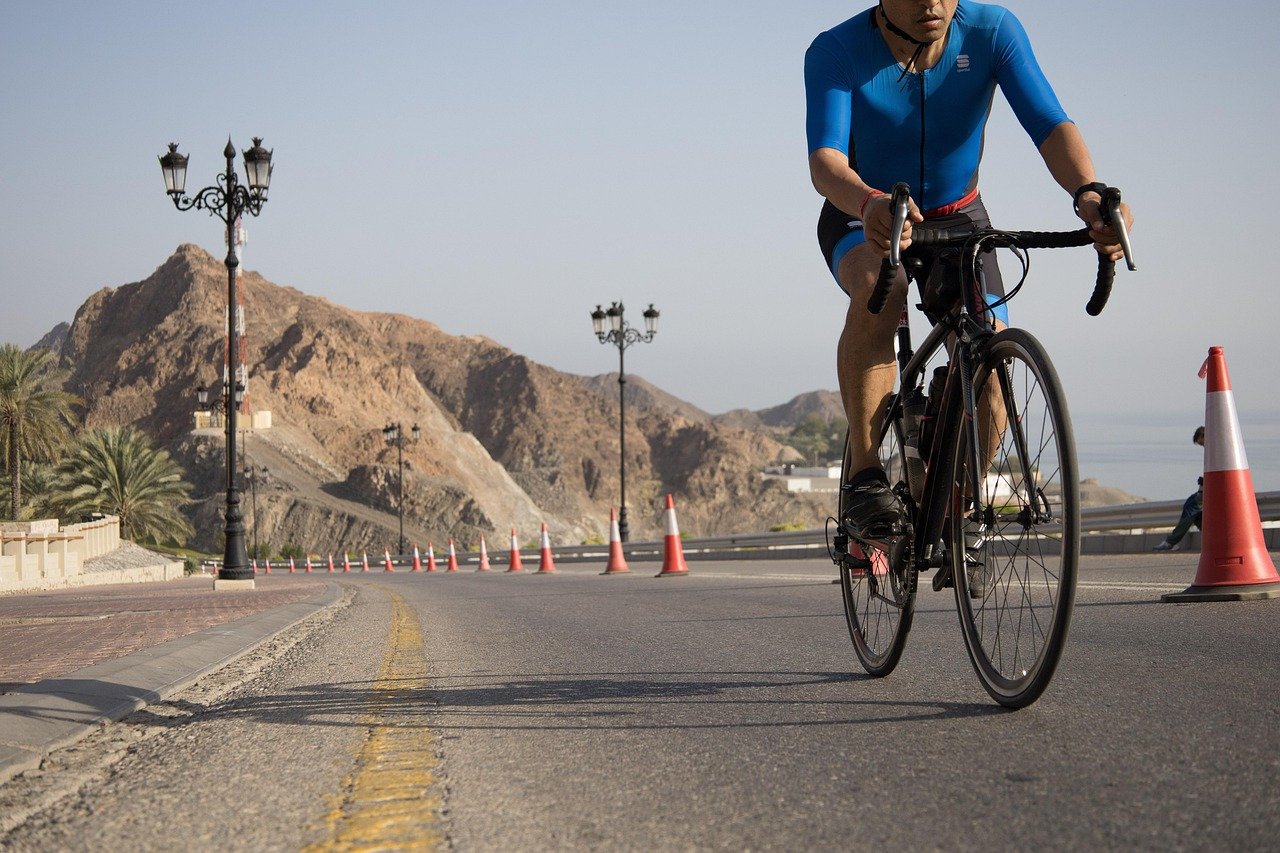
Cadence is your pedaling speed, measured in revolutions per minute (RPM). Many beginners make the mistake of “mashing” a big gear at a low cadence (e.g., 60-70 RPM). This puts a huge strain on your muscles and will leave your legs feeling wrecked for the run. Instead, aim to develop a higher, smoother cadence, typically in the 85-95 RPM range.
This shifts the load from your muscular system to your more efficient cardiovascular system, saving your leg strength for the final leg of the race.
Gearing and Shifting
Your gears are your best friend. The goal of shifting is to maintain your ideal cadence regardless of the terrain. As you approach a hill, shift into an easier gear before you start climbing, not when you’re already struggling. As you crest the hill and start to descend, shift into a harder gear to keep pressure on the pedals.
Practice shifting often so it becomes second nature.
Cornering and Descending
Safety and confidence are paramount here. When approaching a corner, do all of your braking before you enter the turn while your bike is upright. Look through the corner to where you want to go—your bike will follow your eyes. As you turn, press your outside foot down (at the 6 o’clock position) and put pressure on it.
This lowers your center of gravity and increases traction. Stay relaxed and avoid sudden movements.
Riding in the Aero Position
If you have a triathlon bike or clip-on aero bars for your road bike, you’ll want to practice riding in the aerodynamic position. At higher speeds, most of your energy goes into overcoming wind resistance. The aero position makes you a smaller target for the wind, saving you significant energy. Start by practicing for short durations on a safe, straight road and gradually increase the time as you get more comfortable and your core strength improves.
Fueling for Success: Triathlon Bike Training Nutrition

You can have the best training plan in the world, but if you don’t fuel your body properly, you’ll never reach your potential. Nutrition can seem complicated, but for bike training, you can simplify it by focusing on three key phases.
Fueling Before Your Ride
For any ride lasting over an hour, you’ll want to top off your energy stores beforehand. About 1-2 hours before you head out, eat a meal rich in easily digestible carbohydrates. This isn’t the time for a high-fat or high-fiber meal, as that can cause digestive distress. A bowl of oatmeal with a banana, a bagel with jam, or a sports bar are all great options.
Fueling During Your Ride
This is where many beginners go wrong. For any ride lasting longer than 90 minutes, you need to start taking in fuel. Your body has a limited supply of stored carbohydrates (glycogen), and once it runs out, you’ll experience the dreaded “bonk”—a sudden crash in energy. The general rule is to consume 30-60 grams of carbohydrates per hour.
This can come from energy gels, chews, or sports drinks. The key is to start fueling early and consistently, rather than waiting until you feel hungry or tired.
Hydration is Non-Negotiable
Dehydration can wreck your performance. Even a small percentage of water loss can lead to a significant decrease in power output and an increase in perceived effort. Sip water or an electrolyte drink consistently throughout your ride. In hot conditions, you’ll need to drink more and ensure your drink contains electrolytes (like sodium and potassium) to replace what you lose through sweat.
Post-Ride Recovery Fuel
After a tough workout, your muscles are like sponges, ready to soak up nutrients to repair and rebuild. There’s a window of about 30-60 minutes post-exercise where your body is primed for recovery. Aim to consume a snack or meal that contains both carbohydrates to replenish your glycogen stores and protein to repair muscle damage. A 3:1 or 4:1 ratio of carbs to protein is often recommended.
A chocolate milk, a fruit smoothie with protein powder, or a turkey sandwich are all excellent choices.
Your Triathlon Steed: Choosing the Right Bike
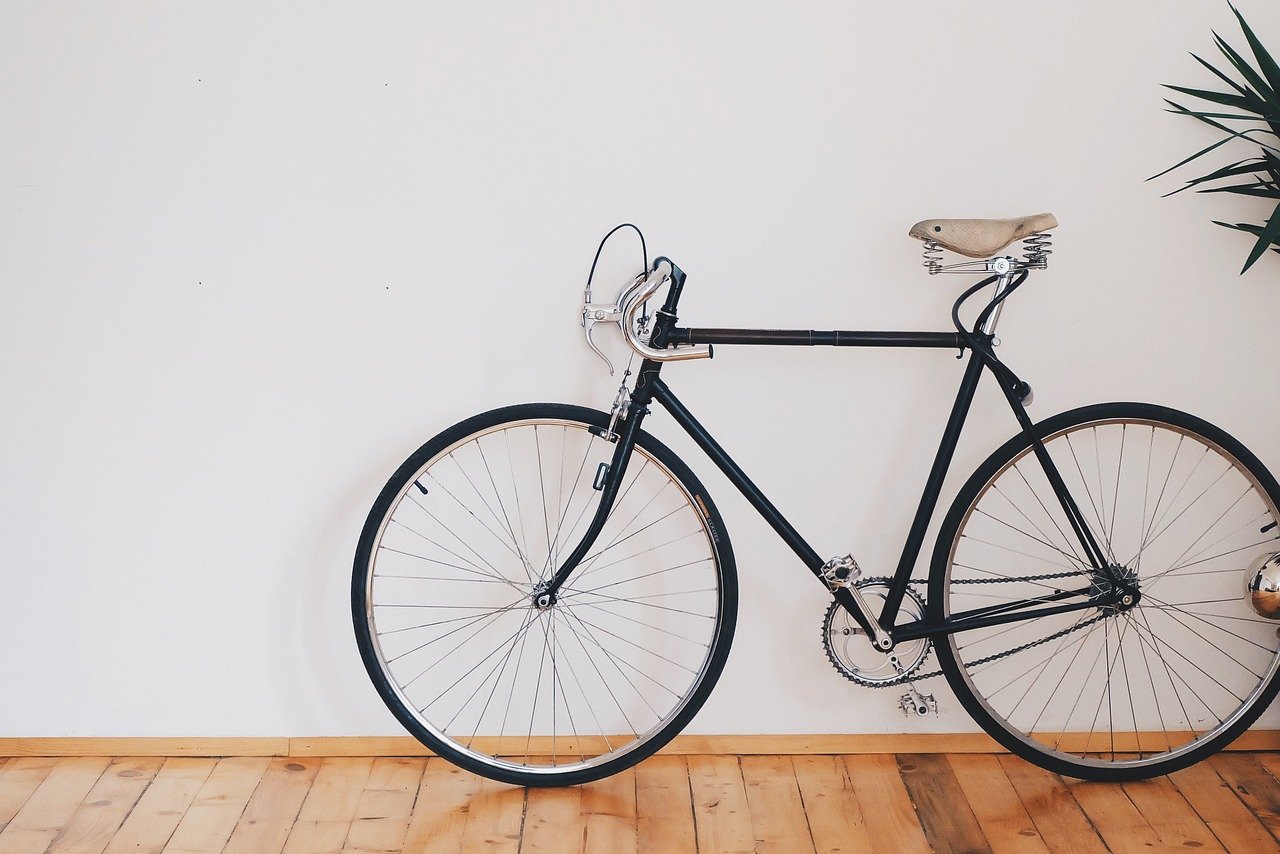
The bike is the single biggest equipment investment you’ll make in triathlon, and the options can be overwhelming. The main choice you’ll face is between a traditional road bike and a triathlon-specific time trial (TT) bike.
Road Bike vs. Triathlon/TT Bike
Road bikes have a more relaxed geometry, are generally more comfortable for long rides, and are more versatile for different types of riding, like group rides and climbing. TT bikes have an aggressive, aerodynamic geometry that puts you in a lower position to slice through the wind. They are faster on flat to rolling courses but can be less comfortable and harder to handle, especially for beginners.
For your first triathlon, a road bike is almost always the best choice. It’s a versatile machine you can use for all your training, and you can easily add a pair of clip-on aero bars to get a more aerodynamic position for race day. You don’t need the most expensive bike to get started. Focus on finding a bike that fits you well.
Pro Tip: The most important feature of any bike is the fit. A professional bike fit from a reputable shop is one of the best investments you can make. A proper fit will make you more comfortable, more powerful, and less prone to injury. A $1,000 bike that fits you perfectly is better than a $10,000 bike that doesn’t.
The “Fourth Discipline”: Mastering the T1 and T2 Transitions
Triathlon isn’t just swim, bike, and run; it’s also the transitions between them! A slow, clumsy transition can easily cost you minutes. Practicing your transitions, T1 (swim to bike) and T2 (bike to run), until they are smooth and automatic is free speed.
T1: Swim to Bike
As you exit the water, start pulling your wetsuit down to your waist. When you get to your bike, the first thing you should always do is put your helmet on and buckle it. You cannot touch your bike until your helmet is securely fastened. Then, grab your bike and run it to the mount line.
Don’t try to get on your bike until you are past this line.
T2: Bike to Run
As you approach the transition area, slow down and swing your leg over the saddle to get ready to dismount. You must get off your bike before you cross the dismount line. Run your bike back to your spot and rack it. Only then can you unbuckle and remove your helmet.
Quickly swap your cycling shoes for running shoes, grab your hat or race belt, and you’re off.
Set up a mock transition area in a park or empty parking lot and practice these steps over and over. The more you rehearse, the more it will become muscle memory on race day, allowing you to stay calm and move efficiently.
Building a Powerful Foundation: Strength Training for Triathletes
Many endurance athletes mistakenly believe that lifting weights will make them slow and bulky. The opposite is true! A well-structured strength training program is a crucial part of triathlon training, helping to prevent injuries, improve power output, and build core stability.
Your focus should be on compound, multi-joint movements that build functional strength. You don’t need to spend hours in the gym; two 30-45 minute sessions per week are plenty, especially during the racing season.
Key Exercises for Cyclists
- Squats: The king of lower body exercises, building strength in your quads, glutes, and hamstrings.
- Deadlifts: Develops a powerful posterior chain (glutes, hamstrings, back), which is essential for a strong pedal stroke.
- Lunges: Improves single-leg strength and stability, mimicking the motion of pedaling.
- Glute Bridges: Activates and strengthens your glutes, which are often underutilized by cyclists.
- Planks: Builds a rock-solid core, which provides the stable platform you need to transfer power to the pedals.
In the off-season, you can focus on lifting heavier weights with fewer reps. As you get closer to your race, you can shift your focus to more muscular endurance with lighter weights and higher reps.
Sidestep These Pitfalls: Common Cycling Mistakes to Avoid
Learning from the mistakes of others is a great way to fast-track your progress. Here are some of the most common pitfalls that trip up new triathletes in their bike training.
- Mistake #1: Too Much, Too Soon: Enthusiasm is great, but ramping up your training volume or intensity too quickly is a recipe for injury, illness, and burnout. Follow a structured plan and respect the principle of gradual progression.
- Mistake #2: Neglecting Easy Days: Every workout doesn’t have to be hard. Easy recovery days are when your body adapts and gets stronger. Skipping them in favor of another hard session is counterproductive.
- Mistake #3: Poor Pacing: It’s so tempting to fly out of the first transition and hammer the bike. But if you go out too hard, you’ll pay for it dearly on the run. Practice your race pace in training and learn to control your effort.
- Mistake #4: Ignoring Nutrition and Hydration: You wouldn’t start a long car trip with an empty tank of gas. Don’t start a long ride without a fueling plan. Practice your nutrition strategy on every long ride.
- Mistake #5: Forgetting Bike Maintenance: A poorly maintained bike is not only slow but also unsafe. Learn how to perform basic maintenance like cleaning your chain, checking your tire pressure before every ride, and ensuring your brakes are working properly.
Frequently Asked Questions
How to train cycling for a triathlon?
Effective cycling training for a triathlon involves a balanced approach. Your weekly schedule should include one long, slow endurance ride to build your aerobic base, one or two high-intensity interval sessions to improve speed and power, and one or two easy recovery rides. Crucially, you must incorporate “brick” workouts—a bike ride immediately followed by a run—to prepare your legs for the bike-to-run transition on race day.
What is the 80/20 rule in triathlon?
The 80/20 rule is a training intensity distribution principle suggesting that triathletes should spend approximately 80% of their total training time at a low intensity (Zone 1-2, or a conversational pace) and the remaining 20% at a moderate to high intensity (Zone 3-5). This approach helps build a strong endurance base while minimizing the risk of burnout and injury.
How long does it take to bike 12 miles in a triathlon?
This can vary widely based on the course, conditions, and the athlete’s fitness level. For a sprint triathlon (which often has a bike leg around 12.4 miles or 20km), a beginner might take 45-60 minutes. An intermediate triathlete might finish in 35-45 minutes, while advanced and professional athletes can complete it in under 30 minutes.
What is a respectable triathlon time?
A “respectable” time is highly subjective and depends on the race distance, course difficulty, and your personal goals. For a sprint triathlon, finishing under 1 hour and 30 minutes is a great goal for a beginner. For an Olympic distance race, finishing under 3 hours is a fantastic achievement for many age-group athletes. The most respectable time is the one you achieve by giving your best effort.
Is 50 too old for triathlon?
Absolutely not. Triathlon is a sport that welcomes people of all ages. You will see competitors in their 50s, 60s, 70s, and even 80s at races. The sport’s low-impact nature, particularly in swimming and cycling, makes it a sustainable form of exercise for a lifetime.
It’s never too late to start your triathlon journey.
Final Thoughts
Embarking on your triathlon journey is an exciting adventure, and mastering the bike leg is a huge piece of the puzzle. Remember that consistency, patience, and a smart training plan are your greatest assets. Celebrate the small victories, learn from every ride, and don’t forget to enjoy the process. You are building a stronger, faster, and more resilient version of yourself with every pedal stroke.
As you get more serious about your training, investing in tools that provide data and structure can make a significant difference. The ecosystem of products from Wahoo, like their KICKR smart trainers for precise indoor workouts and their ELEMNT bike computers for tracking your rides outdoors, can help you train more effectively and monitor your progress. Now get out there and ride with confidence—you’ve got this!