

Your First 100-Mile Cycling Training Plan: A Step-by-Step Guide
Taking on a 100-mile bike ride, the legendary “century,” is one of the most rewarding milestones a cyclist can achieve. It’s a true test of endurance, mental fortitude, and preparation. The feeling of crossing that finish line is absolutely electric. But you don’t just wake up one day and ride 100 miles.
It requires dedication and, most importantly, a smart approach. That’s where a well-structured cycling training plan for 100 miles becomes your single most important tool, turning a daunting goal into a series of achievable steps.
This guide is your complete roadmap. We’re breaking down everything you need to know, from the core principles of endurance training to a detailed 12-week plan that will get you to the starting line feeling strong, confident, and ready to crush your goal. Get ready to transform your riding and accomplish something amazing!
What You’ll Learn
- The Foundation of Success: A structured 12-week plan is the safest and most effective way to prepare. It’s built on the principle of progressive overload, gradually building your fitness without causing injury.
- The Weekend Warrior’s Secret: Your most important workout will be the weekly long, steady-distance ride. This is where you build the endurance and mental toughness required for a century.
- Fuel is Everything: You’ll learn that proper nutrition and hydration during training are just as critical as the pedaling itself. What you eat and drink can make or break your ride.
- Rest is Not a Weakness: Recovery is an active part of training. We’ll cover why rest days, sleep, and stretching are non-negotiable for letting your body adapt and get stronger.
What is a Century Ride and Why Do You Need a Plan?
A century ride is the cycling world’s marathon—a 100-mile journey on two wheels. For many, it represents a monumental achievement, a rite of passage that proves their dedication to the sport. It’s a day of pushing your limits, managing your energy, and enjoying the incredible freedom of covering a massive distance under your own power.
But attempting a century without a plan is like trying to build a house without a blueprint. You might get started, but you’ll likely run into serious problems. A dedicated 100 mile cycling plan provides the structure needed to build your endurance systematically. It ensures you’re increasing your mileage at a safe rate, incorporating different types of workouts to build all-around fitness, and scheduling crucial recovery time.
Without a plan, you risk doing too much too soon, which leads to burnout, overtraining, and injuries. You also might neglect key aspects like nutrition or pacing, only to discover your mistake 70 miles into your event. A good plan takes the guesswork out of your preparation, allowing you to focus on the ride.
The Core Principles of Your 100-Mile Bike Training
Before jumping into the weekly schedule, it’s essential to understand the “why” behind the workouts. These core principles are the foundation of any successful endurance training program. Internalizing them will help you make smart decisions and adapt the plan to your own needs.
Progressive Overload: The Golden Rule
Progressive overload is the cornerstone of all fitness improvement. It simply means that to get stronger, you must gradually increase the demands you place on your body. In cycling, this is primarily achieved by slowly increasing the duration and/or intensity of your rides over time.
Our 12-week plan is built around this concept. Each week, the long ride gets a little bit longer, challenging your body to adapt. This gentle, consistent increase is what builds deep endurance. The key is gradual—a common mistake is adding too much mileage too quickly, which is a fast track to injury.
Training Zones Explained
To train effectively, you can’t just ride at the same pace all the time. Different effort levels train different energy systems. While you can get very technical with heart rate monitors and power meters, you can start with the concept of Perceived Exertion (RPE) on a scale of 1-10.
- Zone 1 (RPE 1-2): Active Recovery. Very easy spinning, almost no effort. Perfect for recovery days.
- Zone 2 (RPE 3-4): Endurance Pace. This is your all-day, conversational pace. You can easily hold a conversation without gasping for breath. The vast majority of your long ride should be in this zone to build your aerobic base.
- Zone 3 (RPE 5-6): Tempo. This feels “comfortably hard.” You can still speak, but only in short sentences. Tempo efforts build muscular endurance.
- Zone 4+ (RPE 7+): Threshold & Above. These are hard efforts that you can only sustain for short periods. They are great for building top-end power and speed.
Consistency Over Intensity
It’s far better to ride 3-4 times a week, every week, than to do one massive, heroic ride and then take two weeks off because you’re exhausted. Consistency is what signals to your body that it needs to adapt and become more efficient. Your cycling training for 100 miles is a long-term project, not a series of sprints.
Life happens—you might miss a workout. Don’t panic or try to cram it in. Just get back on track with your next scheduled ride. The goal is to build a sustainable routine that becomes a part of your lifestyle for the duration of your training.
The Power of Recovery
Training doesn’t make you stronger; recovery does. When you ride, you create microscopic tears in your muscle fibers. It’s during rest that your body repairs these fibers, building them back stronger than before. If you skip recovery, you’re just breaking your body down without giving it a chance to rebuild.
This means taking your rest days seriously. Don’t be tempted to go for a hard ride. It also means prioritizing sleep, as this is when most of your recovery and hormone regulation happens. Aim for 7-9 hours of quality sleep per night, especially after hard training days.

Essential Gear for Your Century Training and Ride Day
Having the right gear won’t just make your rides more comfortable; it will make them safer and more effective. You don’t need the most expensive equipment, but investing in a few key items is crucial for a successful 100 mile bike training program.
The Bike & Fit
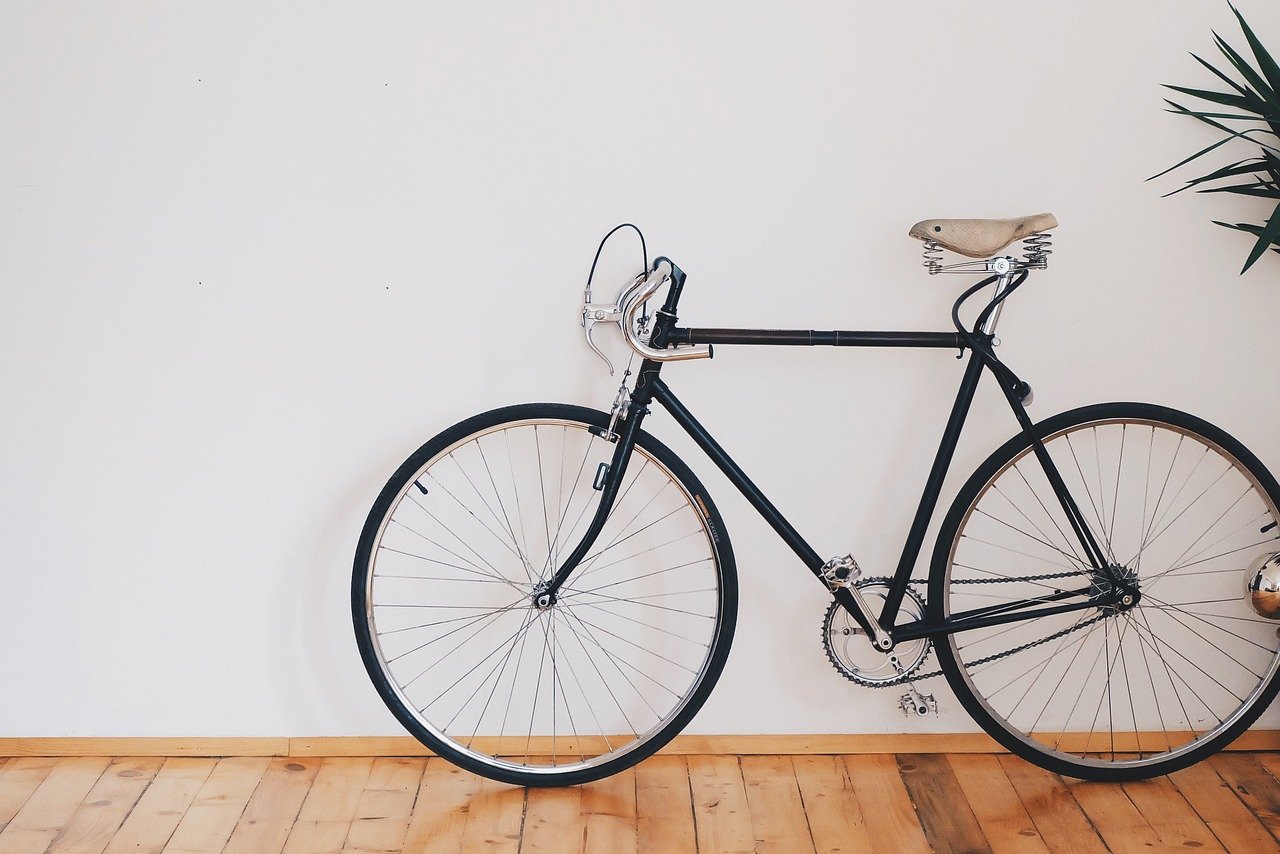
Your most important piece of equipment is, of course, your bike. It doesn’t have to be a top-of-the-line carbon race machine, but it should be a well-maintained road bike, hybrid, or gravel bike that is in good working order. Before you start your training, take it to a local bike shop for a tune-up.
Even more important than the bike itself is the bike fit. A professional bike fit will adjust your saddle height, handlebar position, and other components to match your body’s biomechanics. This is the single best investment you can make to prevent common cycling injuries in your back, knees, and neck, especially as the miles start piling up.
Essential Apparel
Comfort is king on long rides. Non-negotiable items include:
- Padded Cycling Shorts (Bibs): These are essential for preventing saddle sores and providing comfort for hours in the saddle. Don’t wear underwear with them!
- Cycling Jersey: Wicks sweat away from your body and has convenient pockets on the back for snacks and your phone.
- Helmet: A non-negotiable safety item. Always wear one.
- Cycling Gloves: Reduce road vibration and protect your hands in a fall.
Tracking Your Progress: Bike Computers
How do you know if you’re hitting your distance goals or holding the right pace? A good bike computer is an invaluable tool for structured training. It allows you to track key metrics like distance, speed, time, and cadence. More advanced models can pair with heart rate monitors to help you train in the correct zones.
For riders serious about their training, a GPS-enabled computer is a fantastic upgrade. It not only tracks your ride but also provides navigation, which is perfect for exploring new routes on your long weekend rides. Units from Wahoo Fitness are incredibly popular for their user-friendly interface and powerful features, making it easy to follow routes and monitor your effort.
Repair Kit Essentials
Don’t leave home without the tools to fix a flat tire. Every rider should carry a small saddle bag with:
- 2 spare inner tubes
- Tire levers
- A mini-pump or CO2 inflator
- A multi-tool with common Allen key sizes
The Ultimate 12-Week Cycling Training Plan for 100 Miles
Here it is—your week-by-week guide to conquering 100 miles! This plan assumes you have a base level of fitness and can comfortably ride for 60-90 minutes. The schedule includes four riding days and three rest days. Feel free to adjust the days to fit your life, but try to keep the long ride on the weekend when you have more time.
The Weekly Template:
- Monday: Rest or Active Recovery (30 min easy spin)
- Tuesday: Intensity (60-75 min)
- Wednesday: Rest
- Thursday: Tempo/Steady (60-90 min)
- Friday: Rest
- Saturday: Long Steady Distance (LSD) Ride
- Sunday: Rest or Active Recovery (30-45 min easy spin)
Phase 1: Base Building (Weeks 1-4)
The goal here is to build your aerobic base and get your body used to spending more time in the saddle. All rides should be at a comfortable, conversational pace (Zone 2). Don’t worry about speed; focus on time and distance.
- Week 1: Tuesday: 60 min | Thursday: 60 min | Saturday Long Ride: 25 miles
- Week 2: Tuesday: 60 min | Thursday: 75 min | Saturday Long Ride: 30 miles
- Week 3: Tuesday: 75 min | Thursday: 75 min | Saturday Long Ride: 35 miles
- Week 4: Tuesday: 60 min | Thursday: 60 min | Saturday Long Ride: 25 miles (Recovery Week)
Phase 2: Building Strength & Volume (Weeks 5-8)
Now we start adding a little intensity to build strength and make you a more powerful rider. We’ll introduce some tempo efforts and hills. The long rides continue to grow, pushing your endurance further.
- Week 5: Tuesday: 75 min w/ 2×10 min tempo | Thursday: 90 min steady | Saturday Long Ride: 45 miles
- Week 6: Tuesday: 75 min w/ hill repeats | Thursday: 90 min w/ 2×15 min tempo | Saturday Long Ride: 55 miles
- Week 7: Tuesday: 75 min w/ 3×10 min tempo | Thursday: 90 min hilly route | Saturday Long Ride: 65 miles
- Week 8: Tuesday: 60 min easy | Thursday: 75 min easy | Saturday Long Ride: 50 miles (Recovery Week)
Pro Tip: For tempo intervals, find a flat or slightly uphill stretch of road. Ride at an effort where you can only speak in short, clipped sentences (Zone 3/RPE 5-6). Recover for 5 minutes between each interval with easy spinning.
Phase 3: Peak and Taper (Weeks 9-12)
This is where you’ll hit your longest training rides, building the final confidence and fitness for event day. After the peak, we’ll strategically reduce volume in a “taper” to ensure your body is fresh and fully recovered for the 100-mile effort.
- Week 9: Tuesday: 75 min w/ 2×20 min tempo | Thursday: 90 min hilly route | Saturday Long Ride: 75 miles
- Week 10: Tuesday: 60 min w/ hill repeats | Thursday: 75 min steady | Saturday Long Ride: 85 miles (Your longest ride!)
- Week 11 (Taper): Tuesday: 60 min w/ 2×5 min tempo | Thursday: 60 min easy | Saturday Long Ride: 40 miles
- Week 12 (Taper & Event): Tuesday: 45 min easy w/ a few 30-sec bursts | Thursday: 30 min very easy spin | Saturday: EVENT DAY – 100 MILES!
Indoor Training Options
Let’s be realistic: finding time for 4 rides a week can be tough. Indoor smart trainers are an incredibly efficient way to get your weekday workouts done. You can knock out a structured 60-minute interval session without worrying about traffic, weather, or daylight. High-quality trainers from brands like Wahoo can connect to apps that provide structured workouts, making your indoor time highly productive.
Fueling Your Engine: Nutrition and Hydration Strategy

You can have the best training plan in the world, but if you neglect your nutrition, you won’t make it to the finish line. A 100-mile ride can burn anywhere from 4,000 to 6,000 calories. You must constantly replenish that energy.
Before the Ride: Carb-Loading Done Right
In the 2-3 days leading up to a very long ride (or the event), slightly increase the percentage of carbohydrates in your meals. This doesn’t mean stuffing yourself with pasta. It just means shifting your plate’s balance to favor carbs like rice, potatoes, and bread to maximize your muscle glycogen stores.
The morning of your long ride (about 2-3 hours before), eat a familiar, easily digestible, carb-rich breakfast. Oatmeal, toast with jam, or a bagel are great options. Avoid high-fat or high-fiber foods that can cause stomach issues.
During the Ride: The 40-80g Carb/Hour Rule
This is the most critical rule of endurance nutrition. Your body can only store enough glycogen for about 90 minutes of hard effort. After that, you must start refueling. Aim to consume 40-80 grams of carbohydrates per hour, starting from the very first hour of your ride.
Don’t wait until you feel hungry or weak—that’s too late! Set a timer on your bike computer to remind you to eat every 30-45 minutes. What should you eat? A mix of things to avoid flavor fatigue:
- Energy Gels & Chews: Quick, easy-to-digest sugar.
- Energy Bars: A mix of simple and complex carbs.
- Real Food: Small bananas, fig bars, or little peanut butter and jelly sandwiches.
Hydration is Key: Water and Electrolytes
Hydration is just as important as calories. Aim to drink one 16-24 oz (500-750ml) bottle of fluid per hour, depending on the heat. For any ride over 60-90 minutes, your bottles should contain an electrolyte mix.
Electrolytes (like sodium, potassium, and magnesium) are salts you lose through sweat. Replacing them is crucial for preventing muscle cramps and maintaining proper body function. Plain water is not enough on long, hot rides.
Beyond the Bike: Strength Training and Flexibility
Being a strong cyclist isn’t just about your legs. A strong core and good flexibility will improve your power, efficiency, and comfort on the bike, helping you stay strong deep into a 100-mile ride.
Core Strength for Power and Stability
A strong core (abdominals, obliques, and lower back) provides a stable platform for your legs to push against. This means less wasted energy and more power going directly into the pedals. Incorporate 2 sessions of 15-20 minutes of core work per week.
- Planks: Hold for 30-60 seconds, repeat 3 times.
- Glute Bridges: 15 reps, repeat 3 times.
- Bird-Dog: 10 reps per side, repeat 3 times.
Leg Strength for Climbing
While cycling itself builds leg strength, some off-the-bike work can improve your climbing power. Bodyweight exercises are perfectly effective.
- Squats: 15 reps, 3 sets.
- Lunges: 10 reps per leg, 3 sets.
Stretching for Cyclists
Cycling puts your body in a fixed position for hours, which can lead to tight muscles. Spend 5-10 minutes stretching after each ride, focusing on key areas:
- Hamstrings
- Quadriceps
- Hip Flexors
- Glutes
Pros and Cons of Committing to a 100-Mile Goal
Embarking on a century training journey is a significant commitment. It’s helpful to go in with a clear understanding of both the incredible rewards and the potential challenges.
The Amazing Benefits (Pros)
- Incredible Sense of Accomplishment: Finishing a 100-mile ride is a massive achievement you’ll be proud of for the rest of your life.
- Transformative Fitness: Following the plan will get you into the best cardiovascular shape of your life.
- Mental Toughness: You’ll learn to push through discomfort and build incredible mental resilience.
- Community and Friendship: Training for an event often connects you with other cyclists, building lasting friendships.
The Challenges to Expect (Cons)
- Significant Time Commitment: Training, especially the long weekend rides, takes up a lot of time.
- Physical and Mental Fatigue: There will be days you feel tired and unmotivated. This is a normal part of the process.
- Potential for Injury: Overtraining or poor bike fit can lead to nagging injuries if not managed properly.
- Cost: Between event registration, gear, and nutrition, the costs can add up.
Frequently Asked Questions (FAQ)
How long does it take to ride 100 miles?
This varies greatly depending on your fitness, the course terrain (hilly vs. flat), and weather conditions. A fast, experienced rider might finish in 5 hours. A beginner cyclist on a hilly course might take 8-10 hours.
A good goal for a first-timer is to focus on finishing, not on a specific time. An average pace of 13-15 mph would result in a ride time of roughly 6.5 to 7.5 hours, plus time for stops.
Can I train for a century in 8 weeks?
If you already have a strong cycling base (e.g., you regularly ride 30-40 miles), an 8-week plan is possible. However, for a true beginner, 12 weeks is a much safer and more effective timeframe. It allows for more gradual progression and includes crucial recovery weeks to prevent burnout and injury, giving your body more time to adapt to the stress of long-distance riding.
Do I really need to ride 100 miles in training?
No, you don’t. Most training plans, including this one, have the longest ride peak at around 80-85 miles. This is enough to give you the physiological adaptations and mental confidence you need. The excitement and adrenaline of event day will easily carry you through the final 15-20 miles.
Trying to ride the full distance in training carries a high risk of injury and requires a long recovery time, which would disrupt your final tapering phase.
What is the best food to eat during a 100-mile ride?
The best food is a mix of things that you’ve tested during your training and know your stomach can handle. A combination of energy gels/chews for quick sugar, energy bars for more sustained energy, and some real food like a banana or a small sandwich can prevent flavor fatigue. The key is to practice with different options on your long rides to see what works for you.
How do I deal with saddle sores?
Saddle sores are a common issue but can be prevented. The keys are: investing in high-quality padded cycling shorts (bibs), using chamois cream to reduce friction, and making sure your bike fit is correct so your weight is distributed properly. It’s also critical to get out of your cycling shorts immediately after a ride and wash them after every single use to prevent bacteria buildup.
Final Thoughts: You’re Ready to Conquer 100 Miles!
Committing to a century ride is an incredible journey. It will challenge you, push you, and ultimately, reward you in ways you can’t yet imagine. This cycling training plan for 100 miles is your guide, but the hard work, dedication, and pedaling come from you. Trust the process, listen to your body, and celebrate the small victories along the way.
Remember the core pillars: a structured plan with progressive overload, consistency in your workouts, a smart nutrition and hydration strategy, and a deep respect for recovery. You have the tools and the roadmap to succeed. As you gear up for this adventure, having reliable tech like a bike computer from Wahoo Fitness can make tracking your progress and navigating your long rides simple and stress-free.
Now, the only thing left to do is get on your bike and start the journey. You’ve got this!