Your First Cycling Training Program for Beginners: A Step-by-Step Guide
Welcome to the incredible world of cycling. You’ve made an amazing choice to embrace a hobby that builds fitness, clears your mind, and opens up a new world of adventure. But where do you start. The idea of a structured plan can feel intimidating, but a good cycling training program for beginners is your secret weapon.
It’s not about becoming a pro overnight; it’s about building confidence, getting stronger, and falling in love with the ride, one pedal stroke at a time.
This guide is designed to be your friendly co-pilot on this journey. We’ll break down everything you need to know, from picking the right bike to creating your very first training schedule. Forget complicated jargon and overwhelming stats. We’re focusing on the fundamentals that will get you rolling safely and with a huge smile on your face.
Let’s get started.
What You’ll Learn
- Start with the Basics: Choosing the right bike and essential gear is the first step to a comfortable and safe riding experience.
- Consistency Over Intensity: A successful beginner cycling program focuses on riding regularly (3-4 times a week) rather than pushing too hard, too soon.
- Follow a Structured Plan: Our 8-week plan gradually increases duration and introduces simple intensity to build your fitness without causing burnout.
- Fuel and Safety are Key: Proper nutrition, hydration, and following safety rules are non-negotiable for an enjoyable and injury-free journey.
- Track Your Wins: Monitoring your progress helps you stay motivated and see just how far you’ve come, turning small efforts into major achievements.
Getting Started: Choosing Your First Bike
Walking into a bike shop can feel like entering a different universe, with a dizzying array of options. Don’t worry! For your first bike, the goal is comfort and versatility, not winning the Tour de France. The three most common types of bikes you’ll encounter are road bikes, mountain bikes, and hybrid bikes.
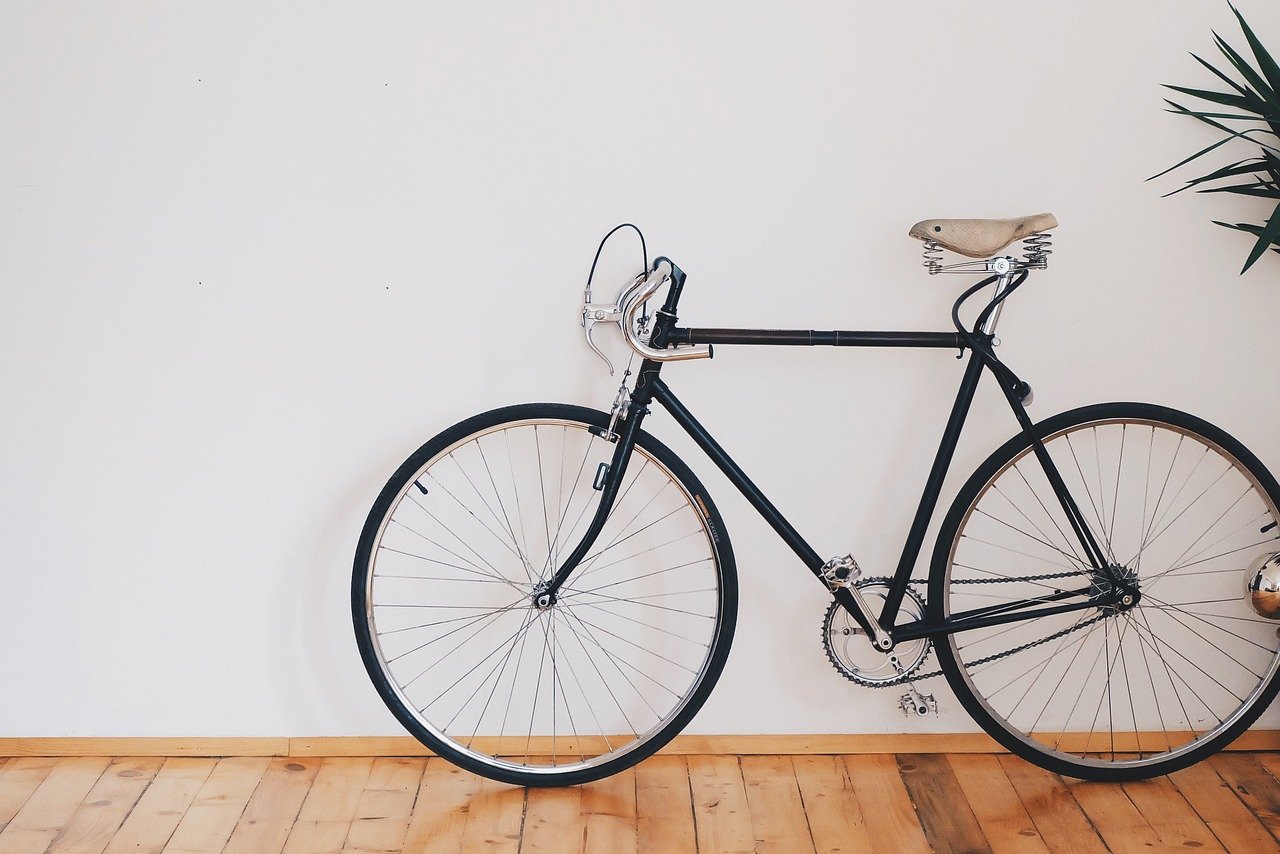
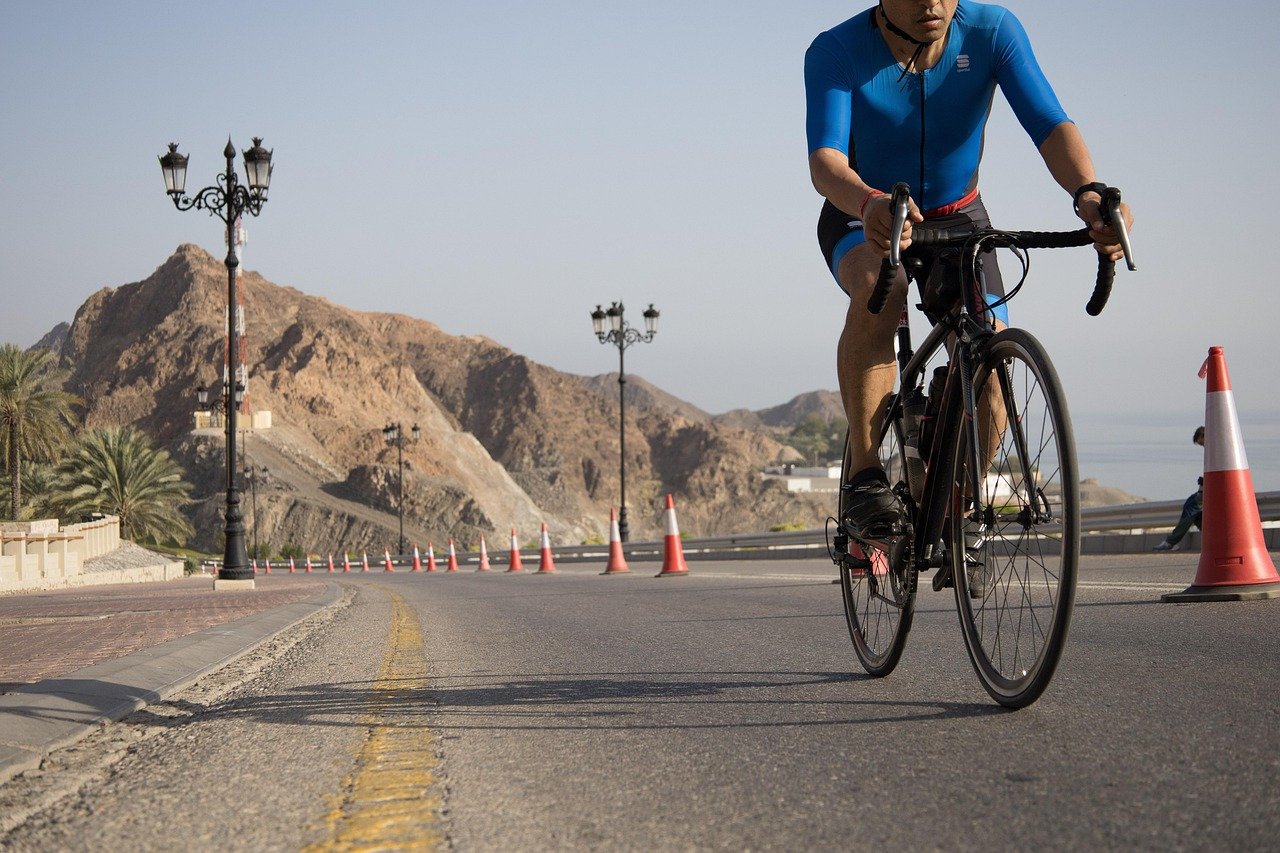
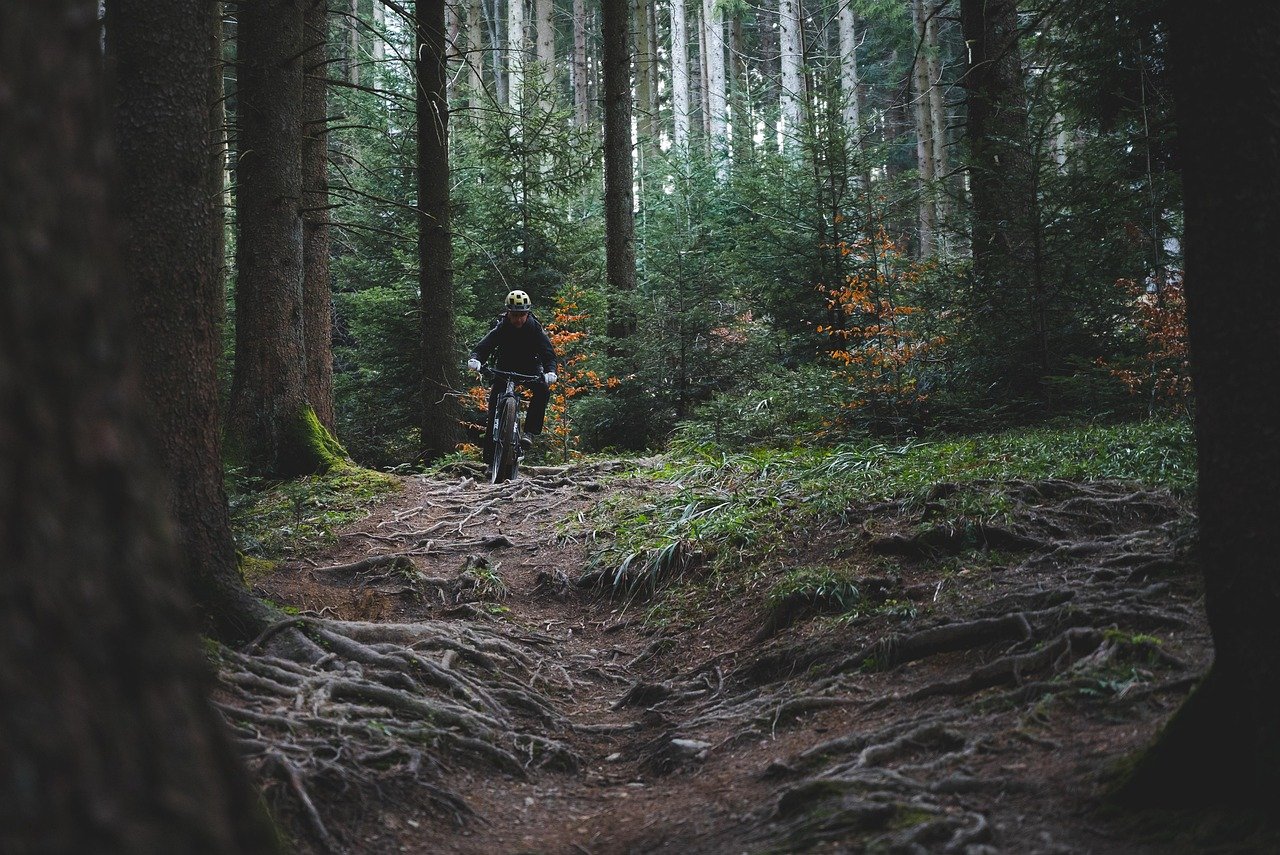
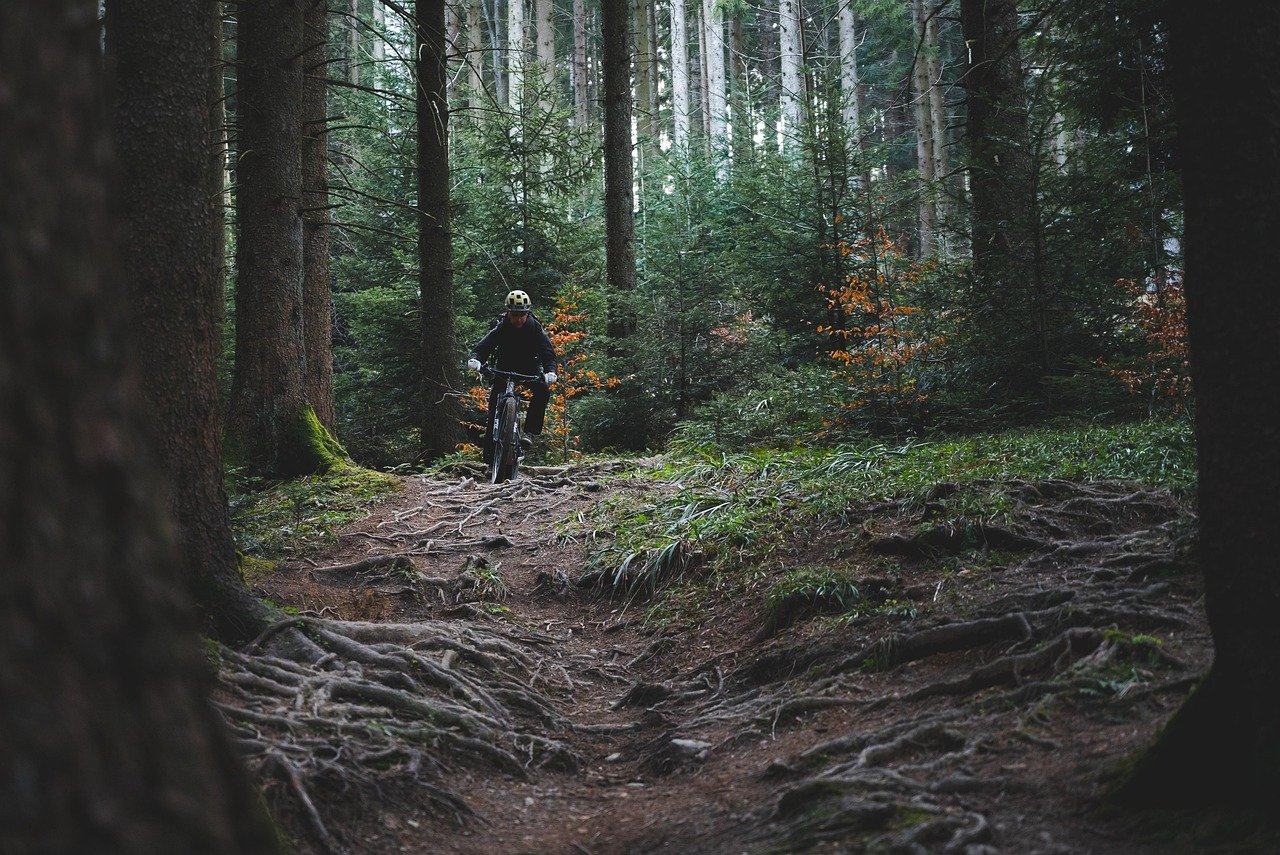
Road bikes are built for speed on pavement, with lightweight frames and drop-handlebars that put you in an aggressive, aerodynamic position. While fast, this position can be uncomfortable for new riders. Mountain bikes are the opposite, with rugged frames, wide knobby tires, and suspension designed to soak up bumps on trails. They are heavy and slow on the road.
For most people starting an introductory cycling training plan, the hybrid bike is the perfect sweet spot. It combines the comfortable, upright riding position of a mountain bike with the lighter frame and smoother tires of a road bike. This makes it a fantastic all-rounder, perfect for bike paths, city commuting, and fitness rides. It allows you to build confidence without committing to a highly specialized style of riding just yet.
Most importantly, get a bike that fits you properly. A bike that’s too big or too small will be uncomfortable and can even lead to injury. A good local bike shop will help you find the right frame size and make small adjustments to the seat and handlebar height to ensure a perfect fit. This is the single most important factor in ensuring you enjoy your time on the bike.
Gearing Up: Essential Equipment for New Cyclists
Once you have your bike, a few key pieces of gear will make your rides safer, more comfortable, and way more fun. You don’t need to buy the most expensive equipment, but investing in quality basics is a smart move.
The Non-Negotiables
These are the items every cyclist must have before they start riding. Safety and basic maintenance are paramount.
- Helmet: This is your most important piece of gear. Modern helmets are lightweight, well-ventilated, and proven to reduce the risk of head injury. Make sure it fits snugly and sits level on your head.
- Water Bottle and Cage: Hydration is crucial. Most bikes have pre-drilled holes in the frame to mount a bottle cage. Staying hydrated, even on short rides, prevents fatigue and keeps you performing your best.
- Basic Repair Kit: Flat tires happen. A small saddle bag with a spare tube, tire levers, and a mini-pump or CO2 inflator will give you the confidence to fix a flat and get back home without calling for a ride.
Comfort and Performance Boosters
These items aren’t strictly necessary to start, but they will dramatically improve your comfort on the bike, allowing you to ride longer and enjoy it more.
- Padded Cycling Shorts: Also known as bibs or shorts, these have a built-in chamois (pad) that reduces friction and provides cushioning. They are the single biggest comfort upgrade you can make.
- Cycling Jersey: While a t-shirt works, cycling jerseys are made from moisture-wicking material that pulls sweat away from your skin. They also have handy pockets on the back for your phone, keys, and snacks.
- Gloves: Padded gloves help absorb vibrations from the road, preventing hand numbness and protecting your palms in case of a fall.
Tracking Your Rides
While you can use a smartphone app, a dedicated bike computer is a fantastic tool for tracking your progress without draining your phone’s battery. A GPS computer shows you key metrics like speed, distance, and riding time at a glance. It helps you follow your training plan and see your improvements, which is a huge motivator.
Devices like the Wahoo Fitness ELEMNT series are incredibly user-friendly for beginners. They connect easily to your phone for setup and automatically upload your rides to apps like Strava. Seeing your miles add up each week is one of the most rewarding parts of starting a beginner cycling program. Check the current price on Amazon to see if it fits your budget.


Pacing Yourself: How to Set Realistic Cycling Goals
Jumping into a new fitness routine with huge ambitions can quickly lead to burnout. The key to long-term success is setting small, achievable goals that build on each other. This is where the SMART goal framework comes in handy: Specific, Measurable, Achievable, Relevant, and Time-bound.
Instead of a vague goal like “I want to get fit,” a SMART goal would be: “I will ride my bike three times per week for 30 minutes each time for the next four weeks.” This goal is crystal clear and gives you a direct action plan.
Here are some examples of great starting goals for someone new to cycling:
- Consistency Goal: Ride for 30 minutes, 3 times per week, for one month.
- Distance Goal: Complete a 15-mile continuous ride within 6 weeks.
- Event Goal: Sign up for and complete a local 20-mile charity ride in 3 months.
Notice how each goal has a clear target and a deadline. This structure makes it easy to track your progress and know when you’ve succeeded. When you hit a goal, celebrate it. Acknowledging your achievements, no matter how small they seem, builds positive momentum and keeps you excited about what’s next.
Your initial goals should be about creating a habit and enjoying the process, not about speed or distance records.
Mastering the Basics: Fundamental Cycling Techniques
Getting comfortable on the bike involves more than just pedaling. Learning a few basic techniques will make you more efficient, more confident, and safer on the road. These are the building blocks for all your future cycling adventures.
Proper Riding Posture
Your position on the bike affects comfort and power. You should have a slight bend in your elbows, not locked-out arms. Your back should be relatively flat, hinging from your hips, not hunched over. Your knee should have a slight bend at the bottom of the pedal stroke; if your leg is fully extended or your hips are rocking, your saddle is too high.
Efficient Pedaling (Cadence)
Cadence is the speed at which you pedal, measured in revolutions per minute (RPM). Many beginners make the mistake of “mashing” a big, hard gear at a low cadence. This is inefficient and tough on your knees. Instead, aim to “spin” in an easier gear at a higher cadence, around 70-90 RPM.
It might feel strange at first, but this smooth, steady rhythm is more efficient and sustainable over long distances.
Shifting Gears 101
Your bike’s gears are there to help you maintain a comfortable pedaling cadence no matter the terrain. Think of them like the gears in a car. Use an easier gear (larger cogs in the back) for climbing hills or starting from a stop. Use a harder gear (smaller cogs in the back) for flat roads or descents when you want to go faster.
The key is to anticipate the terrain. Shift into an easier gear before you start a climb, not halfway up when you’re already struggling.
Braking with Confidence
Your bike has two brakes: front and rear. The front brake provides the majority (about 70%) of your stopping power. The rear brake is best for scrubbing speed or in slippery conditions. For controlled stops, gently squeeze both levers simultaneously.
Avoid grabbing a handful of front brake, as this can cause the bike to stop too abruptly. Practice braking in an empty parking lot to get a feel for how your bike responds.
For a great visual guide on getting started, the team at Global Cycling Network has a fantastic video for beginners:
Your 8-Week Beginner Cycling Program
Here it is. This simple, progressive 8-week plan is the heart of your cycling training program for beginners. It’s designed to build your fitness gradually and safely. The focus is on “time in the saddle” rather than distance or speed.
“Easy” means you can hold a conversation. “Moderate” means your breathing is elevated but you can still speak in short sentences. “Rest” means complete rest or very light activity like walking.
| Week | Day 1 | Day 2 | Day 3 | Day 4 | Day 5 | Day 6 | Day 7 |
|---|---|---|---|---|---|---|---|
| 1 | 30 min Easy Ride | Rest | 30 min Easy Ride | Rest | 30 min Easy Ride | Rest | Rest |
| 2 | 35 min Easy Ride | Rest | 35 min Easy Ride | Rest | 45 min Easy Ride | Rest | Rest |
| 3 | 40 min Easy Ride | Rest | 40 min Easy Ride | Rest | 50 min Easy Ride | Rest | Rest |
| 4 | 45 min Easy Ride | Rest | 45 min Easy Ride | Rest | 60 min Easy Ride | Rest | Rest |
| 5 | 45 min w/ Intervals* | Rest | 45 min Easy Ride | Rest | 70 min Easy Ride | Rest | Rest |
| 6 | 45 min w/ Intervals* | Rest | 45 min Easy Ride | Rest | 80 min Easy Ride | Rest | Rest |
| 7 | 50 min w/ Intervals* | Rest | 50 min Easy Ride | Rest | 90 min Easy Ride | Rest | Rest |
| 8 | 45 min Easy Ride | Rest | 45 min Easy Ride | Rest | Goal Ride! (e.g., 20 miles) | Rest | Rest |
*Intervals for Weeks 5-7: During one of your weekday rides, after a 10-minute warm-up, perform 4-5 repeats of: 2 minutes at a Moderate pace, followed by 3 minutes of Easy spinning. Finish the ride with a 10-minute cool-down. This is a gentle way to introduce your body to higher intensity.
This schedule is a template. Feel free to move the days around to fit your life. The most important thing is to be consistent and listen to your body. If you feel overly tired, take an extra rest day.
This is your journey.
Fueling Your Rides: Nutrition and Hydration Essentials

What you eat and drink has a massive impact on your energy levels and recovery. You don’t need a complicated diet, but paying attention to a few basics will make your cycling workouts for newbies feel much better.
What to Eat Before a Ride
Heading out on an empty stomach is a recipe for a miserable ride. Your body needs fuel. Aim to eat a small, carb-focused meal or snack 1-2 hours before you ride. This gives your body time to digest and top off its energy stores.
Great options include a banana, a bowl of oatmeal, a piece of toast with jam, or an energy bar. Avoid heavy, fatty, or overly fibrous foods right before a ride, as they can cause digestive distress.
Hydration on the Bike
For rides under an hour, water is all you need. The golden rule is to drink early and often. Don’t wait until you’re thirsty; by then, you’re already dehydrated. Take a small sip from your water bottle every 15-20 minutes.
If you’re riding for longer than 90 minutes or in very hot weather, consider adding an electrolyte drink mix to your water to replenish the salts you lose through sweat.
Post-Ride Recovery Fuel
What you eat after a ride is just as important as what you eat before. Your muscles are primed to refuel and repair. Aim to have a snack or meal containing both carbohydrates and protein within 30-60 minutes of finishing your ride. The carbs replenish your depleted energy stores, and the protein helps repair muscle fibers.
A chocolate milk, a Greek yogurt with fruit, or a smoothie with protein powder are all excellent and easy recovery options.
Pro Tip: Don’t overcomplicate it. For most beginner rides, a banana beforehand and a bottle of water during is perfect. As your rides get longer, you can start experimenting with different snacks and drinks.
Ride Smart, Ride Safe: Critical Safety Tips for Cyclists
Sharing the road with cars can be intimidating, but following a few simple safety rules will dramatically increase your confidence and security. Being a predictable, visible, and aware rider is your best defense.
First, act like a vehicle. This means riding on the right side of the road with the flow of traffic, not against it. Obey all traffic signs and signals, just as you would in a car. Use hand signals to indicate your turns, allowing drivers and other cyclists to anticipate your movements.
Riding in a straight, predictable line—without swerving in and out of parked cars—makes you easier for drivers to see and pass safely.
Second, be visible. This is crucial, especially during dawn, dusk, or on overcast days. Wear bright-colored clothing. Neon yellow, green, and orange are far more visible than black or gray.
Your bike should be equipped with reflectors, and you should always use lights if you’re riding in low-light conditions. A white front light and a red rear light (many are rechargeable and easily clip onto your bike) make you significantly more visible to motorists.
Finally, be aware of your surroundings at all times. Scan the road ahead for potholes, gravel, or other hazards. Be mindful of car doors opening unexpectedly. When approaching intersections, try to make eye contact with drivers to ensure they’ve seen you.
It’s also a good idea to limit the use of headphones or keep the volume low so you can hear approaching traffic.
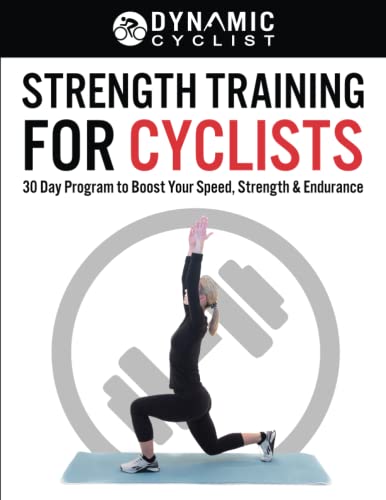
Building a Stronger Engine: Why Strength Training Matters
While riding your bike is the best way to get better at cycling, incorporating some off-the-bike strength training into your routine can provide huge benefits. A strong core, legs, and glutes will make you a more powerful and resilient rider, and it’s one of the best ways to prevent common overuse injuries.
Strength training for cyclists isn’t about building massive bulk. It’s about creating stability and power. A strong core (your abs and lower back) provides a solid platform for your legs to push against, meaning less wasted energy and more power going directly into the pedals. Strong glutes and quadriceps are your primary power-producing muscles on the bike.
You don’t need a gym membership to get started. You can build a fantastic foundation with simple bodyweight exercises performed two times a week on your non-cycling days. Focus on compound movements that work multiple muscle groups at once.
Great exercises for cyclists include:
- Squats: The king of leg exercises, building strength in your quads, hamstrings, and glutes.
- Lunges: Excellent for single-leg stability and strength, mimicking the pedaling motion.
- Planks: A fantastic exercise for building core stability.
- Glute Bridges: Specifically targets and activates your glute muscles, which are often underused.
Aim for 2-3 sets of 10-15 repetitions for each exercise. Just 20-30 minutes of strength work twice a week can make a noticeable difference in your comfort and power on the bike.
Seeing Your Success: How to Track Progress and Stay Motivated
One of the most exciting parts of starting a new fitness journey is seeing yourself improve. Tracking your progress provides concrete evidence that your hard work is paying off, which is a powerful motivator to keep going, especially on days when you don’t feel like riding.
This is where a simple GPS bike computer, like the Wahoo ELEMNT, really shines. At the end of each ride, it gives you a summary of your workout: how far you went, how long you were out, and your average speed. Seeing these numbers slowly tick up over the weeks is incredibly rewarding. It turns an abstract feeling of “getting fitter” into tangible data.
What should you track? As a beginner, focus on these key metrics:
- Frequency: Are you hitting your goal of riding 3 times per week? Consistency is the most important metric of all.
- Duration: Is the time you spend on your long weekend ride gradually increasing? This is a direct measure of your growing endurance.
- Total Distance: Watching your weekly or monthly mileage add up can be a huge confidence booster.
Try not to get too obsessed with average speed at the beginning. It can be influenced by many factors like wind, hills, and traffic lights. Instead, focus on how you feel. Are hills that used to crush you getting a little easier.
Are you finishing your rides with more energy. These subjective feelings are just as important as the numbers on a screen.
Finding Your Tribe: The Power of a Cycling Community
Cycling can be a wonderful solo activity, but it’s also an incredibly social sport. Joining a community, whether in person or online, can keep you motivated, provide a support system, and teach you more about the sport.
Local bike shops are often the hub of the cycling scene. Many organize weekly group rides specifically for beginners. These “no-drop” rides are a fantastic way to meet other new cyclists, learn group riding etiquette, and discover new routes in a safe, supportive environment. Don’t be intimidated.
The cycling community is famously welcoming to newcomers.
Online communities are also a great resource. Platforms like Reddit have active cycling communities where you can ask questions and share your experiences. As one user on a Reddit discussion about beginner plans noted, a simple structure of “1 long ride + 1 hard ride + 1–3 easy rides” is a highly effective and popular model. Seeing that others are on the same journey is incredibly encouraging.
Sharing your goals with friends or family can also create a powerful accountability network. When others know about your goals, you’re more likely to stick with them. You might even inspire someone else to start riding with you!
Frequently Asked Questions
How many times a week should a beginner cyclist ride?
A beginner cyclist should aim for 2 to 4 rides per week. Consistency is more important than intensity or duration when you’re just starting out. Three rides per week is a fantastic sweet spot that allows for adequate recovery time between sessions while still building a strong fitness base. This frequency helps your body adapt to the new demands of cycling without leading to overtraining or burnout.
How far should a beginner cyclist ride?
For your first few rides, focus on time rather than distance. Start with rides of 30-45 minutes at an easy, conversational pace. As your fitness improves over several weeks, you can gradually increase the duration of one of your weekly rides, which will naturally increase your distance. A great initial distance goal is to comfortably complete a 10-15 mile ride within your first month.
Is cycling good for weight loss for beginners?
Yes, cycling is an excellent low-impact cardiovascular exercise for weight loss. It burns a significant number of calories, helps build lean muscle mass, and is easier on the joints than high-impact activities like running. When combined with a healthy diet, a consistent beginner cycling program can be a very effective and enjoyable tool for managing your weight.
What is a good average speed for a beginner cyclist?
Beginners should not worry too much about average speed. A comfortable pace on flat terrain is typically between 10-14 mph. However, this number is affected by wind, hills, traffic, and your fitness level. The best approach is to ride at a “conversational pace,” where you can speak in sentences without gasping for air.
Your speed will naturally increase as your fitness and endurance improve over time.
Final Thoughts
Embarking on a cycling training program for beginners is the start of an amazing adventure. You’re not just building fitness; you’re discovering a new sense of freedom, resilience, and joy. Remember to be patient with yourself, celebrate your progress, and most importantly, have fun. The beauty of cycling is that it’s your journey, at your pace.
By following the steps in this guide—choosing the right gear, setting realistic goals, following a simple plan, and prioritizing safety—you have everything you need to succeed. The road is waiting for you. So, pump up your tires, clip on your helmet, and get ready to enjoy the ride. You’ve got this!