
Investing in Watches: A Beginner's Guide to the Art of Watch Collecting
Starting your journey into the art of watch collecting is an exciting venture that blends passion, history, and financial savvy. More than just telling time, a well-chosen watch is a piece of mechanical art, a statement of personal style, and potentially a very smart asset. Understanding how to invest in watches is about appreciating the craftsmanship and story behind each piece while making choices that could grow in value over time. It's a hobby that literally pays you back in moments and, sometimes, in money!
This guide is your starting point. We'll walk through everything from the intricate differences between movements to the strategies that seasoned collectors use to build impressive and valuable collections. You'll learn not just what to buy, but why certain timepieces hold their value and become sought-after icons. Get ready to see the world of horology in a whole new light!
What to Know
- Passion First, Investment Second: The golden rule of watch collecting is to buy what you love. A watch you enjoy wearing will always provide value, regardless of its market price fluctuations.
- Mechanical is King for Collectors: While quartz watches are accurate and affordable, serious collectors and investors almost exclusively focus on mechanical watches for their craftsmanship, history, and complexity.
- Brand Heritage Matters: Brands with a long history of innovation, quality, and iconic models (like Rolex, Patek Philippe, and Omega) are generally safer bets for holding or increasing in value.
- Condition and Provenance are Crucial: The value of a vintage or pre-owned watch is heavily dependent on its condition, originality of parts, and whether it comes with its original box and papers.
- Patience is a Virtue: Watch collecting is a marathon, not a sprint. The most significant returns often come from holding quality timepieces over a long period (5-10 years or more).
The Timeless Allure: A Brief History of Watch Collecting

Watch collecting didn't just appear overnight. Its roots stretch back centuries, evolving from a practical need to a passionate pursuit. Initially, timekeeping devices were large clocks in town squares. It wasn't until the 16th century that the first portable clocks, the precursors to pocket watches, were developed in Germany.
These were bulky, ornate, and reserved for the ultra-wealthy.
The 19th century brought mass production, making pocket watches more accessible. This was the first time people could own multiple timepieces, often collecting them for their intricate case designs and engravings. However, the true birth of modern watch collecting is tied to the rise of the wristwatch in the early 20th century, spurred by military use during World War I. Soldiers needed a hands-free way to check the time, and the wristwatch was the perfect solution.
After the wars, wristwatches became a staple of civilian life. Brands like Rolex, Omega, and Patek Philippe began creating iconic models that are still revered today. The “Quartz Crisis” of the 1970s and 80s, when cheap, accurate quartz watches from Asia nearly wiped out the Swiss mechanical watch industry, ironically solidified the appeal of mechanical watches. They became symbols of tradition, luxury, and artistry—a deliberate choice against disposable technology.
This is when the idea of investing in timepieces truly took hold, as people began to appreciate the enduring value of mechanical craftsmanship.
The Heartbeat of a Timepiece: Mechanical vs. Quartz Watches
At the core of any watch is its movement, the engine that powers its functions. For collectors, the type of movement is one of the most important factors. The two primary types are mechanical and quartz, and they couldn't be more different.
The Soul of the Machine: Mechanical Movements
A mechanical watch is a marvel of micro-engineering. It runs without any electronic components, powered solely by a tightly wound spring (the mainspring) that releases energy through a complex series of gears, levers, and springs. The rhythmic ticking you hear is the sound of the escapement, a tiny mechanism that regulates the release of energy, creating the smooth, sweeping motion of the second hand.
There are two main types of mechanical movements: manual-wind and automatic. A manual watch must be wound by hand regularly (usually daily) via the crown. An automatic (or self-winding) watch has a weighted rotor that spins with the motion of your wrist, automatically winding the mainspring. For collectors, the appeal is the incredible craftsmanship, the tangible connection to centuries of watchmaking tradition, and the intricate beauty of the movement, which is often visible through an exhibition case back.
The Efficiency of Electronics: Quartz Movements
A quartz watch, on the other hand, is powered by a battery. The battery sends an electrical current through a tiny quartz crystal, causing it to vibrate at a precise frequency (32,768 times per second). A circuit counts these vibrations and uses them to generate regular electrical pulses, one per second, which drive a small motor to move the watch hands. This results in the distinct "tick-tick" motion of the second hand.
Quartz watches are incredibly accurate, durable, and much cheaper to produce and maintain than their mechanical counterparts. However, they are often seen as lacking the "soul" and artistry that define traditional horology. For this reason, the art of watch investment almost exclusively revolves around mechanical timepieces, as their value is tied to the human skill and heritage invested in their creation.
How to Start Your Watch Collection: A Step-by-Step Guide for Beginners
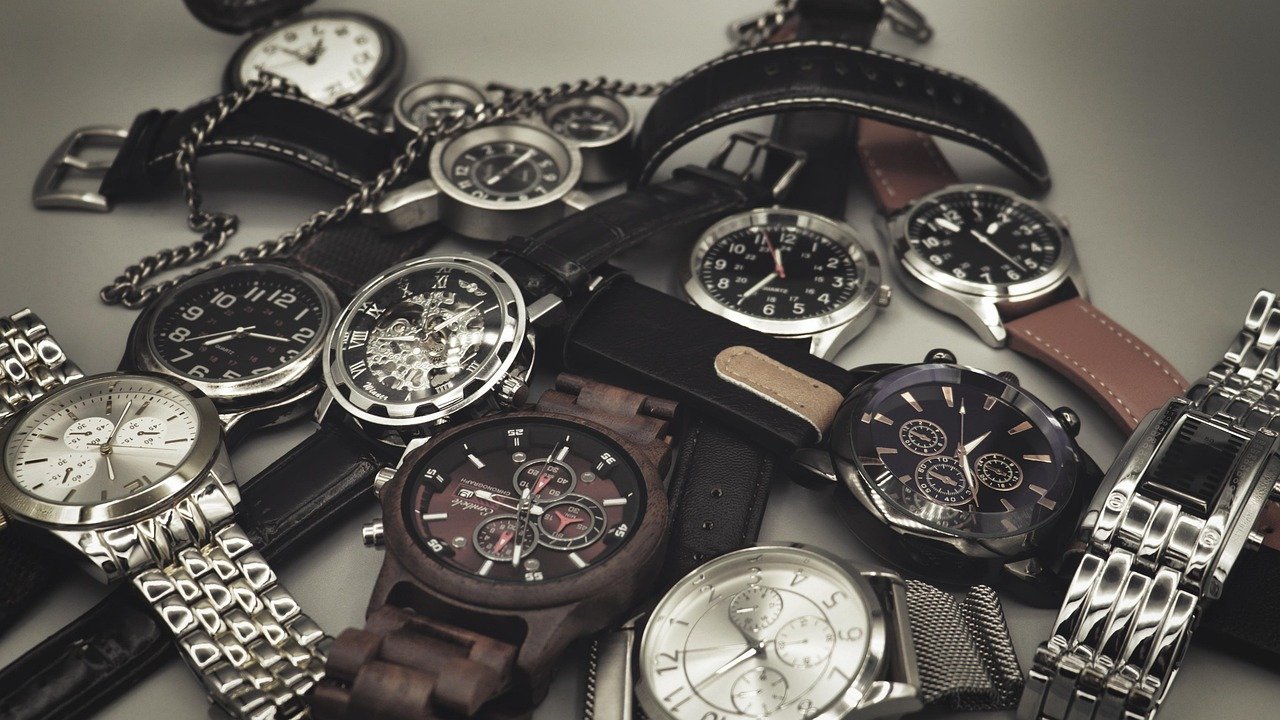
Starting a collection can feel daunting, but it's one of the most rewarding parts of the journey. Forget about trying to find the next million-dollar vintage piece right away. The goal is to build a collection you love, one step at a time. Here are some essential watch collecting tips to get you started.
1. Define Your Budget and Your 'Why'
First, decide why you're collecting. Is it for the love of design. An appreciation for mechanical engineering. Or as a tangible asset.
Your motivation will guide your purchases. Next, set a realistic budget. You don't need five figures to start. There are fantastic mechanical watches available for under $1,000, and even some great options under $500.
Your first watch should be something versatile that you can wear often. A classic dive watch or a simple field watch are excellent starting points. The key is to get something on your wrist that makes you happy every time you look at it.
2. Research, Research, Research
Before you spend a single dollar, immerse yourself in the world of watches. Read blogs like Hodinkee and Worn & Wound. Watch YouTube channels like Teddy Baldassarre and The Urban Gentry. Learn the terminology: What's a bezel.
What's a complication. What's the difference between sapphire crystal and mineral glass.
Understanding the basics will protect you from making rookie mistakes. You'll learn which brands offer the best value, which models have historical significance, and what to look for when buying pre-owned. Knowledge is your most powerful tool in this hobby.
3. Your First Purchase: Finding Value
For your first piece, look for brands that offer exceptional quality for the price. While everyone dreams of a Rolex, brands like Seiko, Tissot, Hamilton, and Certina offer incredible Swiss or Japanese mechanical movements and solid build quality at an accessible price point.
Another fantastic route for new collectors is exploring microbrands that offer unique designs and high-spec components. For instance, a brand like LIV Swiss Watches provides the experience of a robust, Swiss-made mechanical watch with bold designs, often using materials and movements found in much more expensive timepieces. This approach allows you to acquire a high-quality piece without the hefty price tag of the luxury giants, making it a smart way to dip your toes into the world of Swiss watchmaking. You can check the current price on Amazon to see how it fits your starting budget.

4. Buy from Reputable Sources
Where you buy is just as important as what you buy. For new watches, always purchase from an Authorized Dealer (AD) or a well-regarded online retailer. For pre-owned watches, stick to trusted sellers with extensive reviews and a solid return policy. Platforms like Chrono24 and Crown & Caliber offer buyer protection, but you still need to do your due diligence on the individual seller.
Decoding Horology: Understanding Watch Brands and Their Significance
The watch world is built on the reputation of its brands. A brand's history, innovations, and iconic models all contribute to its desirability and value. Understanding the hierarchy and significance of different brands is key to making smart collecting decisions.
The Tiers of Watchmaking
While not an official system, collectors often group brands into tiers based on price, quality, and prestige.
- Entry-Level Luxury: This category includes brands like Seiko, Tissot, Hamilton, and Longines. They offer excellent mechanical watches, often with rich histories, at an accessible price point (typically $500 – $2,500). They are the perfect starting point for any new collector.
- Luxury: Here you'll find the household names: Rolex, Omega, Tudor, Breitling, and TAG Heuer. These brands are known for their iconic designs, robust build quality, and strong brand recognition. They represent a significant step up in price and are often the cornerstones of a serious collection.
- Haute Horlogerie (High Watchmaking): This is the pinnacle of the craft. Brands like Patek Philippe, Audemars Piguet, and Vacheron Constantin—often called the "Holy Trinity"—reside here. They are defined by their incredibly complex movements, exquisite hand-finishing, and astronomical prices. These are the blue-chip assets of the watch world.
The Power of Icons
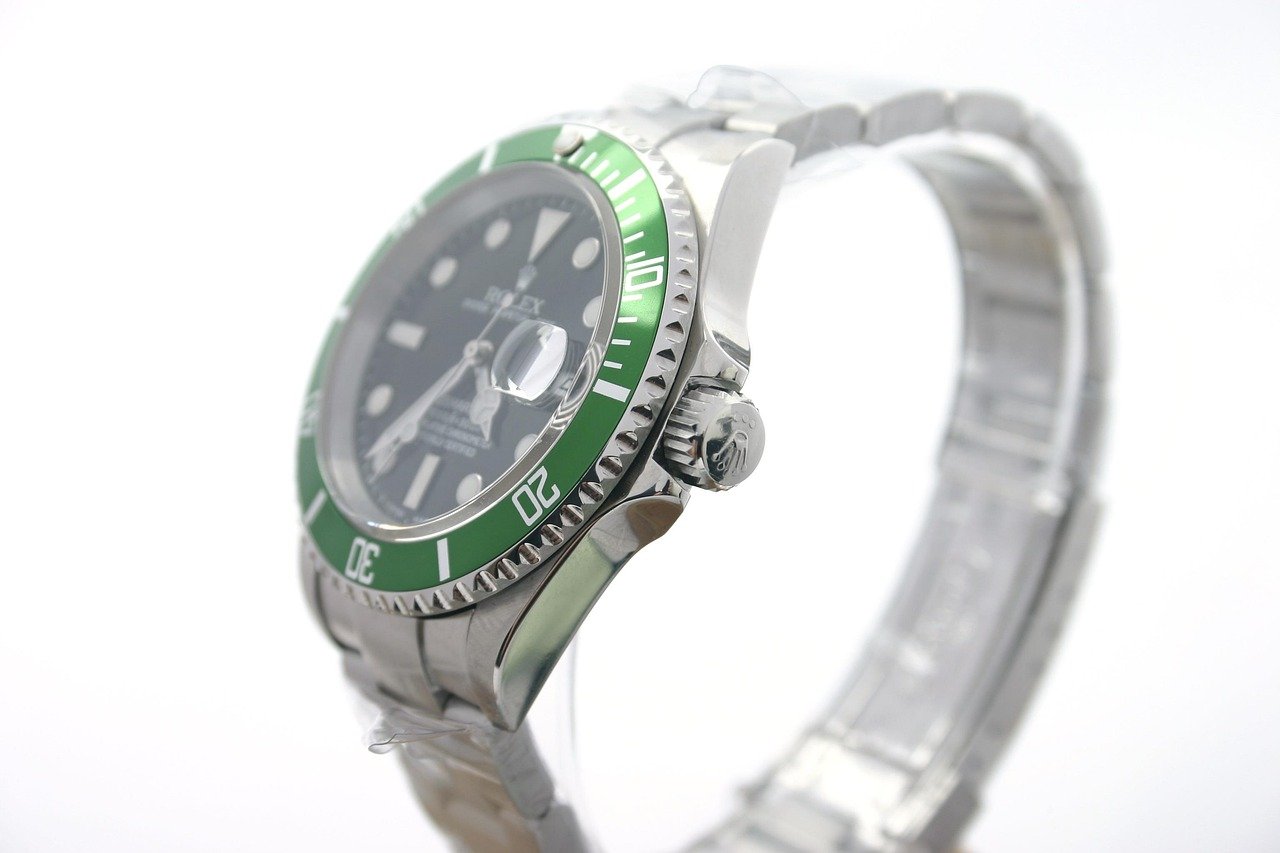
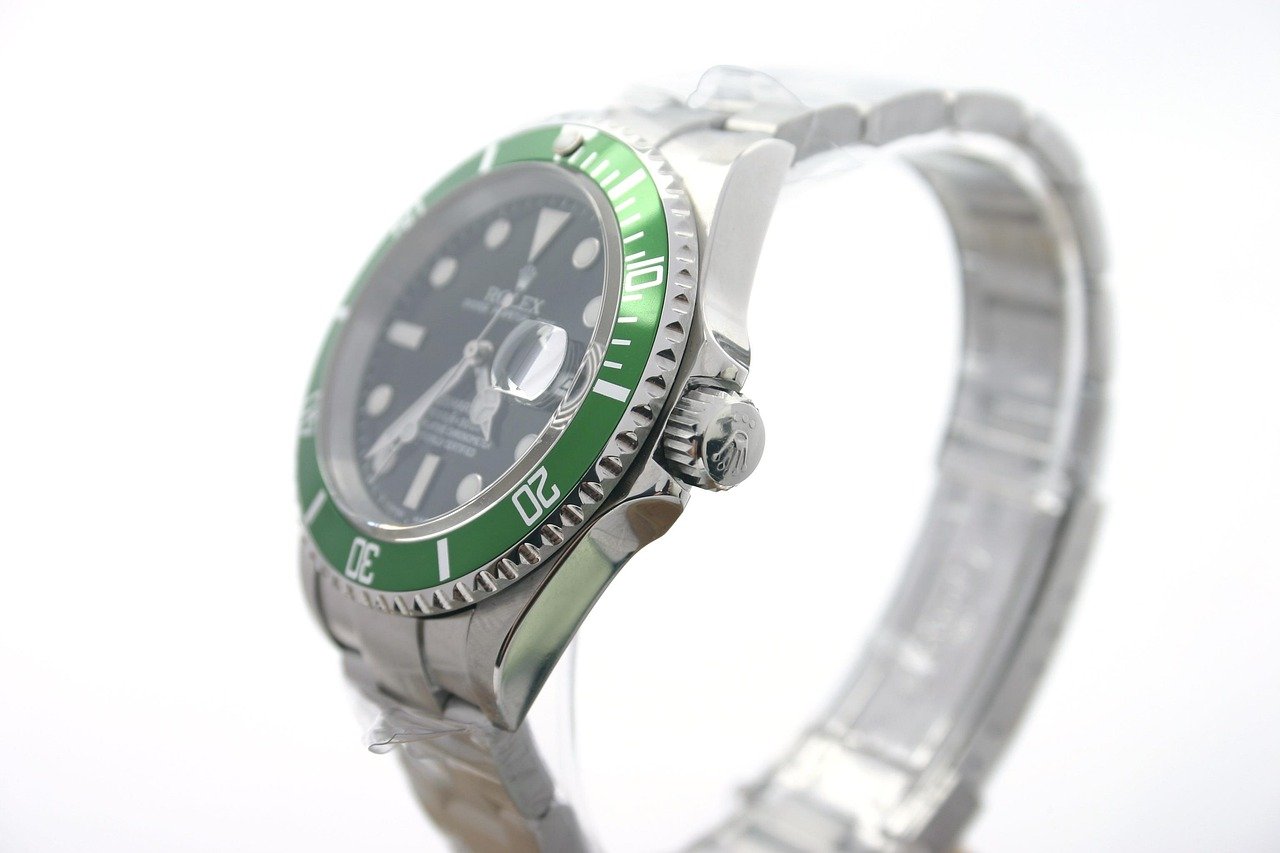
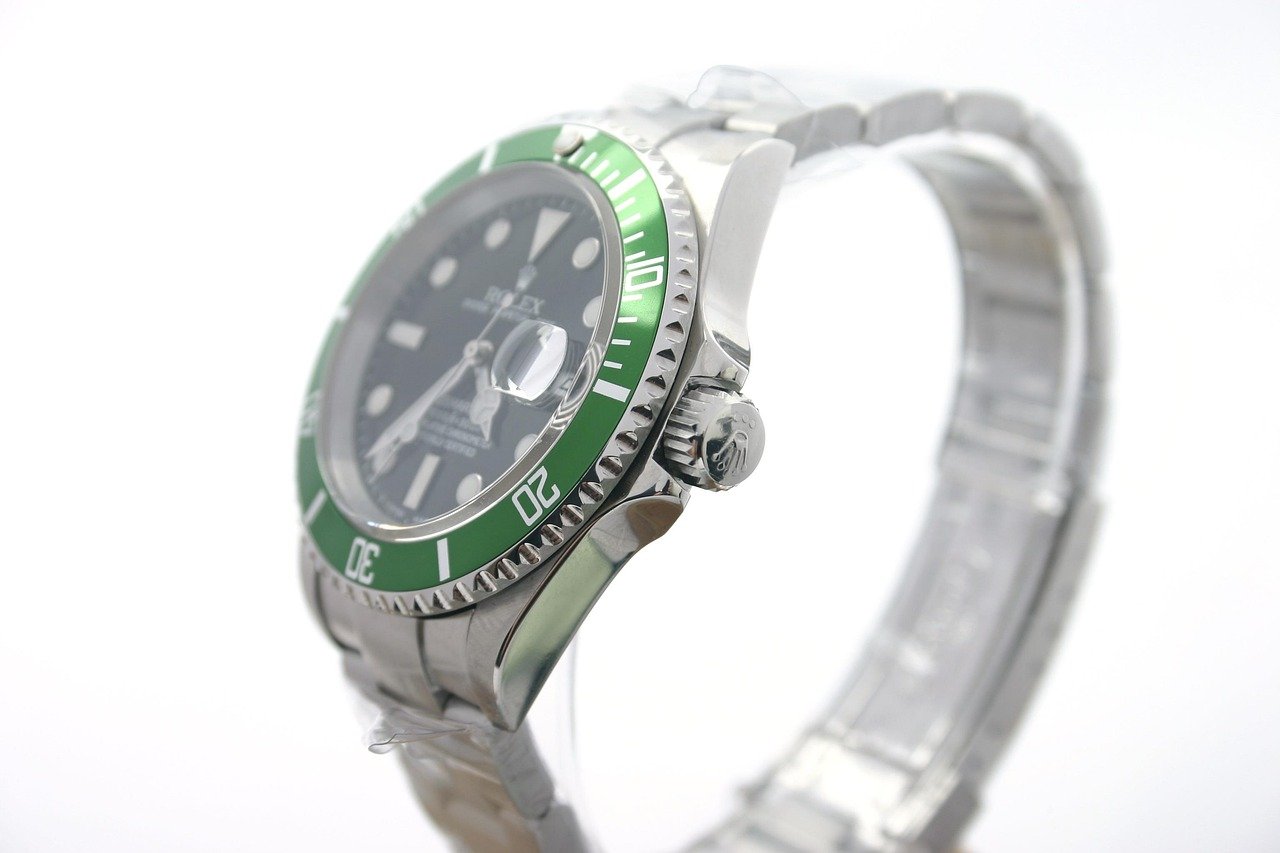
Certain watch models transcend time and become cultural icons. The Rolex Submariner, the Omega Speedmaster (the "Moonwatch"), the Audemars Piguet Royal Oak, and the Patek Philippe Nautilus are more than just watches; they are legends. These models have a proven track record of holding and increasing in value due to their timeless design, historical importance, and high demand. A collection built around these icons is almost always a solid investment.
Pro Tip: Don't overlook independent brands! While the big names dominate the market, independent watchmakers like F.P. Journe, H. Moser & Cie., and Czapek are producing some of the most exciting and innovative timepieces today. Getting in early on a piece from a rising independent star can lead to incredible returns down the line.
The Scarcity Factor: Why Limited Editions Drive Value
In any collectible market, rarity is a powerful driver of value, and the watch world is no exception. Limited and special edition watches are a primary way brands create hype and desirability. When a watch is produced in a finite number—whether it's 5,000 pieces or just 50—it immediately becomes more exclusive.
This strategy plays directly on the principles of supply and demand. Even if a standard production model is popular, its availability is relatively high. But a limited edition creates a scenario where the number of potential buyers far exceeds the number of watches available. This scarcity often causes the watch to trade on the secondary market for prices well above its original retail price, sometimes immediately after its release.
Brands create limited editions for various reasons: to commemorate an anniversary, celebrate a partnership (like Omega's long-standing relationship with James Bond), or use a special material. These watches often feature unique design elements, like a different dial color, a special engraving, or a unique complication, that set them apart from the standard models. For collectors, owning a numbered limited edition is a badge of honor, a sign that they have something truly special that few others possess.
Protecting Your Investment: Maintenance and Care for Collectible Watches

Once you've started acquiring pieces, protecting them becomes paramount. A well-maintained watch will not only run better but will also retain its value far more effectively than a neglected one. Proper care is a non-negotiable part of the art of watch investment.
Regular Servicing is Key
A mechanical watch is a tiny, complex machine with hundreds of moving parts. Over time, the oils that lubricate these parts can dry up, and components can wear down. Most manufacturers recommend a full service every 5 to 10 years, depending on the model and its usage. A service involves completely disassembling the movement, cleaning every part, replacing any worn components, re-oiling, and reassembling it.
It's not cheap, but it's essential for the long-term health and accuracy of your timepiece.
Daily Care and Storage
Proper daily habits can significantly extend the life of your watch. Avoid exposing it to extreme temperatures, magnetic fields (like those from speakers or laptops), and harsh chemicals. While many sports watches have high water resistance ratings, it's wise to have the seals checked regularly, especially if you swim with it often. Clean your watch's case and bracelet periodically with a soft, dry cloth.
When you're not wearing your watches, store them in a watch box. A good box will protect them from dust, moisture, and scratches. For automatic watches, a watch winder can be a good investment. It keeps the watch running so you don't have to reset the time and date every time you pick it up, which also helps keep the lubricants evenly distributed within the movement.
The Art of Watch Investment: Strategies for Building a Valuable Collection
Is watch collecting a good investment? The answer is a resounding maybe. While some watches have produced returns that rival the stock market, the market can be volatile. A successful investment strategy is about making smart, informed choices rather than chasing hype.
One of the most important principles is to buy what you genuinely love. The financial aspect should be a secondary bonus. If you buy a watch you adore, you'll get joy from it every day, and if it happens to appreciate in value, that's the icing on the cake. If it doesn't, you still own a beautiful object you cherish.
Here's a great discussion on whether watches should be viewed as an investment:
Key Investment Strategies
- Focus on Blue-Chip Models: As mentioned earlier, iconic models from top-tier brands like the Rolex Daytona, Patek Philippe Nautilus, and Audemars Piguet Royal Oak are the closest thing to a sure bet. Their demand consistently outstrips supply, leading to strong secondary market values.
- The Importance of "Box and Papers": The original box, warranty card, manuals, and even the sales receipt are collectively known as a "full set." A watch with its complete set is significantly more valuable and easier to sell than a "naked" watch. This provenance proves the watch's authenticity and history.
- Condition is Everything: A vintage watch in pristine, all-original condition is far more valuable than one that has been heavily polished or has had its dial and hands replaced. Collectors value originality above all else. Never polish a vintage watch without consulting an expert, as it can erase the sharp lines of the case and diminish its value.
- Think Long-Term: Don't expect to flip a watch for a profit in six months. The watch market isn't a get-rich-quick scheme. The best returns come from buying a quality piece and holding it for at least 5-10 years, allowing the market to mature and demand to grow.
Going, Going, Gone! The Role of Auctions in High-End Watch Collecting
For the upper echelon of watch collecting, auctions are the main event. Major auction houses like Phillips, Christie's, and Sotheby's are where world records are broken and the market's temperature is taken. These events are not just for selling watches; they are for cementing their place in history.
When a rare watch, like Paul Newman's own Rolex Daytona, sells for a staggering $17.8 million, it creates a halo effect. The publicity and prestige from that sale elevate the desirability of all Paul Newman Daytonas, and to some extent, all vintage Rolex watches. Auctions act as a powerful market maker, setting the benchmark prices that dealers and private collectors follow.
For most collectors, bidding at a Phillips auction might be out of reach. However, following these auctions is an invaluable educational tool. The detailed catalogs provide expert analysis on rare and important timepieces, and watching the results gives you a real-time pulse on which brands, models, and eras are currently in high demand. It’s a masterclass in what makes a watch truly collectible.
What's Ticking Now? Key Trends in the Watch Collecting Market for 2025
The watch market is constantly evolving. Staying on top of the latest trends can help you make smarter acquisitions and anticipate where the market is headed. As of 2025, several key trends are shaping the world of horology.
One of the biggest trends is the continued rise of vintage-inspired watches. Brands are digging into their archives and reissuing modern versions of their most beloved historical models. These "neo-vintage" pieces offer the charm and design of a classic watch with the reliability and technology of a modern one. This trend shows that collectors are craving watches with a story and a connection to the past.
Another significant shift is the move towards smaller case sizes. For years, oversized watches were the norm, but tastes are swinging back towards more classic, understated proportions. Case diameters between 36mm and 40mm are becoming increasingly popular, reflecting a desire for comfort and timeless elegance. Finally, the interest in independent watchmaking continues to explode.
Collectors are looking beyond the mainstream brands for unique designs and innovative mechanics, making small, independent creators some of the hottest names in the industry.
Your Collector's Toolkit: Essential Resources for Watch Enthusiasts
No collector is an island. The community and the wealth of available information are some of the best parts of the hobby. Arming yourself with the right resources will accelerate your learning curve and connect you with fellow enthusiasts.
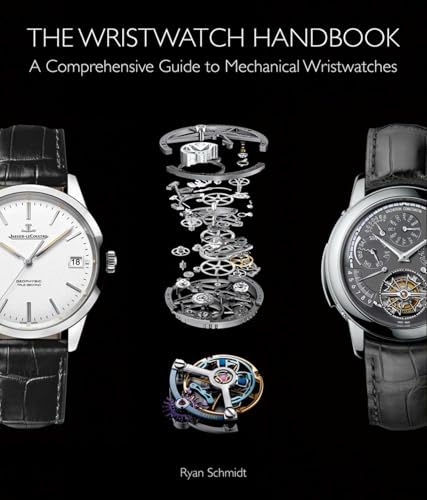
- Books: There are countless fantastic books on horology. A great starting point is The Wristwatch Handbook by Ryan Schmidt, which is a comprehensive guide to complications and movements. For brand-specific history, books on Rolex or Patek Philippe offer deep insights into the icons.
- Online Forums: Websites like WatchUSeek and The Rolex Forums are massive communities where you can ask questions, share pictures of your collection, and learn from seasoned veterans. They are an incredible source of crowd-sourced knowledge.
- Blogs and Publications: As mentioned before, websites like Hodinkee, Fratello Watches, and Worn & Wound provide daily news, in-depth reviews, and historical articles. They are essential reading for anyone serious about collecting.
- Social Media: Instagram is a visual paradise for watch lovers. Following collectors, brands, and photographers can expose you to a huge variety of timepieces and help you refine your personal taste. Following hashtags like #watchfam or #womw (what's on my wrist) will connect you to the global community.
Pro Tip: Attend a local watch meetup or a "RedBar" event if there's one in your city. Meeting other collectors in person is the best way to see a wide variety of watches up close and learn from the experiences of others. There's no substitute for handling a watch in person.
Frequently Asked Questions About Watch Collecting
Here are answers to some of the most common questions new collectors have.
Is watch collecting a good investment?
It can be, but it's not guaranteed. Certain models from top brands have historically performed very well, often beating traditional investments. However, the market is subject to trends and can be volatile. The best approach is to treat it as a passion-driven hobby first.
Buy watches you love to wear, and consider any financial appreciation a bonus.
What is the psychology behind watch collecting?
The drive to collect watches is multifaceted. For some, it's an appreciation for mechanical artistry and human ingenuity. For others, it's about connecting with history or marking personal milestones. Watches can also be status symbols or expressions of personal style.
Ultimately, it's about owning a tangible piece of art that serves a function and tells a story.
How many watches to be considered a collector?
There's no magic number! A collector is defined by their passion and knowledge, not the size of their collection. Someone with three carefully chosen watches they deeply understand and appreciate is just as much a collector as someone with thirty. It's about the mindset, not the quantity.
What are the 'Big 4' in watches?
This term can be subjective. Traditionally, the "Holy Trinity" of Swiss watchmaking refers to Patek Philippe, Audemars Piguet, and Vacheron Constantin, known for their supreme craftsmanship. Many collectors now consider Rolex the fourth member, creating a "Big Four" due to its immense brand power, market dominance, and cultural impact, even if its finishing isn't on the same level as the Trinity.
Why are quartz watches generally not preferred by collectors?
Serious collectors prioritize craftsmanship, tradition, and mechanical complexity. Quartz watches, while practical and accurate, are battery-powered and mass-produced with electronic circuits. They lack the intricate, hand-finished artistry of a mechanical movement, which is often described as the "heartbeat" or "soul" of the watch. Therefore, the art of watch investment focuses on the enduring value of mechanical skill.
Is it okay to buy a 20-year-old Rolex?
Absolutely! A 20-year-old Rolex is often considered a fantastic purchase. This era (often called "neo-vintage") combines the robust build quality and modern materials (like sapphire crystals) of new watches with some of the charm and character of older vintage pieces. As long as it has been well-maintained and is purchased from a reputable source, it can be a reliable and valuable addition to any collection.
Final Thoughts: Is Investing in Watches Right for You?
The journey into the art of watch collecting is deeply personal and incredibly rewarding. It's a chance to own a piece of history, appreciate incredible engineering, and connect with a passionate global community. While the investment potential is certainly alluring, the true value lies in the joy and satisfaction you get from the watches on your wrist.
Start with curiosity, arm yourself with knowledge, and most importantly, buy what speaks to you. Whether your first piece is a humble Seiko or a sought-after Swiss masterpiece, it marks the beginning of a fascinating adventure in time. Welcome to the club!