Investing in Watches: A Beginner's Guide to the Art of Watch Collecting
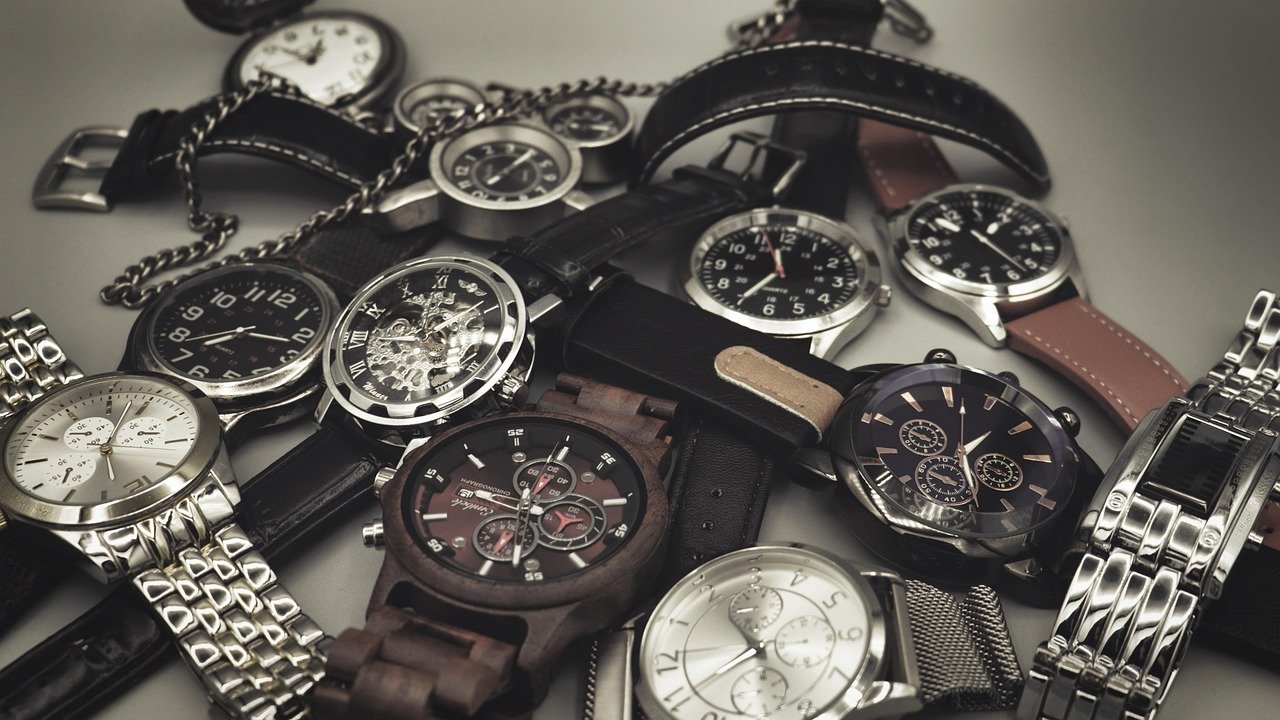
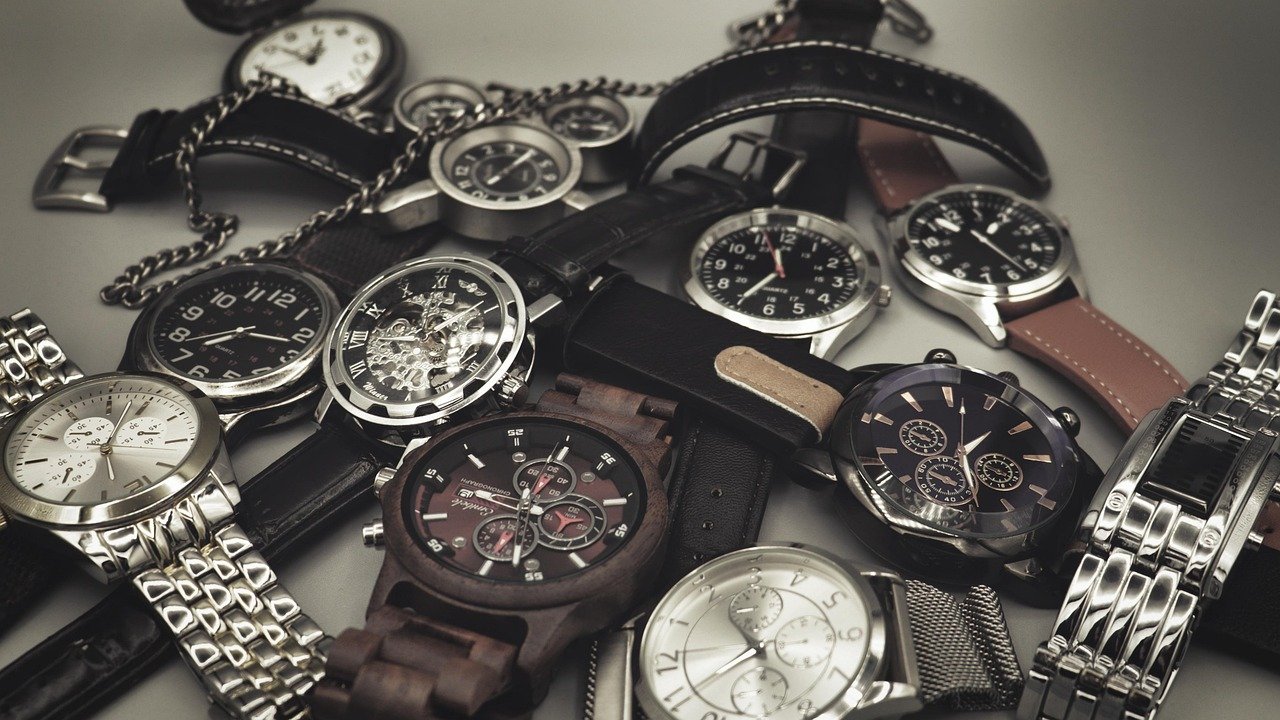
There's a magical moment when you stop looking at a watch to see the time and start seeing the story. You see the hundreds of hours of craftsmanship, the century of innovation ticking on your wrist, and the legacy it represents. This is the gateway to a thrilling world where passion meets portfolio—a journey known as the art of watch collecting. It's about so much more than telling time; it's about owning a piece of history, appreciating mechanical marvels, and making a smart, tangible investment that you can actually wear and enjoy every single day.
For many, the idea of investing in watches feels intimidating, reserved for the ultra-wealthy. But that couldn't be further from the truth. This world is accessible, exciting, and incredibly rewarding for anyone with a passion for design, engineering, and a good story. Whether you're dreaming of a legendary Rolex or discovering a bold, independent brand, the principles are the same: knowledge, passion, and a bit of strategy.
Get ready, because we're about to pull back the curtain on one of the most fascinating hobbies on the planet.
What You'll Learn
- It's Both Passion and Portfolio: Successful watch collecting blends a genuine love for timepieces with smart investment strategies. The best collections are built on passion first, with financial appreciation as a fantastic bonus.
- Research is Your Superpower: Understanding brands, models, market trends, and the importance of condition and provenance (like original box and papers) is absolutely critical to making wise purchases.
- Start with What You Love (and Can Afford): You don't need to start with a $10,000 watch. The journey begins with finding a watch that excites you and fits your budget, whether it's a vintage classic or a modern microbrand.
- The Market Has Its Own Rules: The watch market is influenced by rarity, brand prestige, and cultural trends. Learning the difference between the primary (new) and secondary (pre-owned) markets is key to navigating your collecting journey.
What is the Art of Watch Investment, Really?
At its core, the art of watch investment is the practice of acquiring timepieces with the dual goal of personal enjoyment and potential financial appreciation. It's the beautiful intersection where a hobbyist's passion for horology—the study of time and timekeeping—meets an investor's sharp eye for value. This isn't about day-trading watches or trying to quickly flip the latest hot model. It's a long-term game.
Think of it less like buying a stock and more like collecting fine art. Each piece you choose for your collection should resonate with you personally. Does its history fascinate you. Does the complexity of its movement—the tiny engine inside—amaze you.
Does its design just feel right on your wrist. These are the questions that separate a true collector from a mere speculator.
A speculator buys a watch purely because they think its price will go up. A collector, on the other hand, buys a watch because they appreciate its intrinsic qualities. The potential for it to become a valuable asset is a significant and exciting part of the equation, but it's not the only part. This approach ensures that even if the market for a particular watch fluctuates, you're still left with something you genuinely love and are proud to own.
That's the real secret to winning in this game.

The Thrilling Benefits of Collecting Watches
Why do people dedicate so much time, energy, and money to this hobby? Because the rewards are incredible and multi-faceted. It goes far beyond just owning a nice accessory; it's an immersive experience that enriches your life in several ways.
A Tangible Asset with Potential for Appreciation
Unlike stocks or digital currencies, a watch is a physical, tangible asset you can hold, wear, and admire. In a world of digital everything, there's a unique satisfaction in owning something real and mechanical. Certain watches from iconic brands like Rolex, Patek Philippe, and Audemars Piguet have historically proven to be fantastic stores of value, often appreciating significantly over time, sometimes even outpacing traditional investments.
This isn't just limited to the top-tier brands. Savvy collectors can find value in vintage pieces, limited editions, and watches from up-and-coming independent makers. The key is identifying quality, rarity, and historical significance. When you make a smart purchase, you're not just buying a watch; you're acquiring an asset that could become a valuable part of your financial future.
The Joy of the Hunt and the Story Behind Each Piece
One of the most exciting parts of watch collecting is the chase! The research, the hunt for a specific model, the negotiation with a dealer, and the final moment of acquisition—it's a genuinely thrilling process. Every watch has a story, not just in its own history but in the story of how you came to own it.
Maybe you spent months tracking down a specific birth-year watch. Perhaps you celebrated a major life milestone with a new timepiece. These stories become part of the watch's soul and part of your life. Your collection becomes a physical timeline of your personal journey, with each watch holding a unique memory and meaning.
A Wearable Piece of History and Engineering
Let's be honest: one of the biggest benefits is that you get to wear your investments! You can't exactly hang a stock certificate on your wall or take a real estate property out to dinner. A watch is a statement of personal style and an immediate conversation starter. It's a way to express your appreciation for craftsmanship, design, and history.
Strapping on a beautifully made mechanical watch is a daily reminder of human ingenuity. It's a tiny, intricate machine, often made of hundreds of parts, working in perfect harmony to keep precise time, all without a battery. It's a connection to a tradition of watchmaking that stretches back centuries, and wearing that on your wrist is an incredible feeling.
How to Start Your Collection: Key Watch Collecting Tips
Ready to jump in. Awesome. The journey of a thousand watches begins with a single timepiece. But before you make that first purchase, a little guidance can go a long way.
Following these fundamental watch collecting tips will help you build a collection you love and avoid common beginner mistakes.
Rule #1: Buy What You Love
If you remember only one thing, make it this. The foundation of any great collection is passion. Don't buy a watch just because a blog or forum says it's a "good investment." Market trends come and go, but your personal enjoyment of a watch is forever. If you buy a piece you truly love, you'll never lose, regardless of what its market value does.
Your watch should bring a smile to your face every time you look at it. It should feel like an extension of your personality. When you focus on what genuinely excites you, you'll naturally develop a more unique and interesting collection that reflects who you are. This is the heart and soul of collecting.
Do Your Homework: Research is Everything
Knowledge is your most valuable tool in watch collecting. Before you even think about buying, immerse yourself in the world of horology. Read blogs like Hodinkee and Fratello Watches, watch YouTube channels like Teddy Baldassarre, and participate in forums like WatchUSeek or The Rolex Forums to learn from experienced collectors.
Research specific brands and the models that interest you. What movements do they use. What is their history. What are the key reference numbers and their production years.
Understanding these details will help you spot a good deal, identify fakes, and make informed decisions. The more you learn, the more confident and successful you'll be.
Understanding Provenance and Condition
In the watch world, two words are king: condition and provenance. Provenance refers to the watch's history and proof of its origin, most commonly represented by its original box and paperwork (often called "box and papers"). A watch with its full set is almost always more valuable than the same watch without it.
Condition is equally critical. Is the watch in original, untouched condition, or has it been polished. Are the parts all original, or have some been replaced during servicing. While a pristine watch is great, many collectors value a watch with honest wear and an unpolished case over one that has been polished heavily, which can soften the original sharp lines of the case.
Learning to assess condition is a skill that develops over time.
Pro Tip: When buying a pre-owned watch, always ask for high-resolution photos of the case, dial, and movement. Pay close attention to the sharpness of the lugs (the horns where the strap attaches). Soft, rounded lugs are a tell-tale sign of over-polishing, which can impact value.
Start Smart and Define Your Niche
You don't need a massive budget to start a fantastic collection. It's often wiser to start with more accessible yet high-quality timepieces. This allows you to learn the ropes without taking a huge financial risk. You could focus on a niche, like vintage dive watches, military-issued pieces, or watches from independent microbrands.
Speaking of which, microbrands offer some of the best value in the watch world today. Brands that offer Swiss-made quality with unique, bold designs can be an incredible entry point. For example, a brand like LIV Swiss Watches creates limited-edition, robust timepieces that give you the feel and quality of a high-end Swiss watch without the astronomical price tag. Starting with a distinctive piece like this allows you to own something special and well-made as you build your collection.
Top Recommendations: What Watches Should You Consider?

Okay, let's get to the fun part: the watches! The market is vast, which can be overwhelming. To simplify things, we can break down potential collection pieces into a few key categories. This isn't an exhaustive list, but it's a great starting point for any aspiring collector.
The Blue-Chip Icons (The Grails)
These are the legends, the watches that are instantly recognizable and have a long history of holding and increasing in value. They are the cornerstones of many high-end collections. Think of them as the blue-chip stocks of the watch world. They require a significant investment, but their prestige and demand are undeniable.
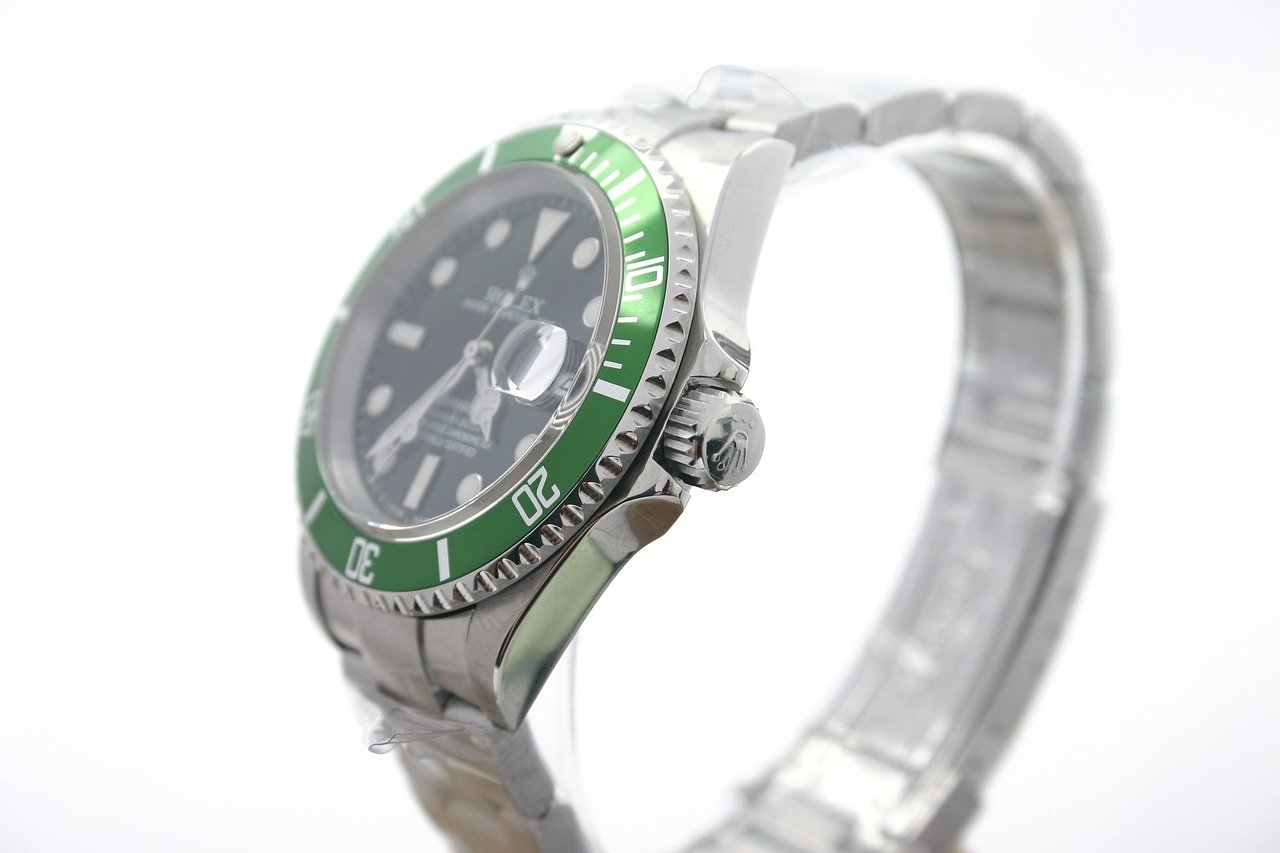
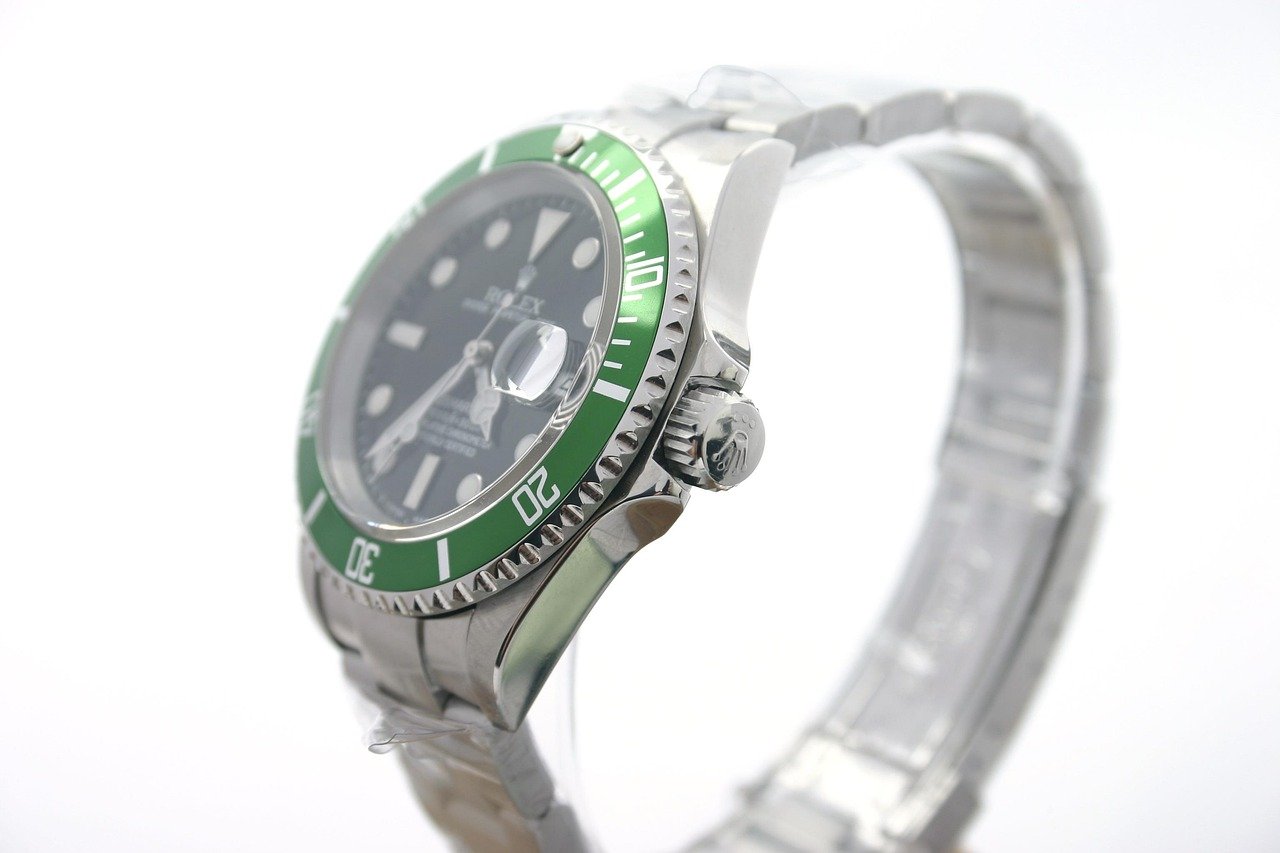
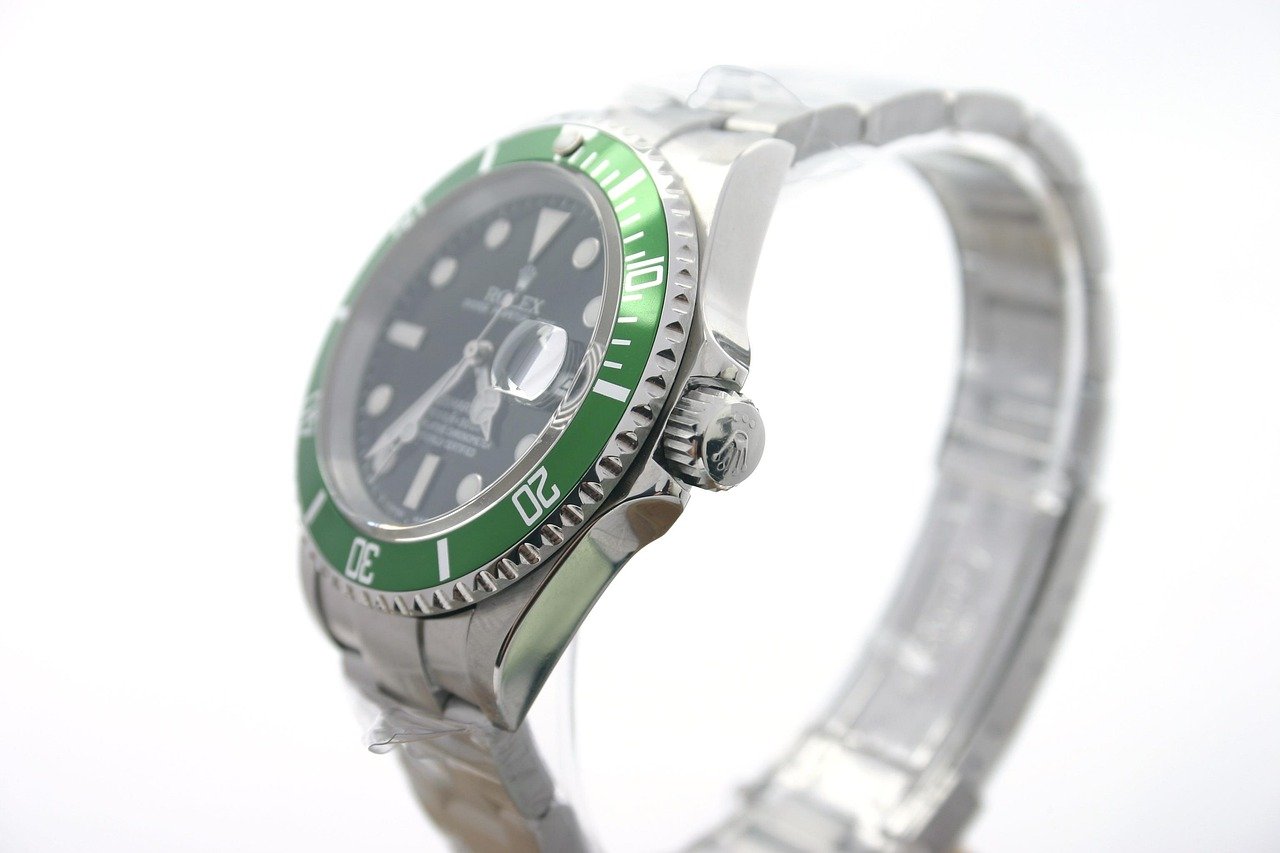
- Rolex Submariner: The quintessential dive watch. It's a timeless design that is durable, reliable, and recognized everywhere.
- Patek Philippe Nautilus: A luxury sports watch designed by the legendary Gérald Genta. Its unique shape and incredible finishing make it one of the most sought-after watches in the world.
- Audemars Piguet Royal Oak: The watch that created the luxury steel sports watch category in 1972. Its bold, octagonal bezel is iconic.
The Smart Entry-Level Investments
This is the sweet spot for most new collectors. These watches come from respected brands with rich histories, offer fantastic quality, and have a strong following, but at a much more accessible price point than the icons above. They are the perfect way to get a taste of the luxury watch world.
- Tudor Black Bay: Made by the sister company of Rolex, Tudor offers incredible quality and vintage-inspired designs. The Black Bay line is wildly popular and a fantastic value.
- Omega Speedmaster Professional: The legendary "Moonwatch." It's a watch with one of the greatest stories ever told and remains a cornerstone of any serious collection.
- Independent & Microbrands: For those who want something different, exploring independent brands is a must. You can find exceptional craftsmanship and unique designs that stand out from the crowd. A brand like LIV Swiss Watches fits perfectly here, offering limited-run, durable Swiss-made chronographs that provide a ton of personality and quality for the price. Check current price on Amazon.
The Vintage Sleepers: Finding Hidden Gems
For the collector who loves the thrill of the hunt, the vintage market is a treasure trove. "Sleepers" are watches from a bygone era that are currently undervalued but have the potential to appreciate as more people discover their history, quality, or unique design. This requires more research but can be incredibly rewarding.
Look for watches from brands like Universal Genève, Zodiac, or vintage Seiko. These brands produced incredible timepieces that, for now, fly under the radar of many mainstream collectors. Finding a pristine example of a vintage piece before it becomes popular is one of the most satisfying feelings in all of collecting.
Understanding Pricing and Market Dynamics
To succeed in the art of watch investment, you need to understand what makes a watch valuable and how the market operates. It's not always straightforward, but a few key principles govern the world of watch pricing.
What Drives a Watch's Value?
Several factors combine to determine the market price of a watch. Understanding them is crucial for identifying a good investment.
- Brand Prestige: Brands with a long history of quality and innovation, like Rolex and Patek Philippe, command higher prices.
- Rarity: Limited editions, short production runs, or models with rare features (like a unique dial) are almost always more valuable.
- Condition & Provenance: As we discussed, a watch in excellent, original condition with its box and papers will always be worth more.
- Movement: A complex or historically significant in-house movement can add significant value compared to a generic, mass-produced one.
- Market Demand (Hype): Sometimes, a watch becomes incredibly popular due to celebrity endorsement or social media trends. This "hype" can drive prices well above their retail value, as seen with models like the Rolex Daytona.
Primary vs. Secondary Market
There are two main ways to buy a watch: the primary and secondary markets. The primary market is buying a brand-new watch from an Authorized Dealer (AD). For highly sought-after models, this often involves getting on a long waitlist, sometimes for years.
The secondary market (or pre-owned market) is where most of the collecting action happens. This includes everything from vintage watch dealers to online platforms like Chrono24. Prices on the secondary market are dictated by supply and demand. This is why a new Rolex Submariner that retails for around $10,000 might sell for over $15,000 on the secondary market—demand far outstrips supply at the retail level.
Budgeting for Your Collection
How much does it cost to start. The amazing answer is: it's up to you. You can find fantastic, collectible vintage watches for under $500. You can buy an incredible Swiss-made microbrand watch for $1,000-$2,000.
Or you can jump right in with a $10,000 piece from a major brand. Set a budget you're comfortable with and stick to it. The goal is to build a collection over time, not to go into debt. Remember to also budget for potential servicing (typically every 5-7 years) and insurance for more valuable pieces.
The Pros and Cons of Investing in Watches
Like any investment, putting your money into watches comes with both incredible upsides and potential risks. It's essential to go in with your eyes wide open. Here’s a balanced look at the pros and cons.
The Upside: Potential Returns and Personal Enjoyment
- Strong Potential for Appreciation: The right watches have shown a remarkable ability to increase in value over the long term, often beating inflation and other traditional assets.
- Tangible and Wearable: It's an investment you can physically enjoy every day. It's a piece of art and engineering on your wrist.
- Global and Liquid Market: There is a robust global market for pre-owned watches, making it relatively easy to sell a desirable piece if you need to.
- Passion and Community: It connects you with a passionate global community of fellow enthusiasts. It's a hobby that offers endless learning and social connection.
The Downside: Market Volatility and Hidden Costs
- Not a Get-Rich-Quick Scheme: Watch values can be volatile in the short term. This is a long-term investment, and appreciation is never guaranteed.
- High Cost of Entry for Icons: The most sought-after "investment-grade" watches require significant capital to acquire.
- Maintenance and Insurance Costs: Mechanical watches need regular servicing, which can cost several hundred to over a thousand dollars. Valuable collections also need to be insured.
- Risk of Fakes and Frauds: The market for luxury watches is unfortunately filled with highly convincing fakes. Buying from reputable sources is absolutely essential to avoid costly mistakes.
Frequently Asked Questions about Watch Collecting
Navigating the world of watch collecting can bring up a lot of questions. Here are detailed answers to some of the most common ones that new collectors ask.
Is watch collecting a good investment?
Yes, it absolutely can be, but it comes with a major condition: it should be treated as a passion-driven pursuit first and a financial investment second. Unlike stocks, which are purely financial instruments, watches offer the unique benefit of personal enjoyment. Certain models from established brands have a proven track record of appreciating in value, sometimes spectacularly. However, the market can be subject to trends and bubbles, and not every watch will go up in value.
The wisest approach is to buy watches you genuinely love and would be happy to own even if their value remained flat. If you do your research, buy quality pieces in good condition, and hold them for the long term, you have a strong chance of seeing positive financial returns. But the real return is the joy you get from owning and wearing them.
What watch will never lose value?
While no investment is ever 100% guaranteed, certain watches come as close as you can get to being a sure bet for value retention. These are typically iconic models from top-tier brands with a long history of demand consistently exceeding supply. The prime example is the stainless steel Rolex Submariner. For decades, it has proven to be an incredible store of value, with pre-owned models almost always selling for more than their original retail price.
Other watches in this category include the Patek Philippe Nautilus, the Audemars Piguet Royal Oak, and the Omega Speedmaster Professional. The key factors these watches share are timeless design, brand prestige, and a legacy that transcends fleeting fashion trends. Buying one of these icons from a reputable source is one of the safest bets in the watch world.
Is Rolex still a good investment in 2026?
Absolutely. As of 2026, the demand for Rolex watches continues to far outpace the brand's famously limited production. This fundamental imbalance of supply and demand is the primary driver of Rolex's strong performance on the secondary market. While the explosive price growth seen in recent years may have cooled slightly, the brand's status as the ultimate symbol of luxury and success remains unshaken.
Investing in Rolex is a long-term play. The brand strategically manages its image and production to ensure its watches remain desirable. As long as that holds true, popular stainless steel sports models like the Submariner, GMT-Master II, and Daytona are expected to remain excellent stores of value and solid long-term investments.
What is Warren Buffett's favorite watch?
This is a fun piece of trivia that speaks volumes about value. Warren Buffett, one of the most successful investors in history, is known for his frugality and focus on value. His watch of choice is a Rolex Day-Date in yellow gold. It’s a classic, prestigious, and timeless piece, but it's not the flashiest or most complicated watch out there.
It reflects his investment philosophy: buy quality, hold it forever, and don't follow passing fads. It’s a testament to the enduring appeal and solid value of a classic Rolex.
Final Thoughts: Is the Art of Watch Investment Right for You?
Embarking on the journey to invest in watches is an incredibly exciting prospect. It's a world filled with history, mechanical beauty, and the thrill of the hunt. It offers a unique opportunity to build a collection that reflects your personal taste while also serving as a tangible asset that can grow in value over time. It’s a hobby that rewards curiosity, patience, and passion in equal measure.
Remember the golden rule: buy what you love. Let your heart guide you to the pieces that speak to you, and let your head guide you to make smart, informed decisions. Start small, do your research, and enjoy every step of the process. The community is welcoming, the knowledge is endless, and the rewards—both personal and potentially financial—are immense.
Whether your goal is to one day own a legendary Patek Philippe or to build a unique collection of independent brands, the adventure starts now. Look at your wrist. Is it time for a new story. If you're looking for a starting point that combines Swiss quality with a bold, modern edge, a brand like LIV Swiss Watches might be the perfect first chapter in your collecting journey.
Happy hunting.