Your First Long Distance Cycling Training Plan: A Step-by-Step Guide for Beginners
There’s a special kind of magic that happens when you realize you’ve pedaled further than you ever thought possible. The world feels bigger, your own strength feels limitless, and the sense of accomplishment is absolutely electric. If you’re dreaming of conquering a century ride, a multi-day tour, or just pushing your personal boundaries, you’ve come to the right place. A solid long distance cycling training plan is your roadmap to success, turning that big, intimidating goal into a series of achievable steps.
It’s not about having superhuman fitness from day one; it’s about smart, consistent preparation.
This guide is designed to take the guesswork out of your training. We’ll break down everything you need, from building a powerful endurance engine to fueling your body and mastering the mental game. You’re about to embark on an incredible journey, and with the right plan, you’ll be crossing that finish line with a massive smile on your face. Let’s get rolling!
What You’ll Learn
- Build Your Base: The cornerstone of any successful plan is gradually increasing your mileage. Consistency over intensity is the key to building long-lasting endurance without burning out.
- Fuel is Your Friend: Proper nutrition and hydration aren’t optional—they’re essential. Learning what to eat and drink before, during, and after your rides will transform your performance.
- Gear Up for Success: Having the right equipment, from a well-fitted bike to comfortable apparel and reliable tracking tools, makes a world of difference in comfort and safety on long rides.
- Train Your Brain: Long distance cycling is as much a mental challenge as a physical one. Developing strategies to stay positive and focused will help you push through the toughest moments.
- Strength and Recovery: Off-the-bike work, including strength training and proper rest, is crucial for preventing injuries and building a more resilient, powerful cycling body.
Why Go the Distance? The Incredible Benefits of Long Distance Cycling

Embarking on a long distance cycling journey is about so much more than just logging miles. It’s a transformative experience that benefits your body and mind in profound ways. The physical rewards are often the most obvious. Endurance cycling is a fantastic cardiovascular workout that strengthens your heart, improves circulation, and can help manage weight.
According to the Centers for Disease Control and Prevention, regular aerobic activity like cycling significantly reduces the risk of chronic diseases.
But the benefits don’t stop there. Pushing your body for hours builds incredible muscular endurance, particularly in your legs, glutes, and core. You’re not just building sprinter’s power; you’re forging a resilient engine that can perform consistently over a long period. This type of fitness translates directly into higher energy levels in your daily life.
Beyond the physical, the mental and emotional rewards are just as powerful. There’s an incredible sense of freedom that comes from exploring new roads and landscapes under your own power. It’s a moving meditation that can clear your head and reduce stress. Conquering a distance you once thought impossible builds immense confidence and mental toughness, teaching you resilience and problem-solving skills that apply to all areas of your life.
It’s a journey of self-discovery, one pedal stroke at a time.
Gearing Up for Success: Essential Equipment for Endurance Rides
Before you start your long distance cycling plan, having the right gear is crucial for comfort, safety, and performance. While you don’t need the most expensive equipment on the market, investing in quality essentials will make your training infinitely more enjoyable and effective. Let’s break down the must-haves.
First and foremost is your bike. Whether it’s a road bike, a gravel bike, or a hybrid, the most important thing is that it fits you properly. A professional bike fit can prevent a host of aches and pains down the road, ensuring your riding position is both efficient and comfortable for long hours in the saddle. Ensure your bike is in good working order with a pre-training tune-up.
Next up is your apparel, or “kit.” Padded cycling shorts (called bibs or shorts) are non-negotiable. They reduce friction and provide cushioning, preventing saddle sores and discomfort. A moisture-wicking jersey will keep you dry and cool, while cycling gloves will protect your hands and absorb road vibrations. Always ride with a helmet—it’s the single most important piece of safety gear you own.
A good pair of cycling shoes and clipless pedals can also significantly improve your pedaling efficiency.
Finally, think about your on-the-bike essentials. You’ll need at least two water bottle cages and bottles, a small saddlebag to carry a spare tube, tire levers, and a multi-tool for roadside repairs. A small frame pump or CO2 inflator is also a must. As you progress, a GPS cycling computer becomes invaluable for navigation and tracking your progress, but we’ll dive deeper into that later!
The Engine Room: Building Your Cycling Endurance
This is the heart of your long distance cycling training plan. Building endurance is a gradual process built on the principle of progressive overload—slowly and consistently asking your body to do a little more than it’s used to. The goal is to build a strong aerobic base, which allows you to ride for hours at a comfortable, sustainable pace.
The cornerstone of your training will be the weekly long ride. Start with a distance you’re comfortable with, and aim to increase it by about 10-15% each week. For example, if you start with a 20-mile ride, your progression might look like this: 22 miles, 25 miles, 28 miles, and so on. This slow increase gives your muscles, tendons, and cardiovascular system time to adapt and grow stronger without risking injury or burnout.
During the week, you’ll supplement your long ride with shorter, more focused sessions. These can include recovery rides (short, easy spins to help your muscles recover) and interval training. Interval workouts, where you alternate between short bursts of high intensity and periods of recovery, are incredibly effective at boosting your overall fitness. A simple distance cycling workout could be warming up for 15 minutes, then doing 5 sets of 2 minutes at a hard effort followed by 3 minutes of easy pedaling, and then cooling down.
These sessions teach your body to handle higher stress levels and recover more quickly, which pays huge dividends on a long ride.
Remember to incorporate a “recovery week” every 3-4 weeks. During this week, you’ll reduce your total mileage by about 40-50%. This isn’t a sign of weakness; it’s a critical part of the training process that allows your body to fully repair and adapt, making you stronger for the next training block. Listening to your body is key—if you feel overly fatigued, it’s okay to take an extra rest day.
Fueling Your Ride: A Cyclist’s Guide to Nutrition and Hydration
Think of your body as a high-performance engine; it can’t run without the right fuel. Nutrition and hydration are just as important as the physical training itself. Nailing your fueling strategy will be the difference between finishing strong and bonking (hitting the wall) halfway through your ride.
Before the Ride: About 1-2 hours before a long ride, eat a meal rich in complex carbohydrates with a little bit of protein. This tops off your glycogen stores, which are your body’s primary energy source. Oatmeal with fruit, a bagel with peanut butter, or toast with eggs are all excellent choices. Avoid high-fat or overly fibrous foods, as they can be hard to digest.
During the Ride: This is where many cyclists make mistakes. For any ride longer than 90 minutes, you need to be actively fueling. The general rule is to consume 30-60 grams of carbohydrates per hour. This can come from energy gels, chews, bars, or even real food like bananas or small sandwiches.
The key is to start fueling early (around the 45-60 minute mark) and continue consistently. For hydration, aim to drink one bottle of water or electrolyte drink per hour, adjusting for heat and intensity. Electrolytes help replace the salts you lose through sweat, preventing cramps and dehydration.
After the Ride: The 30-60 minute window after you finish your ride is crucial for recovery. Your body is primed to absorb nutrients and start repairing muscle tissue. Aim for a snack or meal with a 3:1 or 4:1 ratio of carbohydrates to protein. A chocolate milk, a fruit smoothie with protein powder, or a meal like chicken and rice are perfect for replenishing your energy stores and kick-starting the recovery process.
Pro Tip: Never try a new food or drink on the day of a big event. Use your long training rides to experiment with different gels, bars, and drinks to see what works best for your stomach. Your gut needs training just like your legs do!
Creating Your Weekly Cycling Training Plan
A well-structured week is the key to making consistent progress without overtraining. A balanced cycling training plan should include a mix of different types of rides that target various aspects of your fitness. Here’s a sample weekly schedule you can adapt to your own life and fitness level.
A Sample 12-Week Build-Up Plan (Leading to a 100-Mile Century Ride):
| Week | Tuesday (Intensity) | Thursday (Tempo) | Saturday (Long Ride) | Total Weekly Hours (Approx) |
|---|---|---|---|---|
| 1 | 60 min w/ 4×3 min intervals | 75 min steady pace | 2.5 hours (30-40 miles) | 5 hours |
| 2 | 60 min w/ 5×3 min intervals | 75 min steady pace | 3 hours (40-50 miles) | 5.5 hours |
| 3 | 60 min w/ 4×4 min intervals | 90 min steady pace | 3.5 hours (50-60 miles) | 6 hours |
| 4 | Recovery Week | 45 min easy spin | 60 min easy spin | 2 hours (easy) |
| 5 | 75 min w/ 5×4 min intervals | 90 min w/ 2×15 min tempo | 4 hours (60-70 miles) | 6.75 hours |
| 6 | 75 min w/ 4×5 min intervals | 90 min w/ 2×20 min tempo | 4.5 hours (70-75 miles) | 7.25 hours |
| 7 | 75 min w/ 5×5 min intervals | 105 min w/ 2×20 min tempo | 5 hours (75-80 miles) | 8 hours |
| 8 | Recovery Week | 60 min easy spin | 75 min easy spin | 2.25 hours (easy) |
| 9 | 75 min w/ 3×8 min intervals | 105 min w/ 3×15 min tempo | 5.5 hours (80-85 miles) | 8.5 hours |
| 10 | 75 min w/ 4×8 min intervals | 105 min w/ 2×25 min tempo | 6 hours (85-90 miles) | 9 hours |
| 11 | 60 min w/ 2×10 min tempo | 90 min steady pace | 4 hours (60-65 miles) | 6 hours (Taper) |
| 12 | 45 min w/ openers | Rest | EVENT DAY (100 miles) | – |
Breakdown of Ride Types:
- Long Ride (Saturday/Sunday): This is your most important ride of the week. The goal is to build endurance. Keep the pace conversational—you should be able to chat with a riding partner. This is where you practice your nutrition and hydration strategy.
- Intensity/Interval Day (Tuesday): A shorter, harder workout designed to boost your top-end fitness (your VO2 max). This makes your comfortable cruising speed feel easier.
- Tempo/Sweet Spot Day (Thursday): This ride is done at a “comfortably hard” pace. It’s faster than your long ride pace but not an all-out effort. This is fantastic for building muscular endurance and raising your lactate threshold.
- Rest/Recovery Days (Monday, Wednesday, Friday): Rest is when you get stronger. Your body needs time to repair and adapt. You can take these days completely off or do a very short, easy recovery spin (30-45 minutes) to keep the legs moving.
This structure provides a great balance of stress and recovery, ensuring you’re building fitness in a sustainable way. Always listen to your body and adjust the plan as needed.
Building a Stronger Body: Strength Training for Cyclists

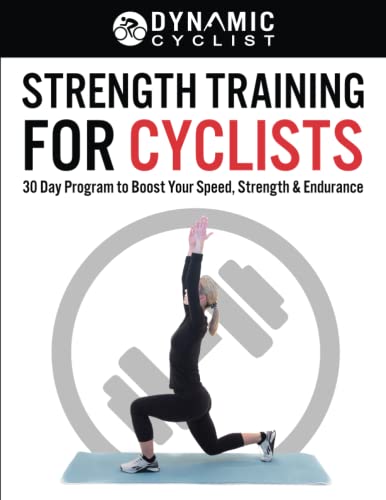
Many cyclists believe the only training they need is more time on the bike, but that’s a common mistake. A dedicated strength training program, just 1-2 times per week, can make you a more powerful, resilient, and injury-proof rider. It addresses muscle imbalances, strengthens your core, and improves your overall power output.
Cycling is a very repetitive motion that primarily works your quadriceps, hamstrings, and glutes. However, it can neglect other important muscle groups. Strength training helps build a balanced physique. A strong core, for example, is the foundation of a stable riding platform.
It helps transfer power from your upper body to your legs and prevents lower back pain on long rides.
Focus on compound movements that work multiple muscle groups at once. You don’t need to spend hours in the gym. A simple, effective routine can be done in 30-45 minutes. Key exercises for cyclists include:
- Squats: The king of leg exercises. They build powerful quads, glutes, and hamstrings.
- Deadlifts: Excellent for building posterior chain strength (glutes, hamstrings, lower back), which is crucial for a powerful pedal stroke.
- Lunges: Great for single-leg strength and stability, mimicking the action of pedaling.
- Planks: A fantastic exercise for building core stability and endurance.
- Glute Bridges: Specifically target and activate your glute muscles, which are often underutilized by cyclists.
Schedule your strength sessions on days you’re not doing a hard ride. For example, you could lift on a Monday and a Wednesday. During the main cycling season, you might reduce the intensity or volume of your lifting to ensure you’re fresh for your key rides. Remember, the goal of strength training is to supplement your cycling, not to become a powerlifter.
The Mental Game: Strategies for Conquering Long Distances
Your body can be perfectly trained, but if your mind isn’t ready for the challenge, a long ride can feel impossible. The mental aspect of endurance sports is just as important as the physical. Developing a toolkit of mental strategies will help you push through discomfort, stay positive, and enjoy the journey.
One of the most effective techniques is to break the ride down into smaller, manageable chunks. Thinking about riding 100 miles can be overwhelming. Instead, focus on riding to the next town, the next rest stop, or even just the next 10 miles. Celebrate each small victory.
This makes the overall goal feel much less daunting and keeps you focused on the present moment.
Positive self-talk is another powerful tool. There will be moments when you feel tired, your legs ache, and you want to quit. In these moments, your inner voice matters. Instead of thinking, “I can’t do this,” reframe it to, “This is tough, but I am strong enough to handle it.” Remind yourself of all the training you’ve done and why you started this journey in the first place.
Pro Tip: Create a mantra. A short, powerful phrase you can repeat to yourself when things get tough can be incredibly effective. Something like “Strong and steady” or “One pedal stroke at a time” can help center your focus and quiet negative thoughts.
Finally, practice mindfulness and awareness. Pay attention to the world around you—the scenery, the sounds, the feeling of the wind. This helps you stay present and takes your mind off any discomfort. Also, be aware of your body.
Do a mental check-in every so often. Are you drinking enough. Do you need to eat. Is your posture good.
Staying ahead of these small things can prevent bigger problems from developing.
Staying Healthy: Common Cycling Injuries and How to Prevent Them
Nothing derails a training plan faster than an injury. While cycling is a low-impact sport, the repetitive nature of the motion can lead to overuse injuries if you’re not careful. The good news is that most common cycling injuries are preventable with proper bike fit, good form, and a smart training approach.
Knee Pain: This is one of the most common complaints among cyclists. It’s often caused by an improper saddle height. If your saddle is too low, it can cause pain in the front of the knee (patellofemoral pain). If it’s too high, it can cause pain in the back of the knee.
A professional bike fit is the best way to solve this.
Lower Back Pain: This often stems from a weak core or a riding position that is too aggressive (too long or too low). Spending hours in a hunched-over position puts stress on your lower back. Incorporating core-strengthening exercises like planks and bridges can provide the stability needed to support your spine.
Saddle Sores: These painful skin irritations are caused by a combination of pressure, friction, and moisture. The solution is threefold: get a saddle that fits your anatomy, wear high-quality padded cycling shorts (with no underwear!), and use chamois cream to reduce friction. Also, make sure to get out of your cycling shorts as soon as you finish your ride.
Prevention is always better than cure. Listen to your body. Don’t push through sharp or persistent pain. Build your mileage gradually to give your body time to adapt.
And don’t forget to stretch. Focusing on your hamstrings, quads, hip flexors, and glutes after a ride can help maintain flexibility and prevent muscle imbalances.
Planning for Epic Adventures: Preparing for Multi-Day Rides
Once you’ve conquered a single long day, the allure of a multi-day bike tour or bikepacking trip is hard to resist. This type of adventure requires an extra layer of planning beyond a single-day event. Your long distance cycling plan needs to account for the challenge of riding day after day.
First, you need to train for back-to-back efforts. In the final months of your training, try to incorporate consecutive long ride days. For example, you might do a 60-mile ride on Saturday followed by a 40-mile ride on Sunday. This teaches your body how to perform on tired legs and helps you dial in your recovery strategy.
Logistics are a huge part of multi-day riding. You need to plan your route, your accommodations, and how you’ll carry your gear. Will you be staying in hotels (credit card touring) or camping (bikepacking). This will determine how much gear you need to carry.
Practice riding with your bike fully loaded on some of your training rides. The extra weight changes how the bike handles, and it’s important to get used to it.
Packing smart is an art form. Every item should have a purpose. Your kit will typically include on-bike apparel, off-bike clothes, toiletries, a comprehensive repair kit, electronics (like a GPS and battery pack), and your nutrition. Pacing becomes even more critical on a multi-day trip.
You can’t go all-out on day one. You need to ride at a sustainable, conservative pace to ensure you have enough energy for the entire journey. Think of it as a marathon, not a sprint.
Tracking Your Triumphs: Tools and Apps to Monitor Your Progress
One of the most exciting parts of training is seeing how far you’ve come. Tracking your rides provides valuable data that shows your fitness is improving, helps you stick to your plan, and keeps you motivated. While you can start with a simple smartphone app, dedicated cycling computers and sensors offer a much richer and more reliable experience.
GPS cycling computers are a fantastic investment for any serious cyclist. They provide real-time data like speed, distance, elevation, and time. More advanced models offer turn-by-turn navigation, which is a lifesaver when exploring new routes. You can create a route at home and send it to your device, so you never have to worry about getting lost on a long ride.
It takes the stress out of exploration.
For cyclists looking for a powerful yet user-friendly option, the devices from Wahoo Fitness are top-notch. The Wahoo ELEMNT series of bike computers is known for its intuitive interface, easy setup via a companion app, and crystal-clear display. They make it simple to follow routes, track your metrics, and sync your rides to platforms like Strava or TrainingPeaks automatically.
To get even more out of your training, you can pair your computer with sensors like a heart rate monitor and a cadence sensor. A heart rate monitor allows you to train in specific zones, ensuring your easy days are truly easy and your hard days are effective. A cadence sensor measures your pedaling speed (in revolutions per minute), helping you work on a smoother, more efficient pedal stroke. The entire Wahoo ecosystem is designed to work together seamlessly, giving you all the data you need to train smarter and achieve your goals.

Frequently Asked Questions
How many hours a week should I train for long distance cycling?
For a beginner aiming for a goal like a century ride (100 miles), a good starting point is around 5-6 hours per week, gradually building to about 8-10 hours per week in the peak phase of your training. This typically includes one long ride on the weekend (which will grow from 2 hours to 5-6 hours) and two or three shorter, 60-90 minute rides during the week. Consistency is more important than cramming all your riding into one or two days.
It’s crucial to remember that this includes a mix of intensities. Not all hours are created equal. Your long ride should be at a steady, aerobic pace, while your shorter weekday rides can incorporate higher intensity intervals. A balanced plan with adequate rest is the key to sustainable improvement and injury prevention.
What is a good distance for a beginner long distance cyclist?
A great first “long distance” goal for a beginner is a metric century (100 kilometers or about 62 miles). This is a significant and challenging distance that is very achievable with a few months of consistent training. It provides a fantastic milestone to work towards without being as intimidating as a full 100-mile imperial century.
Once you’ve comfortably completed a metric century, you can set your sights on a 75-mile ride, and then the full 100-mile century. The key is to build up gradually. Don’t jump from a 20-mile ride to a 60-mile ride. Follow a progressive plan that builds your confidence and fitness step-by-step.
How do I increase my cycling distance?
The best way to increase your cycling distance is to follow the 10-15% rule for your weekly long ride. This means you should only increase the distance of your longest ride by about 10-15% each week. This gradual progression allows your body to adapt to the increased workload without getting overwhelmed, which is the fastest way to get injured or burn out.
For example, if your longest ride this week is 30 miles, next week you should aim for around 33-35 miles. It might not feel like a huge jump, but over several weeks, these small increments add up to significant gains in endurance. Also, ensure you incorporate a recovery week with reduced mileage every 3-4 weeks to allow for full adaptation.
What should I eat on a 100km bike ride?
For a 100km (62-mile) ride, which can take anywhere from 3 to 5 hours for most recreational cyclists, consistent fueling is critical. You should start eating within the first hour and aim to consume 30-60 grams of carbohydrates every hour thereafter. This is not a ride you can complete on water alone.
Good options include energy gels, chews, or bars specifically designed for endurance sports. You can also use real food. A banana, a handful of dates, or a small jam sandwich are all great sources of easily digestible carbs. It’s also vital to drink one bottle of fluid per hour, alternating between plain water and an electrolyte drink to replace lost salts.
Final Thoughts
Embarking on a long distance cycling journey is one of the most rewarding things you can do. It’s a path of discovery, pushing your physical limits and strengthening your mind in ways you never imagined. A structured long distance cycling training plan is your trusted guide on this adventure, providing the framework you need to build endurance, stay healthy, and crush your goals with confidence.
Remember that the journey is just as important as the destination. Celebrate the small wins, enjoy the process of getting stronger, and embrace the freedom of the open road. From gearing up and fueling right to building mental toughness and tracking your progress, you now have the tools to succeed.
If you’re serious about taking your training to the next level and want to track your progress with precision, consider investing in a reliable GPS computer. The tools from Wahoo Fitness can provide the data and navigation you need to train smarter and explore further. Now, get out there and start pedaling toward that horizon. Your next great adventure awaits!