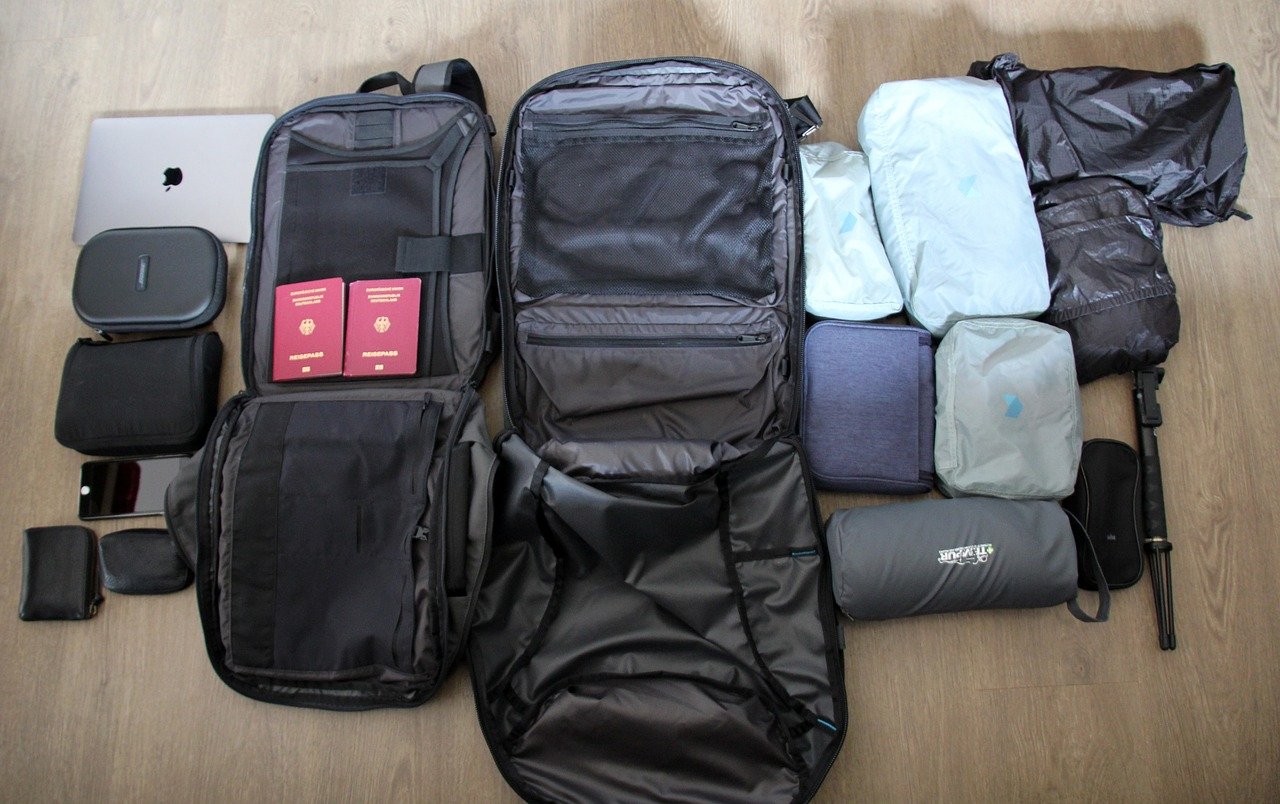

- waxed P600 polyester canvas| DWR coating
- Imported
- Made with bluesign approved, 100% recycled polyester fabrics, a waxed canvas with a PFC free durable water-resistant coa…

- 【Effortless 360° Mobility】Glide through airports with ease. The carry-on luggage features dual 360° spinner wheels for u…
- 【Smartly Organized Spacious Interior】Stay organized wherever you go. This hardside suitcase includes large compartments,…
- 【Lightweight Yet Impact-Resistant】Crafted from premium ABS material, this suitcase strikes the perfect balance between s…
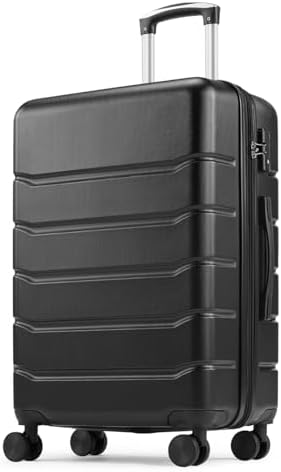
- 【Effortless Mobility with Dual-Wheel Design】Travel with ease using Sweetcrispy carry-on luggage, featuring a dual-wheel …
- 【Spacious & Organized Storage】Designed with travel convenience in mind, this suitcase offers ample storage with dedicate…
- 【Lightweight Yet Durable Construction】Made with a sturdy ABS exterior, this luggage is lightweight for easy handling whi…
Size Dimensions of Carry On Luggage: A Traveler’s Guide to Choosing Right
There’s a universal moment of anxiety every traveler knows: standing in the boarding line, watching the gate agent eye your carry-on, and whispering a silent prayer that it fits in the dreaded sizer. Getting the size dimensions of carry on luggage wrong can mean surprise fees, frustrating delays, and the hassle of gate-checking your bag. But what if you could walk onto every flight with total confidence? It’s absolutely possible!
Navigating the world of carry on luggage size can feel like decoding a secret language. Every airline seems to have its own rules, and the numbers can be confusing. This guide is your ultimate translator. We’re going to break down everything you need to know, from the standard measurements to the sneaky exceptions, so you can choose the perfect bag and pack like a pro for your next adventure.
Get ready to say goodbye to gate-side stress for good.
What to Know
- The Standard Isn’t Universal: The most common carry-on size for major U.S. airlines is 22 x 14 x 9 inches (56 x 36 x 23 cm), but this is just a guideline. Always verify the specific dimensions with your airline before you fly.
- Wheels and Handles Count: One of the biggest mistakes travelers make is forgetting to include wheels and handles in their measurements. Airlines measure the absolute total size of the bag, from the floor to the top of the handle.
- International & Budget Airlines Are Stricter: Don’t assume your domestic carry-on will work for international flights or budget carriers like Spirit or Ryanair. They often have significantly smaller and lighter carry on luggage allowances.
- Know Your Bag Types: Understanding the difference between a carry-on (for the overhead bin) and a personal item (for under the seat) is essential for maximizing your packing space without paying extra fees.
The “Standard” Carry-On Luggage Size: What You Need to Know

When you start shopping for a new carry-on, you’ll see one set of numbers pop up more than any other: 22 x 14 x 9 inches. This has become the unofficial standard for carry-on luggage, particularly within the United States. Major carriers like American Airlines, Delta, and United all cite these dimensions as their maximum allowance.
But why these specific numbers? It’s all about geometry and aircraft design. This size is the sweet spot that allows a suitcase to fit neatly into the overhead bins of most commercial aircraft, either wheels-first or sideways. It’s large enough to pack for a multi-day trip but compact enough to be accommodated on planes like the Boeing 737 or Airbus A320, which are the workhorses of domestic travel.
However, thinking of this as a universal rule is a recipe for travel trouble. It’s better to view 22 x 14 x 9 inches as a starting point or a safe bet for most major domestic flights. As we’ll see, this “standard” can shrink quickly, especially when you fly with budget carriers or head overseas.
Decoding Airline Carry-On Size Restrictions (A Deep Dive)
This is where the details truly matter. While many airlines hover around the same dimensions, the small differences can be costly. A bag that’s perfectly fine on Delta might get you flagged on Spirit. Let’s break down the policies of some major players.
Major U.S. Airlines
For the most part, the legacy carriers in the U.S. offer the most generous and consistent carry-on luggage measurements. They understand that their passengers are often connecting between different types of aircraft and have standardized their policies for convenience.
| Airline | Carry-On Dimensions (Inches) | Carry-On Dimensions (cm) | Notes |
|---|---|---|---|
| American Airlines | 22 x 14 x 9 | 56 x 36 x 23 | Includes handles and wheels. |
| Delta Air Lines | 22 x 14 x 9 | 56 x 36 x 23 | No specified weight limit for most routes. |
| United Airlines | 22 x 14 x 9 | 56 x 35 x 23 | Basic Economy tickets only allow a personal item. |
| Southwest Airlines | 24 x 16 x 10 | 61 x 41 x 25 | The most generous of the major U.S. airlines. |
The Budget Airline Gauntlet
Budget airlines like Spirit and Frontier make a significant portion of their revenue from fees, and baggage is at the top of that list. Their carry-on allowances are notoriously smaller and more strictly enforced. They know that many travelers will show up with a “standard” carry-on, and they are ready with a credit card machine at the gate.
- Spirit Airlines: Their maximum carry-on size is 22 x 18 x 10 inches. While this seems larger in some dimensions, it’s a different shape that can trip people up. More importantly, you have to pay for a carry-on bag on Spirit; only a small personal item (18 x 14 x 8 inches) is free.
- Frontier Airlines: Similar to Spirit, Frontier charges for carry-on bags. Their maximum size is 24 x 16 x 10 inches, but they are very strict with their sizers at the gate. If it doesn’t fit, you’ll pay a hefty fee.
How to Measure Your Carry-On Luggage Like a Pro
Don’t just trust the tag that came with your suitcase! The manufacturer’s listed dimensions of carry on bags might not include the wheels and handles, or they might be slightly off. Measuring it yourself is the only way to be 100% sure. Here’s how to do it right.
- Empty the Bag: For the most accurate measurement, especially with soft-sided luggage, make sure the bag is empty and not bulging.
- Use a Rigid Tape Measure: A flexible sewing tape measure can bend and give you an inaccurate reading. A standard metal tape measure is best.
- Measure the Height: Place the suitcase upright. Measure from the very bottom of the wheels to the very top of the handle in its most compressed state. Don’t measure to the top of the case itself; include that handle!
- Measure the Width: Turn the bag and measure from the widest point to the widest point on the other side. This usually includes side handles or feet.
- Measure the Depth: Lay the bag on its back and measure from the back to the front. Make sure to include the front pockets, even if they are empty, as they contribute to the overall dimension.
Pro Tip: After you’ve packed your bag, measure it again, especially if it’s a soft-sided model. Over-packing can cause the front pockets to bulge, adding an inch or more to the depth and potentially putting you over the airline’s limit.
Navigating International Carry-On Size Regulations
Once you leave the U.S., the rules of the game change completely. International airlines, especially European budget carriers, are known for having much stricter carry on luggage size and weight limits. There are a few reasons for this: they often use smaller aircraft for short-haul flights, and like U.S. budget carriers, they rely on baggage fees for revenue.
Common international dimensions are often closer to 21.5 x 15.5 x 9 inches (55 x 40 x 23 cm). Notice that while the height is slightly less, the width and depth can sometimes be a bit more generous. It’s crucial to check the rules for each specific airline you’re flying, including connecting flights on partner airlines.
Weight is the other major factor. While most U.S. carriers don’t have a weight limit for carry-ons, it’s the norm internationally. Limits can be as low as 7-8 kg (about 15-18 lbs).
They will not hesitate to weigh your bag at check-in or at the gate, so investing in a lightweight suitcase and packing mindfully is essential for international travel.
Soft-Sided vs. Hard-Shell: Which Carry-On Fits Your Style?

Choosing between a soft-sided and a hard-shell carry-on is a classic traveler’s debate. Both have distinct advantages, and the right choice depends on your packing style and priorities. The dimensions of carry on bags are just the start; construction matters immensely.
Soft-Sided Luggage
Soft-sided bags, typically made from durable fabrics like ballistic nylon or cordura, are all about flexibility. Their main draw is the presence of external pockets, which are perfect for stashing items you need to access quickly, like a passport, charging cables, or a book.
- Pros: They can squeeze into tight overhead bin spaces more easily. The fabric has some give, allowing you to pack in that one extra souvenir. They are also generally lighter than their hard-shell counterparts.
- Cons: They offer less protection for fragile items inside. They are also more susceptible to being over-packed, which can push their dimensions beyond the airline’s limits.
A great example of a modern, soft-sided approach is a travel backpack designed for one-bag travel. The Tortuga Travel Backpack is engineered to maximize packing space within carry-on constraints, offering incredible organization and comfort without the rigid structure of a traditional suitcase.
Hard-Shell Luggage
Hard-shell suitcases, usually made from polycarbonate or ABS plastic, offer superior protection and a sleek, modern look. They often feature a “clamshell” design that opens into two equal halves, which can help with organization.
- Pros: They protect your belongings from rough handling and impacts. The rigid structure prevents you from over-packing and exceeding size limits. Many models have a stylish, high-end appearance.
- Cons: They lack external pockets, meaning you have to open the entire suitcase to get anything. The rigid shell is unforgiving in tight spaces and can be prone to scuffs or even cracks over time.
Ultimately, the choice is personal. If you value quick-access pockets and flexibility, go with soft-sided. If protecting your gear is your top priority, a hard-shell case is the way to go.
Popular Carry-On Choices: What the Brands Offer
When you’re ready to invest in a new carry-on, the number of options can be overwhelming. Many popular direct-to-consumer brands like Away and Monos have built their reputation on stylish hard-shell bags that adhere to the standard 22 x 14 x 9-inch dimensions. Legacy brands like Samsonite and Travelpro offer a huge range of both soft and hard-sided options for every type of traveler.
Beyond the mainstream, some brands focus on solving specific travel problems. For travelers who live by the motto “a place for everything and everything in its place,” organization is key. The Bagsmart Carry-On is a fantastic choice, often featuring clever compartments, built-in dividers, and dedicated pockets that make packing and unpacking incredibly efficient.
For those who prefer the freedom and mobility of a backpack, the carry-on backpack category has exploded. These bags are designed to fit the maximum allowable carry on luggage measurements while offering the ergonomic benefits of a backpack. The Tortuga Travel Backpack is a leader in this space, known for its durable build, comfortable harness system, and clamshell opening that lets you pack it like a suitcase. It’s a perfect solution for navigating European cobblestone streets or busy city subways where rolling a suitcase is a hassle.
Master Your Pack: Strategies to Maximize Carry-On Space
Having the right size bag is only half the battle; knowing how to pack it efficiently is the other. With shrinking airline allowances, every square inch counts. Adopting a few smart packing strategies can make the difference between fitting everything you need and having to leave things behind.
Packing Cubes are Essential: This is the single best investment you can make for organized packing. Packing cubes compress your clothes, saving a surprising amount of space. They also allow you to organize by item type (shirts in one, pants in another), making it easy to find what you need without destroying your perfectly packed bag.
Roll, Don’t Fold: For most clothing items like t-shirts, pants, and dresses, rolling them tightly is far more space-efficient than folding them flat. It also helps to minimize wrinkles. For bulkier items like blazers or sweaters, careful folding might be better.
Use Every Nook and Cranny: Think of your bag as a 3D puzzle. Stuff socks, underwear, or charging cables inside your shoes. Fill any small gaps with soft items. This not only saves space but also helps keep everything from shifting during transit.
Wear Your Heaviest Items: This is a classic travel hack for a reason. Wear your bulkiest shoes, your heaviest jacket, and your chunkiest sweater on the plane. It might be a little warm, but it frees up a massive amount of space and weight in your carry-on.
Beyond Size: Essential Features to Look for in a Carry-On
A great carry-on is more than just a box that meets airline dimensions. The right features can dramatically improve your travel experience, making your journey smoother and more enjoyable.
- Wheels (Spinner vs. Roller): Spinner bags have four wheels that rotate 360 degrees, allowing you to glide the bag alongside you effortlessly. They are amazing on smooth airport floors but can struggle on carpet or uneven surfaces. Roller bags have two fixed wheels and are pulled behind you. They are more durable and handle rough terrain like cobblestones much better.
- Handles: A sturdy, telescoping handle that doesn’t wobble is non-negotiable. Check that it locks securely at different heights. Also, ensure the bag has comfortable, padded grab handles on the top and side for easy lifting into the overhead bin or a car trunk.
- Weight: The weight of the empty suitcase matters, especially for international travel with strict weight limits. A bag that weighs 6 lbs instead of 8 lbs gives you two extra pounds for your belongings. Look for bags made with lightweight materials like polycarbonate or ripstop nylon.
- Durability and Zippers: Your bag will take a beating. Look for high-quality materials that can withstand abuse. The zippers are often the first point of failure. YKK zippers are widely considered the industry gold standard for reliability and durability.
- Organization: A single, cavernous compartment doesn’t work for everyone. Consider if you need a padded laptop sleeve, interior divider panels, or mesh pockets to keep your things organized. This is an area where bags like the Bagsmart Carry-On truly shine, offering thoughtful layouts for the meticulous packer.
Frequently Asked Questions (FAQ)
When measuring carry-on luggage, do you count the wheels?
Yes, absolutely! This is one of the most critical and often overlooked rules. When an airline states its maximum dimensions, such as 22 x 14 x 9 inches, that measurement includes every part of the bag. You must measure from the very bottom of the wheels to the very top of the most compressed handle.
Many travelers get caught by this, assuming the measurement only applies to the case itself. Gate agents will place your entire bag into the sizer, and if the wheels or handle prevent it from fitting, it will be rejected. Always account for these external parts when measuring.
What happens if my carry-on is too big?
If a gate agent determines your carry-on is too large, you will be required to gate-check it. This means your bag will be tagged and placed in the cargo hold with the checked luggage, and you’ll have to retrieve it at baggage claim at your destination. This process is rarely free.
Gate-checking a bag is almost always more expensive than checking it at the ticket counter beforehand. The fees can be significant, often $60 or more per bag. You’ll also have to quickly remove any valuables, medications, or lithium batteries (like power banks) from the bag, as they are not allowed in the cargo hold. It’s a stressful and costly mistake to make.
Is a backpack considered a carry-on?
It depends on the size. Airlines make a distinction between a “carry-on bag” and a “personal item.” A carry-on bag is the larger item that goes in the overhead bin. A personal item is a smaller bag, like a purse, laptop bag, or small backpack, that must fit under the seat in front of you.
A large travel backpack, like the Tortuga Travel Backpack, is designed to be your main carry-on bag and will count as such. A smaller, school-sized backpack will typically qualify as your personal item. If you try to bring both a rolling suitcase and a large travel backpack, you will likely be forced to check one of them.
Can a 24 inch suitcase be a carry-on?
For most major U.S. and international airlines, a 24-inch suitcase is too large to be a carry-on and must be checked. The standard height limit is 22 inches, including wheels and handles. While a few airlines, like Southwest, have a more generous 24-inch limit, this is the exception, not the rule.
Trying to use a 24-inch bag as a carry-on is a significant gamble. It will not fit in the sizers for airlines like American, Delta, or United, and you will be forced to check it at the gate. It’s always safer to stick to a bag that is 22 inches or smaller to ensure compliance across the widest range of airlines.
What is the most strict airline for carry-on size?
In the United States, budget airlines like Spirit and Frontier are generally considered the strictest. Their business model relies heavily on ancillary fees, so they have a strong financial incentive to enforce their baggage rules to the letter. They almost always have sizers at the gate and will check bags that appear to be even slightly oversized.
Internationally, European budget carriers like Ryanair and EasyJet are legendary for their strict enforcement of both size and weight limits. They are known for weighing and measuring nearly every bag. When flying these airlines, you must assume the rules are absolute and pack accordingly.
Final Thoughts
Mastering the size dimensions of carry on luggage is your ticket to a smoother, cheaper, and more enjoyable travel experience. It all comes down to one golden rule: know before you go. A few minutes spent checking your airline’s website can save you from major headaches and hefty fees at the airport.
Remember to measure your bag correctly—wheels and all—and invest in a piece of luggage that not only fits the rules but also fits your travel style. Whether you opt for the incredible organization of a Bagsmart Carry-On or the one-bag freedom of a Tortuga Travel Backpack, choosing the right size is the first and most important step.
Now that you’re armed with this knowledge, you can pack your bags, head to the airport, and board your flight with the cool confidence of a seasoned travel pro. Happy travels!