Investing in Watches: A Beginner’s Guide to the Art of Watch Collecting

Investing in Watches: A Beginner's Guide to the Art of Watch Collecting

There's a magical moment when you stop looking at a watch to see the time and start seeing the story. You see the hundreds of hours of craftsmanship, the century of innovation ticking on your wrist, and the legacy it represents. This is the gateway to a thrilling world where passion meets portfolio—a journey known as the art of watch collecting. It's about so much more than telling time; it's about owning a piece of history, appreciating mechanical marvels, and making a smart, tangible investment that you can actually wear and enjoy every single day.

For many, the idea of investing in watches feels intimidating, reserved for the ultra-wealthy. But that couldn't be further from the truth. This world is accessible, exciting, and incredibly rewarding for anyone with a passion for design, engineering, and a good story. Whether you're dreaming of a legendary Rolex or discovering a bold, independent brand, the principles are the same: knowledge, passion, and a bit of strategy.

Get ready, because we're about to pull back the curtain on one of the most fascinating hobbies on the planet.

What You'll Learn

  • It's Both Passion and Portfolio: Successful watch collecting blends a genuine love for timepieces with smart investment strategies. The best collections are built on passion first, with financial appreciation as a fantastic bonus.
  • Research is Your Superpower: Understanding brands, models, market trends, and the importance of condition and provenance (like original box and papers) is absolutely critical to making wise purchases.
  • Start with What You Love (and Can Afford): You don't need to start with a $10,000 watch. The journey begins with finding a watch that excites you and fits your budget, whether it's a vintage classic or a modern microbrand.
  • The Market Has Its Own Rules: The watch market is influenced by rarity, brand prestige, and cultural trends. Learning the difference between the primary (new) and secondary (pre-owned) markets is key to navigating your collecting journey.

What is the Art of Watch Investment, Really?

At its core, the art of watch investment is the practice of acquiring timepieces with the dual goal of personal enjoyment and potential financial appreciation. It's the beautiful intersection where a hobbyist's passion for horology—the study of time and timekeeping—meets an investor's sharp eye for value. This isn't about day-trading watches or trying to quickly flip the latest hot model. It's a long-term game.

Think of it less like buying a stock and more like collecting fine art. Each piece you choose for your collection should resonate with you personally. Does its history fascinate you. Does the complexity of its movement—the tiny engine inside—amaze you.

Does its design just feel right on your wrist. These are the questions that separate a true collector from a mere speculator.

A speculator buys a watch purely because they think its price will go up. A collector, on the other hand, buys a watch because they appreciate its intrinsic qualities. The potential for it to become a valuable asset is a significant and exciting part of the equation, but it's not the only part. This approach ensures that even if the market for a particular watch fluctuates, you're still left with something you genuinely love and are proud to own.

That's the real secret to winning in this game.

The Thrilling Benefits of Collecting Watches

Why do people dedicate so much time, energy, and money to this hobby? Because the rewards are incredible and multi-faceted. It goes far beyond just owning a nice accessory; it's an immersive experience that enriches your life in several ways.

A Tangible Asset with Potential for Appreciation

Unlike stocks or digital currencies, a watch is a physical, tangible asset you can hold, wear, and admire. In a world of digital everything, there's a unique satisfaction in owning something real and mechanical. Certain watches from iconic brands like Rolex, Patek Philippe, and Audemars Piguet have historically proven to be fantastic stores of value, often appreciating significantly over time, sometimes even outpacing traditional investments.

This isn't just limited to the top-tier brands. Savvy collectors can find value in vintage pieces, limited editions, and watches from up-and-coming independent makers. The key is identifying quality, rarity, and historical significance. When you make a smart purchase, you're not just buying a watch; you're acquiring an asset that could become a valuable part of your financial future.

The Joy of the Hunt and the Story Behind Each Piece

One of the most exciting parts of watch collecting is the chase! The research, the hunt for a specific model, the negotiation with a dealer, and the final moment of acquisition—it's a genuinely thrilling process. Every watch has a story, not just in its own history but in the story of how you came to own it.

Maybe you spent months tracking down a specific birth-year watch. Perhaps you celebrated a major life milestone with a new timepiece. These stories become part of the watch's soul and part of your life. Your collection becomes a physical timeline of your personal journey, with each watch holding a unique memory and meaning.

A Wearable Piece of History and Engineering

Let's be honest: one of the biggest benefits is that you get to wear your investments! You can't exactly hang a stock certificate on your wall or take a real estate property out to dinner. A watch is a statement of personal style and an immediate conversation starter. It's a way to express your appreciation for craftsmanship, design, and history.

Strapping on a beautifully made mechanical watch is a daily reminder of human ingenuity. It's a tiny, intricate machine, often made of hundreds of parts, working in perfect harmony to keep precise time, all without a battery. It's a connection to a tradition of watchmaking that stretches back centuries, and wearing that on your wrist is an incredible feeling.

How to Start Your Collection: Key Watch Collecting Tips

Ready to jump in. Awesome. The journey of a thousand watches begins with a single timepiece. But before you make that first purchase, a little guidance can go a long way.

Following these fundamental watch collecting tips will help you build a collection you love and avoid common beginner mistakes.

Rule #1: Buy What You Love

If you remember only one thing, make it this. The foundation of any great collection is passion. Don't buy a watch just because a blog or forum says it's a "good investment." Market trends come and go, but your personal enjoyment of a watch is forever. If you buy a piece you truly love, you'll never lose, regardless of what its market value does.

Your watch should bring a smile to your face every time you look at it. It should feel like an extension of your personality. When you focus on what genuinely excites you, you'll naturally develop a more unique and interesting collection that reflects who you are. This is the heart and soul of collecting.

Do Your Homework: Research is Everything

Knowledge is your most valuable tool in watch collecting. Before you even think about buying, immerse yourself in the world of horology. Read blogs like Hodinkee and Fratello Watches, watch YouTube channels like Teddy Baldassarre, and participate in forums like WatchUSeek or The Rolex Forums to learn from experienced collectors.

Research specific brands and the models that interest you. What movements do they use. What is their history. What are the key reference numbers and their production years.

Understanding these details will help you spot a good deal, identify fakes, and make informed decisions. The more you learn, the more confident and successful you'll be.

Understanding Provenance and Condition

In the watch world, two words are king: condition and provenance. Provenance refers to the watch's history and proof of its origin, most commonly represented by its original box and paperwork (often called "box and papers"). A watch with its full set is almost always more valuable than the same watch without it.

Condition is equally critical. Is the watch in original, untouched condition, or has it been polished. Are the parts all original, or have some been replaced during servicing. While a pristine watch is great, many collectors value a watch with honest wear and an unpolished case over one that has been polished heavily, which can soften the original sharp lines of the case.

Learning to assess condition is a skill that develops over time.

Pro Tip: When buying a pre-owned watch, always ask for high-resolution photos of the case, dial, and movement. Pay close attention to the sharpness of the lugs (the horns where the strap attaches). Soft, rounded lugs are a tell-tale sign of over-polishing, which can impact value.

Start Smart and Define Your Niche

You don't need a massive budget to start a fantastic collection. It's often wiser to start with more accessible yet high-quality timepieces. This allows you to learn the ropes without taking a huge financial risk. You could focus on a niche, like vintage dive watches, military-issued pieces, or watches from independent microbrands.

Speaking of which, microbrands offer some of the best value in the watch world today. Brands that offer Swiss-made quality with unique, bold designs can be an incredible entry point. For example, a brand like LIV Swiss Watches creates limited-edition, robust timepieces that give you the feel and quality of a high-end Swiss watch without the astronomical price tag. Starting with a distinctive piece like this allows you to own something special and well-made as you build your collection.

Top Recommendations: What Watches Should You Consider?

Okay, let's get to the fun part: the watches! The market is vast, which can be overwhelming. To simplify things, we can break down potential collection pieces into a few key categories. This isn't an exhaustive list, but it's a great starting point for any aspiring collector.

The Blue-Chip Icons (The Grails)

These are the legends, the watches that are instantly recognizable and have a long history of holding and increasing in value. They are the cornerstones of many high-end collections. Think of them as the blue-chip stocks of the watch world. They require a significant investment, but their prestige and demand are undeniable.

  • Rolex Submariner: The quintessential dive watch. It's a timeless design that is durable, reliable, and recognized everywhere.
  • Patek Philippe Nautilus: A luxury sports watch designed by the legendary Gérald Genta. Its unique shape and incredible finishing make it one of the most sought-after watches in the world.
  • Audemars Piguet Royal Oak: The watch that created the luxury steel sports watch category in 1972. Its bold, octagonal bezel is iconic.

The Smart Entry-Level Investments

This is the sweet spot for most new collectors. These watches come from respected brands with rich histories, offer fantastic quality, and have a strong following, but at a much more accessible price point than the icons above. They are the perfect way to get a taste of the luxury watch world.

  • Tudor Black Bay: Made by the sister company of Rolex, Tudor offers incredible quality and vintage-inspired designs. The Black Bay line is wildly popular and a fantastic value.
  • Omega Speedmaster Professional: The legendary "Moonwatch." It's a watch with one of the greatest stories ever told and remains a cornerstone of any serious collection.
  • Independent & Microbrands: For those who want something different, exploring independent brands is a must. You can find exceptional craftsmanship and unique designs that stand out from the crowd. A brand like LIV Swiss Watches fits perfectly here, offering limited-run, durable Swiss-made chronographs that provide a ton of personality and quality for the price. Check current price on Amazon.

The Vintage Sleepers: Finding Hidden Gems

For the collector who loves the thrill of the hunt, the vintage market is a treasure trove. "Sleepers" are watches from a bygone era that are currently undervalued but have the potential to appreciate as more people discover their history, quality, or unique design. This requires more research but can be incredibly rewarding.

Look for watches from brands like Universal Genève, Zodiac, or vintage Seiko. These brands produced incredible timepieces that, for now, fly under the radar of many mainstream collectors. Finding a pristine example of a vintage piece before it becomes popular is one of the most satisfying feelings in all of collecting.

Understanding Pricing and Market Dynamics

To succeed in the art of watch investment, you need to understand what makes a watch valuable and how the market operates. It's not always straightforward, but a few key principles govern the world of watch pricing.

What Drives a Watch's Value?

Several factors combine to determine the market price of a watch. Understanding them is crucial for identifying a good investment.

  1. Brand Prestige: Brands with a long history of quality and innovation, like Rolex and Patek Philippe, command higher prices.
  2. Rarity: Limited editions, short production runs, or models with rare features (like a unique dial) are almost always more valuable.
  3. Condition & Provenance: As we discussed, a watch in excellent, original condition with its box and papers will always be worth more.
  4. Movement: A complex or historically significant in-house movement can add significant value compared to a generic, mass-produced one.
  5. Market Demand (Hype): Sometimes, a watch becomes incredibly popular due to celebrity endorsement or social media trends. This "hype" can drive prices well above their retail value, as seen with models like the Rolex Daytona.

Primary vs. Secondary Market

There are two main ways to buy a watch: the primary and secondary markets. The primary market is buying a brand-new watch from an Authorized Dealer (AD). For highly sought-after models, this often involves getting on a long waitlist, sometimes for years.

The secondary market (or pre-owned market) is where most of the collecting action happens. This includes everything from vintage watch dealers to online platforms like Chrono24. Prices on the secondary market are dictated by supply and demand. This is why a new Rolex Submariner that retails for around $10,000 might sell for over $15,000 on the secondary market—demand far outstrips supply at the retail level.

Budgeting for Your Collection

How much does it cost to start. The amazing answer is: it's up to you. You can find fantastic, collectible vintage watches for under $500. You can buy an incredible Swiss-made microbrand watch for $1,000-$2,000.

Or you can jump right in with a $10,000 piece from a major brand. Set a budget you're comfortable with and stick to it. The goal is to build a collection over time, not to go into debt. Remember to also budget for potential servicing (typically every 5-7 years) and insurance for more valuable pieces.

The Pros and Cons of Investing in Watches

Like any investment, putting your money into watches comes with both incredible upsides and potential risks. It's essential to go in with your eyes wide open. Here’s a balanced look at the pros and cons.

The Upside: Potential Returns and Personal Enjoyment

  • Strong Potential for Appreciation: The right watches have shown a remarkable ability to increase in value over the long term, often beating inflation and other traditional assets.
  • Tangible and Wearable: It's an investment you can physically enjoy every day. It's a piece of art and engineering on your wrist.
  • Global and Liquid Market: There is a robust global market for pre-owned watches, making it relatively easy to sell a desirable piece if you need to.
  • Passion and Community: It connects you with a passionate global community of fellow enthusiasts. It's a hobby that offers endless learning and social connection.

The Downside: Market Volatility and Hidden Costs

  • Not a Get-Rich-Quick Scheme: Watch values can be volatile in the short term. This is a long-term investment, and appreciation is never guaranteed.
  • High Cost of Entry for Icons: The most sought-after "investment-grade" watches require significant capital to acquire.
  • Maintenance and Insurance Costs: Mechanical watches need regular servicing, which can cost several hundred to over a thousand dollars. Valuable collections also need to be insured.
  • Risk of Fakes and Frauds: The market for luxury watches is unfortunately filled with highly convincing fakes. Buying from reputable sources is absolutely essential to avoid costly mistakes.

Frequently Asked Questions about Watch Collecting

Navigating the world of watch collecting can bring up a lot of questions. Here are detailed answers to some of the most common ones that new collectors ask.

Is watch collecting a good investment?

Yes, it absolutely can be, but it comes with a major condition: it should be treated as a passion-driven pursuit first and a financial investment second. Unlike stocks, which are purely financial instruments, watches offer the unique benefit of personal enjoyment. Certain models from established brands have a proven track record of appreciating in value, sometimes spectacularly. However, the market can be subject to trends and bubbles, and not every watch will go up in value.

The wisest approach is to buy watches you genuinely love and would be happy to own even if their value remained flat. If you do your research, buy quality pieces in good condition, and hold them for the long term, you have a strong chance of seeing positive financial returns. But the real return is the joy you get from owning and wearing them.

What watch will never lose value?

While no investment is ever 100% guaranteed, certain watches come as close as you can get to being a sure bet for value retention. These are typically iconic models from top-tier brands with a long history of demand consistently exceeding supply. The prime example is the stainless steel Rolex Submariner. For decades, it has proven to be an incredible store of value, with pre-owned models almost always selling for more than their original retail price.

Other watches in this category include the Patek Philippe Nautilus, the Audemars Piguet Royal Oak, and the Omega Speedmaster Professional. The key factors these watches share are timeless design, brand prestige, and a legacy that transcends fleeting fashion trends. Buying one of these icons from a reputable source is one of the safest bets in the watch world.

Is Rolex still a good investment in 2026?

Absolutely. As of 2026, the demand for Rolex watches continues to far outpace the brand's famously limited production. This fundamental imbalance of supply and demand is the primary driver of Rolex's strong performance on the secondary market. While the explosive price growth seen in recent years may have cooled slightly, the brand's status as the ultimate symbol of luxury and success remains unshaken.

Investing in Rolex is a long-term play. The brand strategically manages its image and production to ensure its watches remain desirable. As long as that holds true, popular stainless steel sports models like the Submariner, GMT-Master II, and Daytona are expected to remain excellent stores of value and solid long-term investments.

What is Warren Buffett's favorite watch?

This is a fun piece of trivia that speaks volumes about value. Warren Buffett, one of the most successful investors in history, is known for his frugality and focus on value. His watch of choice is a Rolex Day-Date in yellow gold. It’s a classic, prestigious, and timeless piece, but it's not the flashiest or most complicated watch out there.

It reflects his investment philosophy: buy quality, hold it forever, and don't follow passing fads. It’s a testament to the enduring appeal and solid value of a classic Rolex.

Final Thoughts: Is the Art of Watch Investment Right for You?

Embarking on the journey to invest in watches is an incredibly exciting prospect. It's a world filled with history, mechanical beauty, and the thrill of the hunt. It offers a unique opportunity to build a collection that reflects your personal taste while also serving as a tangible asset that can grow in value over time. It’s a hobby that rewards curiosity, patience, and passion in equal measure.

Remember the golden rule: buy what you love. Let your heart guide you to the pieces that speak to you, and let your head guide you to make smart, informed decisions. Start small, do your research, and enjoy every step of the process. The community is welcoming, the knowledge is endless, and the rewards—both personal and potentially financial—are immense.

Whether your goal is to one day own a legendary Patek Philippe or to build a unique collection of independent brands, the adventure starts now. Look at your wrist. Is it time for a new story. If you're looking for a starting point that combines Swiss quality with a bold, modern edge, a brand like LIV Swiss Watches might be the perfect first chapter in your collecting journey.

Happy hunting.

Invest in Watches: A Beginner’s Guide to the Art of Watch Collecting

Bestseller #2
  • WATCH DISPLAY CASE FOR MEN AND WOMEN: Our watch organizer securely holds small and large watches (up to 60mm) in place o…
  • VALET DRAWER: The slide-out accessory drawer is perfect for storing additional watches, watch straps, cufflinks, rings, …
  • UNMATCHED QUALITY AND SOPHISTICATED DESIGN: Our box is designed with unmatched quality and sophistication. It features a…

Invest in Watches: A Beginner’s Guide to the Art of Watch Collecting

There’s a special kind of magic that happens when you strap a finely crafted watch to your wrist. It’s more than just telling time; it’s connecting with a legacy of engineering, artistry, and history. Welcome to the incredible world of horology. The decision to invest in watches: the art of watch collecting is the first step on a thrilling journey that blends personal passion with the potential for a tangible investment.

It’s a hobby where you can wear your assets and appreciate their beauty every single day.

This isn’t just about buying expensive things. It’s about understanding the stories behind the brands, the genius inside the movements, and the subtle details that separate a good watch from a great one. Whether you’re drawn to the rugged history of a military field watch or the elegant precision of a Swiss dress watch, you’re joining a global community of enthusiasts who share your excitement. This guide is your starting point for mastering the art of watch investment and building a collection you’ll cherish for a lifetime.

What You’ll Learn

  • A Dual Pursuit: Watch collecting is a unique hobby that satisfies both the passion for craftsmanship and the potential for being a sound alternative investment.
  • Value is in the Details: Understanding key factors like brand heritage, rarity, condition, and provenance is absolutely essential to identifying valuable timepieces.
  • Start with Passion, Not Price: You don’t need a massive budget to begin. The best collections are built on a foundation of genuine interest, deep research, and buying what you truly love.
  • Preservation is Paramount: Proper maintenance and care are not optional; they are crucial for preserving the function, beauty, and long-term value of your watches.

A Journey Through Time: The History of Watch Collecting

The desire to own beautiful and accurate timekeeping devices is centuries old. The story begins not on the wrist, but in the pocket. From the 16th century onwards, pocket watches were the ultimate status symbol for European royalty and aristocracy. These weren’t just tools; they were ornate pieces of jewelry, intricately engraved and crafted from precious metals, showcasing the owner’s wealth and taste.

The transition from pocket to wrist was driven by practicality. While some of the first “wristlets” were worn by women as decorative items, it was the battlefield that cemented the wristwatch’s place in history. Soldiers in the late 19th and early 20th centuries needed to check the time quickly without fumbling for a pocket watch, leading to the creation of rugged, legible wristwatches. World War I accelerated this trend, and by the 1920s, the wristwatch was the dominant form of personal timekeeping for men.

The mid-20th century is often considered the golden age of watchmaking. Brands like Rolex, Omega, and Patek Philippe created iconic models that defined entire genres—the dive watch, the pilot’s watch, the chronograph. This era was disrupted in the 1970s and 80s by the “Quartz Crisis,” when inexpensive, hyper-accurate quartz movements from Japan threatened to make traditional Swiss watchmaking obsolete. However, this challenge forced the Swiss industry to reinvent itself, positioning mechanical watches not just as timekeepers, but as luxury items and works of mechanical art.

This resurgence cemented the idea of investing in timepieces as a serious pursuit.

The Heartbeat of a Timepiece: Mechanical vs. Quartz Explained

At the core of any watch is its movement, the internal engine that powers its functions. For collectors, the type of movement is one of the most important distinctions. The two primary types are mechanical and quartz, and they represent fundamentally different philosophies of timekeeping.

The Soul of the Machine: Mechanical Movements

A mechanical movement is a marvel of traditional engineering, powered entirely by a tightly wound spring (the mainspring) that releases its energy through a complex series of gears, levers, and jewels. There are no batteries or electronics here—it’s pure, intricate machinery. The smooth, sweeping motion of a mechanical watch’s second hand is a tell-tale sign of the tiny, beating heart inside.

Mechanical movements come in two main varieties: manual-wind, which requires the owner to turn the crown periodically to wind the mainspring, and automatic (or self-winding), which uses a weighted rotor that spins with the motion of the wearer’s wrist to keep the mainspring wound. Collectors cherish mechanical watches for their craftsmanship, their history, and the tangible connection they feel to the machine. It’s a living piece of art on your wrist.

The Precision of a Crystal: Quartz Movements

A quartz movement, on the other hand, is powered by a battery. The battery sends an electrical current through a tiny quartz crystal, causing it to vibrate at an incredibly precise frequency (exactly 32,768 times per second). A circuit counts these vibrations and uses them to generate regular electrical pulses, one per second, which drive a motor to move the watch’s hands. This is why quartz watches have the characteristic “tick-tick” motion of the second hand.

Quartz watches are exceptionally accurate, durable, and affordable. They require very little maintenance beyond a battery change every few years. While they are technological marvels in their own right, they generally lack the soul and artistry that collectors seek. The mass-produced nature of quartz movements means they typically don’t hold their value or appreciate in the same way mechanical watches do.

Your First Steps: How to Start Your Watch Collection

Starting your collection is one of the most exciting parts of the journey! It can feel daunting with so many options, but a structured approach will make it manageable and fun. Forget the pressure to buy a famous luxury brand right away; the goal is to find a watch that speaks to you and fits your life.

First, define your purpose. Are you purely driven by a passion for design and mechanics, or is the investment potential a major factor? Your answer will guide your choices. A passion-driven collector might hunt for a quirky vintage piece with a unique story, while an investment-focused buyer might save for a classic model with a proven track record of appreciation.

Next, set a realistic budget. The good news is you don’t need five figures to start. There are fantastic, high-quality mechanical watches available for under $1,000, and even under $500. The key is to buy the best you can afford within your set budget, rather than stretching for something that will cause financial stress.

Remember, this is a marathon, not a sprint.

With a purpose and budget in mind, it’s time for the most important step: research. Immerse yourself in the world of watches. Read blogs like HODINKEE and Worn & Wound, watch YouTube channels like Teddy Baldassarre, and browse forums to see what real enthusiasts are talking about. This will help you discover different styles, learn the terminology, and identify brands that resonate with you.

One of the best watch collecting tips is to become an educated buyer before you spend a single dollar.

When you’re ready to buy, consider starting with a reputable microbrand. These smaller, independent companies often offer incredible value, using high-quality materials and reliable movements without the massive marketing overhead of the big luxury houses. For example, a brand like LIV Swiss Watches offers bold designs with the quality assurance of being Swiss-made, making them an excellent entry point into the world of serious timepieces. You can check their current prices on Amazon to see how accessible quality can be.

The Titans of Time: Iconic Watch Brands and Their Significance

In the world of horology, certain names command universal respect. These are the brands that have not only survived for generations but have also shaped the industry with their innovations and iconic designs. Understanding their significance is key to appreciating the art of watch investment.

At the pinnacle sits the “Holy Trinity” of Swiss watchmaking: Patek Philippe, Audemars Piguet, and Vacheron Constantin. These brands are revered for their unparalleled craftsmanship, incredibly complex movements (known as complications), and exquisite finishing. Owning a piece from one of these houses is often seen as the ultimate goal for serious collectors, as their watches are both works of art and powerful assets that have historically appreciated in value.

Just below this tier is a brand that is arguably the most famous in the world: Rolex. While Patek Philippe is about quiet elegance, Rolex built its reputation on robust, reliable tool watches. From the Submariner, the archetypal dive watch, to the GMT-Master, designed for Pan Am pilots, Rolex created watches meant to be used in the world’s harshest environments. Their relentless focus on quality and evolutionary design has made them a cultural icon and a cornerstone of the investment market.

Omega stands as Rolex’s historic rival, forever immortalized as the brand that went to the moon. The Omega Speedmaster Professional, having passed NASA’s rigorous tests, became the official watch of astronauts, earning it the nickname “Moonwatch.” This incredible heritage, combined with a vast catalog of other beloved models like the Seamaster, makes Omega a favorite among collectors who value history and performance.

Other giants include Jaeger-LeCoultre, known as “the watchmaker’s watchmaker” for supplying movements to many other top-tier brands; Breitling, with its deep roots in aviation and chronographs; IWC (International Watch Co.), famous for its clean, German-inspired pilot’s and Portugieser watches; and TAG Heuer, synonymous with motorsport and cutting-edge design. Each of these brands brings a unique story and design language to the table, offering a rich world for collectors to explore.

What Makes a Watch Valuable? Key Factors Influencing Price

Why can two stainless steel watches that look similar have price tags that are tens of thousands of dollars apart? The value of a watch is determined by a complex interplay of factors that go far beyond its materials. Mastering these concepts is crucial for anyone serious about investing in timepieces.

Brand and Model: The most significant factor is the brand’s reputation and the specific model’s desirability. A watch from a brand with a long history of quality and innovation, like Patek Philippe, will always command a premium. Within a brand, certain models—like the Rolex Daytona or the Audemars Piguet Royal Oak—are icons that are in constant demand, driving their prices up.

Rarity and Production Numbers: Simple supply and demand is a huge driver of value. Watches produced in limited numbers, special editions, or models that were discontinued after a short run are often highly sought after. A watch that was unpopular upon its release might become a rare “collector’s item” decades later precisely because so few were sold.

Condition: For vintage and pre-owned watches, condition is everything. Collectors prize originality above all else. An unpolished case with its original sharp edges, an original dial and hands, and the original bracelet are far more valuable than a watch that has been heavily restored with replacement parts. The phrase “box and papers” refers to having the original presentation box and warranty papers, which significantly increases a watch’s value and proves its authenticity.

Provenance: This is the story behind a specific watch. A watch’s history of ownership can dramatically increase its value. For example, a Rolex Submariner is a valuable watch, but the Rolex Submariner worn by Steve McQueen in a film would be worth millions. Provenance connects a watch to a significant person, place, or event, making it a unique historical artifact.

Complications: In watchmaking, “complications” are any functions beyond simple time-telling. Common complications include a date display, a chronograph (stopwatch function), or a second time zone (GMT). More complex and valuable complications include the perpetual calendar (which accounts for leap years) and the tourbillon, a mesmerizing rotating cage designed to counteract the effects of gravity on the movement’s accuracy. The more complex and masterfully executed the complications, the higher the watch’s value.

Preserving Your Investment: Maintenance and Care for Your Watches

A fine mechanical watch is a high-precision machine with hundreds of tiny, moving parts. Just like the engine in a car, it requires regular maintenance to perform at its best and retain its value. Neglecting proper care is one of the biggest mistakes a new collector can make.

The most important aspect of maintenance is periodic servicing. The oils that lubricate the movement’s gears can dry up over time, causing friction and wear. It’s generally recommended that a mechanical watch be serviced by a qualified watchmaker every 5 to 7 years. During a service, the watch is completely disassembled, each part is cleaned and inspected, worn components are replaced, it’s re-lubricated, reassembled, and tested for accuracy and water resistance.

Proper storage is also essential. When you’re not wearing your watches, keep them in a dedicated watch box. This protects them from dust, moisture, and accidental scratches. For automatic watches, a watch winder can be a good investment.

A winder keeps the watch moving gently to ensure the mainspring stays wound, so it’s ready to wear at a moment’s notice without needing to be reset.

Finally, be mindful of the three main enemies of a mechanical watch: water, magnetism, and shocks. Even if you have a dive watch, always ensure the crown is screwed down tightly before exposing it to water. Magnetism from everyday objects like speakers, laptops, and phone cases can affect the accuracy of a watch’s movement. A sudden, hard impact from dropping a watch can damage the delicate components inside.

Treating your timepieces with respect will ensure they last a lifetime and beyond.

Pro Tip: Always keep your original box, warranty card, manuals, and any extra bracelet links. This complete set, often called a “full kit,” is highly desirable on the secondary market and can add 10-20% to the resale value of your watch compared to a “naked” watch with no accessories.

Going, Going, Gone! A Guide to Auctions and the Secondary Market

Very few collectors buy all their watches brand new from an authorized dealer. The pre-owned and vintage markets are where the real thrill of the hunt begins. This is where you can find discontinued models, rare gems, and pieces with unique character. However, navigating this world requires caution and knowledge.

At the high end of the market are the major auction houses like Phillips, Christie’s, and Sotheby’s. Their watch auctions are major events where world-record prices are set. While intimidating for beginners, following these auctions is a great way to learn about what makes a watch collectible and to see market trends in action. The catalogs they produce are incredibly educational, with detailed histories and high-quality photographs of each piece.

For most collectors, the online marketplace is the primary venue for buying and selling. Websites like Chrono24 act as a massive global hub, connecting thousands of dealers and private sellers with buyers. These platforms offer tools like escrow services to protect both parties during a transaction. However, the sheer volume of listings means you must do your due diligence.

Research the seller’s reputation, check their reviews, and ask for detailed photos and information before committing.

One of the most repeated watch collecting tips is also the most important: “buy the seller, not the watch.” A trustworthy and knowledgeable seller is your best defense against buying a fake, a watch with hidden problems, or a “Frankenwatch” (a watch cobbled together from non-original parts). Building relationships with reputable pre-owned dealers can provide you with a trusted source for future purchases and expert advice.

The Art of Watch Investment: Strategies for Building a Valuable Collection

While passion should always be the primary driver, a strategic approach can help you build a collection that not only brings you joy but also has the potential to grow in value. The art of watch investment involves understanding different market segments and aligning your purchases with your long-term goals.

One common strategy is the “Blue Chip” approach. This involves focusing on iconic, highly recognizable models from top-tier brands that have a long history of strong resale value. Think Rolex Submariner, Omega Speedmaster, or Patek Philippe Calatrava. These watches are like the blue-chip stocks of the watch world: stable, in constant demand, and likely to appreciate steadily over time.

The downside is that their entry prices are high.

An alternative is the “Value” strategy. This requires more research but can be incredibly rewarding. It involves identifying watches that are currently undervalued by the market. This could be a vintage piece from a less-famous brand that used a high-quality movement, or a “neo-vintage” model from the 1990s or 2000s that hasn’t yet seen a surge in collector interest.

Successfully identifying these hidden gems before they become popular can lead to significant returns.

Another exciting approach is the “Microbrand” strategy. This involves supporting up-and-coming independent brands. While riskier, getting in on the ground floor with a brand that goes on to become successful can be both financially and emotionally rewarding. You’re not just buying a watch; you’re supporting a passionate entrepreneur and becoming part of their brand’s story from the beginning.

Regardless of your strategy, diversification is wise. A well-rounded collection might include a robust dive watch, an elegant dress watch, and a functional chronograph. Collecting across different brands, eras, and styles makes your collection more interesting and less susceptible to the whims of a single market trend.

What’s Ticking Now? Current Trends in the Watch Collecting Market

The watch world is constantly evolving, with new trends emerging that shape what collectors are looking for. Staying aware of these shifts can help you make informed decisions and discover new areas of interest. As of 2026, several key trends are defining the market.

One of the most noticeable trends is a move toward smaller case sizes. For years, large, oversized watches were in vogue, but the pendulum has swung back. Brands are reissuing classic models in their original, more modest dimensions (typically 36mm to 39mm), and collectors are embracing the comfort and vintage aesthetic of these smaller watches.

Integrated bracelet sports watches continue to be incredibly popular. Pioneered in the 1970s by models like the Audemars Piguet Royal Oak and Patek Philippe Nautilus, this style, where the bracelet flows seamlessly into the case, is now a staple for many brands. The sleek, versatile design makes these watches perfect for almost any occasion, from the boardroom to the beach.

The boom in independent and microbrand watchmaking shows no signs of slowing down. Collectors are increasingly looking beyond the established names to find unique designs and innovative mechanics from smaller, more agile companies. This part of the market offers a sense of discovery and a direct connection to the people actually making the watches.

Finally, there’s a growing emphasis on sustainability and transparency. Watch buyers are becoming more interested in where the materials, particularly precious metals and gems, are sourced. Brands that can demonstrate ethical sourcing and use recycled materials are gaining favor with a new generation of environmentally conscious collectors.

Finding Your Tribe: Connecting with the Watch Enthusiast Community

Watch collecting can be a solitary pursuit, but it’s infinitely more rewarding when shared with others. The global community of watch enthusiasts, often called the #watchfam on social media, is one of the most passionate and welcoming hobbyist groups you’ll find. Connecting with this community is a fantastic way to learn, share your excitement, and make new friends.

Online forums are the traditional backbone of the community. Websites like WatchUSeek and The Rolex Forums have millions of posts covering virtually every watch-related topic imaginable. They are an invaluable resource for detailed reviews, technical information, and getting feedback from experienced collectors. Reddit‘s r/Watches subreddit is another massive and active community for sharing photos and discussions.

Social media, especially Instagram, has become a visual hub for the hobby. Following collectors, photographers, and publications allows you to see an endless stream of incredible timepieces and discover watches you never knew existed. It’s a great way to train your eye and figure out what styles you’re drawn to.

For in-person connections, look for local watch meetups. The most well-known of these is the RedBar Group, which has chapters in cities all over the world. These informal gatherings at a local bar or restaurant are a chance to see a wide variety of watches in person, handle pieces you’ve only seen online, and chat with fellow enthusiasts in a relaxed setting. There’s nothing quite like sharing the story of your favorite watch with someone who truly gets it.

Frequently Asked Questions About Watch Collecting

As you dive deeper into the world of horology, you’re bound to have questions. Here are answers to some of the most common ones that new collectors ask.

Is watch collecting a good investment?

It can be, but it shouldn’t be the primary reason you start. While certain watches from brands like Rolex and Patek Philippe have shown incredible returns, the market can be volatile. The best approach is to buy watches you genuinely love to wear. If they appreciate in value over time, consider it a bonus. The real return is the daily enjoyment you get from your collection.

What is the hobby of collecting watches called?

Horology is the study and measurement of time. A person who studies or collects timepieces is known as a horologist. While “watch collector” is the more common term, calling yourself a budding horologist shows you’re serious about the craft!

What are the 7 levels of watches?

This is an informal tier system created by the watch community to categorize brands, not an official industry ranking. It generally breaks down like this: Level 1 (Entry-level luxury like Longines, Oris), Level 2 (Luxury like Tudor, Breitling), Level 3 (High-end luxury like Rolex, Omega, IWC), Level 4 (Haute Horlogerie like Jaeger-LeCoultre, Blancpain), Level 5 (The “Holy Trinity”: Patek Philippe, Audemars Piguet, Vacheron Constantin), Level 6 (Independent masters like F.P. Journe), and Level 7 (Ultra-rare, bespoke pieces).

What is the big 3 of watches?

The “Big Three” or “Holy Trinity” of Swiss watchmaking refers to three brands that have historically been considered the most prestigious: Patek Philippe, Audemars Piguet, and Vacheron Constantin. They are celebrated for their continuous history, high-quality movements, and mastery of complex watchmaking.

How many watches should a watch collector have?

There’s no magic number! Some collectors focus on acquiring a perfect three-watch collection (e.g., a diver, a dress watch, a chronograph). Others enjoy having a wide variety and may own dozens of watches. The right number is whatever feels manageable and enjoyable for you and your budget.

Final Thoughts: Your Timeless Journey Awaits

Embarking on the journey of watch collecting is about so much more than just acquiring objects; it’s about appreciating a timeless craft. It’s a pursuit that will teach you about history, engineering, art, and even economics. You’ll develop a keen eye for detail and a deep appreciation for the skill required to create a tiny machine that can accurately track the passing of our most valuable resource: time.

Remember that every great collection started with a single watch. Don’t be intimidated by the high-end pieces you see at auctions. Start with what you can afford, focus on what excites you, and never stop learning. The knowledge you gain is as valuable as any watch you will ever own.

Whether your first piece is a vintage family heirloom, a modern tool watch from a legendary brand, or an exciting new design from an independent maker, the most important rule is to wear and enjoy it. The art of watch collecting is a personal journey, and the perfect collection is the one that puts a smile on your face every time you look down at your wrist.

Investing in Watches: A Beginner’s Guide to the Art of Watch Collecting

Investing in Watches: A Beginner's Guide to the Art of Watch Collecting

Starting your journey into the art of watch collecting is an exciting venture that blends passion, history, and financial savvy. More than just telling time, a well-chosen watch is a piece of mechanical art, a statement of personal style, and potentially a very smart asset. Understanding how to invest in watches is about appreciating the craftsmanship and story behind each piece while making choices that could grow in value over time. It's a hobby that literally pays you back in moments and, sometimes, in money!

This guide is your starting point. We'll walk through everything from the intricate differences between movements to the strategies that seasoned collectors use to build impressive and valuable collections. You'll learn not just what to buy, but why certain timepieces hold their value and become sought-after icons. Get ready to see the world of horology in a whole new light!

What to Know

  • Passion First, Investment Second: The golden rule of watch collecting is to buy what you love. A watch you enjoy wearing will always provide value, regardless of its market price fluctuations.
  • Mechanical is King for Collectors: While quartz watches are accurate and affordable, serious collectors and investors almost exclusively focus on mechanical watches for their craftsmanship, history, and complexity.
  • Brand Heritage Matters: Brands with a long history of innovation, quality, and iconic models (like Rolex, Patek Philippe, and Omega) are generally safer bets for holding or increasing in value.
  • Condition and Provenance are Crucial: The value of a vintage or pre-owned watch is heavily dependent on its condition, originality of parts, and whether it comes with its original box and papers.
  • Patience is a Virtue: Watch collecting is a marathon, not a sprint. The most significant returns often come from holding quality timepieces over a long period (5-10 years or more).

The Timeless Allure: A Brief History of Watch Collecting

Watch collecting didn't just appear overnight. Its roots stretch back centuries, evolving from a practical need to a passionate pursuit. Initially, timekeeping devices were large clocks in town squares. It wasn't until the 16th century that the first portable clocks, the precursors to pocket watches, were developed in Germany.

These were bulky, ornate, and reserved for the ultra-wealthy.

The 19th century brought mass production, making pocket watches more accessible. This was the first time people could own multiple timepieces, often collecting them for their intricate case designs and engravings. However, the true birth of modern watch collecting is tied to the rise of the wristwatch in the early 20th century, spurred by military use during World War I. Soldiers needed a hands-free way to check the time, and the wristwatch was the perfect solution.

After the wars, wristwatches became a staple of civilian life. Brands like Rolex, Omega, and Patek Philippe began creating iconic models that are still revered today. The “Quartz Crisis” of the 1970s and 80s, when cheap, accurate quartz watches from Asia nearly wiped out the Swiss mechanical watch industry, ironically solidified the appeal of mechanical watches. They became symbols of tradition, luxury, and artistry—a deliberate choice against disposable technology.

This is when the idea of investing in timepieces truly took hold, as people began to appreciate the enduring value of mechanical craftsmanship.

The Heartbeat of a Timepiece: Mechanical vs. Quartz Watches

At the core of any watch is its movement, the engine that powers its functions. For collectors, the type of movement is one of the most important factors. The two primary types are mechanical and quartz, and they couldn't be more different.

The Soul of the Machine: Mechanical Movements

A mechanical watch is a marvel of micro-engineering. It runs without any electronic components, powered solely by a tightly wound spring (the mainspring) that releases energy through a complex series of gears, levers, and springs. The rhythmic ticking you hear is the sound of the escapement, a tiny mechanism that regulates the release of energy, creating the smooth, sweeping motion of the second hand.

There are two main types of mechanical movements: manual-wind and automatic. A manual watch must be wound by hand regularly (usually daily) via the crown. An automatic (or self-winding) watch has a weighted rotor that spins with the motion of your wrist, automatically winding the mainspring. For collectors, the appeal is the incredible craftsmanship, the tangible connection to centuries of watchmaking tradition, and the intricate beauty of the movement, which is often visible through an exhibition case back.

The Efficiency of Electronics: Quartz Movements

A quartz watch, on the other hand, is powered by a battery. The battery sends an electrical current through a tiny quartz crystal, causing it to vibrate at a precise frequency (32,768 times per second). A circuit counts these vibrations and uses them to generate regular electrical pulses, one per second, which drive a small motor to move the watch hands. This results in the distinct "tick-tick" motion of the second hand.

Quartz watches are incredibly accurate, durable, and much cheaper to produce and maintain than their mechanical counterparts. However, they are often seen as lacking the "soul" and artistry that define traditional horology. For this reason, the art of watch investment almost exclusively revolves around mechanical timepieces, as their value is tied to the human skill and heritage invested in their creation.

How to Start Your Watch Collection: A Step-by-Step Guide for Beginners

Starting a collection can feel daunting, but it's one of the most rewarding parts of the journey. Forget about trying to find the next million-dollar vintage piece right away. The goal is to build a collection you love, one step at a time. Here are some essential watch collecting tips to get you started.

1. Define Your Budget and Your 'Why'

First, decide why you're collecting. Is it for the love of design. An appreciation for mechanical engineering. Or as a tangible asset.

Your motivation will guide your purchases. Next, set a realistic budget. You don't need five figures to start. There are fantastic mechanical watches available for under $1,000, and even some great options under $500.

Your first watch should be something versatile that you can wear often. A classic dive watch or a simple field watch are excellent starting points. The key is to get something on your wrist that makes you happy every time you look at it.

2. Research, Research, Research

Before you spend a single dollar, immerse yourself in the world of watches. Read blogs like Hodinkee and Worn & Wound. Watch YouTube channels like Teddy Baldassarre and The Urban Gentry. Learn the terminology: What's a bezel.

What's a complication. What's the difference between sapphire crystal and mineral glass.

Understanding the basics will protect you from making rookie mistakes. You'll learn which brands offer the best value, which models have historical significance, and what to look for when buying pre-owned. Knowledge is your most powerful tool in this hobby.

3. Your First Purchase: Finding Value

For your first piece, look for brands that offer exceptional quality for the price. While everyone dreams of a Rolex, brands like Seiko, Tissot, Hamilton, and Certina offer incredible Swiss or Japanese mechanical movements and solid build quality at an accessible price point.

Another fantastic route for new collectors is exploring microbrands that offer unique designs and high-spec components. For instance, a brand like LIV Swiss Watches provides the experience of a robust, Swiss-made mechanical watch with bold designs, often using materials and movements found in much more expensive timepieces. This approach allows you to acquire a high-quality piece without the hefty price tag of the luxury giants, making it a smart way to dip your toes into the world of Swiss watchmaking. You can check the current price on Amazon to see how it fits your starting budget.

4. Buy from Reputable Sources

Where you buy is just as important as what you buy. For new watches, always purchase from an Authorized Dealer (AD) or a well-regarded online retailer. For pre-owned watches, stick to trusted sellers with extensive reviews and a solid return policy. Platforms like Chrono24 and Crown & Caliber offer buyer protection, but you still need to do your due diligence on the individual seller.

Decoding Horology: Understanding Watch Brands and Their Significance

The watch world is built on the reputation of its brands. A brand's history, innovations, and iconic models all contribute to its desirability and value. Understanding the hierarchy and significance of different brands is key to making smart collecting decisions.

The Tiers of Watchmaking

While not an official system, collectors often group brands into tiers based on price, quality, and prestige.

  • Entry-Level Luxury: This category includes brands like Seiko, Tissot, Hamilton, and Longines. They offer excellent mechanical watches, often with rich histories, at an accessible price point (typically $500 – $2,500). They are the perfect starting point for any new collector.
  • Luxury: Here you'll find the household names: Rolex, Omega, Tudor, Breitling, and TAG Heuer. These brands are known for their iconic designs, robust build quality, and strong brand recognition. They represent a significant step up in price and are often the cornerstones of a serious collection.
  • Haute Horlogerie (High Watchmaking): This is the pinnacle of the craft. Brands like Patek Philippe, Audemars Piguet, and Vacheron Constantin—often called the "Holy Trinity"—reside here. They are defined by their incredibly complex movements, exquisite hand-finishing, and astronomical prices. These are the blue-chip assets of the watch world.

The Power of Icons

Certain watch models transcend time and become cultural icons. The Rolex Submariner, the Omega Speedmaster (the "Moonwatch"), the Audemars Piguet Royal Oak, and the Patek Philippe Nautilus are more than just watches; they are legends. These models have a proven track record of holding and increasing in value due to their timeless design, historical importance, and high demand. A collection built around these icons is almost always a solid investment.

Pro Tip: Don't overlook independent brands! While the big names dominate the market, independent watchmakers like F.P. Journe, H. Moser & Cie., and Czapek are producing some of the most exciting and innovative timepieces today. Getting in early on a piece from a rising independent star can lead to incredible returns down the line.

The Scarcity Factor: Why Limited Editions Drive Value

In any collectible market, rarity is a powerful driver of value, and the watch world is no exception. Limited and special edition watches are a primary way brands create hype and desirability. When a watch is produced in a finite number—whether it's 5,000 pieces or just 50—it immediately becomes more exclusive.

This strategy plays directly on the principles of supply and demand. Even if a standard production model is popular, its availability is relatively high. But a limited edition creates a scenario where the number of potential buyers far exceeds the number of watches available. This scarcity often causes the watch to trade on the secondary market for prices well above its original retail price, sometimes immediately after its release.

Brands create limited editions for various reasons: to commemorate an anniversary, celebrate a partnership (like Omega's long-standing relationship with James Bond), or use a special material. These watches often feature unique design elements, like a different dial color, a special engraving, or a unique complication, that set them apart from the standard models. For collectors, owning a numbered limited edition is a badge of honor, a sign that they have something truly special that few others possess.

Protecting Your Investment: Maintenance and Care for Collectible Watches

Once you've started acquiring pieces, protecting them becomes paramount. A well-maintained watch will not only run better but will also retain its value far more effectively than a neglected one. Proper care is a non-negotiable part of the art of watch investment.

Regular Servicing is Key

A mechanical watch is a tiny, complex machine with hundreds of moving parts. Over time, the oils that lubricate these parts can dry up, and components can wear down. Most manufacturers recommend a full service every 5 to 10 years, depending on the model and its usage. A service involves completely disassembling the movement, cleaning every part, replacing any worn components, re-oiling, and reassembling it.

It's not cheap, but it's essential for the long-term health and accuracy of your timepiece.

Daily Care and Storage

Proper daily habits can significantly extend the life of your watch. Avoid exposing it to extreme temperatures, magnetic fields (like those from speakers or laptops), and harsh chemicals. While many sports watches have high water resistance ratings, it's wise to have the seals checked regularly, especially if you swim with it often. Clean your watch's case and bracelet periodically with a soft, dry cloth.

When you're not wearing your watches, store them in a watch box. A good box will protect them from dust, moisture, and scratches. For automatic watches, a watch winder can be a good investment. It keeps the watch running so you don't have to reset the time and date every time you pick it up, which also helps keep the lubricants evenly distributed within the movement.

The Art of Watch Investment: Strategies for Building a Valuable Collection

Is watch collecting a good investment? The answer is a resounding maybe. While some watches have produced returns that rival the stock market, the market can be volatile. A successful investment strategy is about making smart, informed choices rather than chasing hype.

One of the most important principles is to buy what you genuinely love. The financial aspect should be a secondary bonus. If you buy a watch you adore, you'll get joy from it every day, and if it happens to appreciate in value, that's the icing on the cake. If it doesn't, you still own a beautiful object you cherish.

Here's a great discussion on whether watches should be viewed as an investment:

Key Investment Strategies

  • Focus on Blue-Chip Models: As mentioned earlier, iconic models from top-tier brands like the Rolex Daytona, Patek Philippe Nautilus, and Audemars Piguet Royal Oak are the closest thing to a sure bet. Their demand consistently outstrips supply, leading to strong secondary market values.
  • The Importance of "Box and Papers": The original box, warranty card, manuals, and even the sales receipt are collectively known as a "full set." A watch with its complete set is significantly more valuable and easier to sell than a "naked" watch. This provenance proves the watch's authenticity and history.
  • Condition is Everything: A vintage watch in pristine, all-original condition is far more valuable than one that has been heavily polished or has had its dial and hands replaced. Collectors value originality above all else. Never polish a vintage watch without consulting an expert, as it can erase the sharp lines of the case and diminish its value.
  • Think Long-Term: Don't expect to flip a watch for a profit in six months. The watch market isn't a get-rich-quick scheme. The best returns come from buying a quality piece and holding it for at least 5-10 years, allowing the market to mature and demand to grow.

Going, Going, Gone! The Role of Auctions in High-End Watch Collecting

For the upper echelon of watch collecting, auctions are the main event. Major auction houses like Phillips, Christie's, and Sotheby's are where world records are broken and the market's temperature is taken. These events are not just for selling watches; they are for cementing their place in history.

When a rare watch, like Paul Newman's own Rolex Daytona, sells for a staggering $17.8 million, it creates a halo effect. The publicity and prestige from that sale elevate the desirability of all Paul Newman Daytonas, and to some extent, all vintage Rolex watches. Auctions act as a powerful market maker, setting the benchmark prices that dealers and private collectors follow.

For most collectors, bidding at a Phillips auction might be out of reach. However, following these auctions is an invaluable educational tool. The detailed catalogs provide expert analysis on rare and important timepieces, and watching the results gives you a real-time pulse on which brands, models, and eras are currently in high demand. It’s a masterclass in what makes a watch truly collectible.

What's Ticking Now? Key Trends in the Watch Collecting Market for 2025

The watch market is constantly evolving. Staying on top of the latest trends can help you make smarter acquisitions and anticipate where the market is headed. As of 2025, several key trends are shaping the world of horology.

One of the biggest trends is the continued rise of vintage-inspired watches. Brands are digging into their archives and reissuing modern versions of their most beloved historical models. These "neo-vintage" pieces offer the charm and design of a classic watch with the reliability and technology of a modern one. This trend shows that collectors are craving watches with a story and a connection to the past.

Another significant shift is the move towards smaller case sizes. For years, oversized watches were the norm, but tastes are swinging back towards more classic, understated proportions. Case diameters between 36mm and 40mm are becoming increasingly popular, reflecting a desire for comfort and timeless elegance. Finally, the interest in independent watchmaking continues to explode.

Collectors are looking beyond the mainstream brands for unique designs and innovative mechanics, making small, independent creators some of the hottest names in the industry.

Your Collector's Toolkit: Essential Resources for Watch Enthusiasts

No collector is an island. The community and the wealth of available information are some of the best parts of the hobby. Arming yourself with the right resources will accelerate your learning curve and connect you with fellow enthusiasts.

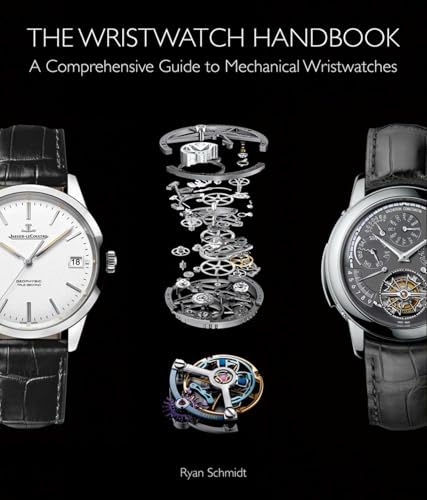
  • Books: There are countless fantastic books on horology. A great starting point is The Wristwatch Handbook by Ryan Schmidt, which is a comprehensive guide to complications and movements. For brand-specific history, books on Rolex or Patek Philippe offer deep insights into the icons.
  • Online Forums: Websites like WatchUSeek and The Rolex Forums are massive communities where you can ask questions, share pictures of your collection, and learn from seasoned veterans. They are an incredible source of crowd-sourced knowledge.
  • Blogs and Publications: As mentioned before, websites like Hodinkee, Fratello Watches, and Worn & Wound provide daily news, in-depth reviews, and historical articles. They are essential reading for anyone serious about collecting.
  • Social Media: Instagram is a visual paradise for watch lovers. Following collectors, brands, and photographers can expose you to a huge variety of timepieces and help you refine your personal taste. Following hashtags like #watchfam or #womw (what's on my wrist) will connect you to the global community.

Pro Tip: Attend a local watch meetup or a "RedBar" event if there's one in your city. Meeting other collectors in person is the best way to see a wide variety of watches up close and learn from the experiences of others. There's no substitute for handling a watch in person.

Frequently Asked Questions About Watch Collecting

Here are answers to some of the most common questions new collectors have.

Is watch collecting a good investment?

It can be, but it's not guaranteed. Certain models from top brands have historically performed very well, often beating traditional investments. However, the market is subject to trends and can be volatile. The best approach is to treat it as a passion-driven hobby first.

Buy watches you love to wear, and consider any financial appreciation a bonus.

What is the psychology behind watch collecting?

The drive to collect watches is multifaceted. For some, it's an appreciation for mechanical artistry and human ingenuity. For others, it's about connecting with history or marking personal milestones. Watches can also be status symbols or expressions of personal style.

Ultimately, it's about owning a tangible piece of art that serves a function and tells a story.

How many watches to be considered a collector?

There's no magic number! A collector is defined by their passion and knowledge, not the size of their collection. Someone with three carefully chosen watches they deeply understand and appreciate is just as much a collector as someone with thirty. It's about the mindset, not the quantity.

What are the 'Big 4' in watches?

This term can be subjective. Traditionally, the "Holy Trinity" of Swiss watchmaking refers to Patek Philippe, Audemars Piguet, and Vacheron Constantin, known for their supreme craftsmanship. Many collectors now consider Rolex the fourth member, creating a "Big Four" due to its immense brand power, market dominance, and cultural impact, even if its finishing isn't on the same level as the Trinity.

Why are quartz watches generally not preferred by collectors?

Serious collectors prioritize craftsmanship, tradition, and mechanical complexity. Quartz watches, while practical and accurate, are battery-powered and mass-produced with electronic circuits. They lack the intricate, hand-finished artistry of a mechanical movement, which is often described as the "heartbeat" or "soul" of the watch. Therefore, the art of watch investment focuses on the enduring value of mechanical skill.

Is it okay to buy a 20-year-old Rolex?

Absolutely! A 20-year-old Rolex is often considered a fantastic purchase. This era (often called "neo-vintage") combines the robust build quality and modern materials (like sapphire crystals) of new watches with some of the charm and character of older vintage pieces. As long as it has been well-maintained and is purchased from a reputable source, it can be a reliable and valuable addition to any collection.

Final Thoughts: Is Investing in Watches Right for You?

The journey into the art of watch collecting is deeply personal and incredibly rewarding. It's a chance to own a piece of history, appreciate incredible engineering, and connect with a passionate global community. While the investment potential is certainly alluring, the true value lies in the joy and satisfaction you get from the watches on your wrist.

Start with curiosity, arm yourself with knowledge, and most importantly, buy what speaks to you. Whether your first piece is a humble Seiko or a sought-after Swiss masterpiece, it marks the beginning of a fascinating adventure in time. Welcome to the club!

Exit mobile version