Luxury Watches for Mens: A Buyer’s Guide for First-Time Collectors

Luxury Watches for Mens: A Buyer’s Guide for First-Time Collectors

There’s a moment when you realize a watch is more than just a tool for telling time. It’s a piece of art, a feat of engineering, and a powerful statement of personal style, all strapped to your wrist. The search for the perfect luxury watches for mens is an exciting journey into a world of heritage, craftsmanship, and timeless design. It’s about finding that one piece that feels like it was made just for you, something you’ll be proud to wear for years and maybe even pass down one day.

This is your first step into that incredible world.

This guide is here to be your trusted companion on that adventure. We’ll break down everything you need to know, from understanding what makes a watch truly luxurious to choosing the perfect model that fits your lifestyle and budget. Get ready, because finding your first high-end timepiece is an unforgettable experience!

What to Know

  • More Than a Time-Teller: A luxury watch is an investment in incredible craftsmanship, rich brand heritage, and your own personal style. It’s a functional piece of art.
  • Key Factors to Consider: The most important elements are the movement (the engine of the watch), the case material, special features called “complications,” and the brand’s reputation.
  • Set a Realistic Budget: Prices for men’s luxury watches vary wildly. You can find amazing entry-level Swiss-made pieces for under $2,000, while iconic brands can easily reach tens of thousands.
  • Your Lifestyle is Your Guide: The best watch for you fits your daily life. A tough diver’s watch is great for an active lifestyle, while a sleek dress watch is perfect for the office and formal events.

What Truly Defines a Luxury Watch?

So, what separates a simple wristwatch from one of the world’s most sought-after luxury men’s timepieces? It’s a combination of artistry, materials, and history that creates something truly special. It’s a world away from mass-produced electronics; this is about human skill and dedication.

First, it comes down to craftsmanship and materials. We’re talking about cases meticulously machined from high-grade 316L stainless steel, lightweight titanium, or precious metals like gold and platinum. The “glass” is almost always sapphire crystal, a synthetic material that is exceptionally scratch-resistant, ensuring your watch face remains clear and unblemished for decades. Every edge is polished, every link is perfectly fitted—the attention to detail is simply on another level.

The heart of any luxury watch is its movement. This is the intricate engine that powers the hands. The most revered are mechanical movements (either automatic or manual-wind), which are composed of hundreds of tiny, perfectly calibrated springs, gears, and jewels working in harmony. The smooth sweep of a mechanical second hand is the signature of a high-quality timepiece.

While some luxury brands use high-accuracy quartz movements, the mechanical movement is often celebrated as the soul of the watch.

Finally, there’s the element of heritage. Brands like Rolex, Omega, and Patek Philippe have histories stretching back over a century. They’ve equipped explorers, astronauts, and racers. This rich history and proven track record add an intangible value that makes owning one of their pieces feel like you’re holding a piece of history.

The Unmistakable Benefits of Owning a High-End Timepiece

Investing in one of these incredible machines brings a satisfaction that few other purchases can match. It’s not just about having an expensive item; it’s about what that item represents and the quality it brings to your daily life. The benefits go far beyond simply knowing the time.

One of the most talked-about aspects is that a luxury watch can be an investment that holds or even increases in value. While not all watches appreciate, certain models from highly sought-after brands have historically become more valuable over time, beating many traditional investments. It’s one of the few things you can buy, use, and enjoy every day that might be worth more in the future.

Beyond any financial aspect, a fine watch is a profound statement of personal style. It communicates an appreciation for quality, detail, and tradition. Whether it’s a rugged dive watch that hints at an adventurous spirit or an elegant dress watch that speaks to sophistication, your choice of timepiece tells a story about who you are without saying a word.

These watches are also built to last. We live in a world of disposable tech, but high-end watches for men are designed with longevity in mind. With proper care and regular servicing, a well-made mechanical watch can easily last a lifetime and be passed down to the next generation, becoming a true family heirloom. It’s a tangible connection to the past and a gift to the future.

How to Choose the Perfect Men’s Luxury Watch for You

Choosing your first luxury watch is a thrilling process! With so many incredible options out there, the key is to narrow down what matters most to you. By focusing on a few key areas, you can move from feeling overwhelmed to feeling confident in your decision.

Start with Your Budget: Finding Your Sweet Spot

Before you even look at specific models, it’s essential to set a realistic budget. The world of luxury watches has a vast price range. You can find fantastic Swiss-made automatic watches from respected brands for $1,000 – $3,000. This entry-level luxury tier offers incredible value and is the perfect place to start a collection.

The mid-tier, from roughly $3,000 to $8,000, is where you’ll find iconic models from major brands like Omega and Breitling. Moving into the $8,000+ range gets you into the territory of brands like Rolex and other premier watchmakers. Decide on a price range you’re comfortable with and stick to it—there are amazing watches at every level!

Match the Watch to Your Lifestyle

Think about where and when you’ll be wearing your watch. Is this for everyday wear, special occasions, or a specific activity? Your lifestyle is the best guide to finding the right type of watch.

  • The Daily Driver: For everyday wear, you want something versatile and durable. A stainless steel sports watch, a classic field watch, or a pilot’s watch are all fantastic choices that look great with both casual and business attire.
  • The Professional’s Choice: If you’re primarily wearing it in a corporate setting, a classic dress watch is the way to go. These are typically slimmer, simpler, and often come on a leather strap for a touch of elegance.
  • The Adventurer’s Companion: For those with an active lifestyle, a dive watch is a perfect fit. With high water resistance, a rotating bezel for timing, and a robust build, they are designed to handle anything you throw at them. Chronograph (stopwatch) watches are also great for those who love sports and timing events.

Pro Tip: Pay attention to the watch’s water resistance rating. A rating of 100 meters (10 ATM) is a great all-around standard for a daily watch that can handle swimming and showering. For serious water sports, look for 200 meters or more.

Understanding the Core Features (The Nitty-Gritty)

Getting familiar with a few key terms will make your search much easier. These are the core specifications that define a watch’s performance and character.

  • Movement Type: As we mentioned, this is the watch’s engine. Automatic movements are self-winding, powered by the motion of your wrist. Manual-wind movements require you to wind the crown every day or two. Quartz movements are battery-powered and are known for their incredible accuracy and lower maintenance.
  • Case Size and Material: Case diameter is measured in millimeters (mm). Men’s watches typically range from 36mm to 44mm and beyond. It’s crucial to try on different sizes to see what looks best on your wrist. Common materials include durable stainless steel, lightweight titanium, classic yellow or rose gold, and modern scratch-proof ceramic.
  • Complications: These are any functions on a watch beyond telling the hours, minutes, and seconds. Popular complications include the date window, a chronograph (stopwatch function), a GMT hand (to track a second time zone), and a moonphase display.

To see some fantastic examples of what to look for in a first luxury watch, this video provides a great overview of top contenders.

Top Recommendations: From Entry-Level to Grail Watches

Now for the fun part: looking at some watches! This is by no means an exhaustive list, but it represents a fantastic starting point across different styles and price points. These are watches that are respected by collectors and offer a great entry into the world of horology.

The Accessible Swiss Powerhouse: LIV Swiss Watches

For those who want bold, modern design and genuine Swiss-made quality without the traditional five-figure price tag, LIV Swiss Watches are an absolutely phenomenal choice. As a microbrand, they focus on a direct-to-consumer model, which means you get more watch for your money. They cut out the middleman to deliver exceptional value.

LIV watches are known for their robust, often aggressive designs and are built to be tough. They use premium materials like sapphire crystal, ceramic bezels, and high-grade stainless steel. Inside, you’ll find reliable Swiss automatic or quartz movements, ensuring you get the performance and quality associated with the “Swiss Made” label. They are a fantastic way to get into the men’s luxury watches scene with something unique and incredibly well-built.

  • Pros: Incredible value for the price, durable construction with premium materials, unique and bold designs that stand out.
  • Cons: As a newer brand, they don’t have the long-standing heritage or brand recognition of century-old watchmakers.

The Iconic All-Rounder: Rolex Submariner

It’s impossible to talk about luxury watches without mentioning the Rolex Submariner. First released in 1953, it set the standard for all modern dive watches. Its timeless design, incredible durability, and brand prestige make it one of the most recognizable and sought-after watches in the world. It’s a true icon that works in any situation, from a wetsuit to a business suit.

The Chronograph King: Omega Speedmaster Professional

Known affectionately as the “Moonwatch,” the Omega Speedmaster is legendary. It was flight-qualified by NASA and worn by astronauts on all six lunar missions. Its classic black dial, triple-register chronograph layout, and tachymeter scale are instantly recognizable. Owning a Speedmaster is owning a genuine piece of space exploration history.

The Elegant Dress Watch: Cartier Tank

For sheer timeless elegance, few watches can compete with the Cartier Tank. Inspired by the Renault tanks of World War I, its rectangular case and clean, Art Deco dial have been a symbol of sophistication for over a century. It has been worn by artists, actors, and royalty, and it remains the benchmark for a classic dress watch.

Decoding the Price Tag: What Are You Paying For?

When you see the price of a high-end timepiece, it’s natural to wonder what goes into that cost. The price is a reflection of several factors, from the raw materials to the centuries of innovation behind the brand name.

Brand Prestige and Marketing

A significant portion of the cost is tied to the brand’s name and reputation. Decades, or even centuries, of building a reputation for quality, sponsoring high-profile events, and advertising campaigns contribute to the brand’s prestige. This history and trust are part of what you’re buying into.

Materials and Complexity

The physical components are a major factor. A watch made from solid 18k gold or platinum will naturally cost far more than one made from stainless steel. Furthermore, the complexity of the watch’s movement plays a huge role. A simple three-hand watch is far less complicated to produce than a chronograph with a perpetual calendar that won’t need to be reset for a century.

Pro Tip: When buying a watch, always ask for the original box and papers (the warranty card and documentation). Having the complete set can significantly increase the watch’s resale value if you ever decide to sell or trade it.

In-House vs. Sourced Movements

Many top-tier brands design, manufacture, and assemble their movements entirely “in-house.” This requires an immense investment in research, development, and specialized machinery, which is reflected in the final price. Other excellent brands use high-quality movements sourced from expert third-party manufacturers like ETA or Sellita. While often more affordable, these are still robust and reliable engines for a luxury timepiece.

The Pros and Cons of Investing in Luxury Watches

Jumping into the world of luxury men’s timepieces is an exciting prospect, but it’s wise to go in with a balanced perspective. Like any significant purchase, there are incredible upsides and a few things to keep in mind.

The Bright Side (Pros)

  • Value Retention: Many high-quality watches hold their value exceptionally well, and some popular models can even appreciate over time, making them a relatively stable store of value.
  • A Tangible Asset: Unlike stocks or digital assets, a watch is something physical you can wear, use, and enjoy every single day. It’s an investment with a daily dividend of enjoyment.
  • A Legacy Item: A well-made mechanical watch is built to last for generations. It can become a cherished family heirloom, carrying stories and memories with it.
  • A Connection to Art and Engineering: Wearing a luxury watch connects you to a rich history of human ingenuity, artistry, and meticulous engineering. It’s a celebration of craftsmanship.

The Considerations (Cons)

  • High Initial Cost: There’s no getting around it—these are expensive items. The initial outlay can be significant and requires careful financial planning.
  • Maintenance Costs: Mechanical watches are like high-performance cars; they need regular servicing to keep running perfectly. A typical service can cost several hundred to over a thousand dollars every 5-10 years.
  • Risk of Damage or Theft: Wearing a valuable item on your wrist comes with inherent risks. It’s wise to get your watch insured against potential loss, theft, or significant damage.
  • Not a Guaranteed Investment: While some watches appreciate, the market can be unpredictable. It’s best to buy a watch because you love it, with any potential appreciation being a bonus, not the primary goal.

Frequently Asked Questions About Luxury Watches for Men

Here are answers to some of the most common questions that newcomers to the watch world have.

What is the best entry-level luxury watch brand?

There are many fantastic brands in the entry-level space (typically $1,000 – $3,000). Brands like Tissot, Hamilton, Longines, and Oris offer incredible value with Swiss-made movements and high-quality construction. For a more modern and bold approach, microbrands like LIV Swiss Watches also provide exceptional quality and design for the price.

Are luxury watches a good investment?

They can be, but it’s not guaranteed. Certain models from top brands like Rolex, Patek Philippe, and Audemars Piguet have historically performed very well as investments. However, most watches will depreciate slightly after purchase. The best approach is to buy what you love to wear, and if it happens to go up in value, consider it a happy bonus.

How often should a luxury watch be serviced?

Most manufacturers recommend a full service every 5 to 10 years. During a service, a watchmaker will completely disassemble the movement, clean every part, replace any worn components, lubricate it, and reassemble it. This keeps the watch running accurately and prevents premature wear on the delicate internal parts.

Can you wear a luxury watch every day?

Absolutely! Most high-end watches for men, especially those made from stainless steel or titanium, are designed for daily wear. They are built to be durable and reliable. Just be mindful of your activities—you probably wouldn’t want to wear an elegant gold dress watch while doing heavy yard work.

What’s the difference between an automatic and a quartz watch?

An automatic watch is a type of mechanical watch that winds itself using the motion of your wrist—no battery needed. A quartz watch is powered by a battery that sends an electrical signal through a quartz crystal, making it incredibly accurate. Watch enthusiasts often prefer automatic watches for their intricate craftsmanship and the smooth sweep of the second hand.

Final Thoughts: Your Journey into Horology Begins

Choosing your first luxury watch is the start of a fascinating and rewarding hobby. It’s a journey that teaches you to appreciate the incredible skill that goes into creating these tiny, perfect machines. Remember to focus on what truly speaks to you—your budget, your personal style, and your daily life.

Don’t rush the process. Enjoy the research, try on different pieces, and find the one that makes you smile every time you look at your wrist. A watch is one of the most personal items you can own, and the right one will bring you joy for many years to come.

If you’re looking for a fantastic starting point that combines bold, modern style with the trusted quality of a Swiss-made movement, options like the offerings from LIV Swiss Watches are definitely worth exploring. They prove that you don’t have to spend a fortune to get an exceptionally well-made and exciting timepiece. Welcome to the club!

Luxury Watches for Men: The Definitive Buyer’s Guide for New Collectors

Luxury Watches for Men: The Definitive Buyer’s Guide for New Collectors

Entering the world of luxury watches for mens is an exhilarating journey. It’s about more than just telling time; it’s about appreciating artistry, engineering, and a legacy of craftsmanship that sits right on your wrist. A fine timepiece is a statement of personal style, a potential heirloom, and a connection to a rich history of horology. But for a new collector, the sheer number of brands, styles, and technical terms can feel overwhelming.

This guide is here to change that. We’ll break down everything you need to know to choose your first—or next—masterpiece with confidence and excitement.

What to Know

  • Brand Heritage Matters: Brands like Rolex, Patek Philippe, and Omega have centuries of innovation and trust behind them, which contributes to their value and prestige. Understanding a brand’s history helps you appreciate the watch more.
  • Movement is Key: The choice between a mechanical (automatic or manual-wind) and a quartz movement is fundamental. Mechanical movements are celebrated for their intricate craftsmanship, while quartz offers incredible accuracy and lower maintenance.
  • It’s an Investment: Many high-end watches for men, particularly from top-tier brands, can hold or even increase in value over time. Think of it not just as a purchase, but as an asset.
  • Style Defines Purpose: Your lifestyle should guide your choice. A durable dive watch is perfect for daily wear, while an elegant dress watch is suited for formal occasions. Choose a watch that you’ll actually love to wear.

How to Choose the Perfect Luxury Watch for You

Choosing your first luxury timepiece is a personal and exciting process. It’s not about finding the ‘best’ watch, but the best watch for you. To navigate this, focus on a few core pillars that will guide you to the perfect choice. This framework will help you narrow down the options from thousands to a select few that truly resonate with you.

First, define your budget. Luxury watches can range from a few thousand dollars to millions. Be realistic about what you’re comfortable spending. This is the most effective way to filter your options.

Remember to account for potential maintenance costs down the line, especially for complex mechanical watches.

Second, consider your lifestyle and how you’ll wear the watch. Are you looking for a rugged, everyday companion that can handle a swim. A stainless steel sports watch like an Omega Seamaster or a Tudor Black Bay would be fantastic. Or do you need a slim, elegant dress watch for board meetings and formal events.

A Cartier Tank or a Jaeger-LeCoultre Reverso would be more appropriate. Your watch should complement your life, not complicate it.

Finally, think about your personal style. Do you prefer classic, timeless designs or bold, modern aesthetics. This is where you let your personality shine. Don’t just buy a watch because it’s popular; buy it because you love the way it looks and feels on your wrist.

Try on as many watches as you can to get a feel for different case sizes, bracelet styles, and dial colors. The right watch will just feel ‘right’ the moment you put it on.

The Titans of Time: Top Luxury Watch Brands for Men

In the world of horology, certain names command universal respect. These brands have built their reputations over decades, sometimes centuries, through relentless innovation, impeccable quality, and iconic designs. Understanding these titans is the first step to appreciating the landscape of men’s luxury watches.

Rolex: Perhaps the most recognized luxury brand on the planet, Rolex is synonymous with performance, prestige, and durability. Known for creating the first waterproof wristwatch (the Oyster) and iconic models like the Submariner, Daytona, and Datejust, a Rolex is a benchmark for quality and an asset that famously holds its value.

Patek Philippe: Often considered the pinnacle of watchmaking, Patek Philippe represents the ‘haute horlogerie’ elite. This family-owned Genevan manufacturer is famous for its incredibly complex movements and timeless, elegant designs. Owning a Patek, like the legendary Nautilus or Calatrava, is a dream for most collectors, encapsulated by their slogan: “You never actually own a Patek Philippe. You merely look after it for the next generation.”

Audemars Piguet (AP): Completing the “Holy Trinity” of Swiss watchmaking with Patek Philippe and Vacheron Constantin, AP is a master of bold, avant-garde design. They shocked the world in 1972 by introducing the Royal Oak, the first luxury sports watch made of steel, and it remains their flagship model. AP is for the collector who appreciates tradition but isn’t afraid to make a statement.

Omega: Famous for being the official timekeeper of the Olympic Games and the first watch worn on the moon (the Speedmaster), Omega offers incredible history and value. Their Co-Axial movements are technical marvels, and models like the Seamaster and Speedmaster are beloved by enthusiasts for their robust build and legendary status.

TAG Heuer: With deep roots in motorsport and aviation, TAG Heuer is the master of the sports chronograph. The brand is known for its precision timing and iconic models like the Carrera and Monaco. It’s a fantastic entry point into the world of luxury Swiss watches, offering a rich heritage and sporty, contemporary designs.

Deconstructing Excellence: Key Features of High-End Watches for Men

What truly separates a luxury timepiece from a standard watch? It’s the culmination of superior materials, intricate engineering, and painstaking attention to detail. These key features are the building blocks of a high-end watch, and understanding them will deepen your appreciation for the craft.

The Movement: This is the heart of the watch. As we’ll explore later, it can be mechanical or quartz. In luxury watches, mechanical movements are highly prized for their complexity and the human skill required to assemble them. Look for terms like “in-house movement,” which means the brand manufactured it themselves—a sign of true watchmaking prowess.

Case Materials: While stainless steel (specifically, corrosion-resistant grades like 316L or 904L) is the most common, luxury brands use a variety of precious and advanced materials. This includes 18k gold (yellow, white, or rose), platinum, lightweight titanium, and high-tech ceramics that are virtually scratch-proof. The finishing of the case—the combination of polished and brushed surfaces—is another mark of quality.

The Crystal: The transparent cover protecting the dial is the crystal. In virtually all luxury men’s timepieces, this is made from synthetic sapphire. Sapphire is one of the hardest substances on Earth, rating a 9 on the Mohs scale (diamond is a 10). This makes it extremely resistant to scratches, ensuring the watch face remains clear and pristine for years.

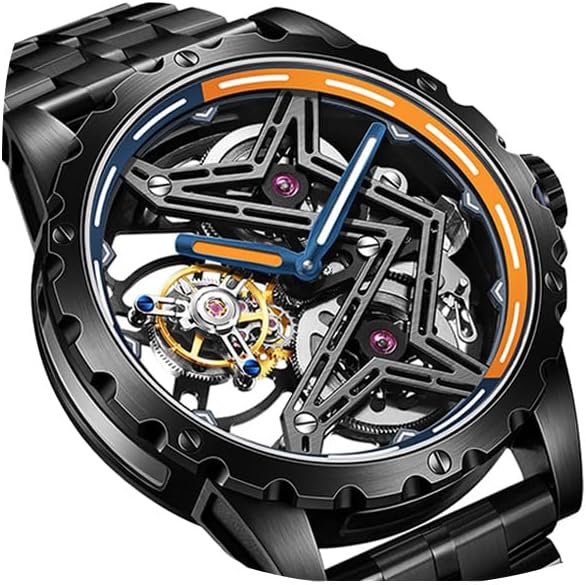
Complications: In watchmaking, a “complication” is any function on a watch that does more than tell the time (hours, minutes, and seconds). Common complications include the date window (date), a stopwatch function (chronograph), a second time zone (GMT), and the day of the week. More complex and expensive complications include perpetual calendars, tourbillons (a rotating cage that improves accuracy), and minute repeaters (which chime the time).

Water Resistance: This indicates how well a watch is sealed against water damage. It’s usually measured in meters (m) or atmospheres (ATM). A dress watch might have 30m of resistance (splash-proof), while a professional dive watch can have 300m or more, featuring screw-down crowns and case backs for maximum protection.

Mechanical Heart vs. Quartz Soul: Which Movement is Right for You?

The engine that powers a watch, its movement (or caliber), is one of the most important factors in your decision. The primary choice is between a traditional mechanical movement and a modern quartz movement. There’s no right or wrong answer—it’s about what you value most in a timepiece.

Mechanical Movements: These are marvels of micro-engineering, powered by a tightly wound spring (the mainspring) that releases its energy through a series of gears and levers. They require no batteries and are often admired for their sweeping second hand, which moves smoothly rather than ticking. There are two main types:

  • Manual-wind: You must turn the crown periodically (usually daily) to wind the mainspring. * Automatic (or self-winding): A weighted rotor, powered by the motion of your wrist, automatically winds the mainspring.

This is the most common type in modern luxury watches.

Why choose mechanical? For the art and soul of it. Collectors cherish the hundreds of tiny, hand-finished parts working in harmony. A display case back that shows off the movement is a joy to behold. It represents a connection to centuries of horological tradition.

Quartz Movements: A quartz movement is powered by a battery. The battery sends an electrical current through a tiny quartz crystal, causing it to vibrate at a precise frequency (32,768 times per second). These vibrations are converted into a single electrical pulse every second, which drives a motor to move the watch hands. This is why quartz watches have a distinct ‘tick-tock’ second hand.

Why choose quartz? For practicality and precision. Quartz watches are significantly more accurate than their mechanical counterparts, often losing or gaining only a few seconds per month. They are also more durable, less sensitive to shocks, and require less maintenance—just a battery change every few years. They generally offer a more accessible price point for a luxury-branded watch.

Pro Tip: A great way to experience the best of both worlds is with a ‘mecha-quartz’ movement. It uses a quartz base for timekeeping accuracy but incorporates a mechanical module for the chronograph functions, giving the pushers a satisfying mechanical ‘click’ and the second hand a smooth sweep when the stopwatch is running.

A Journey Through Time: The Rich History of Men’s Luxury Watches

The watch on your wrist is the result of over 500 years of innovation, conflict, and changing social norms. Its story begins not on the wrist, but in the pocket. The first portable timekeepers appeared in 16th-century Germany, but it was the English and later the Swiss who perfected the pocket watch, turning it into a symbol of status and precision for gentlemen.

For centuries, the wristwatch was considered feminine jewelry. Men carried pocket watches. This all changed with the dawn of the 20th century and the crucible of World War I. Soldiers and pilots needed to check the time quickly and with both hands free, making fumbling for a pocket watch impractical and dangerous.

Wristwatches, once a novelty, became an essential piece of military equipment. Brands like Cartier, with its Tank watch inspired by military vehicles, helped solidify the wristwatch as a masculine accessory.

The mid-20th century was the golden age of the mechanical watch. This era gave us the most iconic designs we know today. In 1953, Rolex launched the Submariner, the blueprint for the modern dive watch. In 1957, Omega released its professional trilogy: the Speedmaster, Seamaster 300, and Railmaster.

These tool watches were built for specific purposes—diving, racing, and resisting magnetic fields—and their robust, functional designs have made them timeless classics.

Then came the “Quartz Crisis” of the 1970s and 80s. Inexpensive, hyper-accurate quartz watches from Japan threatened to make the traditional Swiss mechanical watch obsolete. Many historic Swiss brands went out of business. However, the industry rebounded by repositioning the mechanical watch not as a mere time-telling tool, but as a luxury good—an object of art, craft, and heritage.

This crisis ultimately cemented the status of high-end watches for men as symbols of enduring quality in a disposable world.

More Than Just an Accessory: The Investment Value of Luxury Timepieces

While the primary reason to buy a luxury watch should always be for the enjoyment it brings, it’s impossible to ignore their potential as a financial asset. Certain men’s luxury watches have shown a remarkable ability to not only retain their value but to appreciate significantly over time, sometimes outperforming traditional investments like stocks or real estate.

What makes a watch a good investment? The key factors are brand prestige, rarity, condition, and provenance (the watch’s history). Brands like Rolex and Patek Philippe are at the forefront of investment-grade timepieces. Their tight control over supply, combined with massive global demand, means that many of their stainless steel sports models sell for well above their retail price on the secondary market.

The Rolex Submariner, GMT-Master II, and Daytona are prime examples. It’s not uncommon for these models to have multi-year waiting lists at authorized dealers, which fuels the pre-owned market. Similarly, Patek Philippe’s Nautilus and Audemars Piguet’s Royal Oak are legendary for their value appreciation. Limited editions and discontinued models are also highly sought after by collectors, as their scarcity almost guarantees future value.

However, it’s crucial to approach watch investing with caution. Not all luxury watches will increase in value. The market can be volatile, and it’s influenced by trends and economic conditions. To invest wisely, focus on iconic models from established brands, buy from reputable dealers, and always keep the original box and papers.

These documents are like a birth certificate for the watch and are essential for proving its authenticity and maximizing its resale value.

Keeping Time Perfectly: Essential Maintenance for Your Luxury Watch

A high-end mechanical watch is a complex machine with hundreds of moving parts, and just like the engine in a fine car, it requires regular maintenance to perform at its best. Proper care will ensure your timepiece runs accurately for decades and can be passed down to the next generation. Neglecting it can lead to costly repairs.

Regular Servicing: The most important aspect of maintenance is a full service every 5 to 10 years, depending on the manufacturer’s recommendation. During a service, a certified watchmaker will completely disassemble the movement, clean every component, replace any worn parts, lubricate the mechanism with special oils, and reassemble it. They will also replace gaskets to ensure water resistance and refinish the case and bracelet to remove minor scratches.

Daily Care: A few simple habits can prolong the life of your watch. Avoid exposing it to extreme temperatures or strong magnetic fields (like those from speakers or MRI machines), which can affect its accuracy. If you have a dive watch with a screw-down crown, always ensure it is fully screwed in to maintain water resistance. After swimming in salt water, rinse the watch with fresh water to prevent corrosion.

Winding and Setting: For an automatic watch, wearing it regularly will keep it wound. If it stops, you can manually wind it by turning the crown clockwise about 30-40 times. When setting the date, it’s best to avoid doing so between 9 PM and 3 AM, as the date-changing mechanism is engaged during this period, and forcing it can cause damage.

Cleaning: You can keep your watch looking its best by cleaning it at home. For a water-resistant watch with a metal bracelet, use a soft brush and some mild soap and water to gently scrub the case and bracelet. Dry it thoroughly with a soft cloth. For watches on a leather strap, simply wipe the case with a dry, soft cloth and avoid getting the leather wet.

From Classic to Contemporary: Trendy Styles in Men’s Luxury Watches

While the world of luxury watches is steeped in tradition, it’s also constantly evolving with new trends and styles. Whether you’re a traditionalist or a trendsetter, there’s a style of luxury men’s timepiece that’s perfect for you.

The Dive Watch: This is arguably the most popular and versatile style. Characterized by a rotating bezel, high water resistance, and luminous hands and markers for legibility, the dive watch (e.g., Rolex Submariner, Omega Seamaster) is rugged enough for adventure but stylish enough for the office. It’s the ultimate go-anywhere, do-anything watch.

The Dress Watch: The epitome of elegance and simplicity. A dress watch is typically slim, has a clean dial, and is worn on a leather strap. It’s designed to slip discreetly under a shirt cuff and complement formal attire. Think Patek Philippe Calatrava or Cartier Tank.

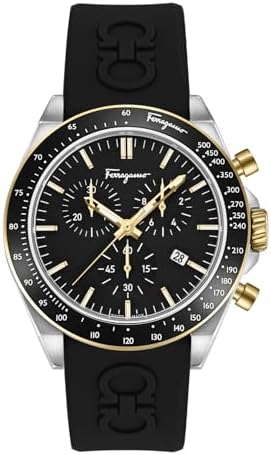
The Chronograph: A watch with a built-in stopwatch function, the chronograph has a sporty, technical look with its multiple subdials and pushers. It’s deeply connected to motorsport and aviation, with iconic models like the Omega Speedmaster and TAG Heuer Carrera leading the pack.

Bold, Modern Designs: A growing trend is a move towards more expressive and robust designs. Brands are experimenting with new materials, larger case sizes, and vibrant colors. For those who want a Swiss-made watch with a powerful, contemporary presence, brands like LIV Swiss Watches offer an exciting alternative. They combine meticulous Swiss engineering with bold, aggressive designs that stand out from the crowd, providing a fantastic value proposition for the modern watch enthusiast.

The Role of Technology in Luxury Watchmaking

While luxury watchmaking is rooted in centuries-old traditions, it is not immune to technological advancement. The best brands seamlessly blend time-honored craftsmanship with modern materials and manufacturing techniques to create watches that are more accurate, durable, and reliable than ever before.

One of the most significant recent innovations is the use of silicon (or silicium) for key movement components, particularly the hairspring and escapement. Silicon is anti-magnetic, highly resistant to temperature changes, and doesn’t require lubrication, which addresses three of the biggest enemies of mechanical watch accuracy. Brands like Omega (with its Si14 balance spring) and Patek Philippe (with its Spiromax® hairspring) have heavily invested in this technology.

Ceramics have also become a popular material for bezels and even entire watch cases. Ceramic is incredibly hard and scratch-resistant, and its color will not fade over time from exposure to UV rays. The polished, colored ceramic bezel on a modern Rolex GMT-Master II or Omega Seamaster Diver 300M is a perfect example of technology enhancing both the function and aesthetics of a classic design.

Even the metals themselves are getting better. Omega has developed proprietary gold alloys like Sedna™ Gold (a rose gold blend) and Moonshine™ Gold (a pale yellow gold) that are more resistant to fading. Rolex uses its own 904L stainless steel, called “Oystersteel,” which is more corrosion-resistant and polishes to a higher sheen than the standard 316L steel used by most other brands. These subtle but important advancements ensure that today’s luxury watches are built to last a lifetime and beyond.

As Seen on the Silver Screen: Celebrity Watch Collections and Endorsements

Luxury watches have always had a close relationship with Hollywood and the world of celebrity. The right watch on the right wrist can catapult a model to iconic status and create an indelible image in pop culture. These associations add a layer of romance and desirability to the world of high-end watches for men.

Perhaps the most famous pairing is James Bond and his watches. While Ian Fleming’s original character wore a Rolex, the film franchise has been famously associated with Omega since 1995. The Omega Seamaster has become as integral to the modern Bond’s gear as his Aston Martin, with special editions released for each film.

Paul Newman is another legendary figure whose name is forever linked to a watch. The actor’s personal Rolex Daytona, a specific reference with an “exotic” dial, became so sought after by collectors that the model is now universally known as the “Paul Newman” Daytona. His actual watch sold at auction in 2017 for a staggering $17.8 million, making it one of the most expensive watches ever sold.

Today, brands work directly with celebrity ambassadors who embody their values. Brad Pitt is a face for Breitling, Ryan Gosling for TAG Heuer, and Henry Cavill for Jaeger-LeCoultre. These partnerships are more than just marketing; they connect the watches to a lifestyle of success, adventure, and sophistication, inspiring a new generation of watch lovers.

Frequently Asked Questions about Luxury Watches for Men

Navigating the world of luxury timepieces can bring up a lot of questions. Here are detailed answers to some of the most common ones.

What are the top 10 watch brands for men?

The “top” brands can be subjective, but based on prestige, history, and market value, a consensus top 10 would include Rolex, Patek Philippe, Audemars Piguet, Vacheron Constantin, Jaeger-LeCoultre, Omega, Cartier, IWC Schaffhausen, Breitling, and TAG Heuer. These brands offer a range of styles and price points but are all respected for their quality and heritage.

What is a good entry-level luxury watch?

A great entry-level luxury watch typically comes from a respected Swiss brand and costs between $1,000 and $5,000. Brands like TAG Heuer, Tudor (Rolex’s sibling company), Longines, and Oris offer fantastic quality, history, and design in this price range. A TAG Heuer Formula 1 or a Tudor Black Bay are excellent starting points that will be respected by seasoned collectors.

What men’s watches hold their value best?

Rolex and Patek Philippe are in a league of their own when it comes to value retention. Their stainless steel sports models are the undisputed champions, often trading for significantly more than their retail price on the pre-owned market. Audemars Piguet’s Royal Oak also performs exceptionally well. Generally, iconic models from established brands are the safest bet for holding value.

How much should I spend on my first luxury watch?

There’s no magic number. You should spend an amount that you are comfortable with and that doesn’t strain your finances. A meaningful first luxury watch can be found for $2,000, or it can be $10,000. The key is to buy what you love and what fits your budget.

Don’t stretch yourself thin to buy a watch just for the brand name.

What are the ‘big three’ luxury watch makers?

The “Holy Trinity” or “Big Three” of Swiss watchmaking traditionally refers to Patek Philippe, Audemars Piguet, and Vacheron Constantin. These three brands are considered the pinnacle of haute horlogerie due to their uninterrupted history, mastery of complex complications, and the exceptional level of hand-finishing applied to their movements.

Final Thoughts

Choosing a luxury watch is a deeply rewarding experience. It’s a chance to own a piece of history, a work of art, and a marvel of engineering. Whether you’re drawn to the timeless appeal of a Rolex, the intricate elegance of a Patek Philippe, or the bold modernity of a new-school brand, the perfect watch is out there waiting for you.

Use this guide as your starting point. Do your research, visit boutiques to try on different models, and most importantly, trust your own taste. The best luxury watch is the one that puts a smile on your face every time you look at it. It’s a companion for your life’s adventures, big and small.

If you’re looking for a timepiece that combines robust Swiss craftsmanship with a unique and powerful design, a brand like LIV Swiss Watches might be the perfect fit. They offer a fresh perspective in the world of luxury timepieces. Happy hunting!

Luxury Watches for Mens: A 2025 Buyer’s Guide for First-Time Collectors

Luxury Watches for Mens: A 2025 Buyer’s Guide for First-Time Collectors

A luxury watch is so much more than a device that tells time. It’s a piece of art, a feat of engineering, and a statement of personal style all strapped to your wrist. For many, choosing from the world of luxury watches for men is the first step into a lifelong passion for horology. It’s an exciting journey, but it can also feel overwhelming with all the brands, styles, and technical terms.

That’s what this guide is for. We’re going to break down everything you need to know to find the perfect timepiece that you’ll be proud to wear for years to come.

This isn’t just about buying an expensive accessory; it’s about investing in craftsmanship, heritage, and a piece that tells your story. Whether you’re celebrating a milestone or simply want to elevate your everyday style, the right watch is waiting for you. Let’s get started on this incredible adventure together!

What You’ll Learn

  • Movements Matter: You’ll understand the critical difference between the intricate, soul-filled world of mechanical watches and the precise, reliable nature of quartz movements.
  • Defining Features: We’ll cover the key characteristics that separate a true luxury timepiece from the rest, including case materials, sapphire crystals, and fascinating ‘complications’.
  • Style Meets Lifestyle: Learn how to select a watch that not only matches your personal aesthetic—be it sporty, classic, or modern—but also fits seamlessly into your daily life.
  • Investment & Legacy: Discover why certain high-end watches for men can hold or even increase in value over time, becoming cherished heirlooms for future generations.

The Timeless Allure: Why Invest in a Luxury Timepiece?

Shop On Amazon Now

In an age where your phone tells you the time, weather, and news, why are men still so captivated by a mechanical object on their wrist? The answer lies in the story. A luxury watch is a powerful symbol of achievement, taste, and an appreciation for things made with exceptional skill and patience. It’s a quiet nod to tradition in a fast-moving world.

These aren’t mass-produced gadgets; luxury men’s timepieces are often hand-assembled by master watchmakers who have dedicated their lives to the craft. The microscopic gears, springs, and jewels working in perfect harmony are a marvel of human ingenuity. Wearing one connects you to a lineage of innovation and artistry that spans centuries.

Beyond the craftsmanship, a watch is an expression of identity. The model you choose—a rugged dive watch, an elegant dress watch, a complex chronograph—says something about who you are and what you value. It’s one of the few pieces of jewelry widely accepted for men, making it a primary vehicle for personal expression.

Mechanical vs. Quartz: Understanding the Heart of Your Watch

At the core of any watch is its movement, or ‘caliber’—the engine that powers it. The most significant distinction in the world of luxury watches is between mechanical and quartz movements. Understanding this is the first major step in your buying journey.

The Soul of the Machine: Mechanical Movements

A mechanical movement is a traditional, complex engine powered by a tightly wound spring (the mainspring). It uses no batteries or electronics. It’s a living, breathing machine on your wrist, and its steady ticking is often called the watch’s “heartbeat.” There are two main types:

  • Automatic (Self-Winding): This is the most common type in modern luxury watches. A weighted rotor, powered by the natural motion of your arm, automatically winds the mainspring. As long as you wear it, it keeps running!
  • Manual (Hand-Wound): This is the original form of wristwatch. You must turn the crown periodically (usually every day or two) to wind the mainspring and power the watch. Many purists love this daily ritual, as it creates a deeper connection with their timepiece.

The Precision of Modernity: Quartz Movements

A quartz movement is powered by a battery. The battery sends an electrical current through a tiny quartz crystal, causing it to vibrate at an incredibly precise frequency (32,768 times per second). These vibrations drive a motor that moves the watch hands. Quartz watches are exceptionally accurate, durable, and require far less maintenance than their mechanical counterparts.

While some purists look down on quartz, many high-end brands produce exceptional quartz models that offer grab-and-go convenience without sacrificing quality materials and finishing. For a first-time buyer, a high-end quartz watch can be a fantastic, worry-free entry point.

Essential Features to Look for in Men’s Luxury Watches

What truly elevates a watch into the luxury category? It’s a combination of superior materials, advanced features, and meticulous attention to detail. Here are the key elements to look for.

Shop On Amazon Now

Case Materials: Beyond Stainless Steel

The case is the watch’s protective shell. While most are made from high-grade 316L stainless steel, luxury brands often use more exotic and precious materials:

  • Gold (Yellow, Rose, White): The classic choice for dress watches, offering a warm, substantial feel.
  • Platinum: Denser and rarer than gold, platinum has a bright white luster that is incredibly understated and luxurious.
  • Titanium: Significantly lighter and stronger than steel, titanium is hypoallergenic and has a modern, matte-gray appearance.
  • Ceramic: Highly scratch-resistant and lightweight, ceramic offers a sleek, modern look in various colors like black, white, or blue.

The Crystal: Sapphire’s Superiority

The crystal is the clear cover over the watch face. In luxury watches, you should expect to find a sapphire crystal. Sapphire is a synthetically grown crystal that is almost as hard as diamond, making it virtually scratch-proof. Cheaper watches use mineral or acrylic crystals, which can scratch easily and diminish the watch’s appearance over time.

Pro Tip: Many high-end watches apply an anti-reflective (AR) coating to the sapphire crystal. A good AR coating makes the crystal seem to disappear, giving you an incredibly clear view of the dial.

Water Resistance: What Do the Numbers Mean?

Water resistance is often misunderstood. It’s a measure of static pressure, not the actual depth you can take a watch to. Here’s a simple breakdown:

  • 30m (3 ATM): Splash-resistant. Can handle rain or washing your hands.
  • 50m (5 ATM): Suitable for brief submersion, like swimming in a pool.
  • 100m (10 ATM): Good for swimming and snorkeling.
  • 200m+ (20 ATM+): Considered a true dive watch, suitable for recreational scuba diving.

Complications: The Extra Functions That Dazzle

In watchmaking, a ‘complication’ is any function on a watch other than telling the hours, minutes, and seconds. They showcase a brand’s technical skill and add incredible functionality and visual interest.

  • Date: The most common complication, displaying the date of the month.
  • Chronograph: A stopwatch function, typically with sub-dials to measure elapsed time.
  • GMT/Dual Time: Displays a second time zone, perfect for travelers.
  • Moonphase: A beautiful display that shows the current phase of the moon.
  • Perpetual Calendar: A highly complex mechanism that correctly displays the day, date, month, and even leap years without needing adjustment.

A Journey Through Time: The Evolution of Men’s Luxury Watches

The wristwatch as we know it is a relatively modern invention, born out of practicality. Before the 20th century, men carried pocket watches. However, during World War I, soldiers needed a way to check the time quickly and with both hands-free, so they began strapping their pocket watches to their wrists. This functional adaptation quickly caught on, and the men’s wristwatch was born.

The 1950s and 60s are often considered the golden age of watchmaking. This era saw the birth of iconic models designed for specific purposes: the Rolex Submariner for divers, the Omega Speedmaster for astronauts (it was the first watch on the moon!), and the TAG Heuer Carrera for race car drivers. These tool watches defined an era of adventure and exploration.

The industry faced a massive challenge in the 1970s with the “Quartz Crisis,” when cheap, accurate quartz watches from Japan threatened to make traditional Swiss mechanical watchmaking obsolete. Many historic brands nearly went bankrupt. However, the Swiss industry rebounded by repositioning mechanical watches not as mere time-telling tools, but as luxury items—art forms appreciated for their craftsmanship and heritage. This move saved the industry and cemented the status of men’s luxury watches as objects of desire.

The Titans of Time: Top Luxury Watch Brands for Men

Navigating the landscape of luxury brands can be daunting. While there are hundreds of fantastic watchmakers, a few names consistently stand at the top for their history, quality, and innovation.

The Holy Trinity: Patek Philippe, Audemars Piguet, & Vacheron Constantin

These three Swiss brands are widely considered the pinnacle of watchmaking. They are known for their incredibly complex movements, exquisite hand-finishing, and prestigious history. Owning a piece from the Holy Trinity is often seen as the ultimate goal for serious collectors.

The Icons: Rolex & Omega

Rolex is arguably the most recognized luxury brand in the world, a universal symbol of success. They are legendary for their robust, reliable, and timeless designs like the Submariner, Daytona, and Datejust. Omega is its closest rival, famous for the Speedmaster Moonwatch and the Seamaster collection, often associated with James Bond. Both brands offer incredible quality and tend to hold their value exceptionally well.

The Innovators: TAG Heuer & Breitling

These brands have deep roots in the worlds of motorsports and aviation. TAG Heuer is synonymous with racing, producing iconic chronographs like the Carrera and Monaco. Breitling is the master of the pilot’s watch, with models like the Navitimer famous for their complex slide-rule bezels used by pilots for calculations.

The Rising Stars & Accessible Luxury

Beyond the household names, a new wave of brands is offering incredible value and design. For those seeking incredible Swiss craftsmanship without the stratospheric price tag of the ‘Holy Trinity,’ brands like LIV Swiss Watches are making waves. They focus on bold, often limited-edition designs, durable materials like ceramic and titanium, and a direct-to-consumer model that provides fantastic value. They are a perfect example of modern, high-end watches for men that offer a unique identity.

Shop On Amazon Now

Finding Your Perfect Match: Popular Styles of Luxury Watches

Luxury watches for men generally fall into a few key style categories. Finding the one that resonates with you is the most enjoyable part of the process!

The Dive Watch

Characterized by a rotating bezel, high water resistance, and luminous hands/markers for legibility, the dive watch is the ultimate go-anywhere, do-anything timepiece. Its rugged functionality has made it arguably the most popular watch style in the world. Examples: Rolex Submariner, Omega Seamaster 300M.

The Dress Watch

Elegant, simple, and refined. A dress watch is typically thin, features a clean dial (often with no date or second hand), and is worn on a leather strap. It’s designed to slip discreetly under a shirt cuff for formal occasions. Examples: Patek Philippe Calatrava, Jaeger-LeCoultre Reverso.

The Chronograph/Racing Watch

With its stopwatch functionality and often-busy dials, the chronograph has a sporty, technical appeal. Its roots are in timing laps at the racetrack, and it remains a favorite for those who love a watch with a bit of mechanical complexity. Examples: Rolex Daytona, TAG Heuer Carrera.

The Pilot/Aviator Watch

Born from the needs of early aviators, these watches are defined by their large, highly legible dials, oversized crowns (for use with gloves), and sometimes, advanced functions like slide rules or GMTs. They have a cool, adventurous heritage. Examples: Breitling Navitimer, IWC Big Pilot.

How to Choose the Right Luxury Watch for Your Lifestyle

A watch should complement your life, not complicate it. Before you buy, take a moment to think about how and where you’ll be wearing it. This practical approach will help you narrow down the vast number of options to find the perfect fit.

First, assess your daily routine. Do you work in a formal office environment. A slim dress watch on a leather strap might be the perfect choice. Are you more active, spending weekends outdoors or at the gym.

A durable stainless steel sports watch with good water resistance would be a much better companion.

Next, consider your personal style. Are you drawn to classic, timeless designs, or do you prefer something more modern and bold? Look at your clothes, your car, your home—the watch you choose should feel like a natural extension of your taste. Don’t buy a watch just because it’s popular; buy it because you love looking at it.

Finally, wrist size and comfort are crucial. A watch that is too large can look comical and get in the way, while one that’s too small might feel lost. Most men’s watches range from 38mm to 44mm in diameter. If you can, try watches on in person to see how they feel on your wrist.

The right watch should feel substantial but not burdensome.

More Than Just an Accessory: The Investment Value of Luxury Timepieces

Can a watch be a good investment? The answer is a qualified yes. While you should always buy a watch because you love it, it’s true that certain men’s luxury watches can hold or even dramatically increase in value over time. This makes them a unique ‘passion asset.’

Several factors contribute to a watch’s investment potential. Brand recognition is paramount; brands like Rolex and Patek Philippe have a long history of strong resale value. Rarity is another key driver. Limited editions or models that were discontinued after a short production run often become highly sought after by collectors.

Condition and provenance are also critical. A watch that is in pristine condition with its original box and papers will always command a higher price than one without. However, it’s important to have realistic expectations. The vast majority of luxury watches will depreciate after purchase, just like a new car.

Only a select few models from a handful of brands are likely to appreciate. Think of solid value retention as a bonus, not the primary reason for your purchase.

Keeping Time Perfectly: Care and Maintenance Essentials

Owning a high-end mechanical watch is like owning a classic car; it requires regular care to keep it performing at its best. Proper maintenance will ensure your timepiece lasts a lifetime and can be passed down to the next generation.

Pro Tip: Invest in a good quality watch box to store your timepieces. It protects them from dust, moisture, and accidental scratches when you’re not wearing them. For automatic watches you don’t wear daily, a watch winder can keep them running and ready to go.

The most important aspect of care is periodic servicing. A mechanical watch has hundreds of tiny parts, many of which are under constant friction. Over time, the lubricating oils that keep them running smoothly can dry up. It’s recommended to have your mechanical watch serviced by a professional every 3 to 5 years to be cleaned, lubricated, and regulated.

This is the single best thing you can do to preserve its life and accuracy.

For daily care, simply wipe your watch with a soft microfiber cloth to remove fingerprints and dust. If it’s a water-resistant model on a metal bracelet, you can occasionally clean it with warm water, mild soap, and a soft brush. Also, be mindful of strong magnetic fields (like those from speakers or tablets) as they can magnetize the movement and affect its accuracy.

What’s Next on the Wrist? Upcoming Trends in Men’s Luxury Watches for 2025

The watch world is always evolving, with new trends emerging each year. As we look ahead to 2025, several exciting developments are shaping the future of luxury men’s timepieces. Staying aware of these trends can help you make a choice that feels both classic and current.

One of the most significant shifts is a move towards more modest case sizes. While the oversized watch trend dominated for years, many brands are now releasing their iconic models in smaller, more vintage-inspired sizes, typically between 37mm and 40mm. This trend emphasizes comfort and classic proportions. Another major trend is the explosion of color.

While black, white, and blue dials will always be popular, vibrant colors like forest green, salmon, and even turquoise are becoming mainstream, offering a fantastic way to express personality.

Here’s a great overview of what’s exciting in the watch world right now:

Shop On Amazon Now

Finally, sustainability and innovative materials continue to be a focus. Brands are exploring the use of recycled materials and ensuring their supply chains for precious metals and diamonds are ethically sourced. This growing consciousness adds another layer of value for the modern consumer who cares about the story behind their purchase.

Frequently Asked Questions About Luxury Watches for Men

What are good luxury watch brands for men?

For those starting out, brands like Tudor, Longines, and TAG Heuer offer fantastic Swiss-made quality and heritage at a more accessible price point. In the mid-to-high tier, Rolex, Omega, and Breitling are iconic choices known for their durability and value retention. At the pinnacle of watchmaking, Patek Philippe, Audemars Piguet, and Vacheron Constantin represent the absolute best in craftsmanship and exclusivity.

What is a good entry level luxury watch?

A great entry-level luxury watch typically falls in the $1,000 to $4,000 range and comes from a brand with a strong history. Excellent options include the Tissot PRX Powermatic 80, the Longines HydroConquest, or a TAG Heuer Formula 1. These watches provide the full experience of a high-quality Swiss mechanical timepiece without the intimidating price tag of more elite brands.

What are the top 3 luxury watch makers?

This is often referred to as the “Holy Trinity” of Swiss watchmaking. The three brands almost universally recognized as the top are Patek Philippe, Audemars Piguet, and Vacheron Constantin. They are celebrated for their mastery of complex complications, unparalleled hand-finishing, and centuries of uninterrupted history, placing them in a class of their own.

What is the best everyday luxury watch?

The best everyday luxury watch is one that is versatile, durable, and comfortable. A stainless steel sports watch is often the perfect choice. The Rolex Explorer, Omega Aqua Terra, and Tudor Black Bay 58 are all fantastic contenders. They are robust enough for a weekend adventure but stylish enough to be worn with a suit, making them perfect one-watch collections.

What are quiet luxury watch brands?

“Quiet luxury” refers to brands that are highly respected by connoisseurs but don’t have the mainstream brand recognition of a name like Rolex. These brands are for those who appreciate fine watchmaking for its own sake, not for public recognition. Examples include A. Lange & Söhne, Jaeger-LeCoultre, and Grand Seiko.

These brands are known for their exceptional quality and finishing that often exceeds that of more famous competitors.

Final Thoughts: Your Journey into Horology Begins

Choosing your first luxury watch is a significant and deeply personal decision. It’s a rite of passage that marks a moment in time and begins a fascinating journey into the world of horology. Remember that the “best” watch is the one that speaks to you, fits your lifestyle, and brings a smile to your face every time you look at it.

Take your time, do your research, and enjoy the process. Whether you’re drawn to the rugged appeal of a dive watch or the quiet elegance of a dress watch, you’re not just buying an object—you’re acquiring a companion for life’s adventures. It’s a piece of mechanical art that will tick alongside you for years to come.

If you’re ready to start your collection with a watch that blends bold design with Swiss precision, explore the collection from LIV Swiss Watches to find a timepiece that truly stands out. Happy hunting!

Exit mobile version