Men’s Luxury Watches: The Definitive 2026 Guide for New Enthusiasts

Men’s Luxury Watches: The Definitive 2026 Guide for New Enthusiasts

A luxury watch is so much more than a device for telling time. It’s a piece of art, a feat of engineering, and a powerful statement of personal style, all strapped to your wrist. For many, choosing from the incredible world of luxury watches men’s watches is the start of a lifelong passion. But with countless brands, complex terms, and a huge range of prices, taking that first step can feel overwhelming.

That’s where the excitement begins.

This guide is your roadmap. We’re going to break down everything you need to know, from what truly makes a watch a luxury item to how to find the perfect piece that feels like it was made just for you. Whether you’re celebrating a milestone, making your first significant investment in horology, or simply want to understand the craft, you’re in the right place. Get ready to explore the heritage, craftsmanship, and pure joy of owning a premium men’s timepiece.

What You’ll Learn

  • The Definition of Luxury: Discover what separates a high-end men’s watch from a standard timepiece, focusing on craftsmanship, materials, and heritage over just the price tag.
  • Key Features to Look For: Learn about different watch movements (like automatic vs. quartz), case materials, and the meaning behind terms like “Swiss Made.”
  • How to Choose Your Perfect Watch: A step-by-step process to help you define your budget, match a watch to your personal style, and research brands effectively.
  • Top Brands Across Tiers: We’ll compare iconic brands from the aspirational “Holy Trinity” to accessible Swiss watchmakers that offer incredible value.
  • Pricing and Value: Understand the different cost tiers in the luxury watch market and what you can expect for your investment, from entry-level to haute horlogerie.

What Truly Defines a Men’s Luxury Watch?

It’s easy to think that a high price tag is the only thing that defines a luxury watch, but that’s only a tiny part of the story. The real value lies in a combination of artistry, engineering, and history. These are the elements that create a timepiece you can pass down for generations. True luxury is about the details you can see and the incredible precision you can’t.

First and foremost is craftsmanship. We’re talking about hundreds of microscopic parts, hand-finished and assembled by master watchmakers over weeks or even months. The level of detail is extraordinary, from the polished edges of a movement’s bridge to the perfectly applied lume on the hands. This human touch and dedication to perfection are impossible to replicate on a mass-production assembly line.

Then there’s the heritage. Brands like Patek Philippe or Vacheron Constantin have been continuously making watches for over 150 years. This history isn’t just a marketing tool; it represents a legacy of innovation, design, and unwavering quality. Owning one of their pieces is like owning a small part of that incredible history.

The Heart of the Matter: In-House vs. Sourced Movements

A watch’s “movement” (or “caliber”) is its internal engine, the complex mechanism that powers the hands and any other functions. In the world of high-end men’s watches, there’s a lot of discussion about “in-house” movements. This means the watch brand designed, manufactured, and assembled the movement entirely themselves, which is a massive technical and financial undertaking. It signifies a brand’s commitment to horological mastery.

However, many exceptional luxury watches use movements sourced from specialized Swiss manufacturers like ETA or Sellita. These are incredibly reliable, accurate, and robust workhorse movements that have powered some of the most iconic watches in history. While an in-house movement often adds to a watch’s prestige and cost, a high-grade sourced movement is a sign of a smart, well-built timepiece that’s easier and often more affordable to service.

Swiss Made: What Does It Really Mean?

You’ll see “Swiss Made” on the dial of almost every premium men’s timepiece. This isn’t just a label; it’s a legally protected designation that guarantees a high standard of quality. According to the Federation of the Swiss Watch Industry, for a watch to be labeled Swiss Made, its movement must be Swiss, the movement must be cased up in Switzerland, and the final inspection must be conducted in Switzerland. It’s a seal of approval that signifies quality, precision, and reliability.

The Tangible Benefits: Why Invest in a High-End Men’s Watch?

Investing in a luxury timepiece goes far beyond simple time-telling. It’s an emotional and practical decision that brings a unique set of benefits. In a world of disposable tech, a mechanical watch is a connection to a timeless craft and a lasting symbol of personal achievement. Let’s explore why these incredible machines are so special.

First, a well-made watch is an heirloom. A mechanical watch doesn’t have a battery that will die or software that will become obsolete. With proper care and servicing every 5-10 years, it can run for centuries. The watch you buy today to celebrate a promotion could be worn by your grandchild on their wedding day.

It becomes a part of your family’s story, carrying memories with it.

It’s also a profound expression of personal style. The watch you choose says a lot about you. A rugged dive watch might suggest a love for adventure, while a slim, elegant dress watch can signal sophistication and an appreciation for classic design. It’s one of the few pieces of jewelry for men that can be both functional and deeply personal, completing an outfit and communicating your personality without saying a word.

Beyond aesthetics, men’s luxury watches are built for superior performance. The materials used, like 316L stainless steel, titanium, sapphire crystal, and ceramics, are chosen for their extreme durability and resistance to corrosion and scratches. The movements are engineered for incredible accuracy, with many certified as “chronometers” by the COSC (Official Swiss Chronometer Testing Institute), guaranteeing a deviation of just -4 to +6 seconds per day.

Finally, many high-end watches can be a store of value. While you should always buy a watch because you love it, not as a primary investment, certain models from brands like Rolex, Patek Philippe, and Audemars Piguet have a history of holding or even increasing in value over time. This makes the purchase feel less like an expense and more like an asset you can enjoy every single day.

How to Choose Your First Premium Men’s Timepiece: A Step-by-Step Guide

Ready for the fun part? Choosing your first luxury watch is an exciting journey of discovery. By following a few simple steps, you can narrow down the options and find a timepiece that you’ll be thrilled to wear. This isn’t about finding the “best” watch; it’s about finding the best watch for you.

Step 1: Define Your Budget

Luxury watches span a massive price range, from a few hundred dollars for a quality microbrand to millions for a rare complication. Be honest about what you’re comfortable spending. The great news is that you can find an exceptional, beautifully crafted Swiss-made watch at almost any price point. Setting a budget first helps you focus your search on brands and models that are realistically within reach.

Step 2: Identify Your Personal Style

What kind of life will your watch lead? Will it be worn with a suit in the boardroom, with a t-shirt on the weekend, or on adventures outdoors? Different styles are designed for different purposes:

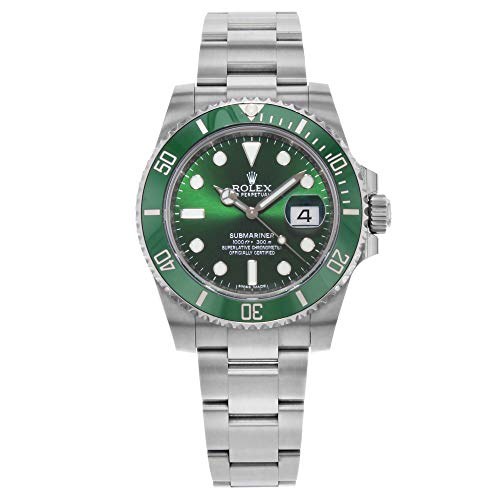
  • Dive Watches: Characterized by a rotating bezel, high water resistance, and excellent legibility. They are robust, versatile, and look great with casual wear. (e.g., Rolex Submariner, Omega Seamaster).
  • Dress Watches: Typically slim, simple, and elegant, often on a leather strap. They are designed to slip easily under a shirt cuff and are perfect for formal occasions. (e.g., Patek Philippe Calatrava, Cartier Tank).
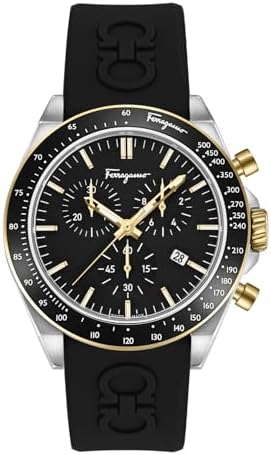
  • Chronographs: These are watches with a stopwatch function, featuring pushers on the side of the case and subdials on the face. They have a sporty, technical look. (e.g., Omega Speedmaster, Breitling Navitimer).
  • Pilot/Field Watches: Inspired by military history, these watches prioritize legibility and durability with large numerals and a rugged design.

Step 3: Understand Watch Movements

The engine of your watch is a key consideration. There are three main types:

  • Automatic (Self-Winding): A mechanical movement that winds itself using the motion of your wrist. It features a sweeping second hand and is the choice of most luxury watch enthusiasts.
  • Manual (Hand-Wound): A mechanical movement that you must wind regularly (usually daily) by turning the crown. This creates a more intimate connection with your watch.
  • Quartz: A battery-powered movement. It’s incredibly accurate, low-maintenance, and more affordable. While less traditional, many fantastic high-end men’s watches use high-performance quartz movements.

Pro Tip: For a first luxury watch, an automatic movement offers the perfect blend of traditional watchmaking charm and modern convenience. You get the beautiful sweeping second hand and the marvel of a mechanical engine without needing to wind it every day.

Step 4: Consider Case Size and Materials

The size of the watch case should be proportional to your wrist. Men’s watches typically range from 36mm to 44mm in diameter. If you have a smaller wrist, a 36-40mm watch will likely be a great fit. For larger wrists, 41-44mm might feel more balanced.

It’s always best to try watches on if possible.

Stainless steel is the most common material—it’s durable, handsome, and versatile. Titanium is lighter and more hypoallergenic. Precious metals like gold and platinum offer a higher level of luxury, while materials like ceramic and carbon fiber provide a modern, scratch-resistant alternative.

A Comparison of Iconic Luxury Watch Brands

The world of horology is filled with legendary names. Each brand has a unique story, design language, and area of expertise. Here’s a look at some of the key players across different tiers to help you understand the landscape.

Brand Category Key Brands Known For Price Point (Approx.)
The “Holy Trinity” Patek Philippe, Audemars Piguet, Vacheron Constantin The pinnacle of watchmaking, complex complications, and exquisite hand-finishing. $25,000 – $1,000,000+
The Icons Rolex, Omega Iconic designs, incredible brand recognition, and robust, high-performance tool watches. $6,000 – $50,000
The Challengers Breitling, TAG Heuer, Cartier Strong heritage in aviation (Breitling) and motorsports (TAG Heuer), and iconic design (Cartier). $3,000 – $15,000
Accessible Swiss Excellence LIV Swiss Watches, Oris, Tissot High-quality Swiss manufacturing, great value, and unique designs without the massive overhead. $500 – $4,000

The “Holy Trinity”: Patek Philippe, Audemars Piguet, & Vacheron Constantin

These three brands represent the absolute peak of watchmaking. They are masters of “haute horlogerie,” creating some of the most complicated and finely finished timepieces in the world. Owning one is a dream for most collectors. They are known for their perpetual calendars, minute repeaters, and breathtakingly beautiful movements.

The Icons: Rolex & Omega

Rolex is arguably the most recognized luxury brand on the planet, a symbol of success and reliability. Their watches, like the Submariner and Datejust, are timeless classics. Omega is their biggest rival, famous for being the first watch on the moon (the Speedmaster) and the watch of James Bond (the Seamaster). Both brands produce incredibly tough, accurate, and desirable timepieces.

The Challengers: Breitling, TAG Heuer, & Cartier

These brands offer a compelling mix of history, style, and performance. Breitling is famous for its bold pilot’s chronographs. TAG Heuer has deep roots in motorsports and offers a sporty, avant-garde aesthetic. Cartier, while also a jewelry house, created one of the first-ever wristwatches and is a master of iconic, elegant design with models like the Tank and Santos.

Accessible Swiss Excellence: LIV Swiss Watches

In recent years, a new wave of microbrands has emerged, offering watch lovers fantastic value by selling directly to consumers. A standout in this space is LIV Swiss Watches. They are all about creating bold, durable, and limited-edition Swiss-made watches without the astronomical price tags of the heritage brands.

What makes them so exciting is their commitment to quality components. They use reliable Swiss automatic and quartz movements, sapphire crystal, and robust case constructions. Their designs are unapologetically modern and sporty, appealing to those who want a high-performance timepiece that stands out from the crowd. For someone looking to get into the world of Swiss watches, LIV offers a thrilling combination of quality, design, and value.

Understanding the Cost: A Luxury Watch Pricing Tiers Comparison

Navigating the pricing of men’s luxury watches can be confusing. What do you get for $1,000 versus $10,000? The cost is determined by factors like the movement’s complexity, the materials used, the level of hand-finishing, and the brand’s prestige. Here’s a general breakdown of what to expect at different price tiers.

Entry-Level Luxury ($500 – $2,000)

This is the gateway to the world of premium men’s timepieces and a fantastic place to start. In this range, you can find exceptional watches from high-quality Swiss brands like Tissot and Oris, as well as innovative microbrands like LIV Swiss Watches. You should expect a reliable Swiss-made automatic or quartz movement, a sapphire crystal, and a well-constructed stainless steel case. You’re paying for solid engineering and lasting quality without the massive marketing budgets of the bigger names.

Mid-Tier Luxury ($2,000 – $7,000)

This tier is the sweet spot for many collectors. Here you’ll find iconic models from legendary brands like Omega, Breitling, and TAG Heuer. The finishing on the case and bracelet will be more refined, and you may start to see some brands using their own in-house movements. This is the range where you can buy a true piece of watchmaking history that will be a reliable companion for life.

High-End Luxury ($7,000 – $20,000)

In this bracket, you are firmly in the territory of top-tier brands like Rolex, Jaeger-LeCoultre, and IWC. In-house movements are standard, and the level of finishing on every component is exceptional. You may also start to see watches made from precious metals like gold. These watches are not just time-tellers; they are status symbols and significant assets.

Haute Horlogerie ($20,000+)

This is the realm of the “Holy Trinity” and other elite independent watchmakers. These are works of art. You’re paying for extreme complexity (known as “complications”), rare materials, incredible amounts of hand-finishing, and extreme exclusivity. These are the supercars of the watch world, representing the absolute best the industry has to offer.

The Pros and Cons of Owning a Men’s Luxury Watch

Owning a beautiful timepiece is an incredibly rewarding experience, but it’s good to go into it with a balanced perspective. Like any high-performance machine, it comes with both amazing benefits and a few practical considerations.

The Amazing Pros

  • Unmatched Quality and Longevity: A mechanical watch is built to last for generations, becoming a true family heirloom.
  • Daily Joy and Connection: There’s a simple pleasure in seeing a beautifully crafted object on your wrist and watching the smooth sweep of the second hand.
  • Expression of Style: It’s a powerful way to communicate your personality, taste, and appreciation for craftsmanship.
  • A Sense of Occasion: Strapping on a great watch can make you feel more confident and prepared for any event.
  • Potential Value Retention: Certain models can hold or even increase in value, making them a relatively stable asset.

The Realistic Cons

  • Initial Cost: There’s no getting around it—luxury watches are a significant financial investment.
  • Servicing Costs: A mechanical watch needs a service every 5-10 years to keep it running perfectly, which can cost several hundred to over a thousand dollars depending on the brand and complexity.
  • Vulnerability: They can be targets for theft, and a drop or hard knock can lead to a costly repair bill. Watch insurance is often a wise idea.
  • Accuracy: While highly accurate, a mechanical watch will never be as precise as a quartz watch or your smartphone. It’s part of their charm!

Frequently Asked Questions About Men’s Luxury Watches

Navigating the world of high-end timepieces can bring up a lot of questions. Here are detailed answers to some of the most common ones.

What are the luxury watch brands for men?

The most recognized luxury watch brands include Rolex, Patek Philippe, Audemars Piguet, Omega, Vacheron Constantin, Cartier, Jaeger-LeCoultre, IWC Schaffhausen, Breitling, and TAG Heuer. These brands are known for their history, craftsmanship, and iconic models. There are also many other fantastic brands at different price points, from A. Lange & Söhne at the high end to Oris and Longines in the more accessible luxury space.

What are the top 10 watches for men?

While “top” is subjective, a list of the most iconic and influential men’s watches would almost certainly include the Rolex Submariner, Omega Speedmaster Professional, Patek Philippe Nautilus, Audemars Piguet Royal Oak, Cartier Tank, Jaeger-LeCoultre Reverso, Breitling Navitimer, Rolex Datejust, IWC Pilot’s Watch, and the TAG Heuer Carrera. These models have defined their respective categories and have been loved by enthusiasts for decades.

What are good entry-level luxury watches?

Excellent entry-level luxury watches offer Swiss-made quality and great design for under $2,000. Brands like Tissot, Hamilton, Oris, and Longines are fantastic starting points. Additionally, microbrands like LIV Swiss Watches provide incredible value by using high-quality components and selling directly to consumers, allowing you to get a lot of watch for your money. The key is to look for a sapphire crystal, a reliable Swiss automatic movement, and solid case construction.

What are the top 4 luxury watches?

This question often refers to the most prestigious and sought-after brands. Most collectors would name Rolex, Patek Philippe, and Audemars Piguet in their top three. The fourth spot is often debated but is usually given to a brand with immense history and technical prowess like Vacheron Constantin or A. Lange & Söhne.

These brands represent the pinnacle of brand recognition, quality, and desirability in the market.

What are the big 5 watch brands?

Similar to the question above, the “big 5” typically refers to the most powerful and influential brands in the industry. This list usually includes Rolex, Patek Philippe, Audemars Piguet, Omega, and Cartier. These five brands command enormous market share, brand recognition, and influence over watchmaking trends and the collector market.

Final Thoughts: Your Journey into Horology Begins Now

Choosing a luxury watch is a deeply personal and rewarding experience. It’s a journey that connects you to history, engineering, and art. Remember, there is no single “best” watch—only the watch that is best for you. It’s the one that quickens your pulse when you see it, feels right on your wrist, and fits the life you lead.

Take your time, do your research, and most importantly, have fun with the process. Whether you’re drawn to the timeless appeal of a Rolex, the sporty functionality of an Omega, or the bold, modern design of a new-wave brand, you’re investing in an object of lasting value and endless enjoyment.

If you’re looking for a watch that packs Swiss craftsmanship and a bold design into an accessible package, exploring the collection from LIV Swiss Watches is a fantastic place to start your journey. Welcome to the wonderful world of watches!

Luxury Watches for Men: A 2026 Buyer’s Guide to Top Brands & Styles

Luxury Watches for Men: A 2026 Buyer’s Guide to Top Brands & Styles

A luxury watch is so much more than a device that tells time. It’s a statement of personal style, a piece of intricate mechanical art, and a legacy you can wear on your wrist. The world of luxury watches men’s watches is vast and exciting, filled with legendary brands, incredible history, and breathtaking craftsmanship. Whether you’re a seasoned collector or searching for your very first significant timepiece, this journey is one of passion and discovery.

Let’s get started.

This guide is your all-access pass to understanding what makes these timepieces so special. We’ll explore everything from the most iconic brands to the intricate details that define a high-end watch. You’ll walk away with the confidence to choose a watch that you’ll cherish for a lifetime.

In a Nutshell

  • Craftsmanship is King: The value of men’s luxury watches lies in their meticulous construction, from the hand-finished movements to the premium materials like sapphire crystal and 316L stainless steel.
  • Brand Legacy Matters: Brands like Rolex, Patek Philippe, and Omega have centuries of history and innovation, which contributes significantly to their prestige and value retention.
  • It’s a Personal Statement: The perfect watch reflects your personality and lifestyle, whether it’s a rugged dive watch, an elegant dress watch, or a feature-packed chronograph.
  • Movement is the Heart: Understanding the difference between a traditional automatic (self-winding) movement and a precise quartz (battery-powered) movement is crucial for making an informed choice.
  • An Investment in Style: While some models can appreciate in value, the true return on a luxury watch is the daily enjoyment and the story it tells. Buy what you love first and foremost.

A Timeless Legacy: The History of Men’s Luxury Watches

The story of the men’s watch is a fascinating journey from battlefield necessity to boardroom staple. Before the 20th century, distinguished gentlemen carried ornate pocket watches. The wristwatch was considered feminine, a delicate bracelet for ladies. That all changed with the dawn of modern warfare.

Pilots and soldiers in the early 1900s needed to check the time quickly without fumbling for a watch in their pockets. Visionaries like Louis Cartier and Hans Wilsdorf (founder of Rolex) saw an opportunity. Cartier created the Santos-Dumont for his aviator friend in 1904, and wristwatches became essential tools for officers in World War I. The convenience and practicality were undeniable, and soon, the wristwatch became a symbol of modern masculinity.

The mid-20th century became the golden age for premium men’s watches. This era gave us legendary designs that are still coveted today: the Rolex Submariner (1953), the Omega Speedmaster (1957), and the TAG Heuer Carrera (1963). These weren’t just accessories; they were purpose-built instruments for divers, astronauts, and race car drivers, proving their reliability under the most extreme conditions.

The Titans of Time: Top 10 Luxury Watch Brands for Men

Navigating the world of luxury brands can be exhilarating. Each has a unique identity, a rich history, and a collection of iconic models. Here are ten of the most respected names in watchmaking that every enthusiast should know.

1. Rolex

Instantly recognizable and universally respected, Rolex is the undisputed king of luxury watches. Known for its robust construction, timeless designs, and incredible value retention, a Rolex is often the first and last watch for many collectors. Their commitment to incremental improvement rather than radical change has created a lineup of true icons. * Known For: The Oyster case, tool watches, exceptional resale value.

  • Iconic Model: The Submariner, the quintessential dive watch that set the standard for an entire genre.

2. Patek Philippe

Often considered the pinnacle of Swiss watchmaking, Patek Philippe represents the highest level of artistry and complexity. Owning a Patek is less about telling time and more about owning a piece of horological history. Their slogan says it all: “You never actually own a Patek Philippe. You merely look after it for the next generation.”

  • Known For: Grand complications, exquisite finishing, unmatched prestige.
  • Iconic Model: The Nautilus, a Gérald Genta-designed luxury sports watch that is one of the most sought-after timepieces in the world.

3. Audemars Piguet

Part of the “Holy Trinity” of watchmaking alongside Patek Philippe and Vacheron Constantin, Audemars Piguet (AP) is a master of bold design and technical innovation. They shocked the world in 1972 by introducing a luxury watch made of steel that cost more than many gold watches.

  • Known For: The octagonal bezel, avant-garde designs, impeccable hand-finishing.
  • Iconic Model: The Royal Oak, the original luxury sports watch that created an entirely new category.

4. Omega

Famous for being the first watch on the moon and the official timepiece of James Bond, Omega offers an incredible blend of history, performance, and value. Their Co-Axial escapement technology provides superior long-term accuracy and durability, making them a technical powerhouse.

  • Known For: The Speedmaster Professional (“Moonwatch”), dive watches, Co-Axial movements.
  • Iconic Model: The Speedmaster Professional, forever immortalized by its journey to the lunar surface with NASA’s Apollo missions.

5. Cartier

While known as a legendary jeweler, Cartier is also a formidable watchmaker with a history of creating some of the most elegant and enduring designs. They were pioneers in popularizing the men’s wristwatch and continue to produce timepieces that are the epitome of Parisian chic.

  • Known For: Rectangular cases, Roman numerals, timeless elegance.
  • Iconic Model: The Tank, inspired by the Renault tanks of WWI, it has been a symbol of understated class for over a century.

6. Jaeger-LeCoultre

Known as the “watchmaker’s watchmaker,” Jaeger-LeCoultre (JLC) has produced over 1,200 different calibers and supplied movements to many other prestigious brands. They are masters of both technical complexity and refined design, offering incredible value for the level of horology you receive.

  • Known For: The Reverso, ultra-thin movements, hundreds of inventions.
  • Iconic Model: The Reverso, with its unique swiveling case originally designed to protect the watch during polo matches.

7. IWC Schaffhausen

International Watch Company (IWC) is celebrated for its engineering-focused approach, particularly in creating superb pilot’s watches and chronographs. Their designs are often clean, legible, and masculine, with a focus on functionality and durability.

  • Known For: Pilot’s watches, large case sizes, robust engineering.
  • Iconic Model: The Big Pilot’s Watch, a modern icon with a commanding presence and a direct lineage to military aviation timepieces.

8. Vacheron Constantin

Founded in 1755, Vacheron Constantin is the oldest continuously operating watch manufacturer in the world. They are a true master of traditional Genevan watchmaking, creating some of the most beautiful and complicated timepieces ever made.

  • Known For: Artistic crafts (enameling, engraving), elegant designs, uninterrupted history.
  • Iconic Model: The Patrimony, a perfect example of a classic, minimalist dress watch executed to the highest standard.

9. Breitling

Breitling has a deep connection to the world of aviation, having created some of the most important pilot’s chronographs in history. Their watches are known for being bold, functional, and incredibly precise instruments for professionals.

  • Known For: Chronographs, aviation heritage, slide rule bezels.
  • Iconic Model: The Navitimer, with its distinctive circular slide rule bezel that allows pilots to perform crucial flight calculations.

10. TAG Heuer

With an unbreakable link to motorsports, TAG Heuer has built its reputation on precision timing and avant-garde design. The brand is synonymous with the thrill of the racetrack and has been worn by countless racing legends.

  • Known For: Racing chronographs, sports watches, connection to motorsports.
  • Iconic Model: The Monaco, the square-cased chronograph made famous by Steve McQueen in the film Le Mans.

Accessible Swiss Luxury: A Smart Starting Point

For those who crave Swiss engineering and bold design without the astronomical price tags of the big houses, brands like LIV Swiss Watches are making a huge impact. They offer robust, feature-packed timepieces with Swiss movements, sapphire crystals, and durable construction, providing a fantastic entry into the world of high-end watches for men.

The Heart of the Matter: The Craftsmanship Behind High-End Watches for Men

What truly separates a luxury watch from a standard one? It’s the obsessive attention to detail, the quality of materials, and the hundreds of hours of skilled human labor invested in its creation. This is where the magic happens.

The journey begins with the materials. While a basic watch might use simple steel and mineral glass, premium men’s watches use superior alloys like 316L or 904L stainless steel, which are highly resistant to corrosion and can be polished to a brilliant shine. Cases might also be crafted from precious metals like gold and platinum, or modern materials like titanium and ceramic for their lightweight and scratch-resistant properties. The “glass” is almost always synthetic sapphire crystal, a material so hard that only a diamond can scratch it.

But the true soul of the watch is its movement—the intricate engine that powers the hands. The finest watches feature “in-house” movements, designed, built, and assembled entirely by the brand itself. These movements can consist of hundreds of tiny, perfectly engineered parts, many of which are finished by hand. This finishing, which includes techniques like Côtes de Genève (Geneva stripes) and perlage (circular graining), isn’t just for beauty; it helps reduce friction and capture dust, improving the movement’s longevity and performance.

Finally, there are the complications. A simple watch just tells time. A complicated luxury watch can do much more. A chronograph acts as a stopwatch, a GMT function tracks a second time zone, and a perpetual calendar knows the day, date, month, and even leap years without needing adjustment.

The most exotic complication, the tourbillon, is a spinning cage that defies gravity to improve accuracy—a mesmerizing display of mechanical genius.

Finding Your Perfect Timepiece: How to Choose a Men’s Luxury Watch

Choosing your first or next luxury watch is an incredibly personal and rewarding experience. With so many options, it’s important to have a plan. Here’s a guide to help you find the one that’s right for you.

1. Define Your Style and Lifestyle

First, think about when and where you’ll be wearing the watch. Your lifestyle will guide you to the right category:

  • Dress Watch: Slim, simple, and elegant, often on a leather strap. Perfect for formal occasions and the office (e.g., Cartier Tank, Vacheron Constantin Patrimony).
  • Dive Watch: Robust, highly water-resistant, with a rotating bezel to track elapsed time. A versatile choice that works almost anywhere (e.g., Rolex Submariner, Omega Seamaster).
  • Chronograph/Sport Watch: Feature-packed with stopwatch functionality, often with a racing or aviation theme. Ideal for a casual, active lifestyle (e.g., Omega Speedmaster, TAG Heuer Monaco).
  • Pilot Watch: Characterized by large, highly legible dials and sometimes a GMT function. Built for the cockpit but looks great on the ground (e.g., IWC Big Pilot, Breitling Navitimer).

2. Set a Realistic Budget

The term “luxury” covers a wide price spectrum. You can enter the world of Swiss-made watches for under $2,000, while iconic models from top brands often start around $5,000-$10,000, and prices can soar into the millions for rare, complicated pieces. Decide on a comfortable budget before you start your search to help narrow down your options.

3. Consider Case Size and Fit

A watch needs to be comfortable and proportional to your wrist. Case diameters for men’s watches typically range from 36mm to 44mm. If you have a smaller wrist (under 7 inches), a watch between 36mm and 40mm will likely look best. For larger wrists, 41mm to 44mm is a great range. The best way to know for sure is to try them on!

Pro Tip: Pay attention to the “lug-to-lug” measurement. This is the distance from the top set of lugs to the bottom. A watch can have a reasonable diameter but long lugs that make it overhang on a smaller wrist. This measurement is often more important for fit than the case diameter itself.

4. New vs. Pre-Owned

Buying a new watch from an authorized dealer gives you the full brand experience and a factory warranty. However, the pre-owned market is an amazing place to find discontinued models, vintage pieces, or even current models at a significant discount. A well-maintained pre-owned watch from a reputable seller can be a fantastic value.

More Than Just Time: The Investment Value of Premium Men’s Watches

Can a watch be a good financial investment? The answer is a qualified yes. Certain men’s luxury watches, particularly steel sports models from brands like Rolex, Patek Philippe, and Audemars Piguet, have shown a remarkable ability to not only hold their value but appreciate significantly over time. This is driven by a combination of brand prestige, controlled supply, and high demand.

The Rolex Daytona, for example, is famous for trading on the secondary market for two to three times its retail price. The same is true for the Patek Philippe Nautilus and Audemars Piguet Royal Oak. These are the exceptions, not the rule. Most luxury watches will depreciate after purchase, similar to a new car.

Factors that influence a watch’s investment potential include:

  • Brand Recognition: The top-tier brands have the strongest track record.
  • Rarity: Limited editions or models with short production runs are more likely to become collectible.
  • Condition: A watch with its original box and papers, in excellent condition, will always command a higher price.
  • Provenance: A watch with a documented history or connection to a famous person can be worth a fortune.

However, it’s crucial to approach watch buying as a passion first. Buy a watch because you love its design, appreciate its craftsmanship, and enjoy wearing it. If it happens to increase in value, consider that a fantastic bonus.

Automatic vs. Quartz: Understanding the Engine of Your Watch

At the heart of every watch is its movement, or caliber. In the luxury world, the debate often comes down to two main types: automatic and quartz. Understanding the difference is key to appreciating what makes high-end watches for men tick.

An automatic (or self-winding) movement is a marvel of traditional mechanical engineering. It’s powered by a mainspring that is wound by the natural motion of your wrist via a weighted rotor. It requires no batteries and, if worn regularly, will run indefinitely. Enthusiasts love automatic movements for their intricate beauty, the smooth sweep of the seconds hand, and the centuries of history they represent.

A quartz movement, on the other hand, is powered by a battery that sends an electrical pulse through a tiny quartz crystal, causing it to vibrate at a precise frequency. This makes quartz watches incredibly accurate, durable, and affordable. While some purists look down on them, high-end quartz movements from brands like Grand Seiko or Breitling (with their SuperQuartz™) offer performance that mechanical watches simply can’t match.

Here’s a quick comparison:

Feature Automatic Movement Quartz Movement
Power Source Mainspring (wound by motion) Battery
Accuracy Typically -4/+6 seconds per day Within a few seconds per month
Maintenance Requires servicing every 5-7 years Battery change every 2-3 years
Seconds Hand Smooth, sweeping motion Ticks once per second
Craftsmanship Highly complex, artistic, traditional Efficient, modern, performance-focused
Price Generally more expensive Generally more affordable

For most collectors, the soul and artistry of an automatic movement are central to the appeal of a luxury watch. It’s a living, breathing machine on your wrist.

What’s Ticking in 2026: Trends in Men’s Luxury Watches

The watch world is constantly evolving, blending timeless tradition with modern tastes. As noted by style authorities like GQ and Esquire, several key trends are shaping the landscape for 2026.

One of the most significant shifts is the return to more classic, smaller case sizes. While the oversized watch trend dominated the 2000s, many brands are now offering their iconic models in more modest diameters of 36mm to 39mm. This vintage-inspired sizing is comfortable, elegant, and appeals to a broader range of wrist sizes.

Color is also playing a huge role. Green dials have been incredibly popular for the past few years and continue to be a favorite. However, we’re also seeing a rise in more adventurous colors like ice blue, salmon, and even vibrant yellows and oranges. These bold dials offer a fantastic way to express personality.

The integrated bracelet sports watch, a category pioneered by the Royal Oak and Nautilus, remains hotter than ever. The seamless flow from the case to the bracelet creates a cohesive and stylish look that is both sporty and elegant. More and more brands are offering their take on this iconic 1970s design.

Finally, there’s a growing appreciation for independent watchmakers. While the big brands dominate, smaller, independent creators like F.P. Journe, H. Moser & Cie., and Czapek are gaining a massive following for their unique designs and innovative approach to horology.

These “indies” offer something different from the mainstream, appealing to collectors who want a watch with a more personal story.

Keeping Your Investment Pristine: Care and Maintenance Tips

A fine mechanical watch is a precision instrument designed to last for generations—if you take care of it properly. Following a few simple rules will ensure your timepiece runs smoothly for decades to come.

First, regular cleaning is essential. Use a soft, microfiber cloth to wipe down the case and bracelet to remove fingerprints and dust. For dive watches with high water resistance, you can gently wash the case and bracelet with lukewarm water and mild soap, using a soft brush to clean between the links. Always make sure the crown is screwed down tightly before any contact with water.

Second, understand the importance of servicing. Just like a car’s engine, a mechanical watch movement needs its oils cleaned and replaced periodically. Most brands recommend a full service every 5 to 7 years. During a service, a certified watchmaker will completely disassemble the movement, clean every part, replace any worn components, re-lubricate it, and test it for accuracy and water resistance.

It’s a crucial investment in your watch’s health.

Pro Tip: Avoid exposing your watch to strong magnetic fields, which can be generated by speakers, tablets, and some electronic equipment. Magnetism can affect the hairspring in the movement’s balance wheel, causing the watch to run erratically fast or slow. If you suspect your watch is magnetized, a watchmaker can demagnetize it in a few minutes.

The Celebrity Seal of Approval: Iconic Watches on Famous Wrists

Luxury watches have long been associated with some of the most iconic figures in history, sports, and entertainment. These celebrity endorsements, whether official or organic, have cemented the status of certain timepieces as cultural touchstones.

The most famous example is Paul Newman and his Rolex Daytona. The actor’s personal Daytona, a gift from his wife, sold at auction for a staggering $17.8 million in 2017. His association with the model made that specific dial configuration, the “Paul Newman” dial, one of the most collectible vintage watches in the world.

Steve McQueen, the “King of Cool,” immortalized the square-cased TAG Heuer Monaco in his 1971 film Le Mans. The watch’s bold, unconventional design was a perfect match for McQueen’s rebellious persona. Today, the Monaco is still a symbol of daring style and automotive heritage.

And of course, there’s James Bond. The world’s most famous spy has worn several watches, but since 1995’s GoldenEye, he has exclusively worn an Omega Seamaster. The watch is now as integral to the character as his Aston Martin, representing a blend of British sophistication and rugged capability.

The Ultimate Style Statement: The Role of Luxury Watches in Men’s Fashion

In an age where everyone has a smartphone to check the time, a luxury watch is a deliberate choice. It’s one of the few pieces of jewelry widely accepted for men and serves as a powerful form of self-expression. The right watch doesn’t just complement an outfit; it completes it.

A classic dress watch on a black alligator strap, peeking out from under the cuff of a tailored suit, speaks of elegance and attention to detail. A stainless steel dive watch paired with a casual weekend outfit suggests a sense of adventure and readiness. A complex chronograph hints at an appreciation for precision and performance.

Your choice of watch communicates something about your values and personality. It can be a conversation starter, a nod to a shared passion among fellow enthusiasts, or a personal reminder of a milestone you’ve achieved. Unlike fleeting fashion trends, a well-made timepiece is timeless. It’s a piece of your personal story that you carry with you every day, ready to be passed down to the next generation.

Frequently Asked Questions About Men’s Luxury Watches

What is considered a luxury watch?

A luxury watch is typically defined by its high level of craftsmanship, the quality of its materials, its brand heritage, and its mechanical movement. It’s often Swiss- or German-made and features details like a sapphire crystal, hand-finished components, and a price point that reflects the skill and labor involved in its creation.

How much should I spend on my first luxury watch?

There’s no single right answer, as it depends entirely on your personal finances and priorities. A great entry point into the world of Swiss luxury can be found in the $1,000 to $3,000 range from brands like Tissot, Hamilton, or Longines. For iconic models from brands like Omega or TAG Heuer, you might look in the $4,000 to $8,000 range. The most important rule is to spend an amount you are comfortable with.

Are luxury watches a good investment?

While some specific models from top-tier brands have proven to be excellent financial investments, most watches will not appreciate in value. It’s best to view a luxury watch as an investment in quality, style, and personal enjoyment. Buy the watch you love to wear, and if it holds its value or appreciates, consider it a welcome bonus.

Which luxury watch brand is the best?

“Best” is entirely subjective and depends on your personal taste, budget, and what you value in a watch. Rolex is often considered the “best” for its all-around durability and value retention. Patek Philippe is arguably the “best” in terms of pure horological artistry and prestige. Omega might be the “best” for its combination of history, technology, and relative value. The best brand for you is the one that makes a watch you can’t stop thinking about.

Final Thoughts

Embarking on the journey of luxury watches for men’s watches is about more than just acquiring an expensive object. It’s about connecting with a tradition of artistry, engineering, and style that has spanned centuries. A fine watch is a companion that marks the moments of your life, from professional achievements to personal milestones.

Whether you are drawn to the rugged appeal of a dive watch, the elegance of a dress watch, or the complexity of a chronograph, there is a perfect timepiece out there waiting for you. Take your time, do your research, and most importantly, choose the watch that speaks to you. It’s a decision you’ll be happy with for years to come.

If you’re starting your journey and looking for incredible Swiss craftsmanship without the five-figure price tag, brands like LIV Swiss Watches offer a fantastic entry point into the world of premium men’s watches. Check out their collection to see what bold, modern Swiss watchmaking has to offer.

Men’s Luxury Watches: A First-Time Buyer’s Guide to Finding Your Perfect Timepiece

Men’s Luxury Watches: A First-Time Buyer’s Guide to Finding Your Perfect Timepiece

A luxury watch is so much more than a device for telling time. It’s a statement of style, a piece of personal history, and a marvel of engineering you can wear on your wrist. When exploring the incredible world of luxury watches, men’s watches represent a pinnacle of craftsmanship, heritage, and passion that can last a lifetime—and beyond. Getting into this hobby is an absolutely thrilling journey!

Whether you’re celebrating a milestone, making your first significant investment in a timepiece, or simply appreciating the art of horology, this guide is for you. We’ll walk through everything from the legendary brands that define the industry to the intricate details that make these timepieces tick. Get ready to find the watch that doesn’t just tell time, but tells your story.

What You’ll Learn

  • The Titans of Time: Discover the most iconic and respected luxury watch brands, from household names like Rolex to the exclusive ‘Holy Trinity’ of watchmaking.
  • Choosing Your First Timepiece: Learn a practical, step-by-step process for selecting the perfect watch based on your style, budget, and lifestyle.
  • Movement Matters: Understand the critical differences between automatic and quartz movements and decide which mechanical heart is right for you.
  • Investment & Value: Explore whether high-end men’s watches are a good investment and which factors contribute to a watch holding or increasing its value over time.
  • Care and Complications: Get essential tips on maintaining your watch and demystify common features (complications) like chronographs and GMTs.

The Timeless Allure: A Brief History of Men’s Luxury Watches

The story of the men’s watch is a fascinating journey from battlefield necessity to boardroom staple. For centuries, the personal timepiece was the pocket watch—a delicate, chained accessory. The idea of strapping a watch to one’s wrist was considered feminine, a novelty for ladies of leisure. That all changed with the dawn of the 20th century.

Pilots and soldiers during World War I needed to coordinate attacks and check the time quickly without fumbling for a pocket watch. The wristwatch became an essential piece of military gear, and its association with bravery and masculinity was cemented. Brands like Cartier, with its legendary Tank watch inspired by military vehicles, helped popularize the form for civilians after the war.

The mid-20th century was the golden age for mechanical watches. Brands pushed the boundaries of innovation, creating iconic dive watches like the Rolex Submariner, racing chronographs like the TAG Heuer Carrera, and the Omega Speedmaster—the first watch on the moon! These weren’t just timekeepers; they were specialized tools built for adventure. This era defined the designs and complications we still cherish today in premium watches for men.

Then came the “Quartz Crisis” of the 1970s and 80s, when cheap, ultra-accurate battery-powered watches from Japan threatened to make traditional Swiss watchmaking obsolete. Many historic brands nearly vanished. But a funny thing happened: instead of dying out, mechanical watches became a symbol of luxury, tradition, and artistry—a conscious choice to value craftsmanship over convenience. This resurgence cemented the status of men’s luxury watches as objects of passion and prestige.

The Titans of Time: Top Luxury Watch Brands for Men

Navigating the world of luxury watch brands can feel overwhelming, but it’s also one of the most exciting parts of the journey! These brands, or “maisons,” each have a unique story, design language, and specialty. Here’s a breakdown of some of the key players you should know.

The Unquestionable Icons

These are the brands that even non-watch enthusiasts recognize. They’ve built their reputations on decades of quality, innovation, and masterful marketing.

  • Rolex: Perhaps the most recognized luxury brand on the planet. Rolex is synonymous with durability, timeless design, and holding value. Models like the Submariner, Daytona, and Datejust are true industry benchmarks.
  • Omega: Famous for being the official watch of James Bond and NASA’s choice for moon missions (the Speedmaster). Omega offers incredible quality and horological history, often at a more accessible price point than Rolex.
  • Cartier: A Parisian jeweler at heart, Cartier brings an unmatched level of elegance and design sophistication to watchmaking. The Tank and Santos models are iconic for their distinctive shapes and timeless appeal.

The “Holy Trinity” of Watchmaking

For serious collectors, these three brands represent the absolute pinnacle of watchmaking artistry, finishing, and complexity.

  • Patek Philippe: A family-owned Geneva institution, Patek Philippe is often considered the most prestigious watchmaker in the world. Their motto is, “You never actually own a Patek Philippe. You merely look after it for the next generation.”
  • Audemars Piguet: Best known for the revolutionary Royal Oak, the first luxury steel sports watch designed by the legendary Gérald Genta in 1972. AP is celebrated for its bold designs and exceptional hand-finishing.
  • Vacheron Constantin: The oldest continuously operating watchmaker in the world, founded in 1755. Vacheron Constantin is a master of both classical dress watches and highly complicated masterpieces.

Modern Innovators and Accessible Luxury

Beyond the giants, a new wave of brands offers exceptional quality and unique designs, often providing incredible value.

  • Tudor: Rolex’s sibling company, Tudor has stepped out of the shadows to become a fan favorite. It offers Rolex-level build quality and vintage-inspired designs, like the Black Bay, at a more attainable price.
  • Grand Seiko: A Japanese brand that rivals the best of Switzerland in terms of finishing and accuracy. Grand Seiko is famous for its nature-inspired dials and innovative Spring Drive movements.
  • LIV Swiss Watches: For those seeking robust, modern design backed by Swiss-made quality without the traditional luxury markup, LIV is a fantastic choice. They focus on creating bold, limited-edition chronographs and sports watches that offer a ton of value. If you want a durable, eye-catching piece that stands out, you should definitely explore what LIV Swiss Watches has to offer.

The watch world is always evolving, blending timeless traditions with modern tastes. Staying on top of trends can help you choose a watch that feels both classic and current. Here are some of the biggest trends shaping the market right now.

One of the most welcome trends is the return to more classic, wearable case sizes. For years, the trend was for larger, more aggressive watches, often 44mm and above. Today, many brands are releasing new models and re-issuing classics in sizes ranging from 36mm to 40mm, which fit a wider range of wrists and have a more timeless, understated appeal.

Color is another area of exciting innovation. While black, white, and blue dials will always be popular, green has become the hottest color in the industry, with nearly every brand offering a flagship model in a shade of olive, forest, or emerald. We’re also seeing more adventurous colors like salmon, light blue, and even purple dials gaining popularity, allowing collectors to express more personality.

The integrated bracelet sports watch, pioneered by the Audemars Piguet Royal Oak and Patek Philippe Nautilus in the 1970s, is more popular than ever. This design, where the bracelet flows seamlessly from the case, creates a cohesive, architectural look that is incredibly versatile. Many brands are now offering their own take on this iconic style.

Finally, vintage-inspired designs continue to dominate. Brands are diving deep into their archives to release modern versions of their most beloved historical models. These “re-issues” offer the charm and aesthetic of a vintage piece but with the reliability and advanced technology of a modern watch, giving you the best of both worlds.

Finding Your Perfect Match: How to Choose a Premium Watch for Men

Choosing your first—or next—luxury watch is a deeply personal and exciting process. It’s not about finding the “best” watch, but the best watch for you. Here’s a simple framework to guide your decision.

1. Define Your Budget and Purpose

First, be honest about your budget. Luxury watches can range from a couple of thousand dollars to millions. Set a comfortable price range to narrow your search. Also, think about when and where you’ll wear the watch. Is it for daily wear at the office, special occasions, or rugged weekend adventures? Your answer will guide the style.

2. Understand Case Size and Materials

Fit is everything. A watch that’s too big or too small for your wrist won’t feel right. Visit a store to try on different sizes (measured in millimeters) to see what you prefer. Common materials include durable stainless steel, lightweight titanium, and precious metals like gold or platinum. Steel is the most versatile and popular choice for a first luxury piece.

3. Choose Your Style Category

Men’s luxury watches generally fall into a few key categories:

  • Dive Watches (e.g., Rolex Submariner): Robust, highly water-resistant, with a rotating bezel to time dives. Their sporty, go-anywhere vibe makes them incredibly popular for daily wear.
  • Chronographs (e.g., Omega Speedmaster): Essentially a stopwatch on your wrist, with pushers to start, stop, and reset the timer. They have a sporty, technical look.
  • Dress Watches (e.g., Cartier Tank): Slim, simple, and elegant, usually on a leather strap. Perfect for formal occasions and business settings.
  • Pilot/Field Watches (e.g., IWC Pilot’s Watch): Designed for legibility and durability, with large numerals and a clean, functional aesthetic.

4. Research the Brand and Movement

Once you have a style in mind, research the brands that excel in that category. Read reviews, watch videos, and learn about their history. Finally, consider the movement—the engine of the watch. This brings us to a crucial comparison.

Pro Tip: Don’t buy a watch just because of hype or what you see on social media. The most satisfying purchase is one that genuinely connects with your personal style and story. Try on as many watches as you can before making a decision.

The Heart of the Matter: Automatic vs. Quartz Movements Explained

The movement is what makes a watch tick, and in the world of luxury watches, the choice usually comes down to automatic (a type of mechanical) versus quartz. There’s no right or wrong answer, but they offer vastly different experiences.

An automatic movement is a purely mechanical marvel. It’s powered by a mainspring that is wound by the natural motion of your wrist via a weighted rotor. There are no batteries or electronics. The appeal is in the intricate craftsmanship—hundreds of tiny, hand-finished parts working in perfect harmony.

You can often see this beautiful mechanism through a sapphire case back. The smooth, sweeping motion of the seconds hand is a hallmark of a mechanical watch.

A quartz movement, on the other hand, is powered by a battery. The battery sends an electrical signal through a tiny quartz crystal, causing it to vibrate at a precise frequency. These vibrations drive a motor that moves the watch hands. Quartz watches are incredibly accurate, require very little maintenance (just a battery change every few years), and are generally much more affordable.

Here’s a quick breakdown of the key differences:

Feature Automatic (Mechanical) Quartz (Battery-Powered)
Power Source Mainspring wound by wrist motion Battery
Accuracy Can lose/gain a few seconds per day Extremely accurate, loses a few seconds per month
Maintenance Requires servicing every 5-10 years Battery change every 2-5 years
Seconds Hand Smooth, sweeping motion Ticks once per second
Price Generally more expensive Generally more affordable
Appeal Craftsmanship, tradition, artistry Reliability, accuracy, convenience

For most enthusiasts, the soul of a luxury watch lies in its mechanical movement. It represents a connection to centuries of watchmaking tradition. However, a high-end quartz watch from a brand like Grand Seiko or Cartier can offer beautiful design and finishing with grab-and-go convenience.

More Than Just Telling Time: Understanding Watch Complications

In horology, a “complication” is any function on a watch that does more than tell the hours, minutes, and seconds. Complications showcase a brand’s technical skill and can add incredible functionality to your timepiece. They can seem intimidating, but the most common ones are easy to understand.

  • Date: The most common complication. It displays the current date in a small window, or “aperture,” on the dial. An Annual Calendar is a more advanced version that automatically adjusts for months with 30 and 31 days, only needing to be set once a year (on March 1st). A Perpetual Calendar is even more complex, accounting for leap years as well.
  • Chronograph: A stopwatch function, controlled by two pushers on the side of the case. The large seconds hand, which is usually stationary, is used for the chronograph, while small subdials track elapsed minutes and hours.
  • GMT / Dual Time: This complication allows you to track two time zones at once. It features an extra hour hand that makes one full rotation every 24 hours. It’s incredibly useful for travelers or anyone who works with people in different parts of the world.
  • Moonphase: A beautiful and poetic complication that displays the current phase of the moon in an aperture on the dial. While not the most practical feature for modern life, it’s a classic display of watchmaking artistry.

Icons on the Wrist: Legendary Luxury Men’s Watches Through History

Some watches are so perfectly designed that they transcend time and trends to become true icons. These are the models that have shaped the industry and are instantly recognizable on the wrist. As the team at Collars & Co noted on Instagram, on Wall Street, a watch is about status and silent signals, and these models are the ones that send the loudest message.

  • Rolex Submariner: Originally launched in 1953, it’s the archetypal dive watch. Its robust build, timeless design, and versatility make it arguably the most famous and influential watch ever made.
  • Omega Speedmaster Professional: The legendary “Moonwatch.” It was flight-qualified by NASA for all manned space missions and became the first watch worn on the moon. Its history is simply unmatched.
  • Audemars Piguet Royal Oak: The watch that created the luxury steel sports watch category in 1972. Its iconic octagonal bezel and integrated bracelet were revolutionary at the time and remain incredibly influential today.
  • Patek Philippe Nautilus: Another Gérald Genta design from the 1970s, the Nautilus is the epitome of sporty elegance. Its porthole-inspired case and incredible rarity have made it one of the most sought-after watches in the world.
  • Cartier Tank: Designed in 1917, the Tank’s rectangular case was inspired by the Renault tanks of WWI. It is the definition of a classic dress watch, worn by artists, presidents, and style icons for over a century.

The Long Game: Are Luxury Watches a Good Investment?

This is a question many first-time buyers ask. The simple answer is: it’s complicated. While some specific models from brands like Rolex, Patek Philippe, and Audemars Piguet have shown incredible appreciation in value, it’s crucial to distinguish between buying a watch as a passion purchase versus a financial instrument.

The vast majority of luxury watches will depreciate in value once you buy them, just like a new car. However, high-quality timepieces from respected brands tend to hold their value far better than other luxury goods. The key is to buy what you love first and foremost. If it happens to maintain or increase in value, consider that a fantastic bonus.

Certain factors contribute to a watch’s investment potential: brand recognition (Rolex is king here), rarity (limited editions or discontinued models), historical significance, and condition. Stainless steel sports models from top-tier brands are currently the hottest segment of the market. But chasing trends can be risky. The best strategy is to buy a classic, timeless piece from an established brand that you will enjoy wearing for years to come.

Keeping Time Perfectly: Essential Maintenance and Care Tips

A fine mechanical watch is a high-precision machine that requires regular care to perform its best for generations. Proper maintenance is not difficult, but it is essential for protecting your investment and ensuring its longevity.

First, understand service intervals. Just like a car, a mechanical watch needs a periodic overhaul. Most brands recommend a full service every 5 to 10 years. During a service, a certified watchmaker will completely disassemble the movement, clean every part, replace any worn components, lubricate it, and reassemble it, ensuring it runs accurately and stays water-resistant.

For daily care, simple habits go a long way. Keep your watch clean by wiping it down with a soft microfiber cloth to remove dust and smudges. If it’s a water-resistant steel watch, you can gently wash it with mild soap and warm water, using a soft brush to clean the bracelet. Always make sure the crown is screwed down tightly before getting it wet!

Finally, be mindful of magnetism. Strong magnetic fields from speakers, laptops, and other electronics can affect the accuracy of a mechanical watch. If you notice your watch suddenly running very fast or slow, it may have become magnetized. A watchmaker can demagnetize it for you in just a few minutes.

The Finishing Touches: Essential Luxury Watch Accessories

Once you have your watch, a few key accessories can enhance your ownership experience and help you care for your timepiece. These aren’t necessities, but they add a layer of enjoyment and practicality to the hobby.

  • A Quality Watch Box or Roll: When you’re not wearing your watches, you need a safe place to store them. A watch box with individual soft cushions protects them from scratches and dust at home. For travel, a leather watch roll is a stylish and secure way to carry one or more timepieces.
  • High-Quality Straps: Changing the strap is the easiest way to completely transform the look of your watch. A dive watch on a rubber strap is perfect for summer, while putting it on a leather strap makes it ready for the office. Investing in a few different straps is like having multiple watches in one.
  • A Spring Bar Tool: If you plan on changing straps yourself, a good spring bar tool is a must-have. This small, inexpensive tool allows you to safely remove and install the spring bars that hold the strap to the watch case. Just be sure to watch a tutorial and practice on an inexpensive watch first!
  • A Watch Winder: For automatic watches, a watch winder is a box that gently rotates the watch to keep the mainspring wound when you’re not wearing it. This is particularly useful if you have multiple automatic watches with complications like a date or calendar, as it saves you from having to reset them every time you pick them up.

Pro Tip: When buying straps, pay close attention to the lug width of your watch (the distance between the horns where the strap attaches). This is measured in millimeters and must match the strap width for a proper fit.

Frequently Asked Questions (FAQ)

What is considered a luxury watch?

A luxury watch is typically defined by its high-quality materials (like stainless steel, titanium, or precious metals), superior craftsmanship, in-house or high-end mechanical movement, and brand heritage. It’s less about price and more about the artistry, engineering, and attention to detail that goes into its creation. Brands with a long history of horological innovation are usually considered luxury.

How much should I spend on my first luxury watch?

There’s no magic number, and it’s entirely personal. A great starting point for a quality Swiss-made mechanical watch is often in the $1,000 to $5,000 range. In this bracket, you can find incredible timepieces from brands like Tudor, Longines, Oris, and TAG Heuer that offer fantastic history, build quality, and design. The most important rule is to spend an amount you are comfortable with.

Which luxury watch holds its value best?

Historically, stainless steel sports models from Rolex have the strongest value retention and are the most likely to appreciate over time. Certain models from Patek Philippe and Audemars Piguet are also incredibly strong performers on the secondary market. However, this is not a guarantee, and the market can be volatile. It’s always best to buy a watch because you love it, not purely as a financial asset.

Is it okay to wear a luxury watch every day?

Absolutely! Most high-end men’s watches, especially sports models made from stainless steel, are built to be worn and enjoyed daily. They are durable, often water-resistant, and designed to handle the rigors of everyday life. Wearing your watch regularly is the best way to appreciate the craftsmanship and make it a part of your personal story.

Final Thoughts

Embarking on the journey into the world of men’s luxury watches is an incredibly rewarding experience. It’s a chance to connect with history, appreciate mechanical artistry, and find a piece that reflects your personality and achievements. A great watch is more than an accessory; it’s a companion that will be with you through life’s most important moments.

Remember to take your time, do your research, and most importantly, choose the watch that truly speaks to you. Whether it’s a legendary icon or a modern marvel, the right timepiece will bring you joy every time you glance at your wrist. For those starting their collection with a focus on bold, modern design and robust Swiss engineering, brands like LIV Swiss Watches offer an exciting and accessible entry point into this amazing hobby.

Happy hunting, and wear it in good health!

Exit mobile version