From AI to AR: Cutting Edge Gadgets Shaping the Future

Exploring the Latest Cutting Edge Gadgets

From AI to AR, the consumer cutting edge gadgets landscape is accelerating faster than ever. Pocket computers—cellphones—have morphed into platforms for augmented reality, computational photography, and on-device artificial intelligence. The latest smartphones blend blistering silicon with advanced sensors to deliver experiences that were science fiction a decade ago. Real-time language translation, camera-driven AR overlays for navigation, and predictive battery management that learns your habits are all standard features now. Headphones have kept pace: active noise cancellation is smarter, using machine learning to adapt to changing environments, while spatial audio and head-tracking create immersive three-dimensional soundscapes. True wireless earbuds can switch sources seamlessly, measure your fit and hearing profile, and even run fitness-tracking sensors. These devices are not just accessories; they are personal assistants, health trackers, and portals to augmented experiences.

Cameras and computers have converged too, erasing the old boundaries between stills, video, and computational creativity. Mirrorless cameras now ship with in-camera AI for autofocus and subject recognition that make professional-grade shooting accessible to hobbyists. Smartphones frequently outperform larger rigs for everyday photography because of multi-frame processing, HDR blending, and night modes driven by neural networks. On the computing front, lightweight laptops and desktops are embracing AI accelerators and powerful integrated graphics, enabling on-device inference for tasks like video editing, real-time compositing, and generative art. Folding screens, detachable tablets, and cloud-connected workstations add flexibility, allowing creators to prototype, render, and publish from anywhere. Even tiny action cameras and drones leverage onboard smarts for obstacle avoidance, automated cinematic shots, and real-time streaming with low latency.

At home, security and appliances are undergoing a quiet revolution as artificial intelligence and connectivity make them proactive rather than reactive. Smart cameras and doorbells combine high-resolution imaging with facial recognition and behavioral analytics to distinguish a package delivery from a potential threat. Yet with power comes responsibility: privacy-first configurations, encrypted feeds, and local-only processing are becoming selling points as consumers demand control over their data. Appliances have never been so clever. Refrigerators suggest recipes based on the contents they detect, ovens preheat themselves according to your schedule, and washing machines optimize cycles to save water and fabric wear. Voice assistants remain the glue, but newer interfaces—gesture control, predictive routines, and AR overlays through glasses or phone screens—offer more natural ways to interact.

The common thread across cellphones, headphones, cameras, computers, home security, and appliances is intelligence infused by AR and AI. These technologies amplify convenience, creativity, and safety without sacrificing style. They also ask us to be thoughtful about ethics, interoperability, and longevity. As gadgets continue to learn and adapt, the future won’t just be high-tech; it will be thoughtfully connected, delightfully anticipatory, and surprisingly human.

Manufacturers are responding with longer warranties, modular upgrades, and repair-friendly designs to reduce e-waste. Subscription models for software features push continual improvement without forcing hardware turnover. Expect more seamless AR glasses, energy-smart chargers, and cross-device ecosystems that anticipate needs. The next wave of gadgets will be less about novelty and more about durable, personalized technology that respects users and the planet.

Smart Home to Smart You: Gadgets That Learn and Adapt

Bestseller #1
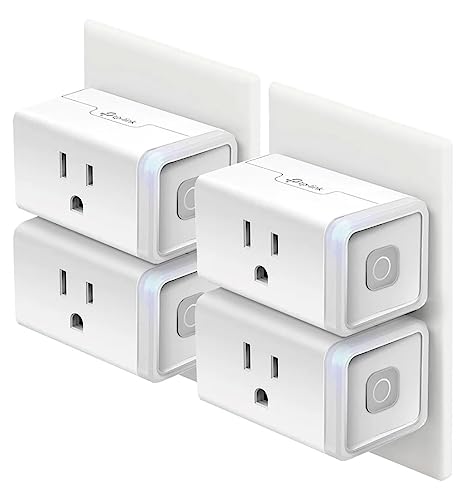
  • Voice control: Kasa smart plugs that work with Alexa and Google Home Assistant. Enjoy the hands free convenience of cont…
  • Smart Outlet Control from anywhere: Turn electronics on and off your smart home devices from anywhere with your smartpho…
  • Scheduling: Use timer or countdown schedules to set your wifi smart plug to automatically turn on and off any home elect…
Bestseller #2
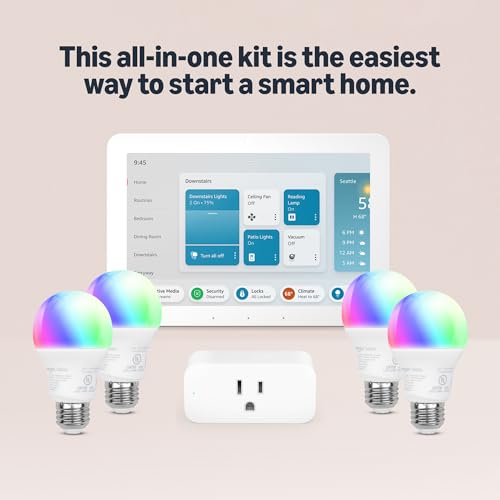
  • Getting started with smart home has never been easier – An all-in-one kit with a quick guided setup makes starting your …
  • A setup so easy, it feels like magic – Just unbox, plug it in, and tap to get started.
  • One hub with endless possibilities – the Echo Hub works with thousands of connected cameras, lights, locks, plugs, therm…
Bestseller #3
  • [100% BLACKOUT MATERIAL]effectively block sunlight, protect your privacy, and customizable in size and color to meet dif…
  • [BRIGNOX SMART BLINDS]an innovative home product that allows you to easily control the opening and closing of all house …
  • [SMART MOTOR]brignox motor can also be perfectly compatible with mobile apps or smart assistant devices like alexa and g…

Smart home technology has stopped being a novelty and become a personal assistant, fitness coach, entertainment hub, and safety net all rolled into one. The latest gadgets don’t just respond; they learn, predict, and adapt to your habits. From the phone in your pocket to the thermostat on your wall, devices are moving beyond programmed commands toward subtle, anticipatory intelligence that feels almost human.

Cellphones and headphones are leading that charge. Modern smartphones analyze usage patterns, prioritize notifications, and suggest shortcuts that feel eerily tailored to your day. AI-driven assistants can compose messages, summarize articles, and even detect mood through vocal cues. Meanwhile, headphones have evolved from passive audio conduits into active listeners. Noise-cancelling algorithms adapt to ambient sound in real time, shifting levels when a conversation starts or when you’re boarding a flight. Smart earbuds can translate languages on the fly, measure biometrics like heart rate and stress, and tweak equalization to match your hearing profile. Together, these pocket-sized companions push personalization to a granular level, making technology an extension of your senses.

Cameras and computers are not far behind. Cameras now embed neural networks that recognize faces, anticipate shots, and stabilize footage before you even blink. Computational photography fuses multiple exposures to deliver detail in shadows and highlights, while on-device AI edits out glare and selects your best frame. Desktop and laptop machines incorporate adaptive performance: they learn which apps you prioritize and allocate power accordingly, prolonging battery life without sacrificing responsiveness. Even small cameras in drones and security setups use edge computing to filter false alarms and follow subjects intelligently. The result is smarter image capture and faster, context-aware computing that keeps learning as you work, shoot, and play.

At home, security systems and appliances are growing intimate with our routines. Smart locks and cameras use behavioral biometrics to distinguish family from strangers and can lock down automatically when unusual activity is detected. Sensors learn when you normally come and go, adjusting alerts so you aren’t awakened by benign motion. Appliances—from refrigerators to washing machines—now keep inventories, suggest recipes based on what’s inside, and schedule cycles when electricity is cheapest. Thermostats learn comfort preferences and tweak temperatures room by room, while lights adapt color and brightness to your circadian rhythm. These connected systems coordinate: the oven preheats as your commute ends, the security system arms itself when everyone leaves, and the home hums along unobtrusively.

The promise of gadgets that learn and adapt is not just convenience; it’s a smarter, more responsive lifestyle. Of course, privacy and control matter—intelligence is only welcome when you own the keys. But when designed thoughtfully, these devices brighten daily life, streamline chores, and free up moments for what matters. The future won’t just be a smart home; it will be a smarter you. Embrace these adaptive tools cautiously: read privacy policies, change default passwords, update firmware, and selectively enable cloud features so the intelligence enhances convenience without sacrificing control, keeping the technology empowering rather than overpowering your daily life every single day.

The Future of Your Smart Home Experience

Exit mobile version