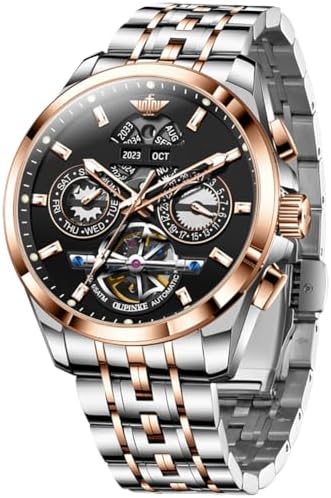


Why Do People Collect Watches? A Beginner’s Guide to the Passion & Art

Why Do People Collect Watches? A Beginner’s Guide to the Passion & Art

In a world where your phone tells you the time, weather, and your next appointment, the simple wristwatch might seem like a relic. Yet, for a growing number of enthusiasts, watches are more captivating than ever. This raises a fascinating question: why do people collect watches? It’s a journey that goes far beyond mere time-telling and enters a world of artistry, engineering, personal history, and passionate community.

For collectors, a watch isn’t just an accessory; it’s a miniature mechanical marvel, a piece of wearable art, a marker of a significant life event, and a powerful form of self-expression. The motivation to collect is a unique blend of logic and emotion, an appreciation for the past, and sometimes, a savvy investment for the future. We’re about to explore every facet of this incredible hobby, from the psychological drivers to the practical steps of starting your own collection.

In a Nutshell

  • More Than a Timekeeper: Watch collecting is about appreciating the art, intricate engineering, and personal stories behind each timepiece, not just telling time.
  • Diverse Motivations: The reasons for watch collecting are vast, ranging from a fascination with complex mechanical movements to making a sound financial investment in a tangible asset.
  • A Form of Self-Expression: A curated watch collection is a reflection of your personality, style, and life’s journey, with different pieces marking significant milestones.
  • Community and the Hunt: A major draw of the hobby is the thrill of searching for rare or unique pieces and connecting with a global community of passionate, like-minded enthusiasts.

What Drives the Passion for Watch Collecting?

At its core, watch collecting is the curation of timepieces, but the answer to “why collect watches” is deeply personal and multifaceted. It’s not about hoarding as many watches as possible. Instead, it’s a thoughtful process of acquiring pieces that resonate with the collector for specific reasons, whether it’s the brand’s history, the movement’s complexity, or the memories associated with it.

In the era of the smartphone, the wristwatch has undergone a beautiful transformation. It has shed its primary role as a utilitarian tool and has been elevated to an object of passion. This shift is precisely what makes collecting so compelling. People are no longer buying a watch because they need to know the time; they are choosing one because it speaks to them on an emotional, intellectual, or aesthetic level.

A watch collection can be as small as three carefully chosen pieces—a daily wearer, a sports watch, and a dress watch—or it can expand into hundreds of rare and vintage models. There are no rules. The collection is a physical manifestation of the owner’s tastes, experiences, and appreciation for one of humanity’s most enduring inventions.

The Allure of the Timepiece: 7 Key Motivations for Collectors

The watch collecting motivation is rarely singular. It’s usually a combination of factors that creates a deep and lasting passion. Let’s break down the most powerful drivers that turn a casual interest into a lifelong hobby.

1. A Deep Appreciation for Mechanical Artistry

This is often the first hook for many collectors. A mechanical watch is a self-contained, miniature universe of gears, springs, and levers working in perfect harmony, all without a battery. The sheer ingenuity required to create a movement that accurately measures time using only mechanical energy is breathtaking. Flipping a watch over to view the intricate dance of its components through a sapphire case back is a source of endless fascination.

Collectors learn to appreciate the nuances of different movements—the smooth sweep of a high-beat second hand, the satisfying click of a chronograph pusher, or the visual spectacle of a tourbillon. They admire the hand-finishing techniques like Côtes de Genève (Geneva stripes) or perlage, which serve no functional purpose but exist purely for beauty. It’s a celebration of human craftsmanship in its purest form.

2. The Power of Storytelling and Personal Milestones

Watches are powerful storytellers. They are frequently used to commemorate life’s most important moments: a graduation, a wedding, the birth of a child, or a major career achievement. When you look down at that watch on your wrist, you’re not just seeing the time; you’re reliving that precious memory.

A collection becomes a wearable timeline of your life. This Patek Philippe was for our 20th anniversary. This Omega Speedmaster was a gift to myself after a promotion. This vintage Seiko was my grandfather’s.

Each piece carries an emotional weight that transcends its monetary value, making it a priceless heirloom to one day pass down to the next generation.

3. An Expression of Personal Style and Identity

For many, a watch is the ultimate accessory and a key element of personal style. It can communicate a great deal about your personality, tastes, and even your values without a single word being spoken. A rugged, oversized dive watch might suggest a love for adventure, while a slim, gold dress watch conveys a sense of elegance and tradition.

Collectors enjoy curating a selection of watches that suit different moods, outfits, and occasions. You might wear a tough G-Shock for a weekend hike, a versatile chronograph for the office, and a minimalist Bauhaus-style watch for a night out. Building this “watch wardrobe” is a creative and deeply satisfying process of defining and expressing your identity.

4. The Thrill of the Hunt

One of the most exciting aspects of collecting is the chase. This involves hours of research, scouring forums, connecting with dealers, and patiently waiting for the right piece to become available. The satisfaction of finally tracking down a rare vintage model or being allocated a highly sought-after new release is a massive adrenaline rush.

This “hunt” fosters a deep sense of community. Enthusiasts gather on platforms like Reddit‘s r/Watches forum to share their latest finds, ask for advice, and discuss the nuances of different models. The shared passion and collective knowledge create a strong bond among collectors worldwide.

5. A Tangible and Wearable Investment

While most collectors will advise you to “buy what you love,” there’s no denying the investment potential of certain timepieces. Unlike many hobbies where money is simply spent, watch collecting can be a way to store and even grow wealth. Brands like Rolex, Patek Philippe, and Audemars Piguet have a long history of their watches holding or increasing in value over time.

This makes them a unique asset class. A rare painting must be kept in a climate-controlled environment, and a classic car is only driven on special occasions. A valuable watch, however, can be worn and enjoyed every single day while potentially appreciating. It’s functional art that serves as a surprisingly stable store of value, especially in uncertain economic times.

6. A Connection to History and Human Ingenuity

Horology—the study of time and timekeeping—is rich with incredible stories of exploration and innovation. Collecting watches is a way to connect with that history. Owning an Omega Speedmaster is owning a piece of the same legacy that went to the Moon. A Rolex Explorer is tied to the conquest of Mount Everest.

A pilot’s watch from IWC or Stowa connects you to the daring aviators of the past.

Vintage watch collecting, in particular, is like being a custodian of history. You’re preserving a small piece of the past, wondering about the life it lived before it came to you. This historical context adds a profound layer of meaning and romance to the hobby.

7. The Community and Shared Passion

Watch collecting can be a solitary pursuit of research, but it truly comes alive through community. The internet has connected enthusiasts from every corner of the globe. Local “RedBar” meetups allow collectors to gather in person, share their watches, and talk for hours about their shared passion.

This sense of belonging is a powerful motivator. It’s a space where your obsession with tiny details is not just understood but celebrated. The friendships and connections formed over a shared love for horology are often as valuable as the watches themselves.

Starting Your Own Collection: How to Choose Your First Pieces

Feeling the spark? The idea of starting your own collection can be both thrilling and intimidating. The key is to take it slow, do your homework, and most importantly, follow your heart. Here’s a simple framework to guide you.

Define Your Budget and Goals

First, forget the multi-million dollar auction results. You don’t need a fortune to become a watch collector. Amazing, historically significant, and beautifully crafted watches are available at every price point. Decide what you’re comfortable spending on your first piece, whether it’s $300 or $3,000.

Then, think about your goal. Are you looking for a versatile “one-watch collection” that you can wear anywhere. Do you want a tough weekend watch for your adventures. Or are you seeking a special piece to mark an upcoming milestone.

Having a clear purpose will help narrow down the overwhelming number of options.

Research, Research, Research

Knowledge is your most valuable tool in this hobby. Before you spend a dime, invest your time in learning. Start with the basics:

  • Movements: Understand the difference between a quartz (battery-powered), manual-wind (you wind it by hand), and automatic (winds itself with the motion of your wrist) movement.
  • Styles: Familiarize yourself with the main categories: dive watches, chronographs, pilot’s watches, dress watches, and field watches. See which aesthetic appeals to you most.
  • Resources: Dive into blogs like HODINKEE, watch YouTube channels like Teddy Baldassarre, and browse forums to see what real owners are saying.

Pro Tip: Don’t get caught up in hype. The most talked-about watches aren’t always the best for you. Focus on discovering what you genuinely like, not what you think you should like. Your collection should be a reflection of you, not of current trends.

Finding Your First Watch

For a first piece, it’s often wise to choose something versatile and reliable. A watch with a stainless steel bracelet, a classic dial color like black, white, or blue, and a water resistance of at least 100 meters will serve you well in almost any situation.

There are fantastic options from beloved brands like Seiko, Tissot, and Hamilton that offer incredible value. For those looking for bold, modern designs backed by proven Swiss engineering, exploring microbrands can be incredibly rewarding. Brands like LIV Swiss Watches, for example, deliver robust construction and unique aesthetics, providing a fantastic entry point into the world of Swiss-made timepieces without the intimidating luxury price tag.

Iconic Watch Categories That Inspire Collectors

As you explore, you’ll notice certain archetypes that form the foundation of many collections. Understanding these categories can help you identify what you’re drawn to.

The Dive Watch

Originally designed for professional divers, this is arguably the most popular watch style today. Characterized by a rotating bezel to time dives, excellent water resistance, and luminous hands and markers for legibility, the dive watch is the definition of rugged versatility. It looks just as good with a t-shirt and jeans as it does with a business casual outfit.

  • Iconic Examples: Rolex Submariner, Omega Seamaster, Seiko SKX007.

The Chronograph

A chronograph is essentially a watch with a built-in stopwatch function, typically featuring sub-dials on the main dial and pushers on the side of the case. Its sporty, technical look and practical function make it a favorite among those who love racing, aviation, or simply appreciate a complex-looking dial.

  • Iconic Examples: Omega Speedmaster Professional, Rolex Daytona, Breitling Navitimer.

The Pilot’s Watch

Born from the needs of early aviators, pilot’s watches (or fliegers) are defined by their supreme legibility. They usually feature a large, clean dial with high-contrast numerals, an oversized crown that could be operated with gloves, and a focus on precision. They carry a sense of history and adventure.

  • Iconic Examples: IWC Big Pilot, Stowa Flieger, Laco Pilot Watch.

The Dress Watch

The dress watch is the epitome of elegance and simplicity. It is typically slim, made of precious metal (though steel is common today), and has a clean, uncluttered dial, often on a leather strap. Its purpose is singular: to be a discreet and sophisticated companion for formal occasions.

  • Iconic Examples: Patek Philippe Calatrava, Jaeger-LeCoultre Reverso, Cartier Tank.

Understanding the Investment: Watch Pricing and Value

Watch prices can seem arbitrary, spanning from under $100 to well into the millions. Several key factors determine a watch’s cost and its potential to hold value.

Entry-Level vs. Luxury vs. Haute Horlogerie

Watches can be roughly grouped into tiers:

  • Entry-Level / Affordable ($100 – $1,000): This tier is dominated by reliable workhorses from Japanese brands like Seiko and Orient, as well as entry-level Swiss brands like Tissot and Hamilton. You get fantastic quality and design for the money.
  • Luxury ($1,000 – $10,000): Here you’ll find iconic models from major Swiss houses like Omega, Tudor, Breitling, and TAG Heuer. You’re paying for stronger brand heritage, more refined movements, and higher-quality finishing.
  • Haute Horlogerie / High Horology ($10,000+): This is the realm of the “Holy Trinity” (Patek Philippe, Audemars Piguet, Vacheron Constantin) and other elite makers like A. Lange & Söhne. These watches are masterpieces of craftsmanship, often featuring incredibly complex movements and exquisite hand-finishing.

The price is driven by brand prestige, the complexity of the movement, the materials used (stainless steel vs. gold or platinum), the level of hand-finishing, and production numbers.

The Pre-Owned Market

The secondary market is a vibrant and essential part of the watch world. It allows you to acquire discontinued models, find vintage gems, and often get a better price on current pieces. However, it requires caution. Always buy from a reputable dealer with a strong history of positive reviews to avoid fakes, damaged items, or so-called “frankenwatches” (watches assembled from non-original parts).

The Joys and Challenges of Watch Collecting

Like any passionate pursuit, watch collecting comes with incredible highs and a few potential lows. It’s important to go in with your eyes open.

The Pros: The Upside of the Hobby

  • Daily Enjoyment: Unlike most collectibles that are stored away, you can wear and enjoy your watches every single day.
  • Personal Satisfaction: There is immense pride in owning a beautifully crafted object that you researched and chose yourself.
  • A Great Conversation Starter: A unique watch often draws compliments and can lead to fascinating conversations with other enthusiasts.
  • Value Retention: A well-chosen collection can be a stable store of value, protecting you from inflation and, in some cases, providing significant returns.

The Cons: Potential Pitfalls to Consider

  • It Can Be Expensive: This hobby can quickly become a significant financial commitment if you’re not disciplined.
  • Maintenance Costs: Mechanical watches are like high-performance cars; they need regular servicing every 5-10 years, which can cost several hundred to over a thousand dollars.
  • The Risk of Fakes: The market for counterfeit luxury watches is huge. Education is your best defense.
  • The “Rabbit Hole”: The desire for the “next piece” can be powerful. It’s important to enjoy the journey and the watches you have, not just focus on the next acquisition.

Frequently Asked Questions About Watch Collecting

Here are answers to some of the most common questions newcomers have about this fascinating hobby.

What is the psychology of watch collectors?

The psychology is complex, blending a desire for order and completion (building a set), an appreciation for aesthetics and craftsmanship (art), nostalgia (connecting to the past), and social signaling (expressing identity and status). It taps into the primal joy of the “hunt” and the satisfaction of acquiring a rare object.

Is it worth collecting watches?

Yes, if your primary goal is personal enjoyment. From a purely financial perspective, it can be, but it requires significant knowledge, patience, and capital. For most people, the “worth” comes from the pleasure of owning, wearing, and learning about these incredible machines, with any value retention being a bonus.

What is the 3 watch rule?

The “3 watch rule” is a popular collecting philosophy that suggests an ideal collection consists of three core pieces: an everyday watch (often a versatile steel sports watch), a formal or dress watch (for special occasions), and a casual/beater watch (a durable piece for weekends or rough activities). It’s a great framework for building a functional and well-rounded collection.

How many watches should you have in a collection?

There is no right answer. Some collectors are perfectly happy with one perfect watch. Others adhere to the three-watch rule. Many enthusiasts have dozens.

The ideal number is whatever brings you joy without causing financial or mental stress. It’s about quality and personal connection, not quantity.

What do you call a person who collects watches?

A person who collects watches is most commonly called a “watch collector” or an “enthusiast.” A “horologist” is someone who studies the science of timekeeping and time-measuring instruments, which is a more academic or professional term. While many collectors become amateur horologists, the terms aren’t perfectly interchangeable.

Why is watch collecting so addictive?

It’s addictive because it combines several powerful psychological drivers. There’s a constant stream of new releases and a vast history of vintage models to discover, so there’s always something new to learn about and desire. The thrill of the hunt, the satisfaction of acquisition, and the positive reinforcement from the community create a compelling and continuous loop.

Final Thoughts: Your Journey in Time

So, why do people collect watches? Because a watch is never just a watch. It’s a testament to human ingenuity, a keeper of personal memories, a statement of individual style, and a connection to a global community of passionate individuals. It’s a hobby that engages both the mind and the heart.

Your journey into collecting doesn’t have to start with a famous luxury brand or a huge budget. It starts with curiosity. It starts with finding a single timepiece that fascinates you, whether for its history, its design, or the way it feels on your wrist. The world of watches is vast and welcoming, and your personal collection is a story waiting to be told, one tick at a time.

Why Do People Collect Watches? A Guide to the Passion & Prestige

Why Do People Collect Watches? A Guide to the Passion & Prestige

In a world where your phone tells you the time, date, and weather with a single glance, the idea of wearing a mechanical object on your wrist can seem almost quaint. Yet, the passion for watch collecting is stronger than ever. So, why do people collect watches. It’s a question that goes far beyond simple time-telling.

It’s about appreciating a blend of micro-engineering, artistry, history, and personal expression all ticking away in a tiny, wearable machine.

For many, the motivation for watch collecting is a deeply personal journey. It might start with a graduation gift, an inherited timepiece from a grandparent, or the simple admiration of a beautifully crafted object. This hobby is a celebration of human ingenuity, a tangible connection to the past, and for some, a savvy financial investment. It’s a rabbit hole of discovery, and once you fall in, you’ll find a vibrant world waiting for you.

In a Nutshell

  • Art & Engineering: Collectors are fascinated by the intricate craftsmanship and hundreds of tiny, moving parts working in harmony inside a mechanical watch.
  • Investment & Value: Certain rare, vintage, or luxury watches from iconic brands can hold or even increase their value over time, making them tangible assets.
  • Personal Story & Expression: A watch collection is a form of self-expression, reflecting a person’s style, milestones, and passions. Each piece often has a story.
  • Community & Connection: Watch collecting connects people from all walks of life through a shared passion, fostered in online forums, social media, and local meetups.
  • The Thrill of the Hunt: A major part of the watch collecting motivation is the search for a specific or rare model, which provides a deep sense of accomplishment when found.

A Timeless Tradition: The History of Watch Collecting

Watch collecting isn’t a new phenomenon; it’s a hobby with roots stretching back centuries. Before wristwatches became common, the elite carried ornate pocket watches. These weren’t just timekeepers; they were symbols of wealth and status, often crafted from precious metals and featuring intricate engravings and complications. Kings, queens, and aristocrats were the original collectors, commissioning unique pieces from master watchmakers.

The transition from pocket to wrist began in the late 19th century but truly took off during World War I. Soldiers needed a practical way to check the time without fumbling for a pocket watch, and the “trench watch” was born. This shift democratized watch ownership and laid the groundwork for the modern hobby. After the war, brands began marketing wristwatches to the public, and the golden age of Swiss watchmaking began.

In the latter half of the 20th century, the hobby evolved again. The “Quartz Crisis” of the 1970s and 80s, which saw inexpensive battery-powered watches flood the market, nearly wiped out the traditional mechanical watch industry. However, it also created a new appreciation for the artistry and soul of mechanical timepieces. This resurgence cemented the idea of watches not just as tools, but as collectible works of art, a tradition that continues to thrive today.

The Great Debate: Vintage Charm vs. Modern Marvels

One of the first crossroads a new collector encounters is the choice between vintage and modern watches. There’s no right answer, as both offer unique appeals and drawbacks. The decision often comes down to personal taste, risk tolerance, and what you’re looking for in a timepiece. It’s a classic head-versus-heart debate that every enthusiast loves to have.

Vintage watches, typically those over 20-30 years old, are all about story and character. They carry the marks of a life lived—a faded bezel, a creamy patina on the hour markers, or a gently worn case. These pieces connect you to a different era and possess a warmth that modern watches often can’t replicate. Owning a vintage watch is like owning a small piece of history, but it comes with challenges like potential fragility, costly repairs, and the risk of non-original parts.

Modern watches, on the other hand, represent the pinnacle of horological technology. They are built with advanced materials like ceramic and titanium, boast superior water resistance, and offer incredible accuracy and reliability. A new watch comes with a manufacturer’s warranty and the peace of mind that it will perform flawlessly for years. While they may lack the unique patina of a vintage piece, they offer a clean, crisp aesthetic and the latest innovations in watchmaking.

The Collector’s Mindset: Unpacking the Psychology of Watch Collecting

Why collect watches when a smartphone is more accurate? The answer lies deep in human psychology. Collecting is a fundamental human instinct, and watches tap into several powerful psychological drivers that make the hobby so compelling and, at times, addictive. It’s about much more than just telling time; it’s about satisfying innate desires for order, discovery, and accomplishment.

One of the biggest factors is the “thrill of the hunt.” The process of researching a specific model, tracking it down, and finally acquiring it releases dopamine in the brain, creating a powerful feeling of reward and satisfaction. This pursuit provides a sense of purpose and challenge. As one collector on a Reddit discussion put it, the goal isn’t just owning, but the entire journey of acquisition.

Furthermore, curating a collection brings a sense of order and control to a chaotic world. Arranging, cleaning, and learning about one’s watches can be a meditative and calming activity. There’s also a strong element of nostalgia. A watch might remind someone of their father, a specific life achievement, or a historical event like the moon landing (famously associated with the Omega Speedmaster).

These emotional connections transform a simple object into a cherished personal artifact.

More Than Just Time: Watches as an Investment and Status Symbol

While many collectors are driven by pure passion, there’s no denying the financial and social dimensions of the hobby. For decades, certain timepieces have served as powerful status symbols in society, and more recently, they’ve emerged as a legitimate alternative asset class for investors. This dual role adds another layer of complexity and appeal to watch collecting.

As a status symbol, a luxury watch can be a subtle but potent signal of success, taste, and an appreciation for quality. In professional and social settings, a well-chosen watch can communicate a lot about a person’s attention to detail and values without saying a word. Brands like Rolex, Patek Philippe, and Audemars Piguet are universally recognized as markers of achievement, much like a fine suit or a luxury car.

From an investment perspective, the watch market has seen remarkable growth. Unlike most consumer goods that depreciate, select models from top-tier brands have historically appreciated in value, sometimes outperforming traditional investments like stocks and real estate. This is driven by factors like brand prestige, limited production numbers, historical significance, and high demand. While not every watch is a good investment, the potential for financial return is a significant part of the watch collecting motivation for a growing number of people.

The Icons of Horology: Brands That Captivate Collectors

In the world of watch collecting, brand matters—a lot. Certain names have built legendary reputations over decades, or even centuries, through innovation, craftsmanship, and timeless design. For collectors, these brands represent different philosophies, histories, and aesthetics, and aligning with a particular brand is often a key part of the journey.

The undisputed titans of the industry are often called the “Holy Trinity” of Swiss watchmaking: Patek Philippe, Audemars Piguet, and Vacheron Constantin. These brands are known for their exquisite finishing, complex movements, and astronomical prices. They represent the absolute peak of horological art and are the holy grails for many high-end collectors.

Just below this tier are powerhouse luxury brands like Rolex and Omega. Rolex is synonymous with durability, prestige, and holding value, making it arguably the most recognized watch brand in the world. Omega boasts a rich history of its own, from being the official timekeeper of the Olympics to its legendary status as the first watch on the moon. Other popular brands among collectors include Jaeger-LeCoultre, known as the “watchmaker’s watchmaker” for their incredible movements, and Cartier, which excels in iconic design.

Pro Tip: Don’t overlook independent brands! While the big names dominate, incredible watchmaking is happening at smaller, independent houses like F.P. Journe, H. Moser & Cie., and Czapek. These brands often offer unique designs and a more personal connection to the watchmaker.

Going Once, Going Twice: The Thrilling World of Watch Auctions

The high-stakes world of watch auctions is where records are broken, legends are made, and the market’s temperature is taken. Major auction houses like Phillips, Christie’s, and Sotheby’s play a crucial role in the collecting ecosystem. Their curated sales showcase the rarest and most sought-after timepieces in the world, from historically significant one-of-a-kind pieces to pristine examples of iconic models.

For collectors, auctions are more than just a place to buy watches; they are major events that shape trends and establish market values. When a watch like Paul Newman’s personal Rolex Daytona sells for a record-breaking $17.8 million, it sends ripples throughout the entire vintage market, affecting the prices and desirability of similar models. Following these auctions is an education in itself, offering insights into what makes a watch truly valuable.

The atmosphere at a live auction is electric. It’s a combination of high finance, passionate collecting, and pure theater. The excitement of the bidding process, whether in person, over the phone, or online, is a thrilling experience. While headline-grabbing sales get all the attention, auctions also offer a wide range of pieces at various price points, making them accessible to more than just billionaire collectors.

Your Journey Begins: How to Start a Watch Collection Today

Starting a watch collection can feel intimidating, but it doesn’t have to be. The most important rule is to buy what you love. A collection built on passion will always bring you more joy than one built on hype or investment potential alone. Here are a few practical steps to get you started on this incredible journey.

First, do your research and define your focus. Are you drawn to dive watches, pilot’s watches, or elegant dress watches. Do you prefer the history of vintage or the reliability of modern. Spend time on blogs, forums, and YouTube to learn the basics.

Set a realistic budget for your first purchase. You don’t need to spend a fortune to get a fantastic watch.

For your first piece, consider something versatile that you can wear in many different situations. A classic stainless steel sports watch or a simple field watch is often a great starting point. As you learn more, your tastes will evolve, and your collection can grow in a direction that reflects your personal style. Remember, a collection can be two watches or two hundred; the number isn’t what matters.

Many new collectors look for brands that offer exceptional quality and design without the massive price tags of the big luxury names. Brands that focus on robust builds and reliable Swiss movements can be an excellent entry point. For example, a brand like LIV Swiss Watches provides durable, micro-engineered timepieces that give you the Swiss-made experience and a bold aesthetic, making it a fantastic way to kickstart a modern collection. Check current price on Amazon.

Keeping the Heart Ticking: Essential Maintenance and Care

Collecting watches also means becoming a custodian of these intricate machines. Proper maintenance and care are essential to ensure your timepieces run accurately and retain their value for generations to come. Neglecting this aspect can lead to costly repairs and irreversible damage, turning a prized possession into a frustrating problem.

For mechanical watches, the most important aspect of care is regular servicing. A mechanical movement has hundreds of tiny parts that require lubrication to function correctly. Over time, these oils break down. Most manufacturers recommend a full service every 3 to 7 years, depending on the model.

During a service, a watchmaker will completely disassemble the movement, clean every part, replace worn components, re-lubricate, and reassemble it.

Beyond professional servicing, there are daily habits that can protect your collection. Keep your watches away from strong magnetic fields (like those from speakers or tablets), as they can magnetize the movement and affect its accuracy. Avoid winding the watch or changing the date late at night for certain movements, as this can damage the date-changing mechanism. Finally, always ensure the crown is screwed down on a water-resistant watch before exposing it to moisture.

Finding Your Tribe: The Vibrant Community and Culture of Watch Collectors

One of the most rewarding reasons for watch collecting is the sense of community. This hobby connects a diverse group of people who are all united by a shared passion for horology. Whether you’re a seasoned expert or a complete beginner, you’ll find a welcoming community eager to share knowledge, show off their latest acquisitions, and talk about all things watches.

In the digital age, this community primarily lives online. Websites like HODINKEE and Fratello Watches provide news and in-depth reviews, while forums on platforms like Reddit (r/Watches) and WatchUSeek are bustling with daily discussions, questions, and debates. Instagram is another major hub, where collectors share photos of their watches with creative flair, connecting through hashtags like #watchfam.

But the community isn’t just online. In cities around the world, groups like the RedBar Crew organize regular in-person meetups. These gatherings are a chance for collectors to meet face-to-face, handle watches they’ve only seen in pictures, and build genuine friendships. This social aspect transforms a solitary hobby into a shared experience, enriching the journey for everyone involved.

Pro Tip: When you attend a watch meetup, always ask before handling someone else’s watch. It’s a common courtesy that shows respect for the owner and their prized possession. And don’t be afraid to bring your own watches, no matter how modest you think they are—enthusiasts appreciate passion at every level.

Frequently Asked Questions (FAQ)

What is the psychology of watch collectors?

The psychology of watch collectors is multifaceted. It often involves the “thrill of the hunt,” which provides a sense of accomplishment. Many collectors are also driven by a desire for order and categorization, finding comfort in curating and organizing their pieces. There’s a strong element of nostalgia and emotional connection, as watches can mark significant life events or be passed down through generations.

Finally, it taps into an appreciation for craftsmanship, history, and the tangible quality of a mechanical object in a digital world.

Is it worth collecting watches?

Whether collecting watches is “worth it” depends on your goals. From a purely financial standpoint, it can be. Certain models from brands like Rolex, Patek Philippe, and Audemars Piguet have historically proven to be excellent investments that appreciate in value. However, the market can be volatile, and not all watches will increase in value.

From a personal enjoyment perspective, if you have a passion for the art, engineering, and history of timepieces, it is an incredibly rewarding and intellectually stimulating hobby that is absolutely worth it.

What is a person who collects watches called?

A person who collects watches is most commonly called a “watch collector” or a “watch enthusiast.” A more technical term is “horologist,” but this term typically refers to someone who studies the science of timekeeping (horology) or a professional watchmaker. While a collector is certainly a student of horology, the term “collector” is more widely used and understood within the community.

How many watches should you have in a collection?

There is no magic number for the perfect collection size. Some collectors adhere to a “three-watch collection” philosophy—a dress watch, a sports watch, and a daily wearer—that covers all occasions. Others may have dozens or even hundreds of pieces, focusing on a specific brand, era, or type of watch. The right number is whatever brings you joy and doesn’t cause financial strain.

The goal is a curated collection that you love, not just a large accumulation of watches.

What does a watch tell about a person?

A watch can say a lot about a person’s personality, priorities, and style. A rugged dive watch might suggest an adventurous spirit, while an elegant, minimalist dress watch can signal sophistication and an appreciation for classic design. Choosing a vintage piece might indicate a love for history and character. Ultimately, a watch is a form of self-expression and shows an attention to detail and an appreciation for things that are built to last.

Final Thoughts

The reasons for watch collecting are as varied and intricate as the timepieces themselves. It’s a hobby that beautifully merges the left brain’s appreciation for precision engineering with the right brain’s love for art, design, and storytelling. It’s a connection to history, a potential financial asset, a form of personal expression, and a ticket into a global community of passionate individuals.

Whether you’re captivated by the silent, sweeping seconds hand of a mechanical movement, the history behind a vintage military piece, or the bold design of a modern sports watch, the journey of collecting is deeply personal and endlessly fascinating. It’s a reminder that in our fast-paced digital age, there is still immense value and joy to be found in a beautifully crafted object designed to do one thing perfectly: measure the passing of our most precious resource, time.

If you’re feeling the pull to start your own journey, remember to lead with passion, do your research, and most importantly, have fun with it. Your perfect first watch is out there waiting for you.

Why Do People Collect Watches? A Beginner’s Guide to the Passion

Bestseller #2
  • NEW 2025 RELEASE – 24 Slot Watch Box: This timeless watch display case is designed for both men and women, featuring cus…
  • LUXURY STORAGE HOLDS 24 WATCHES: Organize your watches with 24 individual slots. What makes our case different from the …
  • HANDMADE WITH PREMIUM MATERIALS: Each box is hand crafted using a wooden frame with a real glass lid, wrapped in luxurio…

Why Do People Collect Watches? A Beginner’s Guide to the Passion

In an age where a smartphone can tell you the time in any city on Earth, the simple wristwatch might seem like a relic. Yet, the world of watch collecting is more vibrant and passionate than ever before. So, what is it about these tiny mechanical marvels that captivates so many. The answer to why people collect watches is a fascinating mix of art, engineering, personal history, and human connection.

It’s a hobby that goes far beyond just telling time.

For some, it’s the sheer appreciation for hundreds of tiny, perfectly synchronized parts working together. For others, it’s about owning a piece of history or marking a significant life achievement. This guide will explore the many layers of watch collecting motivation, showing you why this timeless hobby continues to tick on, stronger than ever.

What You’ll Learn

  • Mechanical Artistry: Watch collecting is often rooted in a deep appreciation for the incredible craftsmanship and engineering that goes into a mechanical timepiece.
  • Personal Storytelling: Watches serve as powerful markers of personal milestones, heirlooms passed through generations, and a unique form of self-expression.
  • Investment and Value: Certain timepieces, especially from renowned brands, can hold or even increase in value over time, making them tangible assets.
  • Community and Connection: The hobby connects people from all walks of life who share a common passion, creating a global community of enthusiasts.

A Brief History of Watch Collecting

The journey of timekeeping is a story of human innovation. Before wristwatches, the wealthy and powerful carried ornate pocket watches, status symbols of their era. These were often unique, handcrafted pieces, making them the earliest form of collectible timepieces. The shift from pocket to wrist was accelerated by the necessities of war in the early 20th century.

Soldiers needed a way to check the time quickly and efficiently without fumbling in their pockets, and the wristwatch was born.

After World War I and II, wristwatches became commonplace. Brands began to innovate rapidly, creating watches for specific purposes: diving, flying, and racing. This era, from the 1950s to the 1970s, is often considered the golden age of the wristwatch. It produced many of the iconic designs that are still highly sought after by collectors today.

The so-called “quartz crisis” of the 1970s and 80s, where inexpensive, battery-powered watches from Asia flooded the market, nearly decimated the traditional Swiss watch industry. However, it had an unexpected side effect. It forced mechanical watches to reposition themselves not as necessary tools, but as luxury items and works of art. This shift cemented the idea of collecting watches for their craftsmanship and heritage, rather than just their function.

The Allure of the Mechanism: Different Watch Types and Their Appeal

One of the primary reasons for watch collecting is a fascination with what lies beneath the dial. The sheer variety of movements and styles means there’s a watch for every taste and personality. Understanding these types is the first step into this incredible world.

Quartz vs. Mechanical

At the most basic level, watches are either quartz or mechanical. Quartz watches are battery-powered, highly accurate, and affordable. They are practical tools, but they generally lack the soul and intricate craftsmanship that collectors cherish.

Mechanical watches are the heart of collecting. They are powered by a complex system of springs and gears that must be wound, either by hand (manual-wind) or by the motion of your wrist (automatic). The mesmerizing sweep of a mechanical watch’s second hand, as opposed to the ticking of a quartz, is a sight that captivates enthusiasts. It’s a living machine on your wrist.

Popular Watch Styles

Beyond the movement, watches are categorized by their intended function and design, each with its own dedicated following.

  • Dive Watches: Characterized by their rotating bezels, high water resistance, and luminous markers, these are rugged and versatile. The Rolex Submariner is the icon, but countless brands offer their own take.
  • Pilot (or Flieger) Watches: With large, legible dials, oversized crowns, and often a triangular marker at 12 o’clock, these watches were designed for aviators. Their history and clean aesthetic make them very popular.
  • Dress Watches: Typically slim, simple, and elegant, these watches are meant to be worn with formal attire. They often feature precious metals and leather straps, prioritizing sophistication over complex features.
  • Chronographs: These are essentially stopwatches on your wrist, featuring subdials and pushers to measure elapsed time. They have a sporty, technical look and are deeply connected to motorsports. For those drawn to the rugged appeal of modern tool watches, brands like LIV Swiss Watches offer bold designs with reliable Swiss movements, providing a great entry point into collecting purpose-built timepieces.

More Than Just Time: Watches as an Investment

While most collectors start with passion, the investment potential of watches is an undeniable part of the hobby’s appeal. Unlike many consumer goods that depreciate the moment you buy them, certain timepieces from prestigious brands can be a remarkable store of value. Some rare or highly sought-after models can even appreciate significantly over time, outperforming traditional assets like stocks or real estate in some cases.

What makes a watch a good investment. Several factors come into play. Brand reputation is paramount; names like Patek Philippe, Audemars Piguet, and Rolex have a long history of creating watches that hold their value. Rarity is another key driver.

Limited editions or models with short production runs naturally become more desirable as time goes on.

Condition and provenance are also critical. A vintage watch that comes with its original box, papers, and sales receipt is far more valuable than the watch alone. This complete set confirms its authenticity and history. Small details, like a dial that has aged to a unique color (a “tropical” dial) or a rare manufacturing defect, can sometimes increase a watch’s value exponentially among serious collectors.

However, it’s crucial to approach watch collecting with a passion-first mindset. The market can be volatile, and there’s no guarantee of a return. The true joy comes from owning and wearing the watch; any financial appreciation should be considered a bonus.

Pro Tip: Always ‘buy the seller,’ not just the watch. A reputable dealer or a seller with a long, verifiable history is just as important as the watch’s condition. Their expertise and guarantee of authenticity provide peace of mind that is priceless in this hobby.

A Story on Your Wrist: The Sentimental Connection

Beyond the mechanics and the market value, one of the most powerful reasons for watch collecting is the deep emotional connection these objects can hold. A watch is rarely just a watch. It’s a marker of time in our own lives, a tangible link to a memory, a person, or a significant achievement.

Many collections begin with a single, meaningful piece. It could be a grandfather’s watch, passed down through generations, carrying with it the stories and experiences of those who wore it before. Winding that watch is like shaking hands with the past. Every scratch and ding on its case tells a story, making it a deeply personal and irreplaceable heirloom.

Watches are also the ultimate celebratory gift. Graduations, weddings, promotions, the birth of a child—these pivotal life moments are often commemorated with the gift of a fine timepiece. When you look down at that watch on your wrist, you’re not just seeing the time; you’re reliving that proud moment. It becomes a constant, quiet reminder of your hard work and success.

Finally, the watches a person chooses to collect and wear are a profound form of self-expression. A bold, oversized dive watch might reflect an adventurous spirit. A sleek, minimalist dress watch might speak to a love for classic design. Your collection becomes a curated extension of your personality, telling the world who you are without saying a word.

The Power of a Name: Brand Heritage and Storytelling

Why does a vintage Omega Speedmaster command so much respect. Because it was the first watch worn on the Moon. Why is the Rolex Explorer so iconic. Because it summited Mount Everest.

The stories behind the brands are a massive part of the watch collecting motivation. When you buy a watch from a brand with a rich heritage, you’re not just buying a product; you’re buying into a legend.

These stories infuse the watches with a sense of purpose and history that transcends their physical components. Watch brands have been brilliant marketers, associating their products with the most daring and glamorous aspects of human endeavor. They’ve been on the wrists of pioneers, explorers, presidents, and movie stars. This history creates an emotional appeal that is incredibly powerful.

Collectors love to research this heritage, learning about the innovations a brand pioneered or the historical events its watches were a part of. This knowledge adds another layer of appreciation to the hobby. Knowing that your dive watch was based on a design commissioned by elite navy frogmen in the 1950s makes wearing it a much richer experience. It connects you to a lineage of adventure and purpose.

This is also why brand loyalty is so strong in the watch world. Collectors often focus on a single brand, trying to acquire different models from its history. They become unofficial brand ambassadors, deeply invested in its past, present, and future. The brand’s story becomes a part of their own.

Finding Your People: The Watch Collecting Community

Watch collecting might seem like a solitary pursuit, but it’s supported by one of the most passionate and welcoming communities you’ll ever find. The shared obsession with tiny ticking machines creates an instant bond between people from all over the world and from every walk of life. This sense of community is a huge reason why people stay in the hobby for a lifetime.

Online forums like WatchUSeek and Reddit‘s r/Watches are bustling hubs of activity, with millions of members sharing photos of their latest acquisitions, asking for advice, and debating the merits of different movements. These platforms are incredible resources for learning and connecting with fellow enthusiasts. You can get an expert opinion on a vintage piece or just share the excitement of your new watch day with people who truly get it.

Beyond the digital world, the community thrives in person. Groups like RedBar organize regular meetups in cities around the globe, where collectors can get together, share their watches, and talk for hours about their shared passion. These events are incredibly fun and a great way to see a wide variety of watches in person. There’s nothing quite like handling a watch you’ve only ever seen in photos.

This social aspect adds a rich dimension to collecting. It transforms it from a simple act of acquisition into a shared journey of discovery. Your collection becomes a conversation starter, a way to connect with new people and build lasting friendships.

Protecting Your Passion: Caring for a Collection

As your collection grows, so does the need to care for it properly. This practical aspect of the hobby is something enthusiasts take very seriously. Proper care not only protects the financial value of your watches but also ensures they will continue to run accurately for decades to come, perhaps one day being passed down to the next generation.

Storage is the first consideration. A quality watch box with soft cushions protects your timepieces from dust, moisture, and scratches. For automatic watches that you don’t wear daily, a watch winder can be a useful tool. It gently rotates the watch to keep the mainspring wound and the movement lubricated, so it’s ready to wear at a moment’s notice.

Regular maintenance is also essential, especially for mechanical watches. Think of it like changing the oil in a car. Over time, the oils that lubricate the tiny parts of the movement can dry up or become contaminated. Most manufacturers recommend a full service every 5 to 10 years.

During a service, a watchmaker will completely disassemble the movement, clean every part, replace any worn components, re-lubricate it, and reassemble it, ensuring it performs to specification.

Finally, for collections of significant value, insurance is a must. A standard homeowner’s policy may not cover the full value of luxury watches. It’s wise to get a separate policy or a rider that specifically covers your collection against theft, loss, or damage. Proper care is an investment in the longevity of your passion.

Pro Tip: Never wind your watch while it’s on your wrist. This can put lateral pressure on the winding stem, a delicate and crucial component. Always take it off, wind it, set the time, and then put it back on.

What’s Ticking Now? Modern Trends in Watch Collecting

The world of watch collecting is constantly evolving. While the classic icons will always be in demand, new trends emerge that keep the hobby exciting and dynamic. Staying aware of these trends can help you discover new brands and styles you might love.

One of the biggest trends in recent years has been the explosion of microbrands. These are small, independent companies, often started by passionate enthusiasts, that sell directly to consumers online. They offer unique designs and great value, often using reliable third-party movements. For many new collectors, microbrands are an accessible and exciting entry point into the world of mechanical watches.

In terms of aesthetics, there has been a noticeable shift in preferences. For years, oversized watches were the norm, but the trend is now moving back towards more classic, smaller case sizes (typically under 40mm). Dial colors have also become more adventurous. While black, white, and blue dials are timeless, vibrant colors like green, salmon, and even turquoise have become incredibly popular, allowing collectors to add a pop of personality to their wrist.

The interest in vintage watches also continues to grow. Collectors are increasingly drawn to the unique character and history of older pieces. This has led to a surge in demand for “neo-vintage” watches—models from the 1980s and 1990s that offer a vintage feel with more modern reliability.

The #WatchFam Effect: Social Media’s Influence

Social media, particularly Instagram, has completely transformed the landscape of watch collecting. It has made the hobby more visual, accessible, and community-driven than ever before. The hashtag #watchfam (watch family) connects millions of posts from enthusiasts around the world, creating a global, digital meetup.

Before social media, the hobby was more insular, with knowledge shared in niche forums or magazines. Now, high-quality photos and videos of virtually any watch are just a tap away. This visual access has democratized knowledge and exposed a new generation to the beauty of horology. You can see how a watch wears on a real person’s wrist, not just in a sterile product photo, which is incredibly helpful when considering a purchase.

Watch influencers on platforms like Instagram and YouTube have also become major voices in the community. They produce reviews, historical deep dives, and market analysis, providing valuable content for both new and seasoned collectors. Their passion is infectious and has undoubtedly brought many new people into the hobby.

However, social media also has its downsides. It can fuel hype around certain models, driving prices up and making them difficult to obtain. It can sometimes create a sense of “keeping up with the Joneses.” The key is to use it as a tool for learning and connection, while staying true to your own tastes and budget.

Winding Up for Tomorrow: The Future of Watch Collecting

What does the future hold for this centuries-old hobby? While no one has a crystal ball, several key trends suggest a bright and interesting future for watch collecting. The passion for mechanical timekeeping isn’t going away; it’s simply evolving.

Sustainability is becoming an increasingly important topic. Brands are beginning to use recycled materials for cases, straps, and packaging. This focus on environmental responsibility will likely become a major selling point for the next generation of collectors, who are more conscious of their consumption habits than ever before.

The relationship between smartwatches and traditional watches will continue to evolve. Rather than seeing them as competitors, many people own both. They might wear a smartwatch for fitness tracking during the week and a beautiful mechanical watch for the weekend. This suggests that the two can coexist, each serving a different purpose: one for connectivity, the other for connection to art and history.

Finally, the accessibility provided by the internet and social media will continue to bring new people into the fold. As knowledge becomes easier to share, the community will grow more diverse and global. The future of watch collecting is one that respects its incredible heritage while embracing new technologies, new materials, and a new, broader audience of enthusiasts.

Frequently Asked Questions (FAQ)

What is the psychology of watch collectors?

The psychology of watch collecting is complex, often stemming from a desire for order, control, and the satisfaction of completing a set. It taps into the joy of the hunt—the thrill of tracking down a rare or desired piece. For many, it’s also a form of intellectual stimulation, involving deep research into history, mechanics, and market trends. It’s a way of converting passive interest into an active, rewarding challenge.

How many watches to be considered a collector?

There’s no magic number. You can be a collector with just two or three carefully chosen pieces. Collecting is about the mindset, not the quantity. It’s about the passion, the intention behind your purchases, and the story you are building with your watches.

A person with three watches they deeply researched and love is more of a collector than someone with 20 watches they bought on a whim.

What does a watch tell about a person?

A watch can be a subtle but powerful indicator of a person’s personality, values, and taste. A rugged, functional tool watch might suggest an active, adventurous lifestyle. An elegant, understated dress watch can signal an appreciation for classic design and sophistication. A brightly colored or unconventionally designed watch can express creativity and a desire to stand out.

It’s a form of non-verbal communication.

Is a watch a status symbol?

Yes, for some, a watch can certainly be a status symbol. A luxury watch from a well-known brand can signal wealth, success, and an appreciation for fine craftsmanship. However, for most true enthusiasts, this is a secondary aspect. The primary motivation is the personal passion for the watch itself—its history, design, and mechanical ingenuity—rather than what it signals to others.

What are the three holy grail watches?

In the watch world, this typically refers to the “Holy Trinity” of Swiss watchmaking: Patek Philippe, Audemars Piguet, and Vacheron Constantin. These three brands are considered the pinnacle of horology due to their long histories of innovation, artistry, and exceptional craftsmanship. Owning a significant piece from each, like the Patek Philippe Nautilus, Audemars Piguet Royal Oak, and Vacheron Constantin Overseas, is a “grail” goal for many top-tier collectors.

Final Thoughts

So, why collect watches? As we’ve seen, the reasons are as varied and intricate as the timepieces themselves. It’s a hobby that operates on multiple levels simultaneously. It’s an appreciation for human ingenuity, a connection to history, a form of personal expression, a potential financial asset, and a passport to a global community.

A watch collection is more than just an assembly of objects; it’s a curated journal of a person’s life. Each piece represents a moment, a passion, or a memory. In a world of disposable technology, the permanence of a mechanical watch—a tiny machine designed to outlive its owner—is more appealing than ever. It’s a beautiful, tangible reminder that some things are built to last.

Exit mobile version