

Top 10 Luxury Watches Brands for Collectors: 2026 Expert Rankings
A luxury watch is so much more than a device for telling time. It’s a statement, a piece of art, an heirloom, and a marvel of micro-engineering strapped to your wrist. For collectors and enthusiasts, navigating the world of haute horlogerie can be thrilling yet daunting. This guide is your definitive map, exploring the absolute top 10 luxury watches brands that define excellence, heritage, and timeless style.
We’re about to embark on an incredible journey through history, craftsmanship, and breathtaking design.
Whether you’re a seasoned collector or just starting your journey, understanding the titans of the industry is the first step. These are the brands that have shaped history, adorned the wrists of icons, and continue to push the boundaries of what’s possible in a mechanical timepiece. Get ready to be amazed by the stories and artistry behind the world’s most coveted watches.
What to Know
- The “Holy Trinity”: Patek Philippe, Audemars Piguet, and Vacheron Constantin are widely considered the pinnacle of traditional Swiss watchmaking due to their history and mastery of complex movements.
- Rolex Reigns Supreme: In terms of brand recognition, production volume, and resale value, Rolex is the undisputed king of the luxury watch world, known for its robust and iconic tool watches.
- It’s All in the Details: A true luxury watch is defined by its in-house movement, the use of precious and advanced materials, and meticulous hand-finishing techniques that take hundreds of hours.
- Investment Potential: Certain models from top-tier brands not only hold their value but can appreciate significantly over time, making them a tangible asset for collectors.
A Glimpse into the History of Time: The Dawn of Luxury Watchmaking
The story of the luxury watch is a captivating tale of innovation, war, and the relentless pursuit of precision. It all began with portable clocks in 16th-century Germany, but the concept of a personal, wearable timepiece didn’t truly take flight until centuries later. Initially, these were pocket watches, intricate and often ornate status symbols for the wealthy elite. The Swiss Jura Mountains became the cradle of this craft, a region where farmers would spend long winters meticulously assembling watch components.
This cottage industry evolved into a powerhouse, with Geneva at its heart. Visionaries like Abraham-Louis Breguet, who invented the tourbillon in 1801 to counteract the effects of gravity, laid the groundwork for high-end watchmaking, or haute horlogerie. The transition from the pocket to the wrist was accelerated by military necessity during World War I, as soldiers needed a practical way to check the time without fumbling in their pockets. This shift cemented the wristwatch as a masculine accessory.
From that point on, the race for precision, durability, and complexity was on. Brands competed to create the most accurate chronometers, the most complicated movements, and the most resilient cases. This golden age of watchmaking established the legacies of the brands we revere today, each contributing a unique chapter to the incredible history of timekeeping.
What Truly Defines a Luxury Watch?
What separates a $10,000 masterpiece from a $100 quartz watch. It’s a combination of artistry, engineering, and heritage that creates an object of lasting value. The price tag is just a symptom of the incredible work that goes into its creation. One of the most significant factors is the in-house movement.
This means the brand designs, manufactures, and assembles its own mechanical engine, a feat of engineering that requires immense investment and expertise. It’s a declaration of independence and mastery.
Next are the complications. These are any functions on a watch that do more than tell the hours, minutes, and seconds. A simple date window is a complication, but the term in luxury circles often refers to highly complex features like a chronograph (stopwatch), a perpetual calendar (which accounts for leap years), or a minute repeater (which chimes the time). The more complex the movement, the more skill is required to create it.
Finally, it comes down to materials and finishing. Luxury watches use high-grade materials like 904L stainless steel, 18k gold, platinum, and scratch-proof sapphire crystal. But the real magic is in the finishing. This involves decorating the tiny components of the movement with techniques like Côtes de Genève (Geneva stripes), perlage (circular graining), and anglage (bevelling the edges), all done by hand.
This meticulous attention to detail, even on parts you’ll never see, is the soul of a luxury watch.
The Titans of Time: Our Top 10 Luxury Watches Brands List for 2026
Now for the main event! This list represents the pinnacle of the watchmaking world. Each brand has earned its place through decades, and sometimes centuries, of unwavering commitment to quality, innovation, and style. Let’s dive into the best luxury watch brands you need to know.
1. Rolex

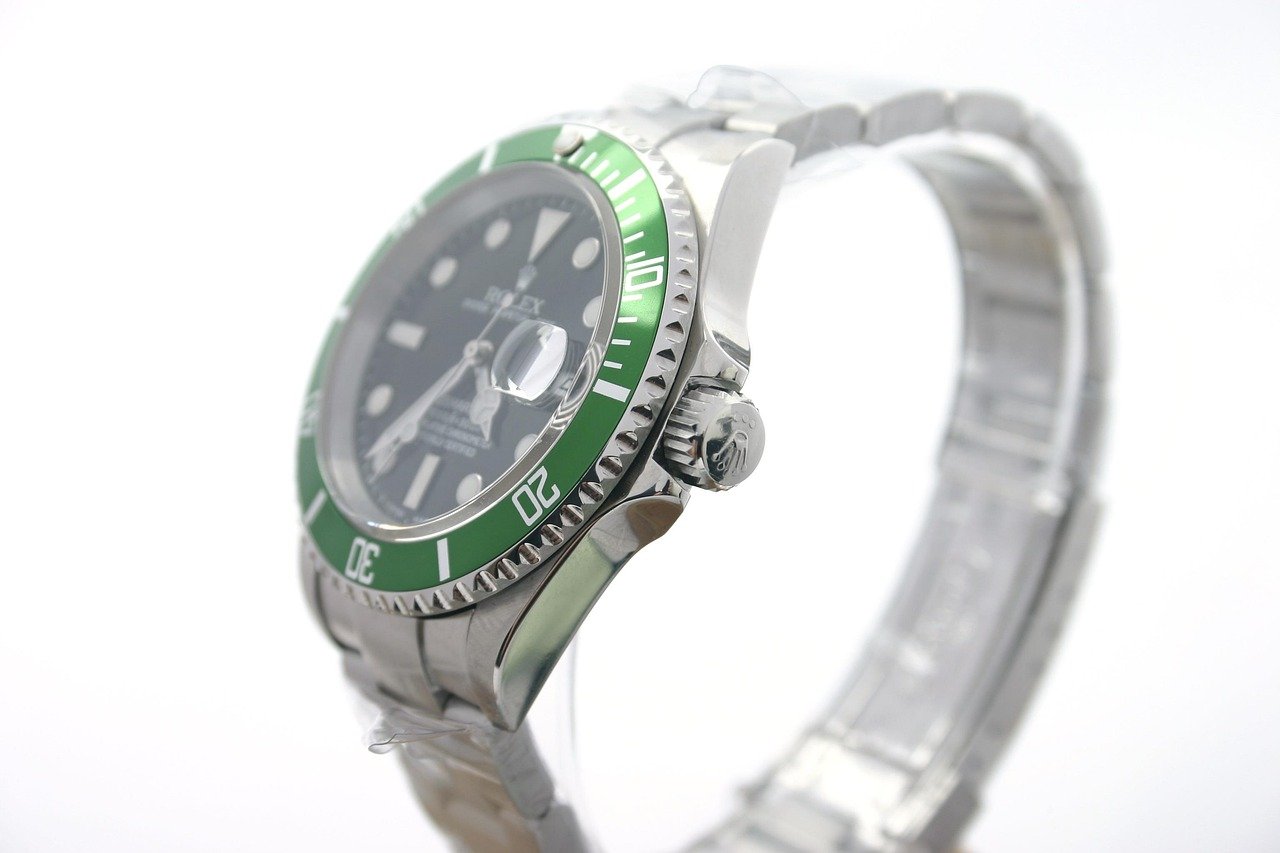
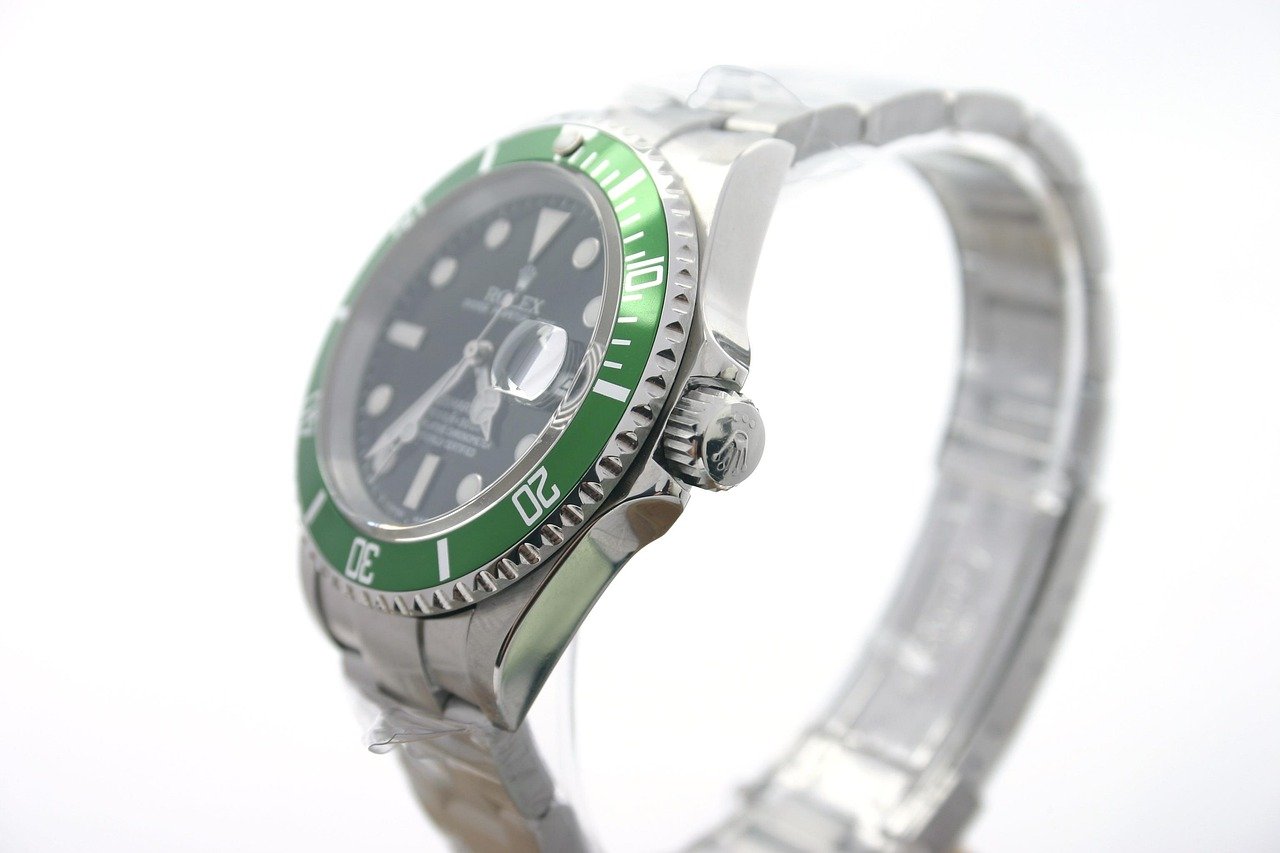
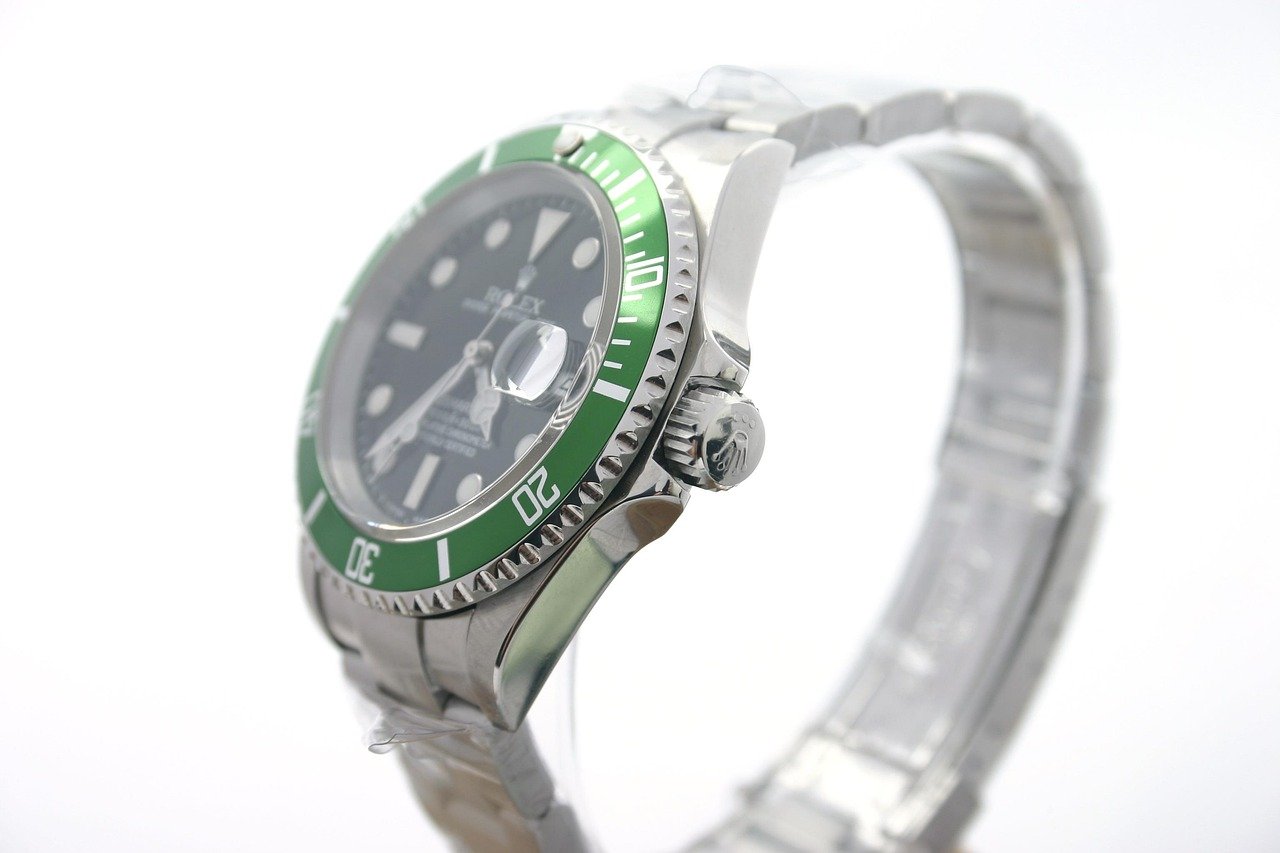
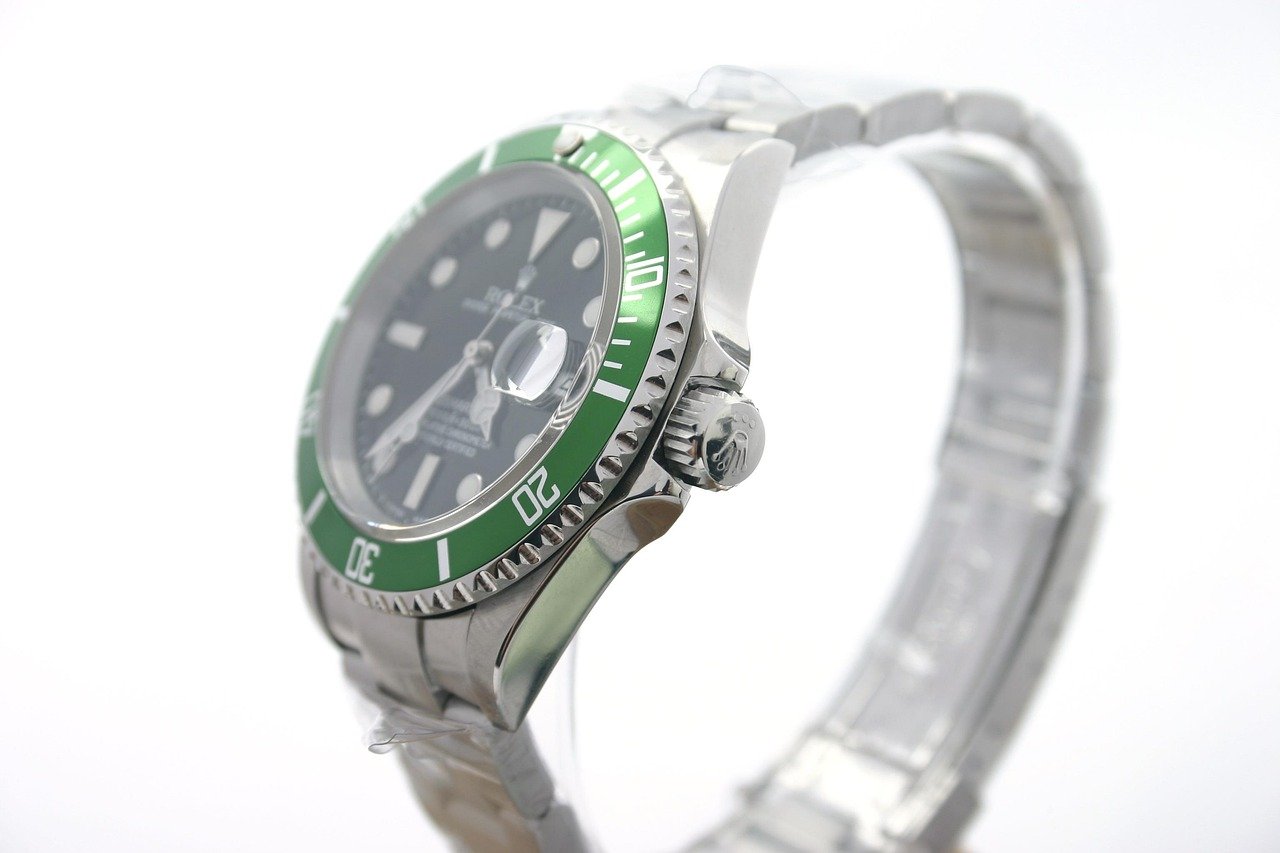
Rolex isn’t just a watch brand; it’s a global icon of success and achievement. Founded in 1905 by Hans Wilsdorf, Rolex built its reputation on a foundation of rugged reliability and timeless design. It created the first waterproof wristwatch, the Oyster, in 1926 and has been associated with pioneers and adventurers ever since, from summiting Mount Everest to exploring the deepest parts of the ocean. Their “Superlative Chronometer” certification guarantees a level of precision that exceeds industry standards.
Iconic Models: Submariner, Daytona, Datejust, GMT-Master II
Pros
- Unmatched Brand Recognition: The Rolex crown is one of the most recognized logos in the world.
- Incredible Resale Value: Many Rolex models hold or even increase in value over time, making them a solid investment.
- Built to Last: Known for their robust construction and durability, these are watches meant to be worn for a lifetime.
Cons
- Extremely High Demand: Getting a popular new model from an authorized dealer can involve years on a waiting list.
- Conservative Designs: Rolex rarely makes radical design changes, which some may find unexciting.
2. Patek Philippe

If Rolex is the king, Patek Philippe is the emperor. With the famous slogan, “You never actually own a Patek Philippe. You merely look after it for the next generation,” the brand positions itself as a creator of heirlooms. Founded in 1839, this independent, family-owned Geneva manufacture is synonymous with the highest level of watchmaking, producing some of the most complicated and valuable timepieces in history.
Owning a Patek is a sign that you appreciate the absolute finest in craftsmanship.
Iconic Models: Nautilus, Calatrava, Aquanaut, Grand Complications
Pros
- Pinnacle of Craftsmanship: The finishing and complexity of Patek Philippe movements are considered the best in the world.
- Exceptional Investment: Vintage and rare Patek models consistently break records at auction.
- Timeless Elegance: Their designs, especially the Calatrava, are the definition of a classic dress watch.
Cons
- Extremely High Cost: Patek Philippe watches are among the most expensive on the market.
- Limited Production: Their exclusivity means they are very difficult to acquire.
3. Audemars Piguet

Audemars Piguet (AP) is the rebellious member of the “Holy Trinity” of watchmaking. While it has a long history of creating traditional, highly complicated watches since its founding in 1875, AP shocked the world in 1972 with the Royal Oak. Designed by Gérald Genta, it was a large, angular, stainless steel sports watch that cost more than a gold dress watch. It created the luxury sports watch category and remains the brand’s most iconic creation.
AP is known for its bold designs and impeccable hand-finishing.
Iconic Models: Royal Oak, Royal Oak Offshore, Code 11.59
Pros
- Iconic and Bold Design: The Royal Oak’s octagonal bezel is instantly recognizable and has defined the brand for 50 years.
- Superb Finishing: The brushing and polishing on AP cases and bracelets are legendary.
- Strong Brand Identity: AP has cultivated a cool, modern image that appeals to a younger, fashion-forward audience.
Cons
- Dominance of One Model: The brand is heavily reliant on the popularity of the Royal Oak.
- High Prices and Scarcity: Like its peers, acquiring a popular AP model is a significant challenge.
4. Vacheron Constantin

The oldest continuously operating watch manufacturer in the world, Vacheron Constantin has been making masterpieces without interruption since 1755. This incredible heritage is a cornerstone of the brand’s identity. As a member of the “Holy Trinity,” Vacheron is a master of both artistic crafts (like enameling and engraving) and high complications. Their watches blend classic elegance with a spirit of travel and adventure, creating timepieces that are both beautiful and technically superb.
Iconic Models: Overseas, Patrimony, Traditionnelle
Pros
- Unrivaled Heritage: Over 265 years of continuous history provides an incredible backstory and sense of permanence.
- Artistic Mastery: Vacheron excels at métiers d’art, creating watches that are true works of art.
- Understated Elegance: Their designs are often more subtle and classical than their main competitors.
Cons
- Lower Brand Recognition: Outside of watch circles, it’s less of a household name than Rolex or Patek.
- Resale Value Can Be Softer: While still strong, their watches don’t always see the same aftermarket frenzy as some rivals.
5. Omega
Omega is Rolex’s greatest rival, and for good reason. The brand has an incredible history of its own, famously being the first watch on the moon with the Speedmaster Professional. It’s also the official timekeeper of the Olympic Games and the watch of choice for a certain fictional spy, James Bond. Omega is known for its technical innovation, particularly the Co-Axial escapement, which improves long-term accuracy and reduces service intervals.
It offers a fantastic combination of history, technology, and design at a more accessible price point than the brands above.
Iconic Models: Speedmaster, Seamaster, Constellation
Pros
- Rich, Storied History: The moon landing and James Bond connections give Omega a cool factor that’s hard to beat.
- Technological Innovation: The Co-Axial movement and Master Chronometer certification represent a real technical advantage.
- Great Value Proposition: Offers a level of quality and heritage that competes with top-tier brands for a fraction of the price.
Cons
- Large Collection: The sheer number of models and special editions can be overwhelming for new buyers.
- Resale Value Varies: While some limited editions do well, standard models don’t hold value as strongly as a Rolex.
6. Cartier
Cartier is a Parisian jeweler first and a watchmaker second, and that’s its greatest strength. Known as the “Jeweler of Kings and the King of Jewelers,” Cartier approaches watchmaking from a design perspective. In 1904, Louis Cartier created the Santos for his aviator friend Alberto Santos-Dumont, arguably one of the very first men’s wristwatches. Later, the iconic Tank watch was inspired by the Renault tanks of World War I.
Cartier’s focus on shape, form, and timeless elegance makes its watches instantly recognizable and eternally stylish.
Iconic Models: Tank, Santos, Panthère, Ballon Bleu
Pros
- Timeless and Iconic Designs: Cartier watches are design objects that never go out of style.
- Strong Unisex Appeal: Many of their most famous models are beloved by both men and women.
- Prestigious Brand Name: The Cartier name carries an immense amount of luxury cachet.
Cons
- Focus on Design Over Movements: While they do produce high-end movements, the entry-level models often use sourced calibers.
- Less Appeal for Tool Watch Fans: Those looking for rugged, technical watches might look elsewhere.
7. Jaeger-LeCoultre (JLC)
Known for centuries as “the watchmaker’s watchmaker,” Jaeger-LeCoultre has a legendary reputation for producing movements of the highest quality. For much of its history, JLC supplied movements to the other top brands on this list, including Patek Philippe, Audemars Piguet, and Vacheron Constantin. They have created over 1,200 different calibers, a staggering number that speaks to their technical prowess. Their most famous creation is the Reverso, a watch with a swiveling case designed in the 1930s for polo players to protect their watch glass during a match.
Iconic Models: Reverso, Master Ultra Thin, Polaris
Pros
- Unmatched Movement Expertise: JLC’s technical ability is respected throughout the entire industry.
- Fantastic Value: Offers a level of finishing and horological credibility that is hard to match at its price point.
- The Iconic Reverso: A truly unique and versatile watch with a fascinating history.
Cons
- Subtle Brand Image: JLC is more of an insider’s choice and lacks the mainstream recognition of some others.
- Complex Designs Can Be Niche: Some of their more complicated pieces are beautiful but may not have broad appeal.
8. IWC Schaffhausen

Founded by an American engineer in German-speaking Switzerland, IWC Schaffhausen has always had a unique identity. The brand’s motto is “Engineered for Men,” and its watches reflect this with a focus on functionality, legibility, and robust construction. IWC is most famous for its pilot’s watches, or fliegers, which set the standard for the genre with their large cases, clear dials, and anti-magnetic properties. They also excel at elegant chronographs like the Portugieser.
Iconic Models: Big Pilot, Portugieser, Portofino, Mark Series
Pros
- Clear and Legible Designs: IWC watches are known for their functional, easy-to-read dials.
- Expertise in Pilot’s Watches: They are one of the true originators and masters of the genre.
- Strong Masculine Aesthetic: The brand has a very clear and consistent design language.
Cons
- Large Case Sizes: Many of their popular models are quite large, which may not suit smaller wrists.
- Use of Sourced Movements in Some Models: While they produce excellent in-house calibers, some entry-level models use modified sourced movements.
9. Breitling

Breitling is a brand that is inextricably linked with aviation. Since 1884, it has been a specialist in chronographs, creating precise and reliable instruments for pilots. The Breitling Navitimer, with its distinctive slide rule bezel, is a true icon of watchmaking, allowing pilots to make critical calculations on their wrist. Under new leadership, Breitling has refined its collection, blending its vintage-inspired tool watch heritage with a modern, sophisticated flair.
They offer bold, functional, and COSC-certified chronometers.
Iconic Models: Navitimer, Chronomat, Superocean
Pros
- Rich Aviation Heritage: A genuine and compelling history of making professional instruments.
- Chronograph Expertise: Breitling is a true master of the chronograph complication.
- All Movements are COSC-Certified: A guarantee of high precision across their entire range.
Cons
- Bold and Busy Dials: The aesthetic can be polarizing for those who prefer minimalist design.
- Past Reputation: The brand is still moving past a period of overly large and flashy designs from the early 2000s.
10. A. Lange & Söhne
From the German town of Glashütte, A. Lange & Söhne represents the absolute peak of German watchmaking. The original company was founded in 1845 but was lost behind the Iron Curtain after World War II. In 1990, following German reunification, the founder’s great-grandson, Walter Lange, revived the brand.
The watches are characterized by their unique movements made of German silver, a three-quarter plate, and unbelievably intricate hand-engraved details. They produce only a few thousand watches per year, each one a Teutonic masterpiece of precision and beauty.
Iconic Models: Lange 1, Datograph, Zeitwerk
Pros
- Exquisite German Craftsmanship: The movement finishing is arguably on par with, or even superior to, the best Swiss brands.
- Unique Aesthetic: The off-center dial of the Lange 1 is a modern design icon.
- Extreme Exclusivity: With very low production numbers, owning a Lange is a true statement of connoisseurship.
Cons
- Very High Price Point: Positioned at the very top of the market.
- Formal Style: Most of their watches are dress watches, with few sporty options.
Pro Tip: When considering your first luxury watch, always try it on in person if possible. A watch can look completely different online versus on your own wrist. Pay attention to the weight, the case size, and how the bracelet or strap feels.
The Art of the Hand: Craftsmanship in Haute Horlogerie
What truly elevates these brands is a deep-seated reverence for craftsmanship. In an age of automation, the world of haute horlogerie remains fiercely dedicated to the human touch. The assembly of a complicated watch movement, which can contain hundreds of tiny parts, is done entirely by a single watchmaker over weeks or even months. Each screw is polished, each gear train is perfectly aligned, and each surface is meticulously decorated by hand.

Techniques like black polishing, or poli noir, create a mirror-like surface on a steel component that appears black from most angles. It’s a time-consuming process that can only be achieved by hand on a tin plate with diamond paste. Similarly, the hand-engraving on the balance cock of every A. Lange & Söhne watch ensures that no two timepieces are ever exactly alike.
This dedication to finishing parts that are often hidden behind a caseback is a testament to the philosophy that every detail matters. It’s this human element, this infusion of soul into a mechanical object, that defines true luxury.
Pushing the Boundaries: Innovations in Luxury Watch Technology
While steeped in tradition, the best luxury watch brands are also relentless innovators. The quest for better performance, durability, and precision drives constant research and development. One of the most significant modern advancements is the use of silicon (or silicium) for key movement components like the hairspring and escapement. Silicon is anti-magnetic, resistant to temperature changes, and requires no lubrication, which dramatically improves the stability and longevity of a watch movement.
Patek Philippe, Rolex, and the Swatch Group (which owns Omega) have all been pioneers in this area.
Material science has also transformed watch cases. Brands now use high-tech ceramics, which are virtually scratch-proof, and proprietary gold alloys like Rolex’s Everose Gold or Omega’s Sedna Gold, which are designed to never fade. Omega’s Co-Axial escapement, developed by the legendary watchmaker George Daniels, was a fundamental redesign of the 250-year-old lever escapement, offering better efficiency and long-term performance. These innovations prove that tradition and forward-thinking technology can coexist beautifully.
More Than a Timepiece: The Investment Value of Luxury Watches
For many collectors, a luxury watch is also a tangible asset. While you should always buy a watch because you love it, the investment potential is an undeniable part of the appeal. Why do some watches appreciate in value. It’s a classic case of supply and demand.
Brands like Rolex, Patek Philippe, and Audemars Piguet produce a limited number of their most popular stainless steel sports models, while demand is astronomically high. This scarcity drives prices on the secondary market far above the original retail price.
Several factors contribute to a watch’s investment potential. Brand prestige is paramount; the top brands on our list are always the safest bets. Rarity is another key factor, which is why limited editions or discontinued models often fetch high prices. Finally, provenance—the history of the watch—can have a massive impact.
A watch owned by a famous person, like Paul Newman’s Rolex Daytona which sold for $17.8 million, becomes a unique historical artifact. While not every watch will be a winning investment, a carefully chosen piece from a top brand is one of the few luxury goods that can be enjoyed for decades and potentially sold for more than its original cost.
A Greener Ticking Clock: Sustainability in Watch Manufacturing

In recent years, the luxury industry has faced increasing scrutiny over its environmental and ethical practices. The watch world is responding. Sustainability is becoming a crucial topic, from the sourcing of raw materials to the manufacturing process. Many top brands are now members of the Responsible Jewellery Council (RJC), which certifies that gold and diamonds are sourced in a way that is ethically and environmentally responsible.
Brands are also innovating with materials. Panerai has released watches made from eSteel™, a recycled-based steel alloy, and Chopard is a leader in using 100% ethical gold in its creations. IWC has built a new manufacturing center with a focus on energy efficiency and sustainability. This shift reflects a growing awareness among consumers that true luxury should not come at the expense of the planet or its people.
Expect to see this trend become even more important in the coming years.
The Celebrity Effect: How Star Power Shapes Watch Brands
Celebrity endorsements are a powerful marketing tool, and no one does it better than the top luxury watch brands. These partnerships, often called “ambassadorships,” go far beyond simple advertising. When George Clooney wears an Omega, or Charlize Theron wears a Breitling, it creates a powerful association between the brand and a lifestyle of success, elegance, and adventure. These relationships feel authentic and help build the brand’s narrative.
Sometimes, the connection is so iconic it redefines a watch. The Rolex Daytona will forever be linked to actor and racing driver Paul Newman, whose personal watch became the most expensive wristwatch ever sold. Similarly, Steve McQueen’s association with the TAG Heuer Monaco in the film Le Mans cemented its cool, rebellious status. These endorsements don’t just sell watches; they help create legends and embed these timepieces into the fabric of popular culture, making them desirable to a whole new generation of buyers.
Keeping Your Legacy Ticking: Maintenance and Care for Luxury Watches
A mechanical watch is a tiny, complex machine with hundreds of moving parts, and it requires regular maintenance to perform at its best. Think of it like a high-performance car; it needs a tune-up every few years. Most brands recommend a full service every 3 to 5 years, though advancements in lubricants and materials are extending this interval. During a service, a certified watchmaker will completely disassemble the movement, clean every component, replace any worn parts, lubricate it, and reassemble it, ensuring it runs accurately for years to come.
Day-to-day care is also important. While many sports watches are water-resistant, it’s crucial to ensure the crown is screwed down before exposing it to water. Avoid exposing your watch to strong magnetic fields (like those from speakers or MRIs), as they can magnetize the hairspring and cause the watch to run inaccurately. A simple wipe with a microfiber cloth will keep the case and crystal clean.
Proper care ensures your timepiece will not only last your lifetime but can be passed down to the next generation.
What’s Next on the Wrist? Upcoming Trends in Luxury Watch Design
The watch world is always evolving, with new trends emerging every year. One of the most significant recent shifts has been a move towards smaller, more vintage-inspired case sizes, a departure from the oversized watches that were popular in the 2000s. Green has also become the hottest color for dials, with nearly every major brand releasing a flagship model in a shade of emerald, olive, or forest green.
The popularity of the integrated bracelet sports watch, pioneered by the Royal Oak, continues to surge, with more and more brands offering their take on this stylish and versatile design. We’re also seeing a huge rise in the popularity of independent watchmakers—small, artisanal creators like F.P. Journe or H. Moser & Cie.—who offer a unique vision and extreme exclusivity for discerning collectors.
The future of watchmaking looks to be a fascinating blend of honoring the past while embracing new colors, sizes, and ideas.
An Accessible Entry into Swiss Watchmaking
While the titans on our list represent the pinnacle of luxury, the world of Swiss watchmaking is vast and offers incredible quality at more accessible price points. For enthusiasts who crave the “Swiss Made” label, bold design, and robust engineering without the five or six-figure price tag, there are fantastic alternatives.
Brands like LIV Swiss Watches have carved out a niche by offering feature-packed, durable timepieces directly to consumers. They focus on creating limited-edition watches with a strong, modern aesthetic, often incorporating features like chronographs and high water resistance. This approach provides a great entry point for new collectors to experience the quality and prestige of a Swiss-made watch.
Frequently Asked Questions About the Best Luxury Watch Brands
What are the top 5 luxury watches?
Based on a combination of prestige, brand recognition, and horological significance, the top 5 luxury watch brands are generally considered to be Rolex, Patek Philippe, Audemars Piguet, Vacheron Constantin, and Omega. Each of these brands offers a unique blend of history, craftsmanship, and iconic design.
What are the big 3 watch brands?
The “Big Three,” often called the “Holy Trinity” of Swiss watchmaking, refers to Patek Philippe, Audemars Piguet, and Vacheron Constantin. These three Geneva-based manufactures are revered for their long histories of producing the most complex and exquisitely finished timepieces in the world.
What are good entry-level luxury watches?
For those starting a collection, brands like Tudor (Rolex’s sibling company), Longines, TAG Heuer, and Oris offer exceptional Swiss-made watches with rich histories at a more accessible price point (typically $2,000 – $5,000). For an even more direct-to-consumer value, a brand like LIV Swiss Watches delivers Swiss movements and bold designs for those looking to get started.
What watch do most billionaires wear?
While tastes vary, billionaires often gravitate towards watches that signify connoisseurship rather than just wealth. Patek Philippe is a frequent choice, especially their Grand Complications or the Nautilus. Audemars Piguet’s Royal Oak is also extremely popular. For a more modern and flashy statement, Richard Mille is a favorite among the ultra-wealthy.
However, many also practice “stealth wealth,” wearing understated but horologically significant pieces from brands like A. Lange & Söhne.
What is the #1 watch in the world?
This question can be answered in two ways. By sales, brand value, and sheer global recognition, the #1 watch brand in the world is undoubtedly Rolex. However, if you ask watch collectors and connoisseurs what brand represents the absolute pinnacle of artistry and craftsmanship, most would say Patek Philippe is the king.
Final Thoughts: Choosing Your Perfect Timepiece
Exploring the top 10 luxury watches brands is a journey through the very best that human ingenuity and artistry have to offer. From the bulletproof reliability of a Rolex to the exquisite elegance of a Patek Philippe, each brand on this list tells a unique story. The “best” brand is ultimately a personal choice, reflecting your style, your values, and the story you want to wear on your wrist.
We encourage you to visit a boutique, feel the weight of these incredible objects, and see the way the light plays on their perfectly finished surfaces. Whether you’re making your first significant purchase or adding a grail piece to your collection, choosing a watch from one of these legendary makers is an investment in a legacy of excellence.
For those starting their journey into Swiss watches with a focus on bold, modern design, exploring a brand like LIV Swiss Watches could be an exciting and accessible first step into a lifelong passion. Happy collecting!