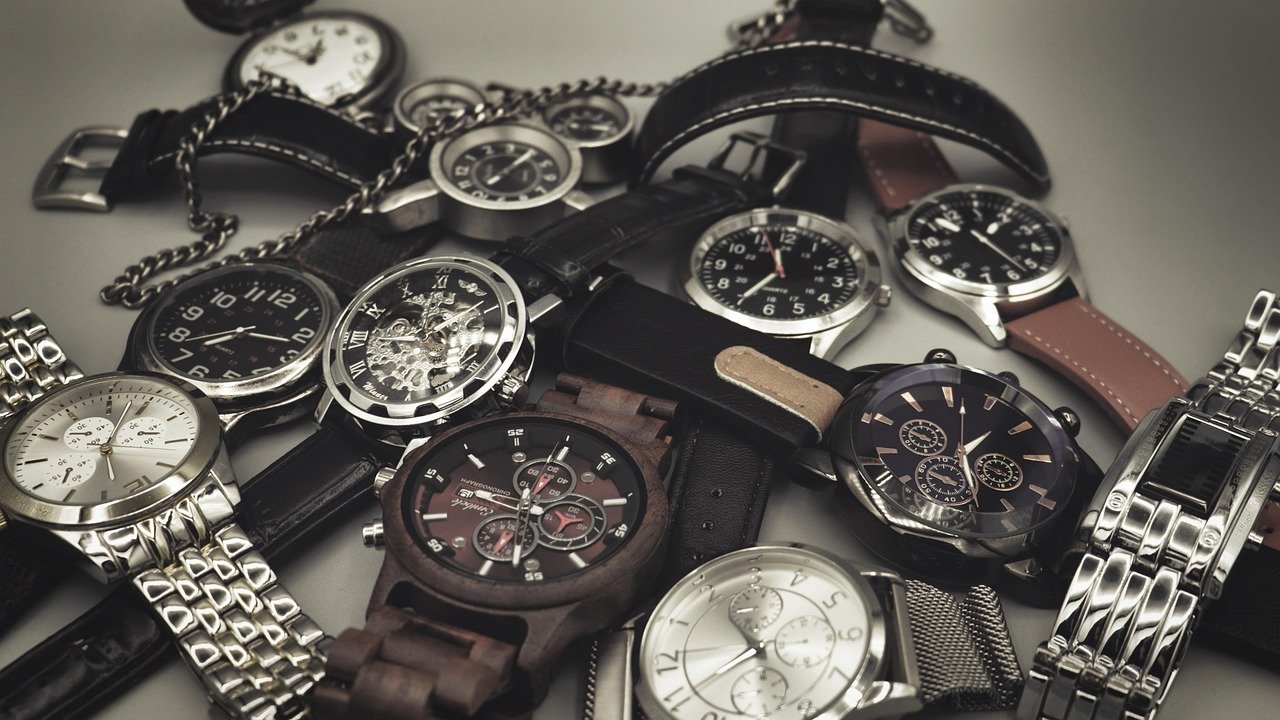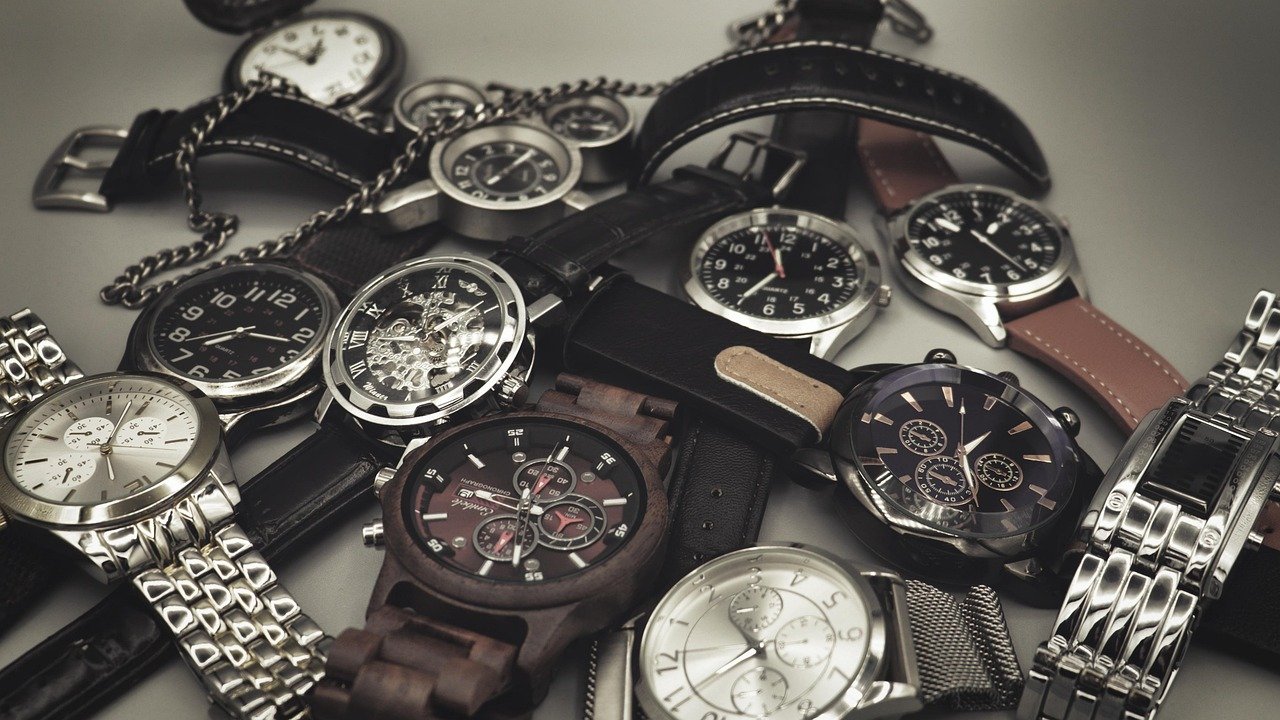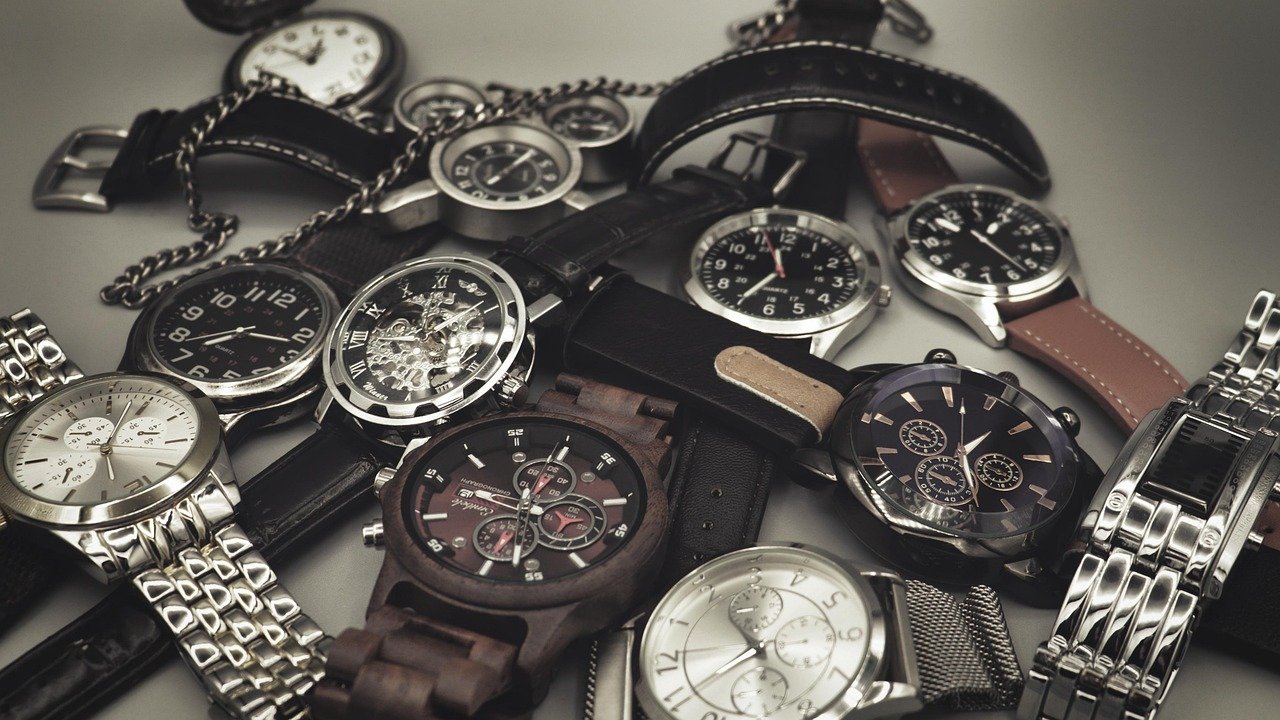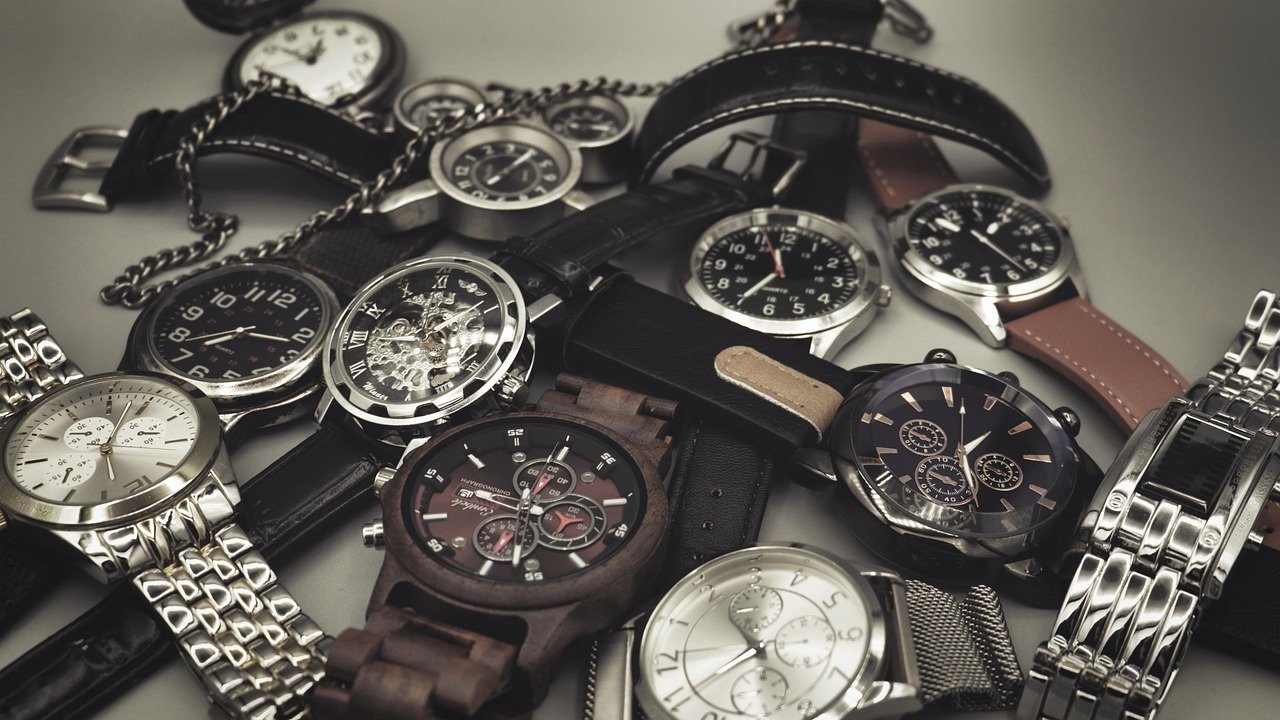


- NEW 2025 RELEASE – 24 Slot Watch Box: This timeless watch display case is designed for both men and women, featuring cus…
- LUXURY STORAGE HOLDS 24 WATCHES: Organize your watches with 24 individual slots. What makes our case different from the …
- HANDMADE WITH PREMIUM MATERIALS: Each box is hand crafted using a wooden frame with a real glass lid, wrapped in luxurio…
Why Do People Collect Watches? A Beginner’s Guide to the Passion
In an age where a smartphone can tell you the time in any city on Earth, the simple wristwatch might seem like a relic. Yet, the world of watch collecting is more vibrant and passionate than ever before. So, what is it about these tiny mechanical marvels that captivates so many. The answer to why people collect watches is a fascinating mix of art, engineering, personal history, and human connection.
It’s a hobby that goes far beyond just telling time.
For some, it’s the sheer appreciation for hundreds of tiny, perfectly synchronized parts working together. For others, it’s about owning a piece of history or marking a significant life achievement. This guide will explore the many layers of watch collecting motivation, showing you why this timeless hobby continues to tick on, stronger than ever.
What You’ll Learn
- Mechanical Artistry: Watch collecting is often rooted in a deep appreciation for the incredible craftsmanship and engineering that goes into a mechanical timepiece.
- Personal Storytelling: Watches serve as powerful markers of personal milestones, heirlooms passed through generations, and a unique form of self-expression.
- Investment and Value: Certain timepieces, especially from renowned brands, can hold or even increase in value over time, making them tangible assets.
- Community and Connection: The hobby connects people from all walks of life who share a common passion, creating a global community of enthusiasts.
A Brief History of Watch Collecting
The journey of timekeeping is a story of human innovation. Before wristwatches, the wealthy and powerful carried ornate pocket watches, status symbols of their era. These were often unique, handcrafted pieces, making them the earliest form of collectible timepieces. The shift from pocket to wrist was accelerated by the necessities of war in the early 20th century.
Soldiers needed a way to check the time quickly and efficiently without fumbling in their pockets, and the wristwatch was born.
After World War I and II, wristwatches became commonplace. Brands began to innovate rapidly, creating watches for specific purposes: diving, flying, and racing. This era, from the 1950s to the 1970s, is often considered the golden age of the wristwatch. It produced many of the iconic designs that are still highly sought after by collectors today.
The so-called “quartz crisis” of the 1970s and 80s, where inexpensive, battery-powered watches from Asia flooded the market, nearly decimated the traditional Swiss watch industry. However, it had an unexpected side effect. It forced mechanical watches to reposition themselves not as necessary tools, but as luxury items and works of art. This shift cemented the idea of collecting watches for their craftsmanship and heritage, rather than just their function.
The Allure of the Mechanism: Different Watch Types and Their Appeal

One of the primary reasons for watch collecting is a fascination with what lies beneath the dial. The sheer variety of movements and styles means there’s a watch for every taste and personality. Understanding these types is the first step into this incredible world.
Quartz vs. Mechanical
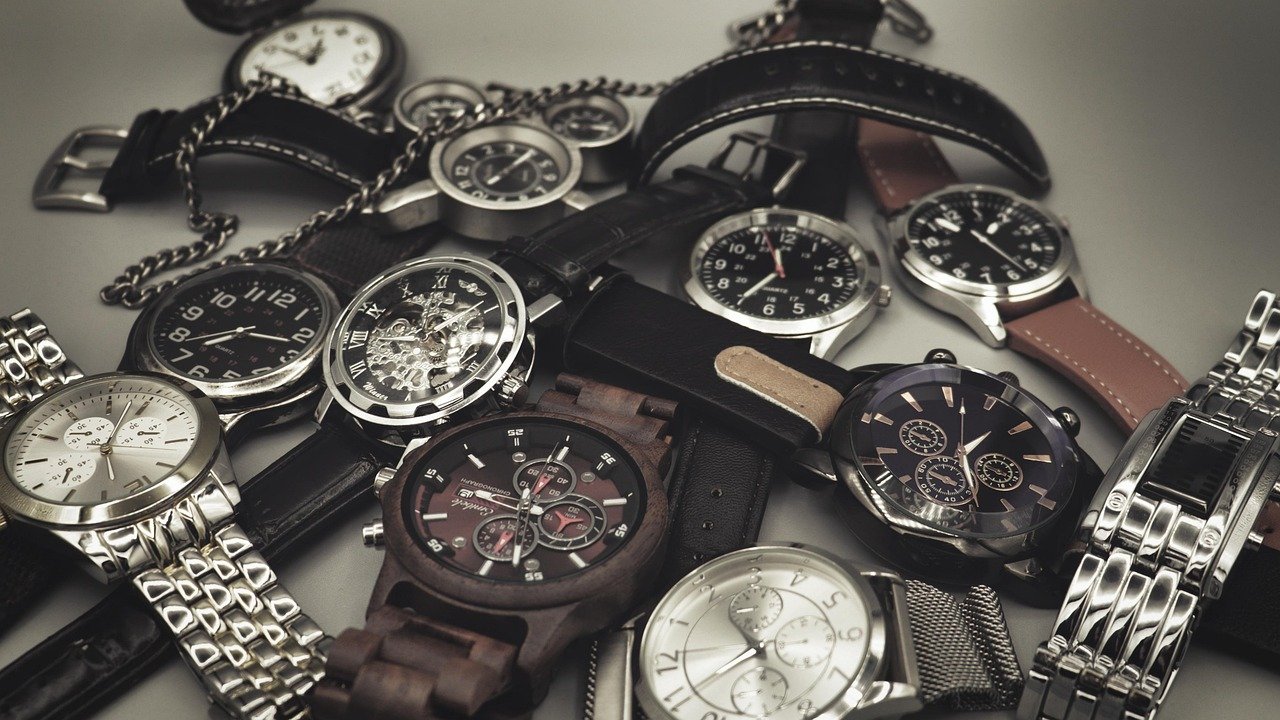
At the most basic level, watches are either quartz or mechanical. Quartz watches are battery-powered, highly accurate, and affordable. They are practical tools, but they generally lack the soul and intricate craftsmanship that collectors cherish.
Mechanical watches are the heart of collecting. They are powered by a complex system of springs and gears that must be wound, either by hand (manual-wind) or by the motion of your wrist (automatic). The mesmerizing sweep of a mechanical watch’s second hand, as opposed to the ticking of a quartz, is a sight that captivates enthusiasts. It’s a living machine on your wrist.
Popular Watch Styles
Beyond the movement, watches are categorized by their intended function and design, each with its own dedicated following.
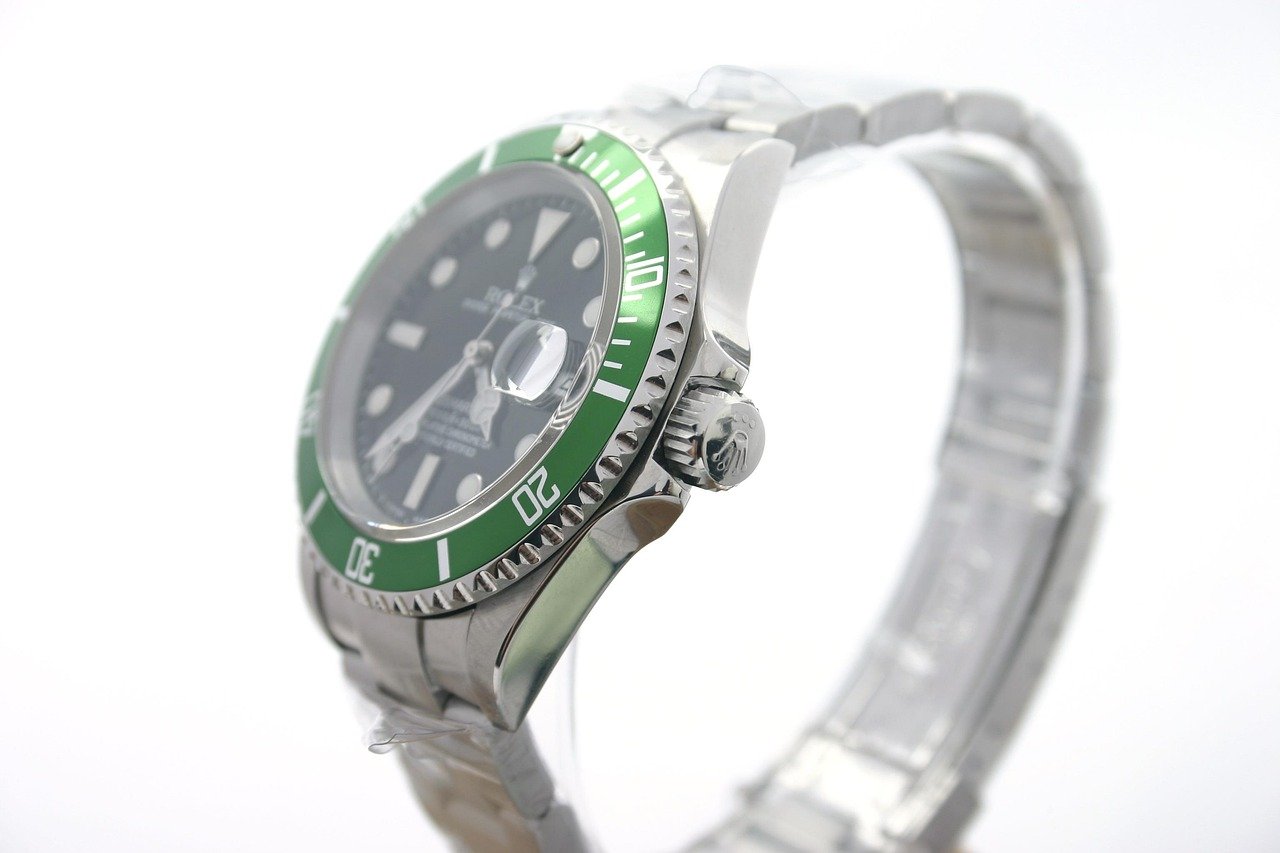
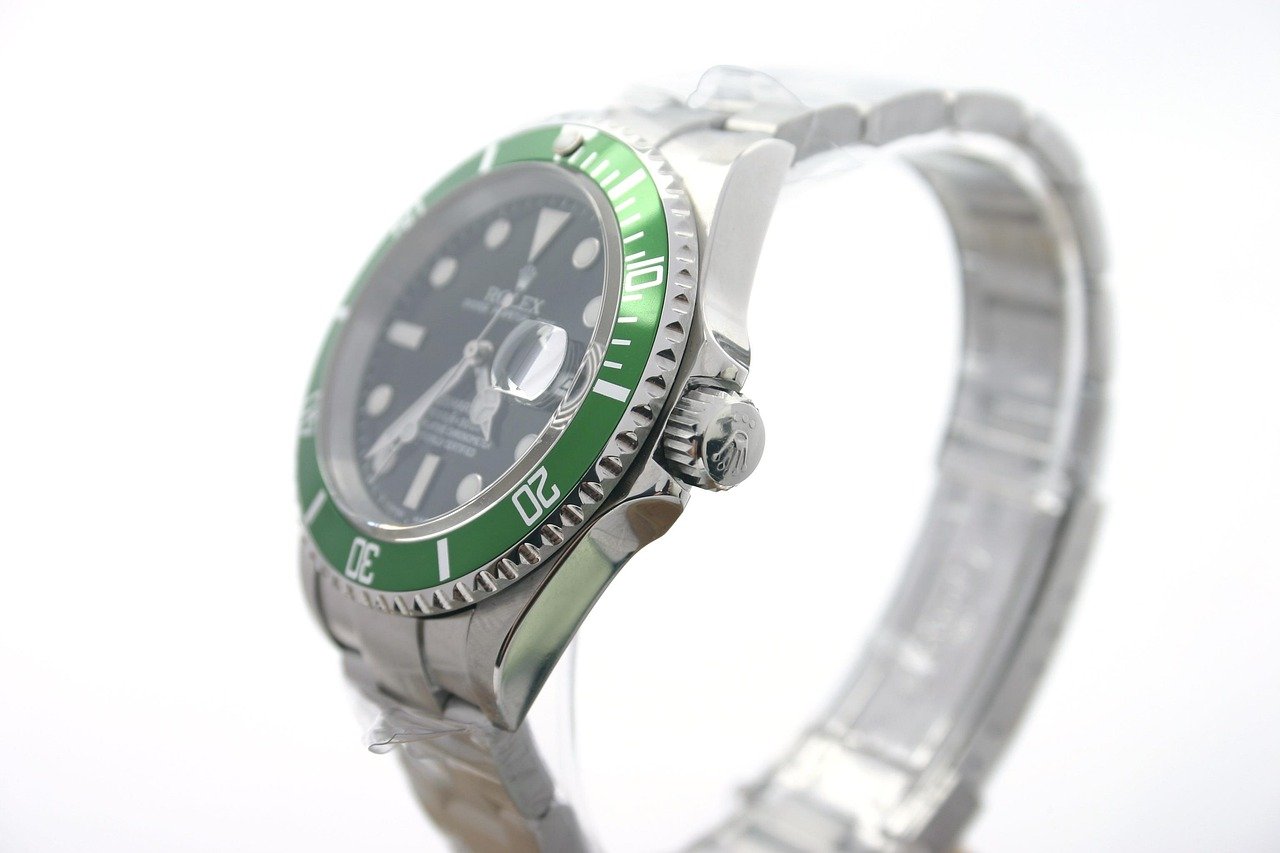
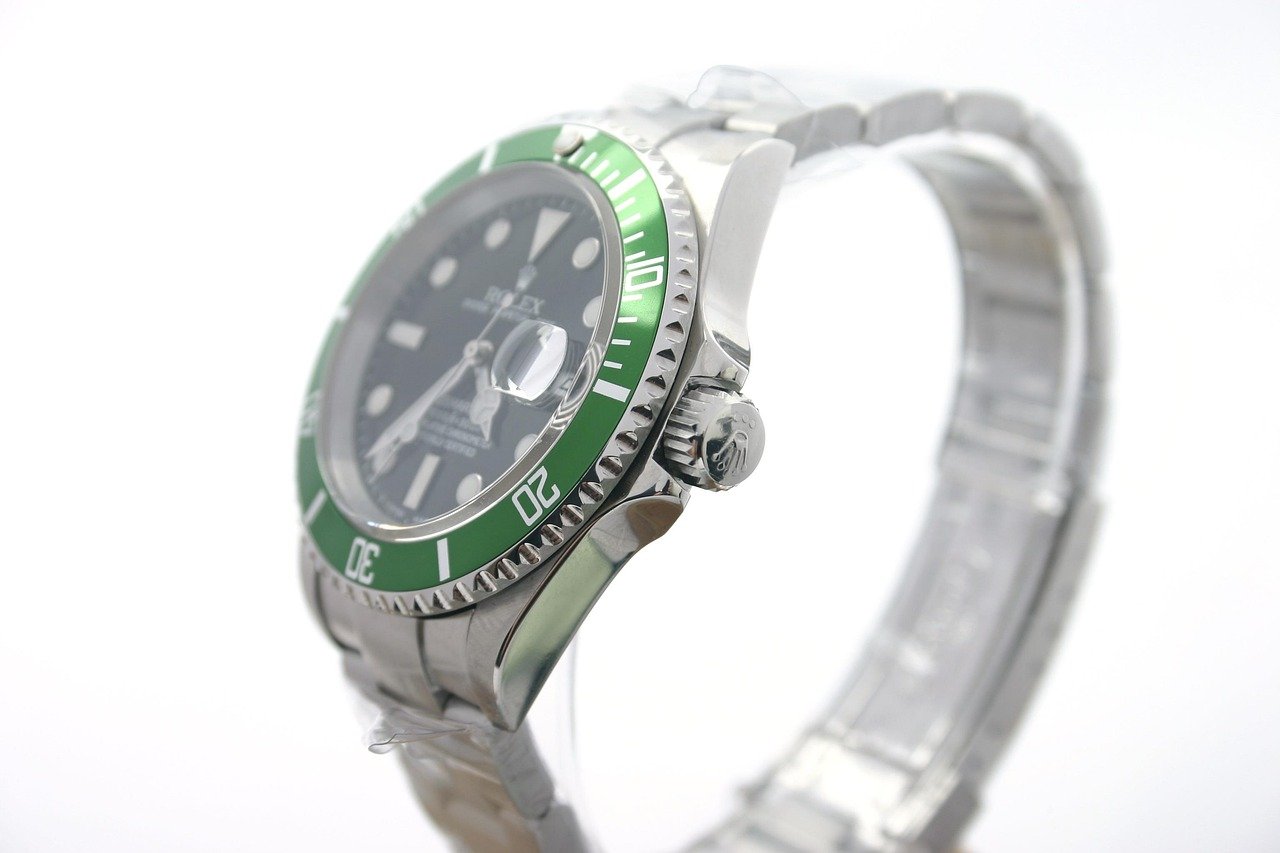
- Dive Watches: Characterized by their rotating bezels, high water resistance, and luminous markers, these are rugged and versatile. The Rolex Submariner is the icon, but countless brands offer their own take.
- Pilot (or Flieger) Watches: With large, legible dials, oversized crowns, and often a triangular marker at 12 o’clock, these watches were designed for aviators. Their history and clean aesthetic make them very popular.
- Dress Watches: Typically slim, simple, and elegant, these watches are meant to be worn with formal attire. They often feature precious metals and leather straps, prioritizing sophistication over complex features.
- Chronographs: These are essentially stopwatches on your wrist, featuring subdials and pushers to measure elapsed time. They have a sporty, technical look and are deeply connected to motorsports. For those drawn to the rugged appeal of modern tool watches, brands like LIV Swiss Watches offer bold designs with reliable Swiss movements, providing a great entry point into collecting purpose-built timepieces.

More Than Just Time: Watches as an Investment
While most collectors start with passion, the investment potential of watches is an undeniable part of the hobby’s appeal. Unlike many consumer goods that depreciate the moment you buy them, certain timepieces from prestigious brands can be a remarkable store of value. Some rare or highly sought-after models can even appreciate significantly over time, outperforming traditional assets like stocks or real estate in some cases.
What makes a watch a good investment. Several factors come into play. Brand reputation is paramount; names like Patek Philippe, Audemars Piguet, and Rolex have a long history of creating watches that hold their value. Rarity is another key driver.
Limited editions or models with short production runs naturally become more desirable as time goes on.
Condition and provenance are also critical. A vintage watch that comes with its original box, papers, and sales receipt is far more valuable than the watch alone. This complete set confirms its authenticity and history. Small details, like a dial that has aged to a unique color (a “tropical” dial) or a rare manufacturing defect, can sometimes increase a watch’s value exponentially among serious collectors.
However, it’s crucial to approach watch collecting with a passion-first mindset. The market can be volatile, and there’s no guarantee of a return. The true joy comes from owning and wearing the watch; any financial appreciation should be considered a bonus.
Pro Tip: Always ‘buy the seller,’ not just the watch. A reputable dealer or a seller with a long, verifiable history is just as important as the watch’s condition. Their expertise and guarantee of authenticity provide peace of mind that is priceless in this hobby.
A Story on Your Wrist: The Sentimental Connection
Beyond the mechanics and the market value, one of the most powerful reasons for watch collecting is the deep emotional connection these objects can hold. A watch is rarely just a watch. It’s a marker of time in our own lives, a tangible link to a memory, a person, or a significant achievement.
Many collections begin with a single, meaningful piece. It could be a grandfather’s watch, passed down through generations, carrying with it the stories and experiences of those who wore it before. Winding that watch is like shaking hands with the past. Every scratch and ding on its case tells a story, making it a deeply personal and irreplaceable heirloom.
Watches are also the ultimate celebratory gift. Graduations, weddings, promotions, the birth of a child—these pivotal life moments are often commemorated with the gift of a fine timepiece. When you look down at that watch on your wrist, you’re not just seeing the time; you’re reliving that proud moment. It becomes a constant, quiet reminder of your hard work and success.
Finally, the watches a person chooses to collect and wear are a profound form of self-expression. A bold, oversized dive watch might reflect an adventurous spirit. A sleek, minimalist dress watch might speak to a love for classic design. Your collection becomes a curated extension of your personality, telling the world who you are without saying a word.
The Power of a Name: Brand Heritage and Storytelling
Why does a vintage Omega Speedmaster command so much respect. Because it was the first watch worn on the Moon. Why is the Rolex Explorer so iconic. Because it summited Mount Everest.
The stories behind the brands are a massive part of the watch collecting motivation. When you buy a watch from a brand with a rich heritage, you’re not just buying a product; you’re buying into a legend.
These stories infuse the watches with a sense of purpose and history that transcends their physical components. Watch brands have been brilliant marketers, associating their products with the most daring and glamorous aspects of human endeavor. They’ve been on the wrists of pioneers, explorers, presidents, and movie stars. This history creates an emotional appeal that is incredibly powerful.
Collectors love to research this heritage, learning about the innovations a brand pioneered or the historical events its watches were a part of. This knowledge adds another layer of appreciation to the hobby. Knowing that your dive watch was based on a design commissioned by elite navy frogmen in the 1950s makes wearing it a much richer experience. It connects you to a lineage of adventure and purpose.
This is also why brand loyalty is so strong in the watch world. Collectors often focus on a single brand, trying to acquire different models from its history. They become unofficial brand ambassadors, deeply invested in its past, present, and future. The brand’s story becomes a part of their own.
Finding Your People: The Watch Collecting Community
Watch collecting might seem like a solitary pursuit, but it’s supported by one of the most passionate and welcoming communities you’ll ever find. The shared obsession with tiny ticking machines creates an instant bond between people from all over the world and from every walk of life. This sense of community is a huge reason why people stay in the hobby for a lifetime.
Online forums like WatchUSeek and Reddit‘s r/Watches are bustling hubs of activity, with millions of members sharing photos of their latest acquisitions, asking for advice, and debating the merits of different movements. These platforms are incredible resources for learning and connecting with fellow enthusiasts. You can get an expert opinion on a vintage piece or just share the excitement of your new watch day with people who truly get it.
Beyond the digital world, the community thrives in person. Groups like RedBar organize regular meetups in cities around the globe, where collectors can get together, share their watches, and talk for hours about their shared passion. These events are incredibly fun and a great way to see a wide variety of watches in person. There’s nothing quite like handling a watch you’ve only ever seen in photos.
This social aspect adds a rich dimension to collecting. It transforms it from a simple act of acquisition into a shared journey of discovery. Your collection becomes a conversation starter, a way to connect with new people and build lasting friendships.
Protecting Your Passion: Caring for a Collection
As your collection grows, so does the need to care for it properly. This practical aspect of the hobby is something enthusiasts take very seriously. Proper care not only protects the financial value of your watches but also ensures they will continue to run accurately for decades to come, perhaps one day being passed down to the next generation.
Storage is the first consideration. A quality watch box with soft cushions protects your timepieces from dust, moisture, and scratches. For automatic watches that you don’t wear daily, a watch winder can be a useful tool. It gently rotates the watch to keep the mainspring wound and the movement lubricated, so it’s ready to wear at a moment’s notice.
Regular maintenance is also essential, especially for mechanical watches. Think of it like changing the oil in a car. Over time, the oils that lubricate the tiny parts of the movement can dry up or become contaminated. Most manufacturers recommend a full service every 5 to 10 years.
During a service, a watchmaker will completely disassemble the movement, clean every part, replace any worn components, re-lubricate it, and reassemble it, ensuring it performs to specification.
Finally, for collections of significant value, insurance is a must. A standard homeowner’s policy may not cover the full value of luxury watches. It’s wise to get a separate policy or a rider that specifically covers your collection against theft, loss, or damage. Proper care is an investment in the longevity of your passion.
Pro Tip: Never wind your watch while it’s on your wrist. This can put lateral pressure on the winding stem, a delicate and crucial component. Always take it off, wind it, set the time, and then put it back on.
What’s Ticking Now? Modern Trends in Watch Collecting
The world of watch collecting is constantly evolving. While the classic icons will always be in demand, new trends emerge that keep the hobby exciting and dynamic. Staying aware of these trends can help you discover new brands and styles you might love.
One of the biggest trends in recent years has been the explosion of microbrands. These are small, independent companies, often started by passionate enthusiasts, that sell directly to consumers online. They offer unique designs and great value, often using reliable third-party movements. For many new collectors, microbrands are an accessible and exciting entry point into the world of mechanical watches.
In terms of aesthetics, there has been a noticeable shift in preferences. For years, oversized watches were the norm, but the trend is now moving back towards more classic, smaller case sizes (typically under 40mm). Dial colors have also become more adventurous. While black, white, and blue dials are timeless, vibrant colors like green, salmon, and even turquoise have become incredibly popular, allowing collectors to add a pop of personality to their wrist.
The interest in vintage watches also continues to grow. Collectors are increasingly drawn to the unique character and history of older pieces. This has led to a surge in demand for “neo-vintage” watches—models from the 1980s and 1990s that offer a vintage feel with more modern reliability.
The #WatchFam Effect: Social Media’s Influence
Social media, particularly Instagram, has completely transformed the landscape of watch collecting. It has made the hobby more visual, accessible, and community-driven than ever before. The hashtag #watchfam (watch family) connects millions of posts from enthusiasts around the world, creating a global, digital meetup.
Before social media, the hobby was more insular, with knowledge shared in niche forums or magazines. Now, high-quality photos and videos of virtually any watch are just a tap away. This visual access has democratized knowledge and exposed a new generation to the beauty of horology. You can see how a watch wears on a real person’s wrist, not just in a sterile product photo, which is incredibly helpful when considering a purchase.
Watch influencers on platforms like Instagram and YouTube have also become major voices in the community. They produce reviews, historical deep dives, and market analysis, providing valuable content for both new and seasoned collectors. Their passion is infectious and has undoubtedly brought many new people into the hobby.
However, social media also has its downsides. It can fuel hype around certain models, driving prices up and making them difficult to obtain. It can sometimes create a sense of “keeping up with the Joneses.” The key is to use it as a tool for learning and connection, while staying true to your own tastes and budget.
Winding Up for Tomorrow: The Future of Watch Collecting
What does the future hold for this centuries-old hobby? While no one has a crystal ball, several key trends suggest a bright and interesting future for watch collecting. The passion for mechanical timekeeping isn’t going away; it’s simply evolving.
Sustainability is becoming an increasingly important topic. Brands are beginning to use recycled materials for cases, straps, and packaging. This focus on environmental responsibility will likely become a major selling point for the next generation of collectors, who are more conscious of their consumption habits than ever before.
The relationship between smartwatches and traditional watches will continue to evolve. Rather than seeing them as competitors, many people own both. They might wear a smartwatch for fitness tracking during the week and a beautiful mechanical watch for the weekend. This suggests that the two can coexist, each serving a different purpose: one for connectivity, the other for connection to art and history.
Finally, the accessibility provided by the internet and social media will continue to bring new people into the fold. As knowledge becomes easier to share, the community will grow more diverse and global. The future of watch collecting is one that respects its incredible heritage while embracing new technologies, new materials, and a new, broader audience of enthusiasts.
Frequently Asked Questions (FAQ)
What is the psychology of watch collectors?
The psychology of watch collecting is complex, often stemming from a desire for order, control, and the satisfaction of completing a set. It taps into the joy of the hunt—the thrill of tracking down a rare or desired piece. For many, it’s also a form of intellectual stimulation, involving deep research into history, mechanics, and market trends. It’s a way of converting passive interest into an active, rewarding challenge.
How many watches to be considered a collector?
There’s no magic number. You can be a collector with just two or three carefully chosen pieces. Collecting is about the mindset, not the quantity. It’s about the passion, the intention behind your purchases, and the story you are building with your watches.
A person with three watches they deeply researched and love is more of a collector than someone with 20 watches they bought on a whim.
What does a watch tell about a person?
A watch can be a subtle but powerful indicator of a person’s personality, values, and taste. A rugged, functional tool watch might suggest an active, adventurous lifestyle. An elegant, understated dress watch can signal an appreciation for classic design and sophistication. A brightly colored or unconventionally designed watch can express creativity and a desire to stand out.
It’s a form of non-verbal communication.
Is a watch a status symbol?
Yes, for some, a watch can certainly be a status symbol. A luxury watch from a well-known brand can signal wealth, success, and an appreciation for fine craftsmanship. However, for most true enthusiasts, this is a secondary aspect. The primary motivation is the personal passion for the watch itself—its history, design, and mechanical ingenuity—rather than what it signals to others.
What are the three holy grail watches?
In the watch world, this typically refers to the “Holy Trinity” of Swiss watchmaking: Patek Philippe, Audemars Piguet, and Vacheron Constantin. These three brands are considered the pinnacle of horology due to their long histories of innovation, artistry, and exceptional craftsmanship. Owning a significant piece from each, like the Patek Philippe Nautilus, Audemars Piguet Royal Oak, and Vacheron Constantin Overseas, is a “grail” goal for many top-tier collectors.
Final Thoughts
So, why collect watches? As we’ve seen, the reasons are as varied and intricate as the timepieces themselves. It’s a hobby that operates on multiple levels simultaneously. It’s an appreciation for human ingenuity, a connection to history, a form of personal expression, a potential financial asset, and a passport to a global community.
A watch collection is more than just an assembly of objects; it’s a curated journal of a person’s life. Each piece represents a moment, a passion, or a memory. In a world of disposable technology, the permanence of a mechanical watch—a tiny machine designed to outlive its owner—is more appealing than ever. It’s a beautiful, tangible reminder that some things are built to last.