

Why Do People Collect Watches? A Guide to the Passion & Prestige
In a world where your phone tells you the time, date, and weather with a single glance, the idea of wearing a mechanical object on your wrist can seem almost quaint. Yet, the passion for watch collecting is stronger than ever. So, why do people collect watches. It’s a question that goes far beyond simple time-telling.
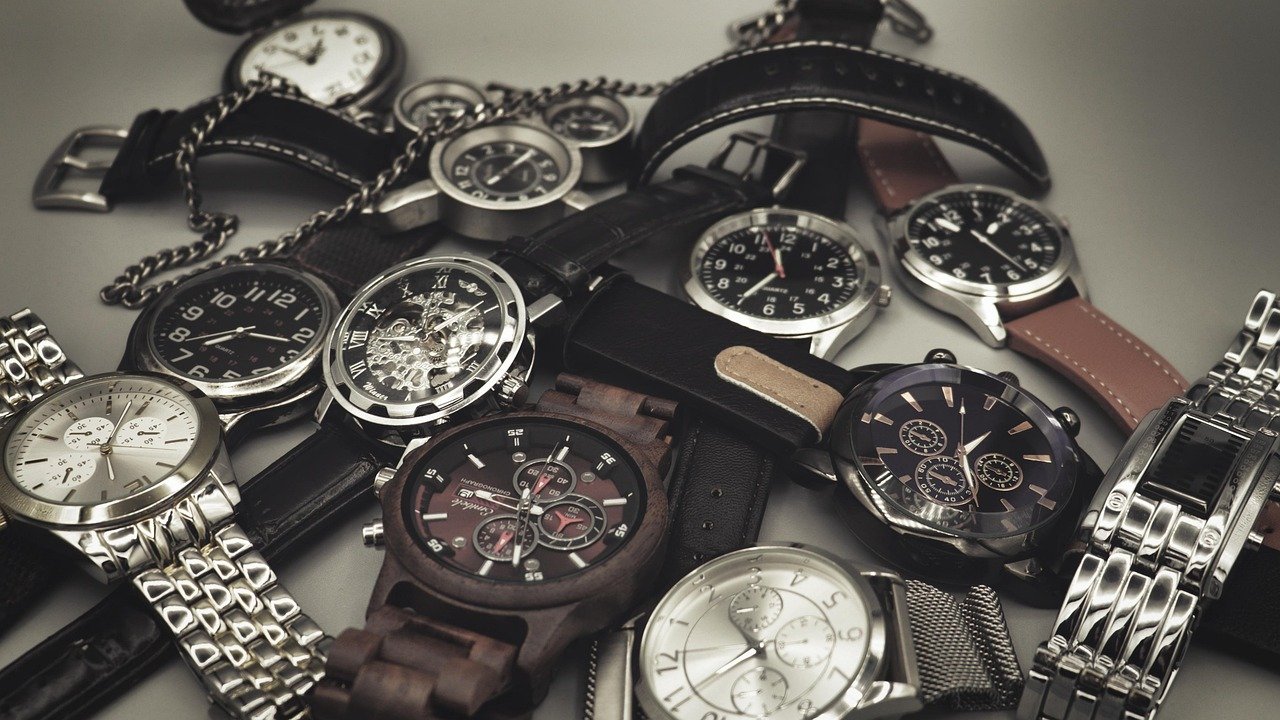
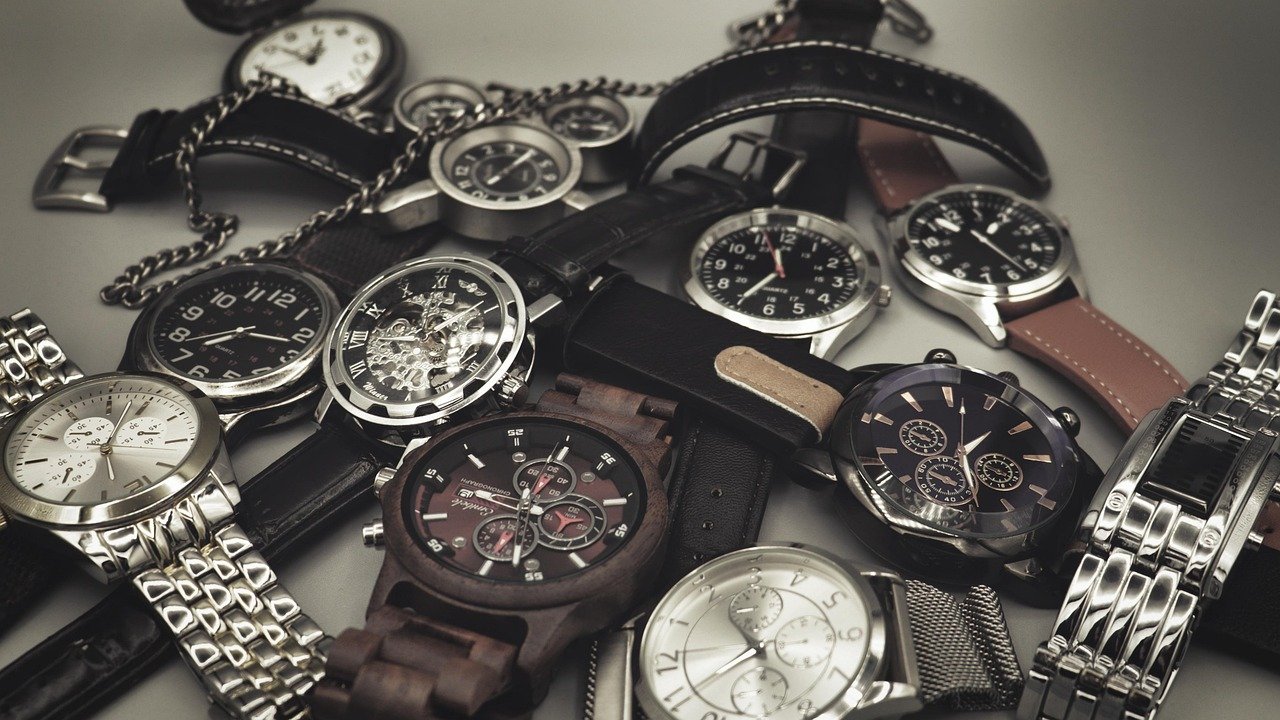
It’s about appreciating a blend of micro-engineering, artistry, history, and personal expression all ticking away in a tiny, wearable machine.
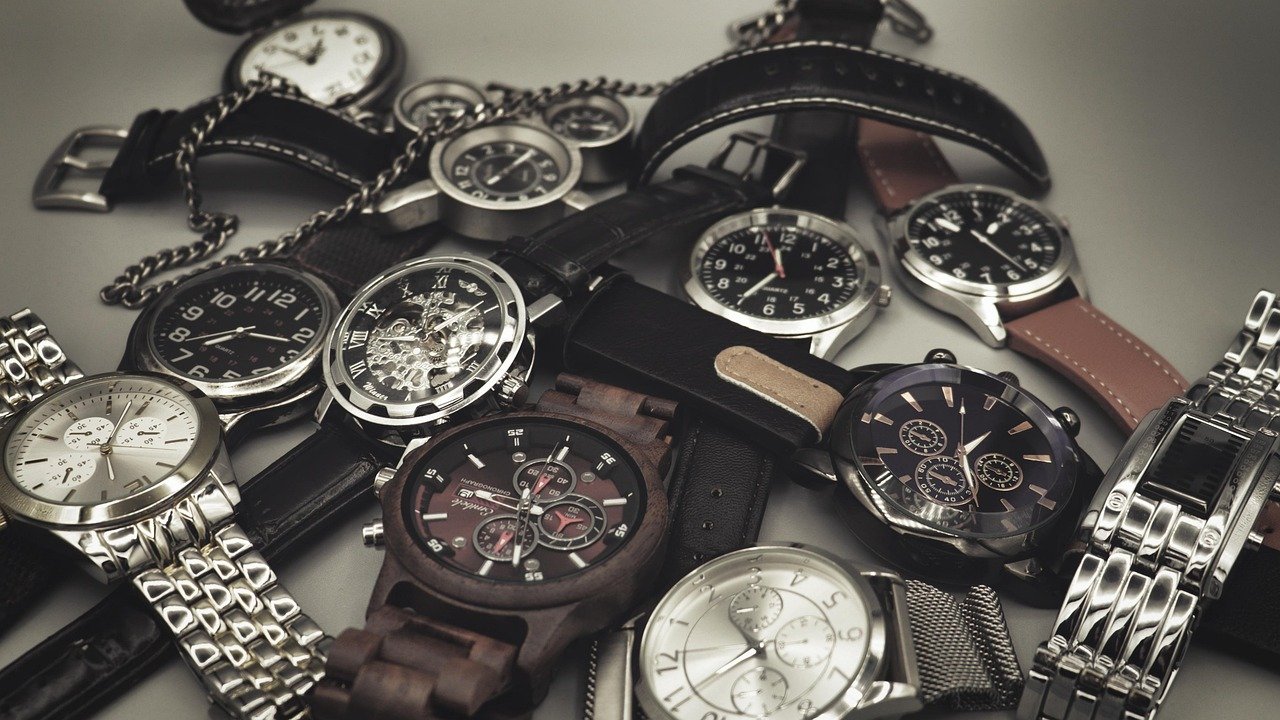
For many, the motivation for watch collecting is a deeply personal journey. It might start with a graduation gift, an inherited timepiece from a grandparent, or the simple admiration of a beautifully crafted object. This hobby is a celebration of human ingenuity, a tangible connection to the past, and for some, a savvy financial investment. It’s a rabbit hole of discovery, and once you fall in, you’ll find a vibrant world waiting for you.
In a Nutshell
- Art & Engineering: Collectors are fascinated by the intricate craftsmanship and hundreds of tiny, moving parts working in harmony inside a mechanical watch.
- Investment & Value: Certain rare, vintage, or luxury watches from iconic brands can hold or even increase their value over time, making them tangible assets.
- Personal Story & Expression: A watch collection is a form of self-expression, reflecting a person’s style, milestones, and passions. Each piece often has a story.
- Community & Connection: Watch collecting connects people from all walks of life through a shared passion, fostered in online forums, social media, and local meetups.
- The Thrill of the Hunt: A major part of the watch collecting motivation is the search for a specific or rare model, which provides a deep sense of accomplishment when found.
A Timeless Tradition: The History of Watch Collecting
Watch collecting isn’t a new phenomenon; it’s a hobby with roots stretching back centuries. Before wristwatches became common, the elite carried ornate pocket watches. These weren’t just timekeepers; they were symbols of wealth and status, often crafted from precious metals and featuring intricate engravings and complications. Kings, queens, and aristocrats were the original collectors, commissioning unique pieces from master watchmakers.
The transition from pocket to wrist began in the late 19th century but truly took off during World War I. Soldiers needed a practical way to check the time without fumbling for a pocket watch, and the “trench watch” was born. This shift democratized watch ownership and laid the groundwork for the modern hobby. After the war, brands began marketing wristwatches to the public, and the golden age of Swiss watchmaking began.
In the latter half of the 20th century, the hobby evolved again. The “Quartz Crisis” of the 1970s and 80s, which saw inexpensive battery-powered watches flood the market, nearly wiped out the traditional mechanical watch industry. However, it also created a new appreciation for the artistry and soul of mechanical timepieces. This resurgence cemented the idea of watches not just as tools, but as collectible works of art, a tradition that continues to thrive today.
The Great Debate: Vintage Charm vs. Modern Marvels
One of the first crossroads a new collector encounters is the choice between vintage and modern watches. There’s no right answer, as both offer unique appeals and drawbacks. The decision often comes down to personal taste, risk tolerance, and what you’re looking for in a timepiece. It’s a classic head-versus-heart debate that every enthusiast loves to have.
Vintage watches, typically those over 20-30 years old, are all about story and character. They carry the marks of a life lived—a faded bezel, a creamy patina on the hour markers, or a gently worn case. These pieces connect you to a different era and possess a warmth that modern watches often can’t replicate. Owning a vintage watch is like owning a small piece of history, but it comes with challenges like potential fragility, costly repairs, and the risk of non-original parts.
Modern watches, on the other hand, represent the pinnacle of horological technology. They are built with advanced materials like ceramic and titanium, boast superior water resistance, and offer incredible accuracy and reliability. A new watch comes with a manufacturer’s warranty and the peace of mind that it will perform flawlessly for years. While they may lack the unique patina of a vintage piece, they offer a clean, crisp aesthetic and the latest innovations in watchmaking.
The Collector’s Mindset: Unpacking the Psychology of Watch Collecting
Why collect watches when a smartphone is more accurate? The answer lies deep in human psychology. Collecting is a fundamental human instinct, and watches tap into several powerful psychological drivers that make the hobby so compelling and, at times, addictive. It’s about much more than just telling time; it’s about satisfying innate desires for order, discovery, and accomplishment.
One of the biggest factors is the “thrill of the hunt.” The process of researching a specific model, tracking it down, and finally acquiring it releases dopamine in the brain, creating a powerful feeling of reward and satisfaction. This pursuit provides a sense of purpose and challenge. As one collector on a Reddit discussion put it, the goal isn’t just owning, but the entire journey of acquisition.
Furthermore, curating a collection brings a sense of order and control to a chaotic world. Arranging, cleaning, and learning about one’s watches can be a meditative and calming activity. There’s also a strong element of nostalgia. A watch might remind someone of their father, a specific life achievement, or a historical event like the moon landing (famously associated with the Omega Speedmaster).
These emotional connections transform a simple object into a cherished personal artifact.
More Than Just Time: Watches as an Investment and Status Symbol
While many collectors are driven by pure passion, there’s no denying the financial and social dimensions of the hobby. For decades, certain timepieces have served as powerful status symbols in society, and more recently, they’ve emerged as a legitimate alternative asset class for investors. This dual role adds another layer of complexity and appeal to watch collecting.
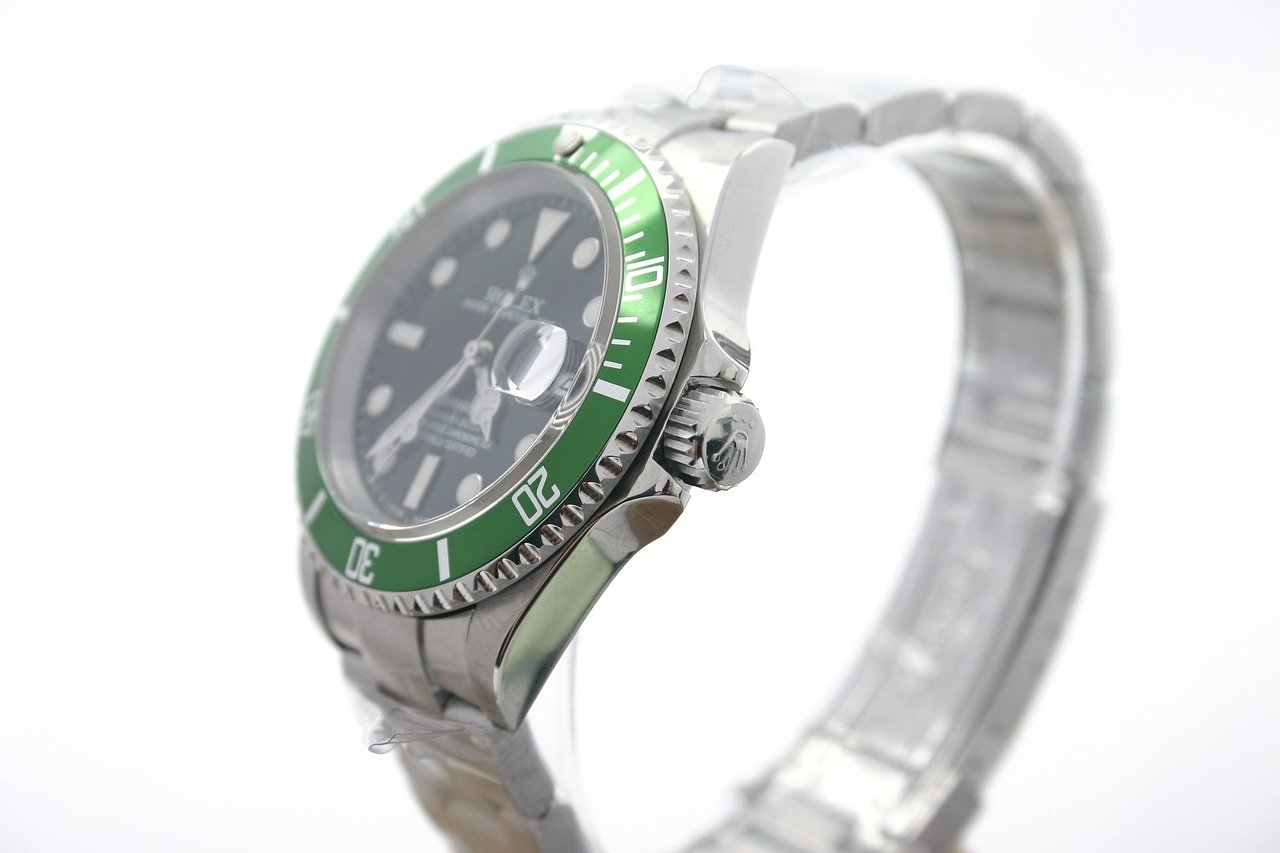
As a status symbol, a luxury watch can be a subtle but potent signal of success, taste, and an appreciation for quality. In professional and social settings, a well-chosen watch can communicate a lot about a person’s attention to detail and values without saying a word. Brands like Rolex, Patek Philippe, and Audemars Piguet are universally recognized as markers of achievement, much like a fine suit or a luxury car.
From an investment perspective, the watch market has seen remarkable growth. Unlike most consumer goods that depreciate, select models from top-tier brands have historically appreciated in value, sometimes outperforming traditional investments like stocks and real estate. This is driven by factors like brand prestige, limited production numbers, historical significance, and high demand. While not every watch is a good investment, the potential for financial return is a significant part of the watch collecting motivation for a growing number of people.

The Icons of Horology: Brands That Captivate Collectors
In the world of watch collecting, brand matters—a lot. Certain names have built legendary reputations over decades, or even centuries, through innovation, craftsmanship, and timeless design. For collectors, these brands represent different philosophies, histories, and aesthetics, and aligning with a particular brand is often a key part of the journey.
The undisputed titans of the industry are often called the “Holy Trinity” of Swiss watchmaking: Patek Philippe, Audemars Piguet, and Vacheron Constantin. These brands are known for their exquisite finishing, complex movements, and astronomical prices. They represent the absolute peak of horological art and are the holy grails for many high-end collectors.
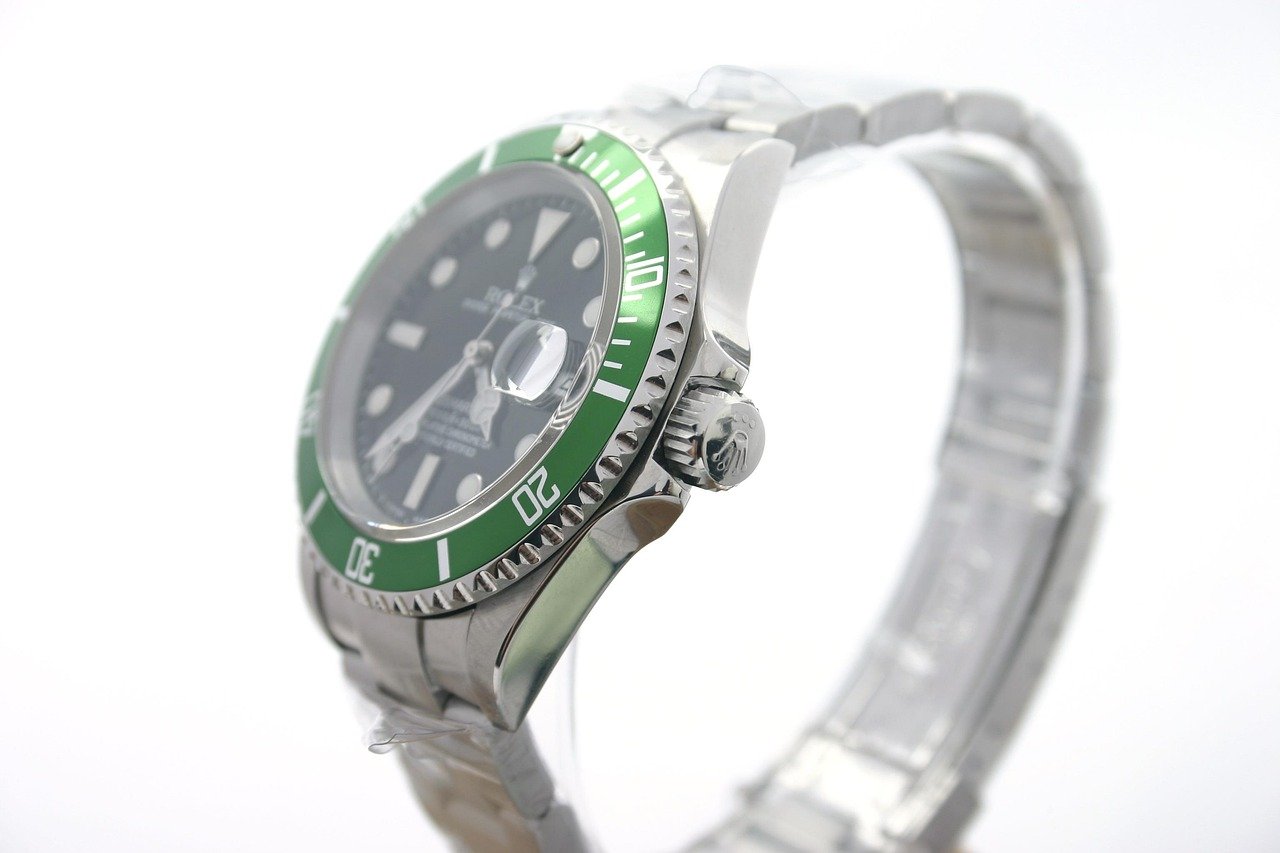
Just below this tier are powerhouse luxury brands like Rolex and Omega. Rolex is synonymous with durability, prestige, and holding value, making it arguably the most recognized watch brand in the world. Omega boasts a rich history of its own, from being the official timekeeper of the Olympics to its legendary status as the first watch on the moon. Other popular brands among collectors include Jaeger-LeCoultre, known as the “watchmaker’s watchmaker” for their incredible movements, and Cartier, which excels in iconic design.
Pro Tip: Don’t overlook independent brands! While the big names dominate, incredible watchmaking is happening at smaller, independent houses like F.P. Journe, H. Moser & Cie., and Czapek. These brands often offer unique designs and a more personal connection to the watchmaker.
Going Once, Going Twice: The Thrilling World of Watch Auctions

The high-stakes world of watch auctions is where records are broken, legends are made, and the market’s temperature is taken. Major auction houses like Phillips, Christie’s, and Sotheby’s play a crucial role in the collecting ecosystem. Their curated sales showcase the rarest and most sought-after timepieces in the world, from historically significant one-of-a-kind pieces to pristine examples of iconic models.
For collectors, auctions are more than just a place to buy watches; they are major events that shape trends and establish market values. When a watch like Paul Newman’s personal Rolex Daytona sells for a record-breaking $17.8 million, it sends ripples throughout the entire vintage market, affecting the prices and desirability of similar models. Following these auctions is an education in itself, offering insights into what makes a watch truly valuable.
The atmosphere at a live auction is electric. It’s a combination of high finance, passionate collecting, and pure theater. The excitement of the bidding process, whether in person, over the phone, or online, is a thrilling experience. While headline-grabbing sales get all the attention, auctions also offer a wide range of pieces at various price points, making them accessible to more than just billionaire collectors.
Your Journey Begins: How to Start a Watch Collection Today
Starting a watch collection can feel intimidating, but it doesn’t have to be. The most important rule is to buy what you love. A collection built on passion will always bring you more joy than one built on hype or investment potential alone. Here are a few practical steps to get you started on this incredible journey.
First, do your research and define your focus. Are you drawn to dive watches, pilot’s watches, or elegant dress watches. Do you prefer the history of vintage or the reliability of modern. Spend time on blogs, forums, and YouTube to learn the basics.
Set a realistic budget for your first purchase. You don’t need to spend a fortune to get a fantastic watch.
For your first piece, consider something versatile that you can wear in many different situations. A classic stainless steel sports watch or a simple field watch is often a great starting point. As you learn more, your tastes will evolve, and your collection can grow in a direction that reflects your personal style. Remember, a collection can be two watches or two hundred; the number isn’t what matters.
Many new collectors look for brands that offer exceptional quality and design without the massive price tags of the big luxury names. Brands that focus on robust builds and reliable Swiss movements can be an excellent entry point. For example, a brand like LIV Swiss Watches provides durable, micro-engineered timepieces that give you the Swiss-made experience and a bold aesthetic, making it a fantastic way to kickstart a modern collection. Check current price on Amazon.

Keeping the Heart Ticking: Essential Maintenance and Care
Collecting watches also means becoming a custodian of these intricate machines. Proper maintenance and care are essential to ensure your timepieces run accurately and retain their value for generations to come. Neglecting this aspect can lead to costly repairs and irreversible damage, turning a prized possession into a frustrating problem.
For mechanical watches, the most important aspect of care is regular servicing. A mechanical movement has hundreds of tiny parts that require lubrication to function correctly. Over time, these oils break down. Most manufacturers recommend a full service every 3 to 7 years, depending on the model.
During a service, a watchmaker will completely disassemble the movement, clean every part, replace worn components, re-lubricate, and reassemble it.
Beyond professional servicing, there are daily habits that can protect your collection. Keep your watches away from strong magnetic fields (like those from speakers or tablets), as they can magnetize the movement and affect its accuracy. Avoid winding the watch or changing the date late at night for certain movements, as this can damage the date-changing mechanism. Finally, always ensure the crown is screwed down on a water-resistant watch before exposing it to moisture.
Finding Your Tribe: The Vibrant Community and Culture of Watch Collectors
One of the most rewarding reasons for watch collecting is the sense of community. This hobby connects a diverse group of people who are all united by a shared passion for horology. Whether you’re a seasoned expert or a complete beginner, you’ll find a welcoming community eager to share knowledge, show off their latest acquisitions, and talk about all things watches.
In the digital age, this community primarily lives online. Websites like HODINKEE and Fratello Watches provide news and in-depth reviews, while forums on platforms like Reddit (r/Watches) and WatchUSeek are bustling with daily discussions, questions, and debates. Instagram is another major hub, where collectors share photos of their watches with creative flair, connecting through hashtags like #watchfam.
But the community isn’t just online. In cities around the world, groups like the RedBar Crew organize regular in-person meetups. These gatherings are a chance for collectors to meet face-to-face, handle watches they’ve only seen in pictures, and build genuine friendships. This social aspect transforms a solitary hobby into a shared experience, enriching the journey for everyone involved.
Pro Tip: When you attend a watch meetup, always ask before handling someone else’s watch. It’s a common courtesy that shows respect for the owner and their prized possession. And don’t be afraid to bring your own watches, no matter how modest you think they are—enthusiasts appreciate passion at every level.
Frequently Asked Questions (FAQ)
What is the psychology of watch collectors?
The psychology of watch collectors is multifaceted. It often involves the “thrill of the hunt,” which provides a sense of accomplishment. Many collectors are also driven by a desire for order and categorization, finding comfort in curating and organizing their pieces. There’s a strong element of nostalgia and emotional connection, as watches can mark significant life events or be passed down through generations.
Finally, it taps into an appreciation for craftsmanship, history, and the tangible quality of a mechanical object in a digital world.
Is it worth collecting watches?
Whether collecting watches is “worth it” depends on your goals. From a purely financial standpoint, it can be. Certain models from brands like Rolex, Patek Philippe, and Audemars Piguet have historically proven to be excellent investments that appreciate in value. However, the market can be volatile, and not all watches will increase in value.
From a personal enjoyment perspective, if you have a passion for the art, engineering, and history of timepieces, it is an incredibly rewarding and intellectually stimulating hobby that is absolutely worth it.
What is a person who collects watches called?
A person who collects watches is most commonly called a “watch collector” or a “watch enthusiast.” A more technical term is “horologist,” but this term typically refers to someone who studies the science of timekeeping (horology) or a professional watchmaker. While a collector is certainly a student of horology, the term “collector” is more widely used and understood within the community.
How many watches should you have in a collection?
There is no magic number for the perfect collection size. Some collectors adhere to a “three-watch collection” philosophy—a dress watch, a sports watch, and a daily wearer—that covers all occasions. Others may have dozens or even hundreds of pieces, focusing on a specific brand, era, or type of watch. The right number is whatever brings you joy and doesn’t cause financial strain.
The goal is a curated collection that you love, not just a large accumulation of watches.
What does a watch tell about a person?
A watch can say a lot about a person’s personality, priorities, and style. A rugged dive watch might suggest an adventurous spirit, while an elegant, minimalist dress watch can signal sophistication and an appreciation for classic design. Choosing a vintage piece might indicate a love for history and character. Ultimately, a watch is a form of self-expression and shows an attention to detail and an appreciation for things that are built to last.
Final Thoughts
The reasons for watch collecting are as varied and intricate as the timepieces themselves. It’s a hobby that beautifully merges the left brain’s appreciation for precision engineering with the right brain’s love for art, design, and storytelling. It’s a connection to history, a potential financial asset, a form of personal expression, and a ticket into a global community of passionate individuals.
Whether you’re captivated by the silent, sweeping seconds hand of a mechanical movement, the history behind a vintage military piece, or the bold design of a modern sports watch, the journey of collecting is deeply personal and endlessly fascinating. It’s a reminder that in our fast-paced digital age, there is still immense value and joy to be found in a beautifully crafted object designed to do one thing perfectly: measure the passing of our most precious resource, time.
If you’re feeling the pull to start your own journey, remember to lead with passion, do your research, and most importantly, have fun with it. Your perfect first watch is out there waiting for you.