

Why Do People Collect Watches? A Beginner’s Guide to the Passion & Art
In a world where your phone tells you the time, weather, and your next appointment, the simple wristwatch might seem like a relic. Yet, for a growing number of enthusiasts, watches are more captivating than ever. This raises a fascinating question: why do people collect watches? It’s a journey that goes far beyond mere time-telling and enters a world of artistry, engineering, personal history, and passionate community.
For collectors, a watch isn’t just an accessory; it’s a miniature mechanical marvel, a piece of wearable art, a marker of a significant life event, and a powerful form of self-expression. The motivation to collect is a unique blend of logic and emotion, an appreciation for the past, and sometimes, a savvy investment for the future. We’re about to explore every facet of this incredible hobby, from the psychological drivers to the practical steps of starting your own collection.
In a Nutshell
- More Than a Timekeeper: Watch collecting is about appreciating the art, intricate engineering, and personal stories behind each timepiece, not just telling time.
- Diverse Motivations: The reasons for watch collecting are vast, ranging from a fascination with complex mechanical movements to making a sound financial investment in a tangible asset.
- A Form of Self-Expression: A curated watch collection is a reflection of your personality, style, and life’s journey, with different pieces marking significant milestones.
- Community and the Hunt: A major draw of the hobby is the thrill of searching for rare or unique pieces and connecting with a global community of passionate, like-minded enthusiasts.
What Drives the Passion for Watch Collecting?
At its core, watch collecting is the curation of timepieces, but the answer to “why collect watches” is deeply personal and multifaceted. It’s not about hoarding as many watches as possible. Instead, it’s a thoughtful process of acquiring pieces that resonate with the collector for specific reasons, whether it’s the brand’s history, the movement’s complexity, or the memories associated with it.
In the era of the smartphone, the wristwatch has undergone a beautiful transformation. It has shed its primary role as a utilitarian tool and has been elevated to an object of passion. This shift is precisely what makes collecting so compelling. People are no longer buying a watch because they need to know the time; they are choosing one because it speaks to them on an emotional, intellectual, or aesthetic level.
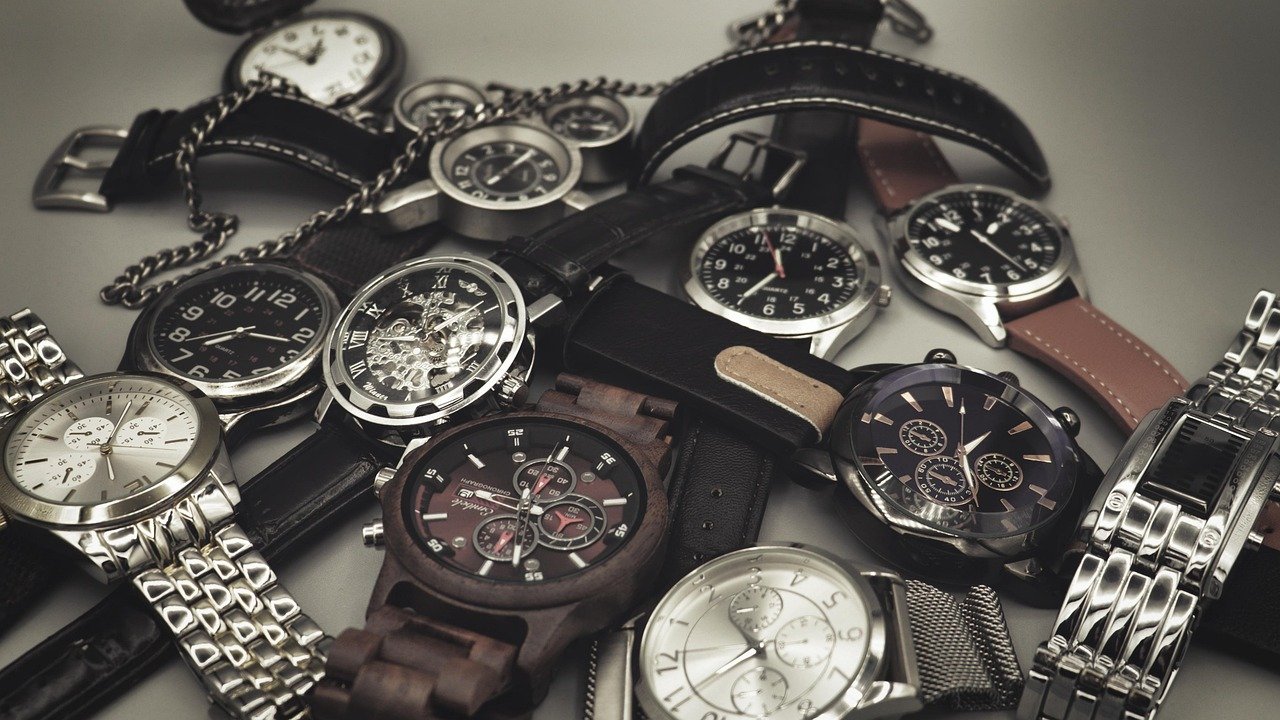
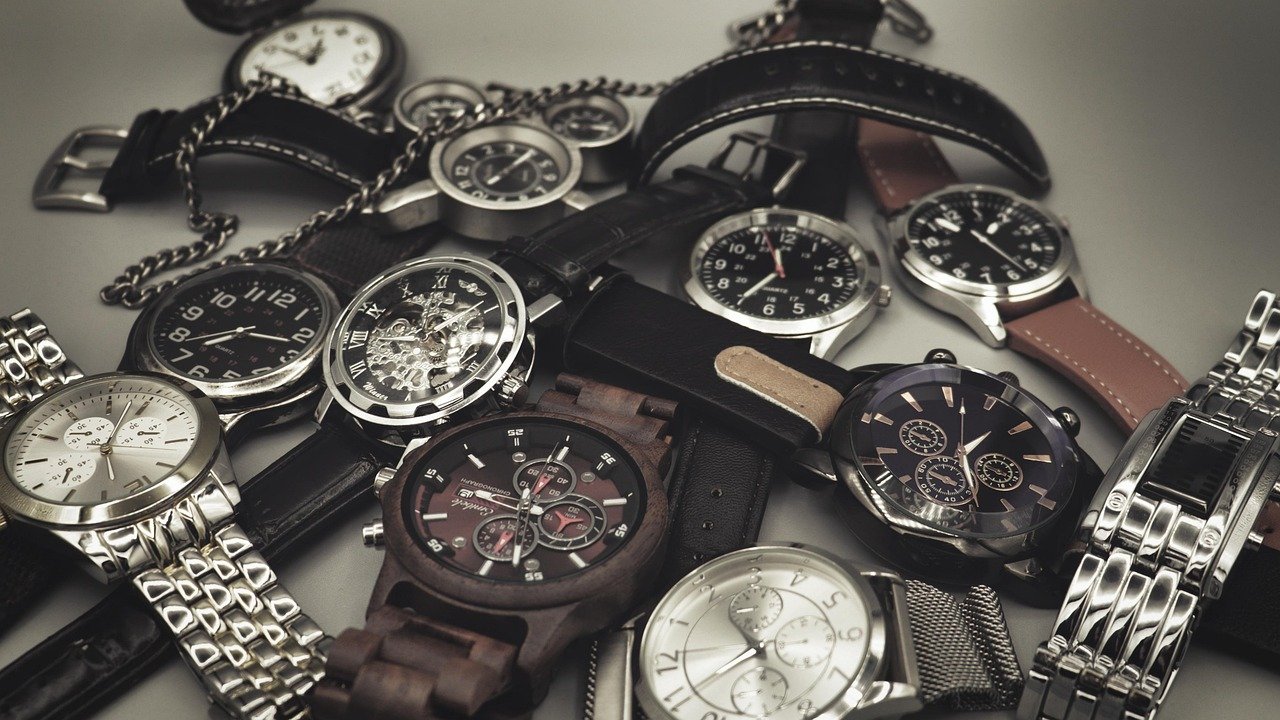
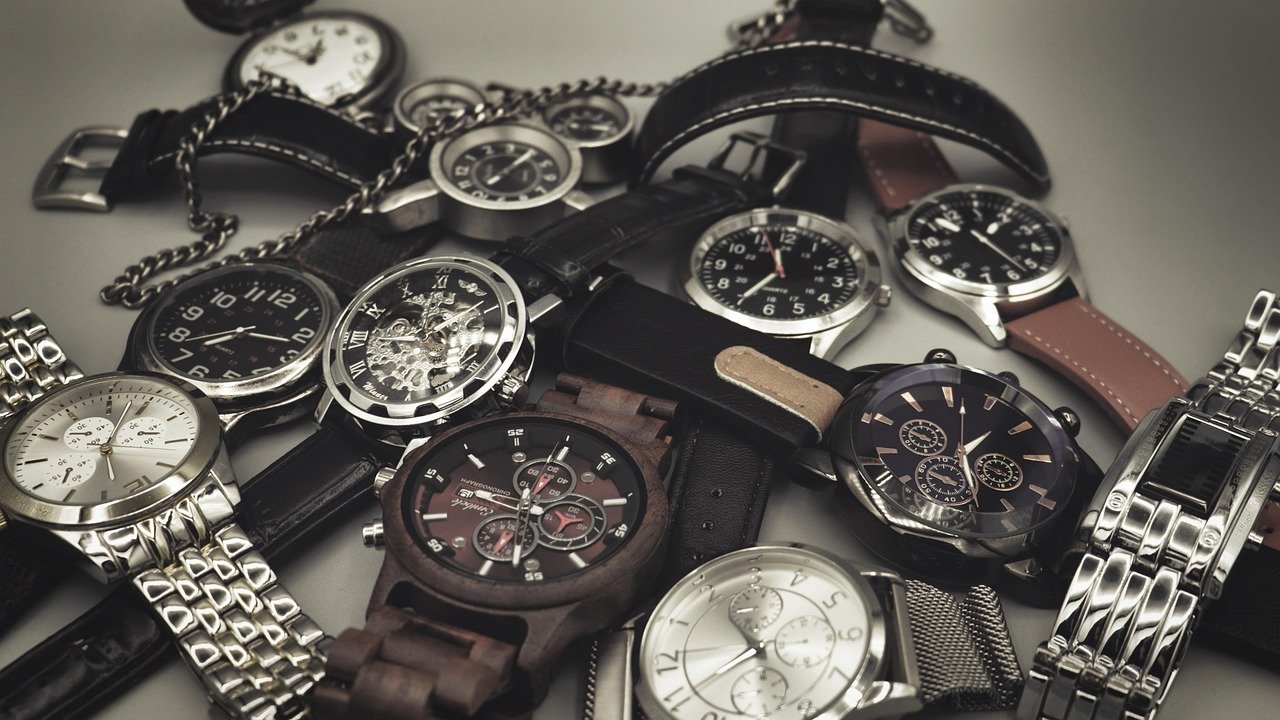
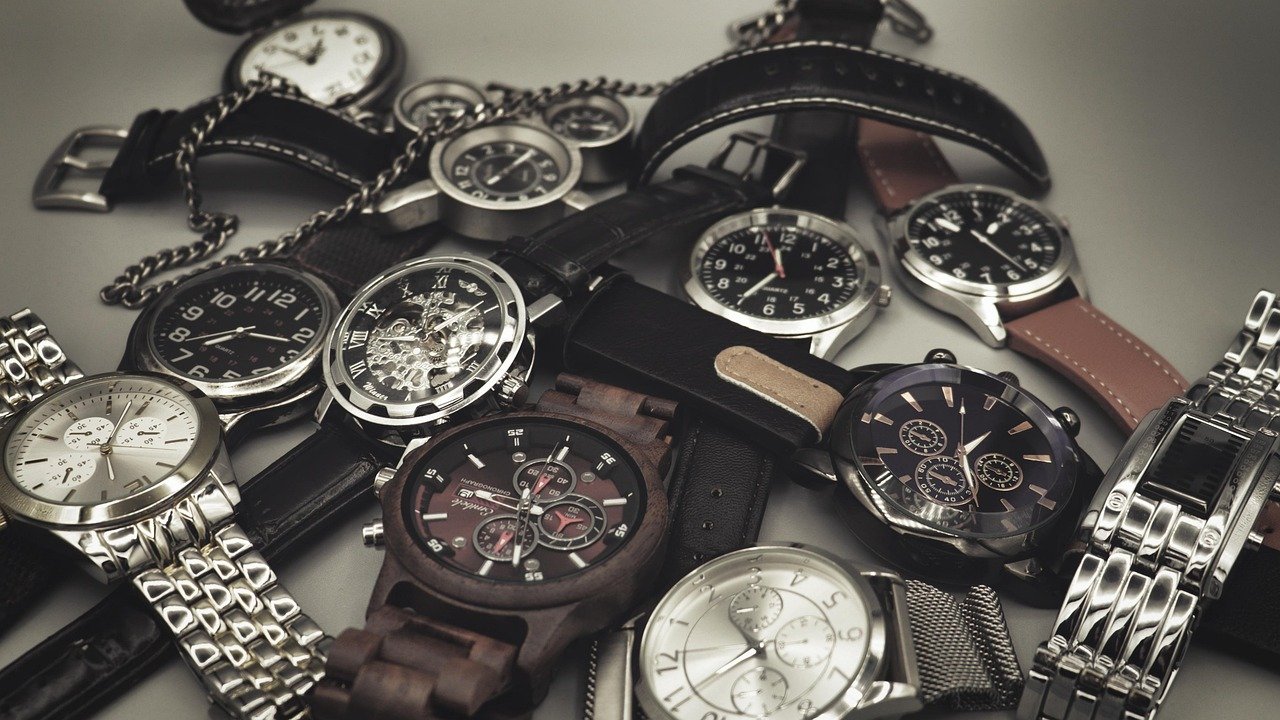
A watch collection can be as small as three carefully chosen pieces—a daily wearer, a sports watch, and a dress watch—or it can expand into hundreds of rare and vintage models. There are no rules. The collection is a physical manifestation of the owner’s tastes, experiences, and appreciation for one of humanity’s most enduring inventions.
The Allure of the Timepiece: 7 Key Motivations for Collectors
The watch collecting motivation is rarely singular. It’s usually a combination of factors that creates a deep and lasting passion. Let’s break down the most powerful drivers that turn a casual interest into a lifelong hobby.
1. A Deep Appreciation for Mechanical Artistry
This is often the first hook for many collectors. A mechanical watch is a self-contained, miniature universe of gears, springs, and levers working in perfect harmony, all without a battery. The sheer ingenuity required to create a movement that accurately measures time using only mechanical energy is breathtaking. Flipping a watch over to view the intricate dance of its components through a sapphire case back is a source of endless fascination.
Collectors learn to appreciate the nuances of different movements—the smooth sweep of a high-beat second hand, the satisfying click of a chronograph pusher, or the visual spectacle of a tourbillon. They admire the hand-finishing techniques like Côtes de Genève (Geneva stripes) or perlage, which serve no functional purpose but exist purely for beauty. It’s a celebration of human craftsmanship in its purest form.
2. The Power of Storytelling and Personal Milestones
Watches are powerful storytellers. They are frequently used to commemorate life’s most important moments: a graduation, a wedding, the birth of a child, or a major career achievement. When you look down at that watch on your wrist, you’re not just seeing the time; you’re reliving that precious memory.
A collection becomes a wearable timeline of your life. This Patek Philippe was for our 20th anniversary. This Omega Speedmaster was a gift to myself after a promotion. This vintage Seiko was my grandfather’s.
Each piece carries an emotional weight that transcends its monetary value, making it a priceless heirloom to one day pass down to the next generation.
3. An Expression of Personal Style and Identity
For many, a watch is the ultimate accessory and a key element of personal style. It can communicate a great deal about your personality, tastes, and even your values without a single word being spoken. A rugged, oversized dive watch might suggest a love for adventure, while a slim, gold dress watch conveys a sense of elegance and tradition.
Collectors enjoy curating a selection of watches that suit different moods, outfits, and occasions. You might wear a tough G-Shock for a weekend hike, a versatile chronograph for the office, and a minimalist Bauhaus-style watch for a night out. Building this “watch wardrobe” is a creative and deeply satisfying process of defining and expressing your identity.
4. The Thrill of the Hunt
One of the most exciting aspects of collecting is the chase. This involves hours of research, scouring forums, connecting with dealers, and patiently waiting for the right piece to become available. The satisfaction of finally tracking down a rare vintage model or being allocated a highly sought-after new release is a massive adrenaline rush.
This “hunt” fosters a deep sense of community. Enthusiasts gather on platforms like Reddit‘s r/Watches forum to share their latest finds, ask for advice, and discuss the nuances of different models. The shared passion and collective knowledge create a strong bond among collectors worldwide.
5. A Tangible and Wearable Investment
While most collectors will advise you to “buy what you love,” there’s no denying the investment potential of certain timepieces. Unlike many hobbies where money is simply spent, watch collecting can be a way to store and even grow wealth. Brands like Rolex, Patek Philippe, and Audemars Piguet have a long history of their watches holding or increasing in value over time.
This makes them a unique asset class. A rare painting must be kept in a climate-controlled environment, and a classic car is only driven on special occasions. A valuable watch, however, can be worn and enjoyed every single day while potentially appreciating. It’s functional art that serves as a surprisingly stable store of value, especially in uncertain economic times.
6. A Connection to History and Human Ingenuity
Horology—the study of time and timekeeping—is rich with incredible stories of exploration and innovation. Collecting watches is a way to connect with that history. Owning an Omega Speedmaster is owning a piece of the same legacy that went to the Moon. A Rolex Explorer is tied to the conquest of Mount Everest.
A pilot’s watch from IWC or Stowa connects you to the daring aviators of the past.
Vintage watch collecting, in particular, is like being a custodian of history. You’re preserving a small piece of the past, wondering about the life it lived before it came to you. This historical context adds a profound layer of meaning and romance to the hobby.
7. The Community and Shared Passion
Watch collecting can be a solitary pursuit of research, but it truly comes alive through community. The internet has connected enthusiasts from every corner of the globe. Local “RedBar” meetups allow collectors to gather in person, share their watches, and talk for hours about their shared passion.
This sense of belonging is a powerful motivator. It’s a space where your obsession with tiny details is not just understood but celebrated. The friendships and connections formed over a shared love for horology are often as valuable as the watches themselves.
Starting Your Own Collection: How to Choose Your First Pieces

Feeling the spark? The idea of starting your own collection can be both thrilling and intimidating. The key is to take it slow, do your homework, and most importantly, follow your heart. Here’s a simple framework to guide you.
Define Your Budget and Goals
First, forget the multi-million dollar auction results. You don’t need a fortune to become a watch collector. Amazing, historically significant, and beautifully crafted watches are available at every price point. Decide what you’re comfortable spending on your first piece, whether it’s $300 or $3,000.
Then, think about your goal. Are you looking for a versatile “one-watch collection” that you can wear anywhere. Do you want a tough weekend watch for your adventures. Or are you seeking a special piece to mark an upcoming milestone.
Having a clear purpose will help narrow down the overwhelming number of options.
Research, Research, Research
Knowledge is your most valuable tool in this hobby. Before you spend a dime, invest your time in learning. Start with the basics:
- Movements: Understand the difference between a quartz (battery-powered), manual-wind (you wind it by hand), and automatic (winds itself with the motion of your wrist) movement.
- Styles: Familiarize yourself with the main categories: dive watches, chronographs, pilot’s watches, dress watches, and field watches. See which aesthetic appeals to you most.
- Resources: Dive into blogs like HODINKEE, watch YouTube channels like Teddy Baldassarre, and browse forums to see what real owners are saying.
Pro Tip: Don’t get caught up in hype. The most talked-about watches aren’t always the best for you. Focus on discovering what you genuinely like, not what you think you should like. Your collection should be a reflection of you, not of current trends.
Finding Your First Watch
For a first piece, it’s often wise to choose something versatile and reliable. A watch with a stainless steel bracelet, a classic dial color like black, white, or blue, and a water resistance of at least 100 meters will serve you well in almost any situation.
There are fantastic options from beloved brands like Seiko, Tissot, and Hamilton that offer incredible value. For those looking for bold, modern designs backed by proven Swiss engineering, exploring microbrands can be incredibly rewarding. Brands like LIV Swiss Watches, for example, deliver robust construction and unique aesthetics, providing a fantastic entry point into the world of Swiss-made timepieces without the intimidating luxury price tag.
Iconic Watch Categories That Inspire Collectors
As you explore, you’ll notice certain archetypes that form the foundation of many collections. Understanding these categories can help you identify what you’re drawn to.
The Dive Watch
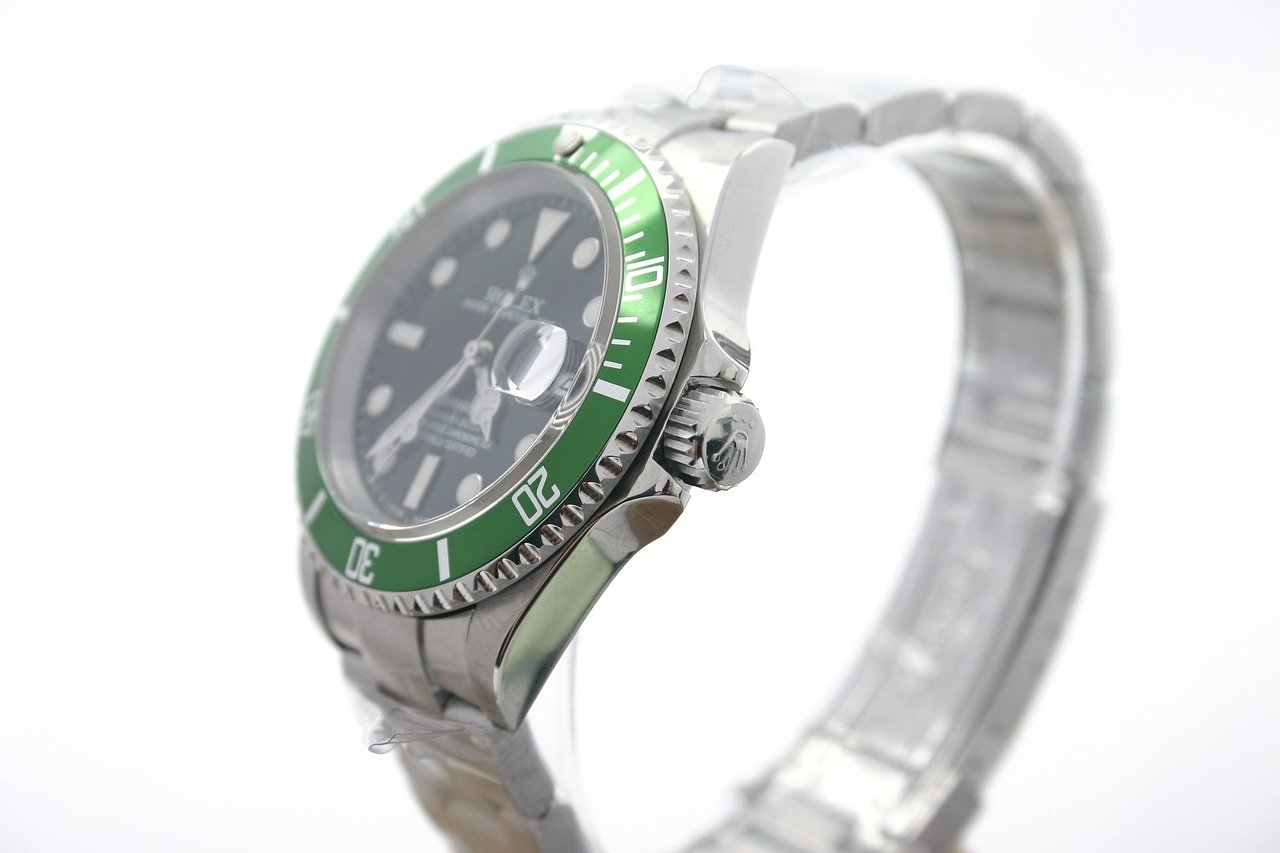
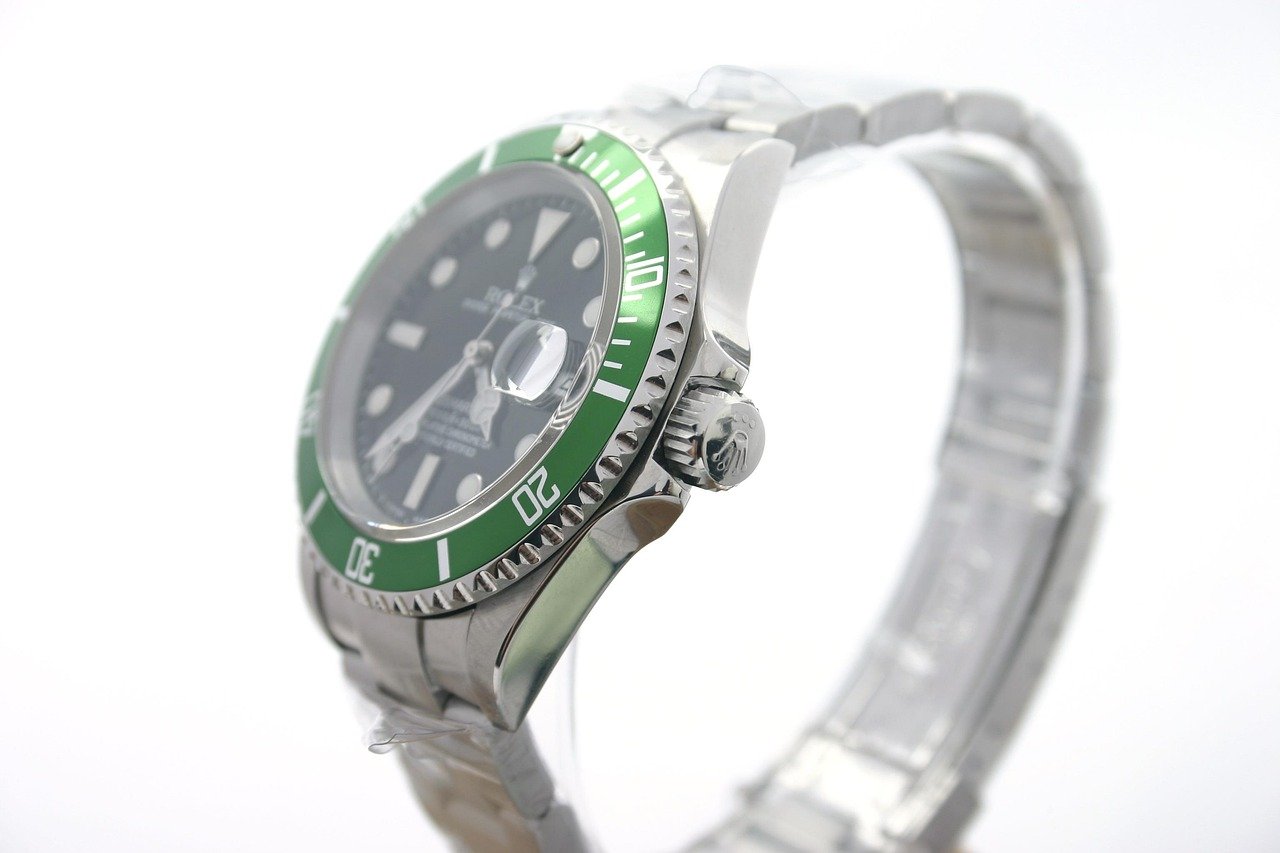
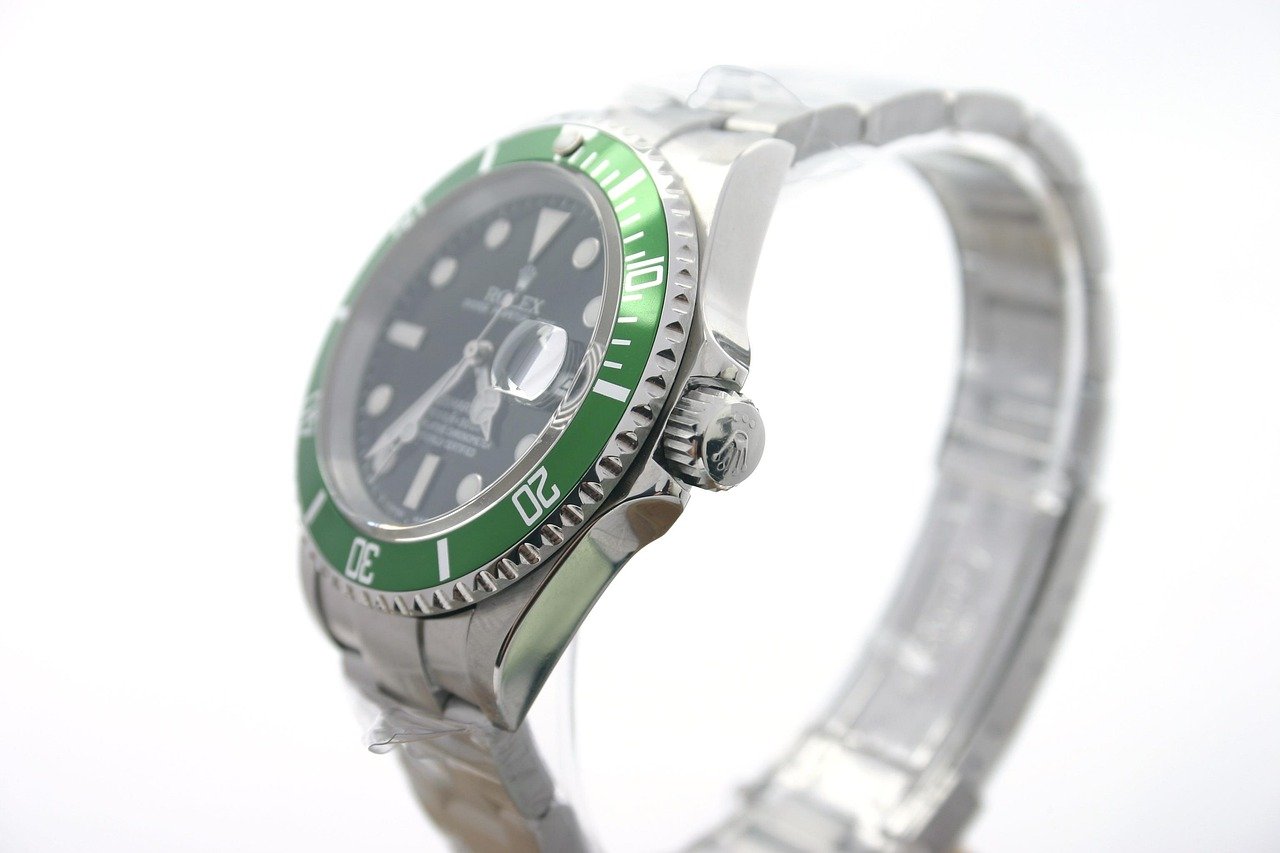
Originally designed for professional divers, this is arguably the most popular watch style today. Characterized by a rotating bezel to time dives, excellent water resistance, and luminous hands and markers for legibility, the dive watch is the definition of rugged versatility. It looks just as good with a t-shirt and jeans as it does with a business casual outfit.
- Iconic Examples: Rolex Submariner, Omega Seamaster, Seiko SKX007.
The Chronograph
A chronograph is essentially a watch with a built-in stopwatch function, typically featuring sub-dials on the main dial and pushers on the side of the case. Its sporty, technical look and practical function make it a favorite among those who love racing, aviation, or simply appreciate a complex-looking dial.
- Iconic Examples: Omega Speedmaster Professional, Rolex Daytona, Breitling Navitimer.
The Pilot’s Watch
Born from the needs of early aviators, pilot’s watches (or fliegers) are defined by their supreme legibility. They usually feature a large, clean dial with high-contrast numerals, an oversized crown that could be operated with gloves, and a focus on precision. They carry a sense of history and adventure.
- Iconic Examples: IWC Big Pilot, Stowa Flieger, Laco Pilot Watch.
The Dress Watch
The dress watch is the epitome of elegance and simplicity. It is typically slim, made of precious metal (though steel is common today), and has a clean, uncluttered dial, often on a leather strap. Its purpose is singular: to be a discreet and sophisticated companion for formal occasions.
- Iconic Examples: Patek Philippe Calatrava, Jaeger-LeCoultre Reverso, Cartier Tank.
Understanding the Investment: Watch Pricing and Value

Watch prices can seem arbitrary, spanning from under $100 to well into the millions. Several key factors determine a watch’s cost and its potential to hold value.
Entry-Level vs. Luxury vs. Haute Horlogerie
Watches can be roughly grouped into tiers:
- Entry-Level / Affordable ($100 – $1,000): This tier is dominated by reliable workhorses from Japanese brands like Seiko and Orient, as well as entry-level Swiss brands like Tissot and Hamilton. You get fantastic quality and design for the money.
- Luxury ($1,000 – $10,000): Here you’ll find iconic models from major Swiss houses like Omega, Tudor, Breitling, and TAG Heuer. You’re paying for stronger brand heritage, more refined movements, and higher-quality finishing.
- Haute Horlogerie / High Horology ($10,000+): This is the realm of the “Holy Trinity” (Patek Philippe, Audemars Piguet, Vacheron Constantin) and other elite makers like A. Lange & Söhne. These watches are masterpieces of craftsmanship, often featuring incredibly complex movements and exquisite hand-finishing.
The price is driven by brand prestige, the complexity of the movement, the materials used (stainless steel vs. gold or platinum), the level of hand-finishing, and production numbers.
The Pre-Owned Market
The secondary market is a vibrant and essential part of the watch world. It allows you to acquire discontinued models, find vintage gems, and often get a better price on current pieces. However, it requires caution. Always buy from a reputable dealer with a strong history of positive reviews to avoid fakes, damaged items, or so-called “frankenwatches” (watches assembled from non-original parts).
The Joys and Challenges of Watch Collecting
Like any passionate pursuit, watch collecting comes with incredible highs and a few potential lows. It’s important to go in with your eyes open.
The Pros: The Upside of the Hobby
- Daily Enjoyment: Unlike most collectibles that are stored away, you can wear and enjoy your watches every single day.
- Personal Satisfaction: There is immense pride in owning a beautifully crafted object that you researched and chose yourself.
- A Great Conversation Starter: A unique watch often draws compliments and can lead to fascinating conversations with other enthusiasts.
- Value Retention: A well-chosen collection can be a stable store of value, protecting you from inflation and, in some cases, providing significant returns.
The Cons: Potential Pitfalls to Consider
- It Can Be Expensive: This hobby can quickly become a significant financial commitment if you’re not disciplined.
- Maintenance Costs: Mechanical watches are like high-performance cars; they need regular servicing every 5-10 years, which can cost several hundred to over a thousand dollars.
- The Risk of Fakes: The market for counterfeit luxury watches is huge. Education is your best defense.
- The “Rabbit Hole”: The desire for the “next piece” can be powerful. It’s important to enjoy the journey and the watches you have, not just focus on the next acquisition.
Frequently Asked Questions About Watch Collecting
Here are answers to some of the most common questions newcomers have about this fascinating hobby.
What is the psychology of watch collectors?
The psychology is complex, blending a desire for order and completion (building a set), an appreciation for aesthetics and craftsmanship (art), nostalgia (connecting to the past), and social signaling (expressing identity and status). It taps into the primal joy of the “hunt” and the satisfaction of acquiring a rare object.
Is it worth collecting watches?
Yes, if your primary goal is personal enjoyment. From a purely financial perspective, it can be, but it requires significant knowledge, patience, and capital. For most people, the “worth” comes from the pleasure of owning, wearing, and learning about these incredible machines, with any value retention being a bonus.
What is the 3 watch rule?
The “3 watch rule” is a popular collecting philosophy that suggests an ideal collection consists of three core pieces: an everyday watch (often a versatile steel sports watch), a formal or dress watch (for special occasions), and a casual/beater watch (a durable piece for weekends or rough activities). It’s a great framework for building a functional and well-rounded collection.
How many watches should you have in a collection?
There is no right answer. Some collectors are perfectly happy with one perfect watch. Others adhere to the three-watch rule. Many enthusiasts have dozens.
The ideal number is whatever brings you joy without causing financial or mental stress. It’s about quality and personal connection, not quantity.
What do you call a person who collects watches?
A person who collects watches is most commonly called a “watch collector” or an “enthusiast.” A “horologist” is someone who studies the science of timekeeping and time-measuring instruments, which is a more academic or professional term. While many collectors become amateur horologists, the terms aren’t perfectly interchangeable.
Why is watch collecting so addictive?
It’s addictive because it combines several powerful psychological drivers. There’s a constant stream of new releases and a vast history of vintage models to discover, so there’s always something new to learn about and desire. The thrill of the hunt, the satisfaction of acquisition, and the positive reinforcement from the community create a compelling and continuous loop.
Final Thoughts: Your Journey in Time
So, why do people collect watches? Because a watch is never just a watch. It’s a testament to human ingenuity, a keeper of personal memories, a statement of individual style, and a connection to a global community of passionate individuals. It’s a hobby that engages both the mind and the heart.
Your journey into collecting doesn’t have to start with a famous luxury brand or a huge budget. It starts with curiosity. It starts with finding a single timepiece that fascinates you, whether for its history, its design, or the way it feels on your wrist. The world of watches is vast and welcoming, and your personal collection is a story waiting to be told, one tick at a time.