Luxury Watches for Woman: The 2026 Buyer’s Guide for First-Time Collectors

Luxury Watches for Woman: The 2026 Buyer’s Guide for First-Time Collectors

A luxury watch is so much more than a way to tell time; it’s a statement, a piece of art, and a personal legacy wrapped around your wrist. Finding the perfect luxury watches for a woman can feel like an exciting adventure, blending personal style with incredible craftsmanship. Whether you’re celebrating a milestone or making your first significant investment in horology, this guide will walk you through everything you need to know to choose a timepiece you’ll adore for decades to come.

It’s an expression of who you are, and we’re here to help you find the one that speaks to you.

What to Know

  • Style and Movement are Key: Your personal style should be the primary driver. Decide between a low-maintenance Quartz movement or a traditional, intricate Automatic movement to narrow your search.
  • Top Brands Offer Different Appeals: Iconic brands like Rolex and Cartier are known for timeless elegance and investment value, while modern brands like Omega and TAG Heuer offer a blend of performance and contemporary design.
  • Features Define Functionality: Look beyond the aesthetics. Consider the case material (steel for durability, gold for classic luxury), the dial’s design, and any ‘complications’ like a date window or chronograph that fit your lifestyle.
  • Investment Potential Varies: While many high-end watches for women hold their value, brands like Patek Philippe and Rolex are renowned for appreciating over time. Condition, rarity, and brand prestige are crucial factors.
  • Comfort is Non-Negotiable: The watch’s size, weight, and the type of strap or bracelet are critical for daily wear. Always try on a watch if possible to ensure it feels right on your wrist.

How to Choose the Perfect Luxury Watch for Her: Your Decision-Making Guide

Jumping into the world of women’s luxury watches is an exhilarating experience. But with so many incredible options, where do you even begin. The secret is to start with yourself. A watch is deeply personal, so the perfect choice will align with your lifestyle, taste, and what you want your timepiece to represent.

Let’s break down the core elements to build your decision-making framework.

Define Your Personal Style

First, think about your wardrobe and daily activities. Are you classic and elegant, drawn to timeless designs that work for both the office and a gala? Or are you more sporty and modern, needing something durable that keeps up with an active lifestyle? Perhaps you’re an artistic trendsetter who wants a watch that’s a bold conversation starter.

Identifying your core style helps you filter through brands and models. A Cartier Tank is perfect for understated elegance, while a TAG Heuer Aquaracer suits a more adventurous spirit. Don’t just think about what you’d wear today; consider the woman you are and the one you’re becoming. This timepiece will be with you for the journey!

Consider the Movement: Quartz vs. Automatic

The ‘movement’ is the internal engine of the watch, and it’s a major consideration. A Quartz movement is battery-powered, making it incredibly accurate, reliable, and generally more affordable. It’s a fantastic ‘grab-and-go’ option that requires minimal maintenance beyond a battery change every few years.

An Automatic (or self-winding) movement is the heart of traditional watchmaking. It’s powered by the motion of your wrist, meaning it never needs a battery. Enthusiasts admire the intricate craftsmanship of hundreds of tiny, interacting parts, often visible through a sapphire case back. While they require servicing every 5-7 years, owning an automatic is like owning a living piece of mechanical art.

Size and Fit: Finding the Right Proportions

Comfort is paramount. A watch that’s too big can feel cumbersome, while one that’s too small might not have the presence you desire. Case diameter, measured in millimeters (mm), is the key metric. Women’s watches typically range from 26mm to 38mm, though the trend towards larger, gender-neutral watches has made 40mm+ options popular too.

The best way to find your perfect size is to try watches on. Pay attention to the ‘lug-to-lug’ distance—the space between the strap attachments at the top and bottom of the case. You want to ensure the lugs don’t overhang the edges of your wrist. The watch should feel substantial but not overwhelming.

Set Your Budget: From Entry-Level to Haute Horlogerie

Luxury watches for women span a massive price range, from a few thousand dollars to hundreds of thousands. It’s essential to set a comfortable budget before you start shopping. This will help you focus your search and avoid the temptation of overspending.

For an entry-level Swiss luxury experience (around $1,000-$3,000), you can find excellent options from brands like Tissot, Longines, or modern innovators. The mid-tier ($3,000-$8,000) includes iconic models from TAG Heuer and Omega. The upper echelon ($8,000+) is home to Rolex, Cartier, and the ‘haute horlogerie’ world of Patek Philippe and Audemars Piguet. Remember, the goal is to find the best value and craftsmanship within your budget.

The Icons: Top Luxury Watch Brands for Women

Certain names in the watch world command immediate respect, built on centuries of innovation, artistry, and unwavering quality. Exploring these top brands is like taking a tour through the history of horology. Each one offers a unique identity and a collection of iconic luxury timepieces for her that have captivated generations.

The Timeless Classics: Rolex, Cartier, Patek Philippe

When you think of luxury, these names often come to mind first. Rolex is synonymous with prestige, durability, and holding its value. The Lady-Datejust is arguably the most recognizable women’s luxury watch in the world, a perfect blend of robust engineering and feminine elegance.

Cartier, a Parisian jeweler at heart, creates watches that are essentially jewelry that tells time. The iconic Tank and Panthère models are celebrated for their elegant, architectural designs that feel both vintage and perfectly modern. They are the epitome of chic sophistication.

Patek Philippe sits at the pinnacle of watchmaking, or ‘haute horlogerie’. Known for their incredibly complex movements and exquisite finishing, owning a Patek is a goal for serious collectors. Their slogan says it all: “You never actually own a Patek Philippe. You merely look after it for the next generation.”

The Modern Mavericks: Omega, TAG Heuer, Chopard

These brands offer a fantastic blend of heritage and modern innovation. Omega has a rich history, from being the official timekeeper of the Olympic Games to the first watch on the moon. The Seamaster Aqua Terra and Constellation collections offer women sporty elegance and high-performance movements.

TAG Heuer is deeply rooted in motorsport, and its watches reflect a passion for precision and performance. The Carrera and Aquaracer ladies’ models are perfect for the woman who wants a high-end watch that is both beautiful and built to withstand an active life.

Chopard masterfully combines watchmaking with high jewelry. Their Happy Sport collection, with its famous floating diamonds dancing across the dial, is a joyful and unique expression of luxury that is instantly recognizable and utterly captivating.

The Accessible Innovators: A Nod to Brands for a Sporty Edge

While the heritage giants dominate, the world of Swiss watchmaking also includes brands that offer incredible value and a distinct point of view. For those who appreciate robust, sporty design and Swiss-made quality without the stratospheric price tag, brands like LIV Swiss Watches present a compelling alternative.

They focus on creating durable, often limited-edition timepieces with a bold aesthetic. This is a great direction for someone looking for high-end watches for women that stand out from the crowd and are built for adventure. It proves that exceptional Swiss craftsmanship can also come with a fresh, modern perspective. Check the current price on Amazon for their latest collections.

Essential Features: What to Look for in High-End Watches for Women

Beyond the brand name and the movement, the physical components of a watch are what you’ll see and feel every day. These features determine the watch’s character, durability, and how it complements your style. Understanding these elements will empower you to look at a timepiece and appreciate the fine details that justify its luxury status.

Case Materials: Steel, Gold, Platinum, and More

The case is the protective body of the watch. Stainless steel (specifically 316L or the 904L used by Rolex) is the most popular choice for its incredible durability, resistance to corrosion, and versatile look. It’s perfect for a daily-wear watch that can handle anything.

Gold—in yellow, white, or rose—adds a classic touch of warmth and luxury. It’s softer than steel, so it may show scratches more easily, but its inherent value and beauty are undeniable. Two-tone watches, which combine steel and gold, offer a fantastic balance of durability and elegance.

For the ultimate in luxury, there’s platinum. It’s heavier and rarer than gold, with a bright white luster that is truly special. Some brands also experiment with modern materials like ceramic (highly scratch-resistant) and titanium (lightweight and strong).

Dials and Gemstones: The Face of Your Timepiece

The dial is where a watch’s personality truly shines. Simple, classic dials in white, black, or silver are timeless. However, modern trends have embraced vibrant colors like green, blue, and even pink. Mother-of-pearl dials offer a beautiful, iridescent shimmer that is unique to every watch.

Gemstones are often used for hour markers or to adorn the bezel (the ring around the crystal). Diamonds are the most common choice, adding a touch of sparkle and luxury. When buying a watch with gems, always look for high-quality stones that are well-set and brilliant.

Bracelets and Straps: Comfort Meets Style

The bracelet or strap is crucial for both comfort and style. Metal bracelets are durable and offer a cohesive look with the case. Look for solid links and a secure, well-engineered clasp. Iconic designs like Rolex’s Oyster and Jubilee bracelets are famous for their comfort.

Leather straps (alligator, calfskin) provide a classic, traditional look and are very comfortable. They can be easily swapped to change the entire feel of the watch. For a more casual or sporty vibe, rubber straps or fabric NATO straps are excellent, durable options.

Complications: Beyond Telling Time

In watchmaking, a ‘complication’ is any function on a watch that does more than tell the hours, minutes, and seconds. The most common and useful complication is the date window. A chronograph adds a stopwatch function, operated by pushers on the side of the case, lending a sporty feel.

Other beautiful complications include the moonphase, which displays the lunar cycle in a small aperture on the dial, and the GMT or dual-time function, which allows you to track a second time zone—perfect for frequent travelers. While more complications often mean a higher price, they add a layer of functional artistry to your timepiece.

Pro Tip: When setting the date on an automatic watch, avoid doing so between 9 PM and 3 AM. The watch’s internal gears are beginning to engage the date-change mechanism during this time, and forcing it manually can damage the delicate movement.

What’s Trending? The Latest in Women’s Luxury Watches for 2026

The world of horology is steeped in tradition, but it’s also constantly evolving. Each year brings new trends that reflect shifts in fashion, technology, and culture. Staying aware of these trends can help you choose a watch that feels current, yet still possesses the timeless quality essential for a luxury piece. Here are the biggest trends shaping luxury timepieces for her right now.

The Rise of Smaller Case Sizes

For several years, the trend was for larger, bolder watches. While those still have their place, we’re seeing a significant return to smaller, more classically proportioned case sizes. Diameters between 28mm and 34mm are becoming incredibly popular, offering a more subtle and elegant presence on the wrist. This shift celebrates a more vintage aesthetic and a refined, understated approach to luxury.

Colorful Dials and Straps

Neutral dials of white, black, and silver will always be in style, but the current moment is all about color! Watchmakers are releasing stunning dials in vibrant shades of emerald green, ice blue, salmon pink, and rich burgundy. This trend allows for more personal expression and turns the watch into a true statement accessory. Swapping out a metal bracelet for a colorful leather or fabric strap is another easy way to participate in this fun, expressive trend.

Vintage-Inspired Designs

What’s old is new again. Many top brands are digging into their archives and reissuing modern versions of their most beloved historical models. These vintage-inspired designs often feature details like smaller cases, domed crystals, and retro-style fonts. This trend appeals to a sense of nostalgia and an appreciation for the timeless designs that have endured for decades.

Gender-Neutral and Unisex Models

One of the most exciting developments is the blurring of lines between men’s and women’s watches. Many brands are now designing models in mid-range sizes (typically 36mm to 39mm) that are marketed as unisex. This allows women to access a wider range of designs, including sportier models and more complex complications that were traditionally reserved for men’s collections. It’s a move that celebrates inclusivity and recognizes that great design transcends gender.

A Look Back: The Fascinating History of Women’s Luxury Watches

The story of the woman’s watch is a story of revolution—in fashion, society, and technology. For a long time, timekeeping was a man’s domain, centered around the pocket watch. Women’s timepieces were initially seen as decorative novelties, beautiful but not necessarily practical. The journey from delicate bracelet charms to the powerful instruments they are today is truly remarkable.

The very first wrist-worn watches were, in fact, created for women in the 19th century. They were often elaborate, gem-set creations treated more like bracelets than serious timekeepers. Men considered wearing anything on the wrist to be unmanly and stuck to their pocket watches. It was a piece of jewelry first, a watch second.

Everything changed in the early 20th century. The practical necessities of wartime, particularly for soldiers and pilots, made the pocket watch obsolete. The wristwatch became a vital tool for men. This shift legitimized the wristwatch, and its popularity exploded.

As women’s roles in society evolved, so did their watches. They moved from being purely ornamental to becoming symbols of independence and modernity, reflecting the newfound freedoms of the era.

His vs. Hers: Key Differences in Men’s and Women’s Luxury Timepieces

While the trend towards unisex watches is growing, there are still traditional design philosophies that often distinguish men’s and women’s luxury watches. Understanding these differences can help you appreciate the nuances in design and choose a watch that perfectly fits your aesthetic, whether it’s from the men’s or women’s catalog.

Design Philosophy and Aesthetics

Traditionally, women’s watches have been approached with a more decorative, jewelry-focused mindset. This often translates to the use of precious metals, mother-of-pearl dials, and the integration of diamonds and other gemstones. The lines may be softer, and the overall design more elegant and ornate.

Men’s watches, by contrast, have historically been designed as ‘tool’ watches—built for specific purposes like diving, flying, or racing. This results in a design language focused on legibility, durability, and functionality. Features like rotating bezels, large luminous markers, and chronograph sub-dials are more common.

Size and Proportions

The most obvious difference is size. As mentioned, men’s watches typically start around 38mm and can go up to 45mm or more, while women’s watches are traditionally smaller. This isn’t just about wrist size; it’s about presence. A larger watch makes a bolder statement, while a smaller watch offers a more subtle elegance.

However, the modern rule is simple: wear what you love and what feels comfortable to you, regardless of its intended category.

Mechanical Complexity and Focus

Historically, watch brands invested more heavily in developing complex mechanical movements for their men’s collections. Women’s collections were often dominated by simpler, more convenient quartz movements. Thankfully, this is changing dramatically. Brands now recognize the growing number of female collectors and enthusiasts who appreciate mechanical artistry, and they are offering incredible automatic and complicated movements in their women’s lines.

More Than an Accessory: The Investment Value of Women’s Luxury Watches

A high-end watch is an emotional purchase, but it can also be a savvy financial one. Unlike most fashion items that lose value the moment you buy them, certain luxury timepieces can hold or even increase their value over time. This makes them a unique asset—one you can enjoy wearing while it potentially appreciates.

Which Brands Hold Their Value?

Not all luxury watches are created equal when it comes to investment potential. The undisputed champions of value retention are Rolex and Patek Philippe. High demand, controlled supply, and brand prestige mean that many of their models sell for well above retail on the pre-owned market. Certain models from Audemars Piguet (like the Royal Oak) also perform exceptionally well.

Other brands like Omega and Cartier generally have solid value retention, though they may not appreciate in the same way as a steel Rolex sports model. The key is to focus on iconic models within a brand’s collection, as these are the most sought-after by collectors.

Factors Affecting Resale Value

Several factors determine a watch’s investment potential. Brand and Model are the most important. Rarity is another key driver; limited editions or discontinued models often become more valuable. The Condition of the watch is critical—a piece in mint condition with its original box and papers will always command a higher price.

Provenance, or the watch’s history, can also add immense value. Was it owned by someone famous. Does it have a unique story. These elements can turn a great watch into a legendary one.

While you shouldn’t buy a watch solely as an investment, choosing a model with strong fundamentals adds another layer of enjoyment to your purchase.

Pro Tip: Always keep the original box, warranty card, manuals, and any extra bracelet links that came with your watch. Having a ‘full set’ can significantly increase its resale value by 15-20% compared to a ‘naked’ watch with no accessories.

Stars and Style: Celebrity Influence on Luxury Watches for Women

Celebrity endorsements and sightings have a powerful impact on the desirability of luxury watches. When an influential actress, musician, or athlete is seen wearing a particular timepiece, it can instantly elevate its status and introduce it to a new audience. These associations help shape trends and solidify a watch’s place in popular culture.

For decades, brands have partnered with ‘ambassadors’ who embody their values. Omega has a long-standing relationship with icons of film and fashion, while Rolex partners with leaders in sports, arts, and exploration. These official partnerships create a powerful connection between the watch and a lifestyle of success and elegance.

Beyond official ads, candid photos of celebrities wearing their personal watches are just as influential. Seeing a style icon wear a vintage Cartier Tank or a sporty Rolex Daytona in their daily life provides authentic inspiration. It shows how these timeless pieces can be styled and integrated into a modern wardrobe, making them feel both aspirational and accessible.

The Future of Finery: Sustainability in Luxury Watchmaking

Today’s luxury consumer is more conscious than ever about the environmental and ethical impact of their purchases. In response, the traditionally conservative watch industry is making significant strides toward sustainability. This focus on responsible practices is becoming a key part of what makes a modern luxury brand truly desirable.

One of the biggest areas of focus is the sourcing of materials. Brands are increasingly committed to using ethically sourced precious metals and gemstones. For example, many now use recycled steel or are part of initiatives like the Responsible Jewellery Council, which certifies that gold and diamonds are sourced without funding conflict or harming the environment.

This commitment extends to manufacturing processes, with brands building eco-friendly facilities powered by renewable energy. The very nature of a luxury mechanical watch is also inherently sustainable. It’s not a disposable item; it’s a high-quality product designed to last for generations with proper care, reducing waste and promoting a philosophy of buying fewer, better things.

Make It Yours: Personalizing Your Luxury Timepiece

One of the joys of owning a luxury watch is making it uniquely yours. While the watch itself is a masterpiece of design, adding a personal touch can transform it into a true one-of-a-kind treasure. There are several ways to customize your timepiece, from subtle details to bold changes.

Engraving Options

The most classic form of personalization is engraving. Adding a special date, a meaningful quote, or your initials to the case back turns the watch into a personal memento. It’s a wonderful way to commemorate the milestone for which the watch was purchased, like a graduation, wedding, or significant birthday. Most authorized dealers and jewelers offer high-quality engraving services.

Custom Straps and Bracelets

Changing the strap is the easiest and most effective way to completely change the look and feel of your watch. A classic dress watch on a metal bracelet can be transformed into a more casual, everyday piece with a colorful leather or suede strap. A sporty dive watch can be dressed up with a high-quality rubber strap or a more refined sailcloth option. Investing in a few different straps is like having multiple watches in one!

Aftermarket Modifications

For those who want to go a step further, the world of aftermarket modification offers endless possibilities, such as adding diamonds to the bezel or dial. However, this should be approached with extreme caution. Any modification made by a third party will void the manufacturer’s warranty and can significantly harm the watch’s resale value. For most collectors, it’s best to keep a luxury timepiece in its original condition.

Frequently Asked Questions

What is a good entry-level luxury watch for a woman?

A great entry-level luxury watch offers Swiss-made quality, brand heritage, and timeless design at an accessible price point. Brands like Longines, Tissot, and Tudor (Rolex’s sibling brand) are fantastic starting points. The Longines DolceVita offers classic rectangular elegance, while the Tudor Black Bay 31 provides a sporty, versatile option with an in-house movement.

How often should a luxury watch be serviced?

The recommended service interval depends on the movement. For an automatic mechanical watch, most brands suggest a full service every 5 to 7 years. This involves disassembling, cleaning, lubricating, and reassembling the movement to ensure it runs accurately and to replace any worn parts. A quartz watch is much lower maintenance, only needing a battery replacement every 2-4 years.

Can a woman wear a man’s luxury watch?

Absolutely. The distinction between men’s and women’s watches is becoming increasingly blurred. Many women love the look and feel of larger, sportier ‘men’s’ models like the Omega Speedmaster or Rolex Submariner. The only rule is to wear what you feel comfortable and confident in.

If a 40mm watch fits your wrist and your style, it’s the perfect watch for you.

Are luxury watches a good investment?

Certain luxury watches can be an excellent investment, often outperforming traditional assets. Models from Rolex, Patek Philippe, and Audemars Piguet are known for appreciating in value. However, it’s important to buy what you love first and foremost. The true return on investment is the daily joy you get from wearing a beautiful, well-crafted timepiece.

Any financial appreciation should be considered a bonus.

Final Thoughts

Choosing a luxury watch is a deeply rewarding journey. It’s a chance to explore your own style, appreciate incredible craftsmanship, and select a companion that will celebrate life’s moments with you. From the timeless elegance of a Cartier to the robust performance of a TAG Heuer, there is a perfect luxury timepiece for every woman.

Remember to focus on what truly excites you—whether it’s the story behind a brand, the beauty of a particular dial, or the intricate dance of a mechanical movement. This isn’t just a purchase; it’s the beginning of a beautiful relationship with a piece that can be passed down for generations. Happy hunting!

Men’s Carry On Travel Bag: The 2026 Buyer’s Guide for Modern Travelers

Bestseller #1
  • 🧳【40L LARGE CAPACITY】Our travel backpacks enable you to pack all your travel essentials for a 3-5 day travel, which can …
  • ✈️【BACKPACK FOR TRAVELING ON AIRPLANES】With an 18*14*8 inches size, this travel backpack meets the standard of personal …
  • 👔【WELL-DESIGNED COMPARTMENTS】This travel backpack has 4 main compartments and 3 packing cubes supplied, which enable you…
Bestseller #3
  • 【Versatile & Airline-Approved】Sized at 18 × 14 × 8 inches, this carry-on backpack fits perfectly under the seat or in th…
  • 【Spacious 【Spacious & Organized】With a 40L, 4 compartments, and a lot of pockets, designed to allow you to easily separa…
  • 【3 Extra Packing Cubes & Wet Pockets】This carry-on bag includes 3 extra packing cubes – 2 storage bags and a shoe bag – …

Men’s Carry On Travel Bag: The 2026 Buyer’s Guide for Modern Travelers

Finding the right men’s carry on travel bag isn’t just about stuffing your gear into a container; it’s about upgrading your entire travel experience. The perfect bag can transform a chaotic airport dash into a smooth, stylish journey. It’s your mobile command center, your wardrobe on wheels (or shoulders), and a statement of how you navigate the world. Forget the days of overpacking in bulky, inefficient luggage.

We’re talking about smart, durable, and incredibly functional bags designed for the modern man on the move.

Whether you’re a frequent flyer closing deals across the country, a digital nomad exploring new cities, or a weekend adventurer seeking a quick escape, the right carry on bag for men makes all the difference. It saves you from checked bag fees, long waits at the carousel, and the stress of lost luggage. This guide is your ultimate resource for choosing a travel partner that won’t let you down. Let’s get you packed and ready for your next adventure!

Quick Summary

  • Function First: Prioritize features like smart organization, a dedicated laptop sleeve, and easy-access pockets. The best men’s luggage is designed for efficiency.
  • Material Matters: Your bag’s material dictates its durability and weight. Ballistic nylon and Cordura offer incredible toughness, while leather provides timeless style.
  • Size and Weight are Key: Always check your airline’s size restrictions before buying. A lightweight bag is crucial for avoiding overweight fees and ensuring comfortable carrying.
  • Style Reflects You: From rugged duffels to sleek backpacks, choose a design that matches your travel style and personal aesthetic. Functionality and fashion can, and should, coexist.
  • Smart Packing is a Skill: Use packing cubes and rolling techniques to maximize every inch of space in your carry on, allowing you to bring more with less bulk.

The Ultimate Checklist: Top Features for Your Next Men’s Carry-On Travel Bag

Choosing a new carry-on can feel overwhelming with all the options out there. But don’t worry! Focusing on a few key features will quickly narrow down the field and point you toward the perfect bag. Think of this as your pre-flight checklist for buying luggage.

Durability and Construction

A great travel bag is an investment, and it needs to withstand the rigors of travel. Look for high-quality zippers, preferably from trusted brands like YKK, which are known for their reliability. Reinforced stitching, especially around handles and straps, is another sign of a well-made bag that won’t fall apart after a few trips.

Smart Organization and Accessibility

There’s nothing worse than digging through your entire bag to find your passport or headphones. A well-designed men’s travel bag should have intuitive organization. This means dedicated compartments for your tech, quick-access pockets for essentials like your phone and wallet, and a spacious main compartment for clothes. A clamshell opening (where the bag opens flat like a suitcase) is fantastic for easy packing and unpacking.

Comfort and Portability

How you carry your bag is just as important as what’s inside it. If you’re opting for a backpack, look for padded, adjustable shoulder straps and a sternum strap to distribute weight evenly. For duffels or roller bags, check for comfortable, sturdy handles. The bag itself should be lightweight when empty, because every ounce counts when you’re trying to meet strict airline weight limits.

Security Features

Keeping your belongings safe provides peace of mind. Look for lockable zippers on the main compartments to deter opportunistic thieves. Some modern bags even include hidden pockets for valuables or RFID-blocking pockets to protect your credit cards and passport from electronic skimming. These small details can make a huge difference, especially when traveling in crowded areas.

Built to Last: Choosing the Best Materials for a Durable Men’s Travel Bag

The material of your carry-on bag is its first line of defense against conveyor belts, rough handling, and unpredictable weather. The fabric determines not only the bag’s lifespan but also its weight, look, and feel. Let’s break down the most popular materials so you can choose a bag that’s truly built to last.

The Classic Contenders: Canvas and Leather

Waxed canvas and leather are timeless choices that offer a rugged, sophisticated look. Leather develops a beautiful patina over time, telling the story of your travels. It’s incredibly durable but can be heavy and requires maintenance. Canvas is lighter and offers a more casual vibe, with waxed versions providing excellent water resistance. These materials are perfect for the traveler who values heritage style.

The Modern Warriors: Ballistic Nylon and Cordura

If pure performance is your goal, you can’t beat ballistic nylon or Cordura. Originally developed for military use, these synthetic fabrics are exceptionally resistant to abrasions, tears, and scuffs. Ballistic nylon has a smooth finish, while Cordura often has a slightly more textured, canvas-like feel. They are the go-to materials for high-quality backpacks and soft-sided luggage designed for frequent, demanding travel.

The Lightweight Champions: Ripstop and Polyester

For travelers who prioritize minimizing weight, ripstop nylon and polyester are excellent options. Ripstop fabric has a unique grid pattern of reinforcement threads that prevents small tears from spreading, making it surprisingly durable for its weight. Polyester is another lightweight and affordable option that offers good resistance to water and UV degradation. While not as tough as ballistic nylon, these materials are perfect for casual travelers or those who need to pack as light as possible.

Size Matters: Finding the Perfect Carry-On Capacity for Your Trip

Navigating the world of airline regulations can be tricky, but getting the size and capacity of your carry-on right is one of the most important steps. A bag that’s too big risks being forcibly checked at the gate, while one that’s too small can leave you without essentials. Here’s how to find that perfect sweet spot.

Decoding Airline Size Restrictions

The standard domestic carry-on size in the U.S. is typically around 22 x 14 x 9 inches (56 x 36 x 23 cm), including wheels and handles. However, this can vary, especially with budget airlines and international carriers. Before you buy any men’s luggage, it’s a fantastic idea to check the specific restrictions of the airlines you fly most often.

Pro Tip: Always check the airline’s website before you fly! Carry-on rules can change, and international flights often have stricter size and weight limits than domestic ones. A quick search can save you from expensive gate-check fees.

For the most up-to-date information, you can often refer to official sources. For example, the TSA focuses on security screening, but they advise checking with your airline for size and weight limits. A quick visit to your airline’s official website is the best way to confirm their current policy.

Weekend Warrior vs. Globetrotter: Matching Liters to Your Lifestyle

The capacity of a bag is measured in liters. This number gives you a clear idea of how much it can hold. Here’s a quick guide:

  • 20-30 Liters: Perfect for a 1-2 day trip or as a personal item. It will hold a change of clothes, a laptop, and your essential tech.
  • 30-40 Liters: The sweet spot for most carry-on travel. This size is ideal for a 3-5 day trip, offering enough space for several outfits, shoes, and toiletries without being too bulky.
  • 40-45 Liters: This is generally the maximum allowable carry-on size. It’s great for longer trips (a week or more) if you’re a savvy packer. Bags in this range, like many from Tortuga, are designed to maximize every legally allowed inch.

The Weight Game: Why a Lighter Bag is a Smarter Bag

Many travelers focus on size but forget about weight. An increasing number of airlines, particularly international ones, have strict weight limits for carry-on bags, sometimes as low as 7 kg (about 15 lbs). Starting with a heavy bag eats into your precious allowance. Look for bags that weigh under 4 lbs (1.8 kg) when empty to give yourself the most flexibility for packing.

Function Meets Form: Striking the Balance in a Carry-On Bag for Men

Your travel bag is an extension of your personal style. The days of choosing between a functional but ugly bag and a stylish but impractical one are over. Today’s best men’s carry-on travel bags blend sophisticated design with intelligent features, so you never have to compromise.

The Minimalist Aesthetic: Sleek and Professional

For the business traveler or the man who appreciates clean lines, a minimalist bag is the perfect choice. These bags often come in solid, neutral colors like black, gray, or navy and feature a streamlined silhouette with hidden pockets. They are designed to look just as good in a boardroom as they do in an airport lounge. The focus is on high-quality materials and an uncluttered design that speaks of quiet confidence.

The Rugged Adventurer: Built for the Elements

Duffel-style carry-ons or backpacks made from waxed canvas or durable, water-resistant nylon are perfect for the man whose travels are more about exploration than board meetings. These bags often feature external straps for extra gear, robust hardware, and a design that prioritizes durability above all else. They look better with a bit of wear and tear, each scuff a reminder of a past adventure.

The Urban Explorer: Tech-Ready and Stylish

This style is for the modern man who is always connected. Urban-inspired bags blend street-style aesthetics with tech-centric features. Look for integrated USB charging ports, fleece-lined pockets for sunglasses and phones, and extensive organization for all your gadgets. They are designed for navigating city streets, co-working spaces, and airports with equal ease and style.

Master Your Pack: Pro Tips for Maximizing Space in Your Men’s Luggage

Owning the perfect carry-on is only half the battle; knowing how to pack it efficiently is a true travel superpower. With a few simple techniques, you can fit more than you ever thought possible into your bag, keeping your clothes wrinkle-free and everything easy to find.

The Rolling vs. Folding Debate

For most clothing items like t-shirts, pants, and casual shirts, rolling is the superior method. Tightly rolled clothes take up less space than folded ones and are less prone to hard creases. For items like blazers or dress shirts, a careful fold is better. Some travelers use a combination: rolling casual wear and folding formal items on top.

The Power of Packing Cubes

If you haven’t tried packing cubes, you’re missing out! These small, zippered bags are an organizational dream. They allow you to compartmentalize your luggage—one cube for shirts, one for underwear, one for electronics. They compress your clothes, creating more space in your bag, and make finding a specific item as simple as pulling out the right cube instead of emptying your entire suitcase.

Utilizing Every Nook and Cranny

Think of your bag as a 3D puzzle. Stuff socks and underwear inside your shoes to save space and help the shoes keep their shape. Line the edges of your bag with smaller items. Place your heaviest items, like shoes or a toiletry bag, near the bottom of the bag (or near the wheels on a roller) to create a stable base and prevent it from tipping over.

Level Up Your Journey: Must-Have Accessories for Your Carry-On

The right accessories can elevate your travel experience from good to great. They help you stay organized, charged, and prepared for whatever your journey throws at you. Here are a few essentials that deserve a spot in your men’s carry on travel bag.

Tech Organizers

Cables, chargers, power banks, and adapters can quickly become a tangled mess. A dedicated tech organizer or “tech dopp kit” keeps all your electronics neatly contained in one place. Look for one with elastic loops for cables and small pockets for memory cards and adapters. This small accessory saves you a massive headache.

Toiletry Bags (Dopp Kits)

A quality toiletry bag is non-negotiable. It keeps your liquids contained, preventing disastrous spills on your clothes. Look for one with a waterproof or water-resistant lining and enough compartments to separate your items. For air travel, remember to follow the TSA’s 3-1-1 rule for liquids in your carry-on.

Portable Power Banks and Travel Adapters

A dead phone in a new city is a modern-day nightmare. A compact, high-capacity power bank ensures you stay connected and can navigate, communicate, and take photos without worry. If you’re traveling internationally, a universal travel adapter is another essential, allowing you to plug in your devices no matter where you are in the world.

A Place for Everything: Why Smart Compartments are Non-Negotiable

Great organization is the hallmark of a superior carry on bag for men. It’s the difference between a frustrating travel experience and a seamless one. When every item has a designated spot, you move faster, feel more in control, and can access what you need in seconds.

The Laptop Sleeve: Your Tech’s Safe Haven

In today’s world, a padded and secure laptop compartment is a must-have. The best ones are suspended slightly off the bottom of the bag to protect your device from accidental drops. For frequent flyers, a TSA-friendly or lay-flat laptop compartment is a huge time-saver, as it allows you to go through airport security without removing your laptop from the bag.

Quick-Access Pockets for Essentials

Think about the items you need to grab at a moment’s notice: your passport, boarding pass, phone, and wallet. A great bag will have one or two strategically placed external pockets for these items. This means you won’t have to open up the main compartment and expose your belongings in the middle of a busy airport.

Hidden Pockets for Security

For extra peace of mind, look for bags with discreet or hidden pockets. These are often placed on the back panel (against your back) or inside another compartment. They are the perfect place to store emergency cash, a spare credit card, or a copy of your passport, keeping your most important valuables safe from pickpockets.

Top Brands in Men’s Carry-On Luggage: A Curated Review

With so many brands on the market, it can be tough to know where to start. We’ve highlighted a few that consistently deliver on quality, function, and style. Whether you’re a budget-conscious traveler or ready to invest in a bag for life, there’s a great option here for you.

Tortuga: The Organization Powerhouse for Serious Travelers

Tortuga has built a cult following among serious travelers, and for good reason. Their bags are designed with an obsessive focus on organization and efficiency. The Tortuga Travel Backpack is engineered to be a portable office and closet in one, maximizing every inch of legal carry-on space.

  • Pros: Unmatched organization with dozens of pockets, a lay-flat laptop compartment, and a height-adjustable suspension system for incredible comfort. The clamshell opening makes packing a breeze.
  • Cons: It’s a premium product with a premium price tag. The boxy design is built for maximum capacity, which some may find less stylish for daily use.

If you live out of your suitcase and value order above all else, the Tortuga is an investment that will pay dividends on every single trip.

Bagsmart: The Smart Choice for Budget-Conscious Techies

Bagsmart proves that you don’t have to spend a fortune to get a well-designed, functional travel bag. They specialize in creating bags with excellent organization for electronics, making them a favorite among digital nomads and tech-savvy travelers.

  • Pros: Very affordable price point. Excellent internal organization, particularly for tech gadgets and cables. Many of their designs are sleek and professional-looking.
  • Cons: To keep costs down, the materials and zippers may not be as robust as those found on more expensive brands. It’s a great bag, but may not withstand years of heavy, frequent travel.

For the occasional traveler or someone who needs a great bag without breaking the bank, Bagsmart offers incredible value.

Other Noteworthy Brands

Of course, the world of men’s luggage is vast. Brands like Osprey are legendary for their comfortable suspension systems, making them a top pick for travelers who prioritize carrying comfort. On the luxury end, Tumi is known for its premium materials and professional aesthetic, though it comes with a significant price tag. Exploring these brands can give you a fuller picture of the market.

Watch and Learn: A Visual Guide to the Best Travel Bags

Sometimes, seeing a bag in action is the best way to understand its features. This video provides a great overview of what to look for in a quality travel bag and showcases some of the top options available in 2026.

Frequently Asked Questions About Men’s Carry-On Bags

Here are answers to some of the most common questions men have when choosing a carry-on travel bag.

What is the TSA approved carry-on size?

This is a common point of confusion. The TSA (Transportation Security Administration) does not actually approve or set size limits for carry-on bags. Their role is to screen bags for security threats. The size and weight restrictions are set by individual airlines. The most common size limit for major U.S. carriers is 22 x 14 x 9 inches, but you must check with your specific airline before flying.

Is it better to get a hard or soft carry-on?

This depends on your priorities. Hardshell luggage offers superior protection for fragile items and is often more water-resistant. Softshell luggage is more flexible, allowing you to squeeze it into tight overhead bins, and it usually features convenient external pockets for easy access to your things. For maximum flexibility, many travelers prefer a soft-sided carry-on like a backpack or duffel.

What kind of bag should a man carry?

A man should carry a bag that fits his lifestyle, travel needs, and personal style. For business trips, a sleek roller bag or minimalist backpack works well. For adventure travel, a durable duffel or travel pack is ideal. For weekend getaways, a classic weekender bag is a stylish choice. There’s no single right answer—the best bag is the one that works for you.

What is the best travel backpack for men?

The “best” travel backpack depends on the traveler. For those who need maximum organization and capacity, the Tortuga Travel Backpack is often cited as a top contender. For hikers and adventurers who value comfort, Osprey packs are a fantastic choice. The key is to look for a backpack with an adjustable harness, good internal organization, and durable materials.

How to pack a bag for travel male?

To pack efficiently, start by laying out everything you think you need, then edit it down by 25%. Use packing cubes to organize and compress clothing. Roll t-shirts and pants to save space and prevent wrinkles. Place heavy items at the bottom of the bag. Finally, create a small, accessible kit with in-flight essentials like headphones, a book, and a charger.

What is not allowed in a carry-on bag TSA?

The TSA has a detailed list on their website, but the main restrictions are on liquids, gels, and aerosols, which must be in containers of 3.4 ounces (100 milliliters) or less and fit in a single quart-sized bag. Sharp objects like knives (except for plastic or round-bladed butter knives) are prohibited. Firearms and flammable items are also strictly forbidden in the cabin.

Final Thoughts: Your Perfect Travel Companion Awaits

Choosing the right men’s carry on travel bag is a game-changer. It’s an investment in smoother, more efficient, and more enjoyable travel. By focusing on durable materials, smart organization, and a size that fits your needs and airline rules, you can find a bag that will be your trusted companion for years of adventures to come.

Remember to balance functionality with a style that you’ll be proud to carry. The perfect bag isn’t just about getting from point A to point B; it’s about elevating the entire journey. So take these tips, find your ideal bag, and get ready to explore the world with confidence and style.

If you’re looking for a place to start your search, consider your primary travel style. For the hyper-organized traveler who needs a place for everything, the Tortuga Travel Backpack is an exceptional choice. If you’re a tech-savvy traveler on a budget, the value and smart features of a Bagsmart bag are hard to beat.

The 5 Best Gaming Monitors for PS5 (2026): Your Guide to 4K Glory

Bestseller #1
  • 1800R curve monitor the curved display delivers a revolutionary visual experience with a leading 1800R screen curvature …
  • Hdmi, VGA & PC audio in ports
  • High refresh rate 75Hz.Brightness (cd/m²):250 cd/m2
Bestseller #2
  • 27-inch Full HD (1920×1080) 1500R curved gaming monitor with ultrafast 165Hz refresh rate designed for professional game…
  • ASUS Extreme Low Motion Blur (ELMB ) technology enables a 1ms response time (MPRT) together with Adaptive-sync, eliminat…
  • FreeSync Premium technology to eliminate screen tearing and choppy frame rates
Bestseller #3
  • Essential QHD performance for any game: Explore detailed worlds in high definition with QHD resolution, fluid visuals, a…
  • Dive into vibrant visuals: Whether you’re exploring open worlds or facing off in battle, you’ll never miss a detail with…
  • Fluid performance: Get in the game with a smooth 180Hz refresh rate and 1ms gray to gray response time.

The 5 Best Gaming Monitors for PS5 (2026): Your Guide to 4K Glory

You’ve got the PlayStation 5, a powerhouse of next-gen gaming capable of pushing breathtaking visuals and incredible frame rates. But are you actually seeing all that power? If you’re still hooked up to an old TV or a basic office monitor, you’re leaving a massive amount of performance on the table. Finding one of the best gaming monitors for PS5 isn’t just an upgrade; it’s the key to unlocking the true potential of your console.

Imagine seeing every detail in Horizon Forbidden West‘s lush jungles in crisp 4K, or reacting with lightning speed in Call of Duty thanks to a 120Hz refresh rate. That’s the difference a dedicated gaming display makes. It transforms your experience from just playing a game to being fully immersed in another world. This guide will walk you through the absolute top PS5 monitors on the market, so you can finally see your favorite games the way they were meant to be played.

Quick Summary

  • HDMI 2.1 is Essential: To get the most out of your PS5, you need a monitor with an HDMI 2.1 port. This is the only way to achieve the golden standard of 4K resolution at a 120Hz refresh rate.
  • 4K is the Sweet Spot: The PS5 is designed for 4K gaming. A monitor with a native 3840×2160 resolution will deliver the sharpest, most detailed image quality possible.
  • 120Hz for Smooth Gameplay: A 120Hz refresh rate allows for incredibly fluid motion, giving you a competitive edge in fast-paced games and making every movement feel more responsive.
  • Low Input Lag & Response Time are Crucial: For competitive gamers, a monitor with low input lag and a fast response time (ideally 1ms) minimizes delay and motion blur, ensuring your actions are reflected on-screen instantly.
  • Size and Panel Type Matter: A 27 to 32-inch monitor is ideal for most desk setups. OLED panels offer the best contrast and colors, while IPS panels provide a great balance of performance and price.

What Makes a Great PS5 Gaming Monitor? (Key Features Explained)

Choosing a monitor can feel like navigating a sea of acronyms and technical specs. What really matters for the PlayStation 5? Let’s break down the core features that separate the best monitors for PlayStation 5 from the rest. Understanding these will empower you to make the perfect choice for your setup.

The HDMI 2.1 Revolution: Why It’s a Must-Have

If there’s one feature that is absolutely non-negotiable for a top-tier PS5 experience, it’s HDMI 2.1. This is the latest standard in connectivity, and it’s the only one with enough bandwidth to handle the massive amount of data required for 4K gaming at 120 frames per second (fps). Older HDMI 2.0 ports are capped at 4K at 60Hz, meaning you’d be cutting your potential frame rate in half.

Beyond just 4K at 120Hz, HDMI 2.1 also enables other critical PS5 features. Variable Refresh Rate (VRR) is a huge one. VRR syncs your monitor’s refresh rate with the PS5’s graphical output in real-time. This eliminates screen tearing—that ugly horizontal line that can appear during fast motion—and reduces stutter, resulting in a much smoother and more consistent visual experience.

Another feature is Auto Low Latency Mode (ALLM), which automatically switches the display to its fastest setting when you start a game. You don’t have to fiddle with menus; the monitor just knows it’s time for low-latency action. Simply put, without HDMI 2.1, you’re not getting the full, uncompromised next-gen experience.

Resolution Rumble: Is 4K the Only Way to Go?

The PlayStation 5 was built from the ground up to be a 4K gaming machine. Its powerful hardware is optimized to render games at a stunning 3840 x 2160 resolution. To see that detail, you need a monitor that can match it. Playing on a 1080p or 1440p monitor means the console has to downscale the image, resulting in a softer, less detailed picture.

While some competitive players might argue for 1440p monitors due to their historically faster refresh rates for PC gaming, the PS5’s performance target is 4K 120Hz. Choosing a 4K monitor ensures you get a pixel-perfect, razor-sharp image that showcases the incredible artistry in modern games. From the intricate armor in Demon’s Souls to the sprawling cityscapes of Marvel’s Spider-Man 2, 4K is where the magic happens.

Refresh Rate Reality: 120Hz, 144Hz, and Beyond

Refresh rate, measured in Hertz (Hz), tells you how many times per second the monitor updates the image on the screen. A standard TV or office monitor is typically 60Hz. A 120Hz monitor updates twice as fast, leading to incredibly fluid and smooth motion. This is a massive advantage in fast-paced games like first-person shooters, racing games, and fighters, where every millisecond counts.

Many PS5 games now offer a “Performance Mode” that targets 120fps. To see those frames, you need a 120Hz display. So, what about 144Hz or even 240Hz monitors. The PS5’s maximum output via HDMI 2.1 is 120Hz.

While a 144Hz monitor will work perfectly fine (it will simply run at 120Hz), you won’t see any benefit beyond that for your console. A 120Hz or 144Hz monitor is the perfect target for any PS5 gamer.

Ghosting Busters: Understanding Response Time

Response time is different from refresh rate. It measures how quickly a pixel can change from one color to another, typically measured in milliseconds (ms). A slow response time can lead to “ghosting” or motion blur, where fast-moving objects leave a faint trail behind them. This can be distracting and make it harder to track targets in competitive games.

For gaming, you want the lowest response time possible. The gold standard is 1ms. This ensures that the image remains crisp and clear even during the most chaotic action sequences. When looking at specs, you might see GTG (Gray-to-Gray) or MPRT (Moving Picture Response Time).

Both are valid, but GTG is generally considered the more accurate measure of pixel speed. Aim for 1ms GTG for the best results.

The Competitive Edge: Why Low Input Lag is Crucial

Often confused with response time, input lag is the delay between you pressing a button on your controller and seeing the corresponding action on screen. This is perhaps the single most important factor for competitive gaming. High input lag can make a game feel sluggish and unresponsive, throwing off your aim and timing.

Gaming monitors are specifically designed to minimize input lag, often featuring a “Game Mode” that bypasses unnecessary image processing to reduce delay. A good gaming monitor will have input lag well under 10ms, while the best competitive displays can get it down to just a few milliseconds. This near-instantaneous feedback loop creates a direct connection between you and the game, giving you a tangible advantage over players on high-lag TVs.

The 5 Best Gaming Monitors for PS5 in 2026 (Ranked & Reviewed)

Now that you know what to look for, let’s dive into the top contenders! We’ve tested, researched, and ranked the absolute best gaming displays for PS5 available today. Whether you’re a competitive esports player, a story-driven adventurer, or someone looking for the best value, there’s a perfect monitor here for you.

1. Sony INZONE M9: The Official PS5 Companion

It’s no surprise that the best all-around monitor for the PS5 comes from Sony itself. The INZONE M9 is designed from the ground up to be the perfect partner for the console. It features a stunning 27-inch 4K IPS display with a 144Hz refresh rate and, of course, dual HDMI 2.1 ports to get that glorious 4K 120Hz signal.

What truly sets it apart are the PS5-exclusive features. Auto HDR Tone Mapping automatically optimizes HDR settings during initial setup, ensuring you get perfect contrast and color right out of the box. It also has an Auto Genre Picture Mode, which switches to Game Mode for low latency when you’re playing and Cinema Mode for better picture quality when you’re watching a movie on Netflix. It’s a seamless experience that just works.

Pros

  • Perfect PS5 Integration: Auto HDR Tone Mapping and Auto Genre Picture Mode create a hassle-free, optimized experience.
  • Excellent Image Quality: The Full Array Local Dimming (FALD) backlight delivers fantastic contrast for an IPS panel, with deep blacks and bright highlights.
  • Superb Performance: A 1ms GTG response time and low input lag make it great for both competitive and single-player games.

Cons

  • Premium Price: As a first-party product with premium features, it comes with a higher price tag than some competitors.
  • Stand Design: The tripod-style stand is unique but can take up a significant amount of desk space.

2. ASUS ROG Swift OLED PG32UCDM: The Ultimate 4K OLED King

If you demand the absolute best image quality with zero compromises, this is it. The ASUS ROG Swift OLED PG32UCDM is a visual masterpiece. Its 32-inch 4K QD-OLED panel delivers perfect, inky blacks, an infinite contrast ratio, and colors that pop off the screen with unbelievable vibrancy. This is the monitor that will make you replay old games just to see them in a new light.

OLED technology means each pixel is its own light source, allowing for pixel-level control of brightness. This results in an HDR experience that is simply breathtaking. Combine that with a near-instantaneous 0.03ms response time, and you have a display that is both cinematically immersive and competitively dominant. It’s an investment, but it’s one that pays off every single time you turn on your PS5.

Pros

  • Unbeatable Picture Quality: The QD-OLED panel provides perfect blacks, infinite contrast, and stunning color accuracy.
  • Instantaneous Response Time: With a 0.03ms response time, motion clarity is flawless with zero ghosting.
  • Premium Build and Features: It includes all the bells and whistles you’d expect from a flagship monitor, including robust cooling to prevent burn-in.

Cons

  • Very Expensive: This is a top-of-the-line display with a price to match.
  • Potential for Burn-in: While modern OLEDs have many protective features, the risk of burn-in with static images still exists over the long term.

3. Alienware AW3225QF: Best Curved 4K Experience

For those who love the immersive feel of a curved screen, the Alienware AW3225QF is the undisputed champion. It uses the same incredible QD-OLED panel technology as the ASUS model but wraps it in a gentle 1700R curve. This curve helps fill your peripheral vision, pulling you deeper into the game world and making the experience feel more expansive.

The 32-inch 4K display is the perfect canvas for this technology. It delivers the same perfect blacks and vibrant colors you’d expect from OLED, along with a blazing-fast response time for competitive play. Alienware’s signature design aesthetic also makes it a stunning centerpiece for any gaming setup. It fully supports 4K 120Hz with VRR over HDMI 2.1, making it a perfect match for the PS5.

Pros

  • Immersive Curved Design: The 1700R curve enhances immersion for single-player games.
  • Stunning QD-OLED Panel: Delivers the same incredible contrast and color performance as the best flat OLEDs.
  • Excellent Gaming Performance: Fully compatible with all the PS5’s key features for a smooth, responsive experience.

Cons

  • Curve Isn’t for Everyone: Some users, especially those who do productivity work, may prefer a flat screen.
  • Premium Price Point: Like other high-end OLEDs, this is a significant investment.

4. Gigabyte M32U: The Best Value 4K Champion

Looking for a fantastic 4K 120Hz experience without completely emptying your wallet? The Gigabyte M32U is one of the most recommended gaming displays for PS5 for a reason. It offers a huge 32-inch 4K IPS panel, a 144Hz refresh rate, and full HDMI 2.1 support at a price that is often hundreds of dollars less than the premium competition.

It doesn’t have the perfect blacks of an OLED, but its IPS panel delivers great colors and wide viewing angles. It’s a true workhorse monitor that checks all the essential boxes for a high-end PS5 setup. It even includes some convenient features like a built-in KVM switch, which is great if you plan to use it with a PC as well. For the price, the performance and feature set are simply unmatched.

Pros

  • Incredible Value for Money: Delivers a full 4K 144Hz HDMI 2.1 experience at a very competitive price.
  • Large 32-Inch Screen: Provides an immersive experience without being overwhelmingly large for a desk.
  • Solid All-Around Performance: Good color accuracy, fast response times, and low input lag make it a great do-it-all monitor.

Cons

  • Mediocre HDR Performance: Like most IPS monitors in its price range, the HDR experience is not as impactful as on an OLED or FALD display.
  • IPS Glow/Backlight Bleed: Can suffer from some minor backlight inconsistencies, which is common for this panel technology.

5. The Portable Monitor: For Gaming Anywhere, Anytime

Here’s a unique option for a different kind of gamer. What if you want to take your PS5 experience on the road, to a friend’s house, or just to another room without lugging a giant display? The Portable Monitor offers a compact, lightweight solution for gaming on the go. These slim screens are powered via USB-C and connect directly to your PS5.

While you won’t get the 4K 120Hz specs of a high-end desktop monitor, modern portable displays offer crisp 1080p or even 1440p resolutions with solid 60Hz refresh rates. It’s the perfect secondary screen for when your main TV is occupied or for setting up a quick gaming session wherever you are. It’s an incredibly convenient and flexible addition to any PS5 owner’s arsenal.

Pros

  • Ultimate Portability: Incredibly thin and light, making it easy to pack up and take with you.
  • Simple Setup: Often requires just one or two cables to connect and power up.
  • Versatile Use: Can also be used as a second screen for a laptop, making it a great productivity tool.

Cons

  • Lower Specs: Does not support the PS5’s high-end features like 4K resolution or 120Hz refresh rates.
  • Smaller Screen Size: Typically ranges from 13 to 17 inches, which is much smaller than a traditional gaming monitor.

Choosing Your Perfect PS5 Display: Key Decisions

Beyond the core specs, a couple of personal preference choices can dramatically shape your gaming experience. Let’s look at two of the biggest debates: curved vs. flat screens and finding the perfect monitor size for your space.

Curved vs. Flat Monitors: Which is Better for Your PS5?

The debate between curved and flat gaming displays for PS5 is all about immersion versus versatility. A curved monitor, especially in larger sizes (32 inches and up), is designed to wrap around your field of view. This can make single-player adventure, racing, and simulation games feel incredibly immersive, as the game world seems to envelop you.

However, the curve can sometimes distort straight lines, which might be a minor annoyance for creative work or general desktop use. Some competitive players also prefer flat screens, arguing that it’s easier to track targets across a uniform plane. There’s no right answer here; it’s purely down to personal preference. If you primarily play cinematic, single-player games, a curve might be an amazing addition.

If you’re a competitive shooter fan or use your monitor for work, a flat panel is a safer bet.

Pro Tip: If you’re unsure about curved monitors, try to see one in person at a local electronics store. The effect is something you really need to experience firsthand to know if it’s right for you.

Finding the Right Fit: Monitor Size Recommendations

What’s the ideal monitor size for PS5 gaming? The answer depends entirely on your setup and how far you sit from the screen. For a typical desk setup where you’re sitting about 2-3 feet away, the sweet spot is between 27 and 32 inches.

A 27-inch 4K monitor offers incredible pixel density, resulting in an exceptionally sharp and detailed image. It’s a great size for competitive gaming as it allows you to see the entire screen without much head movement. A 32-inch 4K monitor provides a more immersive, TV-like experience while still being manageable on most desks. It strikes a fantastic balance between size and detail.

Going larger than 32 inches for a desk monitor can lead to pixel density issues (unless you move up to 5K or 8K) and may require you to move your head to see different parts of the screen. For a desk setup, 27-32 inches is the perfect range to maximize both immersion and clarity.

Top Brands Dominating the PS5 Monitor Market

When you’re investing in a high-quality display, brand reputation matters. Some companies have consistently proven their expertise in creating top-tier gaming monitors. Sony is an obvious choice, with their INZONE line designed specifically for the PlayStation ecosystem.

ASUS (particularly their Republic of Gamers or ROG line), Alienware (Dell’s gaming brand), and Gigabyte are giants in the PC gaming space and have brought that expertise to console-friendly monitors. They are known for pushing the boundaries of technology with features like OLED panels and high refresh rates. Other brands like LG and Samsung are also major players, often manufacturing the panels used by other companies and producing some of the best displays on the market.

Complete Your Ultimate PS5 Gaming Station

A fantastic monitor is the visual centerpiece of your setup, but what about comfort and audio? Long gaming sessions can take a toll if your ergonomics are off. Investing in a high-quality gaming chair can make a world of difference, providing the support you need to stay comfortable and focused for hours on end.

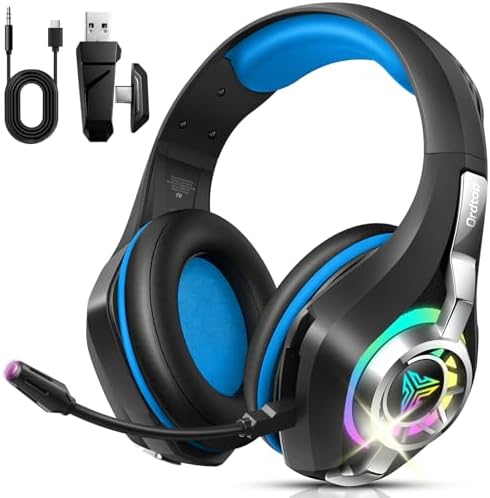
Brands like Secretlab and TechniSport design chairs specifically for gamers, with adjustable armrests, lumbar support, and reclining features that promote good posture. Pairing your new monitor with a comfortable chair and a great headset creates a complete sensory experience that elevates your gaming from a simple hobby to a fully immersive escape.

Frequently Asked Questions About PS5 Monitors

Let’s tackle some of the most common questions gamers have when choosing a display for their PlayStation 5.

Which monitor is best for PS5 gaming?

The “best” monitor depends on your priorities and budget. For the most seamless, integrated experience, the Sony INZONE M9 is fantastic. If you want the absolute best picture quality possible and budget is no object, an OLED monitor like the ASUS ROG Swift OLED PG32UCDM is unbeatable. For the best overall value, the Gigabyte M32U offers premium features at a much more accessible price point.

Is 144Hz better than 120Hz for PS5?

While a 144Hz monitor is technically faster, the PlayStation 5’s maximum output is capped at 120Hz. This means that whether you have a 120Hz or a 144Hz monitor, the console will only send a 120fps signal. A 144Hz monitor will work perfectly with the PS5, but you won’t gain any additional performance over a 120Hz model. It’s a great feature for future-proofing if you also play on PC, but it provides no direct benefit for the PS5 itself.

Is a gaming monitor worth it for a PS5?

Absolutely. Compared to a typical TV, a gaming monitor offers two huge advantages: lower input lag and higher refresh rates. The significantly reduced input lag makes games feel far more responsive, which is a massive benefit in any genre. The ability to play games at 120fps on a 120Hz monitor provides a level of smoothness that most TVs simply cannot match.

If you care about performance and responsiveness, a gaming monitor is one of the best investments you can make for your PS5.

Is 240Hz overkill for PS5?

Yes, a 240Hz refresh rate is overkill for the PS5. Since the console’s maximum output is 120Hz, a 240Hz monitor will not provide any additional smoothness or performance benefits for console gameplay. These ultra-high refresh rate monitors are designed for high-end PC gaming where graphics cards can push frame rates well above 200fps. While it will work fine with a PS5 (running at 120Hz), you would be paying a premium for a feature you cannot use.

Final Thoughts: Choosing Your Champion

Your PlayStation 5 is an incredible piece of technology, and it deserves a display that can keep up. Choosing one of the best gaming monitors for PS5 is the most impactful upgrade you can make to your entire setup, unlocking smoother frame rates, sharper resolutions, and more responsive controls.

Remember the key takeaways: prioritize a monitor with HDMI 2.1 to enable 4K resolution at 120Hz. Decide if the perfect blacks of an OLED are worth the premium, or if a high-performance IPS panel like the Gigabyte M32U offers the value you need. No matter which you choose from this list, you’re guaranteed a visual experience that will make you fall in love with your favorite games all over again.

And if you need a flexible solution for gaming on the move, don’t forget about the convenience of a device like The Portable Monitor. It’s a fantastic way to ensure you can get your gaming fix no matter where you are. Now go get that upgrade—your games are waiting!

Top 3 Best Pre Built Gaming PCs Reddit Users Recommend for 2026

Bestseller #1
  • EMPOWER YOUR PASSIONS ELEVATE YOUR GAME – Whether you’re dominating the leaderboard, streaming your gameplay live, or ta…
  • BEYOND FAST – The Intel Core Ultra 7 265F CPU is designed to give you the power boost you need to dominate the latest an…
  • GAME CHANGER – The NVIDIA GeForce RTX 5070 Ti GPU is beyond fast for gamers and creators. Experience lifelike virtual wo…
$1,999.97
Bestseller #2
  • Equipped with i7 Power for Gaming & Work – Runs on a high-performance i7 processor, delivering strong frame rates for 10…
  • Speed and Stability in One – Boot up fast and load games instantly with a 512 GB M.2. Multitask with confidence using 16…
  • ARGB Lighting and Advanced Cooling – Stay cool under pressure with four black ARGB fans and a digital temperature displa…
Bestseller #3
  • AMD Ryzen 7 5700 3.7GHz (4.6GHz Turbo Boost) CPU Processor | 1TB NVMe M.2 SSD – Up to 30x Faster Than Traditional HDD | …
  • NVIDIA GeForce RTX 5060 8GB GDDR7 Graphics Card (Brand may vary) | 32GB DDR4 RAM 3200 Gaming Memory with Heat Spreader |…
  • 802.11 AC | No Bloatware | Graphic output options include 1 x HDMI, and 1 x Display Port Promised, Additional Ports may …
$1,199.99

Top 3 Best Pre Built Gaming PCs Reddit Users Recommend for 2026

Jumping into the world of PC gaming is an absolute blast, but navigating the hardware landscape can be overwhelming. If you’ve spent any time on gaming subreddits, you know the community has strong opinions. Finding the consensus on the best pre-built gaming PCs according to Reddit can feel like searching for a needle in a digital haystack, with endless debates between building your own and buying one off the shelf. But don’t worry, we’ve done the digging for you!

This guide is your ultimate resource, compiling the most common recommendations, trusted brands, and insider advice straight from the forums of Reddit. We’re cutting through the noise to bring you the top-tier rigs that earn the community’s seal of approval. Whether you’re on a tight budget or ready to build a monster 4K machine, you’ll find the perfect starting point right here. Let’s get you gaming!

What to Know

  • Boutique Builders are King: Reddit users consistently favor boutique builders like ORIGIN PC over big-box brands. They praise the use of standard, off-the-shelf parts, better build quality, and superior customer support.
  • Budget Buys Have Trade-offs: While affordable pre-builts are a great entry point, they often cut corners on the power supply, motherboard, or case cooling. These are the most common components users recommend upgrading first.
  • The Build vs. Buy Debate: The community overwhelmingly agrees that building a PC offers the best performance for your money. However, they acknowledge that pre-builts are fantastic for their convenience, warranty, and for those who simply don’t have the time or desire to build.
  • GPU is Your Priority for 1440p/4K: When aiming for high-resolution gaming, the graphics card is the most important investment. Reddit threads emphasize prioritizing a powerful GPU, like an NVIDIA RTX 4070 or higher, for a smooth experience.

Top 3 Pre-Built Gaming PCs Reddit Recommends in 2026

After sifting through countless threads on r/suggestapc, r/pcmasterrace, and r/Prebuilts, a few names consistently rise to the top. These are the rigs that deliver on performance, quality, and overall user satisfaction. Here are the community’s top picks!

1. ORIGIN PC NEURON: The Enthusiast’s Choice

When gamers with a healthy budget ask for the best of the best, ORIGIN PC is almost always the first name mentioned. It’s not just a computer; it’s a custom-tailored experience. Reddit users praise ORIGIN PC for its meticulous build quality, exceptional cable management, and the use of high-end, non-proprietary components from brands you know and trust.

What truly sets them apart is the level of customization and their US-based lifetime support. You can configure nearly every aspect of your build, ensuring you get exactly what you pay for without any mystery components. While it comes at a premium price, the consensus is that you’re paying for peace of mind, quality craftsmanship, and a machine built to last.

Pros

  • Unmatched Customization: You pick the parts, from the motherboard to the custom cooling loops.
  • Premium Components: No cheaping out on the power supply or motherboard; you get top-tier parts.
  • Excellent US-Based Support: Lifetime labor warranty and knowledgeable support are frequently highlighted in user reviews.
Cons

  • Premium Price Tag: This level of quality and service comes at a higher cost than mainstream brands.
  • Longer Lead Times: Custom builds can take longer to assemble and ship compared to off-the-shelf options.

2. Skytech Chronos: The Mid-Range Powerhouse

For gamers who want fantastic performance without venturing into the four-figure enthusiast territory, the Skytech Chronos is a recurring favorite. It hits the sweet spot for 1440p gaming, often featuring well-balanced CPU and GPU combinations like an AMD Ryzen 5/7 paired with an NVIDIA RTX 4060 or 4070.

Reddit users appreciate that Skytech, much like ORIGIN PC, uses standard off-the-shelf parts. This makes future upgrades a breeze. You won’t have to worry about proprietary connectors or oddly shaped motherboards. The builds are clean, the performance is solid, and the price is right for the components you get, making it one of the most recommended best prebuilt gaming rigs for the average player.

Pros

  • Great Price-to-Performance: Offers a powerful gaming experience without a massive investment.
  • Uses Standard Parts: Easy to upgrade RAM, storage, or even the GPU down the line.
  • Good Component Selection: Typically features a balanced selection of parts that work well together.

Cons

  • Build Quality Can Vary: While generally good, some users report minor issues like loose cables upon arrival.
  • Customer Support Can Be Hit-or-Miss: Not as universally praised as boutique builders like ORIGIN PC.

3. CyberPowerPC Gamer Xtreme VR: The Budget-Friendly Gateway

If you’re looking to get into PC gaming on a budget, CyberPowerPC is a name you’ll see everywhere. The Gamer Xtreme VR series, in particular, is often cited as one of the best entry points. It provides enough power for solid 1080p gaming in modern titles and is often available at major retailers, making it easily accessible.

The key to buying a CyberPowerPC, according to Reddit, is to pay close attention to the component list. They offer a wide range of configurations, and some are better than others. Users recommend looking for models with a decent power supply (at least a Bronze-rated unit) and ensuring the core components meet your needs. It’s a fantastic starting point that you can upgrade over time as your budget allows.

Pros

  • Excellent Entry-Level Value: One of the most affordable ways to start PC gaming.
  • Widely Available: You can find these PCs at stores like Best Buy and on Amazon.
  • Highly Upgradable: Uses standard components, making it a great platform to build upon.

Cons

  • Component Roulette: The exact brand of your RAM, SSD, or PSU can be a mystery until it arrives.
  • Known for Weaker PSUs: The power supply is the most commonly criticized component and often the first recommended upgrade.

Diving Deeper: What Reddit Says About Different Budgets

Finding the right PC is all about matching your budget to your performance goals. Reddit threads are filled with discussions on what you can realistically expect at different price points.

Best Budget-Friendly Pre-Built Gaming Rigs (Under $1200)

In the sub-$1200 category, the name of the game is smart compromises. You won’t be playing every new release on ultra settings at 4K, but you can absolutely get a fantastic 1080p gaming experience. At this price, you’re typically looking at CPUs like the Intel Core i5 or AMD Ryzen 5 and GPUs like the NVIDIA RTX 3060/4060. These are workhorse components that deliver excellent performance for their cost.
The biggest piece of advice from the community is to scrutinize the parts that aren’t the CPU or GPU. Pre-built manufacturers often save money on the motherboard, power supply unit (PSU), and RAM. Look for systems with at least 16GB of dual-channel RAM and a PSU from a reputable brand with an 80+ Bronze rating or higher. A cheap, unreliable PSU can be a point of failure that could potentially damage other components, so it’s a critical area not to overlook.

High-End Pre-Built Gaming PCs for Ultimate Performance (Over $2500)

Once you cross the $2500 threshold, you enter the enthusiast tier. This is where you expect zero compromises and top-of-the-line performance. These machines are built for high-refresh-rate 1440p and smooth 4K gaming. Here, you’ll find powerful CPUs like the Intel Core i9 or AMD Ryzen 9 paired with beastly GPUs like the NVIDIA RTX 4080 or 4090.

At this level, Reddit users steer clear of mainstream brands and point exclusively to boutique builders like ORIGIN PC, Maingear, or Falcon Northwest. The reasoning is simple: when you’re spending this much, you want assurance that every single component is high-quality. These builders offer premium motherboards, high-wattage Gold or Platinum-rated PSUs, and advanced cooling solutions like AIO liquid coolers or even full custom loops. The extra cost is justified by the superior build quality, expert cable management, and robust customer support that ensures your investment is protected.

The Great Brand Debate: Dell, HP vs. Boutique Builders

One of the most heated discussions you’ll find in any gaming PC recommendations reddit thread is the battle between major manufacturers like Dell (Alienware) and HP (Omen) versus specialized boutique builders. Both have their place, but the community has a clear preference.

Dell and HP offer the convenience of brand recognition, frequent sales, and accessible financing options. However, they are heavily criticized for using proprietary parts. This means the motherboard, power supply, and even the case may use non-standard sizes and connectors. This practice makes future upgrades incredibly difficult, sometimes impossible, effectively locking you into their ecosystem.

Furthermore, users often complain about poor thermal performance due to restrictive case designs and inadequate cooling.

Boutique builders, on the other hand, operate like a professional friend building a PC for you. They use the same off-the-shelf components you’d buy yourself, ensuring full compatibility and easy upgradability. While their upfront cost might be higher, you’re paying for better airflow, higher-quality core components, and the freedom to swap parts as you see fit. This long-term value is why they are the top choice for knowledgeable enthusiasts.

Feature Dell/HP (Alienware/Omen) Boutique Builders (ORIGIN PC, etc.)
Components Often proprietary, hard to upgrade Standard, off-the-shelf parts
Upgradability Very limited Excellent
Thermals/Airflow Often criticized for being poor Generally excellent, designed for performance
Customer Support Standard corporate support Specialized, often US-based support
Price Can be cheaper during sales Higher upfront cost, better long-term value

Real Talk: User Reviews and Testimonials from the Trenches

Beyond specs and brand names, the real story of a pre-built PC is told through user experiences. Reddit is a treasure trove of these firsthand accounts, both good and bad. A common positive theme is the sheer convenience. For many, especially those with busy lives or little interest in the building process, receiving a machine that’s ready to go out of the box is a massive win.

They plug it in, install their games, and are playing within minutes.

However, negative experiences are just as common and serve as cautionary tales. The most frequent complaint involves parts that have come loose during shipping, leading to a PC that won’t boot on arrival. This is why the first piece of advice is always to open the case and check that the RAM, GPU, and all cables are securely seated. Another major gripe is the discovery of a low-quality “ticking time bomb” power supply in an otherwise decent build.

This reinforces the community’s advice to always check the PSU model in any pre-built you’re considering.

As one user on r/suggestapc put it, “My pre-built was great for two years until the cheap PSU died and I had to replace it. Wish I’d known to check that from the start.” These stories highlight the importance of doing your homework and understanding where manufacturers might cut corners.

Unlocking Next-Gen Visuals: Best Gaming PCs for 1440p and 4K

Choosing a PC for a specific resolution is all about the graphics card. The GPU does the heavy lifting when it comes to rendering beautiful, high-resolution images, and it’s where a significant portion of your budget should go.

For 1440p gaming, often called the “sweet spot” by the community, you want a GPU that can handle modern titles at high settings while maintaining a smooth 60+ frames per second. The NVIDIA RTX 4060 Ti and RTX 4070 are fantastic options here, offering a great blend of performance and price. Paired with a modern CPU like an Intel Core i5-13600K or AMD Ryzen 7 7700X, you’ll have a machine that crushes 1440p gaming.

When you make the leap to 4K, the demands on your hardware increase exponentially. For a no-compromise 4K experience, you need to look at the top of the GPU hierarchy: the NVIDIA RTX 4080 Super or the undisputed king, the RTX 4090. These cards are incredibly powerful and are designed to push the pixels needed for smooth 4K gameplay. To avoid bottlenecking such a powerful GPU, you’ll need an equally powerful CPU, like a Core i7/i9 or Ryzen 7/9.

A high-end rig like this deserves a full setup to match, and for gamers who multitask or have a mobile setup, adding a second screen like The Portable Monitor can be a fantastic productivity and gaming boost.

Pro Tip: Don’t forget your monitor’s refresh rate! A PC that can push 144 FPS is wasted on a 60Hz monitor. Ensure your display can keep up with your rig’s performance, aiming for 144Hz or higher for a truly fluid gaming experience.

Pre-Built vs. Custom Build: The Eternal Reddit Argument

No discussion about top gaming PCs on Reddit would be complete without addressing the age-old debate: should you buy a pre-built or build your own? The overwhelming sentiment on Reddit is that building your own PC provides the best possible value. By sourcing the parts yourself, you control every aspect of the build, ensuring quality and getting the most performance for your dollar. It’s also seen as a rewarding, educational experience.

However, the community is not blind to the very real benefits of pre-builts. The number one reason people choose pre-built is convenience. The time and stress saved by not having to research every component, check for compatibility, and assemble the machine is a huge factor for many. In a world of GPU shortages and scalpers, sometimes buying a pre-built is the only reliable way to get a specific graphics card at a reasonable price.

Another massive advantage of pre-builts is the single point of contact for warranty and support. If something goes wrong with a custom build, you have to diagnose the faulty component and deal with that specific manufacturer’s RMA process. With a pre-built, you make one call, and the system integrator handles everything. For those who aren’t comfortable troubleshooting hardware, this peace of mind is invaluable.

Future-Proofing Your Rig: A Guide to Upgrading Pre-Builts

One of the best things about PC gaming is the ability to upgrade your machine over time. If you plan to go this route with a pre-built, there are a few key things to consider before you even make a purchase. The most important factor is ensuring the system uses standard, non-proprietary parts. This is why boutique builders are so highly recommended; their use of off-the-shelf components guarantees an easy upgrade path.

Here are the most common upgrade paths for a pre-built PC:

  1. RAM: This is often the easiest and cheapest upgrade. If your system came with only 8GB or slow single-channel RAM, upgrading to a 16GB or 32GB dual-channel kit can provide a noticeable performance boost in games and multitasking.
  2. Storage: Many budget pre-builts come with a small SSD for the operating system and a larger, slower hard drive for games. Adding a larger, faster NVMe SSD is a simple upgrade that will dramatically reduce game load times.
  3. GPU: The graphics card is the heart of a gaming PC. Swapping it out for a newer, more powerful model is the single best way to improve your gaming performance. Just make sure your power supply can handle the new card’s power requirements and that the card will physically fit in your case.
  4. Power Supply (PSU): As mentioned, this is often a weak point in budget pre-builts. Upgrading to a higher-quality, higher-wattage PSU from a trusted brand like Seasonic, Corsair, or EVGA is a smart move, especially before a major GPU upgrade.

Going Live: Top Gaming PC Recommendations Reddit Gives Streamers

Streaming adds another layer of demand on your PC. It’s not just running a game anymore; your computer is also encoding video in real-time and sending it to platforms like Twitch or YouTube. This is a very CPU-intensive task, which is why gaming PC recommendations from Reddit for streamers always emphasize a powerful processor.

For a smooth streaming experience, you’ll want a CPU with a high core and thread count. Modern Intel Core i7/i9 or AMD Ryzen 7/9 processors are ideal. These chips have enough power to handle both gaming and encoding without dropping frames or causing in-game stuttering. Alongside a powerful CPU, 32GB of RAM is highly recommended to handle the game, streaming software, and any other applications you have running simultaneously.

Of course, a professional-looking stream also requires high-quality peripherals. A crystal-clear microphone is non-negotiable, and great audio is just as important. For immersive sound that won’t get picked up by your mic, a quality headset or a set of in-ear monitors like those from BASN Audio can make a huge difference. And since you’ll be sitting for long hours, investing in an ergonomic gaming chair from a brand like Secretlab or TechniSport is crucial for your comfort and health.

Buyer Beware: Common Issues with Pre-Builts and How to Fix Them

While pre-builts offer incredible convenience, they aren’t without potential pitfalls. Being aware of the common issues can save you a lot of headaches when your new rig arrives.

  1. Loose Connections: This is the most common issue by far. The journey from the warehouse to your doorstep can be bumpy. Always open the side panel and check that the GPU, RAM sticks, and all power cables are firmly seated in their slots before you first boot up.
  2. Poor Airflow and High Temps: Some pre-built cases prioritize aesthetics over function, leading to poor airflow and high component temperatures. If you notice your CPU or GPU running hot, consider adding more case fans or ensuring the existing ones are configured correctly (intake vs. exhaust).
  3. Bloatware: Mainstream brands are notorious for pre-installing unnecessary software that can slow down your system. One of the first things you should do is go through your installed programs and uninstall any bloatware you don’t need.
  4. Incorrect BIOS/XMP Settings: Sometimes, pre-builts ship with the RAM running at its default slow speed, not its advertised faster speed. You’ll need to go into the BIOS and enable the XMP (for Intel) or DOCP/EXPO (for AMD) profile to unlock its full performance. It’s a simple one-click setting that can give you a free performance boost.

FAQ: Your Pre-Built PC Questions Answered

Are pre-built PCs really that bad?

Not at all! While they get a bad rap from some hardcore builders, pre-built PCs have improved dramatically in quality over the years. Companies like ORIGIN PC and Skytech offer excellent machines with quality parts. The key is to do your research, avoid brands known for proprietary components, and understand the potential trade-offs, especially in budget-tier systems.

Which pre-built PC company has the best customer service?

Based on overwhelming Reddit sentiment, boutique builders like ORIGIN PC and Maingear are consistently praised for having the best customer service. They typically offer US-based support with knowledgeable technicians and often provide lifetime labor warranties. This level of support is a major reason why enthusiasts are willing to pay a premium for their systems.

How much should I spend on a pre-built gaming PC?

This depends entirely on your goals. For solid 1080p gaming, a budget of $800-$1200 is a great starting point. For high-refresh-rate 1440p gaming, you should look to spend between $1500 and $2200. If you’re aiming for a no-compromise 4K gaming experience, be prepared to invest $2500 or more for a top-tier machine.

Is it cheaper to build your own PC in 2026?

Generally, yes. Building your own PC almost always offers more performance for your money because you aren’t paying for labor and assembly costs. You also have complete control over every component. However, during times of component shortages or price spikes, system integrators can sometimes offer better value on a complete system, especially for high-demand GPUs.

Final Thoughts: Finding Your Perfect Pre-Built PC

Navigating the world of pre-built gaming PCs doesn’t have to be a daunting task. By leveraging the collective wisdom of the Reddit community, you can make an informed decision and find a machine that perfectly fits your needs and budget. The consensus is clear: prioritize systems with standard, upgradable parts, and don’t be afraid to invest a little more in a brand known for quality and support.

Whether you’re taking your first step into PC gaming with a budget-friendly rig or building your dream setup with a high-end custom machine, the perfect pre-built is out there. For those who want a premium, no-compromise experience with unparalleled support, a configurable system from a builder like ORIGIN PC is an investment that will pay dividends in performance and peace of mind for years to come. Happy gaming!

Why Do People Collect Watches? A Guide to the Passion & Prestige

Why Do People Collect Watches? A Guide to the Passion & Prestige

In a world where your phone tells you the time, date, and weather with a single glance, the idea of wearing a mechanical object on your wrist can seem almost quaint. Yet, the passion for watch collecting is stronger than ever. So, why do people collect watches. It’s a question that goes far beyond simple time-telling.

It’s about appreciating a blend of micro-engineering, artistry, history, and personal expression all ticking away in a tiny, wearable machine.

For many, the motivation for watch collecting is a deeply personal journey. It might start with a graduation gift, an inherited timepiece from a grandparent, or the simple admiration of a beautifully crafted object. This hobby is a celebration of human ingenuity, a tangible connection to the past, and for some, a savvy financial investment. It’s a rabbit hole of discovery, and once you fall in, you’ll find a vibrant world waiting for you.

In a Nutshell

  • Art & Engineering: Collectors are fascinated by the intricate craftsmanship and hundreds of tiny, moving parts working in harmony inside a mechanical watch.
  • Investment & Value: Certain rare, vintage, or luxury watches from iconic brands can hold or even increase their value over time, making them tangible assets.
  • Personal Story & Expression: A watch collection is a form of self-expression, reflecting a person’s style, milestones, and passions. Each piece often has a story.
  • Community & Connection: Watch collecting connects people from all walks of life through a shared passion, fostered in online forums, social media, and local meetups.
  • The Thrill of the Hunt: A major part of the watch collecting motivation is the search for a specific or rare model, which provides a deep sense of accomplishment when found.

A Timeless Tradition: The History of Watch Collecting

Watch collecting isn’t a new phenomenon; it’s a hobby with roots stretching back centuries. Before wristwatches became common, the elite carried ornate pocket watches. These weren’t just timekeepers; they were symbols of wealth and status, often crafted from precious metals and featuring intricate engravings and complications. Kings, queens, and aristocrats were the original collectors, commissioning unique pieces from master watchmakers.

The transition from pocket to wrist began in the late 19th century but truly took off during World War I. Soldiers needed a practical way to check the time without fumbling for a pocket watch, and the “trench watch” was born. This shift democratized watch ownership and laid the groundwork for the modern hobby. After the war, brands began marketing wristwatches to the public, and the golden age of Swiss watchmaking began.

In the latter half of the 20th century, the hobby evolved again. The “Quartz Crisis” of the 1970s and 80s, which saw inexpensive battery-powered watches flood the market, nearly wiped out the traditional mechanical watch industry. However, it also created a new appreciation for the artistry and soul of mechanical timepieces. This resurgence cemented the idea of watches not just as tools, but as collectible works of art, a tradition that continues to thrive today.

The Great Debate: Vintage Charm vs. Modern Marvels

One of the first crossroads a new collector encounters is the choice between vintage and modern watches. There’s no right answer, as both offer unique appeals and drawbacks. The decision often comes down to personal taste, risk tolerance, and what you’re looking for in a timepiece. It’s a classic head-versus-heart debate that every enthusiast loves to have.

Vintage watches, typically those over 20-30 years old, are all about story and character. They carry the marks of a life lived—a faded bezel, a creamy patina on the hour markers, or a gently worn case. These pieces connect you to a different era and possess a warmth that modern watches often can’t replicate. Owning a vintage watch is like owning a small piece of history, but it comes with challenges like potential fragility, costly repairs, and the risk of non-original parts.

Modern watches, on the other hand, represent the pinnacle of horological technology. They are built with advanced materials like ceramic and titanium, boast superior water resistance, and offer incredible accuracy and reliability. A new watch comes with a manufacturer’s warranty and the peace of mind that it will perform flawlessly for years. While they may lack the unique patina of a vintage piece, they offer a clean, crisp aesthetic and the latest innovations in watchmaking.

The Collector’s Mindset: Unpacking the Psychology of Watch Collecting

Why collect watches when a smartphone is more accurate? The answer lies deep in human psychology. Collecting is a fundamental human instinct, and watches tap into several powerful psychological drivers that make the hobby so compelling and, at times, addictive. It’s about much more than just telling time; it’s about satisfying innate desires for order, discovery, and accomplishment.

One of the biggest factors is the “thrill of the hunt.” The process of researching a specific model, tracking it down, and finally acquiring it releases dopamine in the brain, creating a powerful feeling of reward and satisfaction. This pursuit provides a sense of purpose and challenge. As one collector on a Reddit discussion put it, the goal isn’t just owning, but the entire journey of acquisition.

Furthermore, curating a collection brings a sense of order and control to a chaotic world. Arranging, cleaning, and learning about one’s watches can be a meditative and calming activity. There’s also a strong element of nostalgia. A watch might remind someone of their father, a specific life achievement, or a historical event like the moon landing (famously associated with the Omega Speedmaster).

These emotional connections transform a simple object into a cherished personal artifact.

More Than Just Time: Watches as an Investment and Status Symbol

While many collectors are driven by pure passion, there’s no denying the financial and social dimensions of the hobby. For decades, certain timepieces have served as powerful status symbols in society, and more recently, they’ve emerged as a legitimate alternative asset class for investors. This dual role adds another layer of complexity and appeal to watch collecting.

As a status symbol, a luxury watch can be a subtle but potent signal of success, taste, and an appreciation for quality. In professional and social settings, a well-chosen watch can communicate a lot about a person’s attention to detail and values without saying a word. Brands like Rolex, Patek Philippe, and Audemars Piguet are universally recognized as markers of achievement, much like a fine suit or a luxury car.

From an investment perspective, the watch market has seen remarkable growth. Unlike most consumer goods that depreciate, select models from top-tier brands have historically appreciated in value, sometimes outperforming traditional investments like stocks and real estate. This is driven by factors like brand prestige, limited production numbers, historical significance, and high demand. While not every watch is a good investment, the potential for financial return is a significant part of the watch collecting motivation for a growing number of people.

The Icons of Horology: Brands That Captivate Collectors

In the world of watch collecting, brand matters—a lot. Certain names have built legendary reputations over decades, or even centuries, through innovation, craftsmanship, and timeless design. For collectors, these brands represent different philosophies, histories, and aesthetics, and aligning with a particular brand is often a key part of the journey.

The undisputed titans of the industry are often called the “Holy Trinity” of Swiss watchmaking: Patek Philippe, Audemars Piguet, and Vacheron Constantin. These brands are known for their exquisite finishing, complex movements, and astronomical prices. They represent the absolute peak of horological art and are the holy grails for many high-end collectors.

Just below this tier are powerhouse luxury brands like Rolex and Omega. Rolex is synonymous with durability, prestige, and holding value, making it arguably the most recognized watch brand in the world. Omega boasts a rich history of its own, from being the official timekeeper of the Olympics to its legendary status as the first watch on the moon. Other popular brands among collectors include Jaeger-LeCoultre, known as the “watchmaker’s watchmaker” for their incredible movements, and Cartier, which excels in iconic design.

Pro Tip: Don’t overlook independent brands! While the big names dominate, incredible watchmaking is happening at smaller, independent houses like F.P. Journe, H. Moser & Cie., and Czapek. These brands often offer unique designs and a more personal connection to the watchmaker.

Going Once, Going Twice: The Thrilling World of Watch Auctions

The high-stakes world of watch auctions is where records are broken, legends are made, and the market’s temperature is taken. Major auction houses like Phillips, Christie’s, and Sotheby’s play a crucial role in the collecting ecosystem. Their curated sales showcase the rarest and most sought-after timepieces in the world, from historically significant one-of-a-kind pieces to pristine examples of iconic models.

For collectors, auctions are more than just a place to buy watches; they are major events that shape trends and establish market values. When a watch like Paul Newman’s personal Rolex Daytona sells for a record-breaking $17.8 million, it sends ripples throughout the entire vintage market, affecting the prices and desirability of similar models. Following these auctions is an education in itself, offering insights into what makes a watch truly valuable.

The atmosphere at a live auction is electric. It’s a combination of high finance, passionate collecting, and pure theater. The excitement of the bidding process, whether in person, over the phone, or online, is a thrilling experience. While headline-grabbing sales get all the attention, auctions also offer a wide range of pieces at various price points, making them accessible to more than just billionaire collectors.

Your Journey Begins: How to Start a Watch Collection Today

Starting a watch collection can feel intimidating, but it doesn’t have to be. The most important rule is to buy what you love. A collection built on passion will always bring you more joy than one built on hype or investment potential alone. Here are a few practical steps to get you started on this incredible journey.

First, do your research and define your focus. Are you drawn to dive watches, pilot’s watches, or elegant dress watches. Do you prefer the history of vintage or the reliability of modern. Spend time on blogs, forums, and YouTube to learn the basics.

Set a realistic budget for your first purchase. You don’t need to spend a fortune to get a fantastic watch.

For your first piece, consider something versatile that you can wear in many different situations. A classic stainless steel sports watch or a simple field watch is often a great starting point. As you learn more, your tastes will evolve, and your collection can grow in a direction that reflects your personal style. Remember, a collection can be two watches or two hundred; the number isn’t what matters.

Many new collectors look for brands that offer exceptional quality and design without the massive price tags of the big luxury names. Brands that focus on robust builds and reliable Swiss movements can be an excellent entry point. For example, a brand like LIV Swiss Watches provides durable, micro-engineered timepieces that give you the Swiss-made experience and a bold aesthetic, making it a fantastic way to kickstart a modern collection. Check current price on Amazon.

Keeping the Heart Ticking: Essential Maintenance and Care

Collecting watches also means becoming a custodian of these intricate machines. Proper maintenance and care are essential to ensure your timepieces run accurately and retain their value for generations to come. Neglecting this aspect can lead to costly repairs and irreversible damage, turning a prized possession into a frustrating problem.

For mechanical watches, the most important aspect of care is regular servicing. A mechanical movement has hundreds of tiny parts that require lubrication to function correctly. Over time, these oils break down. Most manufacturers recommend a full service every 3 to 7 years, depending on the model.

During a service, a watchmaker will completely disassemble the movement, clean every part, replace worn components, re-lubricate, and reassemble it.

Beyond professional servicing, there are daily habits that can protect your collection. Keep your watches away from strong magnetic fields (like those from speakers or tablets), as they can magnetize the movement and affect its accuracy. Avoid winding the watch or changing the date late at night for certain movements, as this can damage the date-changing mechanism. Finally, always ensure the crown is screwed down on a water-resistant watch before exposing it to moisture.

Finding Your Tribe: The Vibrant Community and Culture of Watch Collectors

One of the most rewarding reasons for watch collecting is the sense of community. This hobby connects a diverse group of people who are all united by a shared passion for horology. Whether you’re a seasoned expert or a complete beginner, you’ll find a welcoming community eager to share knowledge, show off their latest acquisitions, and talk about all things watches.

In the digital age, this community primarily lives online. Websites like HODINKEE and Fratello Watches provide news and in-depth reviews, while forums on platforms like Reddit (r/Watches) and WatchUSeek are bustling with daily discussions, questions, and debates. Instagram is another major hub, where collectors share photos of their watches with creative flair, connecting through hashtags like #watchfam.

But the community isn’t just online. In cities around the world, groups like the RedBar Crew organize regular in-person meetups. These gatherings are a chance for collectors to meet face-to-face, handle watches they’ve only seen in pictures, and build genuine friendships. This social aspect transforms a solitary hobby into a shared experience, enriching the journey for everyone involved.

Pro Tip: When you attend a watch meetup, always ask before handling someone else’s watch. It’s a common courtesy that shows respect for the owner and their prized possession. And don’t be afraid to bring your own watches, no matter how modest you think they are—enthusiasts appreciate passion at every level.

Frequently Asked Questions (FAQ)

What is the psychology of watch collectors?

The psychology of watch collectors is multifaceted. It often involves the “thrill of the hunt,” which provides a sense of accomplishment. Many collectors are also driven by a desire for order and categorization, finding comfort in curating and organizing their pieces. There’s a strong element of nostalgia and emotional connection, as watches can mark significant life events or be passed down through generations.

Finally, it taps into an appreciation for craftsmanship, history, and the tangible quality of a mechanical object in a digital world.

Is it worth collecting watches?

Whether collecting watches is “worth it” depends on your goals. From a purely financial standpoint, it can be. Certain models from brands like Rolex, Patek Philippe, and Audemars Piguet have historically proven to be excellent investments that appreciate in value. However, the market can be volatile, and not all watches will increase in value.

From a personal enjoyment perspective, if you have a passion for the art, engineering, and history of timepieces, it is an incredibly rewarding and intellectually stimulating hobby that is absolutely worth it.

What is a person who collects watches called?

A person who collects watches is most commonly called a “watch collector” or a “watch enthusiast.” A more technical term is “horologist,” but this term typically refers to someone who studies the science of timekeeping (horology) or a professional watchmaker. While a collector is certainly a student of horology, the term “collector” is more widely used and understood within the community.

How many watches should you have in a collection?

There is no magic number for the perfect collection size. Some collectors adhere to a “three-watch collection” philosophy—a dress watch, a sports watch, and a daily wearer—that covers all occasions. Others may have dozens or even hundreds of pieces, focusing on a specific brand, era, or type of watch. The right number is whatever brings you joy and doesn’t cause financial strain.

The goal is a curated collection that you love, not just a large accumulation of watches.

What does a watch tell about a person?

A watch can say a lot about a person’s personality, priorities, and style. A rugged dive watch might suggest an adventurous spirit, while an elegant, minimalist dress watch can signal sophistication and an appreciation for classic design. Choosing a vintage piece might indicate a love for history and character. Ultimately, a watch is a form of self-expression and shows an attention to detail and an appreciation for things that are built to last.

Final Thoughts

The reasons for watch collecting are as varied and intricate as the timepieces themselves. It’s a hobby that beautifully merges the left brain’s appreciation for precision engineering with the right brain’s love for art, design, and storytelling. It’s a connection to history, a potential financial asset, a form of personal expression, and a ticket into a global community of passionate individuals.

Whether you’re captivated by the silent, sweeping seconds hand of a mechanical movement, the history behind a vintage military piece, or the bold design of a modern sports watch, the journey of collecting is deeply personal and endlessly fascinating. It’s a reminder that in our fast-paced digital age, there is still immense value and joy to be found in a beautifully crafted object designed to do one thing perfectly: measure the passing of our most precious resource, time.

If you’re feeling the pull to start your own journey, remember to lead with passion, do your research, and most importantly, have fun with it. Your perfect first watch is out there waiting for you.

Fitness Gear Squat Rack Buying Guide: How to Choose for Your Home Gym

Bestseller #1
  • INDEPENDENT DUAL PULLEY SYSTEM: The power cage features an innovative independent dual pulley system with a 1:1 weight r…
  • 10-IN-1 HOME GYM: This versatile fitness solution integrates ten essential functions: squat rack, cable crossover, lat p…
  • SPACE-SAVING EFFICIENCY: Designed for optimal space utilization, the innovative frame resembles a half rack, requiring n…
Bestseller #2
  • Independent Dual Pulley System: Power cage with pulley system features dual independent 1:1 ratio pulleys on each side. …
  • 10-in-1 Power Rack: This squat rack for home gym combines 10 workout stations, including bench press rack, cable crossov…
  • Space-Saving Rack Design: Compact power rack with pulley system reduces floor space by nearly two-thirds vs traditional …
Bestseller #3
  • 【Upgraded Home Smith Machine】The smith machine is made of high-quality commercial-grade steel, featuring precise laser c…
  • 【All-In-One Smith Machine】OPPSDECOR pro smith machine can meet all your needs in home gym. It is combined with power cag…
  • 【Precision and Durable Pulley System】The pulley system features precision bearing pulleys and reliable cables, ensuring …

Fitness Gear Squat Rack Buying Guide: How to Choose for Your Home Gym

Building a home gym is one of the most exciting investments you can make in your health, and the absolute centerpiece of any serious setup is the right piece of fitness gear: a squat rack. This isn’t just a frame for holding a barbell; it’s the command center for building strength, muscle, and confidence. A quality squat rack unlocks a universe of exercises, from heavy squats and bench presses to pull-ups and rack pulls, all within the safety and convenience of your own space. It’s the single best purchase to elevate your training from casual to committed!

Choosing the right one can feel overwhelming with all the options out there. You’ve got power racks, half racks, squat stands, and a dozen different features to consider. But don’t worry, we’re going to break it all down. This guide will walk you through everything you need to know to select the perfect squat rack equipment that fits your space, budget, and fitness ambitions.

Let’s build something awesome.

What You’ll Learn

  • The Main Types of Racks: Understand the critical differences between power racks, half racks, and squat stands to see which one matches your training style and space.
  • Key Features to Look For: Learn what steel gauge, hole spacing, and weight capacity actually mean for your rack’s stability, safety, and long-term value.
  • Must-Have Accessories: Discover the essential attachments and add-ons that transform a basic rack into a complete, all-in-one home gym solution.
  • Safety is Paramount: Get actionable tips on how to set up and use your gym squat rack safely to prevent injury and lift with total confidence.
  • Budgeting for Your Build: Find out what you can expect to get for your money at different price points, from entry-level stands to pro-grade power cages.

Types of Squat Racks: What You Need to Know

Before you can pick the perfect rack, you need to know what your options are. The term “squat rack” covers a few different designs, each with its own set of pros and cons. Choosing the right type is the most important first step!

Power Racks (Full Cages)

This is the king of home gym safety and versatility. A power rack, or full cage, consists of four vertical posts connected by crossmembers, creating a cage-like structure you stand inside to lift. Its biggest advantage is safety. The four-post design allows you to set two horizontal safety bars (pins or straps) that will catch the barbell if you fail a lift, meaning you can push yourself to the limit without needing a human spotter.

It’s incredible peace of mind.

Power racks are also the most stable option, often supporting 1,000 lbs or more. They typically come with a built-in pull-up bar and have the most compatibility with attachments like dip stations, landmine posts, and lat pulldown systems. The only real downside is their footprint; they take up the most floor space and require a higher ceiling clearance, usually 8 feet or more.

Half Racks

A half rack is a fantastic compromise between a full power rack and a simple squat stand. It features two vertical posts connected to a stable base, with two shorter posts in the back often used for plate storage. You lift in front of the rack, not inside it. Safety is provided by adjustable spotter arms that extend forward from the main uprights.

This design offers a more open feel, which some lifters prefer, and it takes up less floor space than a full cage. Many high-quality half racks are just as stable as power racks and can handle immense weight. They are an excellent choice for lifters who want robust safety features without dedicating a massive area to their gym squat rack. The primary trade-off is that the safety spotter arms, while very effective, don’t offer the same fully enclosed protection as a power cage.

Fitness Squat Stands

Squat stands are the most basic and space-efficient option. They consist of two independent, adjustable uprights that hold the barbell. Some models have a connecting bar at the base for added stability, while others are completely separate. Their main appeal is their small footprint and lower cost, making them ideal for apartments or garages with limited space.

However, this compact design comes with significant trade-offs. Most squat stands lack robust safety features like spotter arms, making them riskier for heavy squats or bench presses performed alone. They are also less stable and have a lower weight capacity than half or full racks. A fitness squat stand is a great starting point, but most serious lifters will outgrow it quickly as they get stronger.

The Incredible Benefits of Using a Squat Rack

Investing in a squat rack is about so much more than just having a place to do squats. It’s about fundamentally changing the way you train for the better. The benefits are massive and will pay dividends in your fitness journey for years to come.

First and foremost is unmatched safety. The ability to set safety pins or spotter arms at the correct height is a true game-changer. It means you can confidently push for that extra rep on a heavy bench press or squat without the fear of getting pinned under the bar. This safety net encourages you to train harder and pursue progressive overload, which is the key to building strength and muscle, without needing a workout partner for every session.

Second is mind-blowing versatility. A good gym squat rack is a multi-purpose station. You can perform the foundational strength movements: squats, bench presses, and overhead presses. Most racks also include a pull-up bar, opening the door to bodyweight exercises like pull-ups and chin-ups.

Add an adjustable bench, and you can do incline presses, seated shoulder presses, and dozens of other movements. It consolidates so much exercise potential into one piece of equipment.

Finally, it enables consistent progressive overload. To get stronger, you have to consistently lift more weight or do more reps over time. A squat rack provides the stable, secure environment needed to do this effectively. You’re not limited by what you can clean and press over your head.

You can simply load the bar, get under it, and lift. This direct path to adding weight to the bar is the fastest way to see real, measurable progress in your strength and physique.

How to Choose the Right Squat Rack for Your Home Gym

Alright, you know the types and the benefits. Now for the fun part: picking your own! Choosing the right fitness gear squat rack comes down to a few key factors. Getting these right will ensure you buy a rack you love and that will last a lifetime.

Measure Your Space (Twice!)

This is the most important, non-negotiable step. Before you even look at a single rack, grab a tape measure. You need three key measurements:

  • Ceiling Height: Most racks are between 84 inches (7 feet) and 96 inches (8 feet) tall. You need enough clearance not only for the rack itself but also to perform pull-ups without hitting your head.

A minimum of 8.5 to 9-foot ceilings is ideal for most racks. * Floor Width & Depth: Check the rack’s footprint dimensions. A typical power rack is about 4 feet wide by 4 feet deep. Remember to add extra space around it—at least 2-3 feet on each side and in front—for loading plates and moving around safely.

  • Barbell Space: A standard Olympic barbell is 7 feet long. You need to make sure you have enough width to rack and un-rack the bar without hitting a wall.

Steel Quality: Gauge and Tubing Size

The backbone of any good squat rack is its steel. Two numbers tell you almost everything you need to know: the gauge and the tubing size. Steel gauge refers to its thickness; a lower number means thicker, stronger steel. For a home gym, look for 11-gauge or 12-gauge steel.

Anything higher (like 14-gauge) is generally too thin for serious lifting.

Tubing size refers to the dimensions of the vertical uprights. The most common sizes are 2×2″, 2×3″, and 3×3″. While 2×2″ is fine for beginners, 2×3″ or 3×3″ uprights offer far superior stability and a higher weight capacity. The 3×3″ with 11-gauge steel is considered the gold standard for home and commercial gyms.

Weight Capacity

Pay close attention to the manufacturer’s listed weight capacity. This tells you how much weight the rack can safely support. For a long-term investment, aim for a rack with a capacity of at least 700 lbs, with 1,000 lbs being ideal. Even if you’re not lifting that much now, a higher capacity indicates better construction, stronger welds, and more robust hardware.

It’s a sign of quality and gives you unlimited room to grow.

Hole Spacing

This might seem like a small detail, but it’s incredibly important for safety and performance. Hole spacing refers to the distance between the adjustment holes on the uprights. Look for racks with 1-inch spacing through the bench press zone. This is often called “Westside” spacing.

It allows you to get a much more precise placement for your J-cups and safety bars, which is critical for setting up a safe and effective bench press.

Essential Accessories for Your Squat Rack

Your squat rack is the foundation, but the accessories are what turn it into a powerhouse. These add-ons expand your exercise options and make your training more efficient and enjoyable. Here are the must-haves!

  • A Quality Barbell and Weight Plates: This is non-negotiable. You’ll need a standard 7-foot, 45-pound Olympic barbell. For plates, a 300 lb set is a great starting point for most people, including a pair of 45s, 35s, 25s, 10s, 5s, and 2.5s.
  • An Adjustable Bench: An adjustable flat-incline-decline (FID) bench is crucial. It allows you to perform flat bench presses, incline presses for your upper chest, and seated overhead presses, dramatically increasing your exercise library.
  • Upgraded J-Cups: The J-cups that come with most racks are basic steel. Upgrading to a pair with a dense plastic (UHMW) lining is a smart move. This protects the knurling on your expensive barbell from getting scratched and damaged over time.
  • Dip Station Attachment: Most racks have a compatible dip station attachment that slides into the uprights. This is a fantastic tool for building your chest, shoulders, and triceps with one of the best bodyweight exercises around.
  • Landmine Attachment: This simple sleeve attachment holds one end of your barbell, allowing you to perform a huge variety of rotational and pressing exercises like landmine presses, rows, and anti-rotation movements. It’s an incredibly versatile and low-cost addition.

Pro Tip: When buying accessories, always check for compatibility! The most important factor is the size of your rack’s uprights (e.g., 2×3″ or 3×3″) and the diameter of the holes (e.g., 5/8″ or 1″). Not all attachments fit all racks.

Safety First: Critical Tips for Squatting with a Rack

A squat rack is an amazing safety tool, but only if you use it correctly. Following these safety rules will ensure you can train hard while minimizing your risk of injury. Your long-term progress depends on staying healthy!

  1. Always Set the Safety Bars Correctly. This is the number one rule. For squats, set the safety bars just below the lowest point of your range of motion. You should be able to complete a full squat without the barbell touching them, but they should be high enough to catch the weight if you fail. For bench press, set them just above your chest when you have a slight arch in your back. Test the height with an empty bar before loading it up.

  2. Learn How to Bail Safely. Even with safeties, you should know how to get out from under a failed lift. For squats, if you get stuck, simply sit down and let the safety bars catch the weight behind you. For bench press, you can roll the bar down your torso towards your hips (the “roll of shame”) or, if the safeties are set right, just relax your arms and let them catch it.

  3. Use Barbell Clips/Collars. Always secure your weight plates with collars. It’s shocking how many people skip this. An unbalanced load caused by a sliding plate can lead to a dangerous failed lift and serious injury. It only takes a few seconds and it’s a non-negotiable safety step.

  4. Perform Regular Equipment Checks. About once a month, take a few minutes to check all the nuts and bolts on your rack and tighten anything that has come loose. Also, inspect the welds for any signs of stress or cracking. A well-maintained rack is a safe rack.

Common Mistakes to Avoid When Buying and Using a Squat Rack

Making an informed decision now will save you from frustration and buyer’s remorse later. Here are some of the most common mistakes people make with squat rack equipment—avoid these at all costs!

  • Ignoring Ceiling Height: This is a classic, heartbreaking mistake. You get your dream rack, spend hours assembling it, and then realize you can’t do a pull-up because your head hits the ceiling. Measure your space first, and make sure you have at least 6-12 inches of clearance above the rack’s pull-up bar.
  • Buying a Rack with a Low Weight Capacity: Don’t just buy a rack that can handle what you lift now. Buy a rack that can handle what you aspire to lift in the future. A cheap rack with a 300-500 lb capacity might seem like a good deal, but you’ll quickly outgrow it and lose confidence in its stability as you get stronger.
  • Forgetting About Attachments: When you buy a rack from a specific brand, you’re also buying into their ecosystem of attachments. Choosing a rack with 3×3″ uprights and 1″ holes will give you the most options, as many companies make attachments for this standard. Don’t lock yourself into a proprietary size that limits your future upgrades.
  • Improper Setup: Failing to ensure the rack is on a level surface can make it unstable. If your garage floor is sloped, use shims to level it out. For half racks and some lighter power racks, bolting them to the floor or a lifting platform is highly recommended for maximum stability, especially if you plan on doing kipping pull-ups or using band attachments.

Comparison of Popular Squat Rack Brands

The market is full of great options. While we can’t review every model, here’s a quick look at some of the most popular brands to give you an idea of the landscape.

Feature Rogue Fitness REP Fitness Titan Fitness
Price Point Premium Mid-Range Budget-Friendly
Steel Origin USA-Made Imported Imported
Primary Uprights 3×3″, 11-gauge 3×3″, 11-gauge 2×3″ or 3×3″, 11-gauge
Best For Lifters wanting the highest quality, made-in-USA gear and are willing to pay for it. The best balance of high-end features, excellent quality, and value. Home gym owners on a tighter budget who still want a capable and feature-rich rack.
Key Selling Point Legendary build quality, huge ecosystem of attachments, and brand reputation. Premium features like laser-cut numbers and Westside spacing at a very competitive price. Often the most affordable option for a given set of features.

How to Properly Set Up Your Squat Rack

Your new rack has arrived! The excitement is real, but proper assembly is key to its safety and longevity. Here’s a simple step-by-step guide to get you started.

  1. Unbox and Organize Everything: Open all the boxes and lay out all the parts. Group the bolts, nuts, and washers by size. This seems tedious, but it will save you a massive headache later. Cross-reference the parts list with what you have to ensure nothing is missing.

  2. Build the Base First: Start by assembling the base of the rack on the floor where it will live. Don’t fully tighten the bolts just yet; leave them slightly loose. This allows for some play to get everything aligned correctly.

  3. Attach the Uprights: With a helper (this is a two-person job!), attach the four vertical uprights to the base. Again, only hand-tighten the bolts for now. Once all four are attached, you can install the top crossmembers and pull-up bar.

  4. Level and Square the Rack: Once the frame is assembled, use a level to ensure the uprights are perfectly vertical and the base is level. Make any necessary adjustments. This is the most critical step for stability. Once it’s perfectly level and square, go back and tighten every single nut and bolt securely with a wrench or socket set.

  5. Consider Bolting it Down: For maximum safety, especially with half racks or if you’re a heavy lifter, bolting your rack to the floor is the best practice. If you’re on concrete, you’ll need a hammer drill and concrete anchors. If you’re on a wood platform, you can use heavy-duty lag bolts.

Integrating a Squat Rack into Your Workout Routine

A squat rack is the perfect tool to structure your entire training week around compound movements. Here is a sample 3-day full-body routine that uses the rack as its centerpiece:

Workout A (e.g., Monday)

  • Main Lift: Barbell Back Squats (in the rack) – 3 sets of 5-8 reps
  • Accessory Press: Barbell Bench Press (in the rack) – 3 sets of 5-8 reps
  • Accessory Pull: Barbell Rows – 3 sets of 8-12 reps
  • Extra Work: Face Pulls, Bicep Curls

Workout B (e.g., Wednesday)

  • Main Lift: Barbell Overhead Press (in the rack) – 3 sets of 5-8 reps
  • Accessory Squat: Dumbbell Lunges – 3 sets of 10-15 reps per leg
  • Accessory Pull: Pull-ups (on the rack’s bar) – 3 sets to failure
  • Extra Work: Tricep Pushdowns, Leg Curls

Workout C (e.g., Friday)

  • Main Lift: Deadlifts (in front of the rack) – 1 set of 5 reps
  • Accessory Press: Incline Dumbbell Press (using the bench) – 3 sets of 8-12 reps
  • Accessory Pull: Chin-ups (on the rack’s bar) – 3 sets to failure
  • Extra Work: Lateral Raises, Ab work

This simple structure ensures you’re hitting all major muscle groups with heavy, effective exercises, with the squat rack playing a central role in your progress.

Squat Rack Maintenance: Keeping Your Equipment in Shape

Your squat rack is built to last, but a little bit of regular maintenance will keep it looking and performing its best for decades. It’s simple and only takes a few minutes.

First, make it a habit to wipe down the rack after your workouts, especially the J-cups and pull-up bar where your hands and sweat make the most contact. This prevents grime buildup and keeps it looking clean.

About once a month, do a bolt check. Go around the entire rack with your wrench and socket set and re-tighten all the nuts and bolts. They can sometimes loosen slightly over time with heavy use. This is a quick and easy safety check that ensures the rack remains rock-solid.

Finally, inspect for rust, especially if your gym is in a humid garage or basement. If you see any surface rust starting to form, especially around welds or scratches, you can easily remove it with a wire brush and then touch it up with a rust-resistant spray paint like Rust-Oleum to prevent it from spreading.

Frequently Asked Questions (FAQ)

Can I use a squat rack for bench press?

Absolutely. This is one of its primary functions. A power rack or half rack is the safest way to bench press alone. You can set the safety bars or spotter arms just above your chest, which will catch the barbell if you fail a rep, preventing a very dangerous situation.

You will need a quality flat or adjustable bench to go with it.

Do I need to bolt my squat rack to the floor?

It depends on the rack and your training style. For most full power racks (cages) that weigh over 300 lbs, bolting down is often optional for general strength training, though still recommended for maximum stability. For lighter power racks, half racks, and squat stands, bolting them to the floor or a lifting platform is highly recommended to prevent any tipping or shifting during heavy lifts or dynamic movements like kipping pull-ups.

What’s the difference between a power rack and a half rack?

The main difference is the design. A power rack is a four-post cage that you lift inside of, offering the highest level of safety with its pin-and-pipe or strap safety systems. A half rack has two main posts that you lift in front of, using adjustable spotter arms that extend forward for safety. Power racks take up more space but offer more enclosed protection, while half racks are more compact and have a more open feel.

How much should I spend on a good squat rack?

Prices can vary widely, but you can find excellent, high-quality squat racks for a home gym in the $400 to $900 range. Below $300, you’re typically looking at basic squat stands with limited features and lower weight capacities. In the $400-$900 sweet spot, you can get a very robust half rack or power rack made from 11-gauge steel that will last a lifetime. Premium, commercial-grade racks can cost $1,000 or more.

Final Thoughts

Choosing the right fitness gear squat rack is the single most important decision you’ll make for your home gym. It’s the foundation upon which all your strength goals will be built. By considering your space, budget, and training ambitions, you can confidently select a piece of squat rack equipment that will serve you for years to come.

Remember to prioritize safety and quality. Look for heavy-gauge steel, a high weight capacity, and the design—be it a power rack, half rack, or squat stand—that best fits your needs. Don’t be afraid to invest in a quality piece; it’s an investment in your health, strength, and consistency. Now go out there and build the home gym you’ve always dreamed of!

7 Best Wildlife Photography Cameras for Pros & Beginners (2026)

Bestseller #1
  • Canon USA Authorized. Items Include: Canon RF 75-300mm f/4-5.6 Lens (Canon RF), Bag, 64GB UHS-I SDXC Memory Card
  • Lightweight telephoto zoom for Canon RF-mount full-frame and APS-C mirrorless cameras, covering a versatile 75-300mm ran…
  • Variable f/4-5.6 aperture design balances reach with portability, keeping the lens just over 1 lb and slim with a 58mm f…
Bestseller #2
  • 【8K Video & 64MP Imaging】 This advanced digital camera, equipped with a high-performance CMOS sensor, captures stunning …
  • 【16x Zoom & 180° Flip Screen】 This camera for photography can achieve smooth 16x digital zoom—perfect for travel, wildli…
  • 【Multiple Professional Shooting Modes & Hot Shoe】Explore endless creative possibilities with versatile built-in shooting…
Bestseller #3
  • Items Included: Canon EOS R100 Mirrorless Camera, LP-E17 Lithium-Ion Battery Pack, LC-E17 Charger Canon R-F-5 Camera Cov…
  • Capture every perspective with the Canon EOS R100 mirrorless camera kit, featuring two versatile lenses — the RF-S 18-45…
  • High-Resolution Imaging with APS-C Sensor – Equipped with a 24.2MP APS-C CMOS sensor and DIGIC 8 image processor, the EO…

7 Best Wildlife Photography Cameras for Pros & Beginners (2026)

There’s nothing quite like the thrill of capturing a wild animal in its natural habitat—the intense gaze of a predator, the delicate flutter of a rare bird’s wings, or the powerful stride of a bear. But to freeze that perfect moment, you need the right gear. Finding the best wildlife photography cameras can feel overwhelming with so many options, but that’s where the fun begins! We’re here to guide you through the top contenders that will help you get that once-in-a-lifetime shot.

Whether you’re a seasoned pro looking for the latest tech or a passionate beginner ready to start your adventure, the right camera makes all the difference. We’re going to break down the absolute best models on the market in 2026, from high-speed mirrorless marvels to budget-friendly powerhouses. Get ready to find the perfect tool to bring your wild visions to life!

Quick Summary

  • Autofocus is King: The most critical feature for wildlife photography is a fast, accurate, and intelligent autofocus system, especially one with Animal Eye AF tracking.
  • Speed Matters: A high burst rate (frames per second, or FPS) is essential for capturing the peak of the action, like a bird taking flight or a cheetah mid-sprint.
  • Mirrorless Leads the Pack: Modern mirrorless cameras from Sony, Canon, and Nikon now dominate the wildlife scene due to their superior autofocus, silent shooting, and electronic viewfinders.
  • Lenses are Crucial: Your camera body is only half the equation. A quality telephoto lens (300mm or longer) is non-negotiable wildlife photography gear.
  • Budget Doesn’t Mean Bad: You don’t need to spend $6,000 to get incredible shots. Excellent entry-level and mid-range options, especially those with APS-C sensors, offer fantastic value and performance.

What Makes a Great Wildlife Photography Camera? Key Features to Look For

Choosing from the top wildlife cameras isn’t just about picking the most expensive model. It’s about understanding the specific features that separate a good camera from a great one for this demanding genre. Certain technologies are absolutely vital for capturing sharp, stunning images of unpredictable and fast-moving subjects.

Blazing-Fast Autofocus (AF) Systems: The Non-Negotiable

This is, without a doubt, the most important feature. Wildlife rarely stays still. An advanced autofocus system with hundreds, or even thousands, of focus points covering the entire sensor is key. Modern cameras use AI-powered subject detection that can identify an animal (and even its eye) and lock onto it with tenacious accuracy, tracking it as it moves through the frame.

This is the single biggest advantage mirrorless cameras have today.

Look for features like “Animal Eye AF” or “Subject Detection AF (Birds, Animals).” This technology allows you to focus on composing your shot, trusting the camera to keep the animal’s eye perfectly sharp. It’s a massive leap forward from older systems and makes getting keepers so much easier.

High Burst Rates (FPS): Don’t Miss the Action

An animal’s behavior can change in a split second. A high continuous shooting speed, measured in frames per second (FPS), allows you to capture a rapid sequence of images, increasing your chances of nailing the perfect moment. While 10 FPS was once considered fast, many of the best cameras for wildlife now offer 20, 30, or even 120 FPS with their electronic shutters.

This speed lets you capture the subtle nuances of movement—the exact position of a bird’s wings in flight or the most dynamic pose in an animal’s stride. When you’re reviewing your shots later, you’ll have a whole sequence to choose from, ensuring you didn’t miss the peak of the action.

ISO Performance: Conquering Low Light

Many animals are most active during the golden hours of dawn and dusk when the light is beautiful but scarce. A camera with excellent high-ISO performance can produce clean, usable images even in these challenging low-light conditions. This is often tied to sensor size, with full-frame sensors generally outperforming smaller sensors.

A camera that handles an ISO of 6400 or 12800 without excessive grain or noise gives you the flexibility to maintain a fast shutter speed to freeze motion, even when the sun is low. This capability is crucial for any serious wildlife photographer.

Durability and Weather Sealing: Built for the Wild

Wildlife photography takes you into the elements. You’ll face dust, rain, humidity, and cold temperatures. Your wildlife photography gear needs to be able to handle it. Look for cameras with robust magnesium-alloy bodies and extensive weather sealing around buttons, dials, and compartments.

This protection gives you the confidence to keep shooting when conditions are less than ideal. A camera that can withstand a bit of rain or a dusty trail is a reliable partner in the field, ensuring you don’t have to pack up and go home right when the action starts.

The Best Mirrorless Cameras for Wildlife Photography in 2026

Mirrorless technology has truly taken over, and for good reason. The combination of silent shooting (so you don’t scare animals), blackout-free electronic viewfinders, and mind-blowingly intelligent autofocus makes them the top choice for professionals and enthusiasts alike.

1. Sony Alpha 1 (a1): The Apex Predator

The Sony a1 is an absolute beast of a camera, combining extreme speed with incredible resolution. It’s the camera that can truly do it all, making it one of the best cameras for wildlife if you have the budget. Its stacked 50.1MP sensor delivers breathtaking detail, while the BIONZ XR processor enables silent, blackout-free shooting at an astonishing 30 FPS.

But the real star is the autofocus. Sony’s Real-time Tracking and Animal Eye AF is arguably the best in the business. It locks onto a bird’s eye and simply doesn’t let go, no matter how erratically it moves. This camera feels like it’s from the future, and for professional wildlife photographers, it’s an investment that pays off in unparalleled performance.

Pros

  • Unmatched Speed & Resolution: 50.1MP at 30 FPS is an incredible combination.
  • World-Class Autofocus: The AI-driven tracking is unbelievably sticky and accurate.
  • Blackout-Free EVF: You never lose sight of your subject, even during high-speed bursts.

Cons

  • Extreme Price Tag: This level of performance comes at a very high cost.
  • Complex Menu System: Can be daunting for those new to the Sony ecosystem.

2. Canon EOS R5: The High-Resolution Powerhouse

The Canon EOS R5 made huge waves when it launched, and it remains a top-tier choice for wildlife photographers who prioritize image detail. Its 45MP full-frame sensor produces files with stunning clarity and fantastic cropping potential, which is a huge advantage when your subject is far away. You can crop in significantly and still have a high-quality image.

The Dual Pixel CMOS AF II system is phenomenal, with deep-learning AI that excels at tracking animals and birds. It’s intuitive, fast, and covers nearly 100% of the frame. Combined with a respectable 20 FPS electronic shutter and fantastic ergonomics, the R5 is a joy to use in the field and delivers professional-grade results every time.

Pros

  • Superb Image Quality: 45MP provides incredible detail and cropping flexibility.
  • Excellent Autofocus: The animal and eye tracking is fast, reliable, and easy to use.
  • Great Ergonomics: Feels comfortable and balanced in the hand, especially with large lenses.

Cons

  • Video Overheating Concerns: While less of an issue for stills, it can be a factor for hybrid shooters.
  • CFexpress Cards are Expensive: Requires high-speed, pricey memory cards to reach its full potential.

3. Nikon Z9: The Unstoppable Flagship

The Nikon Z9 is Nikon’s statement piece—a rugged, professional, no-compromise camera built like a tank. It was revolutionary for completely removing the mechanical shutter, relying solely on its incredibly fast-reading stacked 45.7MP sensor. This means truly silent shooting and mind-boggling burst speeds, including 120 FPS at 11MP.

Its 3D-tracking autofocus system is a huge leap forward for Nikon, offering excellent subject detection for animals, birds, and vehicles. The integrated vertical grip provides amazing handling and battery life, making it perfect for long days in the field. For photographers invested in the Nikon system, the Z9 is the ultimate wildlife machine.

Pros

  • Incredibly Robust Build: Professional-grade construction and weather sealing.
  • No Mechanical Shutter: Offers extreme speed and durability with no shutter wear.
  • Fantastic Subject Detection: The AF system is intelligent and highly capable.

Cons

  • Large and Heavy: The integrated grip makes it bigger and heavier than its rivals.
  • Fewer Native Lens Options (for now): The Z-mount lens lineup is still growing compared to Sony and Canon’s RF mount.

4. Canon EOS R7: The APS-C Reach Champion

Not all the best wildlife photography cameras cost a fortune. The Canon EOS R7 is a phenomenal camera that brings flagship-level features to a much more accessible price point. Its 32.5MP APS-C sensor is the key here. The 1.6x crop factor gives your lenses extra reach, turning a 400mm lens into an effective 640mm lens.

This is a massive advantage for photographing distant or small subjects like birds.

Amazingly, the R7 inherits the same incredible autofocus technology found in its much more expensive siblings, the R5 and R3. You get the same brilliant animal and eye detection, plus blazing burst speeds of up to 30 FPS with the electronic shutter. For enthusiast wildlife photographers, the R7 offers arguably the best performance-per-dollar on the market today.

Pros

  • Incredible Value: Flagship autofocus and speed at a fraction of the price.
  • APS-C Crop Factor: The 1.6x crop provides amazing extra reach for telephoto lenses.
  • High-Resolution Sensor: 32.5MP offers plenty of detail for an APS-C camera.

Cons

  • APS-C Sensor Limitations: Not as strong in very low light as its full-frame counterparts.
  • Buffer Can Fill Quickly: Shooting at 30 FPS requires a very fast memory card to avoid slowdowns.

Top DSLR Cameras for Wildlife Photography: Still a Great Choice!

While mirrorless gets all the headlines, don’t count out DSLRs just yet! For years, they were the undisputed kings of wildlife photography, and professional bodies are still incredibly capable tools with some unique advantages.

Why Consider a DSLR in a Mirrorless World?

DSLRs offer a few key benefits. First, battery life is often significantly better due to the power-saving optical viewfinder (OVF). An OVF also provides a direct, lag-free view of the world, which some photographers still prefer over an electronic screen. Finally, the market for used DSLR bodies and lenses is huge, offering a fantastic way to get professional-grade gear at a much lower cost.

Our Top DSLR Pick: Nikon D850

The Nikon D850 is a legend for a reason. This camera is a master of all trades, boasting a 45.7MP full-frame sensor that produces some of the cleanest, most detailed images you’ll ever see. Its build quality is second to none, and it feels perfectly balanced with the large telephoto lenses used in wildlife photography.

While its autofocus isn’t as advanced as the latest mirrorless AI systems, its 153-point AF module (borrowed from the flagship D5) is still incredibly fast, accurate, and reliable. It can track moving subjects with ease, and at 7 FPS (or 9 FPS with the optional battery grip), it’s fast enough for most action. For landscape and wildlife photographers who value pure image quality above all else, the D850 remains one of the best options ever made.

Crop Sensor vs. Full-Frame: Which is Better for Wildlife Shots?

This is one of the biggest debates in wildlife photography, and the answer isn’t simple. Both sensor formats have distinct advantages, and the best choice for you depends on your priorities, budget, and the type of wildlife you shoot.

The “Reach” Advantage of Crop Sensors (APS-C)

Crop sensor cameras, often called APS-C, have a smaller sensor than their full-frame counterparts. This results in a “crop factor” (typically 1.5x for Nikon/Sony and 1.6x for Canon), which effectively multiplies the focal length of your lens. This is a huge benefit for wildlife photographers!

For example, a 400mm lens on a Canon APS-C camera (like the EOS R7) provides the same field of view as a 640mm lens on a full-frame camera. This extra “reach” lets you fill the frame with distant subjects without needing to buy a longer, heavier, and much more expensive lens. This makes APS-C systems an excellent, cost-effective choice, especially for bird photography.

The Low-Light and Quality Advantage of Full-Frame

Full-frame sensors are physically larger, which means they have larger individual pixels. These larger pixels can gather more light, which translates directly into better performance in low-light situations. Images taken at high ISO settings will have less digital noise (grain) and retain more color and detail.

Full-frame cameras also tend to produce a shallower depth of field, which can help create that beautiful, blurry background that makes your subject pop. For photographers who often shoot at dawn or dusk or who demand the absolute highest image quality, full-frame is the way to go.

Pro Tip: Don’t get too hung up on the sensor debate. A great shot with an APS-C camera is better than a missed shot with a full-frame one. The Canon R7 proves that modern APS-C cameras can deliver professional-level autofocus and speed that rivals the best full-frame bodies.

The Lens is Half the Battle: Ideal Lenses for Capturing Wildlife

You can have the best camera body in the world, but without the right lens, you won’t get the shots you want. In wildlife photography, your lens is just as, if not more, important than the camera itself. The goal is to get close to the action without disturbing the animals, and that requires a telephoto lens.

The Versatile Telephoto Zoom: 100-400mm or 200-600mm

For most wildlife enthusiasts, a high-quality telephoto zoom lens is the most practical and versatile choice. Lenses like the Canon RF 100-500mm, Nikon Z 180-600mm, and Sony FE 200-600mm are incredibly popular for good reason. They offer a flexible range of focal lengths, allowing you to quickly adapt to subjects that are near or far.

This flexibility is perfect for situations where you can’t predict how close you’ll get to the wildlife. You can zoom out for a wider environmental shot or zoom all the way in to capture a tight portrait. Modern versions of these lenses are incredibly sharp and have fast autofocus motors that can keep up with today’s high-performance cameras.

The Prime Lens Advantage: Sharpness and Speed

Prime lenses have a fixed focal length (e.g., 400mm, 600mm). What they lack in versatility, they make up for in pure performance. Prime telephoto lenses are typically sharper and have a wider maximum aperture (like f/2.8 or f/4) than zoom lenses. This wider aperture lets in more light, which is a huge advantage in low-light conditions and allows for faster shutter speeds to freeze action.

These lenses are the choice of professional sports and wildlife photographers who need the absolute best quality and performance. However, they are also significantly larger, heavier, and much more expensive than their zoom counterparts.

Budget-Friendly Wildlife Photography Cameras That Punch Above Their Weight

Ready to get into wildlife photography without breaking the bank? You’re in luck! The technology from high-end cameras has trickled down into more affordable models that offer incredible performance for the price. These are some of the best cameras for wildlife if you’re just starting out or on a tighter budget.

1. Canon EOS R10

The little sibling to the R7, the Canon EOS R10 is a compact powerhouse. It shares a similar advanced autofocus system with excellent animal detection, which is unheard of at this price point. It’s lightweight, easy to use, and its 24MP APS-C sensor delivers great images. With burst speeds up to 23 FPS, it’s more than capable of capturing fast action.

2. Nikon Z50

The Nikon Z50 is another fantastic APS-C option that offers great value. It has a solid 20.9MP sensor that performs well in low light and a reliable autofocus system. While it doesn’t have the advanced AI subject detection of the newer Canon models, its tracking is still very capable for general wildlife. Paired with Nikon’s excellent and affordable Z-mount telephoto lenses, it’s a wonderful entry point into the world of wildlife photography.

Beyond the Handheld: Camera Traps for Candid Shots

While we often think of wildlife photography as an active pursuit with a camera in hand, there’s another fascinating way to capture images: camera traps. These are cameras set up in the wild that are triggered by motion, allowing you to get candid, up-close shots of animals without being present.

Traditional camera traps, or trail cams, are self-contained, weatherproof units popular with researchers and hunters. They work well but can be limited in features. However, modern technology offers some creative and affordable alternatives for monitoring wildlife in your own backyard.

For seeing what critters visit your garden at night, a smart home security camera like the Wyze Cam can be a surprisingly effective and budget-friendly camera trap. It offers motion detection, night vision, and sends alerts straight to your phone. While it’s not designed for the deep wilderness, it’s a fantastic tool for discovering the secret lives of urban and suburban wildlife.

Essential Wildlife Photography Gear & Accessories

Your camera and lens are the heart of your setup, but a few key accessories can dramatically improve your experience and the quality of your photos. This extra wildlife photography gear is what separates a good kit from a great one.

  • A Sturdy Tripod or Monopod: Large telephoto lenses are heavy. A tripod provides stability for sharper images, especially in low light, while a monopod offers support and mobility for tracking moving subjects.
  • Fast Memory Cards: To keep up with high-speed burst shooting, you need memory cards with fast write speeds (look for V60 or V90 ratings). A slow card will cause the camera’s buffer to fill up, forcing you to stop shooting at a critical moment.
  • Extra Batteries: Mirrorless cameras, in particular, can be power-hungry. Always carry at least one or two fully charged spare batteries so you don’t run out of juice right when the action starts.
  • A Comfortable Camera Bag: You’ll be carrying heavy gear over potentially long distances. A comfortable, well-padded backpack designed for camera equipment is essential for protecting your gear and your back.

Pro Tips for Using Your Camera Settings in the Field

Having the best gear is one thing; knowing how to use it is another. Mastering a few key camera settings will transform your wildlife photography.

Mastering Shutter Speed for Sharp Action Shots

To freeze motion and get tack-sharp photos of moving animals, you need a fast shutter speed. For birds in flight, aim for 1/2000s or faster. For larger, slower-moving animals, you might get away with 1/500s or 1/1000s. The key is to use a shutter speed fast enough to eliminate both camera shake and subject motion.

Using Aperture for Creative Control

Aperture (the f-number) controls how much of your image is in focus. A wide aperture (like f/2.8 or f/4) creates a shallow depth of field, blurring the background and making your subject stand out. A narrower aperture (like f/8 or f/11) keeps more of the scene in focus, which is useful for environmental shots or when you want to capture multiple animals at different distances.

Choosing the Right AF Mode

Set your camera to Continuous Autofocus (AF-C or AI Servo). This mode constantly re-focuses on your subject as long as you hold down the shutter button, which is essential for tracking moving animals. Combine this with Animal Eye AF, and your camera will do the heavy lifting of keeping the focus locked in the right place.

Frequently Asked Questions About Wildlife Photography Cameras

Is mirrorless or DSLR better for wildlife photography?

As of 2026, mirrorless cameras are generally considered better for wildlife photography. Their main advantages are superior autofocus systems with AI-powered animal eye tracking, silent shooting modes that won’t startle animals, and blackout-free electronic viewfinders that let you follow action uninterrupted. While pro-level DSLRs are still very capable, the technological advancements in mirrorless bodies give them a significant edge.

Is 400mm enough for wildlife?

Yes, 400mm is a great starting point and is enough for a lot of wildlife photography, especially for larger animals like deer, bears, or elephants. For smaller or more distant subjects like birds, you may find yourself wanting more reach. This is where an APS-C camera can be a huge help, as it would give a 400mm lens the field of view of a 600mm or 640mm lens.

What is the best beginner camera for nature and wildlife photography?

The Canon EOS R7 or R10 are fantastic beginner choices because they offer incredible autofocus technology at an affordable price, and their APS-C sensors provide extra lens reach. The Nikon Z50 is another excellent option. The key for a beginner is to find a camera with a good autofocus system and pair it with a decent telephoto lens, like a 100-400mm.

Is the Canon R7 better than the R8 for wildlife photography?

For most wildlife photography, yes, the R7 is the better choice. While the R8 has a full-frame sensor (which is better in low light), the R7’s APS-C sensor provides a 1.6x crop factor, giving you significantly more reach with your lenses. The R7 also has a higher resolution sensor (32.5MP vs 24MP) and dual card slots for backup. The extra reach of the R7 is a more significant advantage for wildlife than the low-light benefit of the R8’s full-frame sensor.

Why are DSLRs being discontinued?

Major camera manufacturers like Canon and Nikon are focusing their research and development on mirrorless technology because it offers more potential for innovation. Mirrorless designs allow for more advanced autofocus systems, faster sensor readouts, silent shooting, and more compact body and lens designs. As mirrorless cameras have surpassed DSLRs in performance, the market has shifted, and manufacturers are phasing out their older DSLR lineups to concentrate on the future.

Final Thoughts: Choosing Your Perfect Wildlife Camera

Whew, what an adventure! Choosing from the best wildlife photography cameras is an exciting first step into a deeply rewarding passion. From the all-powerful Sony a1 to the incredible value of the Canon R7, there has never been a better time to be a wildlife photographer. The technology available today is simply astounding, allowing us to capture images we could only dream of a decade ago.

Remember, the “best” camera is the one that fits your budget and inspires you to get out there and shoot. The most important piece of wildlife photography gear is your own patience, persistence, and passion for the natural world. Pick a camera, grab a long lens, and start your adventure. The wild is waiting!

And if you’re curious about the wildlife in your own backyard, a simple setup with a smart camera like the Wyze Cam could be a fun and affordable way to start observing and appreciating the nature right outside your door.

Lightweight Carry On Travel Bag: A Buyer’s Guide for Savvy Travelers

Bestseller #1
  • ✈【Large Capacity & Multiple Pockets】: The travel backpack has a 40L large capacity and 4 main compartments, which can me…
  • ✈【As Personal Item Airline Approved:】 The size of the carry on backpack is 18*14*8inch. Meets the maximum size allowed b…
  • ✈【With 3 Packing Cubes and wet pockets】: This waterproof backpack for women is equipped with additional 3 storage pocket…
Bestseller #2
  • 【Versatile & Airline-Approved】Sized at 18 × 14 × 8 inches, this carry-on backpack fits perfectly under the seat or in th…
  • 【Spacious & Organized】With 40L a capacity, 4 compartments, and a lot of pockets, designed to allow you to easily separat…
  • 【3 Extra Packing Cubes & Wet Pockets】This carry-on bag includes 3 extra packing cubes – 2 storage bags and a shoe bag – …
Bestseller #3
  • 【Large Capacity & Well Organized】40L capacity, 4 main compartments, and 15 pockets, designed to allow you to easily sepa…
  • 【3 Packing Cubes and Wet Pockets】Equipped with 3 extra packing cubes, including 2 storage bags and a shoe bag. A zippere…
  • 【Airline Approved Travel Bag】Size :18*13.5*8″, this carry on backpack for women meets most international carry-on requir…

Lightweight Carry On Travel Bag: A Buyer’s Guide for Savvy Travelers

Imagine gliding through the airport, bypassing the chaotic baggage claim, and heading straight for your adventure. This isn’t a travel fantasy; it’s the reality when you’ve mastered the art of packing light. The secret weapon in this effortless journey is the perfect lightweight carry on travel bag. It’s more than just luggage; it’s your ticket to freedom from checked bag fees, long waits, and the back pain that comes from hauling a heavy, cumbersome suitcase.

This guide is your ultimate resource for finding the one that will completely change how you travel.

We’re going to break down everything you need to know, from decoding airline size restrictions to choosing materials that are both feather-light and tough as nails. You’ll learn what features actually matter, how to pack with maximum efficiency, and which brands are creating the most exciting bags on the market today. Get ready to become a carry-on connoisseur and make your next trip the smoothest one yet!

What to Know

  • Weight is Everything: The lighter your empty bag is, the more you can pack. Look for bags under 6 pounds (2.7 kg) to maximize your allowance for clothes and gear.
  • Features Define Function: Don’t just look at style. Essential features like high-quality spinner wheels, a sturdy telescoping handle, and smart internal organization are non-negotiable for a great travel experience.
  • Airline Rules are Law: Always check your airline’s specific carry-on size and weight limits before you fly. The standard is often around 22 x 14 x 9 inches, but budget and international carriers can be stricter.
  • Material Matters: The choice between hard-shell (like polycarbonate) and soft-shell (like ballistic nylon) affects durability, flexibility, and weight. Choose based on your travel style and protection needs.

Why a Lightweight Carry On Travel Bag is Your New Best Friend

The benefits of switching to a light travel bag go far beyond simply having less to carry. It represents a fundamental shift in your travel philosophy, prioritizing mobility, efficiency, and freedom. Once you experience it, you’ll wonder why you ever traveled any other way. It’s about making the journey itself part of the vacation, not a stressful chore.

Avoid Checked Bag Fees (and Headaches!)

Let’s start with the most obvious win: your wallet! Airlines have turned checked baggage into a major revenue stream, with fees often starting at $30-$40 each way for a domestic flight. For a round trip, that’s up to $80 you could be spending on a great meal or a fun activity at your destination. A carry on bag eliminates this cost entirely.

Beyond the savings, you also skip the anxiety. You’ll never have to worry about the airline losing your luggage, your bag getting damaged by rough handling, or waiting endlessly at the baggage carousel after a long flight. You have everything you need with you, secure and accounted for.

Navigate Airports with Ease

Airports can be sprawling, chaotic places. A lightweight carry on travel bag transforms this experience. You can effortlessly lift it into overhead bins without assistance, navigate crowded terminals, and even run to catch a tight connection without being weighed down. Taking stairs instead of waiting for a packed elevator becomes a simple choice.

This mobility extends beyond the airport. Hopping on a train, fitting your bag into a small rental car trunk, or carrying it up a few flights of stairs to your hotel or Airbnb is completely stress-free. Your luggage works for you, not the other way around.

More Packing Weight for Your Actual Stuff

Every airline imposes weight limits on carry-on luggage, typically ranging from 15 to 25 pounds. If your empty suitcase already weighs 10 pounds, you’ve lost a huge chunk of your allowance before you’ve even packed a single sock! A bag that weighs 5 pounds instantly gives you 5 extra pounds for your clothes, shoes, and toiletries.

This is especially critical for travelers who need to pack specific gear, electronics, or just want more outfit options. Choosing a lightweight bag is the single easiest way to give yourself more packing flexibility without breaking the rules.

Decoding Carry-On Sizes: Don’t Get Caught at the Gate

Nothing ruins the start of a trip faster than an airline agent telling you, “I’m sorry, your bag is too large and must be checked.” This often comes with a hefty gate-check fee and the very hassle you tried to avoid. Understanding carry-on size regulations is absolutely essential.

Domestic vs. International: Know the Difference

While there’s a general consensus, there is no single, universal carry-on size. In the United States, the major airlines (like Delta, American, and United) have mostly standardized their limits to 22 x 14 x 9 inches (56 x 36 x 23 cm). This size is the safest bet for domestic travel.

However, international airlines and especially budget carriers (like Ryanair or Spirit) are often much stricter. Their size limits can be smaller, and they are notoriously rigid about enforcement. If you’re a frequent international flyer, investing in a slightly more compact travel bag might be a wise decision to ensure you’re always compliant.

How to Measure Your Bag Correctly

Airlines measure the entire bag, and this is where many travelers get tripped up. The measurement must include the wheels, handles (even the side ones), and any exterior pockets. A bag advertised as 21 inches tall might actually be 22.5 inches once you account for the wheels and top handle.

To measure your bag accurately, use a tape measure and check three dimensions: height (from the bottom of the wheels to the top of the handle when retracted), width (across the widest part of the bag), and depth (from the back to the front, including any bulging pockets). Always measure it when it’s packed, as a soft-sided bag can expand.

Pro Tip: If you’re unsure, use the sizer bins located near the check-in counters or at the gate before you board. It’s much better to find out if your bag fits early than to be singled out during boarding.

For the most up-to-date information on what you can bring, it’s always best to check the official source. The Transportation Security Administration (TSA) website provides the latest guidelines for travel within the United States.

Not All Bags Are Created Equal: Must-Have Features

Beyond size and weight, the features of a carry on bag determine how enjoyable it is to use. The right details can make your travel experience smooth and organized, while the wrong ones can lead to constant frustration. Here are the non-negotiable features to look for.

Wheels: Spinners (4) vs. Rollers (2)

This is one of the biggest decisions you’ll make. Spinner bags have four wheels that rotate 360 degrees, allowing you to glide the bag alongside you effortlessly. They are fantastic on smooth airport floors and require almost no effort to move. The main downside is that they can be less stable on uneven surfaces like cobblestones and may roll away on an incline.

Roller bags, or rollaboards, have two larger, fixed wheels. You pull this type of bag behind you. These wheels are typically more durable and handle rough terrain much better. However, they put more strain on your shoulder and arm since you’re bearing some of the weight.

The verdict? For the modern traveler who spends most of their time in airports and cities, spinner wheels are the clear winner for convenience and ease of use.

Handles: Telescoping and Grab Handles

The main telescoping handle should feel sturdy, lock into place securely at different heights, and not wiggle too much. A cheap, wobbly handle is a common point of failure on luggage. Look for handles made from aircraft-grade aluminum for the best balance of strength and low weight.

Equally important are the grab handles. You should have at least one on the top and one on the side of the bag. A third handle on the bottom is a fantastic bonus. These make lifting your bag into the overhead bin, onto a luggage rack, or out of a car trunk significantly easier.

Organization: Pockets, Compartments, and Compression

A great light travel bag helps you stay organized. For soft-shell bags, look for well-placed exterior pockets that give you quick access to items like your passport, phone, or a book. Inside, a 50/50 clamshell opening is often best, allowing you to pack each half separately.

Look for zippered dividers, mesh pockets for smaller items, and internal compression systems. Compression straps or panels help you squeeze your clothes down, allowing you to fit more into your compact travel bag while also keeping everything neatly in place.

Hard vs. Soft Carry-On Bags: Which is Right for You?

This is the classic luggage debate, and there’s no single right answer. The best choice depends entirely on your travel style, what you pack, and your personal preferences. Both hard-shell and soft-shell bags have distinct advantages and disadvantages.

The Case for Hard-Shell Luggage

Hard-shell bags, typically made from polycarbonate or ABS plastic, offer superior protection for your belongings. If you travel with fragile items, electronics, or souvenirs, the rigid exterior acts like a suit of armor, absorbing impacts and preventing your contents from being crushed. They are also more water-resistant, protecting your clothes from a sudden downpour on the tarmac.

From a style perspective, hard-shell luggage often boasts a sleek, modern look with a wide array of colors and finishes. They are also easy to clean—just wipe them down. The primary downside is their rigidity; you can’t squeeze in one last item, and they don’t have exterior pockets for quick-access items.

The Case for Soft-Shell Luggage

Soft-shell bags, usually made from durable fabrics like ballistic nylon or Cordura, excel in flexibility. Their fabric construction has more give, making it easier to pack them into tight overhead bins or squeeze in that extra jacket. They almost always feature convenient exterior pockets, which are perfect for stashing a passport, water bottle, or tablet.

Generally, soft-sided bags are lighter than their hard-sided counterparts of the same size. However, they offer less protection against impacts and can be more susceptible to rips or tears over time (though high-quality fabrics are incredibly tough). They also absorb water more easily if not treated with a water-resistant coating.

Material Matters: Finding the Sweet Spot of Light and Strong

The material of your lightweight carry on travel bag is the foundation of its performance. It dictates the bag’s weight, durability, and even its appearance. Manufacturers are constantly innovating to create fabrics and composites that are lighter and stronger than ever before.

Polycarbonate: The Tough but Light Champion

This is the gold standard for modern hard-shell luggage. 100% polycarbonate is an incredibly impact-resistant material that is also surprisingly lightweight and flexible. When it gets hit, it flexes to absorb the impact and then pops back into shape. It’s more durable than cheaper ABS plastic, which can crack under pressure.

If you’re going for a hard-shell bag, pure polycarbonate is the best choice.

Ballistic Nylon & Cordura: The Fabric Titans

These are the top-tier materials for soft-shell luggage. Ballistic nylon was originally developed for flak jackets in WWII, which tells you everything you need to know about its toughness. It has exceptional resistance to tearing and abrasion. Cordura is another brand-name fabric known for its rugged durability and is a favorite for high-end backpacks and duffels.

Both materials offer a premium feel and will stand up to years of travel abuse. They are heavier and more expensive than standard polyester, but the investment in durability is well worth it.

Ripstop Nylon/Polyester: The Ultra-Light Contenders

If your absolute top priority is minimizing weight, look for bags made from ripstop nylon or high-denier polyester. Ripstop fabrics have a special grid pattern of thicker threads woven in, which prevents small tears from spreading. These materials are often used in unstructured duffels and travel backpacks to achieve the lowest possible weight.

While not as abrasion-resistant as ballistic nylon, a well-made polyester or ripstop bag can still be very durable and offers an incredible weight-to-strength ratio, making it an excellent choice for a truly light travel bag.

Our Favorite Lightweight Carry-On Brands for 2026

With so many options on the market, it can be tough to know where to start. Some brands consistently stand out for their innovative designs, quality construction, and focus on the traveler’s experience. Here are a few that we believe are making some of the best lightweight bags today.

Tortuga: The Organized Traveler’s Dream

Tortuga specializes in carry-on sized travel backpacks designed for maximum organization and one-bag travel. Their approach is perfect for city explorers and digital nomads who value mobility above all else. A backpack-style carry-on keeps your hands free and is unbeatable for navigating train stations, cobblestone streets, and flights of stairs.

The genius of a Tortuga Travel Backpack lies in its clamshell opening, which lets it function like a suitcase, and its incredible internal organization. With dedicated compartments for laptops, electronics, and clothes, it makes packing and unpacking a breeze. It’s a thoughtfully designed system for those who want to carry their world on their back, comfortably and efficiently.

Bagsmart: Smart Design on a Budget

Bagsmart has carved out a fantastic niche by offering incredibly functional and stylish bags at a very accessible price point. They prove that you don’t have to spend a fortune to get a well-designed piece of luggage. Their focus is on clever organizational features that solve real travel problems.

From toiletry bags to camera backpacks and carry-on luggage, Bagsmart products often include smart details like water-resistant pockets, padded tech sleeves, and multiple compartments. They are an excellent choice for casual travelers, students, or anyone who wants a great-looking, functional bag without a premium price tag.

Other Notable Brands

To give you a fuller picture, a few other brands are worth mentioning. Away became famous for its minimalist polycarbonate spinners with optional ejectable batteries. Monos offers a similar aesthetic with a focus on high-quality components and a clean design. For road warriors, Briggs & Riley is a premium choice known for its lifetime warranty and innovative features like external handle channels for a completely flat packing surface.

Master the Art of Carry-On Packing

Having the perfect lightweight carry on travel bag is only half the battle. Knowing how to pack it efficiently is what truly unlocks your travel potential. These strategies will help you fit more in less space and keep everything organized on the road.

The Magic of Packing Cubes

If you’re not using packing cubes, you’re missing out. These zippered fabric containers are revolutionary for organization and compression. You can designate cubes for different types of clothing (one for shirts, one for underwear, one for bottoms) to easily find what you need without tearing your entire bag apart.

They also allow you to compress your clothes, squeezing out excess air and creating more space in your luggage. When you arrive, you can simply transfer the cubes directly into the hotel drawers. It’s the single best packing accessory you can buy.

Rolling vs. Folding: The Eternal Question

For most clothing items like t-shirts, pants, and casual dresses, rolling is superior. Tightly rolling your clothes minimizes wrinkles and allows you to pack them more densely, filling every nook and cranny of your bag. For items like blazers or dress shirts, a neat fold is often better to preserve their structure.

Pro Tip: Wear your heaviest and bulkiest items on the plane. Your hiking boots, heaviest jacket, and chunkiest sweater should be on your body, not in your bag. This saves an enormous amount of space and weight in your carry-on.

The 3-1-1 Rule for Liquids Explained

The TSA’s 3-1-1 rule is a must-know for carry-on travel. It states that all liquids, aerosols, gels, creams, and pastes must be in containers of 3.4 ounces (100 milliliters) or less. All of these containers must fit into 1 single, clear, quart-sized zip-top bag. And each passenger is limited to 1 such bag.

Be sure to pull this bag out of your carry-on and place it in a separate bin for security screening to speed up the process. Investing in a set of reusable, travel-sized bottles is a great way to take your favorite toiletries with you without breaking the rules.

FAQ: Your Lightweight Carry-On Questions Answered

Here are answers to some of the most common questions travelers have when choosing and using a lightweight carry on bag.

What is the lightest weight for a carry-on bag?

Some of the lightest carry-on bags on the market, often unstructured duffels or backpacks, can weigh as little as 2-3 pounds. For traditional rolling suitcases, an excellent lightweight target is anything under 6 pounds. The lightest hard-shell spinners typically weigh between 5 and 7 pounds.

Is it better to get a hard or soft carry-on?

This depends on your priorities. Choose a hard-shell bag if you need maximum protection for fragile items and prefer a sleek, modern look. Choose a soft-shell bag if you value flexibility, the ability to over-stuff a little, and need quick-access exterior pockets for organization.

What suitcase do flight attendants say not to use?

Many flight attendants and frequent flyers advise against bags with two wheels that have a very narrow wheelbase, as they are prone to tipping over. They also caution against buying luggage with non-standard shapes that may not fit well in overhead bins and cheap spinner bags where the wheels are not well-protected and can easily snap off.

What to avoid when buying luggage?

Avoid bags with flimsy, wobbly handles and cheap plastic zippers, as these are the most common points of failure. Be wary of bags that feel heavy when they’re empty. Also, avoid overly complicated bags with too many useless pockets and straps that just add weight and get in the way.

How can I make my carry-on less heavy?

First, start with a lightweight bag. Second, be ruthless in your packing. Lay out everything you think you need, then put half of it back. Use solid toiletries (like shampoo bars) to reduce liquids, download books to a tablet instead of bringing paperbacks, and wear your heaviest items on the plane.

What size carry-on is allowed on most airlines?

The most common carry-on size for major US airlines is 22 x 14 x 9 inches (56 x 36 x 23 cm). However, this is not universal. Always confirm the specific dimensions and weight restrictions with your airline before you travel, especially if you’re flying on a budget or international carrier.

Final Thoughts

Choosing the right lightweight carry on travel bag is an investment in a better travel experience. It’s about more than just avoiding fees; it’s about gaining freedom, mobility, and a sense of effortless control over your journey. By focusing on the key factors—weight, size, materials, and essential features—you can find a companion that will serve you well on countless adventures to come.

Remember to match the bag to your personal travel style. Whether you need the incredible organization of a travel backpack or the sleek protection of a hard-shell spinner, the perfect bag is out there. Pack smart, travel light, and enjoy the incredible freedom of being a carry-on-only traveler.

If you’re ready to upgrade your journey, consider a bag that prioritizes smart design. The incredible organization of a Tortuga Travel Backpack is perfect for one-bag adventurers, while the clever features and great value of Bagsmart products make them a fantastic choice for any traveler. Happy travels!

Pre Owned Rolex Watch Investment: A First-Time Buyer’s Guide

Pre Owned Rolex Watch Investment: A First-Time Buyer’s Guide

There’s a unique thrill that comes with strapping a Rolex to your wrist. It’s more than just telling time; it’s a statement of craftsmanship, history, and success. But what if that beautiful timepiece could also be a savvy financial move. That’s the exciting world of the pre owned Rolex watch investment, a space where passion for horology meets smart asset appreciation.

For first-time buyers, this can feel like a high-stakes game, but with the right knowledge, it’s an incredibly rewarding one to play. You’re not just buying a watch; you’re acquiring a piece of history that can hold, and often increase, its value over time.

This guide is your roadmap. We’re going to break down everything you need to know, from which models are the heavy hitters in the investment world to how to spot a fake from a mile away. Get ready to feel confident and excited about making your first used Rolex investment. It’s an adventure, and it starts right now!

What to Know

  • Models Matter Most: Your investment potential is heavily tied to the model. Iconic sports models like the Submariner, Daytona, and GMT-Master II historically show the strongest performance and highest Rolex watch resale value.
  • Condition is King: An unpolished watch with its original parts is often more valuable to collectors than a heavily serviced one that looks brand new. Scratches can tell a story, but significant damage will hurt its value.
  • “Box and Papers” Are Crucial: Having the original box, warranty card, manuals, and receipts (known as a “full set”) can significantly increase a pre-owned Rolex’s value by 15-25%. This proves authenticity and provenance.
  • Buy the Seller, Not Just the Watch: The single most important step is purchasing from a highly reputable and trusted dealer. This is your best defense against counterfeits and ensures you’re getting a genuine, quality timepiece.

Why a Pre-Owned Rolex Watch Investment is So Exciting

Let’s be honest, the idea of a “wearable asset” is just plain cool. Unlike stocks or bonds that exist on a screen, a Rolex is a tangible piece of art and engineering you can enjoy every single day. This is the core appeal of a pre owned Rolex watch investment. You get the pride of ownership and the joy of wearing an iconic timepiece, all while your money is parked in an asset that has historically demonstrated incredible value retention.

New cars depreciate the second you drive them off the lot. Many luxury goods lose value over time. Rolex, however, operates in a different stratosphere. Due to meticulous brand control, limited production, and soaring demand, many Rolex models are worth more on the pre-owned market than they are at retail.

This creates a fascinating dynamic where buying pre-owned isn’t about getting a discount; it’s about gaining access to models with year-long waitlists and securing a piece that has already proven its market value.

A used Rolex investment also opens the door to a world of discontinued and vintage models that are simply unavailable new. These “neo-vintage” and classic pieces have unique character, from patinated dials to different case shapes, that attract passionate collectors. Owning one is like owning a small piece of the brand’s celebrated history, and that history is a powerful driver of long-term value.

The Key Factors Driving Rolex Watch Resale Value

Not all Rolex watches are created equal when it comes to investment potential. Several key factors combine to determine a watch’s current and future value. Understanding these is absolutely critical before you make a purchase. Think of it as your pre-flight checklist for a successful investment journey.

Model and Reference Number

This is the big one. The specific model and its reference number are the primary drivers of value. As a rule, stainless steel professional or “sports” models are the most sought-after. Think of icons like the Submariner, GMT-Master II, Daytona, and Explorer.

These are the watches with the most historical significance and mainstream demand.

Within each model family, specific reference numbers can carry a premium. For example, a Submariner 16610LV “Kermit” with its green aluminum bezel is a collector’s favorite. The modern Daytona 116500LN with its ceramic bezel caused a frenzy upon release and still commands prices far above retail. Do your homework on which references are considered classics or have unique features that set them apart.

Condition: The Unpolished Truth

Condition is paramount. A watch in excellent, original condition will always be worth more. Here’s a surprising twist for newcomers: many serious collectors prefer a watch that is “unpolished.” While a polish can remove surface scratches, it also removes a tiny layer of metal, which can soften the sharp, crisp lines of the case lugs over time.

An expert can spot an over-polished watch instantly. Therefore, a piece with some minor wear but its original case geometry intact is often more desirable. You also want to check for the originality of the dial, hands, and bezel. Any replacement “service” parts from Rolex can diminish the value for a purist collector.

Box and Papers: The Full Set Advantage

In the watch world, the term “full set” or “box and papers” refers to having all the original items that came with the watch when it was first sold. This includes the inner and outer boxes, the original warranty card or certificate (the “papers”), instruction manuals, and sometimes even the original sales receipt. This is your watch’s birth certificate.

Having a full set does two things. First, it’s the best proof of authenticity and provenance. Second, it dramatically increases the resale value. A watch with its complete set can command a premium of 15-25% or more over the exact same watch without them.

When considering a used Rolex investment, always prioritize finding a full set if your budget allows.

Rarity and Provenance

While most Rolex models are produced in large numbers, certain variations are genuinely rare. These could be models with short production runs, unique dial configurations (like the “Paul Newman” Daytona), or even small errors on the dial that were quickly corrected. These rarities are the holy grails for collectors and can fetch astronomical prices.

Provenance refers to the watch’s history of ownership. Was it owned by a celebrity, a historical figure, or an explorer? A documented history connecting a watch to a significant person or event can multiply its value exponentially. While you’re unlikely to stumble upon a watch owned by a movie star, it’s a factor that illustrates how a watch’s story contributes to its worth.

How to Spot a Fake: Authenticating a Pre-Owned Rolex

The counterfeit market is sophisticated, and some fakes are frighteningly good. Protecting yourself is the most important part of buying pre-owned Rolex watches. Your excitement can quickly turn to heartbreak if you end up with a replica. Here’s what you need to know to stay safe.

The Telltale Signs of a Counterfeit

While fakes get better every year, there are still details they often get wrong. Train your eye to look for these common red flags:

  1. The Cyclops Lens: The magnification window over the date on a genuine Rolex is called the Cyclops. It should magnify the date 2.5 times, making it pop and fill the entire window. Fakes often have weak magnification, maybe 1.5x, and the date looks small and off-center.
  2. The Seconds Hand Sweep: A genuine Rolex has a mechanical movement, meaning the seconds hand has a smooth, sweeping motion (it actually ticks very rapidly, 8 times per second on most models). A quartz watch has a distinct tick-tock motion once per second. If the seconds hand is stuttering or ticking, it’s a major red flag.
  3. Weight and Feel: Rolex watches are crafted from high-quality materials like 904L stainless steel. They feel substantial and solid in your hand and on your wrist. Fakes often use cheaper materials and feel lighter or flimsier. The bracelet links should feel solid, not hollow.
  4. Engravings and Text: Look at the text on the dial with a magnifying glass (a jeweler’s loupe is best). On a real Rolex, the text is crisp, sharp, and perfect. On fakes, the text can be blurry, splotchy, or have uneven spacing. The laser-etched crown on the crystal at the 6 o’clock position (on modern models) should be very faint and hard to see.

Pro Tip: One of the quickest checks is the rehaut engraving. This is the inner metal ring between the dial and the crystal. On modern Rolexes, it should be engraved with “ROLEXROLEXROLEX” all the way around, perfectly aligned with the minute markers, with the watch’s serial number engraved at the 6 o’clock position. Fakes often have sloppy, misaligned, or poorly etched rehaut engravings.

Why Professional Verification is Non-Negotiable

Even with all this knowledge, the best advice is simple: you are not an expert. The only way to be 100% certain is to have the watch authenticated by a trusted watchmaker or a reputable dealer. They can open the case back and inspect the movement—the one part of the watch that is incredibly difficult and expensive to replicate perfectly.

This is why the mantra “buy the seller, not the watch” is so important. A reputable dealer has a team of experts who have already done this work for you. They stake their entire reputation on the authenticity of their inventory, providing you with a guarantee and peace of mind that is worth its weight in gold.

The Heavy Hitters: Best Rolex Models for Investment

Ready for the fun part. Let’s talk about the watches themselves. While many Rolex models hold their value well, a few stand out as true investment-grade titans. These are the models that have consistently shown strong demand and appreciation in the pre-owned market.

Focusing on one of these icons is a fantastic strategy for a first-time investor.

The Rolex Submariner: The Icon

If you can only have one Rolex, many would say it should be the Submariner. Originally launched in 1953 as a professional diver’s watch, it has become arguably the most recognizable luxury watch on the planet. Its timeless design, rugged durability, and connection to James Bond have made it a cultural phenomenon.

Stainless steel Submariners, both with and without the date function, are fantastic choices. Classic references like the 16610 (aluminum bezel) and modern references like the 116610LN or the current 126610LN (ceramic bezel) are always in high demand. They are the blue-chip stock of the watch world—a safe, reliable, and universally respected choice.

The Rolex Daytona: The Legend

The Cosmograph Daytona is the undisputed king of the Rolex lineup in terms of hype and resale value. This racing-inspired chronograph has a cult-like following. Due to extremely limited production, especially for the stainless steel models, the waitlist at an authorized dealer can be a decade or longer. As a result, pre-owned prices are often double or even triple the retail price.

The current ceramic bezel reference 116500LN is the hottest watch on the market. Vintage Daytonas, especially those with the “Paul Newman” dial, are in another league entirely, selling for hundreds of thousands or even millions of dollars. For a serious investor, the Daytona offers the highest potential for appreciation.

The Rolex GMT-Master II: The Traveler’s Choice

Originally designed for Pan Am pilots in the 1950s, the GMT-Master can track multiple time zones, making it the perfect companion for world travelers. Its most distinctive feature is the two-tone 24-hour bezel, which has earned iconic nicknames like the “Pepsi” (blue and red), “Batman” or “Batgirl” (blue and black), and the “Coke” (red and black).

These colorful and functional sports watches are wildly popular. The stainless steel “Pepsi” on a Jubilee bracelet (ref. 126710BLRO) is one of the most sought-after watches today. The GMT-Master II combines practical functionality with a bold aesthetic, making it a top-tier investment piece that’s also incredibly fun to wear.

The Rolex Explorer: The Understated Star

For those who prefer a more subtle and classic look, the Explorer is a phenomenal choice. Born from Rolex’s connection to the first successful ascent of Mount Everest, the Explorer is the epitome of a clean, legible, and durable tool watch. Its signature 3-6-9 dial is a masterclass in minimalist design.

While it may not have the same explosive resale value as a Daytona, the Explorer has a dedicated following and has shown steady, consistent appreciation over the years. It’s a more accessible entry point into Rolex sports models and represents a smart, stable used Rolex investment. The classic 36mm size is particularly popular with enthusiasts who appreciate its vintage proportions.

Riding the Wave: Understanding Pre-Owned Rolex Market Trends

The market for pre-owned luxury watches is dynamic. While Rolex has shown remarkable stability and growth over the long term, the market does experience trends and fluctuations, just like any other asset class. After a massive surge in prices during 2021 and early 2022, the market saw a healthy correction, with prices for many popular models coming down from their all-time highs.

What does this mean for you as a new investor. It’s actually great news. The recent cooldown has created a much better entry point for buyers. The speculative frenzy has subsided, and prices have settled at more sustainable levels.

This is a sign of a maturing market, not a collapsing one. Demand for the most desirable Rolex models remains incredibly strong, far outstripping the available supply.

As of 2026, the trend continues to favor stainless steel sports models. However, there is growing interest in two-tone (steel and gold) and solid gold models, which now offer relatively better value compared to their steel counterparts. Neo-vintage models from the 1990s and early 2000s are also a hot segment, as they offer the charm of older watches with the reliability of modern ones. Staying aware of these trends can help you spot opportunities and make a more informed decision when buying pre-owned Rolex pieces.

Protecting Your Asset: How to Care for Your Investment Watch

Once you’ve made your purchase, you’re not just a watch owner; you’re a custodian of a valuable asset. Proper care is essential to protect your investment and ensure it remains in top condition for years, or even generations, to come. Luckily, Rolex watches are built like tanks, so a little common sense goes a long way.

First, regular cleaning is simple. Use a soft cloth to wipe away fingerprints and smudges. For a deeper clean, you can use a soft-bristled toothbrush with a bit of mild soap and warm water to gently scrub the case and bracelet (ensure the screw-down crown is tightly secured first!). This will keep it looking its best and prevent dirt from building up in the bracelet links.

Second, be mindful of servicing. A Rolex mechanical movement is a complex machine with hundreds of tiny parts. Rolex recommends a service every 10 years or so. During a service, a certified watchmaker will disassemble, clean, lubricate, and reassemble the movement, replacing any worn parts.

This keeps it running accurately and protects it from long-term damage. While a service can be costly, it’s a necessary expense to maintain the health of your investment.

Finally, consider insurance. A valuable watch should be insured against theft, loss, or accidental damage. You can often add it as a rider to your homeowner’s or renter’s insurance policy, or you can get a standalone policy from a specialized insurer. This provides invaluable peace of mind, allowing you to wear and enjoy your watch without constant worry.

Rolex vs. The World: How Does it Stack Up as an Investment?

Rolex is undoubtedly the king of the watch investment world, but it’s not the only player. How does it compare to other prestigious brands? Brands like Patek Philippe and Audemars Piguet operate at an even higher price point and have their own iconic models (like the Nautilus and Royal Oak) that are phenomenal investments, often outperforming Rolex. However, their entry cost is significantly higher, making them less accessible for first-time buyers.

Brands like Omega and Tudor (Rolex’s sister company) offer excellent value and have strong enthusiast followings. While they generally don’t have the same level of investment appreciation as Rolex, certain limited edition models can perform very well. They represent a great way to enjoy a high-quality Swiss watch without the intense market pressure of Rolex.

For those who love the spirit of a robust, high-quality Swiss-made watch but are looking for a more accessible price point and a bolder, more modern design, other brands offer fantastic alternatives. For example, if you appreciate intricate engineering and a design that stands out from the crowd, you might explore a brand like LIV Swiss Watches. They offer complex chronographs and unique materials, providing a different kind of value for the enthusiast who wants a conversation piece on their wrist without entering the Rolex investment arena. Check current price on Amazon.

Ultimately, Rolex’s strength lies in its unmatched brand recognition, liquidity (it’s easy to sell), and the sheer volume of demand. It occupies a unique sweet spot of luxury, performance, and proven investment potential that is hard for any other brand to replicate on the same scale.

Where to Buy a Pre-Owned Rolex Safely

This is perhaps the most critical decision you’ll make. The “where” is just as important as the “what.” A great deal from a shady source is no deal at all. Your goal is to eliminate risk and ensure a smooth, transparent, and secure transaction.

Reputable Dealers vs. Private Sellers

There are two main avenues for buying pre-owned Rolex watches: established dealers and private sellers (through platforms like eBay, forums, or Chrono24).

Reputable Dealers: These are specialized businesses that buy, sell, and trade luxury watches. They have physical storefronts or a major online presence (think Bob’s Watches, SwissWatchExpo, etc.). The advantages are immense: authenticity is guaranteed, watches are often serviced and come with a warranty, and you have a professional entity to deal with if any issues arise. You will pay a premium for this security, but for a first-time buyer, it is absolutely worth it.

Private Sellers: You can sometimes find lower prices by buying from a private individual. However, the risks are exponentially higher. The burden of authentication falls entirely on you. There is no warranty, no returns, and a much higher chance of encountering scams or frankenwatches (watches built from a mix of genuine and aftermarket parts).

Unless you are a seasoned expert with a trusted watchmaker on call, it’s best to avoid this route for your first major purchase.

Pro Tip: When evaluating an online dealer, look for clear, high-resolution photos of the actual watch for sale, a detailed description of its condition, a clear return policy, and a multitude of positive reviews on independent platforms. A great dealer is transparent and happy to answer all of your questions.

The Flip Side: Potential Risks of a Used Rolex Investment

It’s crucial to approach this with a clear head. While the potential is exciting, a used Rolex investment is not a guaranteed get-rich-quick scheme. There are risks involved that you must understand and accept.

The biggest risk is market volatility. As we saw in 2022, prices can go down as well as up. If you buy at the peak of the market and need to sell quickly during a downturn, you could lose money. This is why a Rolex should be viewed as a long-term asset, not something to be flipped for a quick profit.

There’s also the risk of counterfeits, which we’ve discussed. Buying from an unvetted source is the fastest way to turn a potential investment into a total loss. Additionally, there are maintenance costs. Servicing a Rolex can cost $800-$1,200 or more, and this needs to be factored into your total cost of ownership over time.

Finally, there’s the liquidity risk. While Rolex is the most liquid watch brand, it’s not as liquid as a stock. Selling a watch takes time and effort. You’ll need to find a buyer, and dealers will offer you a price below market value to account for their margin.

Don’t invest money in a watch that you might need to access in an emergency.

The Long Game vs. The Quick Flip

So, should you approach this as a short-term or long-term investment? The overwhelming consensus among seasoned collectors and experts is that Rolex watches are a long-term play. The real magic of their value appreciation happens over years and decades, not months.

Short-term flipping is incredibly risky. It requires you to time the market perfectly, and you’ll lose a significant chunk of your profit to dealer margins when you buy and sell. The people who have made the most money on Rolex are those who bought a classic Submariner 20 years ago, wore it, enjoyed it, and now find it’s worth 5-10 times what they paid for it.

Think of your pre owned Rolex watch investment as a store of value that you can enjoy. It’s an asset that diversifies your portfolio away from traditional stocks and bonds. Approach it with patience. Buy a watch you genuinely love and would be happy to wear even if its value stayed flat.

That way, any appreciation is just a fantastic bonus on top of years of enjoyment.

Frequently Asked Questions About Buying Pre-Owned Rolex Watches

Let’s tackle some of the most common questions aspiring collectors have. Getting clear answers to these will build your confidence as you prepare to make a move.

Is a second hand Rolex a good investment?

Yes, it can be an excellent investment, provided you choose the right model, buy from a reputable source, and hold it for the long term. High-demand stainless steel sports models have a decades-long track record of appreciating in value, often outpacing inflation and even traditional investments like stocks. However, it’s not without risks, and past performance is no guarantee of future results.

Is a certified pre-owned Rolex worth it?

Absolutely. A “Certified Pre-Owned” (CPO) designation, especially from Rolex’s own official program or a top-tier dealer, provides the highest level of assurance. It means the watch has been meticulously inspected, authenticated, and serviced by expert watchmakers. It often comes with a new 2-year warranty, giving you the same peace of mind as buying a new watch.

While you’ll pay a bit more for a CPO piece, the security and guarantee it provides are invaluable, especially for a first-time buyer.

Are used Rolexes going up in value?

Over the long term, the trend has been consistently upward. While the market experiences short-term peaks and valleys, the fundamental drivers of value—brand prestige, limited supply, and massive global demand—remain incredibly strong. After a market correction in 2022-2023, prices have stabilized and are showing signs of steady, sustainable growth again. The most sought-after models continue to be a very strong asset class.

Is it worth buying a 20 year old Rolex?

It can be one of the smartest moves you can make. A 20-year-old Rolex falls into the “neo-vintage” category, which is a hot spot in the market. These watches, typically from the late 1990s and early 2000s, offer the best of both worlds. They have features that are no longer available, like aluminum bezels and drilled lug holes that collectors love, but they also have modern features like solid-link bracelets and reliable movements.

They have already gone through their initial depreciation and are now on a solid appreciation curve.

What to look for when buying a pre-owned Rolex?

Focus on the four pillars: Model (stick to popular steel sports models for the best investment), Condition (look for original, unpolished condition if possible), Completeness (prioritize watches with original box and papers), and Seller (buy only from a highly reputable and trusted dealer). If you get these four things right, you are setting yourself up for a successful and enjoyable purchase.

Final Thoughts: Is a Pre-Owned Rolex Your Next Smart Move?

Embarking on the journey of a pre owned Rolex watch investment is an incredibly exciting prospect. It’s a unique opportunity to own a piece of iconic design and engineering, a symbol of personal achievement that you can wear and enjoy every day, all while it serves as a tangible asset in your portfolio. The key is to approach it with passion and prudence.

Do your research, fall in love with a specific model, and understand the factors that drive its value. Be patient and save up to buy the best example you can afford from the most reputable source you can find. By following the principles in this guide, you’re not just buying a watch; you’re making an informed decision and acquiring an asset that can bring you joy and financial returns for decades to come.

The world of Rolex is deep, fascinating, and rewarding. Welcome to the club!

Camera Lenses for DSLR: A Beginner’s Guide to Choosing the Perfect Lens

Bestseller #1
  • Canon USA Authorized. Items Include: Canon EF 75-300mm f/4-5.6 III Lens, Canon EOS 200ES Shoulder Bag, 64GB Extreme PRO …
  • The Canon EF 75–300mm f/4–5.6 III is a versatile 4x telephoto zoom lens designed for full-frame DSLRs and compatible wit…
  • Its optical design features Canon’s Super Spectra coating to minimize flare and ghosting, ensuring accurate color rendit…
Bestseller #2
  • 50 millimeter focal length and maximum aperture of f/1.8
  • Great for portraits, action, and nighttime photography; Angle of view (horizontal, vertical, diagonal): 40º, 27º,46º
  • Minimum focusing distance of 1.15 feet (0.35 meter) and a maximum magnification of 0.21x
Bestseller #3
  • EF Mount; Aperture Range: f/4-45; DC Autofocus Motor; 4.9′ Minimum Focus Distance; 58mm Filter Thread Diameter
  • 4.9-foot closest focusing distance; 32- to 8-degree diagonal angle of view
  • Measures 2.8 inches in diameter and 4.8 inches long; weighs 16.8 ounces

Camera Lenses for DSLR: A Beginner’s Guide to Choosing the Perfect Lens

You’ve got your DSLR, you’ve mastered the basic settings, and you’re taking some pretty good photos. But you feel like you’ve hit a wall. Your photos are sharp, but they lack that professional punch—that creamy blurred background or that epic, wide-open landscape view. The secret isn’t a new camera body; it’s the glass you put in front of it.

Choosing the right camera lenses for dslr photography is the single most impactful upgrade you can make, and it’s about to open up a whole new world of creative possibilities for you. It’s time to move beyond the kit lens and discover what your camera is truly capable of.

This guide is your roadmap. We’re going to break down everything you need to know about DSLR camera lenses in simple, easy-to-understand terms. No confusing jargon, just practical advice to help you find the perfect lens to capture the images you’ve always dreamed of. Let’s get started!

What You’ll Learn

  • Focal Length & Aperture are Key: Understanding what the numbers on a lens mean (like 50mm or f/1.8) is crucial for controlling your photo’s perspective and background blur.
  • Prime vs. Zoom Lenses: Prime lenses offer superior image quality and low-light performance, while zoom lenses provide versatility and convenience. Your shooting style will determine which is best for you.
  • Your Subject Dictates Your Lens: The best lens for portraits is very different from the best lens for sports or landscapes. Matching the lens to your subject is the first step to amazing photos.
  • Brand Compatibility is a Must: You must choose a lens that physically fits your camera’s mount (e.g., Canon EF, Nikon F). Both camera manufacturers and third-party brands like Sigma and Tamron make compatible lenses.
  • Don’t Underestimate Accessories: Simple additions like lens hoods and filters can protect your investment and dramatically improve your image quality by reducing glare and controlling light.

The Heart of Your Camera: Why Your Lens Matters More Than You Think

It’s easy to get caught up in the specs of a new camera body—megapixels, ISO performance, frames per second. But here’s a secret that seasoned photographers know: the lens is the true heart of your photographic system. Think of your camera body as the computer and the lens as its eyes. High-quality glass is what captures the light, color, and detail that your camera’s sensor records.

A great lens on an entry-level DSLR will almost always produce a better image than a basic kit lens on a high-end professional body.

Investing in good lenses for dslr cameras is an investment in your craft. Lenses hold their value far better than camera bodies, which are constantly being updated with new technology. A quality lens you buy today can serve you for a decade or more, moving with you as you upgrade camera bodies over time. It’s the tool that directly shapes your perspective, controls the light, and allows you to create specific artistic effects.

Now, you might have heard people say that DSLRs are being phased out in favor of mirrorless cameras. While the market is certainly shifting, DSLRs are far from obsolete! They offer incredible value, robust build quality, and access to a massive ecosystem of fantastic and affordable lenses built over decades. For millions of photographers, the DSLR remains a powerful and reliable tool, and the principles of good glass are universal, whether you’re shooting with a DSLR or a mirrorless camera.

Decoding the Lingo: Understanding Focal Length in Camera Lenses

When you look at a lens, the first thing you’ll probably notice is a number followed by “mm,” like 50mm or 18-55mm. This is the focal length, and it’s one of the most important specifications to understand. In simple terms, focal length determines the lens’s angle of view (how much of the scene it can capture) and its magnification.

  • Low numbers (e.g., 14mm, 24mm) mean a wider angle of view. These lenses capture a broad scene, making them perfect for landscapes, architecture, and interior shots where you want to fit a lot into the frame.
  • High numbers (e.g., 85mm, 200mm, 400mm) mean a narrower angle of view and higher magnification. These lenses bring distant subjects closer, making them ideal for wildlife, sports, and any situation where you can’t physically get close to your subject.

A focal length around 50mm on a full-frame camera is considered “standard” because it closely mimics the perspective of the human eye. This makes it a versatile choice for everything from street photography to portraits. It’s important to also consider your camera’s sensor size. If you have a crop-sensor (APS-C) DSLR, it applies a “crop factor” (usually 1.5x or 1.6x) that effectively increases the lens’s focal length.

So, a 50mm lens on a crop-sensor camera will behave more like an 80mm lens, making it an excellent choice for portraits.

Wide-Angle vs. Telephoto Lenses: Capturing the Big Picture and the Faraway Detail

Now that you understand focal length, let’s dive deeper into the two main categories: wide-angle and telephoto. Choosing between them completely changes the story your photograph tells. It’s not just about fitting more in or getting closer; it’s about manipulating perspective to create a specific mood and impact.

The Expansive World of Wide-Angle Lenses

Wide-angle lenses, typically anything with a focal length of 35mm or less, are the masters of epic scale. They have a deep depth of field, meaning more of the scene from front to back will be in sharp focus. This makes them the go-to choice for landscape photographers who want to capture a sweeping vista with a dramatic sky and detailed foreground all in focus.

These lenses also create a sense of immersion, making the viewer feel like they are standing right there in the scene. They are perfect for real estate photography, where making a room look spacious is key, and for street photography, where you want to capture a subject within the context of their environment. Be aware, however, that very wide lenses (under 20mm) can distort straight lines, especially near the edges of the frame, an effect you can either correct in editing or use for creative purposes.

Bringing the Action to You with Telephoto Lenses

Telephoto lenses, generally considered 70mm and above, do the opposite. They compress perspective, making distant objects appear closer together, and they have a shallow depth of field, which is fantastic for isolating your subject from a busy background. This is why telephoto lenses are the undisputed champions of wildlife and sports photography. You can fill the frame with a bird on a branch or a player on a field from a safe and unobtrusive distance.

This subject isolation is also what makes them incredible for portraiture. A lens in the 85mm to 135mm range will beautifully blur the background, making your subject pop with a flattering perspective that avoids the distortion of wider lenses. When you see a portrait with that dreamy, out-of-focus background (often called ‘bokeh’), it was almost certainly shot with a telephoto or mid-telephoto lens at a wide aperture.

The Magic of Light: Understanding Lens Aperture (f-stops)

Aperture is the opening inside the lens that lets light pass through to the camera sensor. Think of it like the pupil of your eye—it can open wide to let in more light in the dark or shrink to a pinpoint in bright sun. We measure aperture in “f-stops,” which you’ll see written as f/1.8, f/4, f/11, and so on.

Here’s the slightly tricky part: a smaller f-number means a larger aperture opening. This is a crucial concept to grasp. An f/1.8 aperture is a very wide opening, letting in a ton of light. An f/16 aperture is a very small opening, letting in just a little bit of light.

This has two massive impacts on your photography.

First is low-light performance. A lens with a large maximum aperture (like f/1.4 or f/1.8) is called a “fast” lens because it can gather so much light. This allows you to use a faster shutter speed in dim conditions, which helps you freeze motion and avoid blurry photos from camera shake. It’s a huge advantage for shooting indoors, at concerts, or during sunset.

Second, and perhaps more excitingly, aperture controls the depth of field (DoF). This refers to how much of your image is in sharp focus. A large aperture (small f-number like f/1.8) creates a very shallow depth of field, throwing the background and foreground into a beautiful, creamy blur. This is the secret to professional-looking portraits where the subject is sharp and the background melts away.

Conversely, a small aperture (large f-number like f/11 or f/16) creates a deep depth of field, keeping everything from the flowers at your feet to the mountains in the distance sharp. This is exactly what you want for most landscape photography.

The Great Debate: Prime vs. Zoom Lenses for DSLR

One of the first major decisions you’ll make when buying a new lens is whether to get a prime or a zoom. There’s no single right answer; the best choice depends entirely on your needs, style, and budget. Let’s break down the differences so you can decide which team you’re on!

The Purity of Prime Lenses

Prime lenses have a single, fixed focal length. A 50mm lens is always a 50mm lens; you can’t zoom in or out. To change your composition, you have to physically move your feet—a practice many photographers say makes them more mindful and creative. The main advantage of primes is their simplicity.

With fewer moving parts and glass elements, they are typically sharper, lighter, and smaller than their zoom counterparts.

Even more importantly, prime lenses usually offer much wider maximum apertures (like f/1.8 or f/1.4) for a much lower price. This makes them the kings of low-light shooting and masters of shallow depth of field. The classic “nifty fifty” (a 50mm f/1.8 lens) is one of the best dslr lenses for any beginner to buy. It’s affordable, incredibly sharp, and will teach you more about composition and light than any kit lens ever could.

The Versatility of Zoom Lenses

Zoom lenses, as the name suggests, cover a range of focal lengths, like an 18-55mm kit lens or a 70-200mm telephoto. Their obvious benefit is convenience. You can go from a wide shot to a tight close-up without moving an inch, which is invaluable for fast-paced situations like weddings, events, or travel photography where you don’t want to be constantly swapping lenses.

Modern zoom lenses have become incredibly good, with professional-grade models offering fantastic sharpness and image quality. However, they are generally larger, heavier, and more expensive than prime lenses. They also tend to have smaller maximum apertures (often f/2.8 on the high end, or f/4-5.6 on more budget-friendly options), meaning they aren’t quite as strong in low light. For many photographers, the flexibility of a high-quality zoom lens is worth the trade-offs in size and weight.

A Tour of Types: Exploring Different DSLR Camera Lenses

Beyond the broad categories of prime/zoom and wide/telephoto, there are several specialized types of dslr camera lenses designed for specific creative tasks. While you might not need these right away, knowing they exist can spark new ideas for your photography journey.

Standard Lenses

Often called a “normal” lens, a standard lens has a focal length around 50mm (on a full-frame camera). It provides a field of view that feels natural and similar to human vision. This makes it an incredibly versatile tool for almost any genre, from portraits and street photography to everyday snapshots. The 50mm f/1.8 is a must-have for nearly every photographer’s bag.

Macro Lenses

Do you love capturing the intricate details of flowers, insects, or textures. A macro lens is what you need. These lenses are specially designed to focus extremely close to a subject, allowing for 1:1 (life-size) magnification. This means the image projected onto the camera’s sensor is the same size as the subject itself.

They reveal a hidden world of detail that is impossible to see with the naked eye or a standard lens.

Fisheye Lenses

Fisheye lenses are ultra-wide-angle lenses with an extreme amount of barrel distortion, creating a spherical, 180-degree view of the world. They are not meant for realistic representation but for creating dramatic, stylized, and fun images. They’re popular in action sports photography (like skateboarding), for capturing unique architectural perspectives, or for creating a quirky, distorted portrait.

Pro Tip: Many macro lenses, especially those in the 90-105mm range, also double as outstanding portrait lenses. They are incredibly sharp and produce beautiful bokeh, making them a fantastic two-in-one investment for your kit.

Tilt-Shift Lenses

These are highly specialized (and often expensive) lenses primarily used by architectural and product photographers. They allow the photographer to tilt the lens plane relative to the sensor and shift the lens parallel to the sensor. This gives them incredible control over perspective and focus. The “shift” function is used to correct converging vertical lines in photos of tall buildings, while the “tilt” function can be used to create a miniature-world effect by manipulating the plane of focus.

How to Choose the Right Lens for Your DSLR: A Decision-Making Framework

Okay, the theory is great, but how do you actually pick the right lens? It can feel overwhelming with so many options. The best approach is to work backward from the photos you want to create. Here’s a simple framework to guide your decision.

1. What’s Your Primary Subject?

This is the most important question. Your subject will immediately narrow down the options.

  • Landscapes/Architecture: You’ll want a wide-angle lens (14-35mm range) to capture the scale and grandeur of the scene.
  • Portraits: A prime lens in the 50mm to 135mm range is ideal. A 50mm f/1.8 or an 85mm f/1.8 are classic starting points for beautiful background blur and flattering perspective.
  • Sports/Wildlife: You need reach. A telephoto zoom lens, like a 70-200mm or a 100-400mm, is essential to get close to the action.
  • Travel/Everyday: A versatile zoom lens, like a 24-70mm or a 24-105mm, is a fantastic all-in-one solution. Alternatively, a small prime like a 35mm is great for staying light and discreet.

2. What’s Your Budget?

Lenses can range from under $200 to over $10,000. Be realistic about what you can spend. The good news is there are amazing, affordable options. A 50mm f/1.8 prime lens often costs less than $200 and will deliver stunning results.

Don’t feel like you need the most expensive professional lens to take great photos. Often, the best strategy is to start with an affordable prime to learn with.

3. Check Your Camera’s Mount

This is a non-negotiable technical check. Every camera brand has its own lens mount system. A Canon lens will not fit on a Nikon camera without a special adapter, and vice versa. Make sure any lens you buy is designed for your specific camera mount (e.g., Canon EF/EF-S, Nikon F, Pentax K).

4. Consider Crop Sensor vs. Full-Frame

Remember the crop factor we mentioned earlier? If you have an entry-level or mid-range DSLR, you likely have a crop sensor (APS-C). Lenses designed specifically for these cameras (like Canon’s EF-S or Nikon’s DX series) are often smaller, lighter, and more affordable. You can still use full-frame lenses on a crop-sensor body, but you’ll need to account for the crop factor’s effect on the focal length.

The Big Players: Popular DSLR Lens Brands and What They Offer

The world of camera lenses for dslr is dominated by a few key players. You have the camera manufacturers themselves (first-party) and several excellent independent companies (third-party) that often provide amazing value and unique options.

First-Party Lenses (Canon, Nikon, Pentax)

These are the lenses made by your camera’s manufacturer. The biggest advantage here is guaranteed compatibility and seamless communication between the lens and the camera body. They often represent the pinnacle of optical performance, especially their professional-grade lines (like Canon’s L-series with the red ring or Nikon’s gold-ring lenses). While they can be more expensive, you’re paying for reliability and top-tier quality control.

Third-Party Powerhouses (Sigma, Tamron, Tokina)

In recent years, third-party manufacturers have produced some of the most exciting and innovative lenses on the market. Companies like Sigma and Tamron are no longer just “budget alternatives”; they are serious competitors that often match or even exceed the performance of first-party lenses, usually at a more attractive price.

Sigma’s “Art” series of prime lenses, for example, is famous for its incredible sharpness and beautiful rendering. Tamron is known for its high-quality and versatile zoom lenses. Buying from a reputable third-party brand is a fantastic way to expand your lens collection without breaking the bank. Just be sure to buy the version of the lens that is made for your specific camera mount.

Essential Add-Ons: Must-Have Lens Accessories

Your lens is a significant investment, and a few simple accessories can help you protect it and get even better results from it. These aren’t just frivolous extras; they are essential tools for any serious photographer.

Lens Filters (UV, CPL, ND)

  • UV/Protective Filter: This is a clear piece of glass that screws onto the front of your lens. Its primary job is to protect your front lens element from scratches, dust, and fingerprints. It’s much cheaper to replace a scratched filter than to repair a damaged lens.
  • Circular Polarizer (CPL): A polarizer is a game-changer for outdoor photography. It works by cutting down on glare and reflections from surfaces like water and glass. It also dramatically enhances blue skies and makes colors appear more saturated and vibrant. It’s a must-have for landscape photographers.
  • Neutral Density (ND) Filter: An ND filter is like sunglasses for your lens. It reduces the amount of light entering the camera, allowing you to use very long shutter speeds even in bright daylight. This is how photographers create those silky, ethereal-looking waterfalls and smooth, glassy lakes.

Lens Hoods

That plastic or metal petal-shaped thing that comes with many lenses is a lens hood, and you should always use it! Its main purpose is to block stray light from hitting the front of your lens, which prevents lens flare and ghosting and improves contrast. As a bonus, it also provides an excellent physical barrier against bumps and impacts.

Keeping Your Glass Crystal Clear: Maintenance and Care for DSLR Lenses

Taking care of your lenses is crucial for maintaining their performance and value. A dirty lens will result in soft images with low contrast, so a little bit of regular maintenance goes a long way. You don’t need a complicated kit, just a few key items.

First, always have a rocket blower. This is a small rubber bulb that you squeeze to puff air onto the lens surface. It’s the safest way to remove loose dust and grit without touching the glass. Always start with the blower before trying any other cleaning method.

For fingerprints or smudges, you’ll need a microfiber cloth and a lens cleaning solution. A lens pen, which has a soft brush on one end and a carbon-based cleaning tip on the other, is also an excellent tool for this. When cleaning, apply a drop or two of solution to the cloth (never directly to the lens) and wipe gently in a circular motion from the center outwards.

Finally, proper storage is key. When not in use, keep your lenses in a padded camera bag with both front and rear caps on. To prevent the growth of fungus, which can permanently damage a lens, store your gear in a dry, well-ventilated area. If you live in a very humid climate, investing in a dry cabinet or using silica gel packets in your bag is a wise precaution.

The Steady Hand: The Role of Image Stabilization

Many modern lenses come equipped with a feature called Image Stabilization (IS) or Vibration Reduction (VR), depending on the brand. This is an incredible technology that helps you get sharp photos when shooting handheld, especially in lower light or with long telephoto lenses.

Inside the lens, a group of optical elements is controlled by gyroscopic sensors. When these sensors detect small movements from your hands shaking, they move the lens elements to counteract the motion, keeping the image projected onto the sensor steady. This allows you to shoot at much slower shutter speeds than would normally be possible without introducing blur. A good rule of thumb is that stabilization can give you about 2-4 “stops” of advantage.

For example, if you would normally need a shutter speed of 1/250s to get a sharp shot with a 200mm lens, with stabilization you might be able to get a similarly sharp shot at 1/60s or even 1/30s.

This is incredibly useful for telephoto shooting where even tiny movements are magnified, and for any handheld shooting in dim light where you need to use a slower shutter speed to get a proper exposure. The one time you should turn stabilization OFF is when your camera is mounted on a sturdy tripod. If left on, the system can sometimes try to correct for non-existent vibrations, which can ironically introduce a small amount of blur into your shot.

Frequently Asked Questions About Lenses for DSLR

What 3 lenses does every photographer need?

While it varies by specialty, a classic and incredibly versatile three-lens kit would be: a wide-angle zoom (like a 16-35mm) for landscapes and architecture, a fast standard prime (like a 50mm f/1.8) for portraits and low-light, and a telephoto zoom (like a 70-200mm) for sports, wildlife, and events. This combination covers a huge range of photographic situations.

What lenses should a beginner photographer use?

A beginner should start with a “nifty fifty”—a 50mm f/1.8 prime lens. It’s affordable, sharp, and its wide aperture is perfect for learning about depth of field and shooting in low light. Its fixed focal length also forces you to move around and think more carefully about your composition, which is an invaluable learning experience.

Which DSLR camera lens is best?

There is no single “best” lens! The best lens is the one that best suits the type of photography you want to do. The best lens for a wildlife photographer is a long telephoto, while the best lens for a portrait photographer is a fast prime. Focus on finding the best lens for you based on your subjects, style, and budget.

What is the 20-60-20 rule in photography?

The 20-60-20 rule is more of a guideline for post-processing or editing, not directly related to lenses. It suggests that 20% of your editing time should be on basic global adjustments (exposure, contrast), 60% on more detailed local adjustments (dodging, burning, specific color work), and the final 20% on finishing touches like sharpening and noise reduction. It’s a way to structure your workflow to be more efficient in editing.

Final Thoughts: Your Next Step to Amazing Photos

Choosing a new lens for your DSLR is one of the most exciting steps you can take in your photography journey. It’s not just about buying new gear; it’s about unlocking new creative potential. The right lens allows you to see the world in a different way and capture images that were previously impossible with your standard kit lens.

Don’t get paralyzed by all the options. Start with your passion. What do you love to shoot. Answering that question is the key that will point you toward the perfect lens.

Whether it’s a versatile zoom for your travels or a sharp prime for stunning portraits, your next lens is waiting to help you create your best work yet. Now get out there and start shooting.

Exit mobile version