10 Best Fitness Gear for Men to Elevate Your Workouts in 2026
Ready to take your workouts to the next level? Having the right equipment is about more than just looking the part—it’s about boosting performance, preventing injury, and staying motivated. Finding the best fitness gear for men can feel overwhelming with so many options out there, but we’ve done the heavy lifting for you. This guide breaks down the essential apparel, tech, and accessories that will help you get the most out of every single session, whether you’re hitting the weights, the track, or the pool.
We’re covering everything from the foundational layers that keep you comfortable to the smart gadgets that track your progress. Think of this as your ultimate checklist for building a high-performance workout arsenal. Get ready to gear up and smash your fitness goals like never before!
What to Know
- Fabric is Everything: For workout clothes, always choose moisture-wicking synthetic fabrics like polyester or nylon over cotton. Cotton absorbs sweat, getting heavy and uncomfortable, while performance fabrics pull moisture away from your skin to keep you cool and dry.
- Footwear is Specific: Don’t use the same shoes for every activity. Running shoes are built for forward motion, while training shoes offer stability for lateral movements, and lifting shoes provide a solid, flat base for heavy lifts.
- Tech Can Guide You: Modern fitness trackers do more than count steps. They provide crucial data on heart rate, recovery, and sleep, helping you train smarter. Choose one that aligns with your primary activities, like running, cycling, or general fitness.
- Don’t Forget the Accessories: Small items like performance socks, a good gym bag, and proper undergarments make a huge difference in comfort and convenience. These details complete your setup and remove small annoyances from your workout.
Top 5 Essential Workout Clothes for Men

Building a solid fitness wardrobe starts with the right basics. These five pieces are the non-negotiable cornerstones of any collection of men’s workout equipment, designed for performance, comfort, and style.
1. Moisture-Wicking T-Shirts & Tanks
The foundation of any workout outfit is the shirt. Your old cotton tee just won’t cut it. Cotton acts like a sponge, absorbing sweat and becoming heavy, clingy, and cold. This can not only be uncomfortable but can also lead to skin irritation and chafing during longer workouts.
Instead, look for shirts made from synthetic blends like polyester, nylon, or spandex. These materials are engineered to be moisture-wicking, meaning they pull sweat away from your body to the fabric’s surface, where it can evaporate quickly. This process, called thermoregulation, helps keep your body temperature stable, allowing you to perform better for longer. Many performance shirts also feature anti-odor technology, which inhibits the growth of odor-causing microbes, keeping you fresher post-workout.
2. Performance Shorts
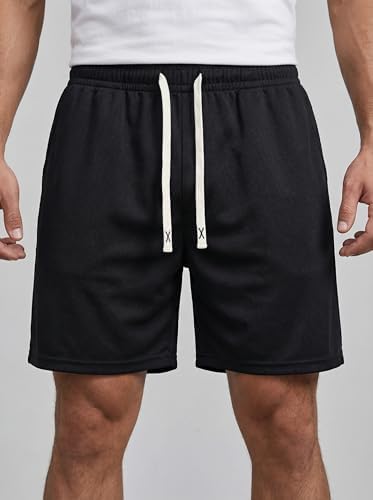
Your legs do a lot of work, and they need shorts that can keep up. Performance shorts are designed for maximum mobility and comfort. Look for a pair with a bit of stretch (thanks to materials like elastane or spandex) to allow for a full range of motion during squats, lunges, and sprints. The ideal length is often a matter of personal preference, but most guys find a 7-inch or 9-inch inseam hits the sweet spot above the knee without getting in the way.
Many high-quality workout shorts come with a built-in liner, which can be either a brief or a compression short. This liner provides support and can eliminate the need for separate underwear, reducing bulk and potential chafing. Also, consider features like zippered pockets to securely store your keys or phone and mesh panels for enhanced breathability in high-heat zones.
3. Versatile Joggers or Training Pants
For cooler days, warm-ups, or simply for guys who prefer more coverage, a great pair of joggers or training pants is essential. Modern athletic joggers are a far cry from the baggy sweatpants of the past. They feature a tapered fit that narrows toward the ankle, preventing the fabric from getting caught on equipment or tripping you up.
Like shirts and shorts, the best training pants are made from sweat-wicking, breathable materials. Many are crafted from lightweight fleece or tech fabrics that provide warmth without the weight. They offer excellent flexibility, making them suitable for everything from lifting and stretching to a light jog. They also pull double duty as comfortable athleisure wear for running errands after your gym session.
4. Compression Wear (Base Layers)
Compression gear—including shorts, leggings, and long-sleeve shirts—is a powerful tool in your fitness arsenal. Worn as a base layer, this gear fits snugly against the skin to provide a range of benefits. The primary function is to increase blood flow and oxygen delivery to your muscles, which can help improve performance and endurance during your workout.
Post-workout, compression can aid in recovery by reducing muscle soreness and fatigue. The snug fit also provides muscle support, reducing vibrations during high-impact activities. Plus, it acts as a perfect moisture-wicking first layer under looser shorts or shirts, preventing chafing and keeping you comfortable.
5. A Reliable Workout Hoodie or Jacket
Finally, every guy needs a go-to outer layer for traveling to and from the gym or for outdoor workouts in unpredictable weather. A lightweight, breathable workout hoodie or jacket is the perfect solution. Look for one made from performance fabrics that can handle a little sweat without becoming waterlogged.
Features like a full-zip front allow for easy temperature regulation, while a well-designed hood can offer protection from wind or light rain. This piece completes your workout wardrobe, ensuring you’re prepared for any condition and can stay warm during your crucial warm-up and cool-down periods.
Finding the Perfect Fit: Best Footwear for Different Exercises

The shoes on your feet are arguably the most critical piece of men’s workout equipment you’ll own. Using the wrong footwear not only hinders performance but significantly increases your risk of injury. The force you generate starts from the ground up, so having the right foundation is key. Here’s a breakdown of the best footwear for your preferred style of exercise.
For Weightlifting & Powerlifting
When you’re lifting heavy, stability is your best friend. You need a shoe that provides a solid, flat, and incompressible base to push against. Running shoes, with their cushioned soles, are the enemy here; that soft foam compresses under a heavy load, creating an unstable surface that can throw off your form and lead to injury.
Weightlifting shoes feature a hard, flat sole and often an elevated heel. This heel lift allows for a deeper squat by increasing ankle range of motion, helping you maintain a more upright torso. For general strength training, a flat-soled trainer (like a Converse Chuck Taylor or a specialized minimalist shoe) is also a fantastic choice because it keeps you low to the ground and stable.
For Running (Treadmill & Road)
Running shoes are built for one primary purpose: to absorb impact and facilitate smooth, forward motion. They are packed with cushioning technology designed to protect your joints from the repetitive pounding of striking the ground. The design often includes a higher “heel-to-toe drop,” which helps propel you forward with each stride.
Choosing the right running shoe depends on your foot type (neutral, overpronation, or supination) and the amount of cushioning you prefer. It’s always a great idea to visit a specialty running store to get a gait analysis. They can recommend a shoe that provides the right level of support to keep you running comfortably and injury-free.
For CrossFit & HIIT (Cross-Trainers)
High-Intensity Interval Training (HIIT), CrossFit, and boot camp-style classes involve a huge variety of movements: lifting, jumping, climbing, and short bursts of running. You need a jack-of-all-trades shoe, and that’s where cross-trainers shine. These shoes offer a perfect blend of features to handle this diversity.
They typically have a wider toe box to let your feet splay for stability during lifts, a durable sole that can withstand rope climbs, and just enough cushioning to handle box jumps and short runs without being too mushy for lifting. They are more flexible than a lifting shoe but more stable and durable than a running shoe, making them the ideal multi-purpose gym footwear.
More Than Just a Bag: Durable and Stylish Gym Bags
A great gym bag does more than just haul your gear; it keeps you organized and ready for anything. The best gym gear for men includes a bag that is functional, durable, and fits your personal style. Gone are the days of using any old bag—today’s options are designed with the modern athlete in mind.
What to Look For (Compartments, Material, Size)
When choosing a bag, functionality should be your top priority. Look for a bag with smart compartments. A dedicated, ventilated shoe compartment is a must-have to keep your dirty sneakers separate from your clean clothes. A wet/dry pocket is also incredibly useful for stashing sweaty gear or a towel after your session.
Material is another key factor. Look for durable, water-resistant fabrics like Cordura nylon or polyester that can withstand being tossed around in a locker room. The size depends on your needs. If you’re just carrying the basics (shoes, clothes, water bottle), a smaller 25-35L bag will suffice.
If you’re a swimmer or need to pack extra equipment, you might need something in the 40-50L range.
Top Picks (Duffel vs. Backpack)
The choice between a duffel bag and a backpack often comes down to personal preference and commute style. Duffel bags are the classic choice, offering a large main compartment that’s easy to pack and access. They are perfect if you drive to the gym and can just toss your bag in the car.
Backpacks, on the other hand, are ideal for commuters who walk, bike, or take public transit. They distribute weight evenly across both shoulders, making them more comfortable to carry over longer distances. Many fitness-focused backpacks now include the same smart features as duffels, like shoe compartments and multiple pockets, offering the best of both worlds.
The Unseen Foundation: The Importance of Supportive Undergarments
We spend a lot of time thinking about our shirts, shorts, and shoes, but the layer closest to your skin is just as important. The right supportive undergarments are a crucial piece of top men’s fitness gear that can make a world of difference in your comfort and focus during a workout.
Why Your Everyday Boxers Don’t Cut It
Your standard cotton boxers or briefs are not designed for athletic activity. Just like cotton t-shirts, they absorb sweat, which can lead to uncomfortable chafing and a general feeling of dampness. They also lack the support needed for high-impact movements like running, jumping, and explosive lifting.
This lack of support can be distracting and uncomfortable, pulling your focus away from your workout. Furthermore, the friction from loose-fitting cotton can cause painful skin irritation, especially in sensitive areas. Making the switch to performance underwear is a simple upgrade that pays huge dividends in comfort.
Materials and Features to Seek Out
Look for athletic underwear made from the same high-tech, moisture-wicking fabrics as your other workout clothes—polyester, nylon, and spandex blends are excellent choices. These materials will keep you dry and reduce friction. Many brands also incorporate mesh panels for added breathability.
The fit is equally important. Boxer briefs or compression shorts are generally the best options, as they provide snug support without restricting movement. Look for features like a contoured pouch for anatomical support and flatlock seams, which are designed to lie flat against the skin to prevent chafing. It’s a small detail, but one that makes a massive difference during an intense, hour-long session.
Hit the Pavement: Must-Have Accessories for Runners
For those who prefer the open road or the trail to the gym, having the right accessories can transform your run from a chore into a joy. This specialized men’s workout equipment is designed to solve common running problems, letting you focus on your pace and the path ahead.
Running Belts and Armbands
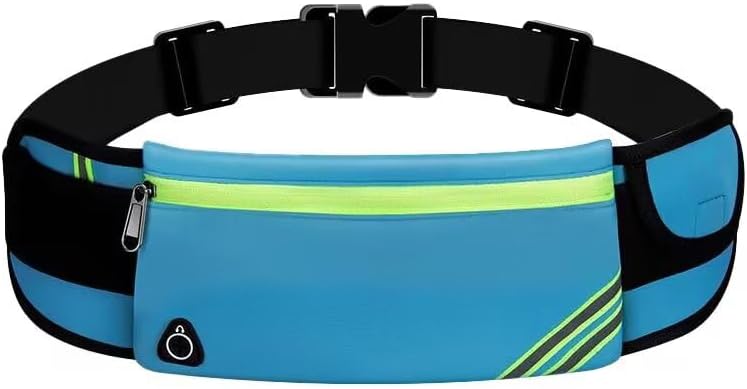
Figuring out where to stash your phone, keys, and gels is a classic runner’s dilemma. That’s where running belts and armbands come in. A running belt, or flip belt, is a simple, stretchy tube of fabric worn around your waist with pockets to securely hold your essentials. They are designed to be bounce-free, so you’ll barely notice it’s there.
Armbands are another popular option for carrying a phone. They strap around your bicep, keeping your screen accessible if you need to change your music or check your stats. The best choice depends on your comfort preference; some runners find armbands distracting, while others prefer them to anything around their waist.
Hydration Solutions
For runs longer than 45-60 minutes, especially in the heat, hydration becomes critical. Carrying a water bottle is clumsy, so runners turn to specialized solutions. Handheld water bottles are ergonomically designed with a strap that fits around your hand, so you don’t have to actively grip it.
For longer distances, a hydration vest or belt is the way to go. These systems allow you to carry more water, either in small flasks or a larger bladder, along with extra fuel and gear. They distribute the weight comfortably, making them essential for marathon training or trail running.
Safety Gear for Early Morning or Night Runs
If you run when it’s dark out, visibility is non-negotiable for your safety. Invest in some reflective gear. This can include vests, clip-on lights, or clothing and shoes with built-in reflective elements. A headlamp is also a fantastic tool, not only making you visible to cars but also illuminating the path ahead to prevent trips and falls.
Pro Tip: When running at night, always run against traffic. This allows you to see approaching headlights and gives you more time to react, adding an extra layer of safety on top of your reflective gear.
Best Fitness Trackers for Men: A Comprehensive Guide
In today’s data-driven world, a fitness tracker is one of the most powerful pieces of the best gym gear for men. These devices go far beyond counting steps, offering deep insights into your performance, recovery, and overall health. They can help you train more effectively, avoid overtraining, and stay motivated by tracking your progress over time.
Key Features to Compare (Heart Rate, GPS, Battery Life)
When choosing a fitness tracker, there are a few key features to consider. Accurate heart rate monitoring is essential for training in specific heart rate zones and gauging your effort level. Built-in GPS is a must for runners, cyclists, and hikers who want to accurately track their distance, pace, and route without needing to carry a phone.
Battery life is another huge factor. Do you want a device you need to charge every night, or something that can last a week or more on a single charge? Also, consider the companion app and ecosystem. A good app will present your data in a clear, actionable way and integrate with other fitness apps you use.
Our Top Pick for Cyclists and Triathletes: Wahoo Fitness

For the serious data-driven athlete, especially those in the cycling and triathlon world, it’s hard to beat the ecosystem offered by Wahoo Fitness. While many trackers are wrist-based watches, Wahoo specializes in a suite of products that work together, including powerful bike computers, heart rate monitors, and smart trainers. Their ELEMNT series of bike computers are famous for their ease of use and powerful navigation features.
What makes Wahoo stand out is its focus on performance and accuracy. Their TICKR heart rate straps are often considered more accurate than wrist-based sensors, especially for high-intensity interval training. If you’re a cyclist looking to integrate your training data seamlessly from indoor rides on a KICKR smart trainer to outdoor adventures, the Wahoo ecosystem is second to none.
Pros
- Excellent for cyclists and triathletes with a focus on performance data.
- Seamless integration between all Wahoo products (bike computers, trainers, sensors).
- Highly accurate heart rate monitoring with TICKR chest straps.
Cons
- The ecosystem is more specialized and may be overkill for casual gym-goers.
- Doesn’t offer a single, all-in-one smartwatch solution like some competitors.
Other Great Options for General Fitness
Of course, there are many other fantastic options on the market. Brands like Garmin offer a huge range of watches tailored to different activities, from running to golf, with robust health tracking features. Fitbit is excellent for those focused on general wellness, activity tracking, and sleep monitoring, with a very user-friendly app. The Apple Watch is a great all-around choice for iPhone users who want a seamless blend of smartwatch features and solid fitness tracking.
Don’t Neglect Your Feet: The Power of High-Performance Socks
We’ve talked about shoes, but what goes inside them is just as important. Wearing the wrong socks can lead to blisters, discomfort, and sweaty feet, effectively sabotaging your workout. Upgrading to high-performance athletic socks is a small investment that delivers a massive return in comfort.
The “No Cotton” Rule Explained
Just like with your shirt, the number one rule of athletic socks is: no cotton! Cotton socks are the primary culprit behind blisters. They soak up sweat and hold it against your skin. This moisture, combined with the friction of your foot moving inside your shoe, is the perfect recipe for painful blisters to form.
Performance socks are made from synthetic materials like polyester, nylon, or natural fibers like Merino wool. These materials wick moisture away from your skin, keeping your feet drier and significantly reducing the risk of blisters. They also dry much faster than cotton, which is great if you’re working out multiple days in a row.
Features like Arch Support and Seamless Toes
Beyond the material, modern athletic socks are packed with design features to enhance comfort. Many offer targeted compression around the arch of the foot, which provides support and can help reduce foot fatigue during long workouts or runs. A seamless toe closure is another key feature, eliminating the bulky seam that often runs across the top of the toes on cheaper socks, which is a common source of irritation and rubbing.
Level Up Your Strength: Choosing the Right Resistance Bands
Resistance bands are one of the most versatile and cost-effective pieces of men’s workout equipment you can own. They are perfect for home workouts, warming up at the gym, or adding a different type of challenge to your strength training routine. They are lightweight, portable, and can be used for a huge variety of exercises.
Loop Bands vs. Tube Bands with Handles
There are two main types of resistance bands. Large loop bands are continuous loops of thick, durable rubber. They are fantastic for exercises like pull-up assistance, adding resistance to squats and deadlifts, and mobility work. They come in a range of resistance levels, from very light to extremely heavy.
Tube bands with handles are more like portable cable machines. They have handles on each end, making them great for traditional strength exercises like bicep curls, chest presses, and rows. They often come in a set with multiple resistance levels that can be clipped to the handles, allowing you to customize the difficulty.
How to Select the Right Resistance Level
Most bands are color-coded by resistance level, but there’s no universal standard, so always check the manufacturer’s guide. It’s best to buy a set that includes several different levels of resistance. This allows you to use lighter bands for warm-up and mobility exercises and heavier bands for your main strength work.
As a general rule, you should choose a resistance level that allows you to complete your desired number of reps with good form, feeling a strong challenge on the last couple of reps. If you can’t maintain proper form, the resistance is too heavy.
Protect Your Grip: A Look at Weightlifting Gloves
To glove or not to glove? It’s a long-standing debate in the fitness community, but for many, weightlifting gloves are an essential piece of the best gym gear for men. They can offer significant benefits in terms of comfort, grip, and hand protection.
The Benefits: Callus Prevention and Better Grip
The most obvious benefit of wearing gloves is the prevention of calluses and blisters. The constant friction of a knurled barbell or dumbbell against your palms can lead to rough, torn-up hands. Gloves provide a protective barrier to keep your hands smooth.
Gloves can also improve your grip, especially when you start to get sweaty. A sweaty palm can make it difficult to hold onto a heavy weight securely. The materials used in lifting gloves, often leather or synthetic tackified materials, can help you maintain a solid connection to the bar, allowing you to focus on the lift itself rather than your grip failing.
Key Features: Padding, Wrist Support, and Material
When choosing gloves, look for a pair with just enough padding to protect your hands without being too bulky, as too much padding can actually interfere with your grip. Many lifting gloves also come with an integrated wrist wrap. This feature provides extra support for your wrist joint, which is particularly useful during pressing movements like the bench press or overhead press.
Material choice is also important. Leather is a classic, durable option that breaks in nicely over time. Synthetic materials often offer better breathability and flexibility. Choose what feels most comfortable and secure for you.
Make a Splash: Best Men’s Swim Gear for Fitness Enthusiasts
If your fitness routine includes laps in the pool, having the right gear is essential for performance and comfort. Standard beach trunks create a huge amount of drag and are not suitable for fitness swimming. Specialized swim gear is designed to help you move through the water with minimal resistance.
Performance Swim Briefs and Jammers
For serious lap swimming, you have two main choices: briefs (the classic “Speedo”) or jammers. Both are designed to be hydrodynamic, meaning they reduce drag in the water. Briefs offer the maximum range of motion for your legs.
Jammers are a popular alternative, offering more coverage. They are skin-tight shorts that extend from the waist to just above the knee. They provide excellent compression and are also very hydrodynamic. Both styles should be made from chlorine-resistant fabric to ensure they last.
Goggles and Swim Caps
A good pair of goggles is non-negotiable. They protect your eyes from chlorine and allow you to see clearly underwater, which is crucial for spotting the wall during turns. Look for a pair that creates a comfortable, leak-proof seal around your eyes. Anti-fog coating is another must-have feature.
A swim cap serves multiple purposes. It keeps your hair out of your face, reduces drag, and protects your hair from chlorine damage. Silicone caps are generally more durable and comfortable than latex ones. They are a simple but essential piece of gear for any regular swimmer.
Frequently Asked Questions About Men’s Fitness Gear
Navigating the world of fitness gear can bring up a lot of questions. Here are answers to some of the most common ones.
What is the best gym gear for men?
The “best” gear truly depends on your specific activities, but a universal starter pack includes a moisture-wicking shirt, performance shorts, activity-specific shoes (like cross-trainers for general gym use), and a durable gym bag. These items form a solid foundation that you can build upon as you specialize in different areas of fitness.
What should a 50 year old man wear to the gym?
A 50-year-old man should prioritize comfort, support, and function. This means high-quality, moisture-wicking fabrics are still key. Opt for classic, well-fitting athletic wear rather than overly trendy or revealing styles. Supportive shoes with adequate cushioning are especially important to protect joints.
Compression wear can also be beneficial for improving circulation and aiding in recovery.
What does every gym guy need?
Every guy at the gym needs a solid pair of shoes appropriate for their workout, comfortable and functional clothing that wicks sweat, a water bottle to stay hydrated, and a towel. Beyond that, headphones are a near-universal accessory for focus and motivation. Depending on the workout, items like lifting gloves, a weightlifting belt, or resistance bands become essential.
Which gym brand is best?
There’s no single “best” brand, as many excel in different areas. Brands like Nike, Under Armour, and Adidas are excellent all-rounders with a huge variety of gear. Lululemon is known for its premium quality and comfort. Specialized brands like Ten Thousand or Gymshark focus on specific aesthetics and performance niches.
The best brand for you is the one whose products fit you well, perform as needed, and match your budget.
What is Gen Z wearing to the gym?
Gen Z’s gym style often blends performance with fashion. You’ll see a lot of oversized t-shirts or hoodies (known as “pump covers”) worn over more fitted tanks or compression shirts. Shorter-length shorts (5-inch inseam) are very popular, as are crew socks. Brands with a strong social media presence, like Gymshark and YoungLA, are particularly favored.
Final Thoughts: Building Your Ultimate Workout Wardrobe
Assembling the best fitness gear for men is a journey, not a destination. Start with the foundational pieces: high-quality apparel that keeps you dry and comfortable, and the right shoes that support and protect you. From there, you can begin to add specialized equipment and accessories that align with your specific fitness passions.
Remember that the right gear is an investment in yourself. It can boost your confidence, improve your performance, and make your fitness routine more enjoyable and effective. Whether you’re a data-obsessed cyclist who would benefit from the Wahoo Fitness ecosystem or a weightlifter who just needs a solid pair of flat shoes, choosing equipment that serves your goals is the key to long-term success.
Now that you have the knowledge, it’s time to gear up. Assess your current setup, identify the gaps, and start building the workout arsenal that will empower you to crush every goal you set for yourself. Happy training!