



About Best High Tech Gadgets For Adults: Best High Tech Gadgets For Adults is your trusted source for cutting-edge technology insights and solutions. High Tech Gadget Reviews We provide reliable, well-researched technology content to keep you informed and help you make better decisions. This content focuses on Buy Watches in Japan: A Buyer’s Guide for Tourists & Collectors and related topics.


- Set Includes: Main unit, box,
- Drive Type: Quartz (solar powered)
- Accuracy: within ±20 seconds per month

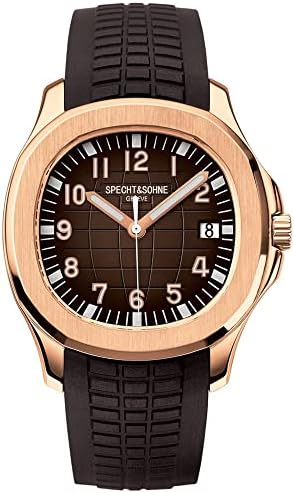
Buy Watches in Japan: A Buyer’s Guide for Tourists & Collectors
Japan is a paradise for watch enthusiasts. It’s a place where meticulous craftsmanship, cutting-edge technology, and deep cultural respect for horology converge. For many, the idea to buy watches in Japan is more than a shopping trip; it’s a pilgrimage to the heart of watchmaking excellence, offering a chance to find rare models, vintage treasures, and incredible value. Whether you’re hunting for a Japan Domestic Market (JDM) Seiko, a vintage Grand Seiko, or a luxury Swiss piece at a competitive price, this country delivers an experience unlike any other.
This guide is your ultimate companion for navigating the exciting world of Japanese watch shopping. We’ll cover everything from the best cities and stores to understanding tax-free procedures and local etiquette. Get ready to find the timepiece of your dreams!
Essential Points
- Unbeatable Selection: Japan offers an unparalleled variety of new, vintage, and pre-owned watches, including Japan Domestic Market (JDM) models you can’t find anywhere else.
- Favorable Pricing: Due to the weak yen and tax-free shopping for tourists, you can often find watches, including luxury Swiss brands, for significantly less than in other countries.
- Key Shopping Hubs: Tokyo is the epicenter, with districts like Ginza for luxury boutiques, Nakano for vintage and pre-owned treasures, and Akihabara for deals on new models.
- Tax-Free is Key: Tourists can get an additional 10% discount at most major retailers by showing their passport. Always ask for tax-free service before you pay.
- Etiquette Matters: Japanese service is famously polite and professional. Approach shopping with respect, handle watches carefully, and understand that aggressive haggling is not common practice.
Why is Buying Watches in Japan So Special?


So, what’s the big deal. Why do collectors and enthusiasts rave about buying watches in Japan. The magic lies in a perfect storm of factors: selection, price, and culture. Japan is home to horological giants like Seiko, Citizen, and Casio, and their most interesting, high-spec models are often reserved for the Japan Domestic Market (JDM).
These JDM watches are built to a higher standard and feature unique designs or complications not available for export. Finding one is like discovering a secret level in a video game—it’s a thrill for any collector.
Beyond the local heroes, Japan has a massive and mature market for pre-owned luxury watches. The Japanese take incredible care of their belongings, meaning second-hand often looks brand new. This cultural trait, combined with a strong consumer market, means you can find pristine examples of Rolex, Omega, and Patek Philippe at prices that are often much more attractive than in Europe or the US, especially with the current exchange rates.
Finally, there’s the cultural significance. In Japan, a watch isn’t just a tool; it’s a symbol of precision, dedication, and personal achievement. This respect is reflected in the shopping experience itself—knowledgeable staff, immaculate stores, and a genuine passion for the craft. It transforms a simple purchase into a memorable cultural experience.
Japan’s Horological Titans: Popular Brands to Hunt For
When you think of Japanese watches, a few names immediately come to mind. These brands are the pillars of the industry and offer something for every taste and budget. When you’re in Japan, you have the unique opportunity to see their full, unfiltered collections.
Seiko & Grand Seiko
Seiko is the undisputed king. From the affordable and robust Seiko 5 series to the professional Prospex dive watches, their range is immense. In Japan, you’ll find countless JDM models with unique colorways and features. But the real prize is Grand Seiko.
Once a JDM-only secret, GS is now a global phenomenon known for its Zaratsu polishing, Spring Drive movements, and breathtaking dials inspired by Japanese nature. Visiting a Grand Seiko boutique in Ginza is an absolute must.
Citizen
Citizen is the master of technological innovation. Their Eco-Drive technology, which powers watches with any light source, is legendary. In Japan, you’ll discover high-end Citizen lines like “The Citizen,” which boasts incredible accuracy (+/- 5 seconds per year) and beautiful finishing that rivals Swiss luxury brands. Look for their radio-controlled and satellite wave GPS models that offer perfect timekeeping anywhere in the world.
Casio
Don’t underestimate Casio! While famous for the indestructible G-Shock, their Japanese lineup is on another level. Explore the premium MR-G and MT-G lines of G-Shock, which are crafted from titanium and feature artisanal finishing techniques. Also, look for the Oceanus line—sleek, solar-powered, radio-controlled watches with a stunning blue-accented design language that is incredibly popular in Japan but harder to find elsewhere.


The Ultimate Watch Shopping Map: Top Cities in Japan
While you can find watch stores all over Japan, certain cities and districts are true meccas for collectors. Knowing where to go will save you time and lead you to the best finds. Here’s a breakdown of the top spots to begin your hunt.
Tokyo: The Epicenter
Tokyo is, without a doubt, the best city for watch shopping in Japan. It’s so vast that different districts specialize in different types of watches.
- Ginza: This is luxury central. You’ll find the flagship boutiques for Grand Seiko, Rolex, Omega, and every other major high-end brand. The Wako department store, with its iconic clocktower, is a landmark and offers a curated selection of fine timepieces. Shopping in Ginza is an experience in itself, with impeccable service and stunning store designs.
- Nakano: If you’re into vintage and pre-owned watches, Nakano Broadway is your paradise. This multi-level shopping complex is packed with small, independent watch stores. Shops like Jack Road and Betty Road are legendary among collectors. You can spend an entire day here comparing prices and hunting for rare finds.
- Shinjuku & Shibuya: These bustling areas are home to massive electronics stores like Yodobashi Camera and Bic Camera. Their watch departments are enormous, offering a huge selection of new Seiko, Citizen, and Casio models, often at a discount. They are also great for tax-free shopping.
Osaka: The Energetic Alternative
Osaka offers a fantastic watch shopping experience with a slightly more laid-back vibe than Tokyo. The main areas to check out are Shinsaibashi and Umeda. You’ll find a mix of authorized dealers, luxury boutiques, and excellent second-hand stores. Prices can sometimes be slightly more competitive than in Tokyo, so it’s worth a visit if you’re in the Kansai region.
Hunting for Treasure: Buying Vintage and Luxury Watches in Japan
Japan’s pre-owned market is where the real treasure hunt begins. The combination of a strong domestic market and the meticulous care owners take of their possessions means the quality of used watches is exceptionally high. You can find watches from the 80s and 90s that look like they just left the factory.
When shopping for vintage or luxury pieces, focus on reputable dealers. Stores in Nakano Broadway like Jack Road, Kame Kichi, and The Watch Company (TWC) are world-renowned. They have knowledgeable staff, and their watches are typically authenticated and come with a store warranty. Many of these stores have an online presence, so you can browse their stock before you even arrive in Japan.
One collector on Reddit shared this insight: “The Japanese market is by far the best place in the world for mid sized watches. Case sizes in the 35-36mm range are plentiful and cheap.” This highlights the unique opportunities you can find, especially for sizes and styles that are less common in Western markets.
Finding Incredible Deals: Where to Get Discounted Watches in Japan
Everyone loves a good deal, and Japan offers several avenues for finding discounted watches. The most straightforward way is through tax-free shopping, which instantly saves you 10% as a tourist. Major electronics retailers and department stores all offer this service.
For new watches, the large camera chains like Yodobashi Camera and Bic Camera are your best bet. Not only do they offer tax-free shopping, but they also have a point card system. While tourists typically can’t earn points on tax-free purchases, these stores often offer an additional discount (usually 5-7%) if you pay with a Visa card, on top of the tax exemption. Always ask about current promotions!
For pre-owned watches, the discount is built into the competitive market. Don’t be afraid to visit multiple shops in Nakano or Shinjuku to compare prices for the same model. You’ll often find slight variations that can save you a significant amount of money. Finally, look for stores that are slightly off the beaten path; sometimes the best deals are found in smaller, less-famous shops.
Pro Tip: Check the exchange rate before your trip. A favorable rate can dramatically increase your purchasing power. As of 2026, the Japanese Yen has been weak against many major currencies, making luxury goods in Japan more affordable than ever.
The Art of the Deal: Shopping Etiquette in Japanese Watch Stores
Shopping in Japan is a uniquely pleasant experience, thanks to a culture of respect and outstanding customer service (omotenashi). To make the most of it, it’s helpful to understand a few key points of etiquette.
First, always be polite and respectful. When you enter a store, a simple nod or quiet greeting is appreciated. When you want to see a watch, ask the staff politely. They will present it to you on a tray.
Handle the watch with care, preferably over the tray or counter to prevent accidental drops. It’s considered good manners to take off any watches or bracelets on your wrist that might scratch the watch you’re trying on.
What about haggling. This is a common question. In major department stores, boutiques, and electronics chains, the price is fixed. Attempting to haggle will likely be met with polite confusion.
However, in some independent, pre-owned watch shops (especially in places like Nakano), there might be a tiny bit of flexibility, particularly if you are paying with cash. You can politely ask, “Is this the best price?” but don’t push it. Aggressive negotiation is not part of the culture.
More Than a Purchase: Japanese Watch Festivals and Events


For the truly dedicated enthusiast, timing your trip to coincide with a watch event can elevate your experience. While Japan doesn’t have massive public watch fairs like those in Switzerland, brands often hold special events and exhibitions at their flagship boutiques or in major department stores.
Keep an eye on the websites of Grand Seiko, Citizen, and major Tokyo department stores like Isetan, Mitsukoshi, and Wako. They often host exhibitions showcasing new releases, historical pieces, or demonstrations by master watchmakers. These events offer a deeper look into the brand’s philosophy and craftsmanship.
Additionally, some of the larger pre-owned watch stores may hold their own special sales or fairs throughout the year. Following the social media accounts of stores like Jack Road or Kame Kichi before your trip is a great way to stay informed about any special events or promotions they might be running.
Peace of Mind: Understanding Warranties and Services in Japan
When you purchase a new watch from an authorized dealer in Japan, it will come with an international manufacturer’s warranty. This means you can get it serviced at any authorized service center worldwide. Make sure the warranty card is properly stamped and dated by the retailer at the time of purchase.
For pre-owned watches, the situation is a bit different. Reputable second-hand dealers in Japan will typically offer their own store warranty, usually lasting from six months to a year. This warranty covers the movement and any functional defects. However, this warranty is usually only valid in Japan.
While it provides peace of mind that you’re buying a properly inspected watch, you won’t be able to use it for service once you return home.
This is a key reason to buy from trusted sellers. Their internal checks and servicing before the sale are your best guarantee of quality. If you’re buying a high-value vintage piece, you might consider getting it appraised or serviced by your trusted watchmaker back home for long-term care.
Buying from Afar: A Guide to Online Watch Shopping from Japan
Can’t make it to Japan? You can still access the incredible Japanese watch market online. Many of the famous pre-owned dealers have excellent websites with high-quality photos and detailed descriptions of their stock. Stores like The Watch Company, Jack Road, and Ippo Japan Watch ship internationally.
Here are a few tips for a smooth online purchase:
- Stick to Reputable Sellers: Buy from established stores with a long history and positive reviews. Avoid deals that seem too good to be true on auction sites unless you are an experienced buyer.
- Understand Import Taxes: When the watch arrives in your country, you will be responsible for paying customs duties and import taxes. This can add a significant amount to the final cost (often 20% or more, depending on your country). Factor this into your budget.
- Check the Condition Carefully: Reputable sellers will provide a condition ranking (e.g., Unused, Mint, A, B). Read the descriptions and examine the photos closely. Don’t hesitate to email them with questions or for more pictures.
- Payment and Shipping: Most sellers accept credit cards or bank transfers. They typically use reliable international couriers like FedEx or DHL, which provide tracking and insurance.
Is It Really Cheaper? A Price Comparison
This is the million-dollar question, or perhaps the multi-thousand-dollar question. The answer is generally, yes, buying watches in Japan can be significantly cheaper, for several reasons.
First, the tax-free discount of 10% for tourists is an immediate, substantial saving. Second, the weakness of the Japanese Yen against currencies like the US Dollar and the Euro in recent years has created a huge price advantage. A watch priced at ¥1,000,000 is much cheaper for a tourist today than it was five years ago. According to the Japan National Tourism Organization, this tax exemption applies to purchases over ¥5,000 at licensed stores.
For Japanese brands like Seiko and Citizen, the domestic prices are naturally lower than export prices. For Swiss brands like Rolex and Omega, the authorized dealers in Japan often have retail prices that are already competitive before the tax-free discount. The pre-owned market is where the biggest savings can be found. A pre-owned Rolex Submariner in excellent condition might be 15-25% cheaper at a store in Nakano than from a dealer in the US or Europe.
Of course, value isn’t just about the lowest price. The value in Japan is also about finding rare JDM models. In contrast, some collectors find value in globally accessible brands that offer a different proposition. For instance, for those seeking a rugged, modern Swiss-made automatic watch without the high luxury markup, a microbrand like LIV Swiss Watches offers a compelling alternative with a focus on durability and bold design.
It highlights that ‘good value’ can mean different things to different collectors.
FAQ: Your Questions About Buying Watches in Japan Answered
Here are answers to some of the most common questions travelers and collectors have about buying timepieces in Japan.
Is buying a watch in Japan cheaper?
Yes, it is often cheaper. The combination of competitive retail prices, the 10% tax-free discount for tourists, and a favorable currency exchange rate can lead to significant savings on both Japanese and Swiss watch brands compared to buying in North America or Europe. This is especially true for pre-owned luxury watches.
Is Japan cheap for Rolex?
“Cheap” is relative, but Japan is one of the best places in the world to buy a pre-owned Rolex. The market is large, competitive, and the condition of the watches is typically excellent. You can often find popular models for 15-25% less than in other major markets. For new Rolex models, availability is still tight globally, but the retail price in Yen plus the tax-free discount makes it a great deal if you can find one.
Can you haggle for watches in Japan?
Generally, no. In department stores, brand boutiques, and large chain retailers, prices are fixed. In smaller, independent pre-owned shops, you might have a tiny amount of wiggle room, especially if paying in cash. You can politely inquire if they can offer a better price, but do not be pushy or expect a large discount.
The culture does not favor aggressive negotiation.
Are watches duty free in Japan?
For tourists, yes. At licensed tax-free stores, you can purchase watches (and other goods) without paying Japan’s 10% consumption tax. You must present your passport at the time of purchase and the store will handle the paperwork. This is a key reason why buying watches in Japan is so attractive for visitors.
Do I need to declare a watch at customs?
Yes, you absolutely must declare your purchase when you return to your home country. You will be required to pay any applicable import duties and taxes based on your country’s laws and your personal exemption allowance. Failing to declare a high-value item can result in fines and seizure of the goods. Always be honest with customs.
What is the famous brand watch in Japan?
Seiko is by far the most famous and culturally significant watch brand in Japan. It’s a household name that represents Japanese innovation, quality, and history. Within the enthusiast community, its luxury counterpart, Grand Seiko, is equally revered for its exceptional craftsmanship and artistry, rivaling the best Swiss brands.
Final Thoughts
To purchase watches in Japan is to participate in a rich horological culture. It’s an adventure that takes you from the gleaming luxury boutiques of Ginza to the treasure-filled corridors of Nakano Broadway. The combination of incredible selection, excellent condition, and favorable pricing makes it a destination every watch lover should experience at least once.
Remember to do your research, know the models you’re interested in, and enjoy the process. The impeccable service and the passion of the people you’ll meet will make the experience as memorable as the watch you bring home. Happy hunting!
What services does Best High Tech Gadgets For Adults provide?
Best High Tech Gadgets For Adults provides practical technology solutions designed around customer needs. Our team focuses on clear communication, reliable support, and outcomes that help people make informed decisions quickly.
How can customers get help quickly?
Customers can contact our team directly for fast support, clear next steps, and timely follow-up. We prioritize responsiveness so questions are answered quickly and issues are resolved without unnecessary delays.
Why choose Best High Tech Gadgets For Adults over alternatives?
Customers choose us for trusted expertise, transparent guidance, and consistent results. We focus on practical recommendations, personalized service, and long-term relationships built on reliability and accountability.


