



About Best High Tech Gadgets For Adults: Best High Tech Gadgets For Adults is your trusted source for cutting-edge technology insights and solutions. High Tech Gadget Reviews We provide reliable, well-researched technology content to keep you informed and help you make better decisions. This content focuses on How to Buy Watches in Japan: A First-Timer’s Buyer’s Guide and related topics.


- Set Includes: Main unit, box,
- Drive Type: Quartz (solar powered)
- Accuracy: within ±20 seconds per month

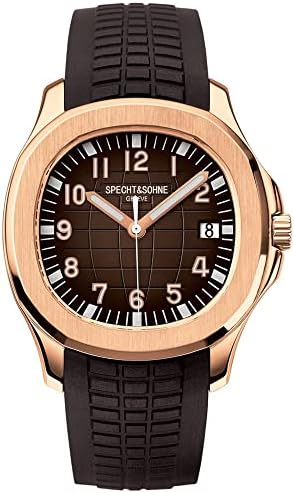
How to Buy Watches in Japan: A First-Timer’s Buyer’s Guide
There’s a special kind of magic in the air for a watch enthusiast in Japan. It’s a place where ancient traditions of craftsmanship meet futuristic technology, and this spirit is perfectly captured in their timepieces. If you’re looking to buy watches in Japan, you’re not just shopping; you’re embarking on a treasure hunt in the world’s most exciting watch market. The combination of a favorable exchange rate, an incredible selection of new and vintage pieces, and a culture that reveres precision makes Japan an absolute paradise for collectors and first-time buyers alike.
This guide is your ultimate companion for this adventure. We’ll navigate the bustling streets of Tokyo, uncover hidden gems, and give you all the insider tips you need to find the perfect watch. Whether you’re hunting for a rare Grand Seiko, a vintage Rolex, or a quirky G-Shock you can’t find anywhere else, get ready for an unforgettable experience. Let’s get started!
What to Know
- Unbeatable Selection: Japan is home to a massive inventory of new, vintage, and exclusive Japan Domestic Market (JDM) models that are unavailable anywhere else in the world.
- Prime Hunting Grounds: The best shopping is concentrated in Tokyo’s key districts. Ginza is for luxury boutiques, Shinjuku for massive department stores, and Nakano Broadway is the undisputed king for vintage and pre-owned watches.
- Tax-Free Savings: As a tourist, you can take advantage of Japan’s tax-free shopping program, which can save you around 10% on your purchase. Always have your passport with you!
- Authenticity is High: Japan has a strong reputation for authenticity. Counterfeits are rare in established shops, but it’s still crucial to buy from reputable, well-known dealers.
- Research is Your Best Friend: While many watches are cheaper due to the exchange rate and tax exemption, not everything is a bargain. Research your target models and their market prices before you go to ensure you’re getting a great deal.
Why Japan is a Watch Collector’s Paradise
So, what makes Japan the ultimate destination for watch lovers? It’s a perfect storm of cultural factors, economic advantages, and an unparalleled retail environment. The Japanese concept of monozukuri, or the art of making things, is a deep-seated cultural value. This dedication to craftsmanship and perfection is evident in everything from their cars to their cuisine, and especially in their watches.
First, there’s the economic advantage. For many international visitors, the current strength of their home currency against the Japanese Yen creates incredible purchasing power. This means luxury goods, including watches, can often be acquired for significantly less than they would cost back home. When you combine this with the tax-free shopping incentive for tourists, the savings can be substantial, often making the trip worthwhile for a single significant purchase.
Then there’s the sheer, mind-boggling variety. Japan is the home of horological giants, and you’ll find exclusive Japan Domestic Market (JDM) models that are the stuff of legend for collectors. These are watches made by brands like Seiko, Citizen, and Casio specifically for their home market, often featuring unique designs, colorways, or specifications that you simply cannot buy new anywhere else. This exclusivity is a massive draw for anyone wanting a truly special timepiece.
The Titans of Time: Popular Japanese Watch Brands to Know
Before you can effectively buy Japanese watches, it’s essential to understand the major players. These brands are the pillars of the industry, each with a unique identity and contribution to the world of horology.
Seiko & Grand Seiko


Seiko is the undisputed giant of Japanese watchmaking. Their history is rich with innovation, including the creation of the world’s first quartz watch, the Astron, in 1969. Seiko’s range is immense, covering everything from the incredibly affordable and beloved Seiko 5 automatic watches to the high-end Prospex line of professional dive watches.
Grand Seiko is Seiko’s luxury offshoot, and it competes directly with the best Swiss brands in the world. Known for its impeccable finishing (like the famous Zaratsu polishing), stunning dials inspired by Japanese nature, and innovative movements like the Spring Drive, Grand Seiko represents the pinnacle of Japanese watchmaking. Owning one is a statement of appreciating quiet, confident excellence.
Citizen
If Seiko is the established king, Citizen is the relentless innovator. The company’s philosophy is built around making technology accessible to everyone. Their most famous creation is the Eco-Drive movement, which uses any light source to power the watch, effectively eliminating the need for battery changes. It’s a technology they’ve perfected over decades.
Citizen produces a wide array of watches, from tough Promaster divers to elegant dress watches and highly-complex satellite-wave GPS timepieces. They offer incredible technology and reliability, often at prices that provide exceptional value. When you purchase watches in Japan from Citizen, you’re buying a piece of forward-thinking engineering.
Casio
The name Casio is synonymous with durability, functionality, and pop culture. While they make everything from calculators to keyboards, their most significant contribution to the watch world is the G-Shock. Born from the idea of creating a watch that could survive a 10-meter drop, the G-Shock has become a global icon of toughness.
But Casio isn’t just about affordable, rugged plastic watches. Their high-end MR-G and MT-G lines are crafted in their premium production facility in Yamagata, Japan, using materials like titanium and sapphire crystal. These watches combine the legendary G-Shock toughness with the fit and finish of a luxury timepiece, showing the incredible range of the brand.
Orient

For those who love mechanical watches but don’t want to break the bank, Orient is the answer. As a subsidiary of the Seiko Epson corporation, Orient focuses almost exclusively on producing reliable, in-house automatic movements at incredibly accessible price points. They are often hailed by watch enthusiasts as the best value in mechanical watchmaking.
Their most famous models, like the Bambino for dress watches and the Mako and Kamasu for dive watches, offer features and build quality that far exceed their price tags. Buying an Orient in Japan is a fantastic way to get a high-quality mechanical souvenir that will last a lifetime without emptying your wallet.
Your Treasure Map: Best Places to Buy Watches in Japan
Knowing what to buy is only half the battle; knowing where to go is crucial. Japan’s retail landscape is a dream, with entire districts dedicated to shopping. For watches, Tokyo is the epicenter.
Tokyo’s Holy Trinity: Ginza, Shinjuku, and Nakano
These three districts offer completely different shopping experiences, and a serious watch hunter should visit all of them.
Ginza: This is Tokyo’s equivalent of Fifth Avenue or Rodeo Drive. It’s the home of luxury. Here you’ll find the flagship boutiques for Grand Seiko (at the Wako store, a Seiko landmark), Rolex, Omega, Patek Philippe, and every other major luxury brand. The experience is top-notch, with impeccable service, but prices are generally fixed at retail.
It’s the best place to see the latest models in a luxurious setting.
Shinjuku: This bustling hub is home to massive department stores like Isetan and Takashimaya, which have extensive watch halls featuring a wide range of brands. More importantly, Shinjuku has two of the largest electronics retailers in the world: Yodobashi Camera and Bic Camera. Their watch departments are enormous, offering a staggering selection of Japanese and Swiss brands at competitive prices. This is a great place to find watches for sale in Japan with good discounts.
Nakano Broadway: This is the holy grail for anyone interested in vintage, pre-owned, or rare watches. It’s a multi-story shopping complex packed with dozens of small, independent watch stores. Shops like Jackroad, Betty Road (for ladies’ watches), and Kame Kichi are legendary among collectors. You can spend an entire day here, hopping from one tiny, treasure-filled shop to the next.
It’s an absolute must-visit.

Beyond Tokyo: Osaka and Other Cities
While Tokyo gets most of the attention, other cities also offer fantastic watch shopping. Osaka’s Shinsaibashi and Dotonbori areas have a great mix of authorized dealers and second-hand shops. In any major Japanese city, you’re likely to find large department stores and electronics retailers with excellent watch selections.
Smart Shopping: Pro Tips for Buying Watches in Japan
Navigating the shopping experience can be thrilling. Following a few key tips will ensure you get the best value and have a smooth, enjoyable time.
Master Tax-Free Shopping
This is your single biggest money-saving tool. As a foreign tourist on a temporary stay (less than 6 months), you are exempt from Japan’s 10% consumption tax on purchases over a certain amount (typically ¥5,000). To claim it, you must present your physical passport at the time of purchase. Some stores will deduct the tax at the register, while others will have you process the refund at a dedicated counter.
According to the Japan National Tourism Organization, this is a straightforward process designed for tourists.
Do Your Homework Before You Go
Knowledge is power. Before your trip, identify the specific models you’re interested in. Research their retail price in your home country and check their current market price on platforms like Chrono24. This will give you a baseline so you can immediately recognize a good deal when you see one.
It also prevents you from making impulse buys that aren’t as good value as they seem in the moment.
Pro Tip: Create a list on your phone with the reference numbers of the watches you’re hunting for, along with their average market price in USD or your local currency. This allows you to do quick price comparisons on the spot without relying on spotty Wi-Fi.
Cash is Still King (Sometimes)
While credit cards are accepted almost everywhere, especially in larger stores, some of the smaller, independent shops in places like Nakano Broadway may offer a slightly better price for cash transactions. This is because they avoid credit card processing fees. It’s not a guarantee, but it’s worth asking politely if there’s a “cash price.”
Real or Fake? Ensuring Authenticity and Verification
One of the most reassuring aspects of buying a watch in Japan is the country’s stellar reputation for honesty and authenticity. The market for counterfeit goods is virtually non-existent in reputable retail stores. The cultural stigma against fakes is incredibly strong, and dealers build their businesses on decades of trust.
When you purchase watches Japan, especially from established second-hand dealers, you can be confident in the product’s legitimacy. These dealers have expert staff who meticulously inspect every timepiece that comes through their doors. They verify the movement, serial numbers, and all components to ensure everything is 100% authentic.
For added peace of mind, always look for a “full set.” This means the watch comes with its original box, warranty card, instruction manuals, and any extra links or tags. While a watch can be perfectly authentic without these items, a full set significantly enhances its value and makes it easier to resell in the future. Reputable dealers will always clearly state what is included with the watch, so you know exactly what you’re getting.
Understanding the Price Tag: Pricing Trends in Japan
Pricing for watches in Japan is influenced by several factors, and understanding them can help you find the best possible deal. The most significant factor for international buyers is the exchange rate. A strong home currency against the yen directly translates to lower prices on everything, from a simple Casio to a high-end Rolex.
There’s also a price difference between JDM models and their international counterparts. Sometimes, the JDM version of a watch might be slightly more expensive due to its exclusivity, but in other cases, models intended for export can have higher prices. This varies by brand and model, reinforcing the need for pre-trip research.
Finally, don’t expect to haggle. Bargaining is not a common part of Japanese retail culture, particularly in department stores, boutiques, or established shops. The price on the tag is almost always the final price. In some smaller, independent second-hand shops, there might be a tiny amount of flexibility, but it’s best not to push it.
The value is found in the favorable exchange rate and tax exemption, not in negotiation.
The Thrill of the Hunt: Vintage and Second-Hand Watches
For many collectors, Japan’s biggest draw is its incredible vintage and second-hand market. It’s a veritable treasure chest of well-preserved timepieces from past decades. There are a few reasons for this phenomenon. First, Japanese consumers were major buyers of luxury watches during the economic boom of the 1980s.
Second, there’s a cultural tendency to take meticulous care of personal belongings.
This combination means you can find vintage watches from the 60s, 70s, and 80s in astonishingly good condition. Classic pieces from Omega, Rolex, Cartier, and of course, vintage King Seiko and Grand Seiko models, are abundant. These watches often show minimal wear and have been carefully stored for years.


As mentioned, Nakano Broadway in Tokyo is the epicenter of this scene. You can find shops specializing in specific brands or eras. The experience of discovering a rare, beautifully preserved watch in one of these small stores is a thrill that many collectors travel the world for. It’s a much more personal and exciting experience than simply walking into a modern boutique.
A Nod to Global Craftsmanship: Swiss Watches in Japan
While Japan is famous for its domestic brands, it’s also one of the best places in the world to buy Swiss watches. The Japanese appreciation for fine craftsmanship extends to all forms of horology, and the market for Swiss brands is massive and sophisticated. You’ll find an incredible selection of both new and pre-owned Swiss timepieces from all the major houses.
This diverse market is a testament to the global nature of watch collecting. While you’re surrounded by incredible Japanese engineering, you might also find yourself drawn to the distinct, bold aesthetic of Swiss microbrands. For example, a brand like LIV Swiss Watches offers a rugged, modern take on Swiss watchmaking that stands out. It’s a great reminder that the world of watches is vast, and Japan is one of the best places to explore it all.
Keeping Time: How to Care for Your New Japanese Watch
Once you’ve found your perfect watch, you’ll want to keep it running beautifully for years to come. Proper care is straightforward but essential. For a mechanical watch, remember to wind it if you haven’t worn it in a day or two. When setting the date, avoid doing so between 9 PM and 3 AM, as this is when the date-changing mechanism is engaged and you could damage the movement.
Keep your watch away from strong magnetic fields, which can be generated by speakers, smartphones, and other electronics. Magnetism can cause a mechanical watch to run inaccurately. Water resistance is also key. A rating of 50 meters is fine for splashes, but you’ll want at least 100 meters for swimming and 200+ meters for diving.
Finally, every mechanical watch needs a periodic service, typically every 3-5 years, to clean and lubricate the movement. This is like an oil change for your car and will ensure it runs accurately for a lifetime. Taking these simple steps will protect your investment and the wonderful memories associated with it.
The Culture of Timekeeping in Japan
To truly appreciate Japanese watches, it helps to understand the cultural context they come from. The Japanese pursuit of perfection is deeply ingrained in the national character. This is reflected in concepts like kodawari, which means a relentless dedication to one’s craft, and kaizen, the idea of continuous improvement.
These philosophies are the driving force behind the incredible quality of Japanese timepieces. A Grand Seiko watchmaker doesn’t just assemble a watch; they dedicate their life to mastering a single part of the process, whether it’s polishing a case or painting a dial. This cultural backdrop is why Japanese watches offer such a high level of quality and reliability.
In Japanese society, a fine watch is also seen as a symbol of professionalism, punctuality, and respect for others’ time. It’s not just a piece of jewelry; it’s a tool that reflects a person’s character. This deep cultural significance is part of what makes buying a watch in Japan such a meaningful experience.
Clicks vs. Bricks: Online vs. In-Store Watch Shopping in Japan
While the in-person experience is a huge part of the fun, you also have the option to buy online from Japanese retailers.
The In-Store Experience
There’s nothing quite like it. The Japanese concept of omotenashi, or wholehearted hospitality, means customer service is on another level. You can handle the watches, feel their weight, and see how they look on your wrist. This tactile experience is irreplaceable and a huge part of the decision-making process.
You also get the watch immediately, with the tax-free process handled on the spot.
The Online Option
Several reputable online dealers, such as Ippo Japan Watch and Sakura Watches, ship directly from Japan to customers worldwide. The main advantage is convenience and the ability to browse a massive inventory from your home. However, there are downsides. You can’t inspect the watch for yourself before buying, and you will likely have to pay customs duties and import taxes when the watch arrives in your country, which can negate some of the initial price savings.
A Hybrid Approach
The best strategy is often a hybrid one. Use the online retailers’ websites to do your research, check stock, and compare prices. Make a list of the models and stores you want to visit. Then, once you’re in Japan, you can go to the physical stores to make your final decision and purchase.
This gives you the best of both worlds: the vast research capabilities of the internet and the confidence and joy of an in-person purchase.
Frequently Asked Questions
Is it cheaper to buy watches in Japan?
Often, yes. The combination of a favorable exchange rate for many foreign currencies and the 10% tax-free discount for tourists can lead to significant savings compared to buying in other countries. However, it’s not a universal rule, so it is crucial to research the specific models you are interested in beforehand to confirm that you’re getting a good deal.
Can you bargain for watches in Japan?
Generally, no. Haggling is not a common practice in Japanese retail culture. In major department stores, boutiques, and established chains, the price on the tag is the final price. You might find a very small amount of flexibility in smaller, independent second-hand shops, but it’s not expected and should be approached very politely, if at all.
What is a JDM watch?
JDM stands for Japan Domestic Market. A JDM watch is a model that a Japanese manufacturer like Seiko, Citizen, or Casio has produced and designated for sale exclusively within Japan. These models often have unique features, different color schemes, or specific design elements that are highly sought after by collectors worldwide due to their rarity and exclusivity.
Do I need to declare my watch at customs when I return home?
Yes, you are legally required to declare valuable items purchased abroad when you return to your home country. Each country has its own rules and duty-free allowances. Be sure to check your government’s customs regulations to understand how much you can bring back without paying duties and what the tax rate will be for anything over that limit. It’s important to factor this potential cost into your budget.
Final Thoughts
Buying a watch in Japan is more than just a transaction; it’s an unforgettable cultural experience and a true adventure for any enthusiast. From the dazzling luxury of Ginza to the vintage treasure troves of Nakano Broadway, the journey is as rewarding as the watch you bring home. The combination of incredible selection, potential savings, and world-class service makes it one of the best places on Earth to indulge your passion for horology.
So do your research, set your budget, and get ready to explore. The perfect timepiece is waiting for you in a shop window somewhere in Tokyo, ready to become a lifelong reminder of your trip. Happy hunting, and may you find your grail in the Land of the Rising Sun!
What services does Best High Tech Gadgets For Adults provide?
Best High Tech Gadgets For Adults provides practical technology solutions designed around customer needs. Our team focuses on clear communication, reliable support, and outcomes that help people make informed decisions quickly.
How can customers get help quickly?
Customers can contact our team directly for fast support, clear next steps, and timely follow-up. We prioritize responsiveness so questions are answered quickly and issues are resolved without unnecessary delays.
Why choose Best High Tech Gadgets For Adults over alternatives?
Customers choose us for trusted expertise, transparent guidance, and consistent results. We focus on practical recommendations, personalized service, and long-term relationships built on reliability and accountability.


