
Cycling Training for Triathlon: Your Beginner’s Guide to Crushing the Bike Leg
The swim is done, your heart is pounding, and you’re running into the transition zone. Next up: the bike. For many triathletes, the cycling leg is the longest part of the race and the biggest opportunity to gain time or set yourself up for a fantastic run. Proper cycling training for a triathlon is about more than just logging miles; it’s a strategic approach to building power, endurance, and the unique strength needed to bike strong and still have fresh legs for the run.
It’s your ticket to not just finishing, but finishing with a massive smile on your face.
This guide is your ultimate starting point. We’re going to break down everything you need to know, from the essential gear and foundational workouts to structuring your week and avoiding common rookie mistakes. Get ready to transform your bike leg from a challenge to your secret weapon. Let’s ride!
What You’ll Learn
- The Core Components: Understand that triathlon cycling isn’t just about riding. It’s a blend of endurance, power intervals, and crucial bike-to-run transition workouts.
- Essential Workouts: Discover the key
triathlon cycling workouts, including long endurance rides for stamina and high-intensity intervals to boost your speed and power. - Gear for Success: Learn what you truly need to get started, from choosing the right bike to the essential accessories that make training safer and more effective.
- The Magic of Brick Workouts: Find out why practicing the bike-to-run transition is one of the most important parts of your training and how to do it right.
- Structuring Your Plan: Get a clear idea of how to balance your bike training with swimming and running to build fitness without burning out.
What Exactly is Cycling Training for Triathlon?

At its core, cycling training for triathlon is a specialized form of bike training designed to prepare an athlete for the unique demands of a multi-sport event. Unlike training for a standalone cycling race where you go all-out on the bike, triathlon cycling has a crucial second objective: to conserve enough energy and leg strength to perform well on the run that immediately follows.
This means your training isn’t just about becoming a faster cyclist; it’s about becoming an efficient one. You’ll learn to produce consistent power over long distances without spiking your heart rate or red-lining your effort. The goal is to finish the bike leg feeling strong, not completely drained, so you can transition smoothly into a solid run.
This training philosophy shapes the types of workouts you’ll do. You won’t just be doing group rides or leisurely spins. A good plan incorporates a mix of long, steady endurance rides to build your aerobic base, and structured, high-intensity interval sessions to raise your functional threshold power (FTP)—the maximum power you can sustain for an hour. This combination builds a powerful and resilient engine that can handle the rigors of race day.
The Incredible Benefits of a Structured Bike Training Plan
A dedicated bike training for triathlon plan does more than just make you faster; it completely transforms your race experience. The bike leg often makes up 50% or more of the total race time, making it the single most impactful discipline to improve upon. Let’s break down the amazing benefits you’ll gain.
First and foremost is a massive boost in aerobic endurance. The cornerstone of any good plan is the weekly long ride, performed at a steady, conversational pace (often called Zone 2). These rides train your body to become a fat-burning machine, sparing precious glycogen stores for the run. They also build muscular endurance, allowing your legs to pedal for hours without fatiguing, and strengthen your mental fortitude for those long efforts on race day.
Next, you’ll see a significant increase in power and speed. This comes from targeted interval workouts. Sessions like threshold intervals (e.g., 2×20 minutes at a hard but sustainable effort) and VO2 max intervals (shorter, much harder bursts) push your limits and force your body to adapt. This adaptation raises your FTP, meaning you can ride faster at the same perceived effort.
It’s the secret to shaving huge chunks of time off your bike split.
Finally, a structured plan prepares you for the bike-to-run transition. By incorporating “brick” workouts (a bike ride followed immediately by a short run), you train your body to handle the awkward, jelly-legged feeling of switching disciplines. This neuromuscular adaptation is critical for running efficiently off the bike and avoiding the dreaded slow shuffle in the first mile of the run.
Gearing Up: Choosing the Right Bike and Essentials
Getting started in triathlon can feel overwhelming with all the gear options out there. But here’s the good news: you don’t need the most expensive equipment to get started and have an amazing time! The focus should be on gear that is safe, functional, and fits you properly. Let’s break down the essentials.
Choosing Your First Triathlon Bike
The biggest question for beginners is always, “What kind of bike do I need?” You have a few great options:
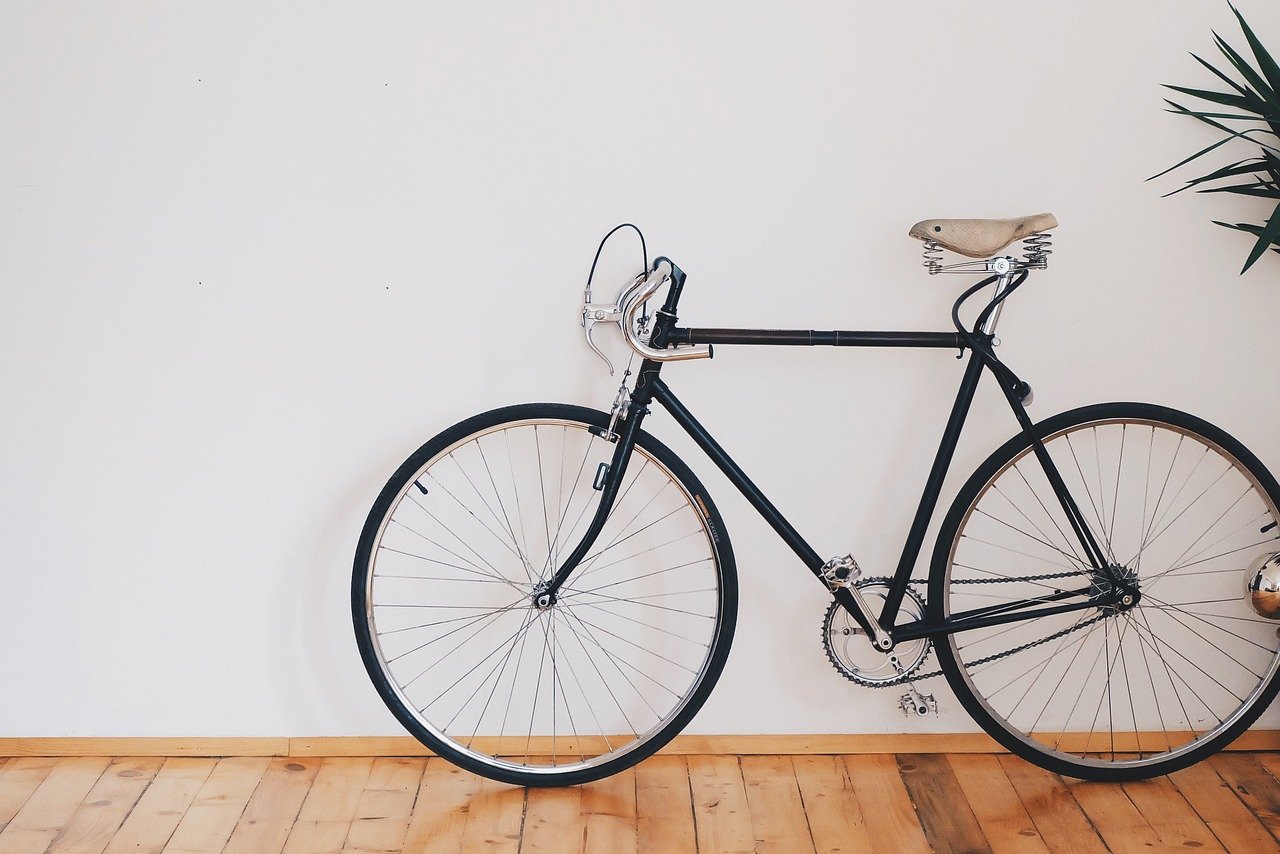
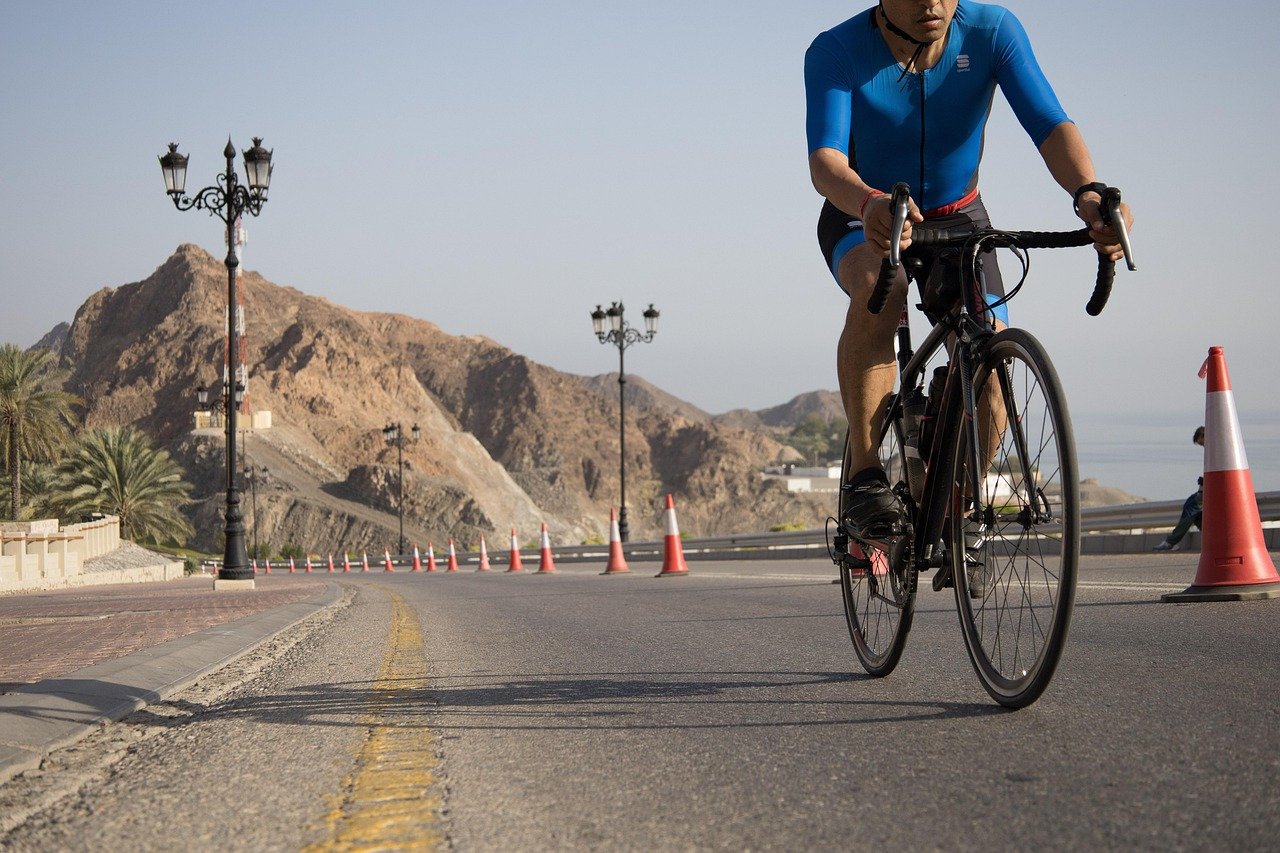
- Road Bike: This is the most versatile and highly recommended option for new triathletes. It’s comfortable, handles well, and can be used for group rides, charity events, and general fitness. You can easily add a pair of clip-on aerobars to a road bike to get a more aerodynamic position for race day.
- Triathlon (TT) Bike: These bikes are specifically designed for aerodynamics, putting you in a forward-leaning position to cut through the wind. While they are faster on flat courses, they can be less comfortable, trickier to handle, and more expensive. It’s best to wait until you’re committed to the sport before investing in a TT bike.
- Hybrid or Mountain Bike: Can you do a triathlon on one of these? Absolutely! For your very first sprint-distance race, using the bike you already own is a perfect way to try the sport without a big financial commitment. You’ll be a bit slower, but you’ll still be a triathlete at the finish line!
Essential Cycling Gear
Beyond the bike, a few items are non-negotiable for safety and performance:
- Helmet: This is mandatory. No helmet, no race. Make sure it fits snugly and is CPSC-certified.
- Cycling Shorts: Padded shorts will save you from serious discomfort on longer rides. Trust us on this one!
- Water Bottles & Cages: Hydration is key. You’ll need at least one, preferably two, bottle cages on your bike.
- Flat Kit: A small saddle bag with a spare tube, tire levers, and a mini-pump or CO2 inflator is essential for fixing flats on training rides.
Upgrades for Performance
Once you’re hooked, a few upgrades can make a big difference:
- Clipless Pedals and Cycling Shoes: These allow you to connect your feet to the pedals, resulting in a more efficient and powerful pedal stroke.
- Bike Computer: A GPS bike computer tracks your speed, distance, time, and elevation. More advanced models, like those from Wahoo Fitness, can also connect to heart rate monitors and power meters, providing invaluable data to guide your training and pacing.
The Building Blocks: Top Triathlon Cycling Workouts and Drills

Alright, it’s time for the fun part! A great bike training for triathlon plan is built on a few key types of workouts. Mixing these sessions throughout your week will build a well-rounded fitness base, making you strong, fast, and resilient. Here are the essential workouts you need to know.
1. The Long Endurance Ride (Zone 2)
This is the foundation of your entire triathlon season. The long ride is a steady-state effort, typically done once a week (often on the weekend), where you ride for an extended period at a low intensity. You should be able to hold a conversation easily. This ride builds your aerobic engine, improves your body’s ability to use fat for fuel, and prepares you for the duration of your race.
- How to do it: Start with a duration you’re comfortable with (e.g., 60-90 minutes) and gradually increase it by 10-15% each week. The goal is to build up to or slightly beyond your expected race-day bike time.
2. Threshold Intervals (FTP Building)
These are your bread-and-butter speed sessions. Threshold intervals involve riding at a sustained, hard effort (around 85-95% of your max heart rate) for longer blocks of time, with short recovery periods in between. This is the single most effective way to increase your Functional Threshold Power (FTP), which directly translates to a faster bike split.
- Example Workout:
- 15-minute easy warm-up
- 2 x 20 minutes at threshold effort, with 5 minutes easy spinning recovery between each
- 10-minute easy cool-down
3. High-Intensity Intervals (VO2 Max)
These are short, all-out efforts that push you into the red zone. While they hurt, they are incredibly effective at boosting the top end of your fitness and increasing your VO2 max—your body’s ability to process oxygen. These workouts make those hard hills and race-day surges feel much easier.
- Example Workout:
- 15-minute easy warm-up
- 5 x 3 minutes at a very hard effort (95-100% max), with 3 minutes easy recovery between each
- 10-minute easy cool-down
4. The All-Important Brick Workout
A “brick” is a bike workout immediately followed by a run. This is non-negotiable in triathlon training. It trains your leg muscles to adapt to the change in mechanics and overcome that initial “jelly legs” feeling. It doesn’t have to be long; even a 10-15 minute run after a bike ride is highly effective.
- How to do it: After one of your key bike sessions for the week, quickly change into your running shoes and head out for a short run. Focus on maintaining good form even when your legs are tired.
Essential Cycling Drills for Triathlons
To improve efficiency, incorporate these cycling drills for triathlons into your warm-ups:
- High Cadence Drills: Spin in an easy gear at a very high cadence (100-110 RPM) for 1 minute, focusing on a smooth, circular pedal stroke. This improves your neuromuscular coordination.
- Single-Leg Drills: Unclip one foot and pedal with the other for 30-60 seconds. This exposes weaknesses in your pedal stroke and forces you to pull up as well as push down.
The Cost of Getting Started: Pricing and Budgeting
Triathlon has a reputation for being an expensive sport, but getting started doesn’t have to break the bank. You can enter the sport on a reasonable budget by being smart about your purchases. Let’s look at a realistic cost breakdown for a beginner.
The Bare Essentials (Budget-Friendly Start):
- Used Road Bike: You can often find excellent used road bikes on platforms like Facebook Marketplace or Craigslist for $300 – $600. Look for reputable brands like Trek, Giant, or Specialized.
- Helmet: A new, certified helmet is a must. You can find great options for $40 – $70.
- Cycling Shorts: A comfortable pair of padded shorts will cost around $50 – $80.
- Race Entry Fee (Sprint): A local sprint triathlon typically costs $80 – $120.
- Total Minimum Investment: Around $470 – $870.
The Performance Upgrade (Mid-Range Start):
- New Entry-Level Road Bike: A brand new aluminum road bike from a bike shop will run $900 – $1,500.
- Clipless Pedals & Shoes: This combination will cost about $150 – $250.
- Tri Suit: An all-in-one suit for swimming, biking, and running costs $100 – $200.
- GPS Bike Computer: A basic unit to track speed and distance starts around $150, while more advanced models can be $300+.
- Total Mid-Range Investment: Around $1,300 – $2,300 (plus race fees).
Remember, you can acquire these items over time. Start with the essentials, and as you fall in love with the sport, you can gradually upgrade your gear. The most important investment is your time and consistency in training!
Indoor vs. Outdoor Training: Pros and Cons
As a triathlete, you’ll have to decide where to do the bulk of your bike training for triathlon: on the open road or on an indoor trainer. Both have significant advantages and disadvantages, and the best approach is usually a combination of the two.
Outdoor Cycling Training
There’s nothing quite like the feeling of riding outside. It’s mentally stimulating, allows you to practice bike handling skills in real-world conditions, and is essential for getting comfortable on the bike you’ll use on race day.
Pros:
- Real-World Practice: You learn to handle wind, navigate turns, climb hills, and deal with imperfect road surfaces.
- More Engaging: Exploring new routes and seeing the scenery makes the time fly by and keeps training from feeling like a chore.
- Builds Handling Skills: Cornering, descending, and riding in a group are skills that can only be honed outdoors.
Cons:
- Weather Dependent: Rain, snow, or extreme heat can easily derail your training plans.
- Safety Concerns: Dealing with traffic, potholes, and other road hazards is an unavoidable risk.
- Inconsistent Efforts: It’s difficult to perform perfectly structured intervals outdoors due to traffic lights, stop signs, and changing terrain.
Indoor Cycling Training
Indoor trainers, especially modern smart trainers, have become incredibly popular for their efficiency and convenience. They allow for highly specific, controlled workouts regardless of the weather or time of day.
Pros:
- Maximum Efficiency: No coasting, no stoplights. An hour on the trainer is an hour of pure work, making it incredibly time-efficient.
- Perfectly Controlled Intervals: You can execute workouts with precise power targets and durations, which is ideal for building fitness.
- Ultimate Safety & Convenience: You can ride any time, day or night, in any weather, without worrying about traffic.
Cons:
- Can Be Monotonous: Staring at a wall can be mentally tough, though apps like Zwift and TrainerRoad have made it much more engaging.
- Doesn’t Build Handling Skills: You miss out on practicing cornering, braking, and balancing.
- Overheating: You’ll sweat a lot more indoors, so a good fan is an absolute necessity.
Pro Tip: Use a hybrid approach for the best results. Perform your structured, high-intensity interval workouts indoors during the week for maximum efficiency and safety. Then, do your long endurance ride outdoors on the weekend to build handling skills and enjoy the ride.
Frequently Asked Questions (FAQ)
Navigating your first triathlon training plan can bring up a lot of questions. Here are answers to some of the most common ones beginners have about cycling training.
How many times a week should I bike for a triathlon?
For most beginner triathletes training for a sprint or Olympic distance race, biking two to three times per week is an ideal frequency. This allows for enough stimulus to build fitness while still leaving time for swimming, running, and crucial recovery. A balanced week might include one long, steady endurance ride, one high-intensity interval session, and potentially a third, shorter recovery ride or brick workout.
Can I use a mountain bike for a triathlon?
Yes, you absolutely can use a mountain bike, especially for your first race. The most important thing is participating and finishing. A mountain bike will be heavier and have thicker, slower tires than a road bike, so you will work harder to maintain the same speed. If you use a mountain bike, consider swapping the knobby tires for slicker “road” tires to reduce rolling resistance.
It’s a great way to experience the sport without a major initial investment.
What is a good bike speed for a beginner triathlete?
This varies widely based on the course, conditions, and individual fitness, but a great goal for a beginner in a sprint triathlon is to average between 15-18 mph (24-29 km/h). For an Olympic distance, aiming for 14-17 mph (22-27 km/h) is a solid target. Don’t get too hung up on speed, though. A better goal is to focus on maintaining a consistent effort level that allows you to finish the bike feeling strong and ready to run.
Is an indoor trainer necessary for triathlon training?
An indoor trainer is not strictly necessary, but it is an incredibly valuable tool that can significantly improve the quality and consistency of your training. It allows you to complete highly structured workouts safely and efficiently, regardless of weather or daylight. For time-crunched athletes or those living in areas with harsh weather, a smart trainer can be the key to consistent progress. Products like the Wahoo KICKR offer a realistic road feel and integrate with apps for engaging, data-driven workouts.

Final Thoughts: Your Journey to a Stronger Bike Leg
Embarking on your cycling training for triathlon journey is one of the most exciting and rewarding parts of preparing for your race. The bike leg is where strategy, endurance, and power come together, and every workout you complete builds the foundation for a successful and enjoyable race day. Remember that consistency is more important than intensity, especially when you’re starting out.
Focus on mastering the key workouts: the long endurance ride to build your base, the interval sessions to build your speed, and the brick workouts to prepare you for the transition. Invest in the essential gear that keeps you safe and comfortable, and don’t be afraid to start with the bike you already have. The triathlon community is welcoming, and your first race is about the experience, not the equipment.
Most importantly, have fun with the process! Celebrate your progress, enjoy the feeling of getting stronger, and look forward to the incredible accomplishment of crossing that finish line. You’ve got this! Now, get out there and ride.