



About Best High Tech Gadgets For Adults: Best High Tech Gadgets For Adults is your trusted source for cutting-edge technology insights and solutions. High Tech Gadget Reviews We provide reliable, well-researched technology content to keep you informed and help you make better decisions. This content focuses on Your First Century: A Step-by-Step Cycling Training Plan for 100 Miles and related topics.


Your First Century: A Step-by-Step Cycling Training Plan for 100 Miles
The thought of riding a bicycle for 100 miles can feel absolutely monumental. It’s a true test of endurance, a badge of honor in the cycling world, and an adventure that pushes your limits. But here’s the secret: it’s not just for elite athletes. With the right preparation and a smart, structured cycling training plan for 100 miles, that finish line is completely within your reach.
This isn't about just grinding out junk miles; it's about training with purpose, building strength intelligently, and preparing your body and mind for an incredible achievement. You can do this.
This guide is your complete blueprint. We'll break down everything you need, from assessing your starting point to building your mileage, fueling your body, and getting your gear dialed in. Forget guesswork and uncertainty. Let's get you ready to not just finish, but to finish strong and with a huge smile on your face.
The journey to becoming a century rider starts right now.
What You'll Learn
- The Power of a Phased Approach: Success comes from a structured plan broken into four key phases: Base, Build, Peak, and Taper. Each phase has a specific purpose to get you ready without causing burnout.
- Gradual Mileage is Key: The secret to endurance is consistency, not sudden leaps. We'll show you how to safely increase your long-ride mileage week after week to build stamina and prevent injuries.
- Fuel is Your Secret Weapon: A 100-mile ride is an eating and drinking contest on a bike. Mastering your nutrition and hydration strategy during training is just as critical as the pedaling itself.
- Strength Beyond the Bike: A strong core and complementary cross-training are essential for power, comfort, and injury prevention over long distances. What you do off the bike matters immensely.
Why You Absolutely Need a Structured Training Plan
Embarking on a 100 mile bike training journey without a plan is like trying to navigate a new country without a map. You might get there eventually, but you’ll likely take a lot of wrong turns, get frustrated, and maybe even give up. Just “riding more” isn’t a strategy; it’s a recipe for burnout, plateaus, and potential injury. A structured plan is the single most important tool for success.
First, a plan provides consistency and progression. It ensures you’re doing the right type of ride on the right day, gradually increasing the stress on your body so it can adapt and get stronger. This principle, known as progressive overload, is the foundation of all fitness gains. A good plan builds in intensity and distance methodically, preventing the all-too-common mistake of doing too much, too soon.
Second, it builds in crucial recovery. Overtraining is the enemy of progress. A well-designed 100 mile cycling plan schedules rest days and easier "recovery weeks" every 3-4 weeks. This is when your muscles actually repair and grow stronger.
Without this planned downtime, you're just breaking your body down without giving it a chance to rebuild, leading to fatigue and diminished performance. A plan forces you to respect the rest, which is just as important as the work.
First Things First: Honestly Assessing Your Fitness Level
Before you jump into any training schedule, you need a realistic starting point. A plan designed for a seasoned club rider will be too much for someone new to cycling, and vice versa. Honesty here is crucial for setting yourself up for success, not frustration. Let’s figure out where you stand.
Generally, you can place yourself into one of three categories:
- The Beginner: You're relatively new to cycling or have been riding casually. A comfortable ride for you is around 15-20 miles, and you ride perhaps once or twice a week. Your goal is to build a solid foundation and finish your first century feeling good. You should look for a 16-20 week plan.
- The Intermediate: You're no stranger to the bike. You ride regularly, can comfortably handle 30-40 mile rides, and may have even participated in a shorter organized event. You have a decent base fitness but need the structure to push your endurance to the next level. A 12-16 week plan is a great fit.
- The Advanced Rider: You have a strong fitness base, log consistent miles every week, and have likely completed rides of 50-60 miles or more. Your goal might be to not just finish 100 miles, but to achieve a specific time goal. An 8-12 week plan can help you sharpen your fitness for the event.
Once you've identified your category, consider doing a simple baseline test. Warm up for 15 minutes, then ride as hard as you can for 20-30 minutes on a flat, uninterrupted stretch of road or an indoor trainer. Note your average heart rate or power. This isn't about hitting a certain number, but about establishing a personal benchmark you can re-test later to see your amazing progress!
The Four Key Phases of Your 100-Mile Cycling Plan


A great cycling training for 100 miles is built in blocks. Each phase has a distinct focus, layering fitness on top of the work you did before. This systematic approach ensures you build all the necessary energy systems without peaking too early or getting injured.
Phase 1: Base Building (Weeks 1-4)
Think of this as building the foundation of your house. The goal here is not speed; it's all about building your aerobic engine and getting your body accustomed to spending time in the saddle. The majority of your rides should be at a low intensity, often called Zone 2 or a “conversational pace.” You should be able to easily hold a conversation while riding. This teaches your body to become more efficient at using fat for fuel, which is essential for long-distance endurance.
Your long weekend ride will start small and grow steadily.
Phase 2: Build Phase (Weeks 5-8)
Now that the foundation is set, it's time to start building the walls. In this phase, you’ll continue to increase the distance of your long ride, but you’ll also start introducing intensity into your shorter weekday rides. This is where you build power and speed. These workouts might include tempo intervals (sustained, hard efforts), sweet spot training (comfortably hard), or hill repeats.
This added intensity will raise your fitness ceiling, making your endurance pace feel easier.
Phase 3: Peak Phase (Weeks 9-12)
This is the toughest part of your training, where you put the finishing touches on your fitness. Your long rides will reach their maximum distance, typically topping out around 75-85 miles. You don't need to ride the full 100 miles in training; doing so creates excessive fatigue with little added benefit. Your weekday intensity sessions will be at their most challenging.
This phase is also critical for dialing in your nutrition and hydration strategy, practicing exactly what you’ll do on event day during your longest rides.
Phase 4: Taper & Event Week (Final 1-2 Weeks)
This might feel counterintuitive, but the final week or two before your event are all about resting. You will drastically cut back on your riding volume to allow your body to fully recover, repair, and absorb all the hard work you've put in. This is called tapering. You'll still do a few short, light rides to keep your legs fresh, but the hard work is done.
Arriving at the start line well-rested is far more important than cramming in one last hard workout.
Your Week-by-Week Training Schedule Blueprint
While every plan should be adapted to your life, a typical week of cycling training for 100 miles follows a proven structure that balances stress and recovery. Here’s a blueprint you can adapt.
- Monday: Rest or Active Recovery. Your body needs to heal. A complete day off is great, or you can do some light activity like walking or stretching.
- Tuesday: High-Intensity Intervals (HIIT). This is your quality workout. After a good warm-up, perform short, intense efforts (e.g., 4 sets of 5 minutes hard with 5 minutes easy recovery in between). This is fantastic for building top-end power.
- Wednesday: Tempo or Sweet Spot Ride. This ride involves sustained effort. Aim for 1-2 hours with 20-40 minutes spent at a “comfortably hard” pace where you can only speak in short sentences. This builds muscular endurance.
- Thursday: Active Recovery or Cross-Training. An easy 30-45 minute spin on the bike, or a strength training session focusing on your core and legs.
- Friday: Easy Spin. A very light 30-60 minute ride to loosen up the legs for tomorrow's long ride. No intensity here!
- Saturday: The Long Endurance Ride. This is the cornerstone of your week. The goal is to build distance at a steady, conversational pace. This is where you practice your nutrition and hydration.
- Sunday: Recovery Ride or Rest. Another easy 45-60 minute spin to help flush lactic acid from your legs, or a complete rest day if you feel you need it.
Pro Tip: For those time-crunched weekday workouts, an indoor smart trainer can be incredibly efficient. A trainer like the Wahoo KICKR allows you to perform perfectly structured interval sessions without interruptions from traffic, stoplights, or bad weather, ensuring you get the maximum benefit from every minute of training.


The Art of the Long Ride: Building Mileage Without Breaking Down
The weekend long ride is the single most important workout in your 100 mile bike training plan. It’s where you build the physical endurance and mental fortitude required to go the distance. The key to success here is patience and gradual progression.
Your primary rule should be the “10% Rule.” Aim to increase the distance of your long ride by no more than 10-15% each week. For example, if you ride 30 miles one weekend, aim for around 33-35 miles the next. This slow, steady increase allows your muscles, tendons, and cardiovascular system to adapt without being overloaded, which is the number one way to prevent overuse injuries.
Here’s what a sample long ride progression might look like over 12 weeks, incorporating crucial recovery weeks:
- Week 1: 30 miles
- Week 2: 35 miles
- Week 3: 40 miles
- Week 4: 25 miles (Recovery Week!)
- Week 5: 45 miles
- Week 6: 50 miles
- Week 7: 55 miles
- Week 8: 40 miles (Recovery Week!)
- Week 9: 65 miles
- Week 10: 75 miles
- Week 11: 85 miles (Your longest ride!)
- Week 12: 40 miles (Taper Week)
The pace of these rides is critical. You should be riding at a comfortable, conversational (Zone 2) pace for the vast majority of the time. The goal is time in the saddle, not speed. This low-intensity effort trains your body to be incredibly efficient at burning fat for fuel, a crucial adaptation for ultra-endurance events like a century ride.
Save your hard efforts for the shorter weekday workouts.
Fueling the Engine: Nutrition and Hydration for a Century
You can have the best training in the world, but if you neglect your nutrition and hydration, you won't make it to the finish line. A century ride is an eating and drinking challenge that you happen to do on a bike. You must practice your fueling strategy on every single long training ride.
What to Eat: Before, During, and After
Before the Ride: About 2-3 hours before a long ride, eat a meal rich in complex carbohydrates but low in fat and fiber, which can cause stomach issues. A bowl of oatmeal with a banana, a bagel with jam, or toast with peanut butter are all excellent choices. This tops off your glycogen stores.
During the Ride: This is where most people go wrong. Your body can only store enough glycogen for about 90 minutes of hard effort. You must start refueling early and often. The golden rule is to consume 30-60 grams of carbohydrates per hour, starting about 45-60 minutes into your ride.
For rides over 3 hours, you might even need up to 90 grams per hour. What does this look like. One energy gel is about 25g, a chew is 5-8g, and an energy bar is 40-50g. Find what works for your stomach and set a timer to remind you to eat every 30-45 minutes.
After the Ride: The 30-60 minutes after you finish a hard ride is the optimal window for recovery. Your muscles are screaming for nutrients to repair and refuel. Aim for a snack or drink with a 3:1 or 4:1 ratio of carbohydrates to protein. A chocolate milk, a recovery shake, or a simple meal like chicken and rice works perfectly.
Hydration is Non-Negotiable
Dehydration is a massive performance killer. As a baseline, you should aim to drink one 16-24 oz (500-750ml) bottle of fluid per hour of riding. In hot and humid conditions, this need can double. It's crucial to sip consistently from the start rather than chugging when you feel thirsty; by then, it's already too late.
Furthermore, plain water often isn't enough for long rides. When you sweat, you lose critical electrolytes like sodium and potassium, which are vital for muscle function. Use an electrolyte drink mix in your bottles to replenish these minerals and prevent cramping. Use your long training rides to experiment with different drink mixes to find one you like and that sits well in your stomach.
Building a Resilient Body: Strength & Cross-Training
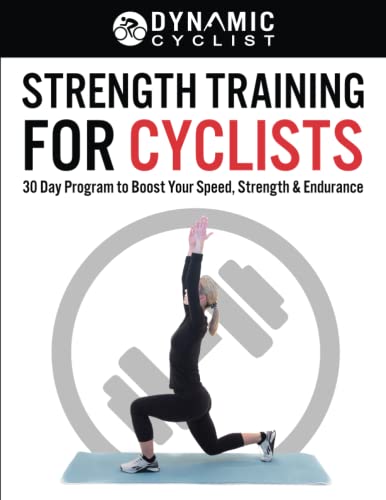
Your 100 mile cycling plan shouldn't just be about riding. A stronger, more balanced body is a faster, more injury-resistant body. Incorporating just two 20-30 minute strength sessions per week can pay huge dividends in your comfort and power on the bike, especially in the later stages of a long ride.
Focus on compound movements that build functional strength. You don't need to become a bodybuilder. The key areas for cyclists are:
- Core: A strong core is your platform for power. When your core is weak, your body is unstable, wasting energy and leading to lower back pain. Planks, bird-dogs, dead bugs, and Russian twists are fantastic.
- Glutes and Legs: Your glutes and quads are your primary power drivers. Bodyweight squats, lunges, glute bridges, and step-ups are perfect for building leg strength without needing a gym.
- Posterior Chain: Cyclists are often quad-dominant, which can lead to imbalances. Strengthening your hamstrings and back with exercises like Romanian deadlifts (with light weight or just a band) helps create a more balanced and powerful pedal stroke.
Cross-training with activities like swimming or yoga can also be highly beneficial. Yoga improves flexibility and can help alleviate the tightness that comes from hours hunched over handlebars. Swimming is a great no-impact, full-body workout perfect for active recovery days. These activities keep your training fresh and build a more well-rounded athletic base.
The Mental Game: Preparing Your Mind for 100 Miles
Conquering a 100-mile ride is as much a mental battle as it is a physical one. At some point, your legs will hurt, your energy will dip, and a little voice in your head will ask you to stop. Being prepared for this moment is a critical part of your training.

Break It Down Into Chunks
Thinking about the full 100 miles can be overwhelming. Instead, break the ride down into small, manageable segments. Don't focus on the finish line; focus on getting to the next aid station 20 miles away. Or just focus on the next 5 miles.
Or even just the top of the next hill. Celebrating these small victories along the way makes the total distance feel far less daunting.
Practice Positive Self-Talk
During your long training rides, you will have tough moments. This is your chance to practice your mental strategy. When negative thoughts creep in, have a positive mantra ready. It can be as simple as “I am strong,” “One pedal stroke at a time,” or “I trained for this.” Acknowledge the discomfort, but don't let it control your mindset.
Remind yourself of all the hard work you've put in to get to this point.
Use Visualization
Spend some time each week visualizing your success. Picture yourself riding smoothly and efficiently. Imagine yourself tackling a big hill with confidence. Most importantly, visualize yourself crossing that finish line, feeling exhausted but incredibly proud.
This mental rehearsal builds confidence and makes success feel more inevitable when the day finally comes.
Gearing Up: Your Bike and Essential Equipment
You don’t need a $10,000 professional race bike to ride 100 miles, but you do need equipment that is comfortable, reliable, and well-maintained. Getting your gear sorted out well in advance will prevent a lot of stress and discomfort.
The Bike Check
The most important quality of your bike is that it fits you properly. A professional bike fit is one of the best investments you can make. It will adjust your saddle height, handlebar position, and more to put you in an efficient and comfortable position, which is absolutely essential for preventing pain in your back, neck, and knees over a long ride. Before your event, give your bike a full tune-up: check the brakes, clean and lube the chain, and inspect your tires for wear.
Essential Gear Checklist
- Helmet: Non-negotiable. Make sure it fits snugly and is in good condition.
- Padded Cycling Shorts (Chamois): Your best friend on a long ride. Don't skimp here; a quality pair of shorts makes a world of difference in comfort.
- Cycling Jersey: The pockets in the back are essential for carrying food, your phone, and other small items.
- Gloves: Padded gloves help absorb road vibration and protect your hands.
- Cycling Shoes & Pedals: Clipless pedals allow you to pull up as well as push down on the pedals, making your stroke more efficient.
Tech That Helps
While not strictly necessary, a GPS bike computer can be a massive help during training and on event day. A device like the Wahoo Fitness ELEMNT BOLT is fantastic for tracking your distance, speed, and time, but its real power lies in navigation and pacing. You can follow a pre-loaded route so you never get lost and set up screens to monitor your heart rate or power, ensuring you stick to your pacing plan and don't go out too hard.
The On-the-Bike Repair Kit
You must be self-sufficient. Flat tires happen, so you need to know how to fix one. Your saddle bag should always contain:
- 2 spare inner tubes
- Tire levers
- A multi-tool with Allen keys
- A mini-pump or a CO2 inflator with cartridges
The Taper: Why Less is More Before the Big Day
After weeks and months of hard training, the final 7-10 days are all about one thing: recovery. This is the taper period, and it is absolutely vital. Tapering involves significantly reducing your training volume to allow your body to shed accumulated fatigue, repair muscle damage, and fully replenish its glycogen stores. You will arrive at the start line feeling fresh, strong, and chomping at the bit.
Cutting back can feel strange. You might feel sluggish or worry you're losing fitness, but trust the process. The fitness has already been built; now you’re just sharpening the blade. A typical final week might look like this:
- Monday: Rest.
- Tuesday: 45-minute easy ride with a few short 30-second “openers” at a higher cadence to keep the legs snappy.
- Wednesday: Rest.
- Thursday: 30-minute very easy spin.
- Friday: Rest or a 20-minute spin with a couple of short efforts.
- Saturday: Event Day!
During this week, focus on sleeping well, staying hydrated, and eating nutritious meals. In the 2-3 days leading up to the event, slightly increase the carbohydrate portion of your meals to ensure your glycogen stores are completely full. Don't stuff yourself, just shift the balance of your plate. Finally, do a last-minute check of your bike and lay out all your gear the night before to ensure a stress-free morning.
Frequently Asked Questions
How long does it take to train for a 100-mile bike ride?
This depends entirely on your starting fitness. For a true beginner, a 16-20 week plan is ideal to build a base safely. An intermediate cyclist with existing fitness can be ready in 12-16 weeks. A more advanced rider might only need an 8-12 week block to sharpen their form for the specific distance.
Can a beginner train for a 100-mile bike ride?
Absolutely. A century ride is a fantastic goal for a beginner. The key is choosing a plan that starts slowly and progresses gradually. Consistency and patience are more important than raw talent.
If you can commit to a structured plan, you can cross that finish line.
What is a good time for a 100-mile bike ride?
For a first-timer, the only goal should be to finish. That is a huge accomplishment in itself. Times can vary dramatically based on the course terrain, weather, and individual fitness. Many first-timers finish in the 8-10 hour range (including stops).
Stronger amateur riders often aim for 6-7 hours. Don't worry about the clock on your first attempt; just enjoy the journey.
Do I need to ride 100 miles in training before the event?
No, and you shouldn't. The physical and mental stress of riding the full distance in training is immense and requires a long recovery, which can disrupt your plan. The longest ride in most century training plans peaks at around 75-85 miles. This is enough to give you the confidence and endurance you need, and on event day, the adrenaline and support will easily carry you through the final miles.
Final Thoughts
The journey to completing a 100-mile ride is one of the most rewarding experiences a cyclist can have. It will challenge you, push you, and ultimately show you just how much you're capable of. It’s a testament to your dedication, discipline, and heart.
Remember that the training plan is a guide, not a rigid set of rules. Listen to your body, don't be afraid to take an extra rest day when you need it, and most importantly, have fun with the process. Celebrate your progress along the way, from your first 50-mile ride to the day you nail your nutrition strategy.
The road to 100 miles starts with a single decision to try. You have the blueprint for success right here. Now, it's time to clip in, start pedaling, and get ready for an adventure you'll never forget. You've got this!
What services does Best High Tech Gadgets For Adults provide?
Best High Tech Gadgets For Adults provides practical technology solutions designed around customer needs. Our team focuses on clear communication, reliable support, and outcomes that help people make informed decisions quickly.
How can customers get help quickly?
Customers can contact our team directly for fast support, clear next steps, and timely follow-up. We prioritize responsiveness so questions are answered quickly and issues are resolved without unnecessary delays.
Why choose Best High Tech Gadgets For Adults over alternatives?
Customers choose us for trusted expertise, transparent guidance, and consistent results. We focus on practical recommendations, personalized service, and long-term relationships built on reliability and accountability.


