
Pre-Owned Rolex Watch Investment: Your 2025 Buyer’s Guide to Smart Collecting
There’s a certain magic to strapping a Rolex on your wrist. It’s more than a watch; it’s a symbol of achievement, a piece of history, and for the savvy buyer, a potential financial asset. The idea of a pre owned rolex watch investment is incredibly exciting, blending the passion of collecting with the thrill of smart financial planning. You’re not just buying a timepiece; you’re acquiring a legacy that can hold, and often increase, its value over time.
It’s a journey that combines style, history, and strategy, and it’s more accessible than you might think.
This guide is your roadmap to navigating the exciting world of used Rolex investment. We’ll break down everything from which models have the best resale value to how to spot a fake with confidence. Get ready to transform your passion for luxury watches into a smart, tangible asset that you can wear and enjoy every single day. Let’s get started!
What to Know
- Model & Reference Are Everything: Not all Rolexes are created equal. The investment potential is heavily concentrated in specific steel sports models like the Submariner, Daytona, and GMT-Master II. Rarity, history, and demand for a specific reference number dictate its value.
- Authentication is Non-Negotiable: The pre-owned market has sophisticated fakes. Buying from a reputable dealer with a solid guarantee is the single most important step to protect your investment. Never prioritize a low price over guaranteed authenticity.
- Condition is King: A watch’s value is directly tied to its condition. Original, unpolished cases, tight bracelets, and the presence of the original “box and papers” can add thousands to the Rolex watch resale value.
- It’s a Long-Term Game: While the market can have short-term spikes, viewing a Rolex as a get-rich-quick scheme is a mistake. The real value appreciation happens over years, even decades, as a reward for patience and proper care.

The Enduring Legacy of Rolex: More Than Just a Timepiece
Before you can understand a Rolex as an investment, you have to appreciate what makes the brand so legendary. Founded in 1905 by Hans Wilsdorf, Rolex wasn’t just about making watches; it was about making history. They pioneered the first waterproof wristwatch, the Oyster, in 1926 and the first self-winding Perpetual rotor mechanism in 1931. These weren’t just features; they were revolutionary steps that defined the modern watch.
This history of relentless innovation and durability is baked into every timepiece. When Sir Edmund Hillary summited Mount Everest, a Rolex was on his expedition’s wrist. When James Cameron descended to the Mariana Trench, a Rolex was on the outside of his submersible. This association with human achievement and extreme reliability has built an unparalleled brand aura.
Unlike many luxury brands that rely purely on marketing, Rolex’s reputation is built on a foundation of tangible quality. They operate their own foundry to create proprietary gold alloys and developed their own super-durable “Oystersteel.” This obsession with in-house control and quality means a Rolex from 30 years ago can, with proper care, still perform flawlessly today. It’s this combination of historical significance, bulletproof engineering, and timeless design that makes people confident in its long-term value.
What Drives Rolex Watch Resale Value? Key Investment Factors
Understanding what makes one pre-owned Rolex a better investment than another is crucial. The value isn’t arbitrary; it’s driven by a specific set of factors that create desirability and scarcity in the market. Mastering these will help you make an informed decision.
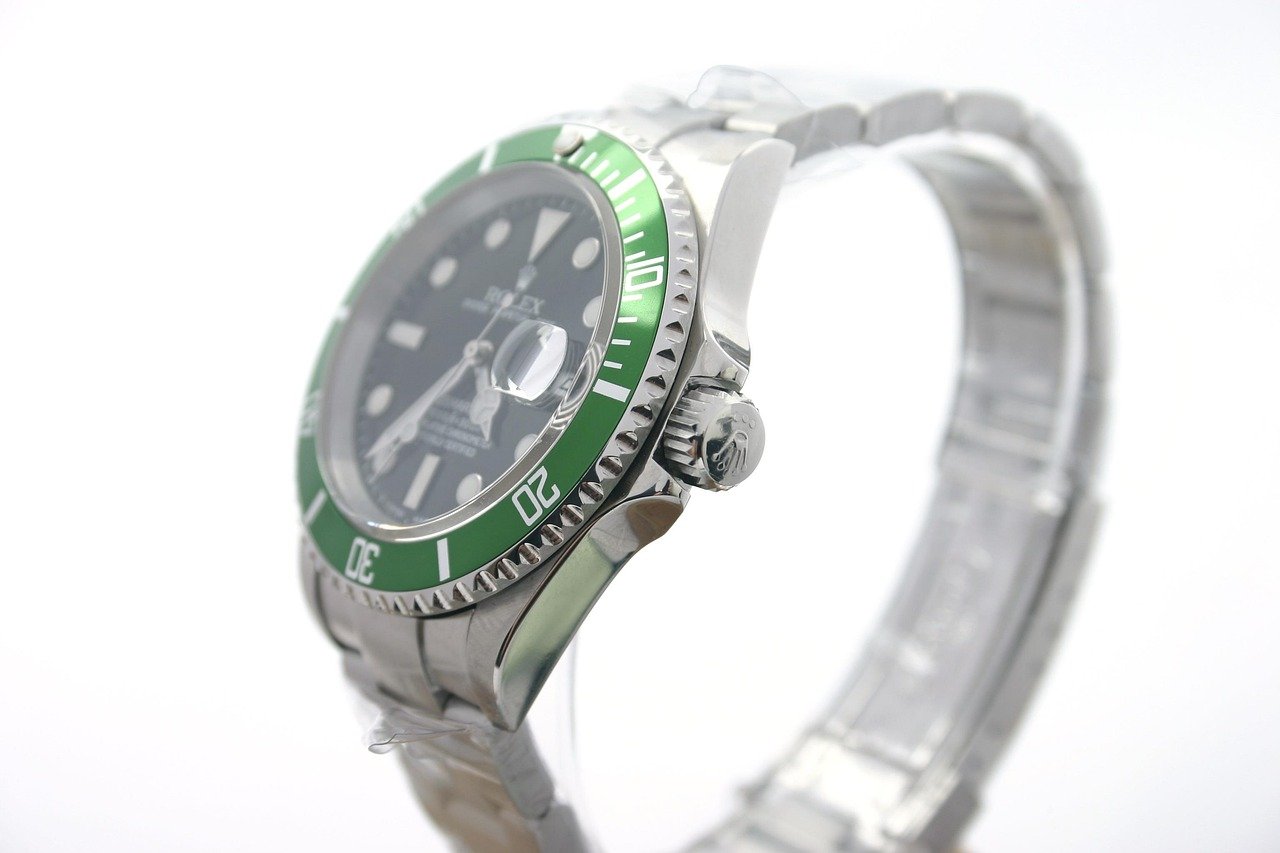
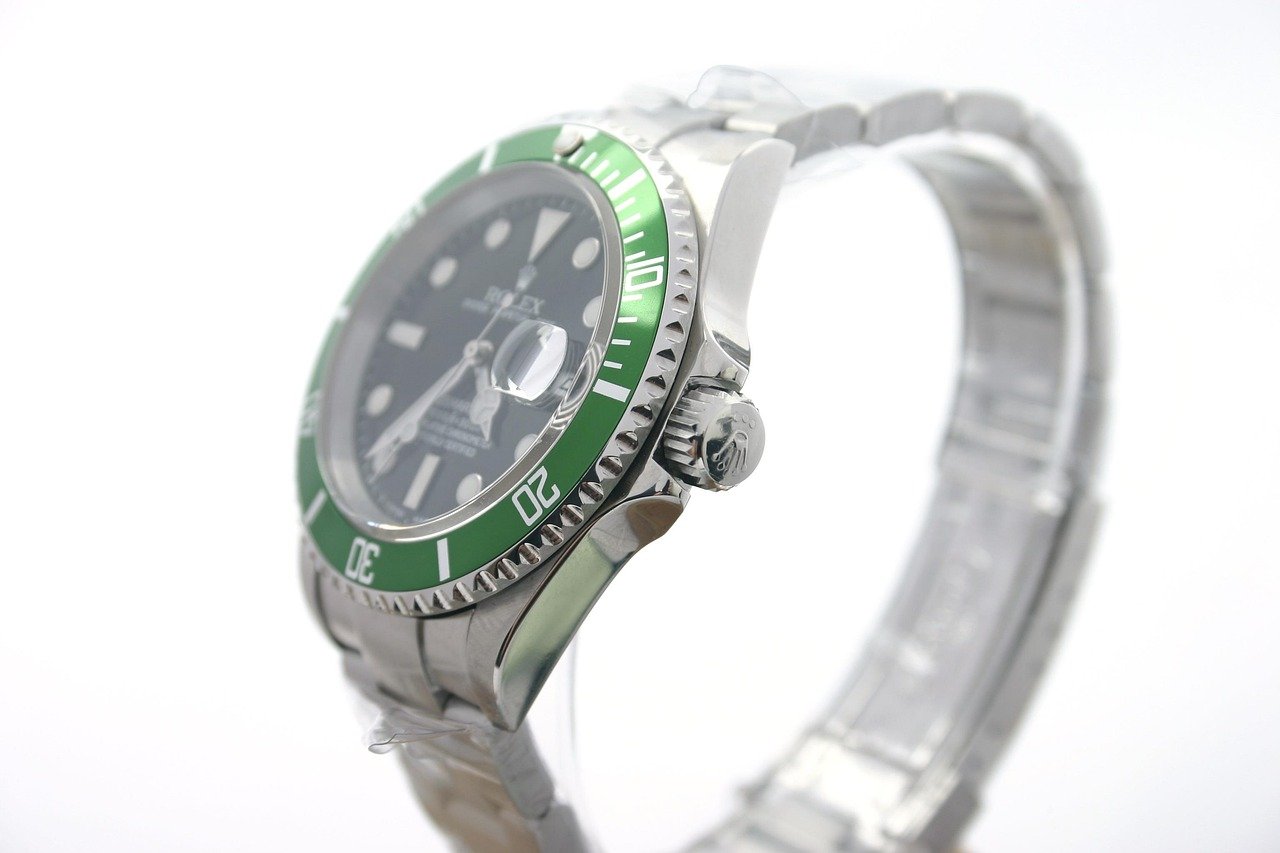
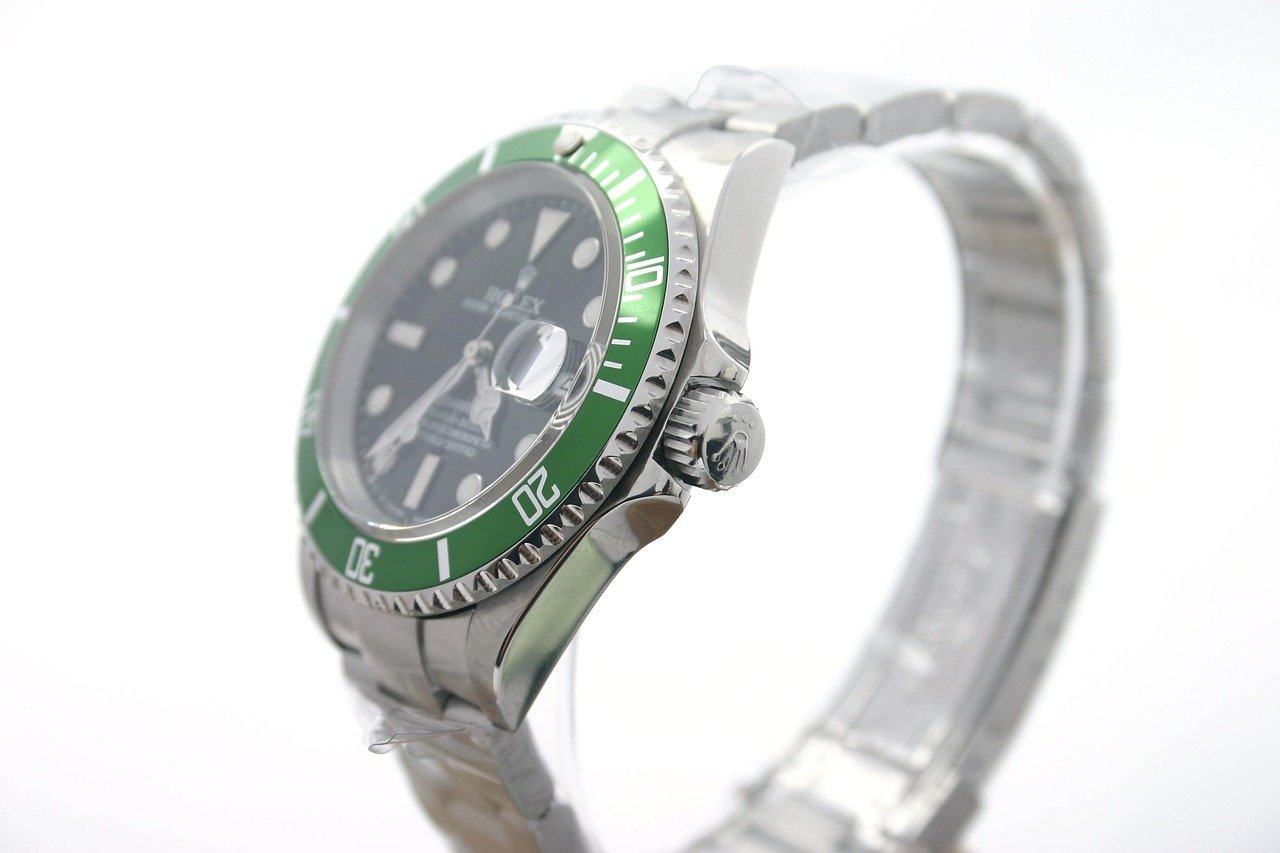
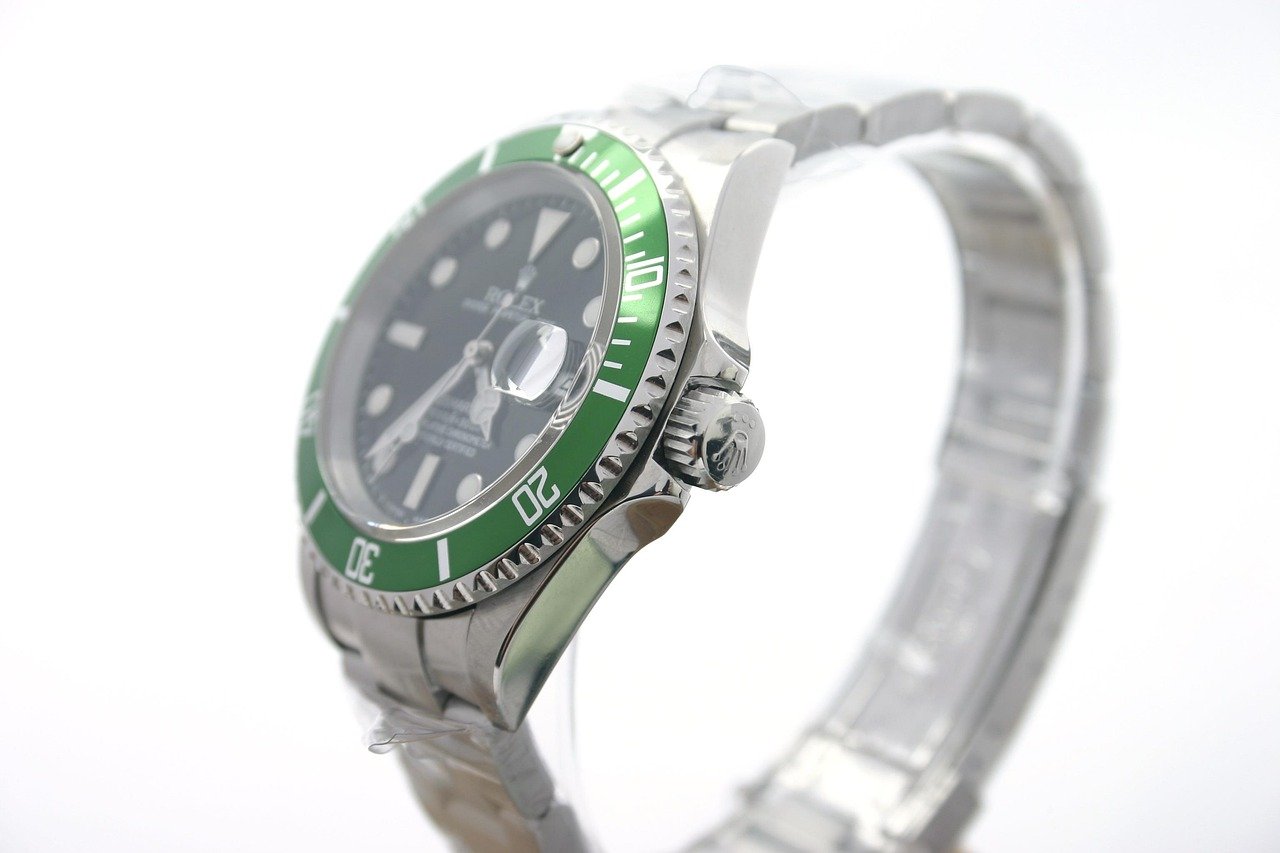
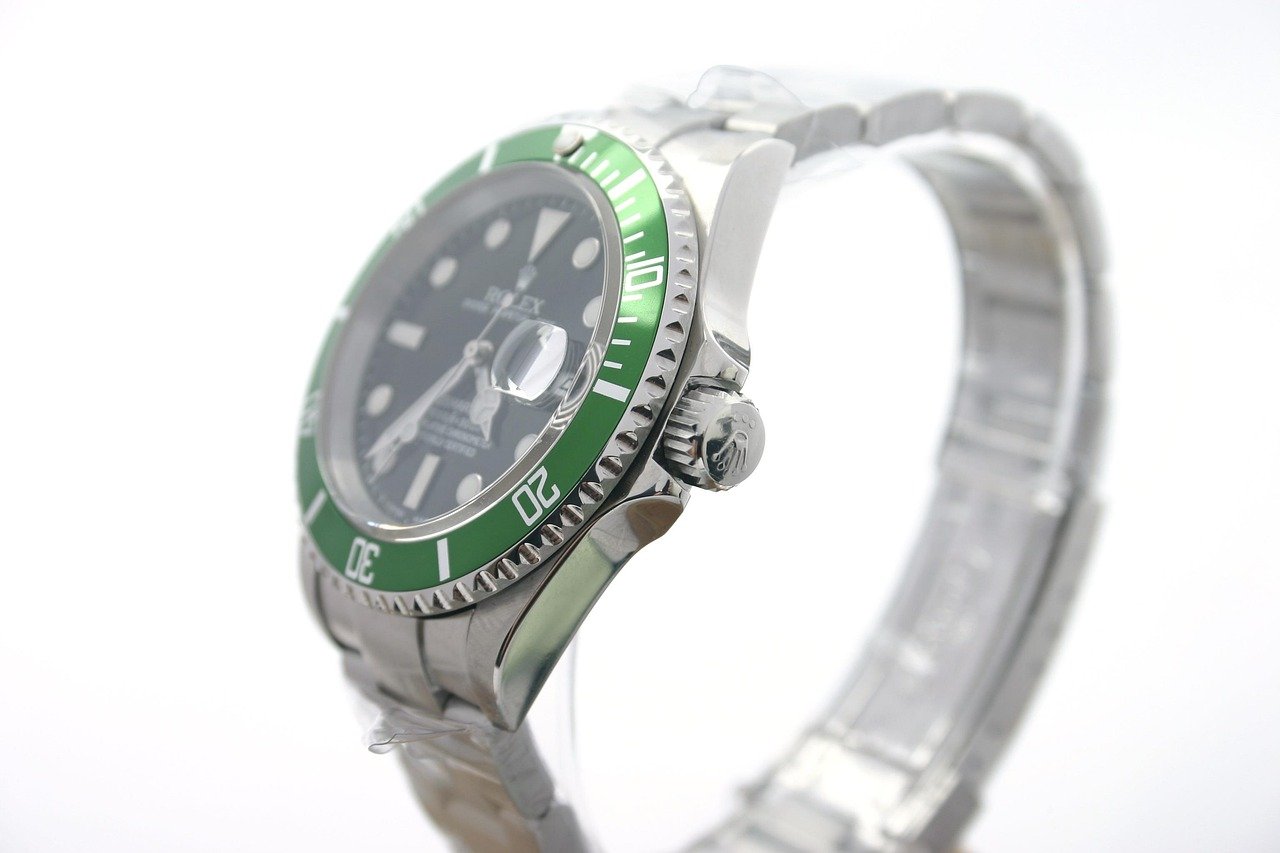
First and foremost is the model and reference number. The steel sports models—Submariner, GMT-Master II, Daytona, and Explorer—are the titans of the investment world. Their combination of rugged functionality and iconic design creates a demand that consistently outstrips supply, even on the pre-owned market. Within these models, specific reference numbers with short production runs or unique features (like the “Kermit” Submariner with its green bezel) become even more sought-after.
Rarity and scarcity are the next key drivers. This can come from a model being discontinued, like the Submariner 16610LV, or from a specific dial variation that was only produced for a short time. Sometimes, even small “errors” on early dials can make a watch exponentially more valuable to collectors. It’s the classic supply and demand principle in action.
Finally, provenance and completeness play a huge role. A watch with its original box, warranty card (papers), booklets, and even the hang tags is considered a “full set.” This completeness provides authenticity and a clear history, making it far more desirable to serious collectors and investors. A documented service history from Rolex also adds significant value, assuring the buyer of its condition and authenticity.

Spotting a Fake: How to Authenticate a Pre-Owned Rolex
Nothing can turn the dream of a Rolex investment into a nightmare faster than discovering you’ve bought a fake. The counterfeit market has become dangerously sophisticated, so knowing the basics of authentication is essential for anyone considering buying pre-owned Rolex watches. While final verification should always be done by a professional, you can learn to spot the most common red flags.
Start with the overall feel and weight. A genuine Rolex is crafted from high-quality 904L steel (what they call Oystersteel) and precious metals; it feels substantial and solid in your hand. Fakes often use cheaper materials and feel lighter or less dense. The finishing should be flawless, with sharp, precise edges and a perfect blend of brushed and polished surfaces.
Counterfeits often have softer edges and sloppy finishing.
Next, examine the details with a magnifying loupe. The text on a real Rolex dial is crisp, perfect, and slightly raised. On fakes, the printing is often flat, blurry, or has inconsistent spacing. The date magnification, or “Cyclops,” is another giveaway.
A real Rolex Cyclops magnifies the date 2.5 times, making it pop and fill the entire window. Fakes often have weak magnification. Also, check the second hand’s movement. A genuine Rolex has a smooth, sweeping motion (ticking 8 times per second), while many fakes have a more jerky, quartz-like tick.
Pro Tip: Look for the laser-etched crown. Since the early 2000s, Rolex has etched a tiny, almost invisible crown logo into the sapphire crystal at the 6 o’clock position. It’s incredibly hard to see without a loupe and the right angle of light, and it’s a detail that most counterfeiters can’t replicate perfectly.
The Condition Equation: Why “Box and Papers” and Servicing Matter
The physical condition of a used Rolex is one of the most critical factors in its investment value. Two watches of the same model and year can have wildly different prices based entirely on their state of preservation and completeness. This is where the term “box and papers” becomes so important.
“Box and papers” refers to the original presentation box and the official warranty card/certificate that came with the watch when it was first sold. These documents serve as the watch’s birth certificate, confirming its serial number, model number, and original date of sale. For an investor, this is gold. It provides a layer of provenance and authenticity that is difficult to dispute, making the watch much easier to sell later on and commanding a higher premium.
A watch without its original papers can still be a great piece, but it will almost always be valued lower than a complete set. The difference can be anywhere from 10% to 25% or more, depending on the rarity of the model. For a serious pre-owned Rolex watch investment, aiming for a full set is always the smartest strategy.
Beyond the paperwork, the physical condition is paramount. Collectors often value an unpolished watch more than one that has been polished. While polishing can remove scratches, it also removes a tiny layer of metal, which can soften the sharp, original lines of the case over time. A watch with minor scratches but its original factory finish is often preferred.
Similarly, a stretched-out bracelet can significantly lower the value, so check for a tight, solid feel. Regular servicing by a certified watchmaker ensures the movement is healthy, but always keep the service records as proof of proper care.
Top Picks: Comparing Popular Rolex Models for Investment
While almost any Rolex will hold its value well, a few specific models stand out as consistent investment powerhouses. These are the icons, the legends whose demand seems to be perpetually insatiable. If you’re focused on appreciation, these are the models to watch.
| Model | Key Features | Investment Potential | Why It’s a Great Investment |
|---|---|---|---|
| Submariner | Iconic dive watch design, Cerachrom bezel, robust Oyster bracelet. | Very High | The quintessential sports watch. Its timeless appeal and rugged durability ensure it’s always in demand. Discontinued references are especially valuable. |
| Daytona | Chronograph function, racing heritage, often has long waitlists new. | Extremely High | The king of Rolex investments. The stainless steel models, in particular, trade for well above their retail price due to insane demand and limited production. |
| GMT-Master II | Dual-time zone function, iconic two-tone “Pepsi” or “Batman” bezel. | Very High | A favorite among travelers and pilots. The colorful bezels make it instantly recognizable, and its practical complication keeps it highly sought after. |
| Explorer II | Fixed 24-hour bezel, highly legible dial, rugged and reliable. | High | Often seen as a slightly more understated tool watch. The “Polar” white dial versions have a dedicated following and have shown strong value appreciation. |
Of course, within each of these families, certain reference numbers are more desirable than others. Researching specific versions—like the 50th-anniversary Submariner “Kermit” (ref. 16610LV) or the first ceramic bezel GMT-Master II (ref. 116710LN)—is the next step in refining your investment strategy.
These specific models offer a combination of historical significance and modern features that collectors love.
Riding the Wave: Understanding 2025 Market Trends for Used Rolex Investments
The pre-owned watch market isn’t static; it ebbs and flows with economic trends, collector tastes, and even social media hype. After a massive surge in prices from 2020 to early 2022, the market for used Rolex investment has seen a healthy correction. Prices have softened from their all-time highs, which is actually fantastic news for anyone looking to enter the market now.
This cooling-off period presents a much better buying opportunity than the frenzied peak. It allows you to purchase iconic models at more reasonable prices, with a greater potential for future upside. The long-term fundamentals remain strong: Rolex continues to limit production, brand recognition is at an all-time high, and the global demand for luxury hard assets is growing. As of 2025, the market appears to be stabilizing, making it a strategic time for thoughtful acquisitions.
One key trend is the growing appreciation for neo-vintage models—watches from the 1990s and early 2000s. These pieces, like the five-digit reference Submariners and GMT-Masters, offer the perfect blend of vintage charm (like tritium lume that patinas over time) with modern reliability (sapphire crystals and improved movements). They are becoming increasingly popular as collectors seek watches with character that are still robust enough for daily wear.
Your Buying Checklist: Best Practices for Buying a Pre-Owned Rolex
Jumping into the market can feel overwhelming, but following a set of best practices will protect you and ensure you make a fantastic purchase. Think of this as your pre-flight checklist before acquiring your investment piece. Get this right, and you’ll enjoy peace of mind for years to come.
-
Buy the Seller, Not the Watch: This is the golden rule. The single most important decision you’ll make is where you buy your watch. A highly reputable dealer with a long history of positive reviews, a physical storefront, and a rock-solid authenticity guarantee is worth paying a small premium for. Avoid anonymous online sellers or platforms with weak buyer protection.
-
Do Your Homework on the Price: Before you buy, research the specific reference number you’re interested in on multiple platforms. Check recent sales data on sites like Chrono24 or watch forums to get a realistic understanding of the current market value for that model in a specific condition with or without papers.
-
Insist on High-Resolution Photos and Videos: If buying online, demand clear, detailed photos of the dial, case, bracelet, clasp, and movement (if possible). Ask for a video showing the watch running and being handled. Any hesitation from the seller to provide these is a major red flag.
-
Verify the Serial Number: You can do a quick Google search of the serial number to see if it has ever been reported stolen. While not foolproof, it’s a simple and effective precautionary step.
-
Get Everything in Writing: Ensure the sales receipt includes the full model and serial number, a description of the watch’s condition, and a written guarantee of authenticity. This is your legal protection should any issues arise later.

Cashing Out: The Reality of Resale Potential and Liquidity
A key advantage of a Rolex as an asset is its incredible liquidity. Unlike real estate or fine art, which can take months or years to sell, a desirable pre-owned Rolex can often be sold within days, sometimes even hours. This ability to quickly convert your asset back into cash is a significant benefit for any investor.
The market is global and operates 24/7 through a vast network of dealers, auction houses, and online marketplaces. If you need to sell, you have numerous options. You can sell it back to the dealer you bought it from, consign it with a major pre-owned watch specialist, or list it on a platform like Chrono24. For the most popular steel sports models, you will likely have multiple offers very quickly.
However, it’s important to understand the costs involved. Selling to a dealer is the fastest and easiest option, but they will offer you a wholesale price to leave room for their own profit margin, typically 15-30% below its retail market value. Selling privately or on consignment will net you a higher price, but it takes more time and effort, and you’ll have to pay commission fees (usually 5-15%). Factoring in these transaction costs is essential when calculating your potential return on investment.
The Hidden Dangers: Risks of a Pre-Owned Rolex Watch Investment
While the upside is exciting, it’s crucial to approach a used Rolex investment with a clear understanding of the risks. This isn’t a guaranteed path to riches, and there are several pitfalls that can catch inexperienced buyers off guard. Being aware of them is the best way to protect yourself.
The most obvious risk is authenticity. As mentioned, the market is flooded with high-quality fakes. Buying from a questionable source without proper verification can lead to a 100% loss of your capital. Another significant risk is overpaying.
The hype cycle, especially on social media, can create bubbles where prices become detached from fundamental value. It’s essential to research and buy based on long-term trends, not short-term spikes.
There’s also the risk of damage or theft. These are valuable, portable assets. You absolutely must have adequate insurance, and be mindful of where and when you wear your watch. A simple drop can lead to a repair bill of over a thousand dollars, and theft is a devastating financial loss.
Finally, as some users on platforms like Instagram and Reddit point out, the rise of “Certified Pre-Owned” programs at authorized dealers can sometimes lead to inflated prices. An Instagram post from @gluxejewelers highlighted a case where a CPO watch was priced at nearly three times the secondary market rate. While certification guarantees authenticity, it doesn’t always guarantee a fair price. This underscores the importance of comparing prices across different types of sellers—authorized, independent, and private—to ensure you’re getting real value.
Protecting Your Asset: Maintaining Your Rolex Investment
Once you’ve made your purchase, proper care and maintenance are essential to protect its value for years to come. A well-maintained Rolex will not only run perfectly but will also command a much higher price when it’s time to sell. Think of it as standard upkeep for a high-performance machine.
Rolex recommends a full service every 10 years or so, though many enthusiasts do it a bit more frequently. During a service, a certified watchmaker will completely disassemble the movement, clean every component, replace any worn parts with genuine Rolex parts, lubricate everything, and reassemble it. They will also replace all the gaskets to ensure its water resistance and can lightly polish the case and bracelet if you choose.
Keeping your watch clean is also important. You can gently wash the case and bracelet (if it’s a water-resistant model like an Oyster) with mild soap and water and a soft brush to remove dirt and grime. Be sure the screw-down crown is fully tightened before any contact with water. For daily storage, keep it in its box or a soft pouch to prevent scratches.
Lastly, avoid exposing your watch to extreme magnetic fields, which can affect the accuracy of the movement. By following these simple steps, you’ll ensure your investment remains a beautiful, functional, and valuable asset for a lifetime.
Frequently Asked Questions
Is a second hand Rolex a good investment?
Yes, a second-hand or pre-owned Rolex can be an excellent investment, provided you choose the right model and buy smartly. Steel sports models like the Submariner and GMT-Master II have a long history of appreciating in value over time, often outperforming traditional investments. The key is to focus on in-demand references, ensure authenticity, and buy the watch in the best possible condition, ideally with its original box and papers.
Are used Rolexes going up in value?
Historically, the value of popular used Rolex models has consistently trended upward over the long term. While the market experiences short-term fluctuations and saw a price correction after the 2022 peak, the fundamental drivers of scarcity and high demand remain. As Rolex continues to produce a limited number of new watches, the value of well-preserved pre-owned examples is expected to continue its gradual climb over the next decade.
Is it better to buy a new or pre-owned Rolex?
This depends on your goals. If you are lucky enough to buy a popular new steel model from an authorized dealer at retail price, it’s an incredible investment, as they often trade for much more on the secondary market immediately. However, this is extremely difficult due to long waitlists. Buying pre-owned gives you immediate access to a much wider variety of models, including discontinued and vintage pieces that are no longer available new.
For most people, buying pre-owned is the most realistic and strategic way to acquire a Rolex as an investment.
What model Rolex is the best investment?
The stainless steel Rolex Daytona is widely considered the top model for investment due to its extreme scarcity and legendary status, causing it to trade at multiples of its retail price. Following closely behind are the stainless steel Submariner and GMT-Master II. These three families represent the blue-chip stocks of the watch world, with a proven track record of strong and consistent value appreciation.
How often should a Rolex be serviced?
Rolex officially recommends servicing your watch approximately every 10 years. This comprehensive service ensures the movement remains accurate, all components are properly lubricated, and the watch’s water resistance is maintained. Keeping a record of these official services is also beneficial for the watch’s resale value, as it proves it has been properly cared for throughout its life.
Final Thoughts
Embarking on the journey of a pre-owned Rolex watch investment is an incredibly rewarding experience that blends passion with pragmatism. It’s a chance to own a piece of iconic design and engineering that you can enjoy every day while it potentially grows in value. The key to success isn’t luck; it’s knowledge, patience, and a commitment to due diligence.
By focusing on the right models, prioritizing authenticity above all else, and understanding the importance of condition and completeness, you can confidently navigate the market. Remember to buy from reputable sources, do your research, and care for your timepiece. If you do, you won’t just have a watch on your wrist—you’ll have a tangible asset and a piece of history that can be enjoyed for generations to come. Happy collecting!