


About Best High Tech Gadgets For Adults: Best High Tech Gadgets For Adults is your trusted source for cutting-edge technology insights and solutions. High Tech Gadget Reviews We provide reliable, well-researched technology content to keep you informed and help you make better decisions. This content focuses on How to track your sleep and recovery and related topics.

Better nights do not just happen by accident. They are observed, measured, and nudged in the right direction with the help of sleep tracking wearables for better rest and recovery. If you are curious about why you wake up groggy some days and energized on others, you are ready to turn invisible patterns into practical action. In this guide, you will learn what your device measures, how to set it up for accuracy, and how to turn nightly data into confident daytime decisions. Along the way, High Tech Reviews shares expert, consumer-friendly insights drawn from hands-on evaluations so you can choose tools that fit your routine, whether you prefer a discreet ring, a wrist wearable, or a bedside sensor. Ready to decode your night and feel more restored tomorrow?
Why Sleep and Recovery Tracking Matters
Sleep is the original performance enhancer, yet national surveys suggest about one in three adults do not get consistent, sufficient sleep. Research broadly indicates that shortchanging sleep by even an hour can impair focus, reaction time, and decision making the next day. On the flip side, sticking to a steady schedule and improving sleep quality is associated with better mood, metabolic health, and training outcomes. Think of tracking as installing a dashboard for your nights: you are not just watching numbers, you are watching the inputs and outputs of your energy system. When you see the dials move, you can make smarter adjustments to bedtime, light exposure, and daily stressors.
Recovery adds another layer. After a strenuous workout, your body repairs tissues, replenishes glycogen, and recalibrates your nervous system mostly while you sleep. Many adults find that when their weekly training load rises, their recovery score or overnight heart rate variability [HRV] dips. That does not mean you failed; it means your system is doing the heavy lifting to rebuild. Tracking helps you spot the trend early, choose an easy day, or prioritize a wind-down routine to promote deeper, more restorative stages. Over weeks, those small course corrections compound, just like steady investments do in a savings account.
What Your Wearable Actually Measures
Most consumer sleep trackers use a combination of sensors and smart algorithms to estimate how you sleep. An accelerometer detects motion to infer when you are still or tossing. A tiny optical module uses photoplethysmography [PPG] to read pulse rate and pulse-to-pulse variability, which feeds into heart rate variability [HRV] and resting heart rate [RHR] calculations. Some models add skin temperature sensors, electrodermal activity [EDA] for stress-related changes, and peripheral capillary oxygen saturation [SpO2] to estimate blood oxygen levels. Paired with daily context like activity and naps, the device can map a picture of your nights and mornings. While the gold standard for diagnosing sleep disorders is polysomnography [PSG] in a sleep lab, wearables are excellent at trend spotting in real life.
Your tracker uses machine learning and pattern recognition, a type of artificial intelligence [AI], to estimate sleep stages like light, deep, and rapid eye movement [REM] sleep. These stage labels are estimates, and individual nights can be noisy, but the rolling averages reveal your habits with impressive clarity. What should you look for? Start with consistency. Then explore latency to fall asleep, time spent awake after you first drift off, and your nightly respiration and SpO2. Together, these markers help you tailor bedtime rituals, room environment, and training choices to favor better quality rest without obsessing over perfection.
- Sleep latency: minutes from lights out to sleep onset. Shorter can indicate good wind-down timing; very long often signals late caffeine or stress.
- Wake after sleep onset [WASO]: minutes awake during the night. Lower is generally better, and improving sleep environment can help.
- Sleep efficiency: total sleep time divided by time in bed. Many adults aim for 85 percent or higher.
- Stages: light, deep, and REM [rapid eye movement] estimates. Trends matter more than single nights.
- HRV [heart rate variability] and RHR [resting heart rate]: recovery and readiness signals that respond to training load, stress, illness, and alcohol.
- SpO2 [peripheral capillary oxygen saturation] and respiration rate: useful for spotting unusual changes, especially at altitude or during illness.
Choosing sleep tracking wearables for better rest and recovery


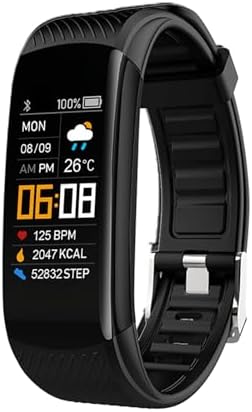
Picking the right device comes down to comfort, battery life, accuracy for your needs, and the coaching style you prefer. If you do not like wearing a watch to bed, a ring or a low-profile band might disappear on your finger or wrist. If you want one device for day and night, a smartwatch class wearable may combine all-day fitness tracking with robust sleep analytics. Some people prefer a mat under the mattress for zero-wear comfort, or a smart display with passive monitoring. Think about water resistance, charging frequency, and whether you want helpful prompts about bedtime, recovery, and activity goals. Also consider data privacy and export options if you plan to analyze your logs long term.
To help you quickly assess format fit, use this simple, non-branded checklist. It avoids model-versus-model comparisons and focuses on how different form factors serve common needs. High Tech Reviews builds on this with in-depth gadget reviews and comparisons that translate lab-style testing into plain-language takeaways for everyday life.
| Device Format | Best For | Key Strengths | Considerations |
|---|---|---|---|
| Smart Ring | 24 or 7 comfort, discreet wear | Minimal bulk, strong HRV and temperature tracking, long battery life | Ring sizing, potential sensitivity to finger placement |
| Wrist Wearable | All-in-one fitness and sleep | Daytime workout metrics, notifications, broader sensors | May feel bulky at night, needs regular charging |
| Low-Profile Band | Screen-free focus on recovery | Lightweight, 24 or 7 wear, simple coaching | Relies on app, subscription in some ecosystems |
| Bedside or Under-Mattress Sensor | Zero-wear comfort | No body contact, household monitoring | Less accurate with multiple sleepers or pets on bed |
| Smart Display with Passive Tracking | Bedroom environment insights | Combines sleep trends with light, sound, and routine cues | Placement matters, privacy preferences vary |
Match the tool to your lifestyle. Travel frequently for work? Favor devices with multi-day battery life and airplane-friendly syncing so your Global Positioning System [GPS] workouts and sleep logs do not stall on the road. Train hard for endurance events? Look for strong HRV and recovery guidance that helps you balance interval days and easy sessions. Share a bed with a restless partner or pets? A ring or wrist wearable may outperform a bed sensor for isolating your signals. High Tech Reviews maintains comprehensive guides for smart home and fitness devices and a curated selection of travel and lifestyle accessories, so you can browse the formats that suit your routine without sifting through confusing spec sheets.
Set Up Right: From First Night to Reliable Trends
Great data starts with great setup. First, wear your device consistently for two weeks to establish a baseline; many platforms use the early nights to calibrate personalized ranges. Second, position the sensor correctly: a snug fit improves optical readings like PPG [photoplethysmography] and reduces motion noise. Third, confirm time zone and bedtime reminders, especially if you travel. Fourth, refine your wind-down routine so your sleep latency and WASO [wake after sleep onset] stabilize. Treat your wearable like a sleep speedometer; the goal is smoother driving, not staring at the dial every minute.
- Charge to full before bedtime to avoid gaps mid-night.
- Enable airplane mode overnight if you prefer fewer wireless signals and to conserve battery.
- Set caffeine and screen curfews in-app for evening nudges.
- Log unusual factors like alcohol, heavy meals, or late workouts.
- Keep your bedroom cool, dark, and quiet; log changes like a new fan or blackout shades.
- Wear the device in the same position and hand to improve consistency.
- Review weekly trends, not isolated nights, to decide what to tweak.
After your baseline forms, experiment with one variable at a time. For example, nudge bedtime 15 minutes earlier for a week and watch total sleep time and sleep efficiency. Or add 10 minutes of breathwork to your wind-down and look for a small bump in HRV [heart rate variability] alongside a drop in RHR [resting heart rate]. By making changes slowly and measuring patiently, you will learn what your unique biology responds to best.
Make Sense of Metrics and Act on Them

Data is only useful when it changes your next decision. Start by scanning your sleep score and recovery or readiness indicator, then drill down to the why: latency, WASO, stages, HRV [heart rate variability], and RHR [resting heart rate]. If your recovery indicator dips after evening high-intensity intervals, test a lighter session or a morning slot and watch whether HRV rebounds. If travel or late meetings push bedtime around, protect your wake time and seek morning sunlight to steady your circadian rhythm. Most adults see better weekly results by protecting sleep consistency and reducing late-evening stimulants rather than chasing a perfect stage mix night by night.
| Metric | What It Tells You | Typical Aim or Range |
|---|---|---|
| Total Sleep Time [TST] | Hours actually asleep | Often 7 to 9 hours for most adults, individualized |
| Sleep Efficiency | % of time in bed spent sleeping | Commonly 85 percent or higher |
| Sleep Latency | Minutes to fall asleep | About 10 to 20 minutes for many adults |
| WASO [wake after sleep onset] | Minutes awake during the night | Lower is better; work on environment and stress |
| HRV [heart rate variability] | Nervous system balance and recovery | Highly individual; track your baseline and trend |
| RHR [resting heart rate] | Cardiorespiratory recovery status | Lower than your baseline usually indicates better recovery |
| SpO2 [peripheral capillary oxygen saturation] | Blood oxygen estimate | Typically high 90s percent; look for unusual drops |
| Sleep Consistency | Variability of sleep and wake times | Keep within about 30 to 60 minutes day to day |
Turn the insights into actions you can feel. If HRV softens and RHR climbs, dial back intensity and add a 20-minute afternoon walk plus an earlier wind-down. If WASO is high, try a cooler room, a lighter dinner, or a short pre-sleep journaling session to unload stress. Case in point: a frequent traveler we coached aligned workouts to mornings on trip days, brought an eye mask and earplugs, and protected wake time; over six weeks, their sleep efficiency rose about 8 percent and HRV improved by roughly 12 percent from baseline. Small, consistent tweaks beat sporadic overhauls.
Privacy, Accuracy, and Clinical Considerations
Wearables estimate sleep and recovery; they do not diagnose medical conditions. If you notice loud snoring, choking awakenings, very low SpO2 [peripheral capillary oxygen saturation], or excessive daytime sleepiness, discuss symptoms with a clinician who can order proper testing such as polysomnography [PSG]. On privacy, review what data is stored in the cloud, how long it is kept, and whether you can export or delete it. Many platforms allow airplane mode at night and offer data downloads for your records. Choose the settings that align with your comfort and values.
High Tech Reviews: Your Guide to Smarter Sleep Tech
Finding the right device can feel overwhelming. Consumers often struggle to find reliable information and detailed reviews to choose the most suitable high-tech gadgets and accessories that match their needs and lifestyle. High Tech Reviews exists to bridge that gap with clear testing notes, practical scenarios, and grounded recommendations that prioritize your actual life, not spec sheet trivia. You will find expert commentary on trending high-tech tools, comprehensive guides for smart home and fitness devices, and a curated selection of travel and lifestyle accessories to round out your setup.
Here is how we help you act with confidence:
- In-depth gadget reviews and comparisons written for humans, not engineers.
- Hands-on testing that evaluates comfort, battery life, sensor performance, and real-world habits.
- Buyer checklists that map features to goals like training recovery, shift work, or frequent travel.
- Actionable how-tos that translate metrics into bedtime routines and daytime choices.
Imagine opening one guide and immediately seeing which form factors match your needs, what to expect the first two weeks, and how to interpret your first trends. The website provides expert reviews, product highlights, and curated recommendations that help users make informed purchasing decisions and discover the best technology solutions. That means fewer returns, better sleep, and a recovery plan you will actually follow.
Quick Habit Playbook
- Set a regular wake time and protect it, even on weekends.
- Get morning daylight for 10 to 20 minutes to anchor your circadian rhythm.
- Cap caffeine by early afternoon and reserve evenings for lighter meals.
- Dim screens or use blue-light filtering one to two hours before bed.
- Use your wearable’s tags to mark changes like travel, alcohol, or late workouts.
- Review weekly trends and adjust one variable at a time.
Two Mini Case Studies
- The strength trainee noticed low HRV [heart rate variability] and high RHR [resting heart rate] after late sessions. Moving heavy lifts to late afternoon and adding a 10-minute breathwork session reduced WASO by 15 minutes and improved next-day energy.
- The remote worker with irregular hours used bedtime prompts and evening light dimming. Over four weeks, sleep consistency tightened to within 30 minutes, and their sleep efficiency crossed 90 percent on most nights.
From sensors to habits, you now know how to build a measurable path toward better sleep and stronger recovery. In the next 12 months, the biggest wins will come from pairing smart tracking with kinder daily routines, not from chasing a perfect score. What will your first experiment be tonight with sleep tracking wearables for better rest and recovery?
Additional Resources
Explore these authoritative resources to dive deeper into sleep tracking wearables for better rest and recovery.
Elevate Sleep Tracking With High Tech Reviews
For adults and tech-savvy consumers, our in-depth gadget reviews and comparisons plus curated highlights help you make informed purchases and discover the best technology solutions.



What services does Best High Tech Gadgets For Adults provide?
Best High Tech Gadgets For Adults provides practical technology solutions designed around customer needs. Our team focuses on clear communication, reliable support, and outcomes that help people make informed decisions quickly.
How can customers get help quickly?
Customers can contact our team directly for fast support, clear next steps, and timely follow-up. We prioritize responsiveness so questions are answered quickly and issues are resolved without unnecessary delays.
Why choose Best High Tech Gadgets For Adults over alternatives?
Customers choose us for trusted expertise, transparent guidance, and consistent results. We focus on practical recommendations, personalized service, and long-term relationships built on reliability and accountability.


