
Watch Collecting for Beginners: A Step-by-Step Guide to Your First Timepiece
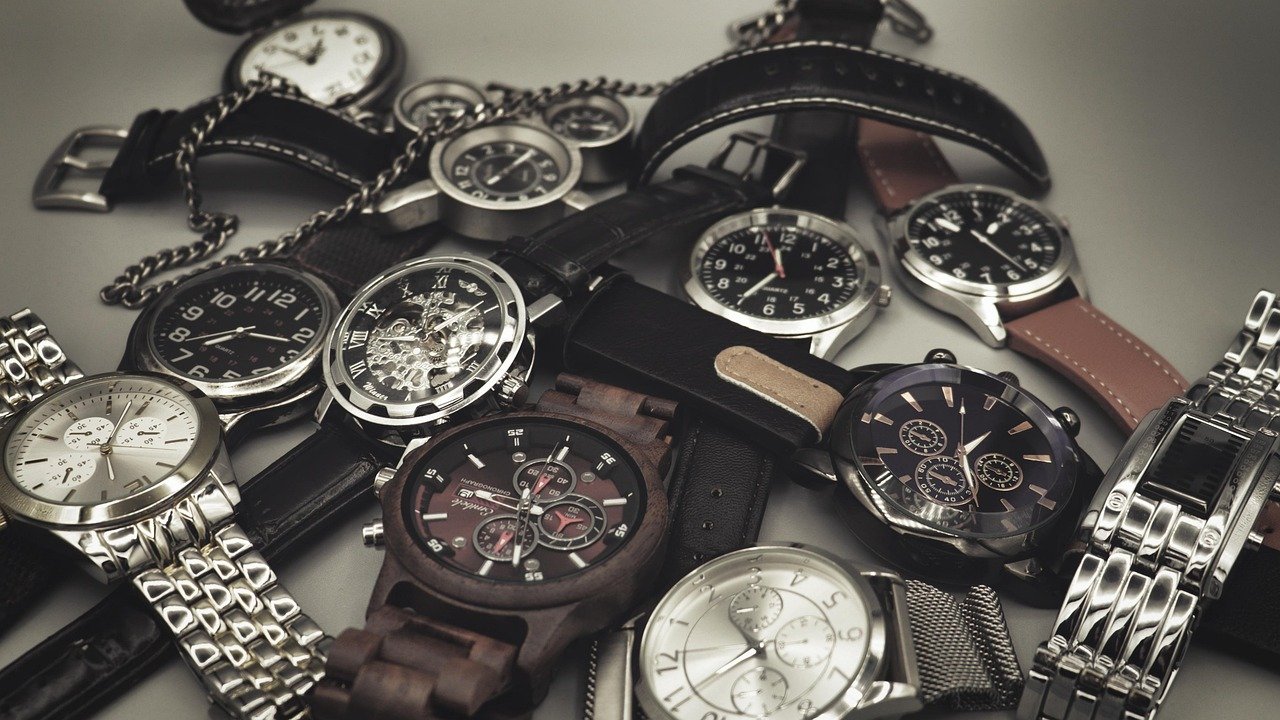
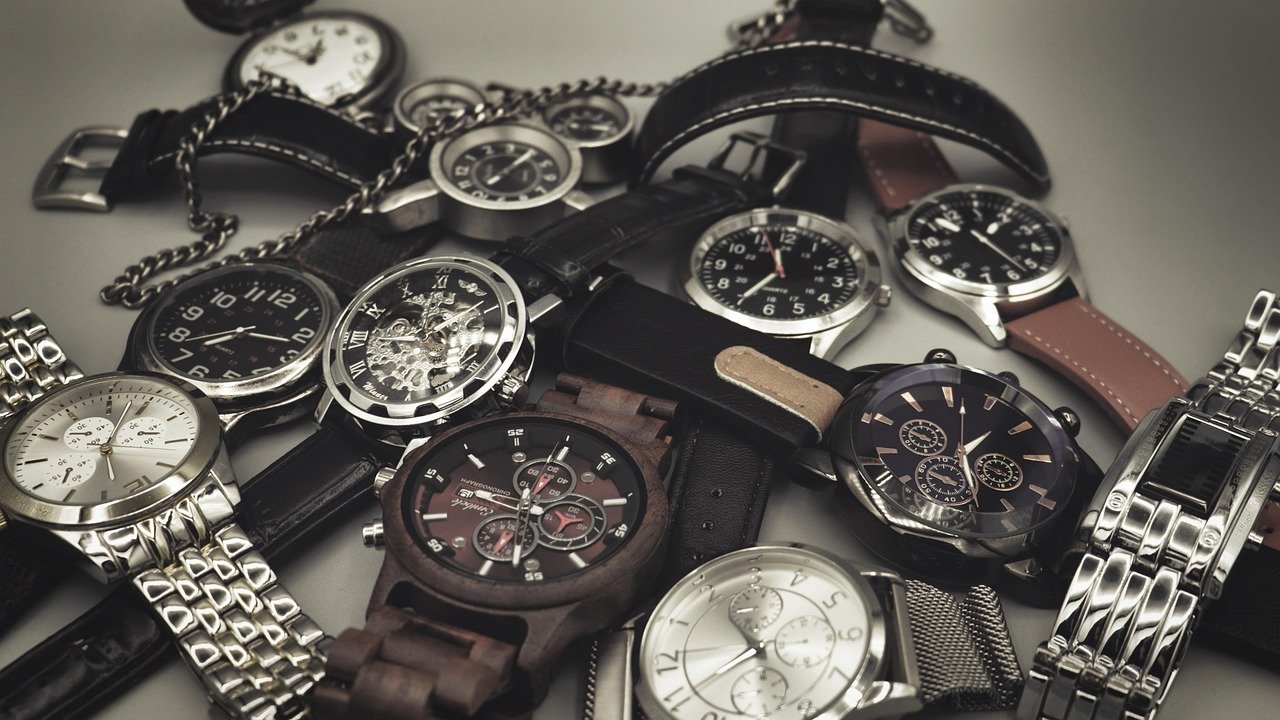
Welcome to the incredible world of horology. If you’ve ever felt a pull towards the intricate dance of gears and springs on a wrist, you’re in the right place. Starting a journey into watch collecting for beginners can feel like a monumental task, filled with unfamiliar terms and endless options. But don’t worry.
It’s one of the most rewarding hobbies you can embark on, blending personal style, mechanical artistry, and a rich history into something you can wear every single day. This guide is your roadmap, designed to take you from curious admirer to confident collector.
This isn’t about amassing a vault of expensive timepieces overnight. It’s about discovering what you love, learning the stories behind the watches, and building a collection that is uniquely yours. Whether your budget is $200 or $20,000, the principles are the same: buy what speaks to you, learn as you go, and most importantly, have fun with it! Let’s get started on this amazing adventure together.
What You’ll Learn
- Define Your Personal Style: The first and most important step is to understand what you like. A watch collection should be a reflection of your personality, not a checklist of popular models.
- Start with a Clear Budget: You don’t need a fortune to start. We’ll cover how to set a realistic budget that includes the watch, potential straps, and future maintenance costs.
- Understand the Basics: Learn the difference between quartz and automatic movements, the importance of case size, and what terms like “water resistance” and “complications” really mean.
- Quality Over Quantity: A small collection of watches you truly love and wear is far more valuable than a large box of pieces you feel lukewarm about. Focus on acquiring one great piece at a time.
- The Community is Your Best Resource: The watch world is full of passionate enthusiasts eager to share their knowledge. Joining forums and communities can accelerate your learning and make the hobby more enjoyable.
The Thrill of the Hunt: An Introduction to Watch Collecting
So, what exactly is watch collecting. At its core, it’s the pursuit and appreciation of timepieces. But it’s so much more than just acquiring objects. For many, it’s a deep dive into engineering and design.
It’s about appreciating the hundreds of tiny, perfectly synchronized parts in a mechanical movement working together to track the passage of time—a marvel of human ingenuity you can strap to your wrist.
For others, it’s about history and storytelling. A vintage field watch might carry the silent stories of a soldier, while a classic dive watch represents a golden age of undersea exploration. Each watch has a context, a reason for being, and learning these stories adds incredible depth to the hobby. Starting a watch collection is also an ultimate form of self-expression.
The watch you choose to wear says something about you, your tastes, and your values, whether it’s a rugged tool watch for weekend adventures or an elegant dress watch for formal occasions.
This hobby is a journey, not a destination. Your tastes will evolve. The watch you thought was your “grail” today might be replaced by a new fascination tomorrow. The key is to enjoy the process of discovery, research, and the thrill of finding that perfect piece that feels like it was made just for you.
It’s a fantastic way to mark milestones in your life—a graduation, a new job, a wedding—with a tangible object that will last a lifetime.
Know Your Style: Understanding Different Types of Watches

Before you can start buying, you need to know what’s out there! Watches are generally categorized by their intended function and design. Understanding these categories is a fundamental part of beginner watch collecting and helps you narrow down your search to find what truly fits your lifestyle.
Dive Watches
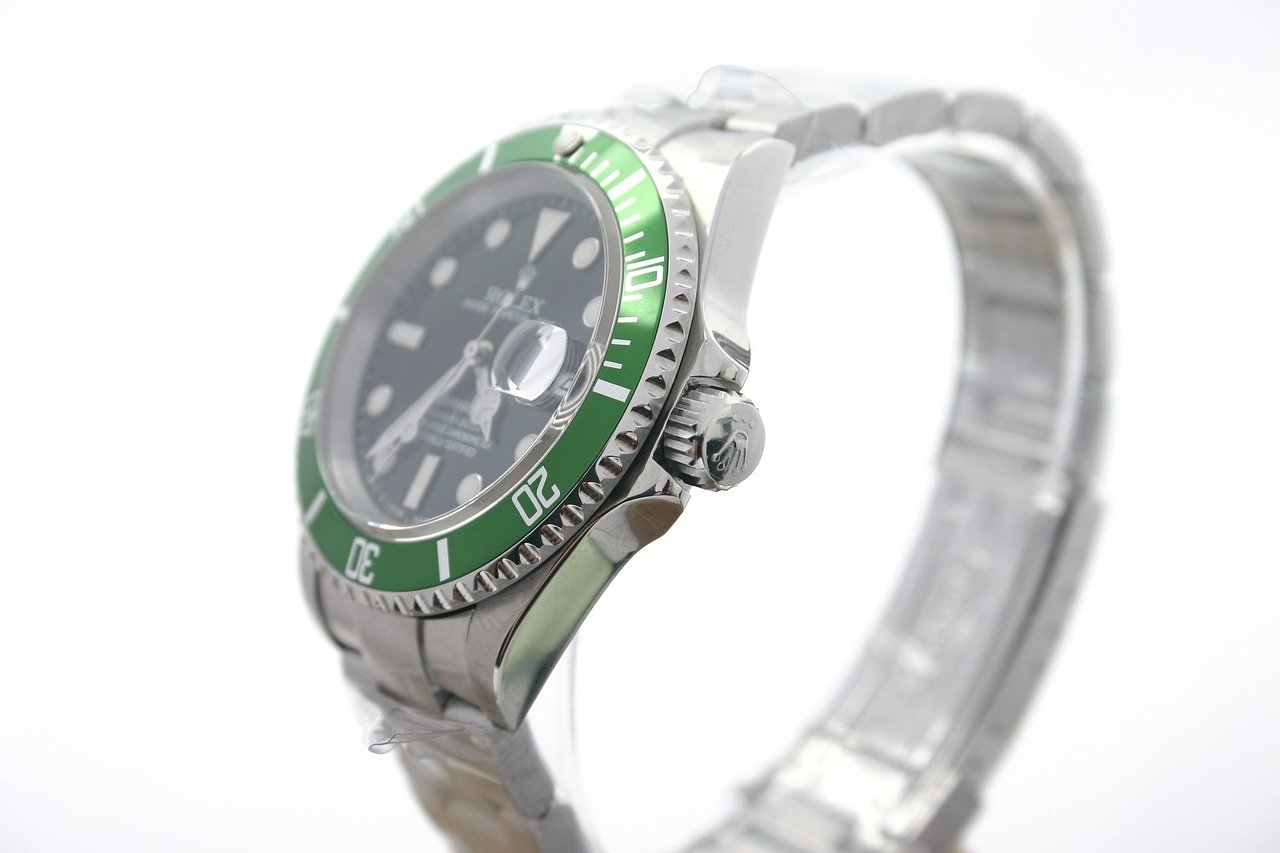
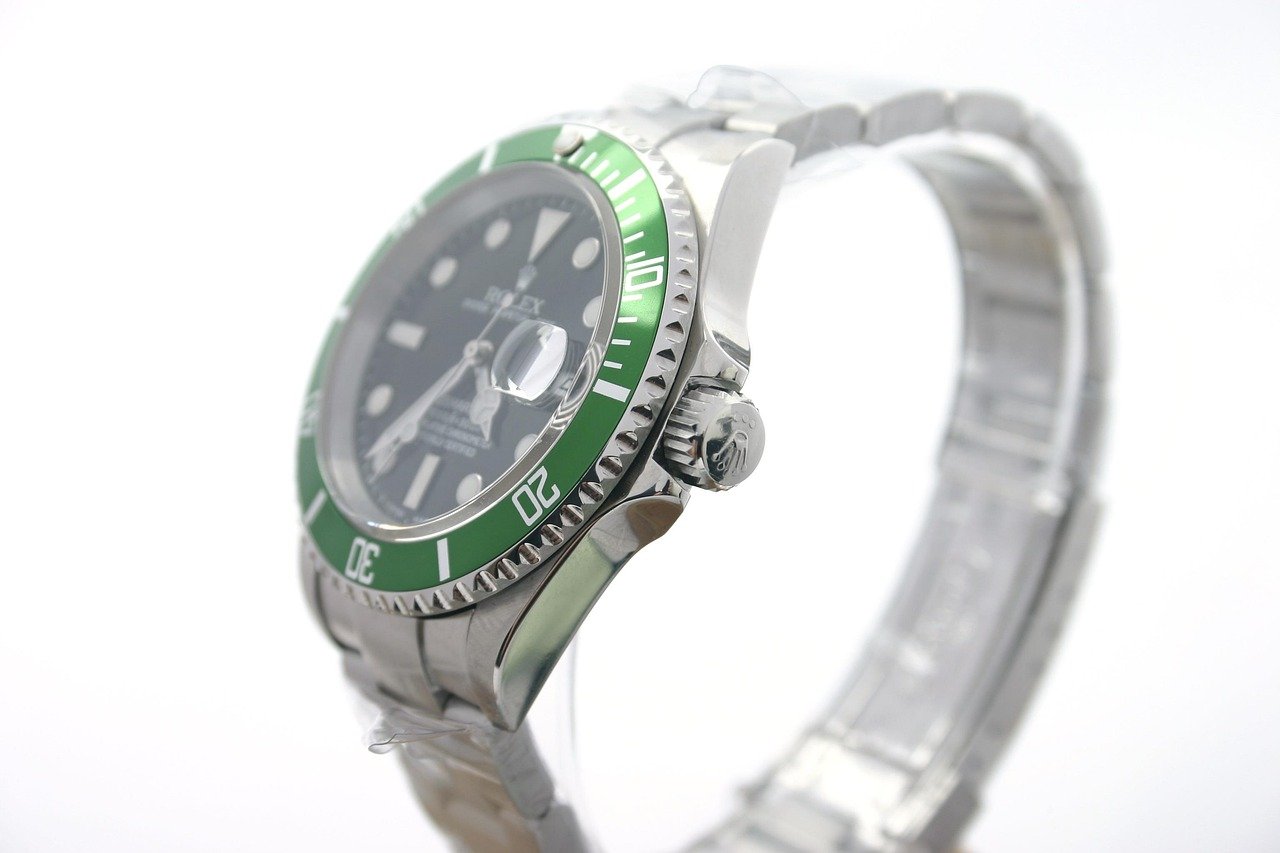
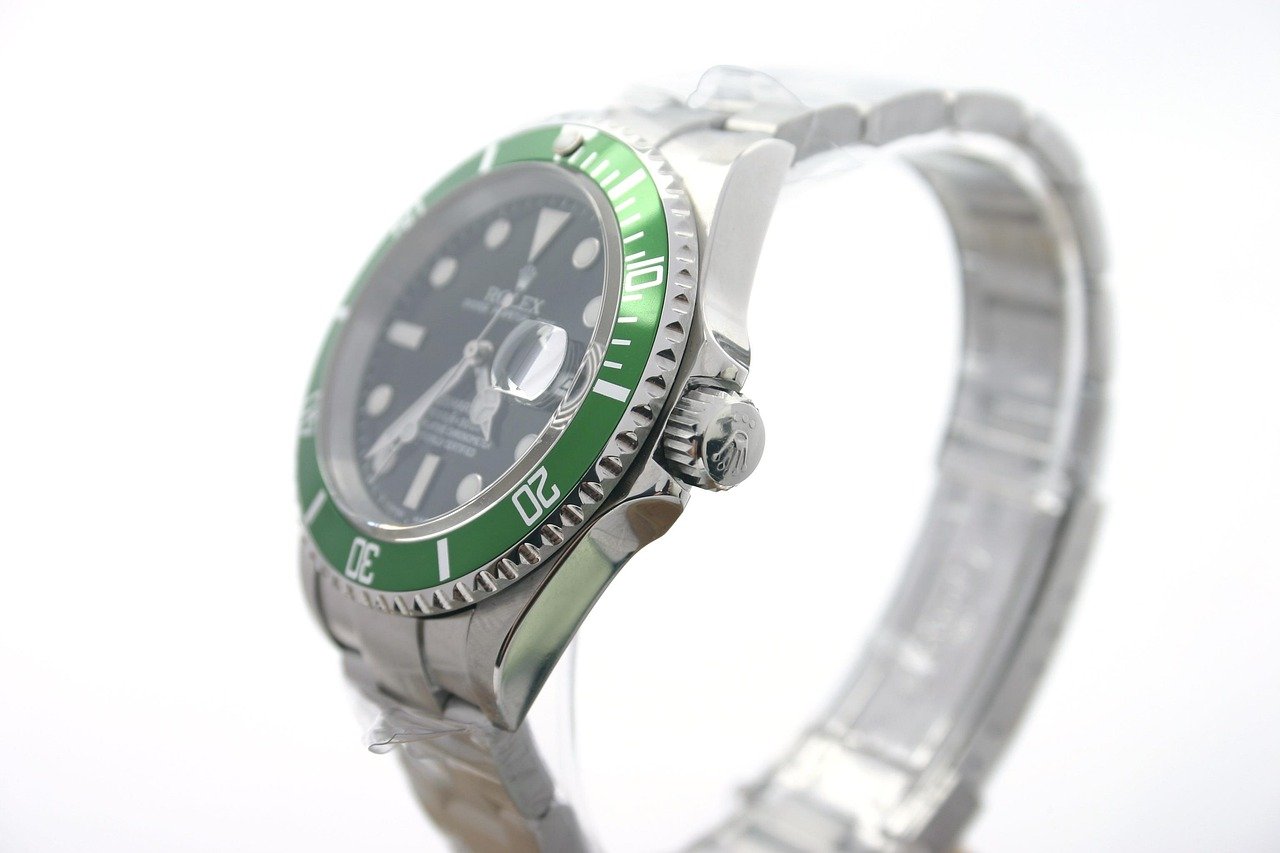
Perhaps the most popular and recognizable category, dive watches were built for underwater exploration. They are characterized by high water resistance (typically 200m or more), a rotating bezel to track elapsed time, and excellent legibility with luminous hands and markers. Their robust construction makes them perfect for everyday wear.
Classic Examples: Rolex Submariner, Seiko Prospex Diver, Omega Seamaster.
Chronograph Watches
Simply put, a chronograph is a watch with a stopwatch function. They are easily identified by the pushers on the side of the case and the sub-dials on the face that track elapsed seconds, minutes, and hours. With roots in motorsports and aviation, they have a sporty, technical aesthetic.
Classic Examples: Omega Speedmaster Professional, Rolex Daytona, Breitling Navitimer.
Dress Watches
Designed for formal occasions, dress watches are the epitome of elegance and simplicity. They are typically slim, feature a clean and uncluttered dial, and are often on a leather strap. Their purpose is to discreetly tell time while complementing a suit or formal attire.
Classic Examples: Patek Philippe Calatrava, Jaeger-LeCoultre Reverso, Cartier Tank.
Field Watches
Born from military necessity, field watches are rugged, no-nonsense timepieces built for legibility and durability. They usually feature a high-contrast dial with clear Arabic numerals, a robust case, and are often worn on a canvas or nylon strap. They are the definition of a go-anywhere, do-anything tool watch.
Classic Examples: Hamilton Khaki Field Mechanical, IWC Pilot’s Watch Mark series.
Pilot / Aviator Watches
Developed for pilots, these watches prioritize legibility above all else. They often feature large dials, oversized crowns (originally for use with gloves), and sometimes include complications like chronographs or slide rule bezels for in-flight calculations. Their design is bold and functional.
Classic Examples: IWC Big Pilot, Breitling Navitimer, Stowa Flieger.
What to Look For: Key Features to Consider When Buying
When you’re just starting out, the technical specifications can seem overwhelming. But focusing on a few key features will help you make an informed decision. These are the core components that determine a watch’s performance, feel, and longevity.
The Heart of the Watch: Movement
This is the engine that powers the watch. There are three main types:
- Quartz: Battery-powered. They are incredibly accurate, low-maintenance, and generally more affordable. A perfect, worry-free option for a first watch.
- Automatic (Self-Winding): A type of mechanical movement that is powered by the motion of your wrist. It doesn’t need a battery. Watch enthusiasts love automatics for their intricate craftsmanship and the smooth sweep of the seconds hand.
- Manual-Wind: The original mechanical movement. It requires you to wind the crown daily to power the watch. This creates a tactile connection to your timepiece that many collectors cherish.
Case Size and Material
Case size, measured in millimeters (mm), is crucial for comfort and style. While trends change, it’s best to find a size that fits your wrist proportionally. For most people, this is between 36mm and 42mm. The most common case material is stainless steel, prized for its durability and corrosion resistance. Other options include lightweight titanium, classic gold, or unique bronze which develops a patina over time.
The Window to the Dial: Crystal
This is the protective cover over the watch face. There are three main types:
- Acrylic: A type of plastic. It’s inexpensive and can be easily polished to remove scratches, but it scratches easily. Common on vintage and some entry-level watches.
- Mineral: A type of specially treated glass. It’s more scratch-resistant than acrylic but can shatter on heavy impact. The standard for most affordable watches.
- Sapphire: A synthetic crystal that is extremely hard and virtually scratch-proof. It’s the premium choice and found on most high-quality and luxury watches.
Water Resistance
This is one of the most misunderstood features. The rating doesn’t refer to the depth you can dive. Here’s a simple breakdown:
- 30m (3 ATM): Splash resistant. Can handle rain or washing hands.
- 50m (5 ATM): Suitable for swimming in shallow water.
- 100m (10 ATM): Suitable for swimming and snorkeling.
- 200m+ (20 ATM+): Suitable for recreational scuba diving.
Great Starting Points: Popular Watch Brands for Beginners
One of the most exciting parts of starting a watch collection is exploring the brands. You don’t need to jump straight to Rolex or Omega. There are fantastic brands at every price point that offer incredible history, quality, and design. Here are a few categories to get you started.
The Affordable Giants (Under $500)
These brands are universally respected in the watch community for offering the best value for money. You simply can’t go wrong starting here.
- Seiko: Often called the gateway drug of watch collecting. The Japanese powerhouse offers everything from legendary dive watches (like the SKX or “5KX” series) to beautiful dress watches, many with in-house automatic movements, at unbelievably low prices.
- Citizen: Another Japanese giant, famous for its Eco-Drive technology, which uses light to power the watch, so you never need a battery change. They make reliable and feature-packed watches for every style.
- Orient: A subsidiary of Seiko, Orient is beloved for its affordable mechanical watches, particularly dress watches like the Bambino, which offer a classic, elegant look for under $200.
Entry-Level Swiss ($500 – $1,500)
If you want to experience the famed “Swiss Made” quality without breaking the bank, this is your sweet spot. These brands offer a significant step up in finishing and use reliable Swiss movements.
- Tissot: Known for models like the PRX, Tissot offers a huge range of styles, from sporty chronographs to classic dress watches, all with a reputation for quality and value.
- Hamilton: An American brand with deep Swiss roots, Hamilton is famous for its military and cinematic history. The Khaki Field line is arguably the best entry-point field watch on the market.
The Exciting World of Microbrands
Microbrands are small, independent companies that often sell directly to consumers online. They offer a fantastic way to get a unique watch with high-end specifications (like sapphire crystals and Swiss movements) at a very competitive price. They are a passion-driven corner of the market.
One such brand making waves is LIV Swiss Watches. They focus on creating bold, durable, and often limited-edition Swiss-made watches that stand out from the crowd. They are a great example of a microbrand that provides the quality of a luxury Swiss timepiece without the traditional retail markup. While their resale value might not be as established as a legacy brand, you get an incredible amount of watch for your money and a piece that you won’t see on everyone else’s wrist.
You can check the current price on Amazon.

Money Matters: Setting a Budget for Your Collection
This is one of the most important watch collection tips you’ll ever get: set a budget and stick to it. The watch world has options at every conceivable price point, and it’s easy to get carried away. The goal is to build a collection you can afford and enjoy without financial stress.
First, decide what you’re comfortable spending on your first watch. A great, long-lasting, and respected watch can be had for as little as $150. A fantastic entry-level Swiss automatic can be found for around $500. Don’t feel pressured to spend thousands.
Your budget should be based on your personal financial situation and what you feel is a reasonable amount to spend on a hobby.
Remember to factor in costs beyond the watch itself. You might want to buy a few different straps to change up the look, which can cost anywhere from $20 to $100+. More importantly, if you buy a mechanical watch, it will eventually need servicing. This can cost several hundred dollars every 5-10 years.
Factoring this into your long-term budget is a sign of a savvy collector.
Pro Tip: Don’t buy a watch as an investment, especially when you’re starting out. The vast majority of watches will not appreciate in value. Buy a watch because you love its design, history, and how it makes you feel. The personal enjoyment is the real return on investment.
Where to Buy Watches: Retailers vs. Online Marketplaces
Once you’ve picked a watch and set a budget, the next step is to actually buy it. You have several options, each with its own set of pros and cons.
Authorized Dealers (ADs)
An authorized dealer is a retailer that has been officially approved by the watch brand to sell their products. This is the most traditional and safest way to buy a new watch.
- Pros: You are guaranteed an authentic product, it comes with a full manufacturer’s warranty, and you get the full retail experience of trying on the watch.
- Cons: You will likely pay the full retail price, and for highly sought-after models, there can be long waiting lists.
Grey Market Dealers
These are online retailers that sell new watches without being an authorized dealer for that brand. They often acquire their inventory from ADs who have excess stock.
- Pros: The main advantage is price. You can often find significant discounts compared to buying from an AD.
- Cons: The watch may not come with the original manufacturer’s warranty. While the watch is authentic, the warranty card might be missing or unstamped. You’re relying on the dealer’s own warranty instead.
Pre-Owned & Vintage Market
Buying a pre-owned watch is a fantastic way to get more for your money. You can buy a watch that might have been out of your budget new, or you can find unique vintage pieces with incredible character. Platforms like Chrono24, eBay, and dedicated forums are popular places to look.
- Pros: Excellent value, access to discontinued models, and the charm of owning a piece with history.
- Cons: This is the riskiest area for beginners. You need to be wary of fakes, watches with non-original parts, or pieces that need expensive servicing. The golden rule here is to “buy the seller, not the watch.” Always check a seller’s reputation, reviews, and return policy before purchasing.
Keeping Time: Tips for Maintaining Your Watch Collection
Once you’ve started acquiring watches, you need to take care of them. Proper maintenance ensures your timepieces will run accurately for decades and retain their beauty. Luckily, basic care is quite simple.
First, keep your watches clean. A regular wipe-down with a soft microfiber cloth can remove fingerprints and grime. For dive watches or other pieces with high water resistance, you can periodically wash the case and bracelet with warm water and a soft brush (like a toothbrush) to remove built-up dirt. Just make sure the crown is screwed down tightly first!
Proper storage is also key. When you’re not wearing a watch, keep it in a watch box or a soft pouch. This protects it from dust, moisture, and accidental scratches. If you have several automatic watches, you might consider a watch winder, which keeps them running when they’re not on your wrist.
However, for a small collection, a simple box is more than enough.
Finally, understand servicing. A quartz watch just needs a battery change every few years. An automatic watch, however, is a complex machine that needs professional servicing every 5-10 years to clean and re-lubricate the movement. This is a necessary expense to keep it running properly, so be sure to budget for it down the line.
The Paper Trail: Importance of Documentation and Provenance
When you start browsing for watches, you’ll frequently see the phrase “box and papers.” This refers to the original presentation box and the warranty card/certificates that came with the watch when it was first sold. For a collector, this documentation is incredibly important.
Why does it matter? First, it helps prove the watch’s authenticity. While not a foolproof guarantee, having the original, correctly filled-out paperwork from an authorized dealer is a very strong indicator that the watch is legitimate. This is especially crucial when buying from the pre-owned market.
Second, it significantly impacts resale value. A watch with its full set of box and papers will almost always be worth more than the exact same watch without them. Sometimes the difference can be hundreds or even thousands of dollars. Collectors value a complete set because it tells the full story of the watch from the day it was born.
If you buy a new watch from an AD, be sure to keep all the packaging, manuals, and warranty cards in a safe place. If you’re buying a pre-owned watch that doesn’t have its papers, don’t panic. It doesn’t mean the watch is fake, but you should pay a lower price accordingly and be extra diligent in verifying its authenticity, perhaps by having a trusted watchmaker inspect it.
Finding Your People: Joining Watch Collecting Communities
You don’t have to go on this journey alone! The watch community is one of the most passionate and welcoming hobbyist groups in the world. Engaging with other collectors is one of the best ways to learn, discover new watches, and share your excitement. There are countless resources online.
Forums like WatchUSeek are massive archives of information on nearly every brand imaginable. You can find reviews, discussions, and expert opinions on any watch you’re considering. Reddit is also a fantastic resource, with communities like r/Watches for general discussion and r/AffordableWatches for those focused on budget-friendly pieces. Many users on these platforms share common beginner mistakes, like buying a watch that’s too big or focusing too much on brand names instead of personal taste.
Visual platforms are also a huge part of the hobby. Instagram is a great place to see how watches look in real-world photos, and YouTube has become a primary source for reviews and education. Channels from creators like Teddy Baldassarre and Hodinkee provide high-quality video content that can teach you about a watch’s history, specs, and feel on the wrist. For in-person connections, look for a local RedBar Group chapter, which organizes casual meetups for watch enthusiasts to share their collections and stories.
What’s Next? Future Trends in Watch Collecting
The world of watches is always evolving, and it’s exciting to see where it’s headed. Keeping an eye on trends can help you discover new and interesting pieces for your collection. One of the biggest trends right now is the continued rise of microbrands. More and more collectors are looking for unique designs and great value, and these small, independent companies are delivering in a big way.
Another major trend is the popularity of smaller, vintage-inspired case sizes. After years of oversized watches being in fashion, many brands are now releasing new models in more classic proportions, typically between 36mm and 39mm. This is great news for those with smaller wrists or anyone who appreciates a more traditional aesthetic.
Sustainability is also becoming a more important topic in the industry. Brands are experimenting with new, eco-friendly materials like recycled steel and plastics, and are becoming more transparent about their supply chains. Finally, while smartwatches are here to stay, they haven’t replaced the love for traditional watchmaking. Many people are now wearing a smartwatch for daily activities and a beautiful mechanical watch for everything else, proving that the two can happily coexist.
FAQ: Your Watch Collecting Questions Answered
Here are answers to some of the most common questions that come up when you’re starting a watch collection.
What is the best first watch to start a collection?
There’s no single “best” watch, as it’s highly personal. However, a great first watch is usually something versatile and durable. A stainless steel dive watch or a classic field watch are excellent choices because they can be dressed up or down and are built to withstand daily wear. Brands like Seiko, Hamilton, or Tissot offer fantastic options that are respected, reliable, and won’t break the bank.
Should I buy a quartz or automatic watch first?
This depends on what you value. If you want maximum accuracy, affordability, and a grab-and-go experience with no fuss, a quartz watch is a perfect choice. If you are fascinated by the mechanics and craftsmanship of traditional watchmaking and enjoy the idea of a tiny machine on your wrist powered by your own movement, then an automatic is the way to go. Many collectors start with quartz and move to automatics as their passion grows.
How many watches make a “collection”?
A collection can be whatever you want it to be. Some of the most respected collectors in the world have only three or four watches that they love and wear in rotation. A collection starts with your second watch. The focus should always be on quality over quantity.
It’s better to have two watches you adore than ten you’re indifferent about. Don’t feel pressured to constantly buy new pieces.
Do watches hold their value?
Most watches, like cars, will lose some value after you buy them. Only a very small number of highly sought-after models from a few specific luxury brands (like Rolex, Patek Philippe, and Audemars Piguet) tend to appreciate in value. For this reason, you should never buy a watch as a financial investment. Buy it because you love it, plan to wear it, and appreciate its history and design.
The enjoyment you get from it is the true value.
Final Thoughts: Your Collection, Your Story
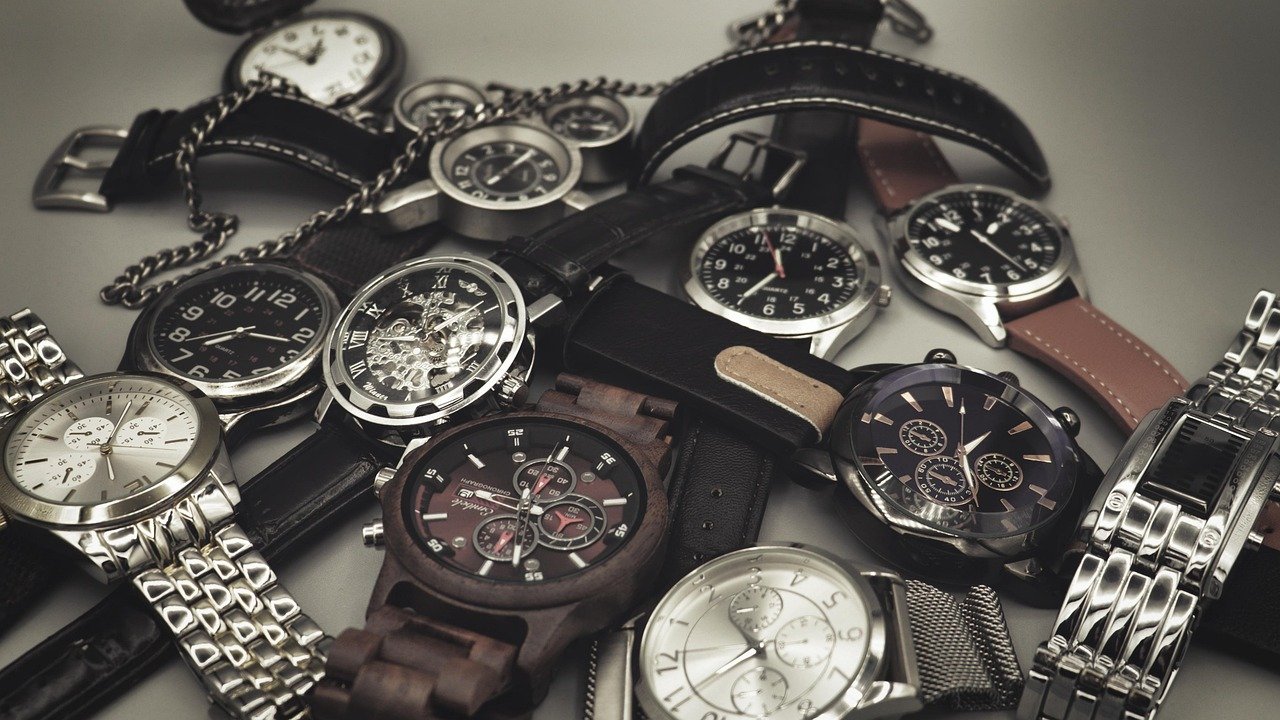
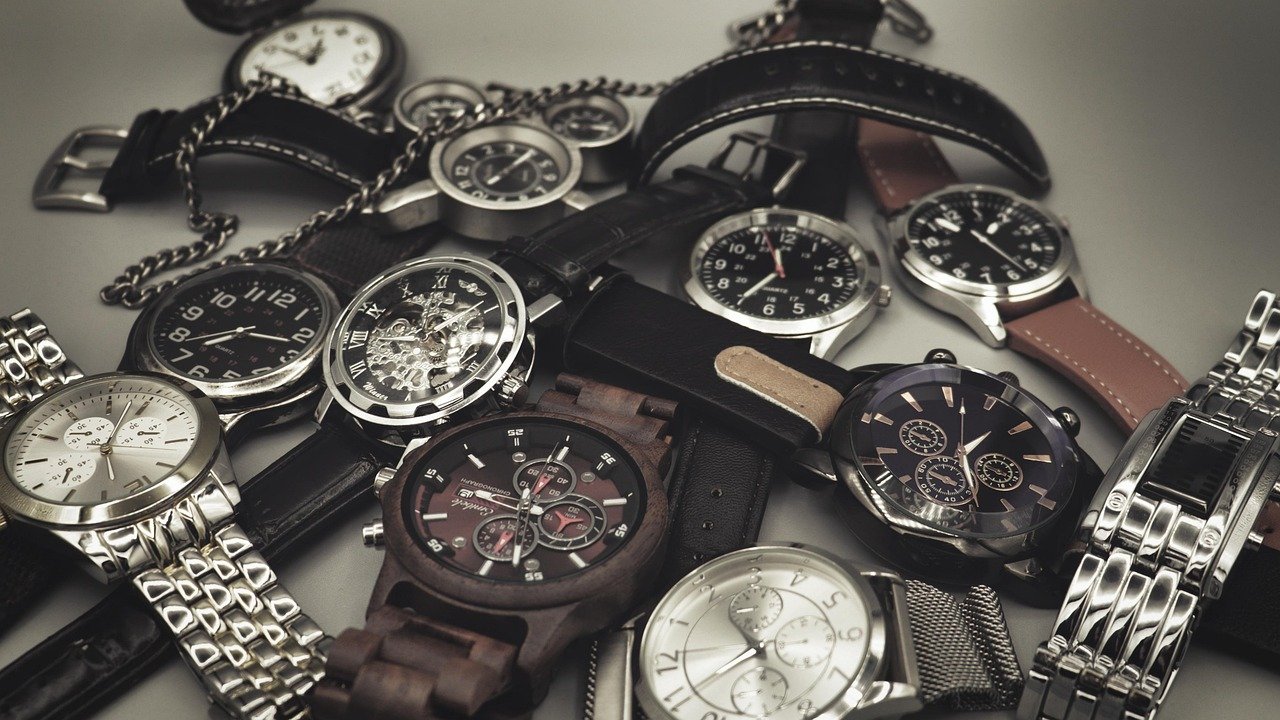
Embarking on the journey of watch collecting is an incredibly rewarding experience. It’s a hobby that combines art, science, history, and personal style into one beautiful package. Remember, there are no rules you have to follow. The goal is not to impress others, but to build a collection of timepieces that bring you joy and tell your own unique story.
Start slow, do your research, and trust your instincts. Buy the watches that you can’t stop thinking about, whether they cost $100 or $10,000. Engage with the community, learn as much as you can, and most importantly, wear your watches! They are meant to be enjoyed, not kept in a safe.
Welcome to the club. We’re excited to see what you collect.