




Luxury Watches for Men: A First-Time Buyer’s Guide to Choosing an Icon
A luxury watch is so much more than a device for telling time. It’s a statement, a piece of art, and a marvel of engineering strapped right to your wrist. For many, choosing from the world of luxury watches for men is the first step into a lifelong passion for craftsmanship and style. It’s a declaration of personal taste and an appreciation for things built to last for generations.
This isn’t just about a brand name; it’s about the story, the heritage, and the incredible skill that goes into every single tick.
Whether you’re celebrating a major life achievement, investing in a future heirloom, or simply want to elevate your everyday style, you’ve come to the right place. This guide will walk you through everything you need to know, from understanding what makes a watch truly luxurious to picking the perfect model that feels like it was made just for you. Get ready, because the world of premium men’s timepieces is absolutely captivating!
What You’ll Learn
- Beyond the Price Tag: A luxury watch is defined by its intricate movement, superior materials, and the brand’s heritage—not just its cost.
- Find Your Perfect Style: The best watch for you depends on your lifestyle, whether you need a rugged dive watch, a sophisticated dress watch, or a feature-packed pilot’s watch.
- Movement Matters: Understanding the difference between automatic, manual-wind, and quartz movements is crucial to picking a watch you’ll love.
- Smart Entry Points: You don’t have to spend five figures to own an exceptional timepiece. There are fantastic entry-level luxury brands that offer incredible quality and value.
- It’s a Personal Choice: The ultimate goal is to find a watch that reflects your personality and tells your unique story every time you look at it.
What Truly Defines Luxury Watches for Men?
When you hear the term “luxury watch,” it’s easy to think of a high price tag, and while they are an investment, the cost is a symptom, not the cause, of its status. The real definition lies in a combination of factors that create something truly special. These are the core elements that separate a simple timepiece from a work of horological art.
First and foremost is the craftsmanship. We’re talking about hundreds of hours of work by skilled artisans. They meticulously assemble, finish, and decorate tiny components, many of which are smaller than a grain of rice. This level of detail, often done by hand, is something you can see and feel.
It’s in the smooth sweep of the second hand, the satisfying click of the bezel, and the flawless polish of the case.
Next is the movement, or the “engine” of the watch. Most high-end watches for men feature a mechanical movement, either automatic (self-winding) or manual-wind. These are complex machines made of gears, springs, and levers working in perfect harmony, all without a battery. The sheer engineering required to achieve this precision is a massive part of the appeal.
A quartz watch can be accurate, but a mechanical watch is alive.
Finally, there’s heritage and materials. Iconic brands have histories stretching back over a century, filled with innovation and timeless design. They use superior materials like 316L stainless steel, titanium, sapphire crystal, and precious metals. This commitment to quality ensures that a premium men’s timepiece isn’t just for today—it’s an heirloom built to be passed down through generations.
The Unmistakable Benefits: Why Invest in a Premium Men’s Timepiece?
In an age where your phone tells you the time, weather, and news, why would anyone invest in a luxury watch? The answer is simple: it offers benefits that go far beyond mere time-telling. It’s an emotional and practical investment that enriches your life in surprising ways.
First, it’s a powerful form of self-expression. The watch you choose says a lot about you. A rugged dive watch might suggest a love for adventure, while a slim, gold dress watch speaks to classic elegance. It’s a key part of your personal style, a finishing touch that pulls an entire outfit together and communicates your personality without you having to say a word.
Second, a luxury watch is a tangible connection to history and engineering. Owning a mechanical watch is like owning a piece of living history. It operates on principles perfected over centuries, a miniature mechanical marvel that represents the pinnacle of human ingenuity. There’s a deep satisfaction in knowing you have this incredible piece of machinery on your wrist, a testament to what’s possible.
Lastly, it can be a wise financial decision. Unlike most consumer goods that lose value the second you buy them, certain men’s luxury watches can hold or even increase in value over time. Brands with strong reputations and iconic models are often sought after by collectors, making them a tangible asset. More importantly, it’s an investment in an heirloom that can carry stories and memories for your family for decades to come.
Your Ultimate Buyer’s Guide: How to Choose the Perfect High-End Watch
Ready to find your perfect match? This is the fun part! Choosing a luxury watch is a personal journey, but following a structured approach can help you navigate the options and land on a timepiece you’ll treasure forever. Think of it as a checklist to ensure you cover all your bases.
Step 1: Define Your Personal Style and Use Case
Before you look at a single brand, think about your life. Where will you be wearing this watch? Is it for the boardroom, the beach, or both? Watches are generally categorized into styles, and finding the right one is your first and most important step.
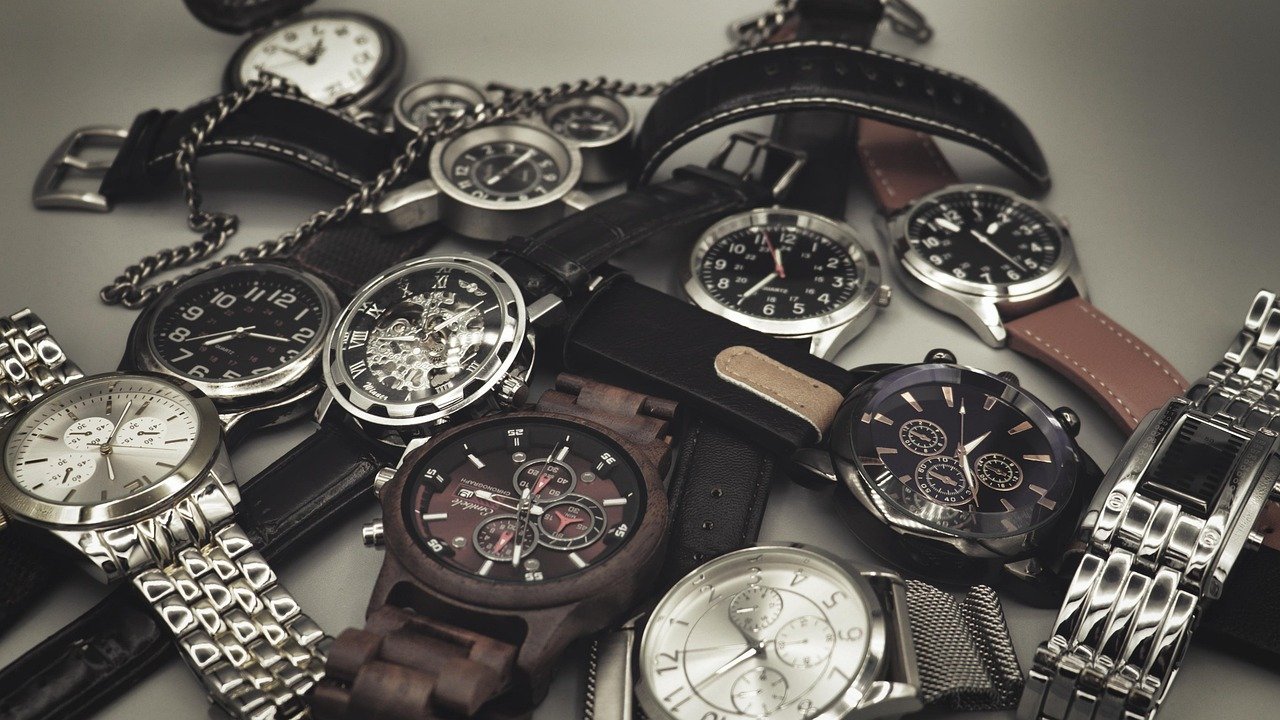
- Dress Watches: Characterized by their simplicity and elegance. They are typically slim, have a clean dial, and are worn on a leather strap. Perfect for formal events and professional settings.
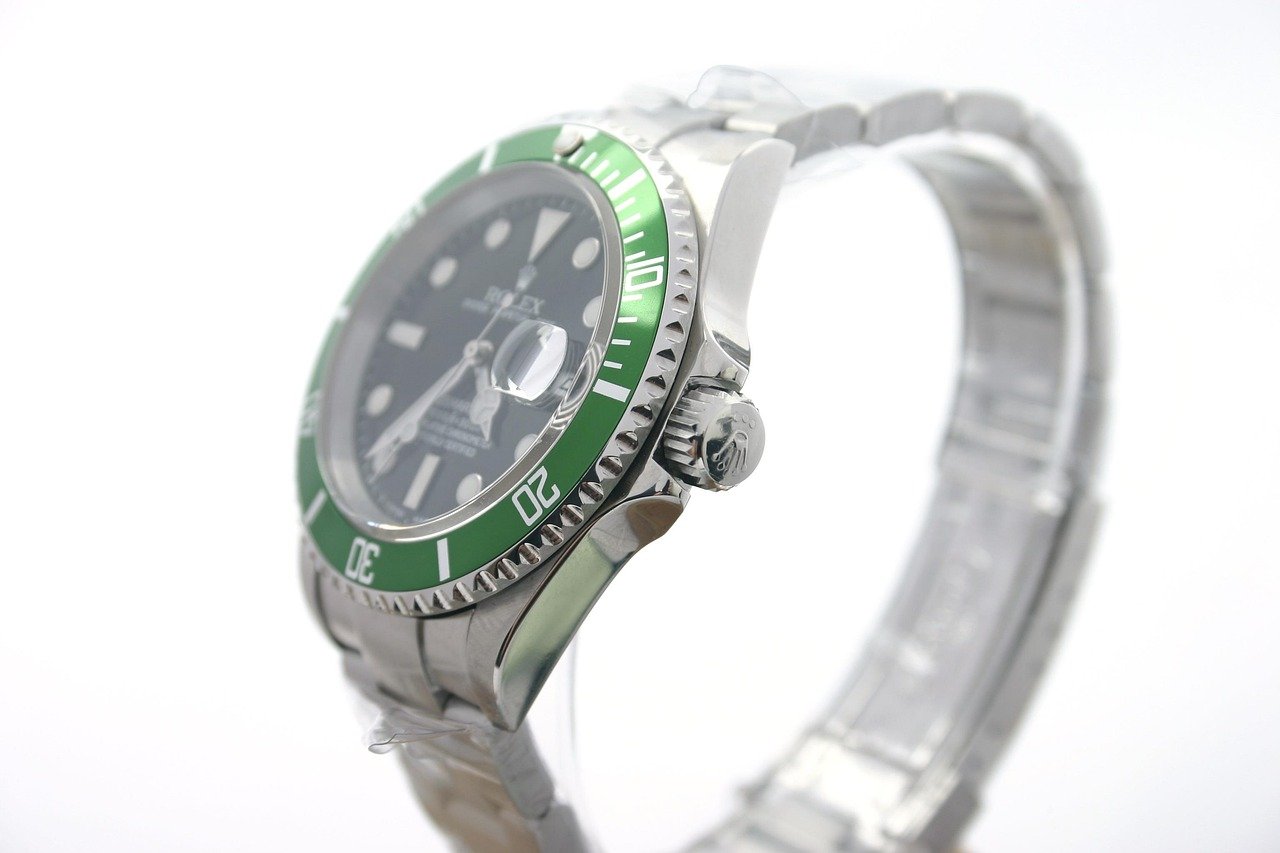
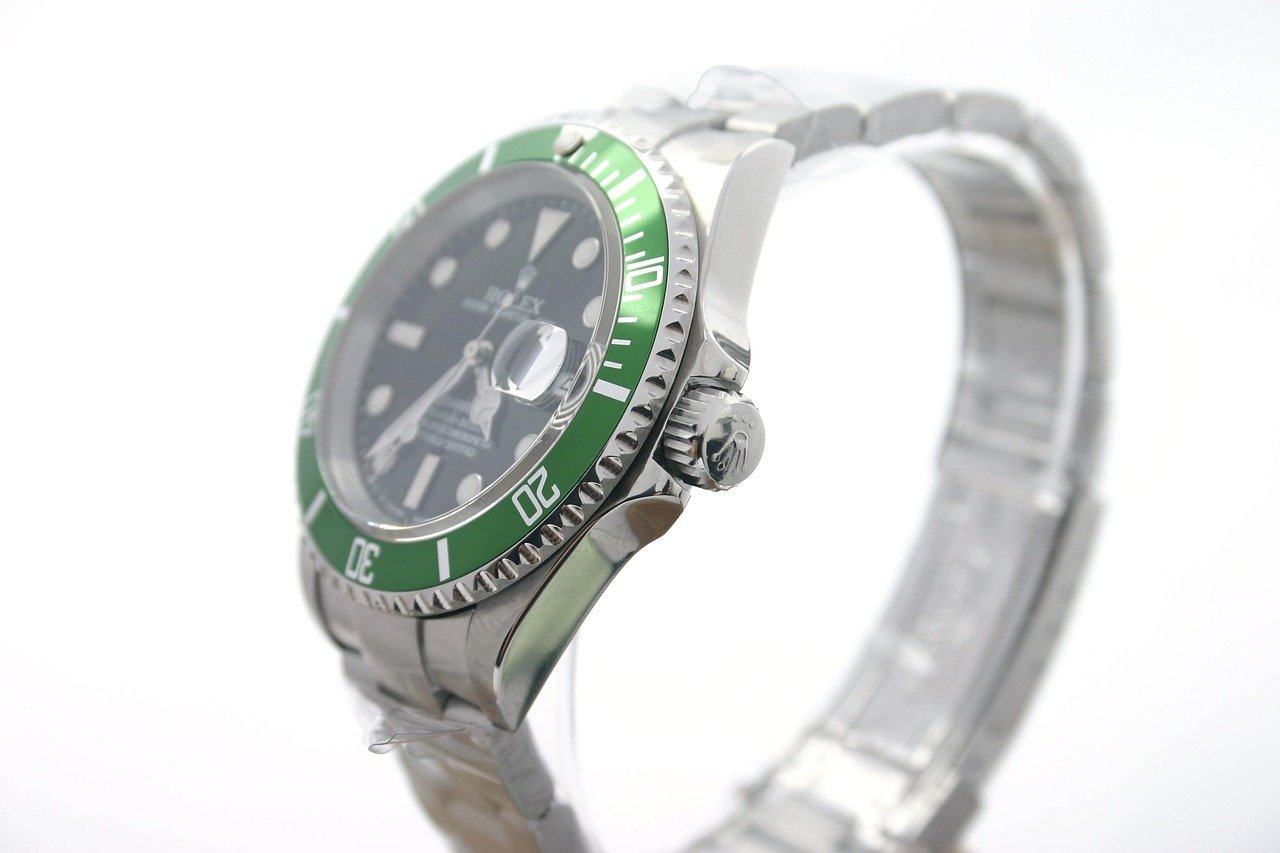
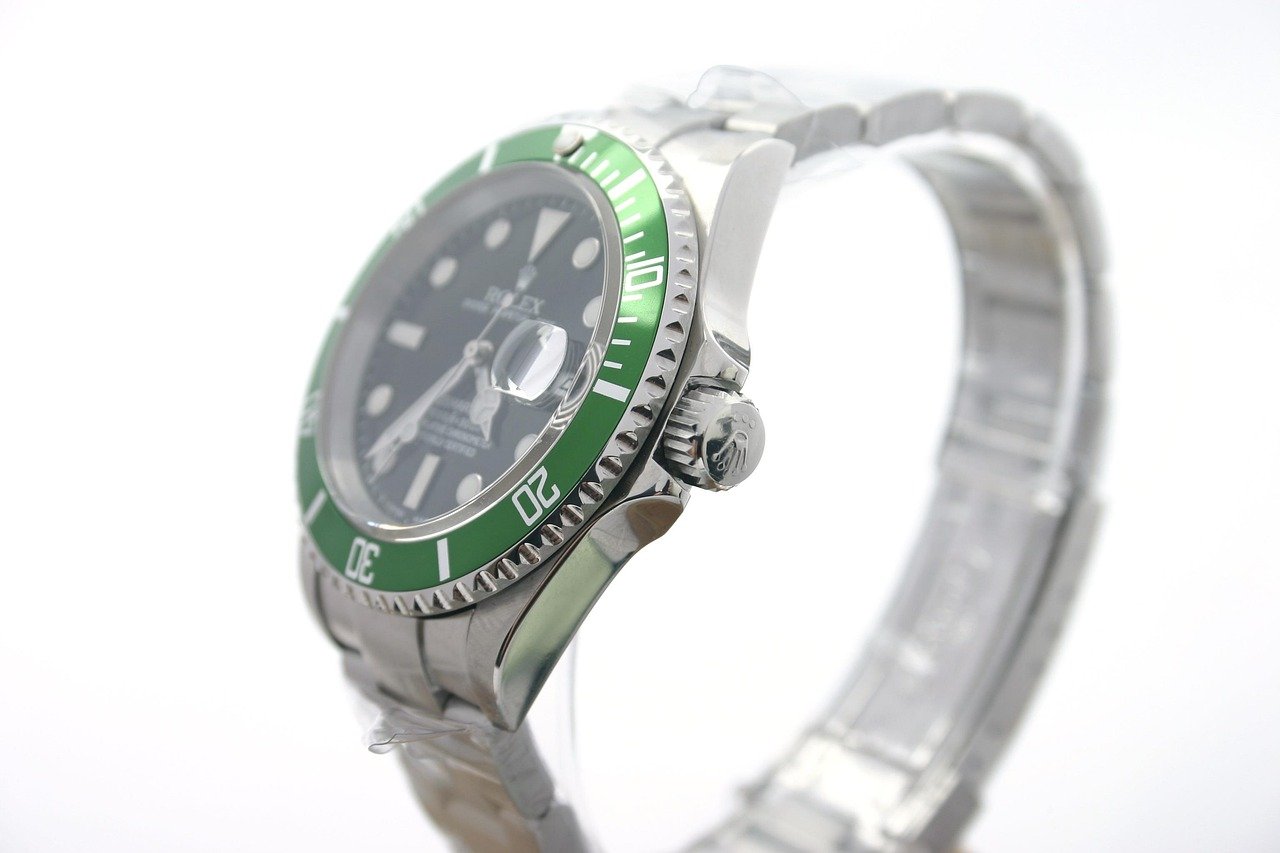
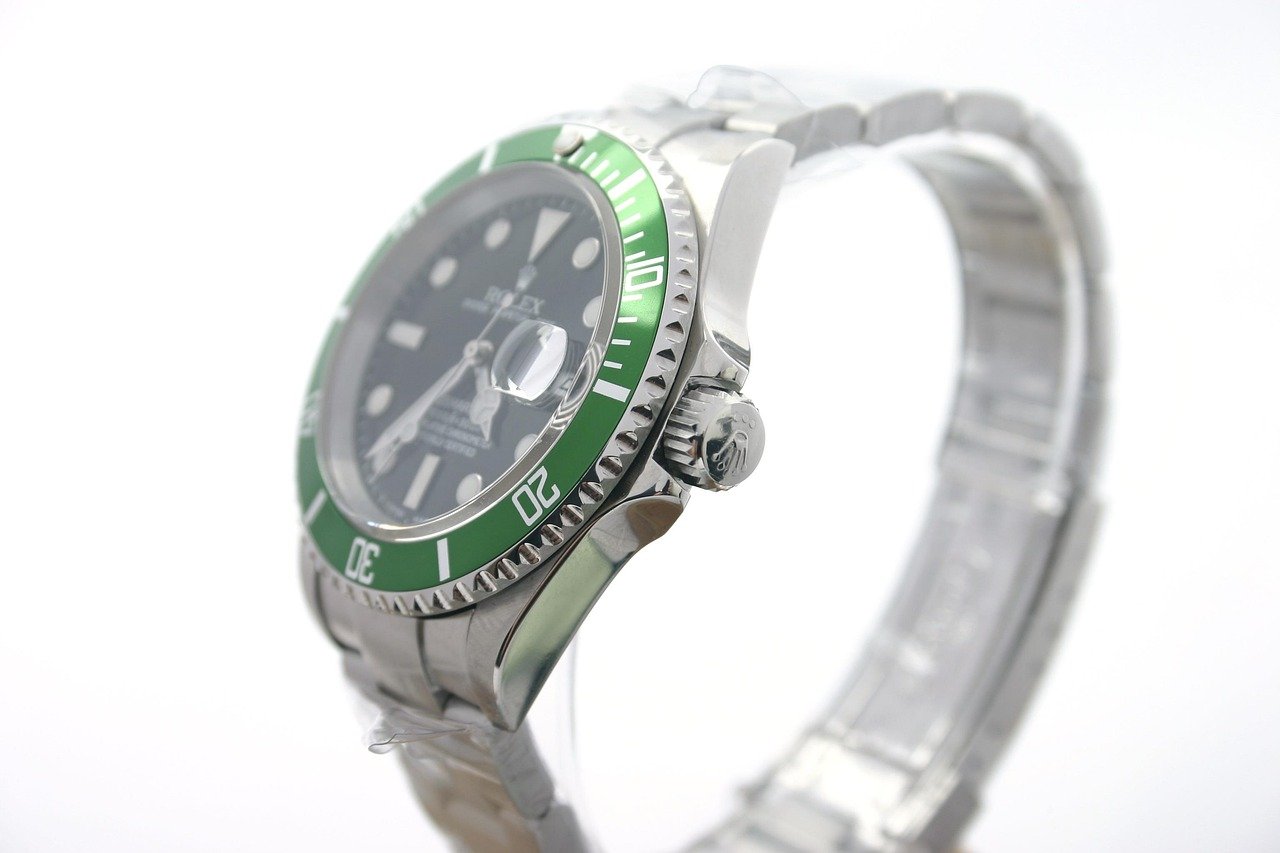
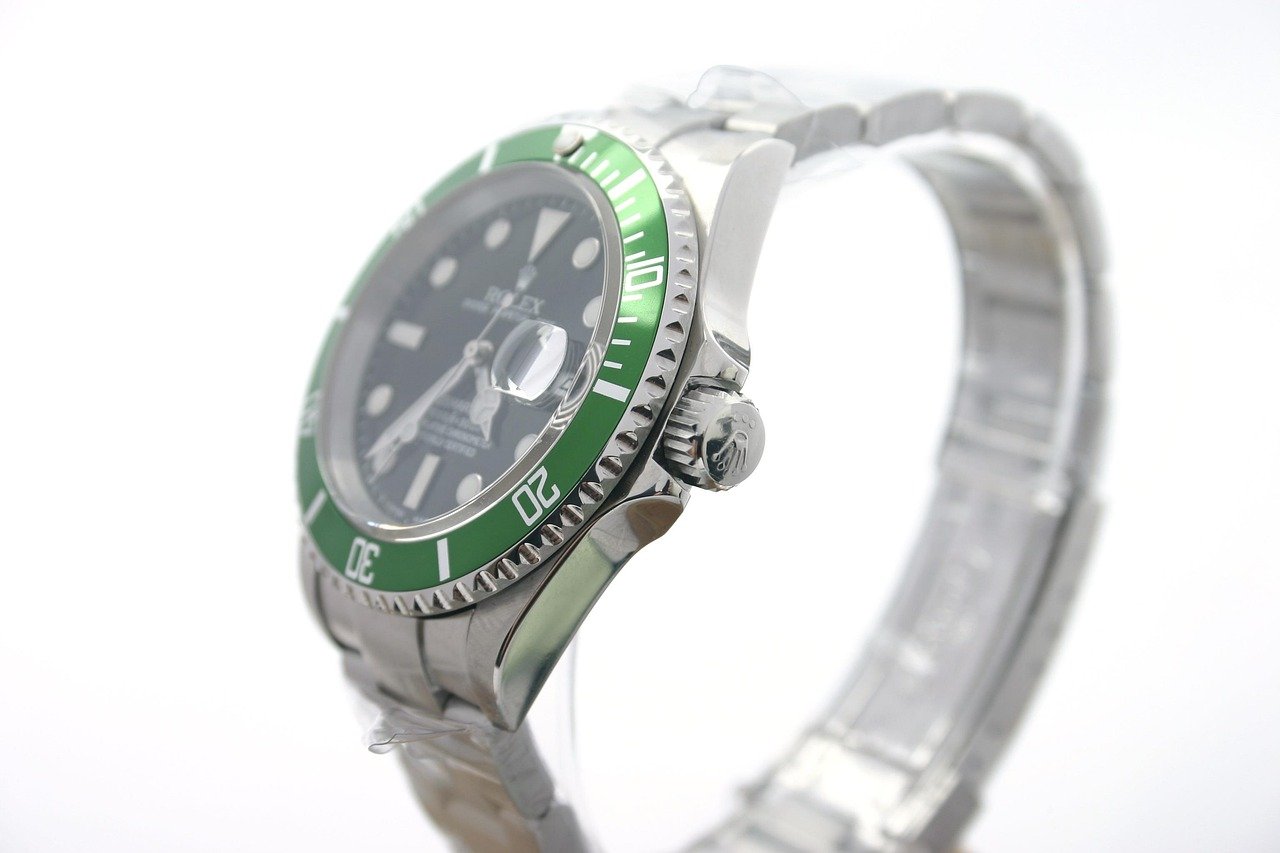
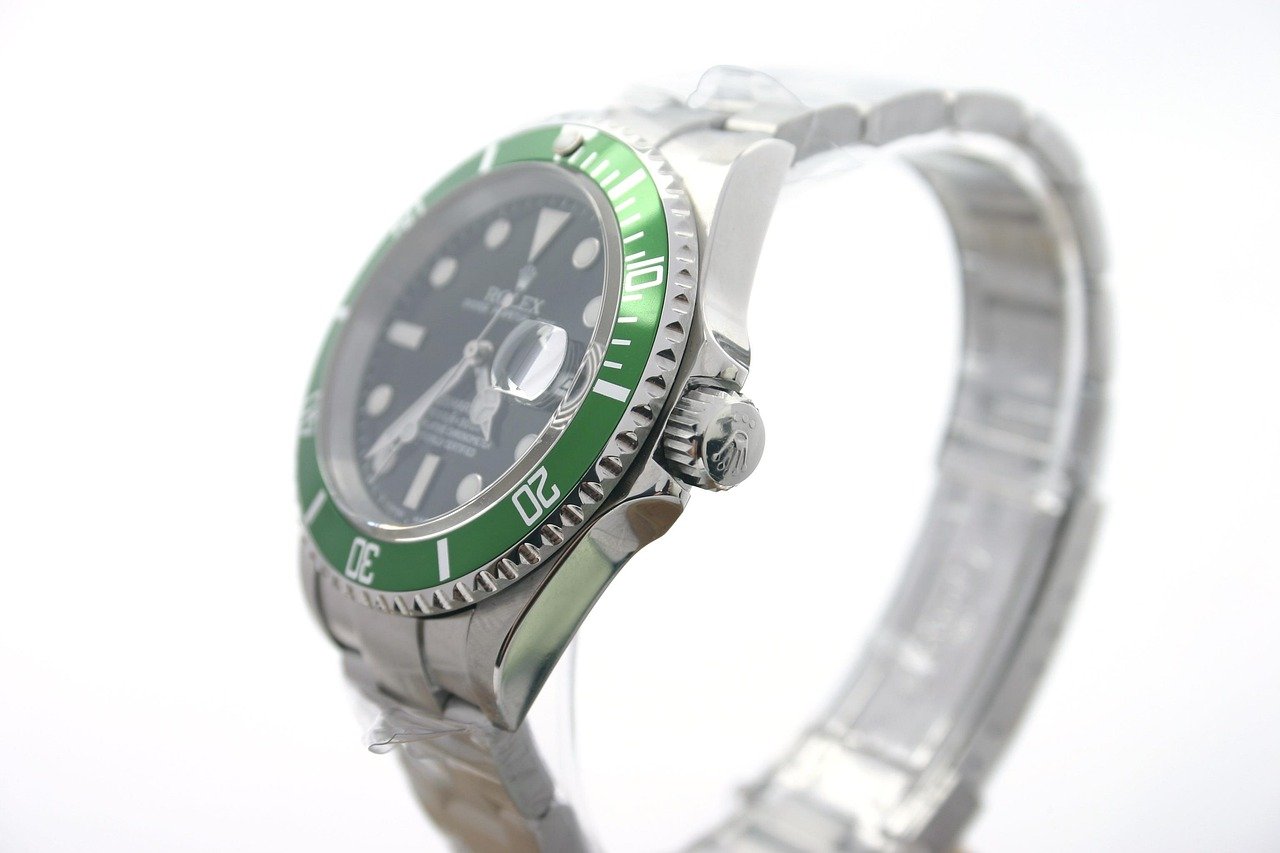
- Dive Watches: Built for underwater adventure, they are robust, highly water-resistant, and feature a rotating bezel to track elapsed time. Their rugged good looks make them incredibly popular for everyday wear.
- Chronograph Watches: Essentially a stopwatch on your wrist, with sub-dials to measure time. They have a sporty, technical look and are great for those who love a feature-packed watch.
- Pilot (or Aviator) Watches: Originally designed for pilots, they feature large, legible dials, and often a GMT complication to track a second time zone. They have a cool, vintage vibe.
Step 2: Understand the Heart of the Watch – The Movement
The movement is what makes your watch tick. There are three main types, each with its own soul and set of benefits.
- Automatic (Self-Winding): This is the most common type in luxury watches. A weighted rotor, powered by the motion of your wrist, winds the mainspring. It’s the perfect blend of tradition and convenience.
- Manual-Wind: This is for the purist. You have to wind the watch by hand every day or two via the crown. This creates a daily ritual and a deeper connection between the owner and the watch.
- Quartz: A battery-powered movement that is incredibly accurate and requires very little maintenance. While many purists prefer mechanical, high-end quartz movements from brands like Grand Seiko or Breitling are technological marvels in their own right.
Step 3: Select Your Materials
The case and bracelet material defines the look, feel, and durability of your watch.
- Stainless Steel: The most popular choice for a reason. It’s durable, corrosion-resistant, and has a classic look that works for any occasion.
- Titanium: Much lighter than steel but just as strong. It has a slightly darker, more modern look and is hypoallergenic.
- Gold (Yellow, Rose, or White): The ultimate statement of luxury. It’s heavier and softer than steel but offers an unmatched warmth and prestige.
- Ceramic: Highly scratch-resistant and lightweight. It offers a sleek, modern, and often all-black aesthetic.
Step 4: Consider the Complications
In watchmaking, a “complication” is any function that does something other than tell the time. They add functionality and visual interest to the dial.
- Date: The most common complication, displaying the date of the month.
- Chronograph: A stopwatch function, as mentioned earlier.
- GMT: Allows the watch to display a second time zone, perfect for travelers.
- Moonphase: A beautiful display that shows the current phase of the moon.
Pro Tip: For your first luxury watch, it’s often best to stick to core complications like a date or chronograph. They are the most practical and maintain a clean, classic look. You can always explore more complex pieces as your collection grows.
Top Recommendations: Iconic Brands and Rising Stars

The world of luxury watches is vast, with legendary brands and exciting newcomers. Here’s a look at some of the key players to help you start your search. This is where you can see how heritage and innovation come together to create something truly special.
The Titans of Horology (The “Big 5”)
These are the undisputed kings of the watch world, known for their incredible history, unparalleled craftsmanship, and high desirability. They represent the peak of watchmaking.
- Patek Philippe: Often considered the most prestigious watchmaker in the world, known for its elegant designs and incredibly complex movements.
- Audemars Piguet: Famous for the Royal Oak, the watch that created the luxury sports watch category in 1972.
- Vacheron Constantin: The oldest continuously operating watchmaker, with a reputation for artistic and sophisticated timepieces.
- Rolex: The most recognizable luxury watch brand on the planet. Known for its robust, reliable, and timeless tool watches like the Submariner and Daytona.
- Omega: Rolex’s biggest rival, famous for being the official watch of James Bond and the first watch on the moon. They offer incredible technology and value.
Excellent Entry-Level Luxury Watches
You don’t need a second mortgage to get a phenomenal watch. The entry-level luxury space (typically $1,000 – $3,000) is packed with amazing options from brands with rich histories and a commitment to quality.
Brands like Tudor, Longines, and TAG Heuer are fantastic starting points. They offer Swiss-made quality, iconic designs, and robust automatic movements that will last a lifetime. They give you the full luxury ownership experience without the astronomical price.
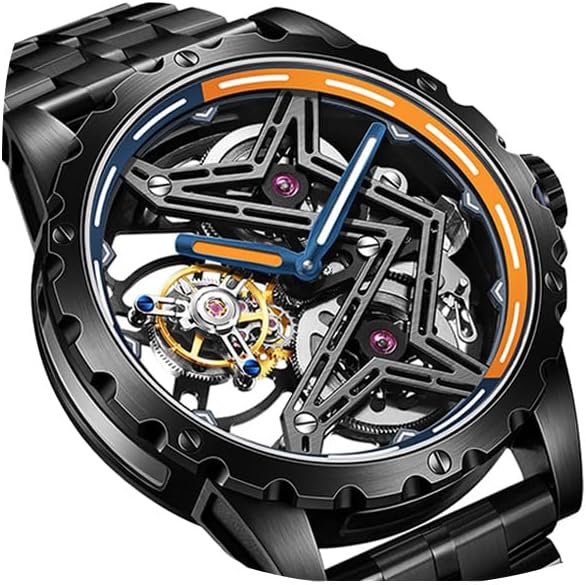
For those looking for something with a bold, modern edge, a brand like LIV Swiss Watches is an absolutely incredible choice. As a microbrand, they focus on creating limited-edition, durable, and complex watches sold directly to enthusiasts. This model allows them to pack in features—like intricate multi-layer dials and Swiss automatic movements—at a price point that is almost impossible for traditional brands to match. It’s a perfect option for someone who wants standout design and serious Swiss quality.
Quiet Luxury: Under-the-Radar Brands
If you prefer understated excellence over flashy logos, these brands are for you. They are revered by watch collectors for their phenomenal quality and craftsmanship but tend to fly under the radar of the general public.
- Grand Seiko: A Japanese watchmaker that creates some of the most beautifully finished dials and accurate movements in the world. Their attention to detail is legendary.
- Jaeger-LeCoultre: Known as the “watchmaker’s watchmaker” because they have supplied movements to many of the other top brands. Their Reverso is a true Art Deco icon.
Navigating the Cost: A Realistic Look at Pricing
So, how much should you expect to spend? The price of high-end watches for men can range from a thousand dollars to millions. Understanding the different price brackets can help you set a realistic budget and know what to expect for your money.
Entry-Level Luxury ($1,000 – $3,000)
This is a fantastic place to start your journey. In this range, you can expect a Swiss- or Japanese-made watch with a reliable automatic movement from a third-party supplier like ETA or Sellita. You’ll get excellent build quality, a sapphire crystal, and a design from a brand with real history. This tier offers the best value in the entire watch market.
Established Luxury ($3,000 – $10,000)
This is the sweet spot for many collectors. Here, you start to see watches with “in-house” movements, which are designed and built by the brand itself. This demonstrates a higher level of watchmaking expertise. You’ll also find more iconic models from brands like Omega, Tudor, and Breitling, and entry-level pieces from Rolex.
The finishing and overall quality take a noticeable step up.
High-End & Haute Horlogerie ($10,000+)
Welcome to the top tier. Once you cross the five-figure mark, you’re entering the world of “haute horlogerie,” or high watchmaking. These watches often feature cases made from precious metals like gold or platinum. They contain highly complex movements with intricate hand-finishing that is visible through an exhibition caseback.
This is where watchmaking becomes true art.
The Pros and Cons of Owning a High-End Watch for Men
Owning a premium men’s timepiece is an amazing experience, but it’s good to go in with a balanced perspective. Like any significant purchase, there are both incredible upsides and a few practical things to consider.
Pros
- Timeless Style: A well-chosen luxury watch will never go out of style. It’s a classic accessory that transcends fleeting fashion trends.
- Incredible Craftsmanship: You get to wear a piece of art and engineering on your wrist every day, which is a source of constant enjoyment.
- A Great Conversation Starter: Watch enthusiasts love to talk about their passion. Your timepiece can be a way to connect with like-minded people.
- Potential to Hold Value: As mentioned, certain watches can be a solid store of value and a lasting heirloom for your family.
Cons
- High Initial Cost: There’s no getting around it—these are expensive items. It’s an investment that requires careful consideration.
- Maintenance Costs: Mechanical watches need to be serviced every 5-7 years to keep them running properly, which can cost several hundred dollars or more.
- Security Concerns: Wearing an expensive and recognizable watch can unfortunately make you a target for theft in some situations.
- Less Practicality: A mechanical watch will never be as accurate as a quartz watch or your smartphone, and they can be more susceptible to damage from drops or strong magnetic fields.
Frequently Asked Questions About Men’s Luxury Watches
Navigating the world of luxury timepieces can bring up a lot of questions. Here are clear, direct answers to some of the most common ones people ask.
What are the top 10 luxury watch brands?
While “top” is subjective, a widely accepted list based on prestige, history, and demand would include: Patek Philippe, Audemars Piguet, Vacheron Constantin, Rolex, Omega, Jaeger-LeCoultre, Cartier, IWC Schaffhausen, Breitling, and Grand Seiko. Each of these brands has made significant contributions to the history of watchmaking.
What are good entry-level luxury watches?
Excellent entry-level luxury watches offer Swiss-made quality and heritage without a five-figure price tag. Great brands to explore in the $1,000 to $3,500 range include Tudor, Longines, Oris, TAG Heuer, and Sinn. Microbrands like LIV Swiss Watches also provide incredible value and unique designs in this category.
What men’s watches hold their value?
Generally, watches from Rolex, Patek Philippe, and Audemars Piguet have the strongest value retention, with many models selling for above their retail price on the secondary market. Limited editions and models with a strong history (like the Omega Speedmaster) also tend to perform well. However, buying a watch purely as an investment is speculative; you should always buy what you love to wear.
What are the “big 5” watch brands?
The “big 5” usually refers to the top tier of Swiss watchmaking, often called the “Holy Trinity” plus two other giants. This group includes Patek Philippe, Audemars Piguet, and Vacheron Constantin (the Trinity), with Rolex and Omega often rounding out the five due to their immense brand power and market presence.
What are quiet luxury watch brands?
Quiet luxury brands are those prized by connoisseurs for their exceptional quality and craftsmanship rather than mainstream brand recognition. Examples include A. Lange & Söhne from Germany, Jaeger-LeCoultre, and Grand Seiko. These brands focus on horological excellence and tend to be appreciated by those “in the know.”
Final Thoughts: Finding the Watch That Tells Your Story
Choosing your first luxury watch is an incredibly exciting milestone. It’s a journey of discovery into a world of art, history, and precision engineering. Remember, there is no single “best” watch—only the one that is best for you. It’s the one that quickens your pulse when you strap it on, the one that perfectly complements your style, and the one that feels like a natural extension of who you are.
Take your time, do your research, and most importantly, have fun with the process. Try on different styles to see how they feel on your wrist. Whether you choose an iconic diver, an elegant dress watch, or a bold modern creation, you’re not just buying a timepiece. You’re investing in a companion that will share your adventures and mark your achievements for years to come.
If you’re ready to start your collection with a watch that delivers serious Swiss engineering and a design that stands out from the crowd, take a look at the impressive lineup from LIV Swiss Watches. They offer a fantastic entry point into the world of high-quality, premium men’s timepieces.



Leave a Reply