




Luxury Watches for Mens: A Buyer’s Guide for First-Time Collectors
There’s a moment when you realize a watch is more than just a tool for telling time. It’s a piece of art, a feat of engineering, and a powerful statement of personal style, all strapped to your wrist. The search for the perfect luxury watches for mens is an exciting journey into a world of heritage, craftsmanship, and timeless design. It’s about finding that one piece that feels like it was made just for you, something you’ll be proud to wear for years and maybe even pass down one day.
This is your first step into that incredible world.
This guide is here to be your trusted companion on that adventure. We’ll break down everything you need to know, from understanding what makes a watch truly luxurious to choosing the perfect model that fits your lifestyle and budget. Get ready, because finding your first high-end timepiece is an unforgettable experience!
What to Know
- More Than a Time-Teller: A luxury watch is an investment in incredible craftsmanship, rich brand heritage, and your own personal style. It’s a functional piece of art.
- Key Factors to Consider: The most important elements are the movement (the engine of the watch), the case material, special features called “complications,” and the brand’s reputation.
- Set a Realistic Budget: Prices for men’s luxury watches vary wildly. You can find amazing entry-level Swiss-made pieces for under $2,000, while iconic brands can easily reach tens of thousands.
- Your Lifestyle is Your Guide: The best watch for you fits your daily life. A tough diver’s watch is great for an active lifestyle, while a sleek dress watch is perfect for the office and formal events.
What Truly Defines a Luxury Watch?
So, what separates a simple wristwatch from one of the world’s most sought-after luxury men’s timepieces? It’s a combination of artistry, materials, and history that creates something truly special. It’s a world away from mass-produced electronics; this is about human skill and dedication.
First, it comes down to craftsmanship and materials. We’re talking about cases meticulously machined from high-grade 316L stainless steel, lightweight titanium, or precious metals like gold and platinum. The “glass” is almost always sapphire crystal, a synthetic material that is exceptionally scratch-resistant, ensuring your watch face remains clear and unblemished for decades. Every edge is polished, every link is perfectly fitted—the attention to detail is simply on another level.
The heart of any luxury watch is its movement. This is the intricate engine that powers the hands. The most revered are mechanical movements (either automatic or manual-wind), which are composed of hundreds of tiny, perfectly calibrated springs, gears, and jewels working in harmony. The smooth sweep of a mechanical second hand is the signature of a high-quality timepiece.
While some luxury brands use high-accuracy quartz movements, the mechanical movement is often celebrated as the soul of the watch.
Finally, there’s the element of heritage. Brands like Rolex, Omega, and Patek Philippe have histories stretching back over a century. They’ve equipped explorers, astronauts, and racers. This rich history and proven track record add an intangible value that makes owning one of their pieces feel like you’re holding a piece of history.
The Unmistakable Benefits of Owning a High-End Timepiece

Investing in one of these incredible machines brings a satisfaction that few other purchases can match. It’s not just about having an expensive item; it’s about what that item represents and the quality it brings to your daily life. The benefits go far beyond simply knowing the time.
One of the most talked-about aspects is that a luxury watch can be an investment that holds or even increases in value. While not all watches appreciate, certain models from highly sought-after brands have historically become more valuable over time, beating many traditional investments. It’s one of the few things you can buy, use, and enjoy every day that might be worth more in the future.
Beyond any financial aspect, a fine watch is a profound statement of personal style. It communicates an appreciation for quality, detail, and tradition. Whether it’s a rugged dive watch that hints at an adventurous spirit or an elegant dress watch that speaks to sophistication, your choice of timepiece tells a story about who you are without saying a word.
These watches are also built to last. We live in a world of disposable tech, but high-end watches for men are designed with longevity in mind. With proper care and regular servicing, a well-made mechanical watch can easily last a lifetime and be passed down to the next generation, becoming a true family heirloom. It’s a tangible connection to the past and a gift to the future.
How to Choose the Perfect Men’s Luxury Watch for You
Choosing your first luxury watch is a thrilling process! With so many incredible options out there, the key is to narrow down what matters most to you. By focusing on a few key areas, you can move from feeling overwhelmed to feeling confident in your decision.
Start with Your Budget: Finding Your Sweet Spot
Before you even look at specific models, it’s essential to set a realistic budget. The world of luxury watches has a vast price range. You can find fantastic Swiss-made automatic watches from respected brands for $1,000 – $3,000. This entry-level luxury tier offers incredible value and is the perfect place to start a collection.
The mid-tier, from roughly $3,000 to $8,000, is where you’ll find iconic models from major brands like Omega and Breitling. Moving into the $8,000+ range gets you into the territory of brands like Rolex and other premier watchmakers. Decide on a price range you’re comfortable with and stick to it—there are amazing watches at every level!
Match the Watch to Your Lifestyle
Think about where and when you’ll be wearing your watch. Is this for everyday wear, special occasions, or a specific activity? Your lifestyle is the best guide to finding the right type of watch.
- The Daily Driver: For everyday wear, you want something versatile and durable. A stainless steel sports watch, a classic field watch, or a pilot’s watch are all fantastic choices that look great with both casual and business attire.
- The Professional’s Choice: If you’re primarily wearing it in a corporate setting, a classic dress watch is the way to go. These are typically slimmer, simpler, and often come on a leather strap for a touch of elegance.
- The Adventurer’s Companion: For those with an active lifestyle, a dive watch is a perfect fit. With high water resistance, a rotating bezel for timing, and a robust build, they are designed to handle anything you throw at them. Chronograph (stopwatch) watches are also great for those who love sports and timing events.
Pro Tip: Pay attention to the watch’s water resistance rating. A rating of 100 meters (10 ATM) is a great all-around standard for a daily watch that can handle swimming and showering. For serious water sports, look for 200 meters or more.
Understanding the Core Features (The Nitty-Gritty)
Getting familiar with a few key terms will make your search much easier. These are the core specifications that define a watch’s performance and character.
- Movement Type: As we mentioned, this is the watch’s engine. Automatic movements are self-winding, powered by the motion of your wrist. Manual-wind movements require you to wind the crown every day or two. Quartz movements are battery-powered and are known for their incredible accuracy and lower maintenance.
- Case Size and Material: Case diameter is measured in millimeters (mm). Men’s watches typically range from 36mm to 44mm and beyond. It’s crucial to try on different sizes to see what looks best on your wrist. Common materials include durable stainless steel, lightweight titanium, classic yellow or rose gold, and modern scratch-proof ceramic.
- Complications: These are any functions on a watch beyond telling the hours, minutes, and seconds. Popular complications include the date window, a chronograph (stopwatch function), a GMT hand (to track a second time zone), and a moonphase display.
To see some fantastic examples of what to look for in a first luxury watch, this video provides a great overview of top contenders.

Top Recommendations: From Entry-Level to Grail Watches
Now for the fun part: looking at some watches! This is by no means an exhaustive list, but it represents a fantastic starting point across different styles and price points. These are watches that are respected by collectors and offer a great entry into the world of horology.
The Accessible Swiss Powerhouse: LIV Swiss Watches
For those who want bold, modern design and genuine Swiss-made quality without the traditional five-figure price tag, LIV Swiss Watches are an absolutely phenomenal choice. As a microbrand, they focus on a direct-to-consumer model, which means you get more watch for your money. They cut out the middleman to deliver exceptional value.
LIV watches are known for their robust, often aggressive designs and are built to be tough. They use premium materials like sapphire crystal, ceramic bezels, and high-grade stainless steel. Inside, you’ll find reliable Swiss automatic or quartz movements, ensuring you get the performance and quality associated with the “Swiss Made” label. They are a fantastic way to get into the men’s luxury watches scene with something unique and incredibly well-built.
- Pros: Incredible value for the price, durable construction with premium materials, unique and bold designs that stand out.
- Cons: As a newer brand, they don’t have the long-standing heritage or brand recognition of century-old watchmakers.
The Iconic All-Rounder: Rolex Submariner
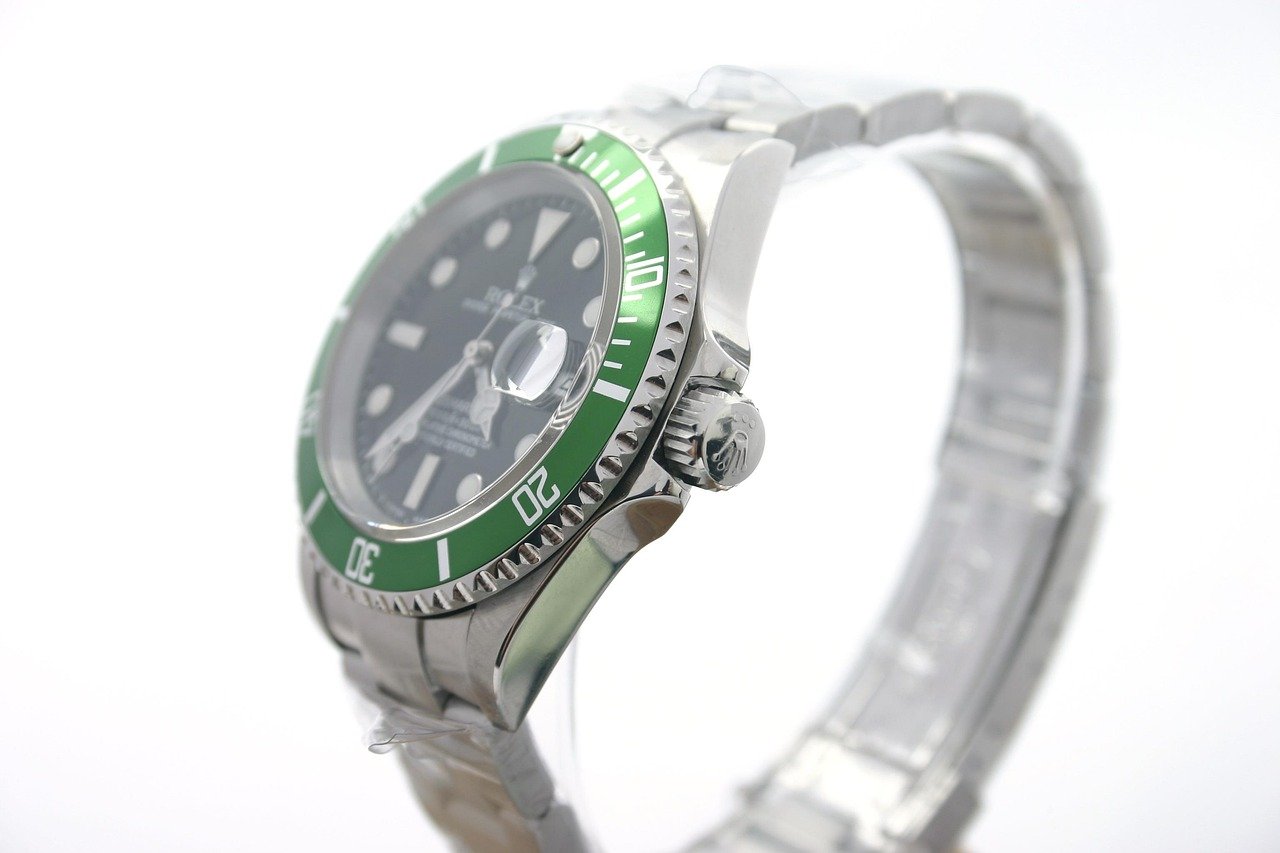
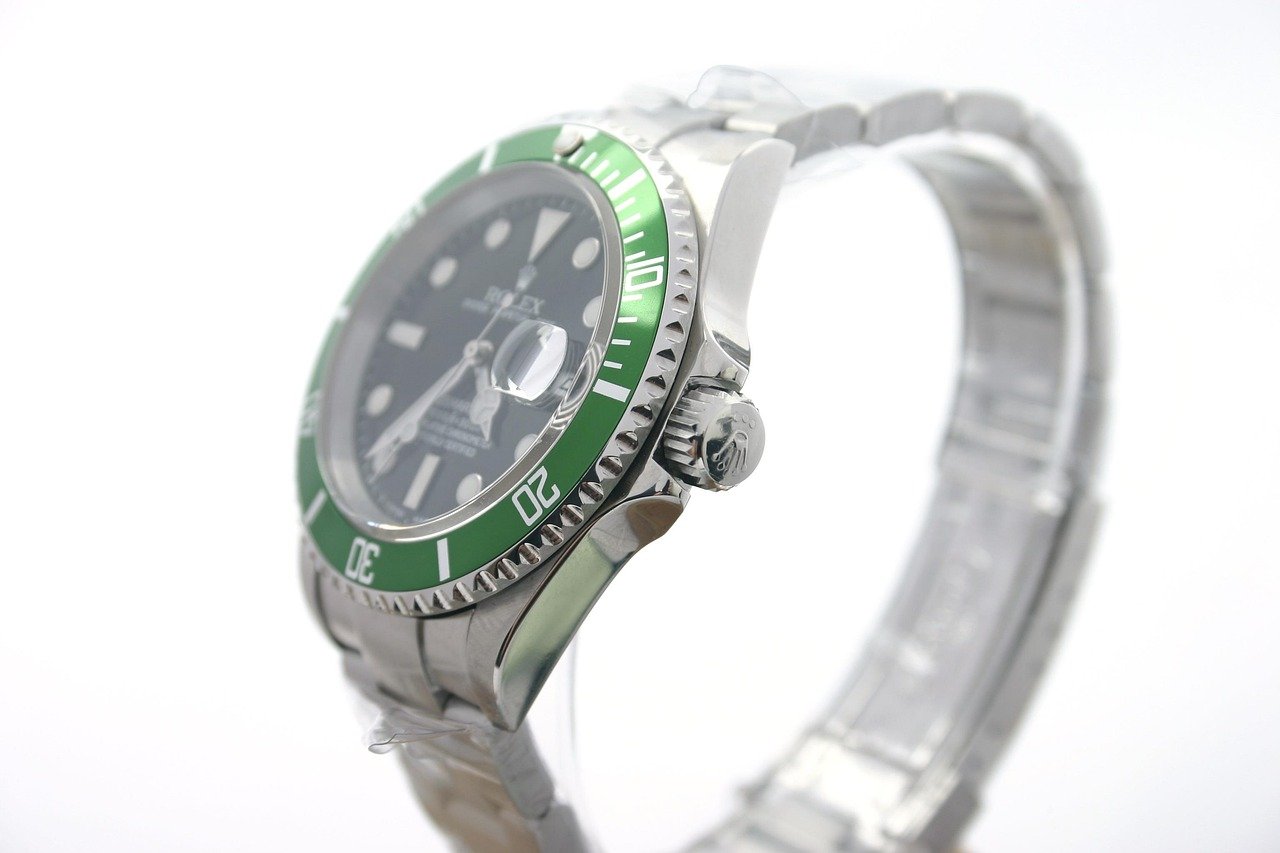
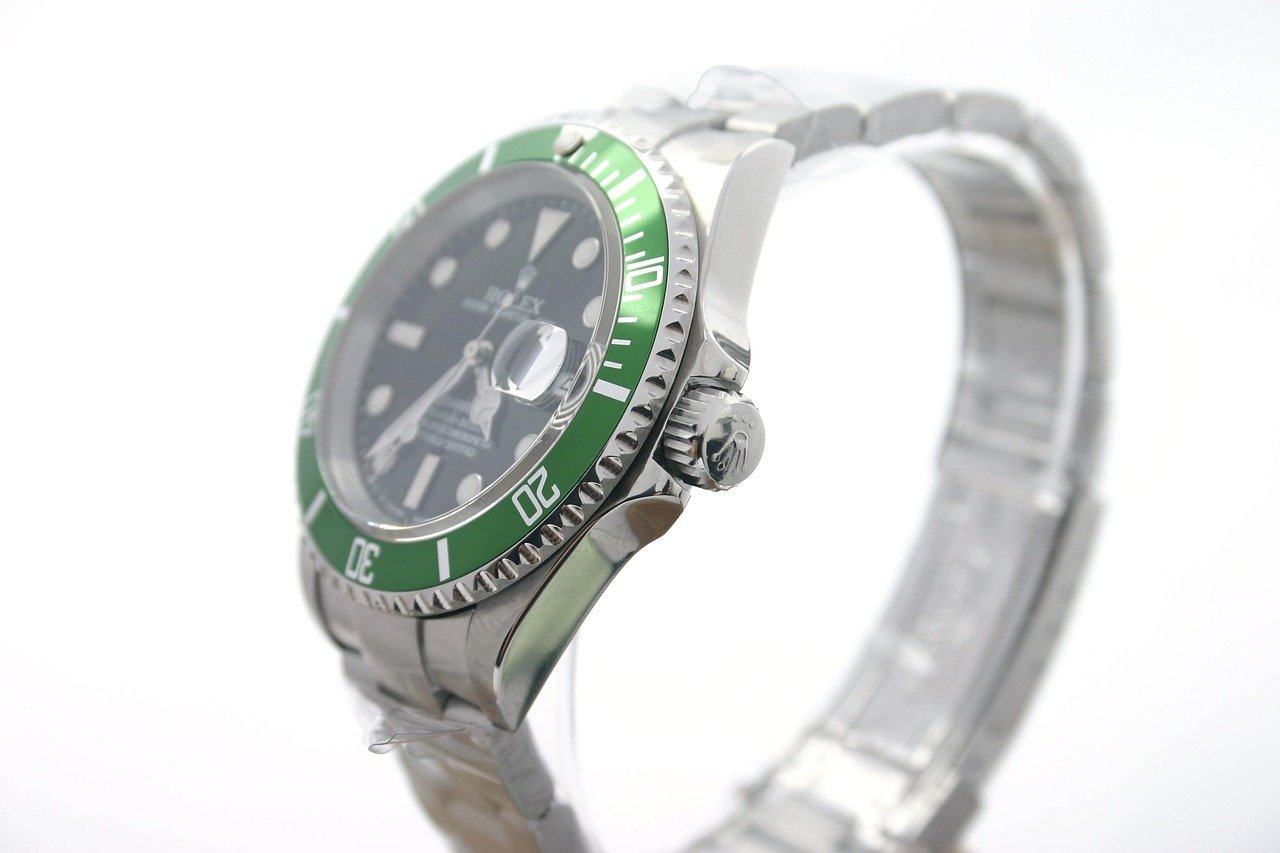
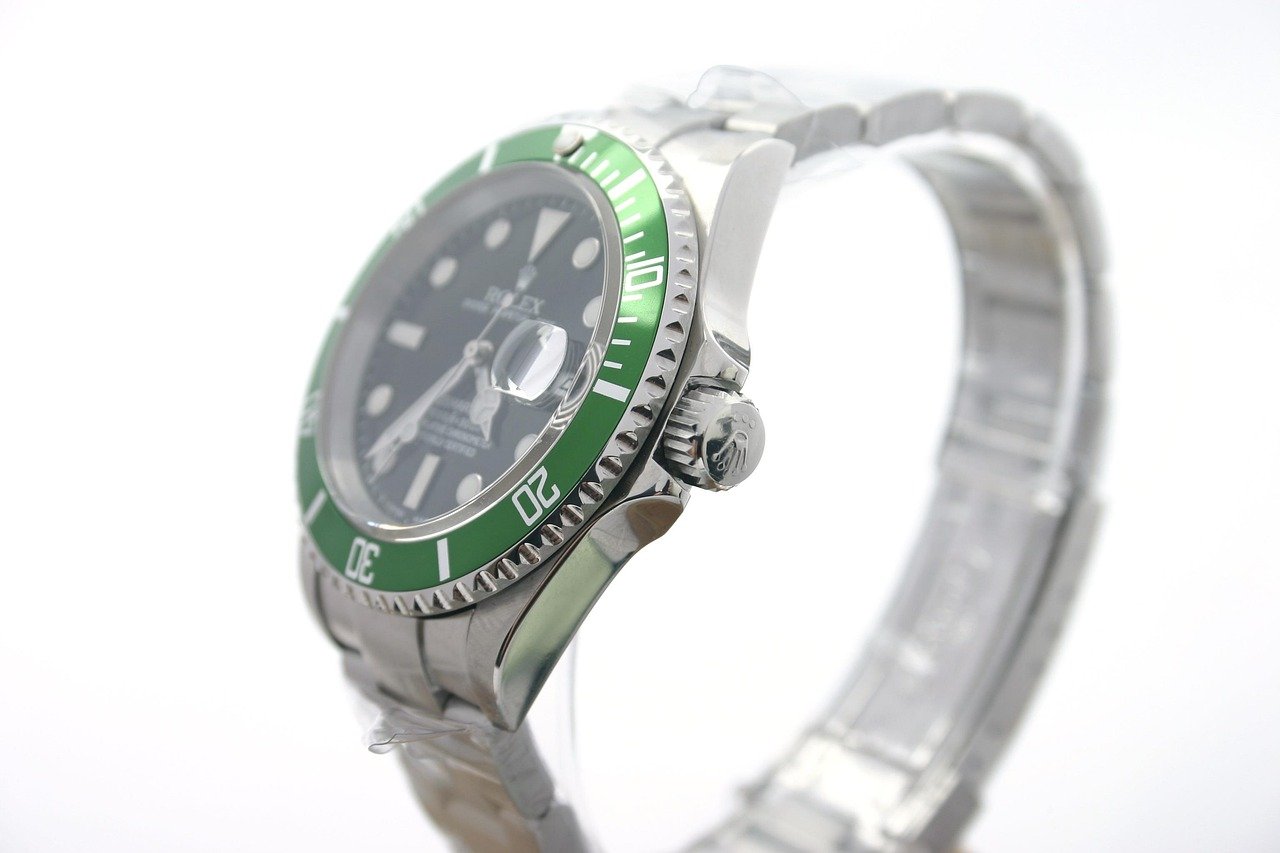
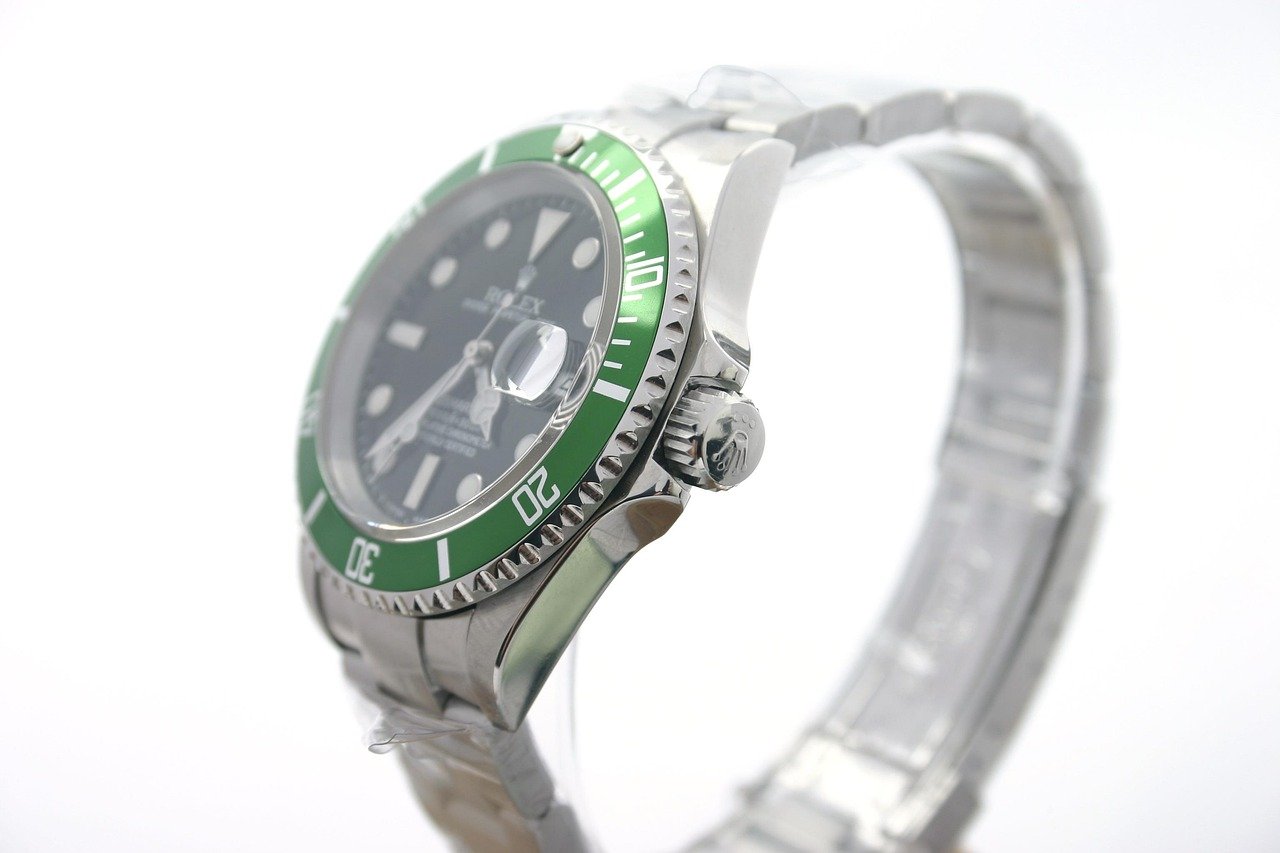
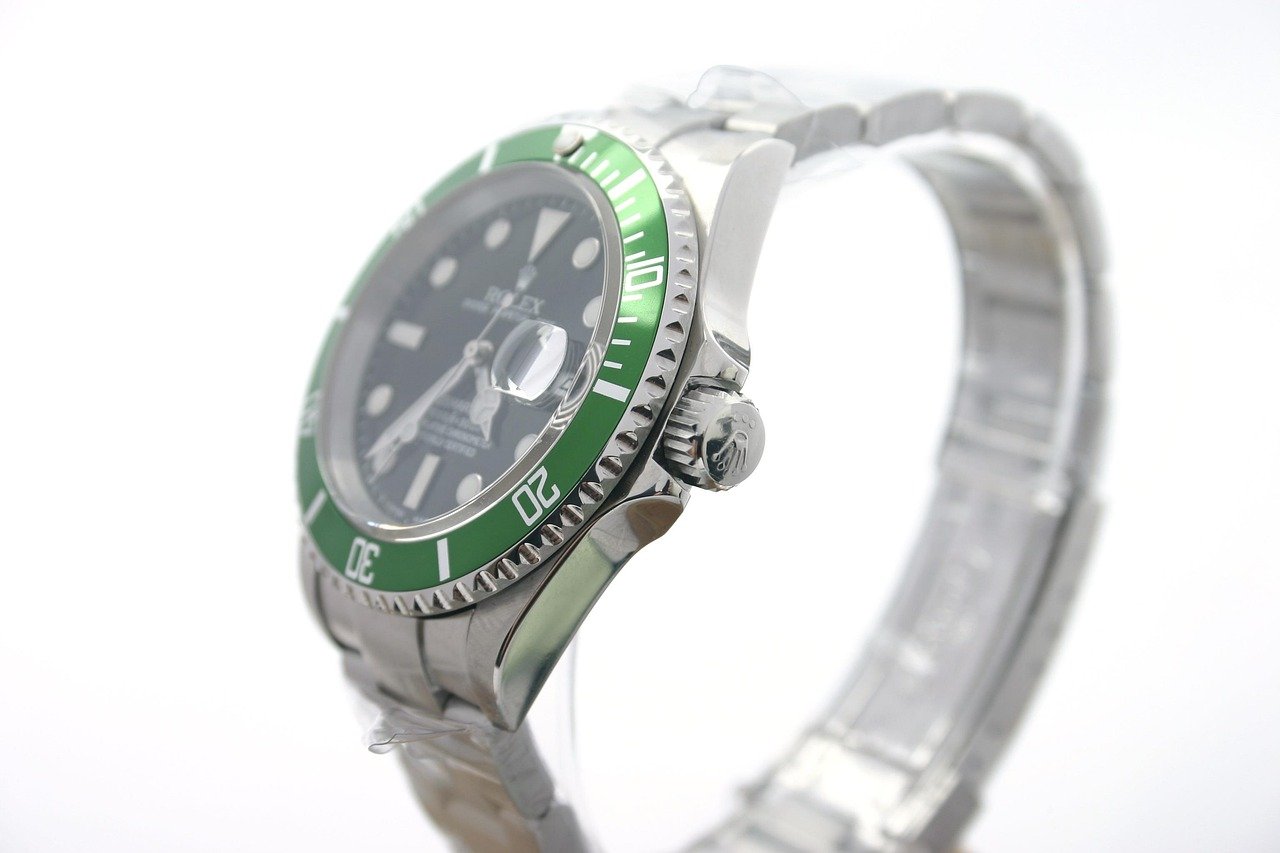
It’s impossible to talk about luxury watches without mentioning the Rolex Submariner. First released in 1953, it set the standard for all modern dive watches. Its timeless design, incredible durability, and brand prestige make it one of the most recognizable and sought-after watches in the world. It’s a true icon that works in any situation, from a wetsuit to a business suit.
The Chronograph King: Omega Speedmaster Professional
Known affectionately as the “Moonwatch,” the Omega Speedmaster is legendary. It was flight-qualified by NASA and worn by astronauts on all six lunar missions. Its classic black dial, triple-register chronograph layout, and tachymeter scale are instantly recognizable. Owning a Speedmaster is owning a genuine piece of space exploration history.
The Elegant Dress Watch: Cartier Tank
For sheer timeless elegance, few watches can compete with the Cartier Tank. Inspired by the Renault tanks of World War I, its rectangular case and clean, Art Deco dial have been a symbol of sophistication for over a century. It has been worn by artists, actors, and royalty, and it remains the benchmark for a classic dress watch.
Decoding the Price Tag: What Are You Paying For?
When you see the price of a high-end timepiece, it’s natural to wonder what goes into that cost. The price is a reflection of several factors, from the raw materials to the centuries of innovation behind the brand name.
Brand Prestige and Marketing
A significant portion of the cost is tied to the brand’s name and reputation. Decades, or even centuries, of building a reputation for quality, sponsoring high-profile events, and advertising campaigns contribute to the brand’s prestige. This history and trust are part of what you’re buying into.
Materials and Complexity
The physical components are a major factor. A watch made from solid 18k gold or platinum will naturally cost far more than one made from stainless steel. Furthermore, the complexity of the watch’s movement plays a huge role. A simple three-hand watch is far less complicated to produce than a chronograph with a perpetual calendar that won’t need to be reset for a century.
Pro Tip: When buying a watch, always ask for the original box and papers (the warranty card and documentation). Having the complete set can significantly increase the watch’s resale value if you ever decide to sell or trade it.
In-House vs. Sourced Movements
Many top-tier brands design, manufacture, and assemble their movements entirely “in-house.” This requires an immense investment in research, development, and specialized machinery, which is reflected in the final price. Other excellent brands use high-quality movements sourced from expert third-party manufacturers like ETA or Sellita. While often more affordable, these are still robust and reliable engines for a luxury timepiece.
The Pros and Cons of Investing in Luxury Watches

Jumping into the world of luxury men’s timepieces is an exciting prospect, but it’s wise to go in with a balanced perspective. Like any significant purchase, there are incredible upsides and a few things to keep in mind.
The Bright Side (Pros)
- Value Retention: Many high-quality watches hold their value exceptionally well, and some popular models can even appreciate over time, making them a relatively stable store of value.
- A Tangible Asset: Unlike stocks or digital assets, a watch is something physical you can wear, use, and enjoy every single day. It’s an investment with a daily dividend of enjoyment.
- A Legacy Item: A well-made mechanical watch is built to last for generations. It can become a cherished family heirloom, carrying stories and memories with it.
- A Connection to Art and Engineering: Wearing a luxury watch connects you to a rich history of human ingenuity, artistry, and meticulous engineering. It’s a celebration of craftsmanship.
The Considerations (Cons)
- High Initial Cost: There’s no getting around it—these are expensive items. The initial outlay can be significant and requires careful financial planning.
- Maintenance Costs: Mechanical watches are like high-performance cars; they need regular servicing to keep running perfectly. A typical service can cost several hundred to over a thousand dollars every 5-10 years.
- Risk of Damage or Theft: Wearing a valuable item on your wrist comes with inherent risks. It’s wise to get your watch insured against potential loss, theft, or significant damage.
- Not a Guaranteed Investment: While some watches appreciate, the market can be unpredictable. It’s best to buy a watch because you love it, with any potential appreciation being a bonus, not the primary goal.
Frequently Asked Questions About Luxury Watches for Men
Here are answers to some of the most common questions that newcomers to the watch world have.
What is the best entry-level luxury watch brand?
There are many fantastic brands in the entry-level space (typically $1,000 – $3,000). Brands like Tissot, Hamilton, Longines, and Oris offer incredible value with Swiss-made movements and high-quality construction. For a more modern and bold approach, microbrands like LIV Swiss Watches also provide exceptional quality and design for the price.
Are luxury watches a good investment?
They can be, but it’s not guaranteed. Certain models from top brands like Rolex, Patek Philippe, and Audemars Piguet have historically performed very well as investments. However, most watches will depreciate slightly after purchase. The best approach is to buy what you love to wear, and if it happens to go up in value, consider it a happy bonus.
How often should a luxury watch be serviced?
Most manufacturers recommend a full service every 5 to 10 years. During a service, a watchmaker will completely disassemble the movement, clean every part, replace any worn components, lubricate it, and reassemble it. This keeps the watch running accurately and prevents premature wear on the delicate internal parts.
Can you wear a luxury watch every day?
Absolutely! Most high-end watches for men, especially those made from stainless steel or titanium, are designed for daily wear. They are built to be durable and reliable. Just be mindful of your activities—you probably wouldn’t want to wear an elegant gold dress watch while doing heavy yard work.
What’s the difference between an automatic and a quartz watch?
An automatic watch is a type of mechanical watch that winds itself using the motion of your wrist—no battery needed. A quartz watch is powered by a battery that sends an electrical signal through a quartz crystal, making it incredibly accurate. Watch enthusiasts often prefer automatic watches for their intricate craftsmanship and the smooth sweep of the second hand.
Final Thoughts: Your Journey into Horology Begins
Choosing your first luxury watch is the start of a fascinating and rewarding hobby. It’s a journey that teaches you to appreciate the incredible skill that goes into creating these tiny, perfect machines. Remember to focus on what truly speaks to you—your budget, your personal style, and your daily life.
Don’t rush the process. Enjoy the research, try on different pieces, and find the one that makes you smile every time you look at your wrist. A watch is one of the most personal items you can own, and the right one will bring you joy for many years to come.
If you’re looking for a fantastic starting point that combines bold, modern style with the trusted quality of a Swiss-made movement, options like the offerings from LIV Swiss Watches are definitely worth exploring. They prove that you don’t have to spend a fortune to get an exceptionally well-made and exciting timepiece. Welcome to the club!




Leave a Reply